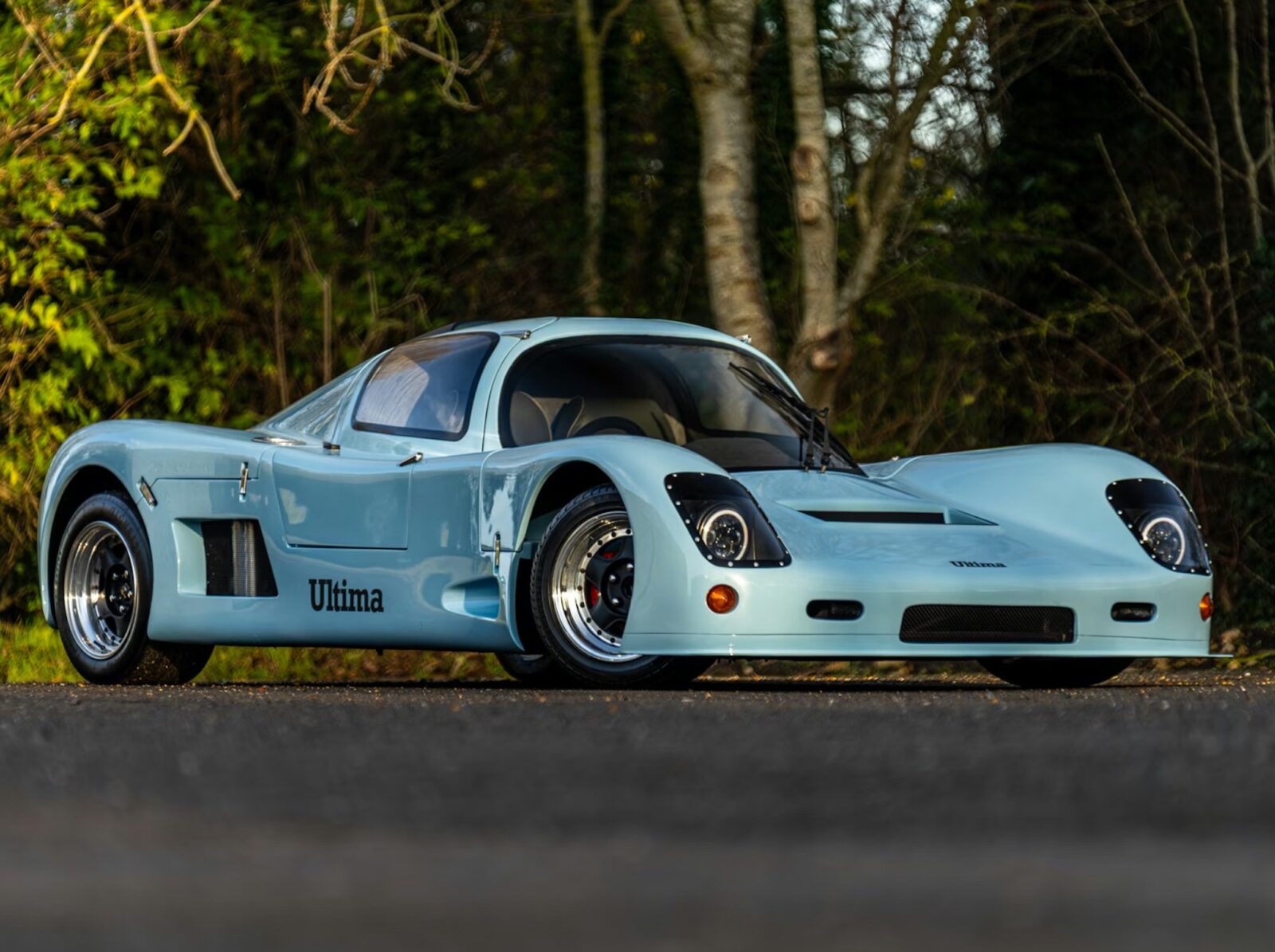
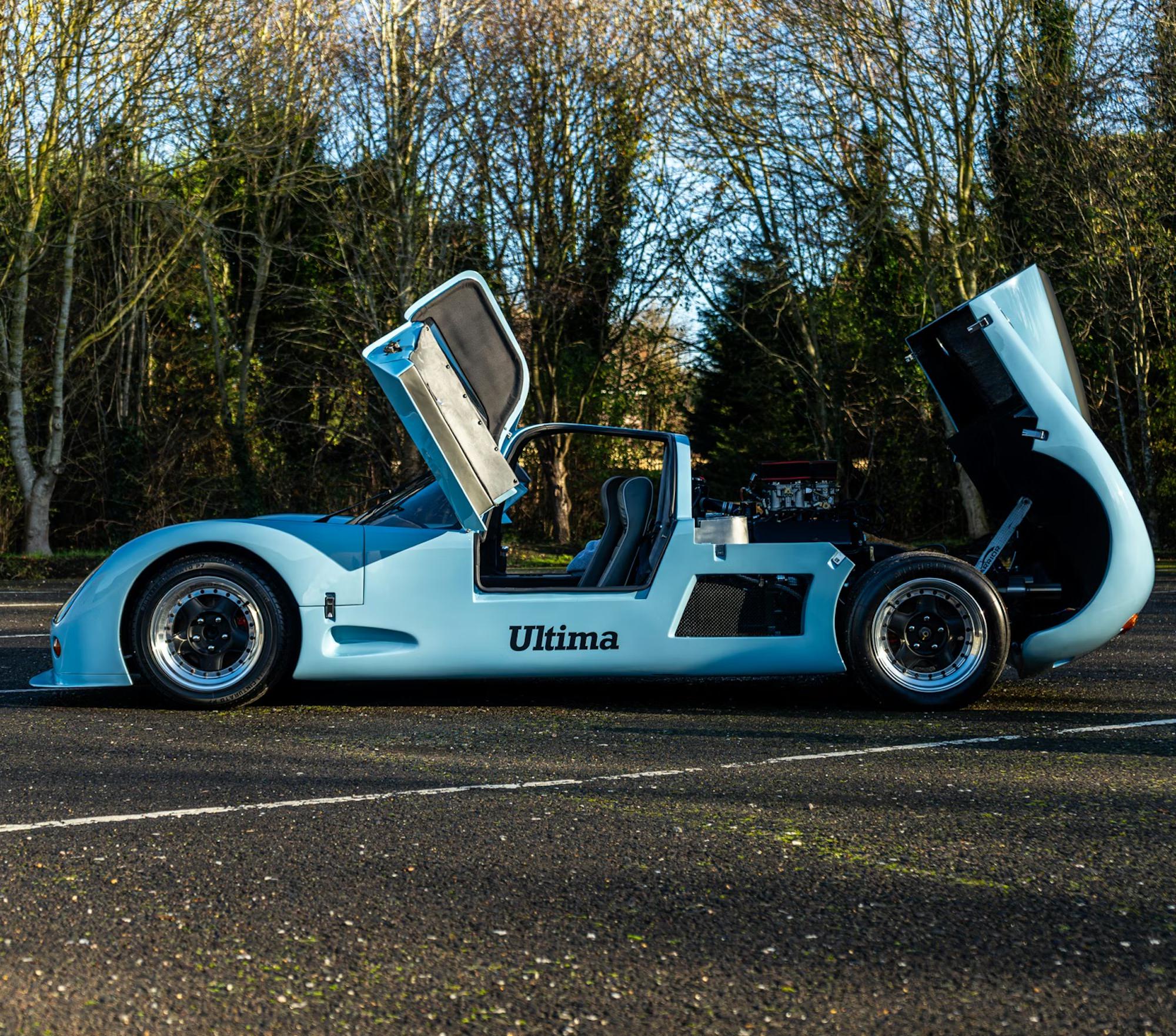
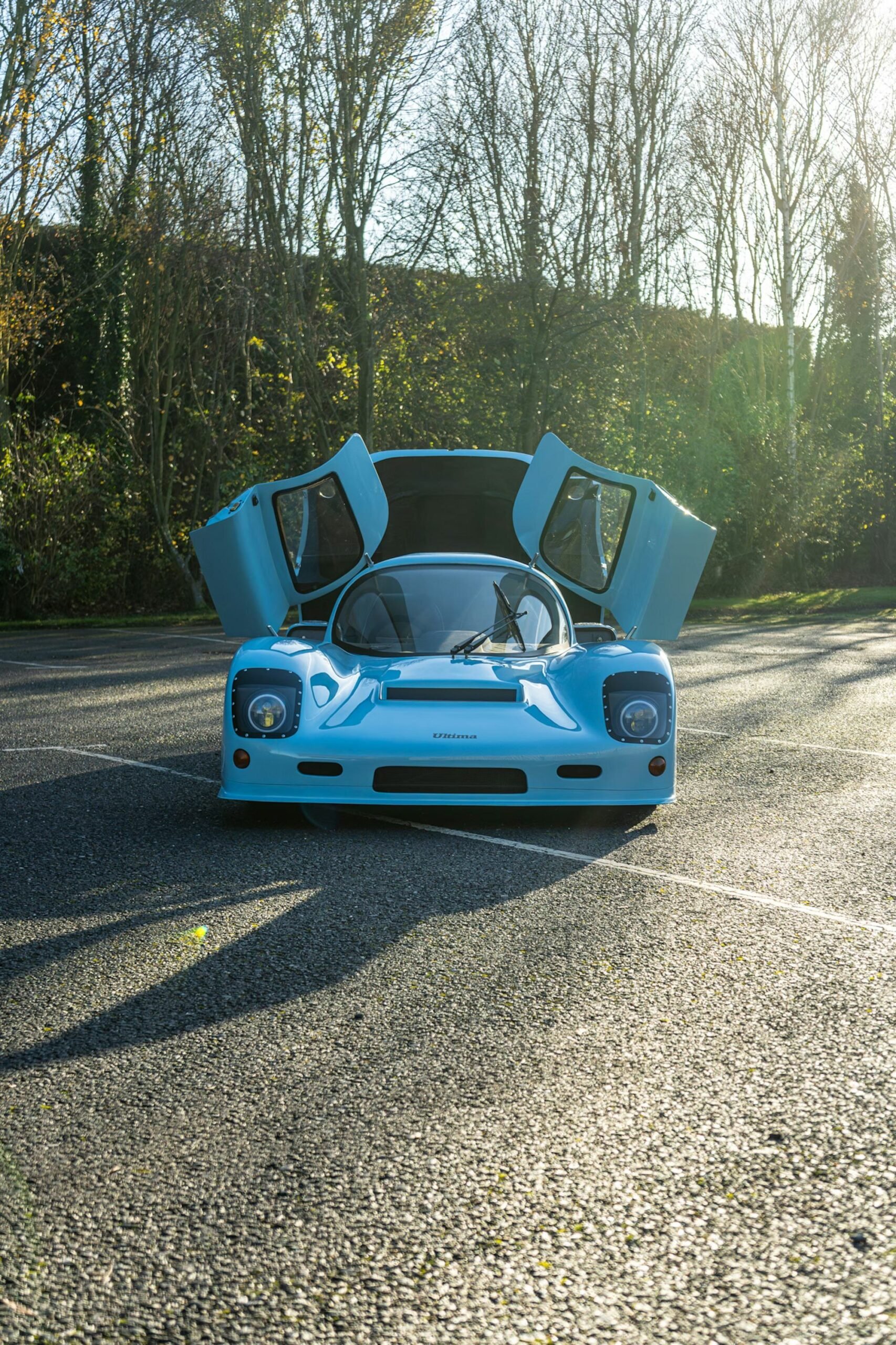
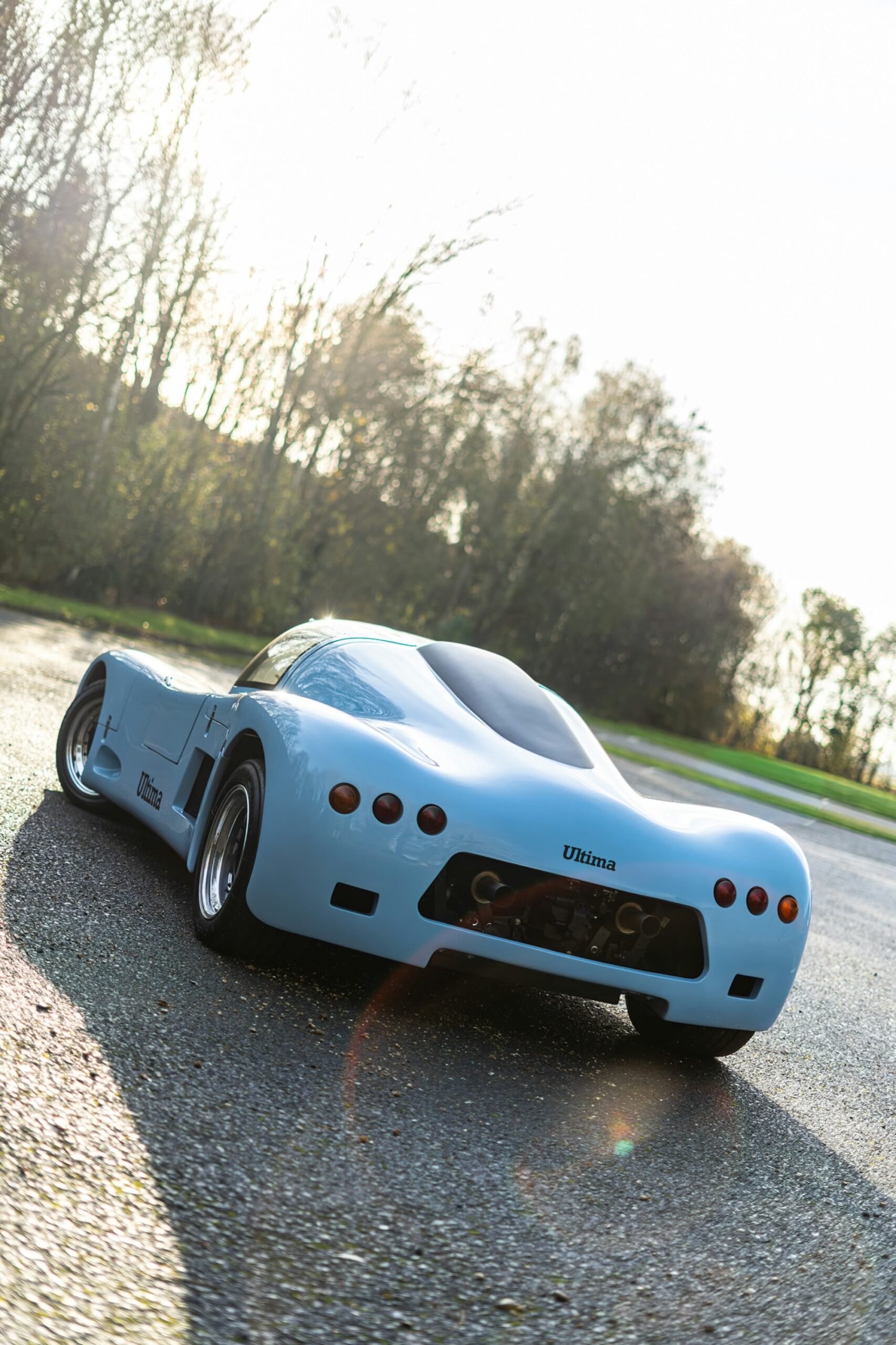
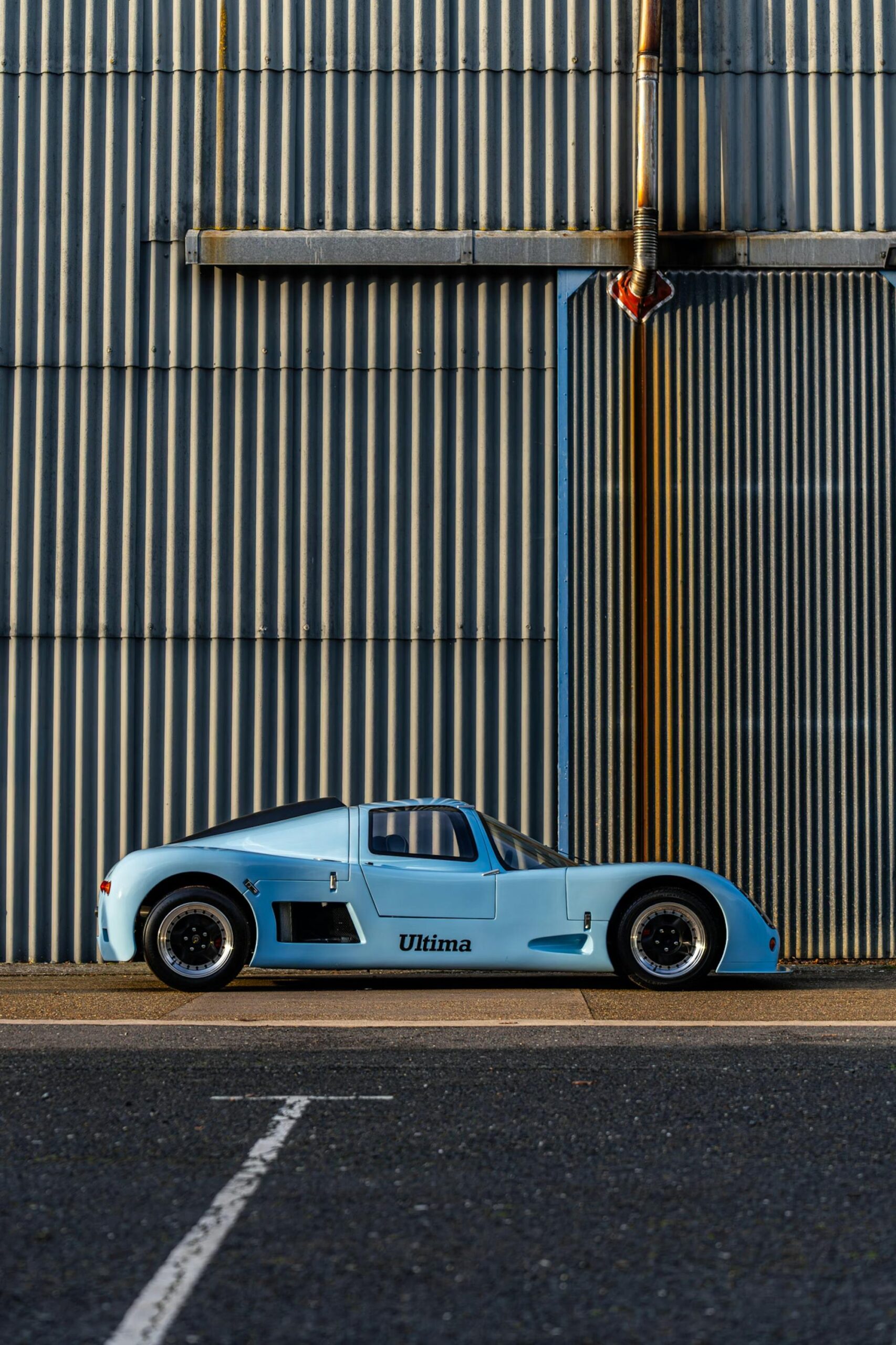
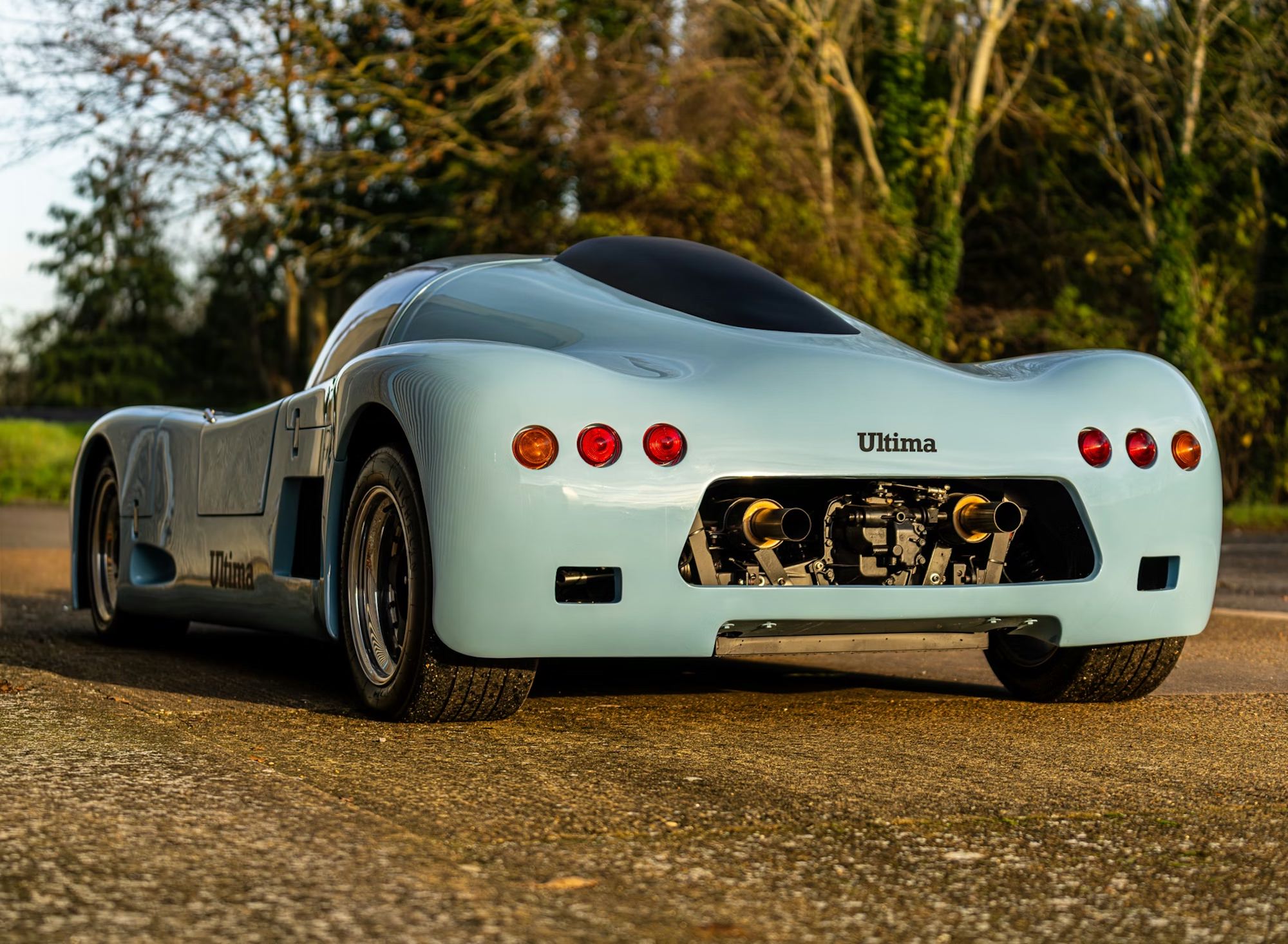
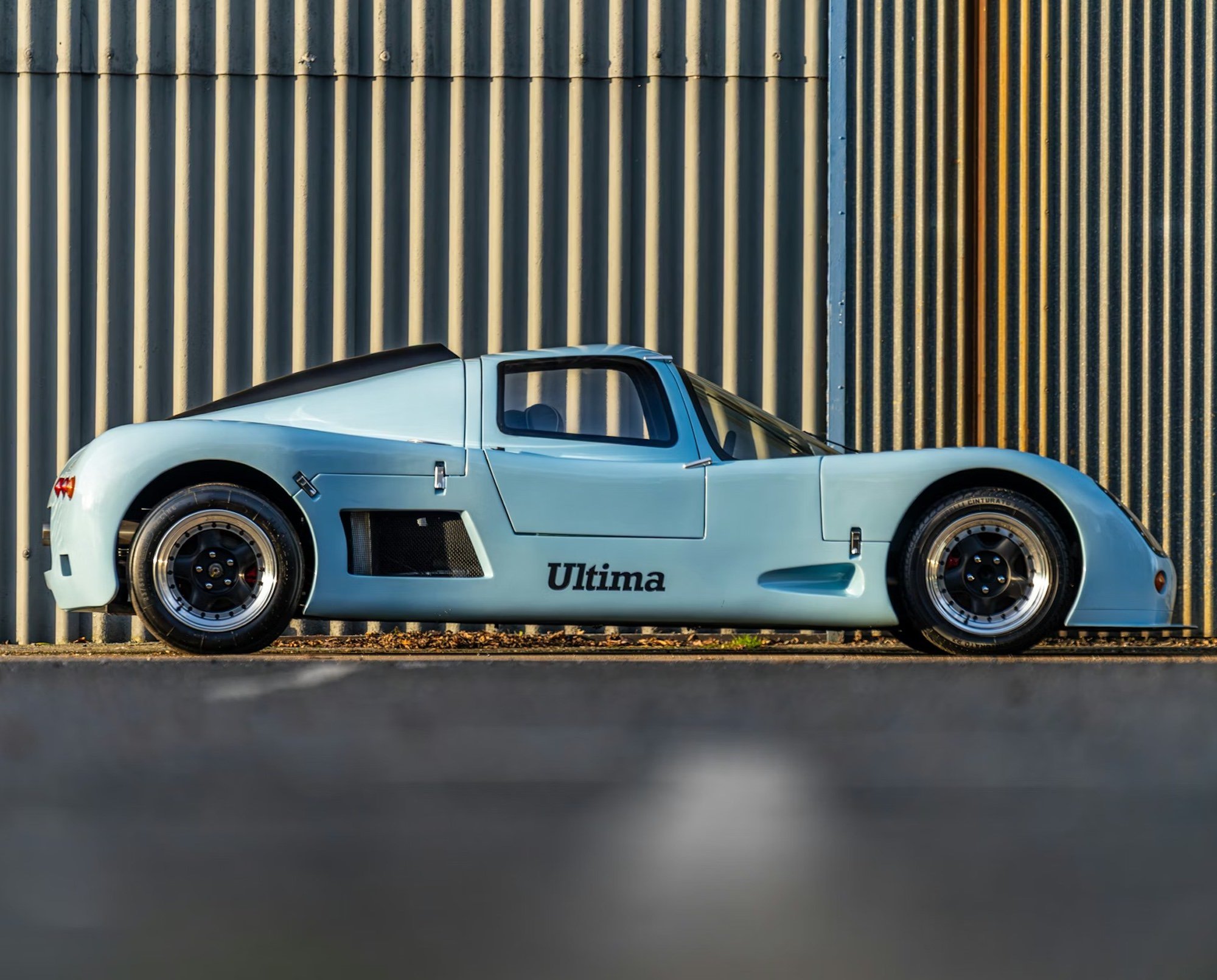
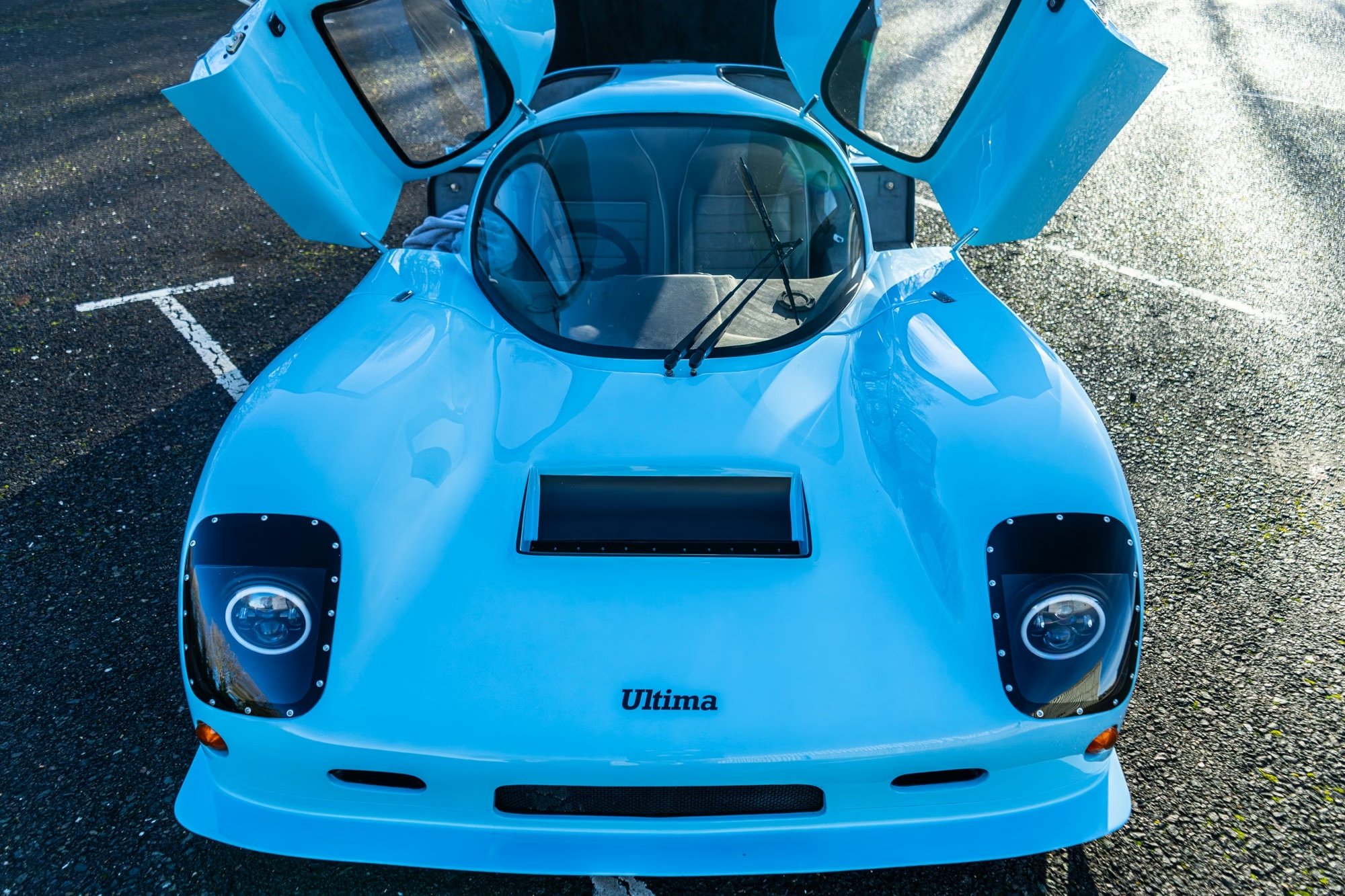
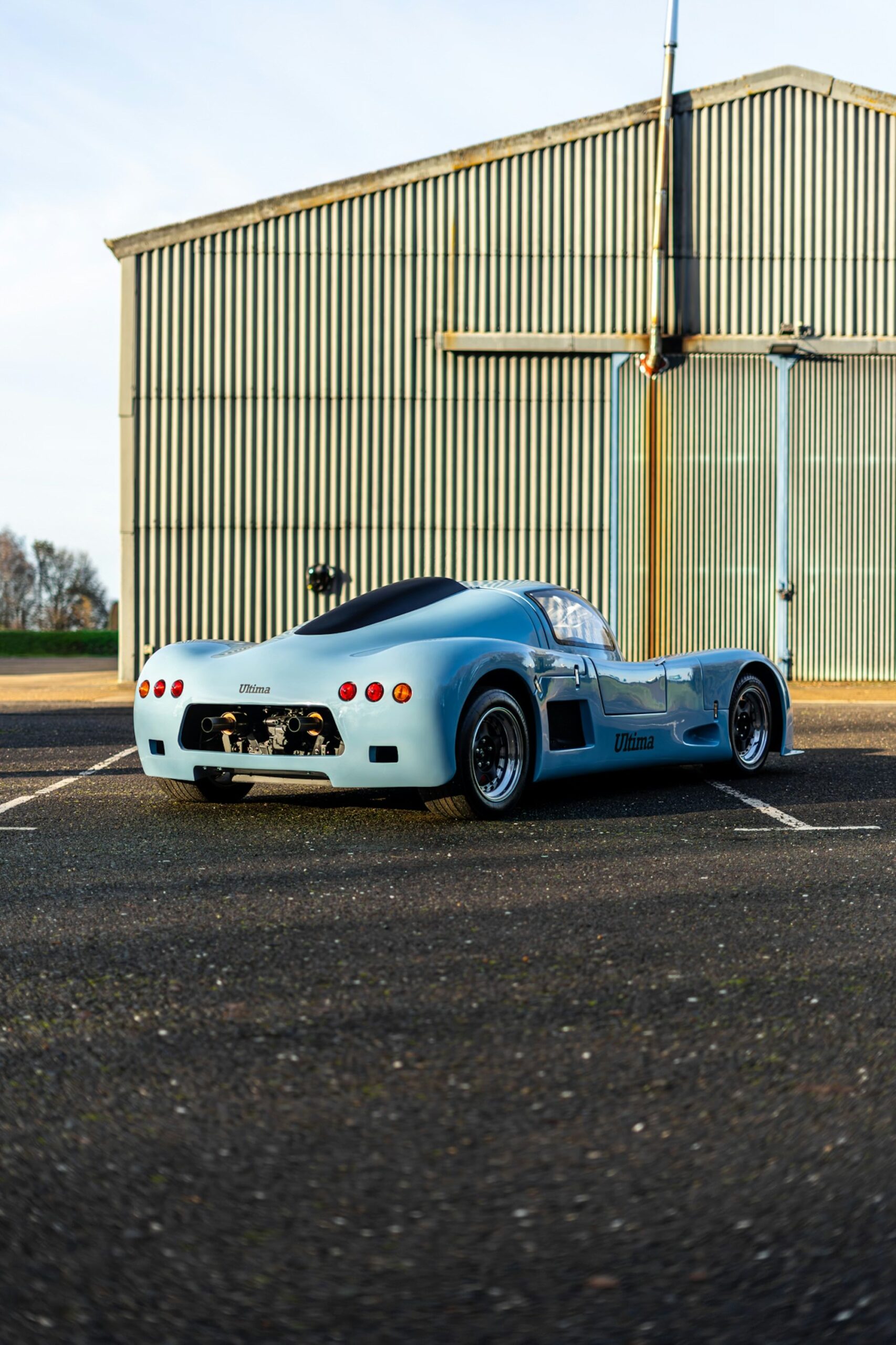
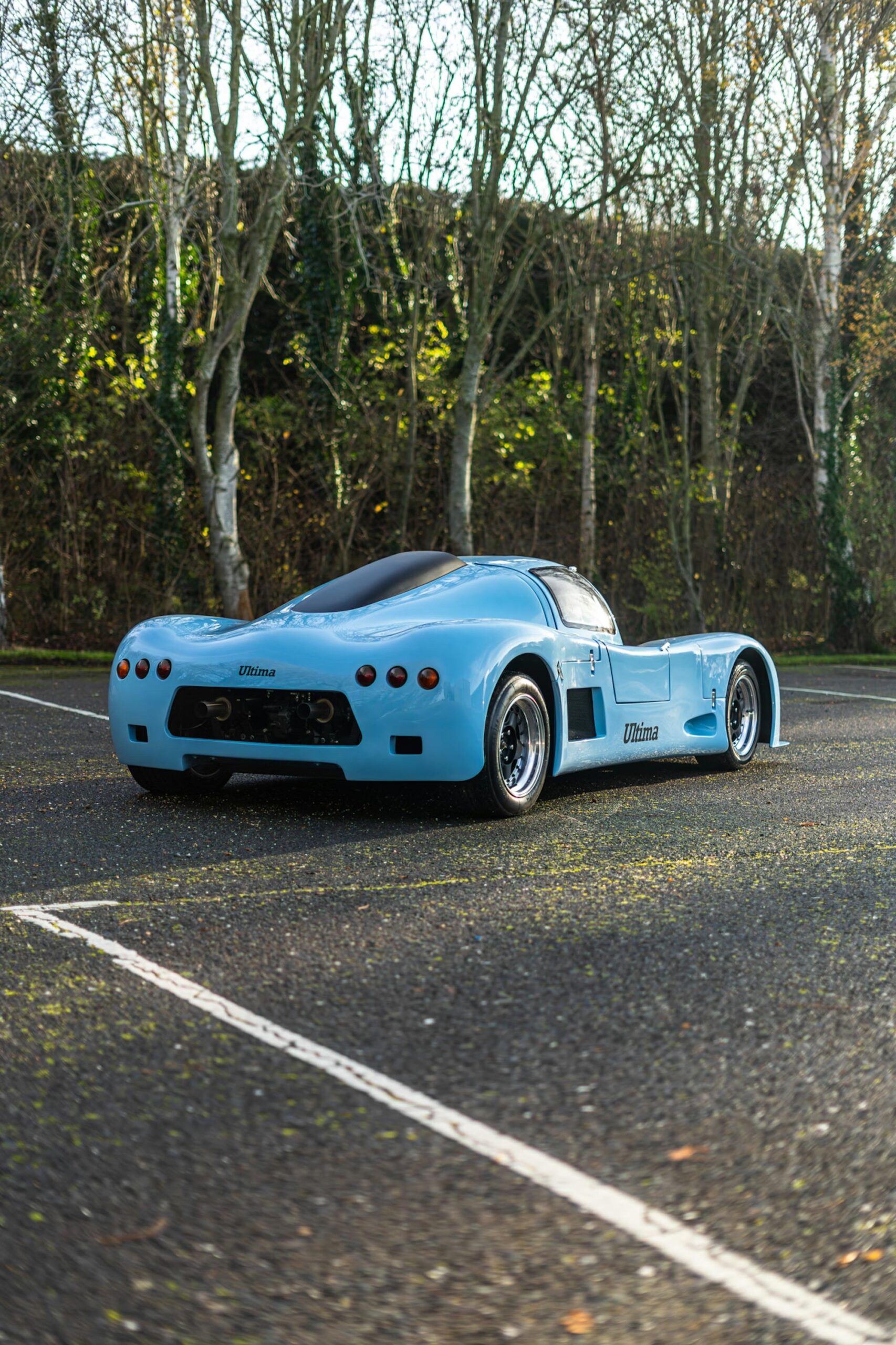
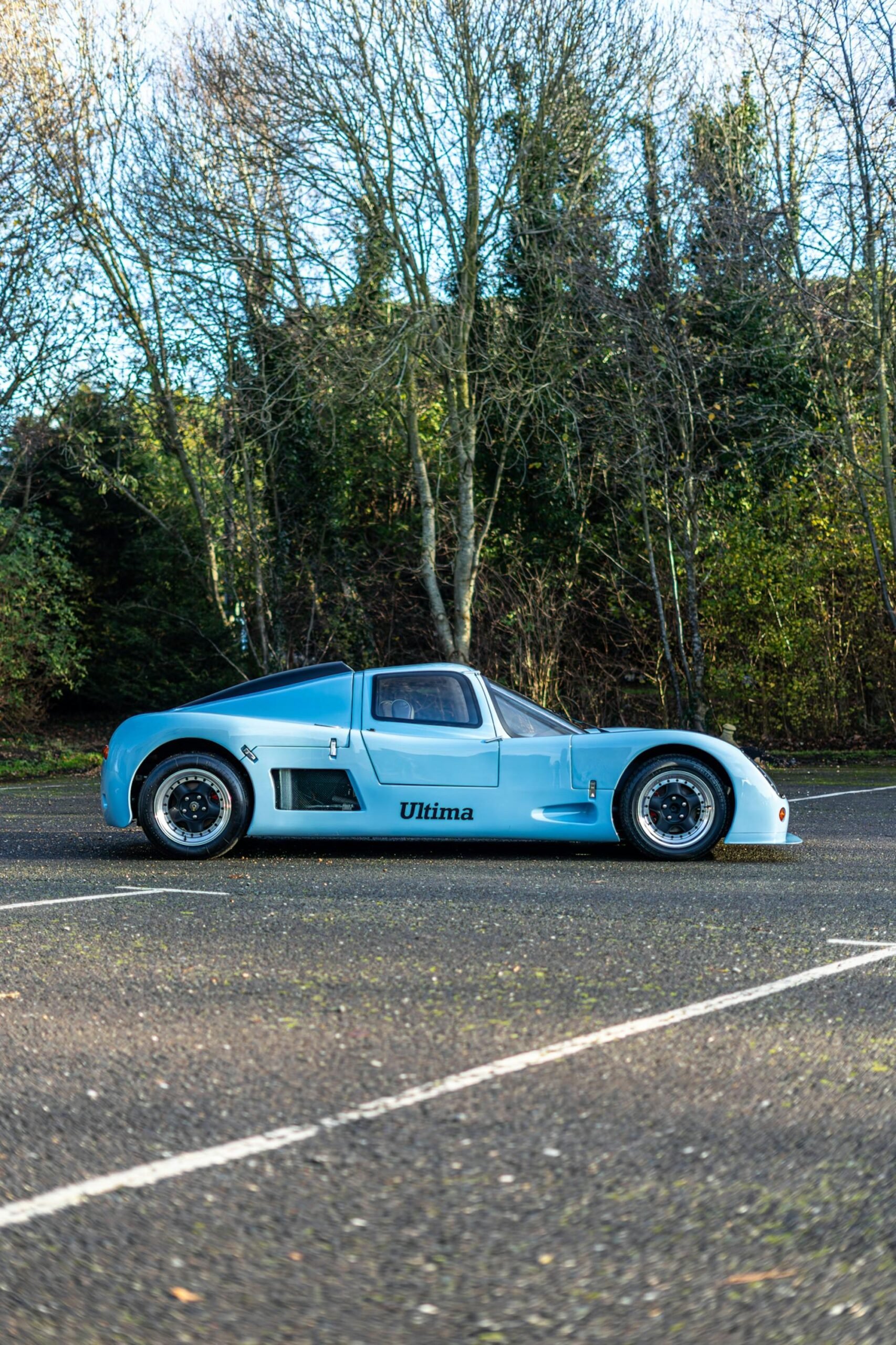
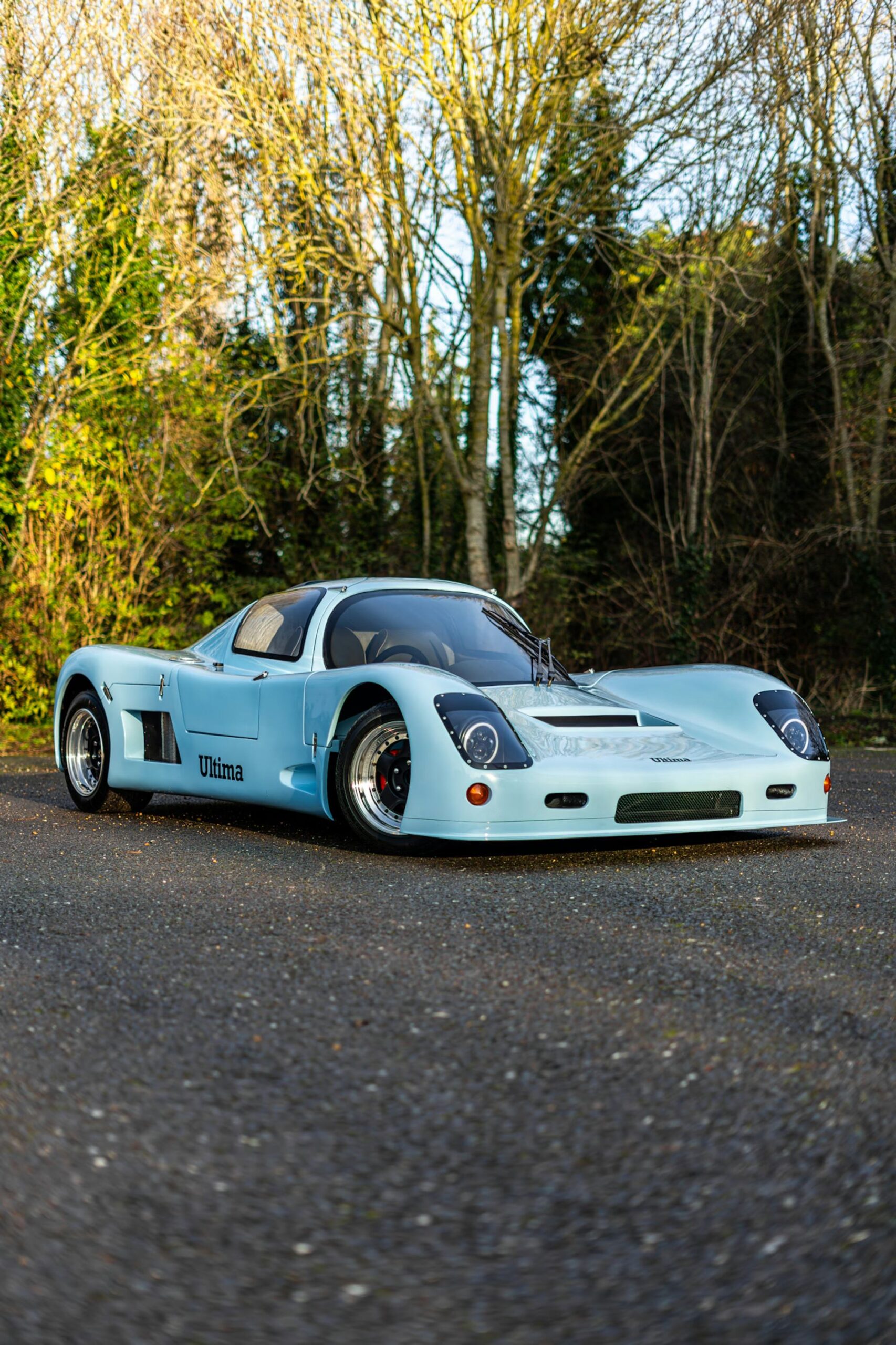
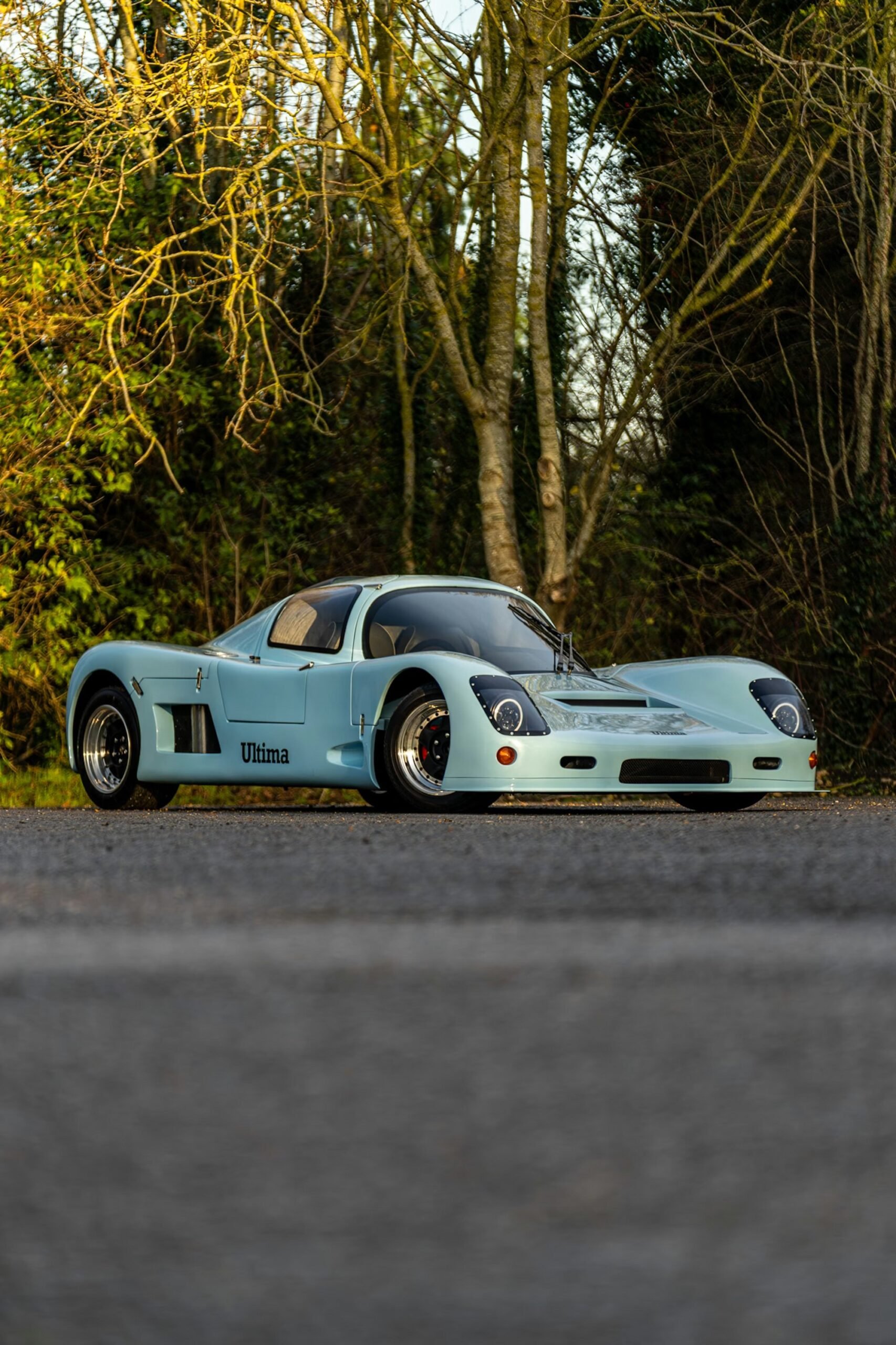
This is a rare Ultima MK3 from 1983, in fact it’s the earliest known chassis from engineer and designer Lee Noble’s first run of customer cars.
Interestingly, just 10 or so years down the line McLaren would buy an Ultima and use it as the test mule while developing the McLaren F1 – one of the most consequential supercars in history. Perhaps unsurprisingly, a production Ultima GTR would record one of the fastest published 0-100-0 mph times of its era.
Fast Facts: The Ultima MK3
- The Ultima Mk3 shown here is an exceptionally early example, believed to be the earliest known customer chassis from Lee Noble’s first Ultima production run. Built in the early 1980s, it represents the transition point where Ultima moved from experimental prototypes toward customer-delivered, road-going cars.
- Ultima began as an engineering-led project focused on low weight, mid-engine balance, and objective performance rather than luxury. Early cars used steel spaceframes and relatively simple drivetrains, allowing good performance without excess complexity, high costs, or mass production compromises typical of mainstream sports car manufacturers.
- Over time, Ultima evolved through key models including the Mk2, Mk3, Can-Am, and GTR, with V8 power becoming dominant under Ted Marlow’s influence. The GTR in particular established the brand globally, achieving exceptional acceleration and braking figures that rivaled far more expensive contemporary supercars.
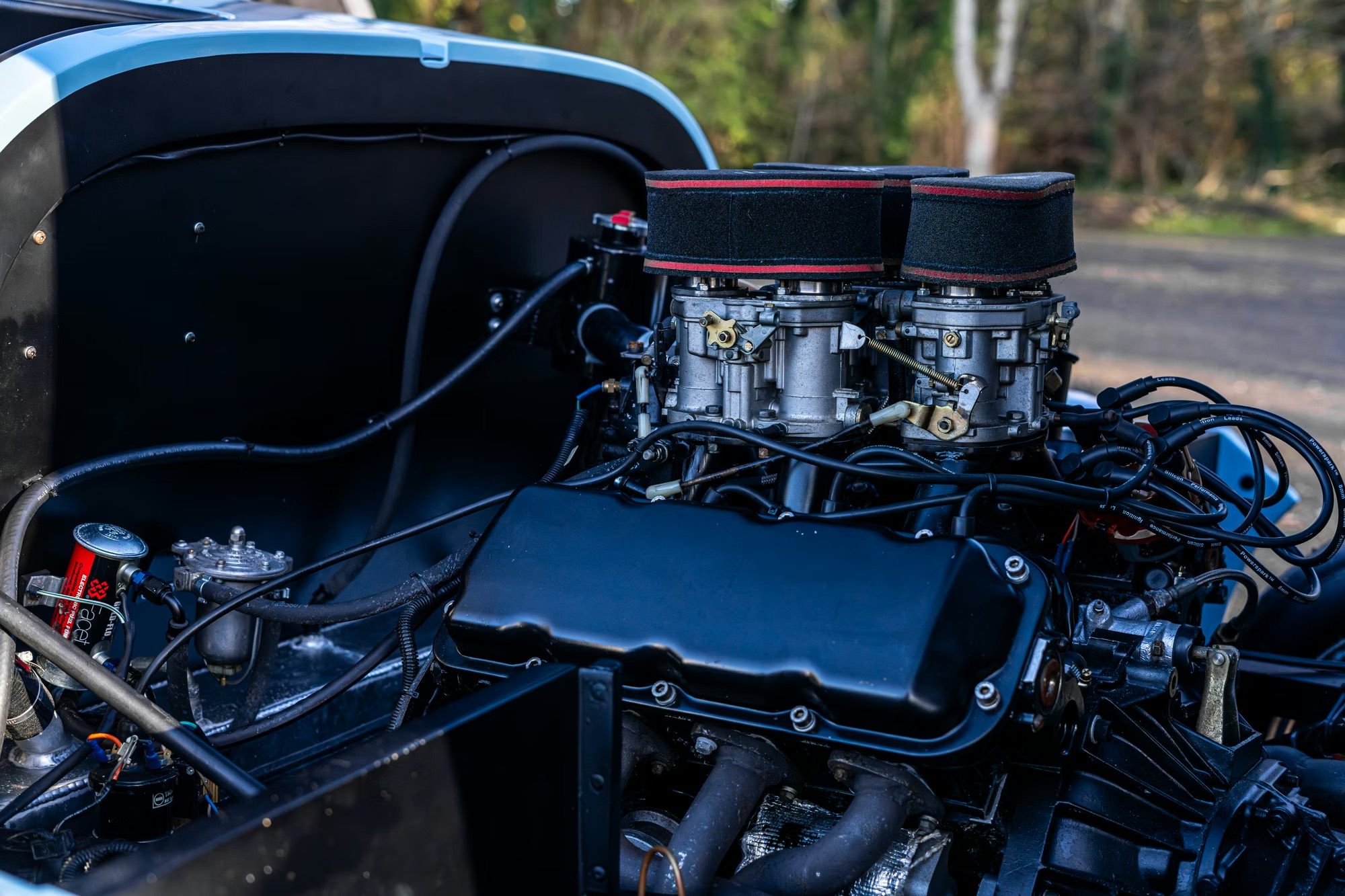
- The featured Mk3 keeps its naturally aspirated Renault V6 and manual transaxle, offering excellent balance and lightness over outright V8 power. It has remained with one owner since new, it was restored on the Car S.O.S. TV series, and now presents as a historically significant, well-preserved snapshot of Ultima’s formative years.
History Speedrun: Ultima
Ultima Sports Ltd is a British specialist manufacturer best-known for producing high-performance, mid-engined supercars that are offered to customers primarily in kit form, though turnkey cars are available and becoming more popular in recent years. Ultima has long been the working class supercar, a supercar that can be built in a garage or shed with hand tools, all while still being able to embarrass many modern supercars worth vastly more money.
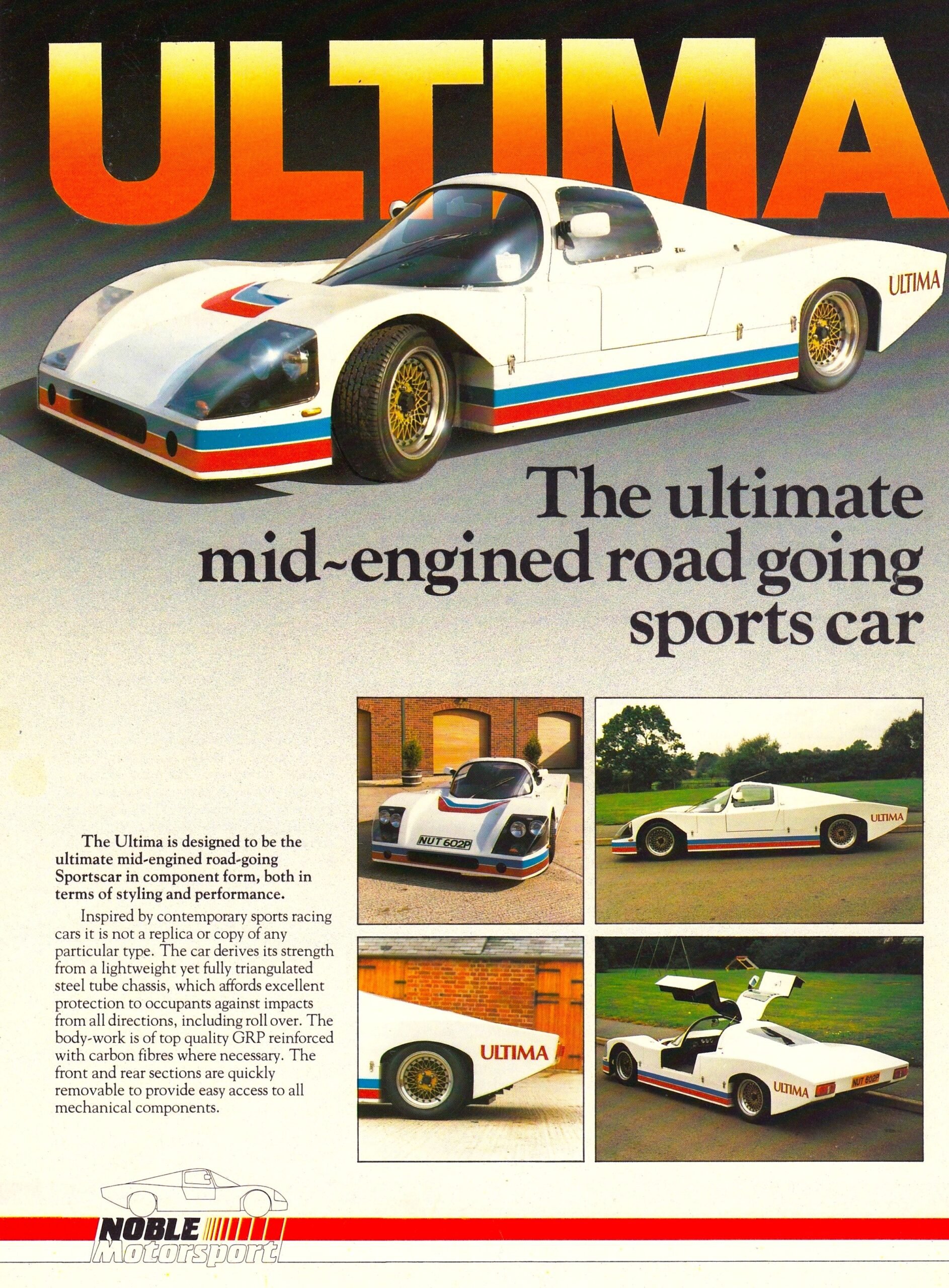
 The Ultima Mk1 was developed as a compact, mid-engined sports car influenced by contemporary Group C racing prototypes. It used a square-section steel spaceframe chassis and was typically powered by a Renault 30 V6 engine and transaxle. Image courtesy of Ultima Sports Ltd.
From Ultima’s origins in the early 1980s to the present day, the company and its predecessors have focused on lightweight construction, straightforward mechanical layouts, and objective performance rather than luxury features or mass-market production.
The Ultima Mk1
The Ultima name first appeared in 1983, when engineer and designer Lee Noble founded Noble Motorsport and built the original Ultima Mk1.
The Mk1 was developed as a compact, mid-engined sports car influenced by contemporary Group C racing prototypes. It used a square-section steel spaceframe chassis and was typically powered by a Renault 30 V6 engine and transaxle.
No Mk1s were sold to customers, it was more of a proof of concept – the Mk2 soon followed in 1984, keeping the same basic architecture while introducing incremental improvements to the chassis and body design.
The Ultima Mk2
The first Mk2 Ultima was bought by Ted Marlow, a man who would later play a major role in shaping the company’s future. Ted and Lee both raced their Ultimas in various British racing series for which they qualified, blitzing the rest of the field and typically setting lap records at each circuit they visited.
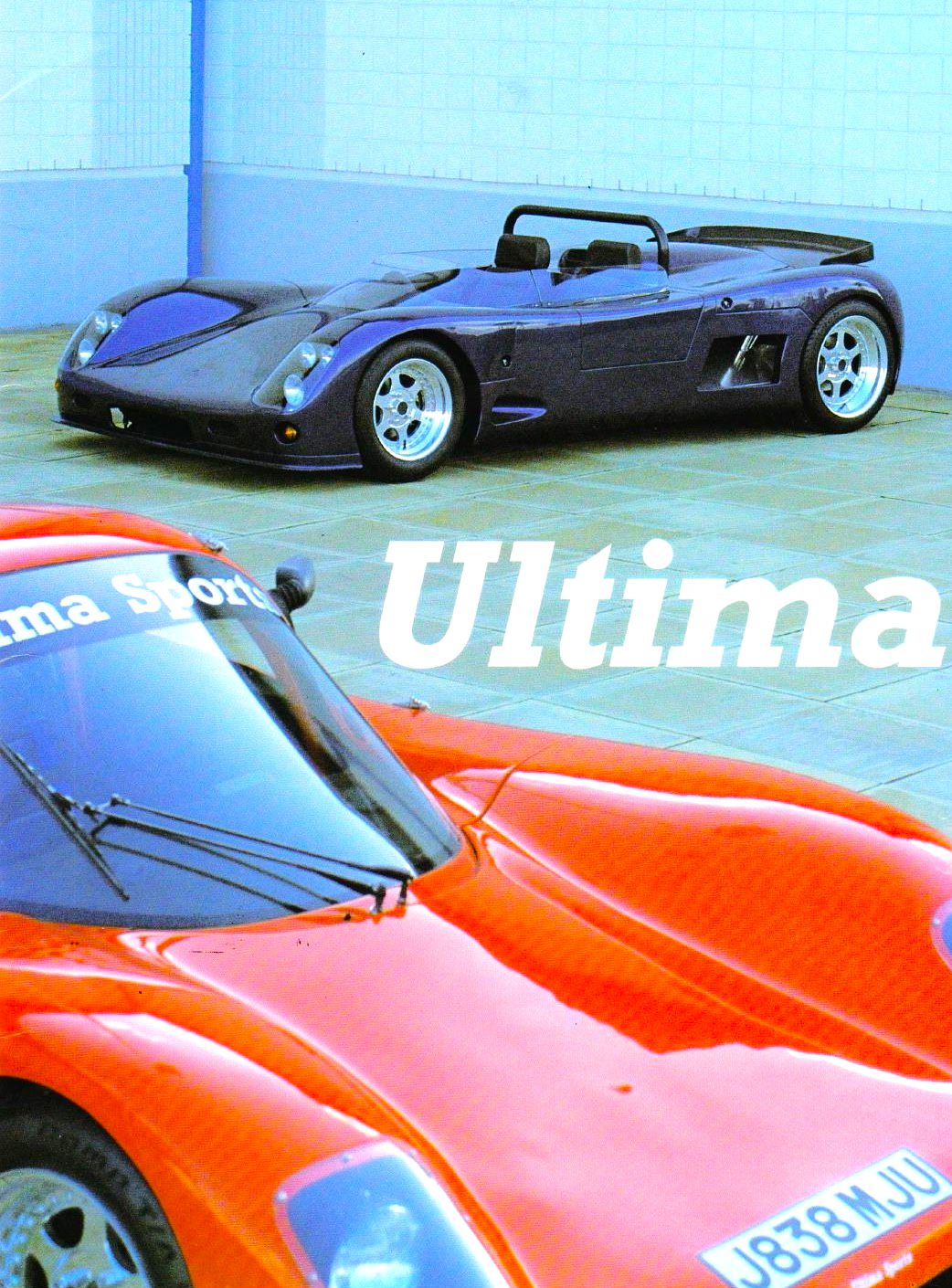
Here we see the the Ultima Sports and the Spyder models, the latter of which was an open-topped version intended as a modern take on the Shelby Cobra concept, and it would later be further refined into the Can-Am model. Image courtesy of Ultima Sports Ltd.
It would be Ted who was the first to fit a V8 engine to an Ultima in place of the original V6, transforming the performance of the car and setting in motion a course of events that would soon see almost every future Ultima built with a V8 in the back. It was the moment that the Ultima went from being a sports car to a genuine supercar.
The Ultima Mk3
The Ultima Mk3 debuted in 1989 as the final iteration of the car by Lee Noble offering a series of chassis, suspension, and packaging revisions aimed at improved rigidity and usability. It was still offered primarily with Renault V6 power, continuing the simple, lightweight drivetrain approach used on earlier models.
In 1992, the Ultima brand and its rights were purchased from Noble Motorsport by brothers Ted and Richard Marlow, who then set up the company Ultima Sports Ltd. This was the transition to the company that continues to operate today under the Ultima name.
Under the Marlows’ ownership, Ultima kept the original emphasis on low mass and mechanical simplicity while formalizing production and development, and introducing a slew of key engineering, design, and aerodynamics improvements.
Through the 1990s, the cars evolved steadily, with improvements focused on things like chassis stiffness, suspension development, and cooling. Their first model release was the Ultima Sports and the Spyder, the latter of which was an open-topped version intended as a modern take on the Shelby Cobra concept, and it would later be further refined into the Can-Am model.
The Ultima Can-Am
A major step forward in the Ultima timeline came in 2001 with the introduction of the Ultima Can-Am. The Can-Am was a more developed platform intended to support higher output engines and much improved usability.
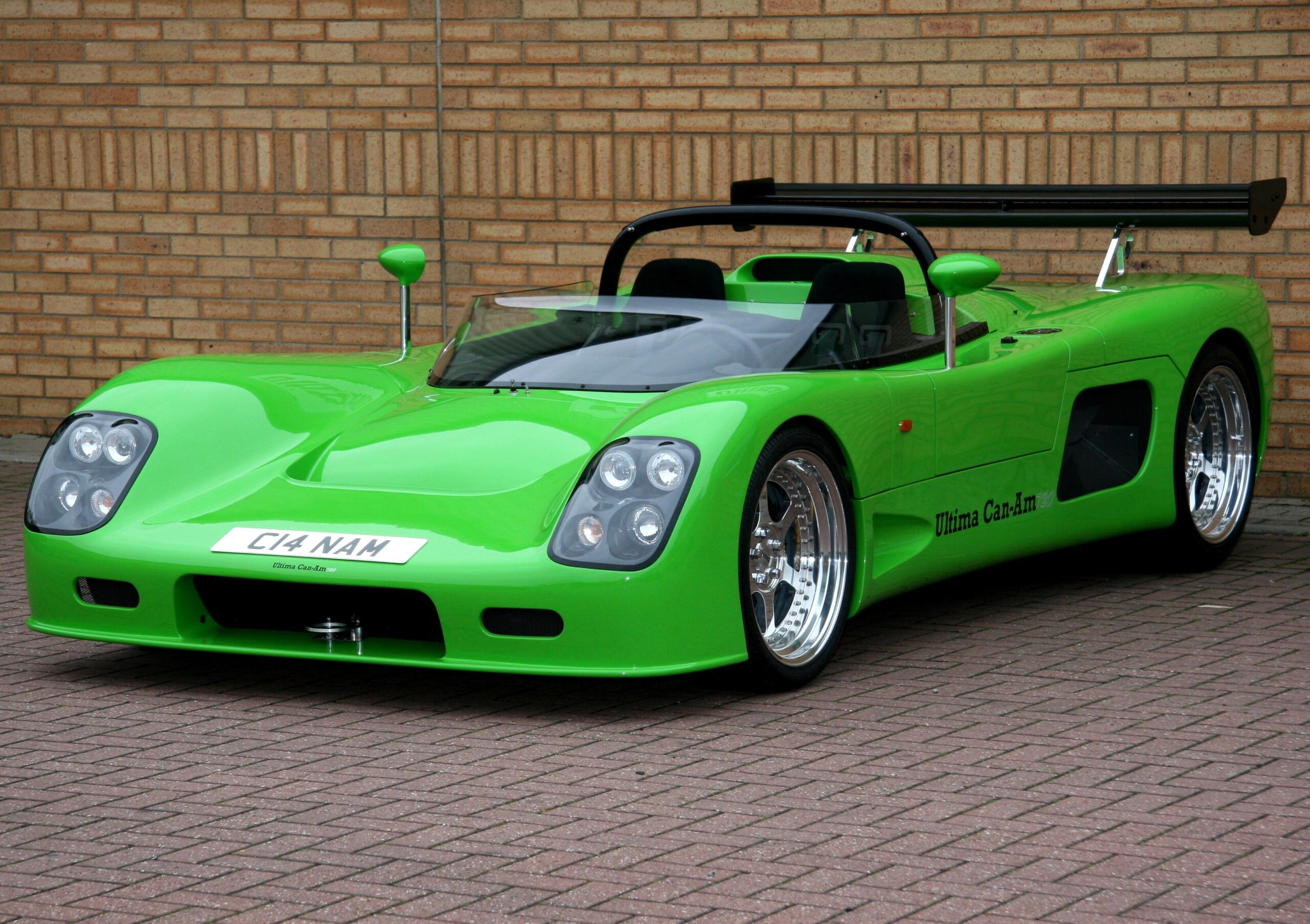
The Ultima Can-Am had an open-top body, a revised spaceframe chassis, uprated independent suspension, and it was designed to accommodate more powerful engines and the improved cooling that came with them. Image courtesy of Ultima Sports Ltd.
It had an open-top body, a revised spaceframe chassis, uprated independent suspension, and it was designed to accommodate more powerful engines and the improved cooling that came with them. During this period, Chevrolet small block V8 engines became the standard power units, chosen for their availability, reliability, and excellent power-to-weight ratio.
With curb weights typically below 1,000 kgs (2,205 lbs), the Can-Am delivered remarkable performance even in naturally aspirated form. It remained in production until 2016 and became one of the company’s best-selling models.
The Ultima GTR
The Ultima GTR was introduced in 1999 and it’s widely regarded as the car that established Ultima’s international reputation. The GTR had a comprehensively redesigned steel spaceframe chassis and updated aerodynamics which were developed through an extensive testing regimen at facilities including MIRA.
Power came from a wide range of Chevrolet LS-series V8 engines, from LS1 and LS6 units to larger-displacement, dry-sumped engines producing well in excess of 600 bhp. Factory specifications list a curb weight of approximately 950 kgs (2,094 lbs), giving the GTR an exceptional power-to-weight ratio by any standard.
Factory-supported GTRs recorded 0 to 60 mph times below three seconds and 0-100 mph times under six seconds, along with braking performance that compared favorably with many of the quickest supercars of the time.
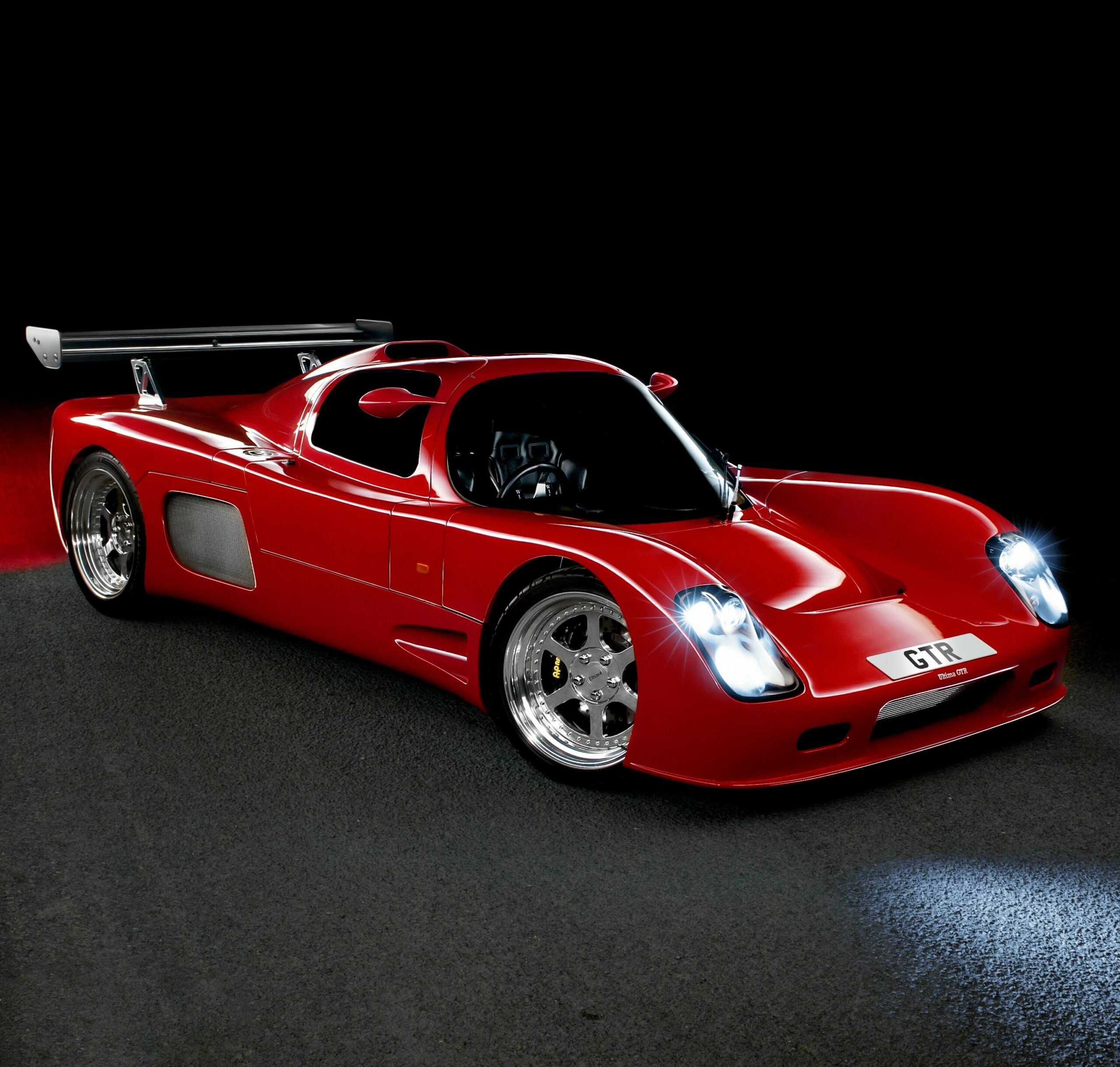
The Ultima GTR was introduced in 1999 and it’s widely regarded as the car that established Ultima’s international reputation. The GTR had a comprehensively redesigned steel spaceframe chassis and updated aerodynamics which were developed through an extensive testing regimen at facilities including MIRA. Image courtesy of Ultima Sports Ltd.
The GTR was also designed to accommodate road equipment, with full interiors, storage space, and air conditioning – all without undermining or compromising its structural integrity. It was offered both as a self-build kit and as a factory-assembled turnkey car, the majority have been built as kits.
The Ultima Evolution
In 2015 Ultima introduced the Evolution, a substantial update of the GTR rather than a clean-slate redesign. The Evolution had revised aerodynamics, improved cooling, updated interior ergonomics, and compatibility with newer LS-based engines.
Supercharged configurations were available, with engine outputs exceeding 1,000 bhp, while keeping the same fundamental layout and lightweight construction principles as the earlier GTR. As before, customers could choose between kit form or a fully built factory vehicle.
The Ultima RS
The company’s current flagship model is the Ultima RS, it was launched in 2019 as a full, blank slate redesign. It has a stiffer chassis, revised suspension geometry front and back, and bodywork developed using CFD analysis and on-track validation. Engine options are based on Chevrolet LS architecture and range from 430 bhp to 1,200 bhp, depending on the customer’s specification (and budget).
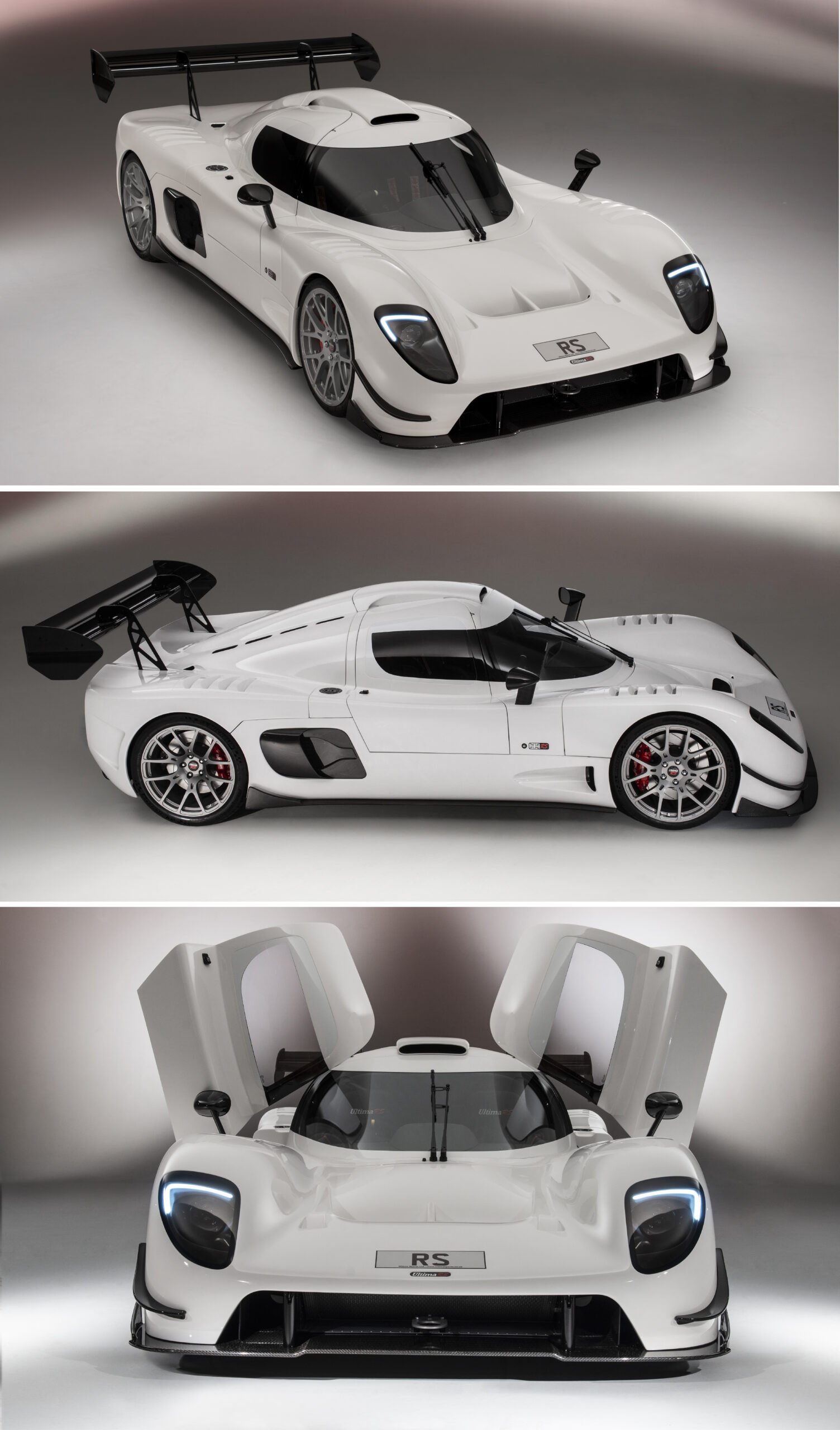
The company’s current flagship model is the Ultima RS, it was launched in 2019 as a full, blank slate redesign. It has a stiffer chassis, revised suspension geometry front and back, and bodywork developed using CFD analysis and on-track validation. Engine options are based on Chevrolet LS architecture and range from 430 bhp to 1,200 bhp, depending on the customer’s specification (and budget). Image courtesy of Ultima Sports Ltd.
With a starting curb weight of 930 kgs (2,050 lbs), the RS is the most technically advanced Ultima produced to date. Like previous models, it is available as both a kit and a factory-built, turnkey car.
The RS is being offered for sale in the UK as well as across the pond in the USA where a significant number of Ultimas are now on the road, and as always, they offer genuine supercar pace for a mere fraction the price of a big brand name vehicle.
The Ultima Mk3 Shown Here
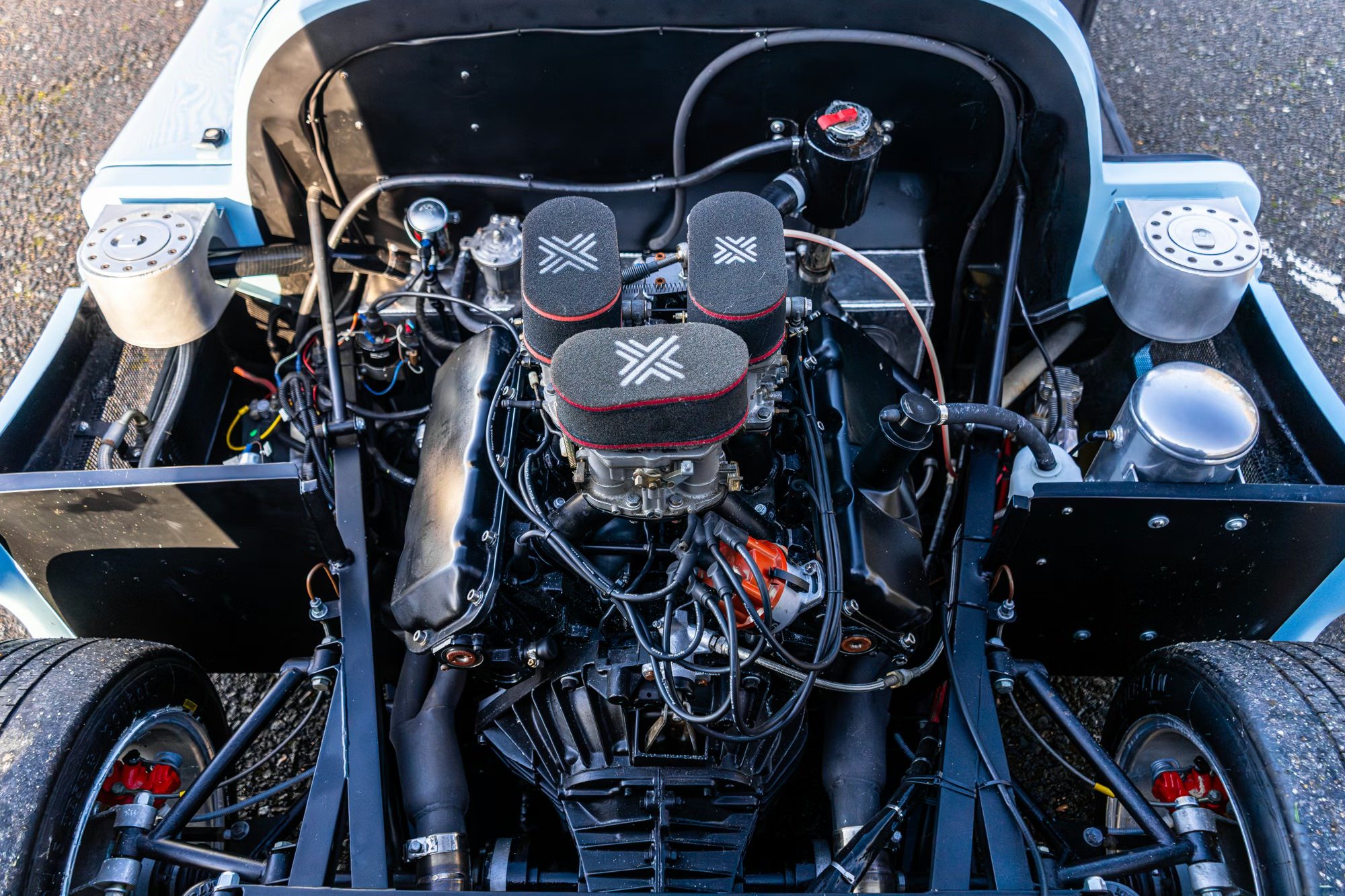
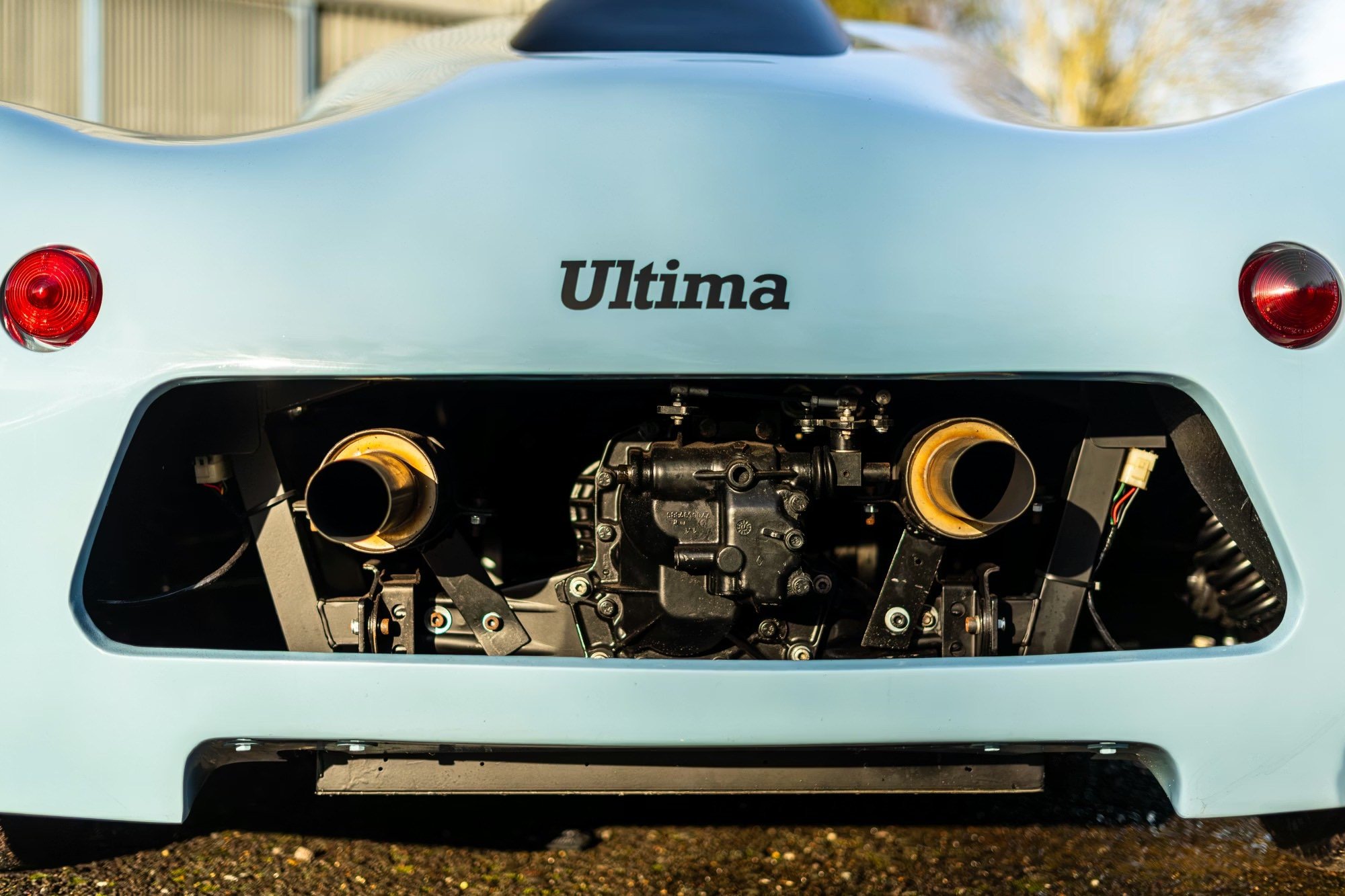
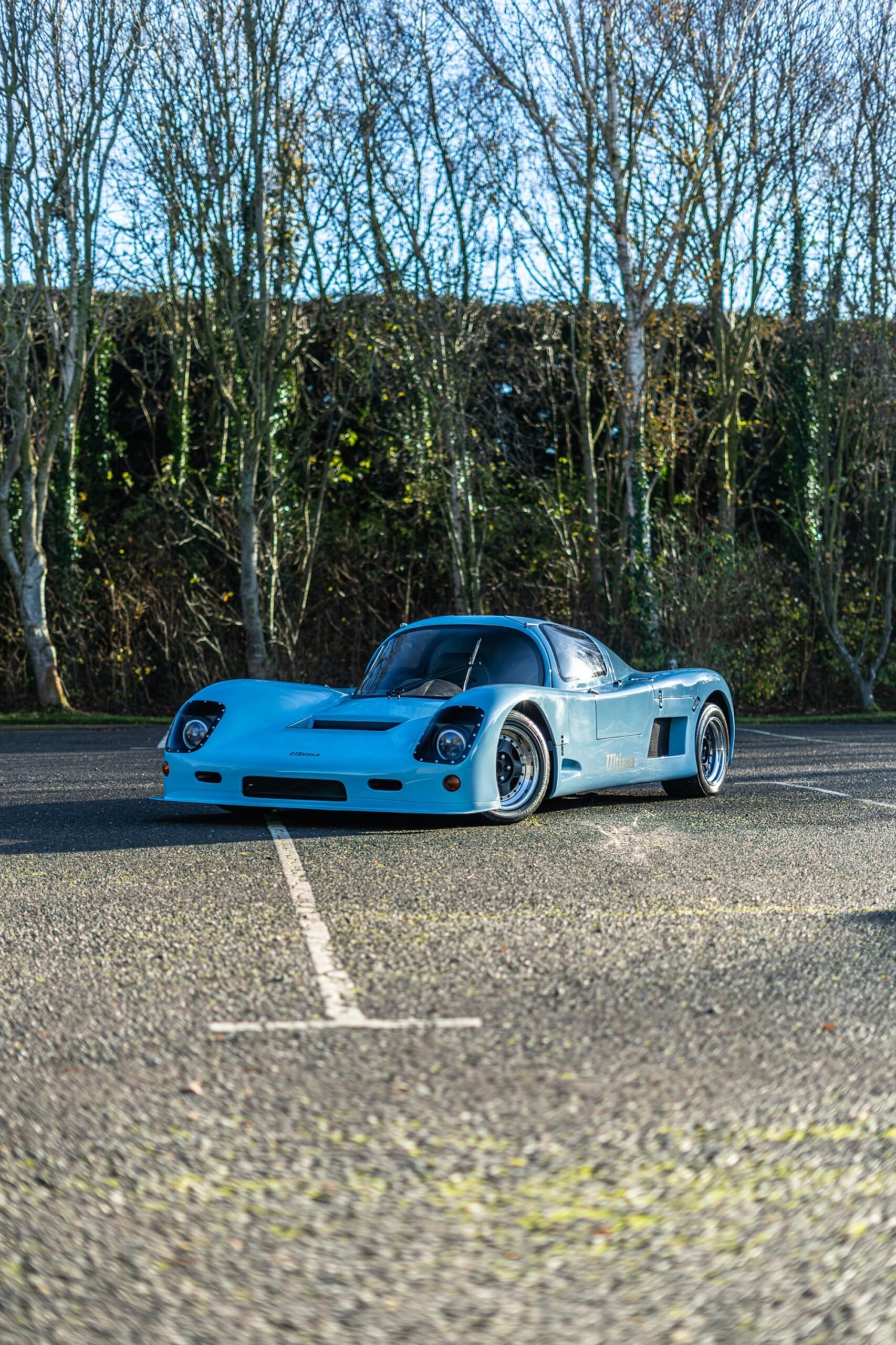
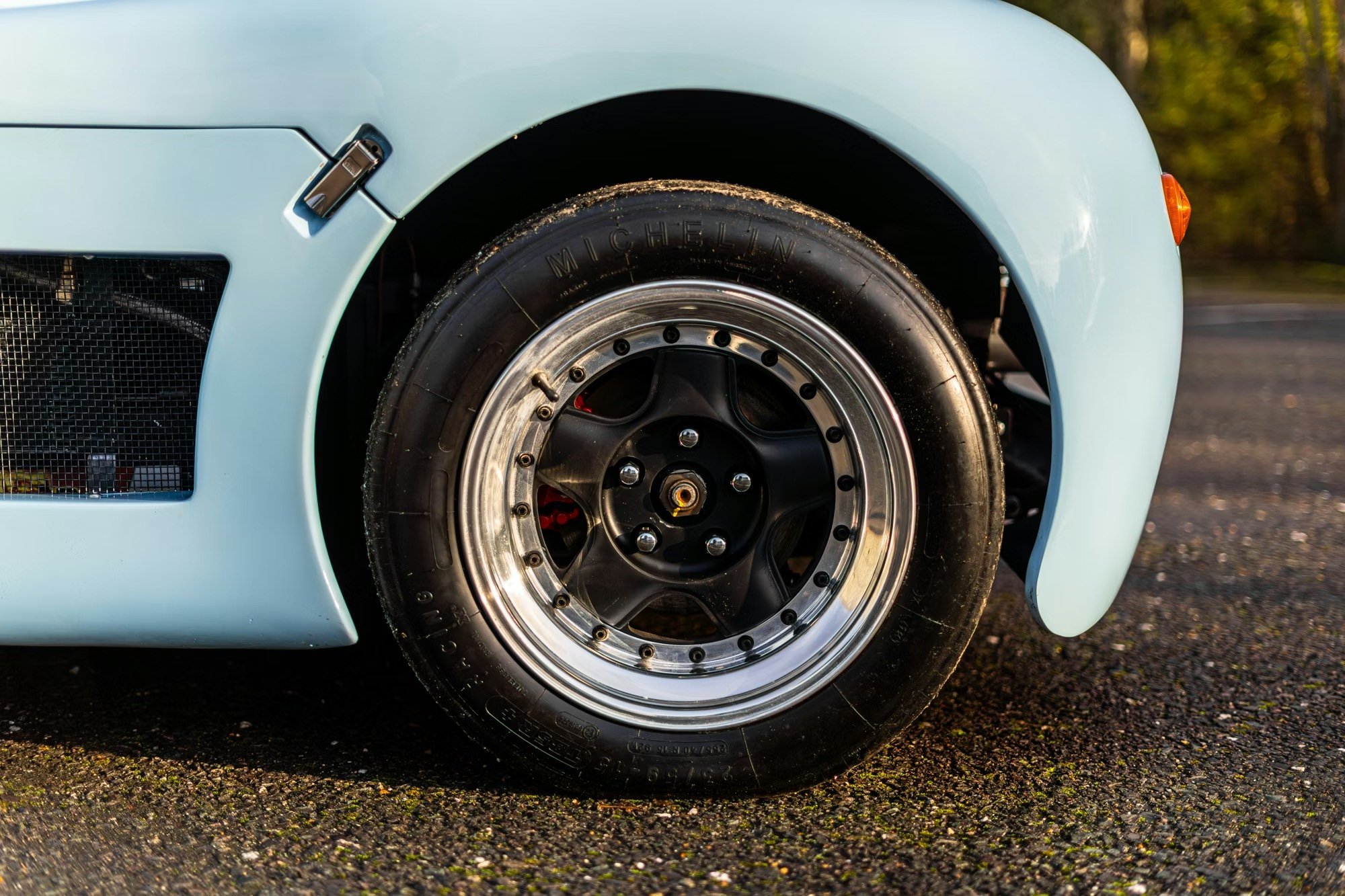
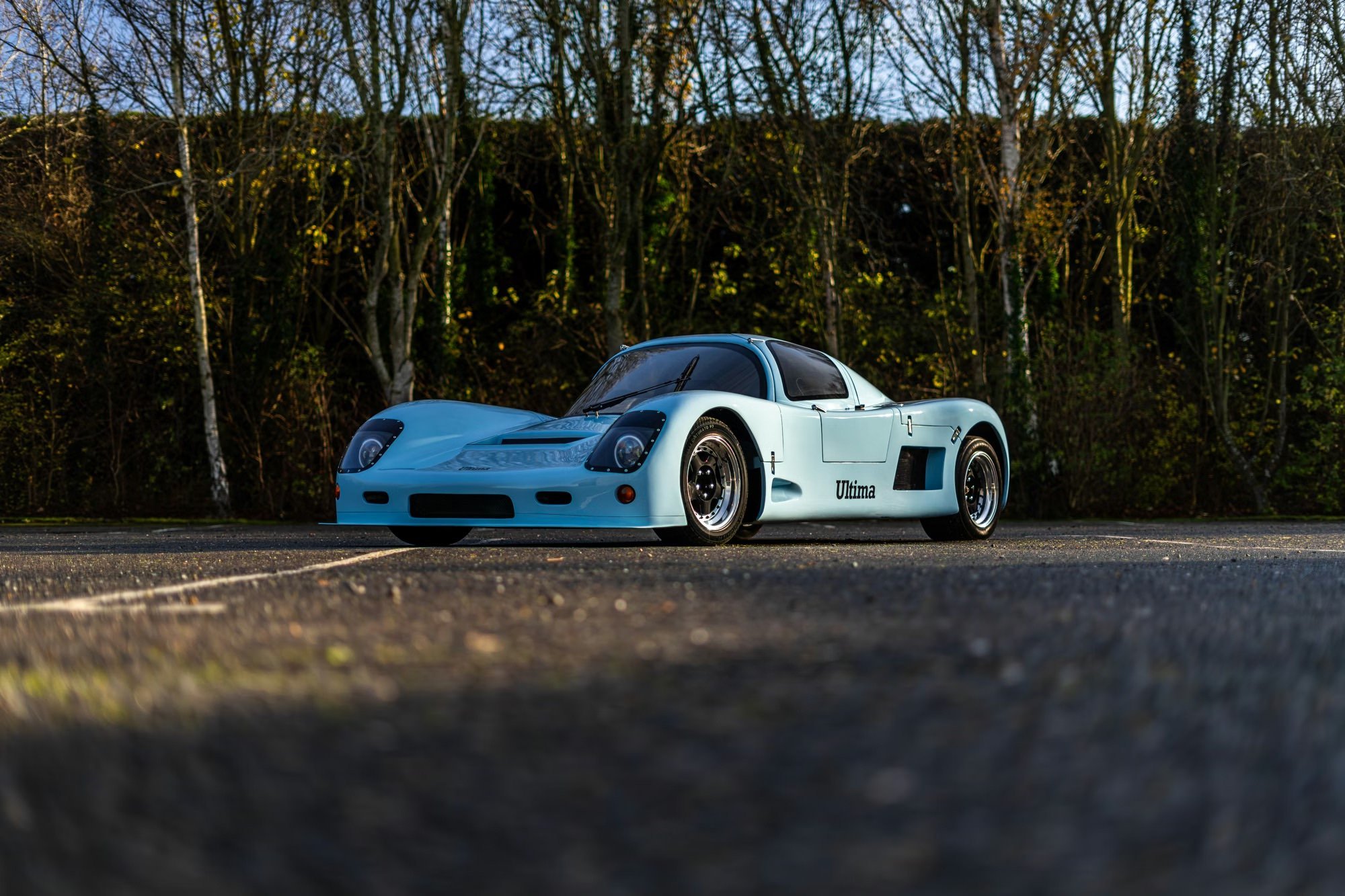
The car you see here is one of the earliest Ultimas in existence, in fact it’s the earliest-known customer delivered car from the company in the same year it was founded – 1983. This was a time before Ultimas were supercars, and this one is powered by a naturally aspirated 3.0 liter V6 Renault sending power to the rear wheels via a 5-speed manual transaxle gearbox.
Despite the more modest engine choice, the Mk3 Ultima is a handy performer thanks to its low curb weight, and the lower weight of the engine when compared to a larger American V8. Impressively, this car has remained in the same ownership since new.
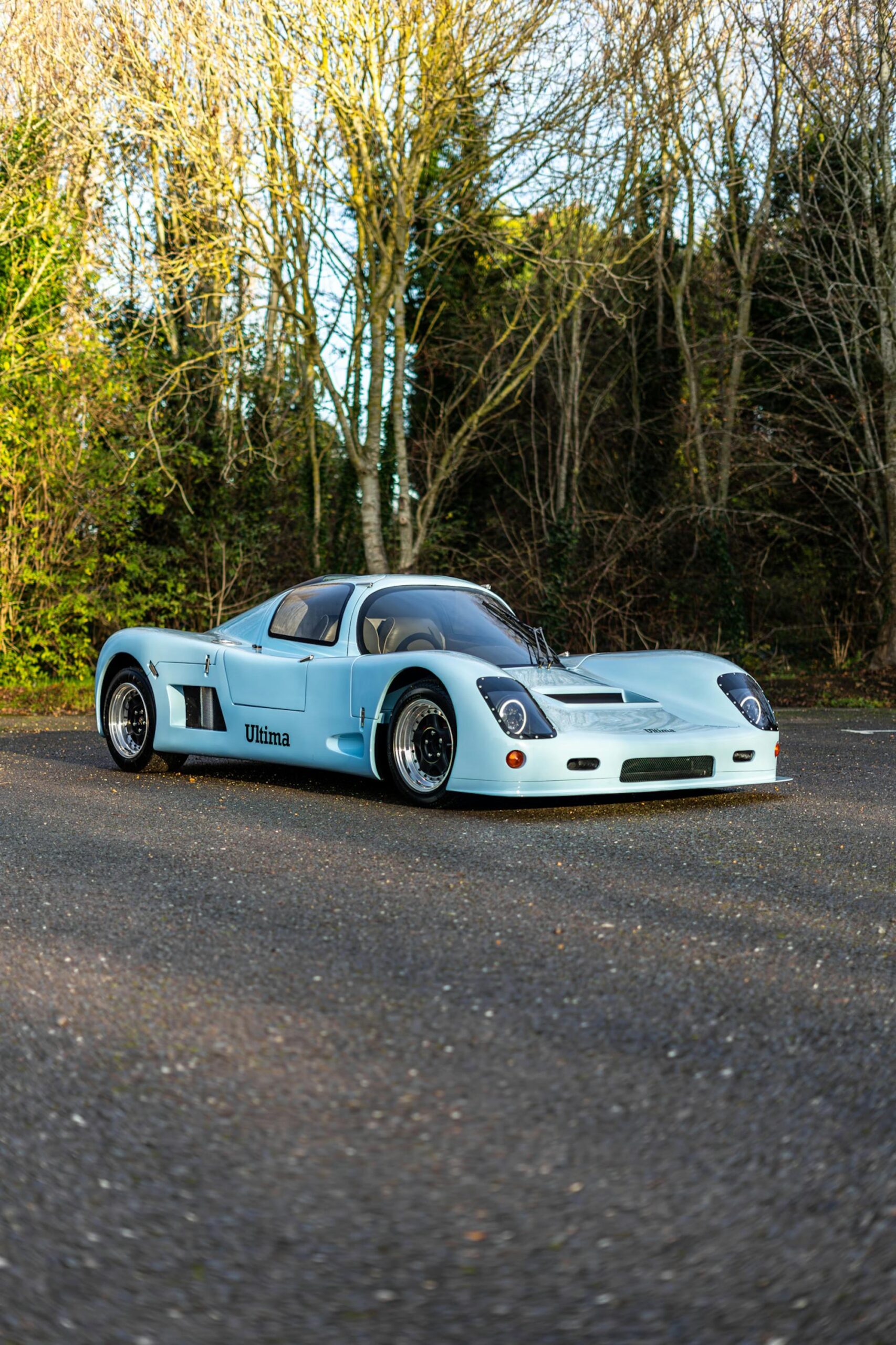
The car you see here is one of the earliest Ultimas in existence, in fact it’s the earliest-known customer delivered car from the company in the same year it was founded – 1983.
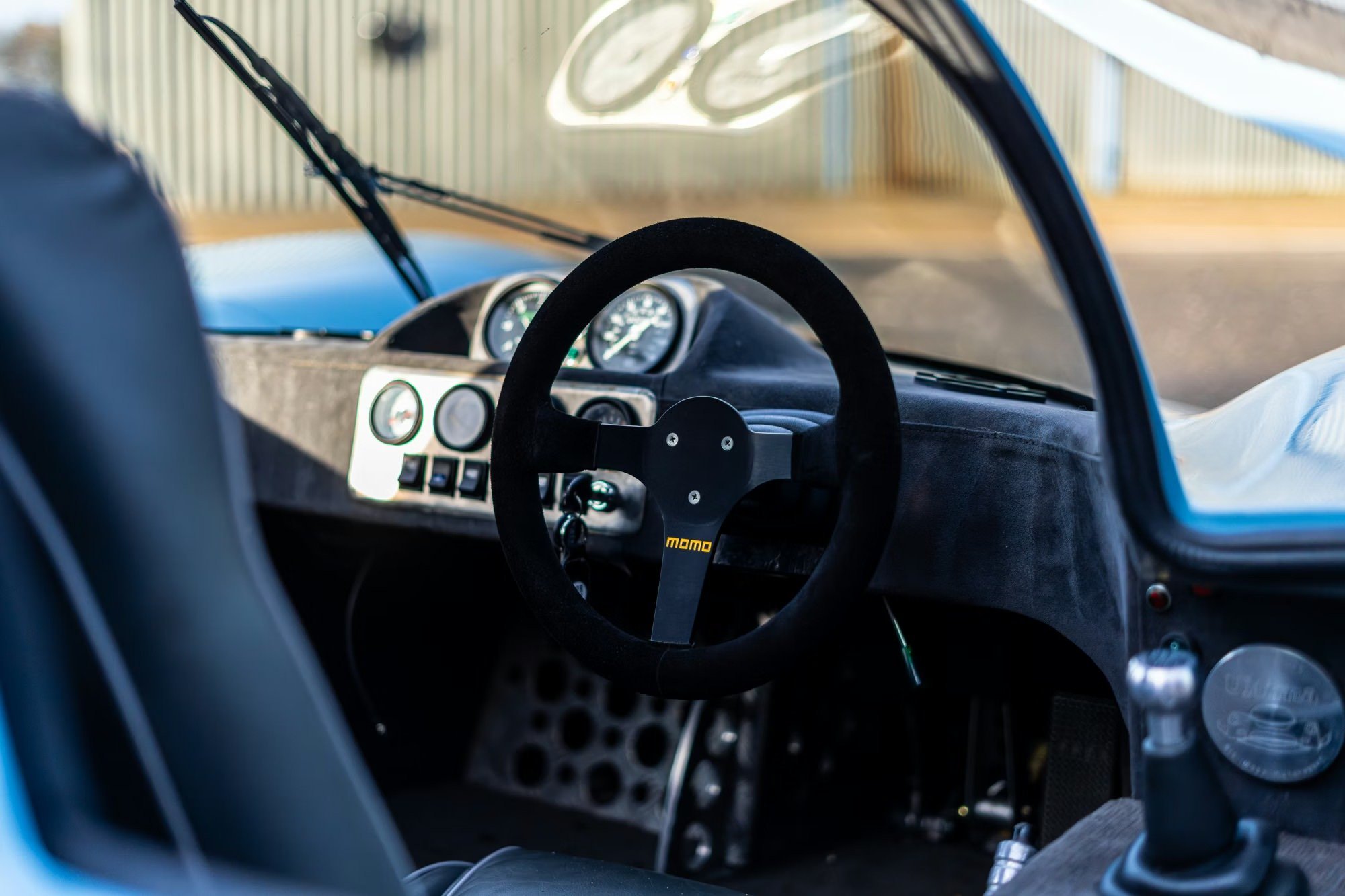
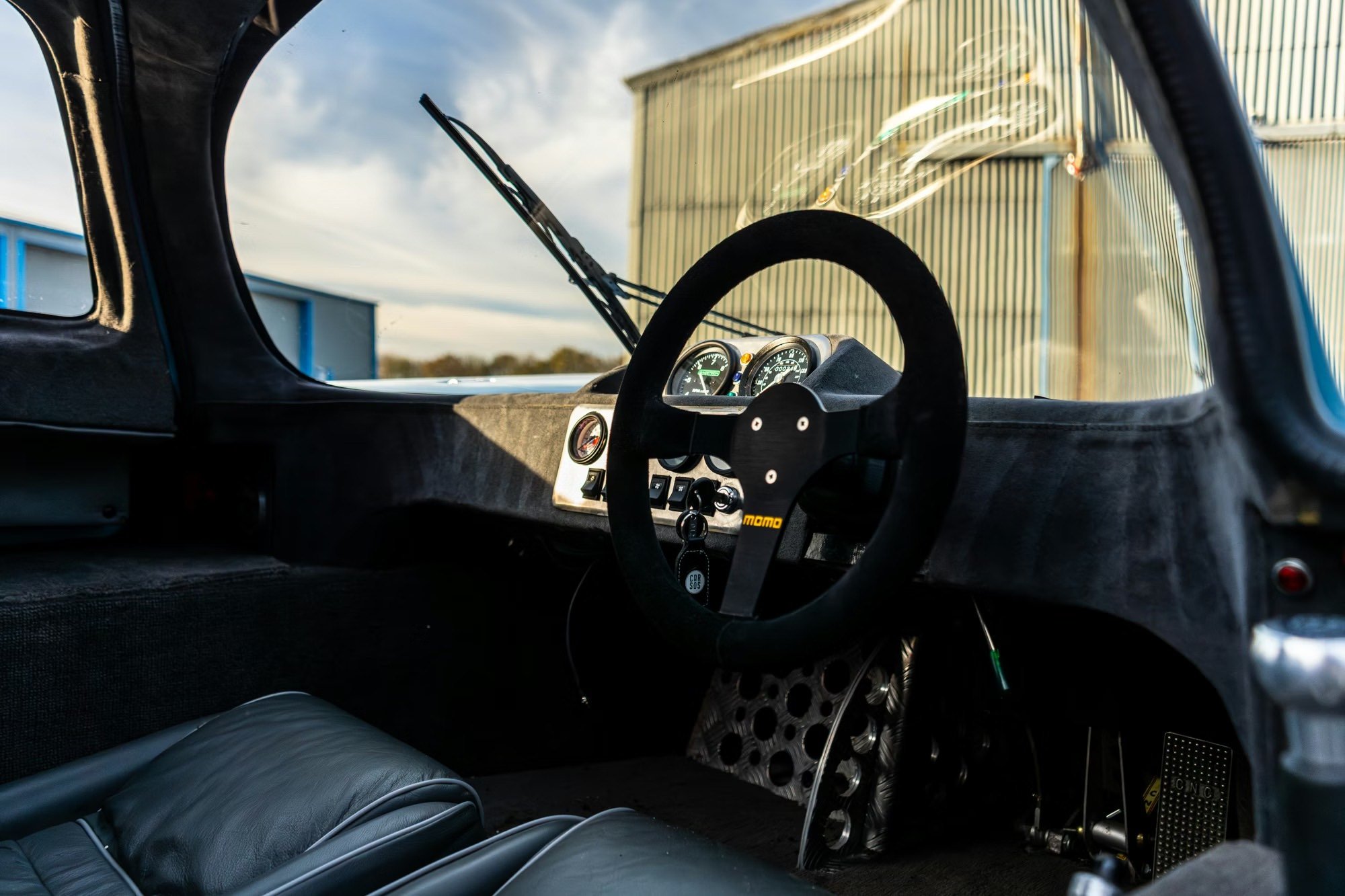
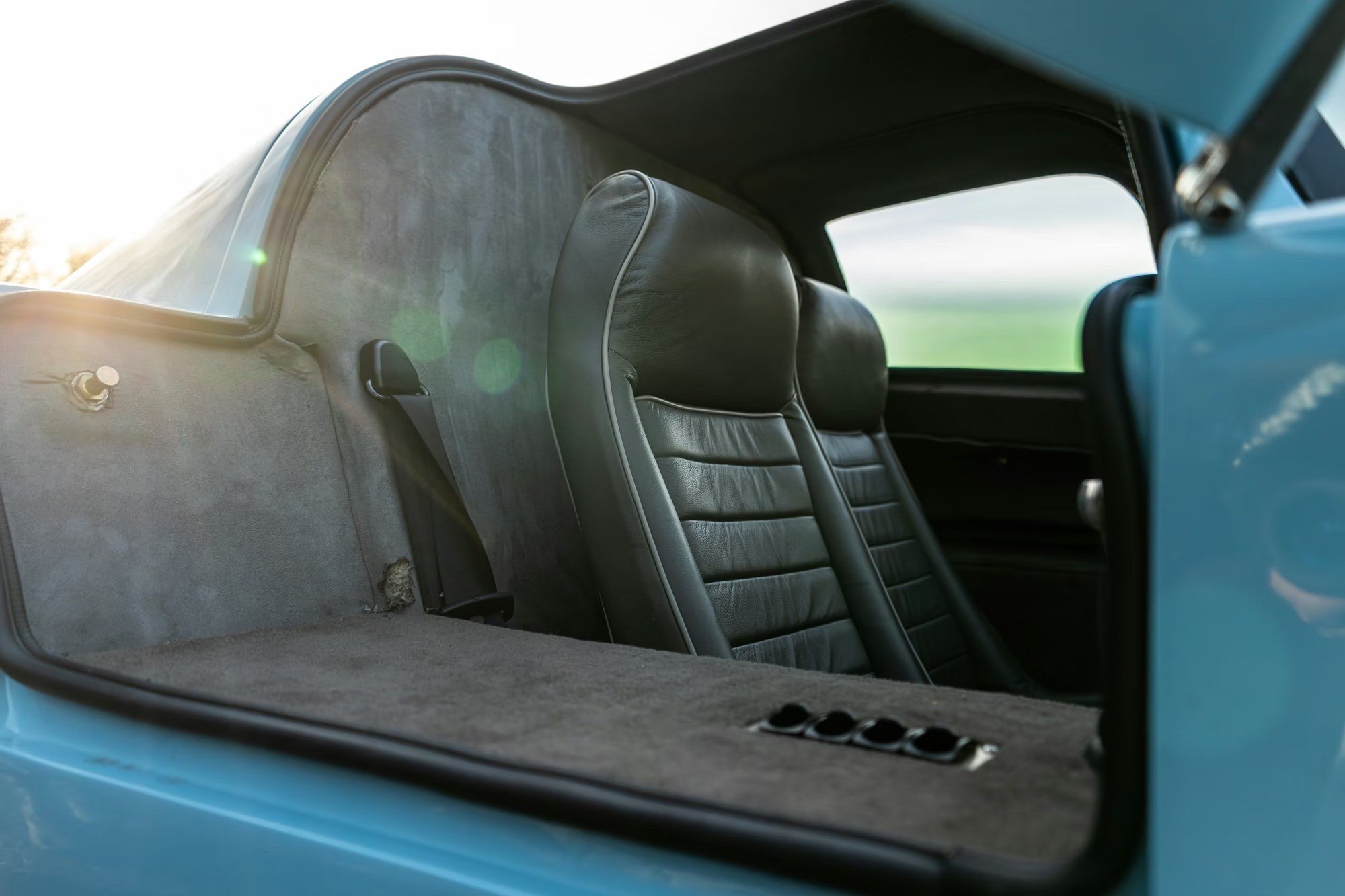
More recently, this Ultima was featured in series 11, episode 10 of the Car S.O.S. TV series where it was restored and the engine rebuilt by Rick Wood. It has just 24 miles showing on the odometer since the rebuild, and it’s an incredible example of an early Ultima.
The car is now being offered for sale on Collecting Cars out of Cambridge in the United Kingdom, and you can visit the listing here if you’d like to read more about it or register to bid.
 30
30
Images courtesy of Collecting Cars + Ultima Sports Ltd.

Articles that Ben Branch has written have been covered on CNN, Popular Mechanics, Smithsonian Magazine, Road & Track Magazine, the official Pinterest blog, the official eBay Motors blog, BuzzFeed, Autoweek Magazine, Wired Magazine, Autoblog, Gear Patrol, Jalopnik, The Verge, and many more.
Silodrome was founded by Ben back in 2010, in the years since the site has grown to become a world leader in the alternative and vintage motoring sector, with well over a million monthly readers from around the world and many hundreds of thousands of followers on social media.