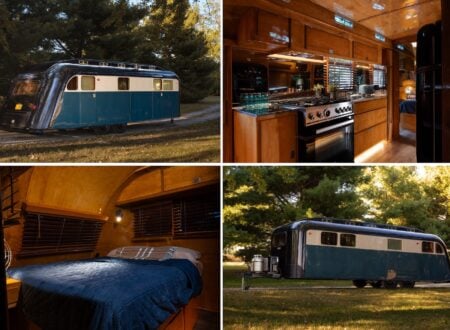
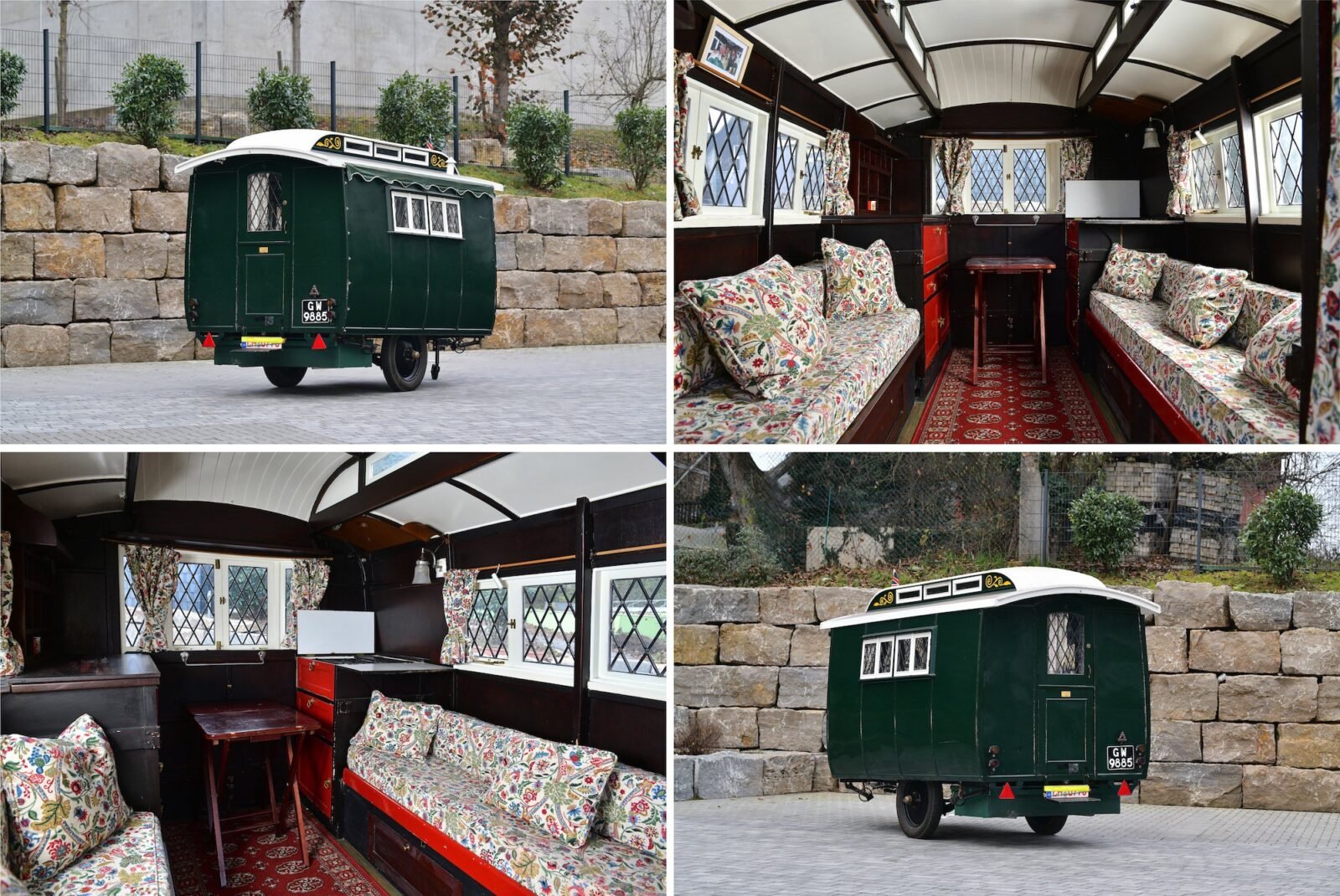
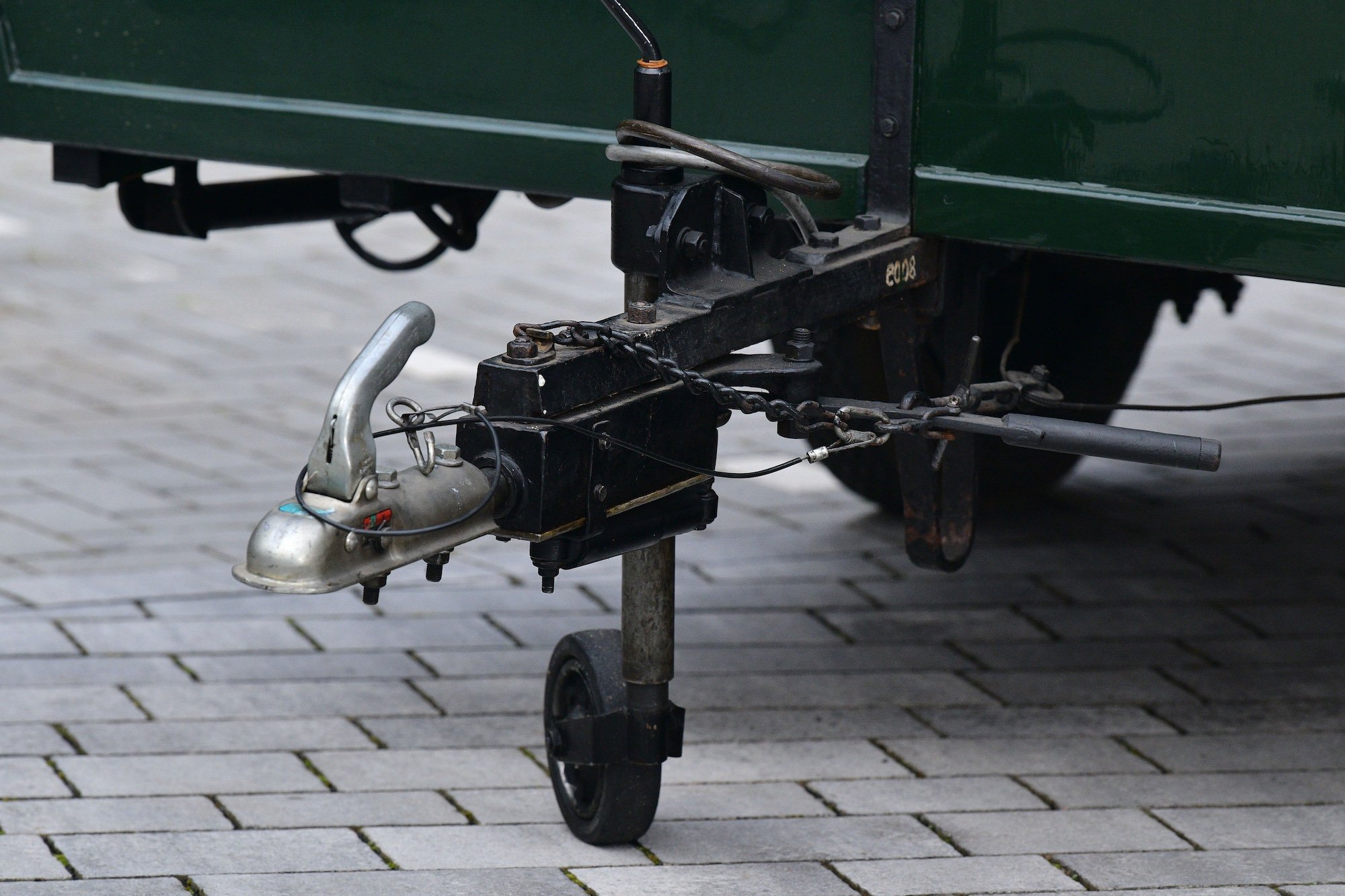
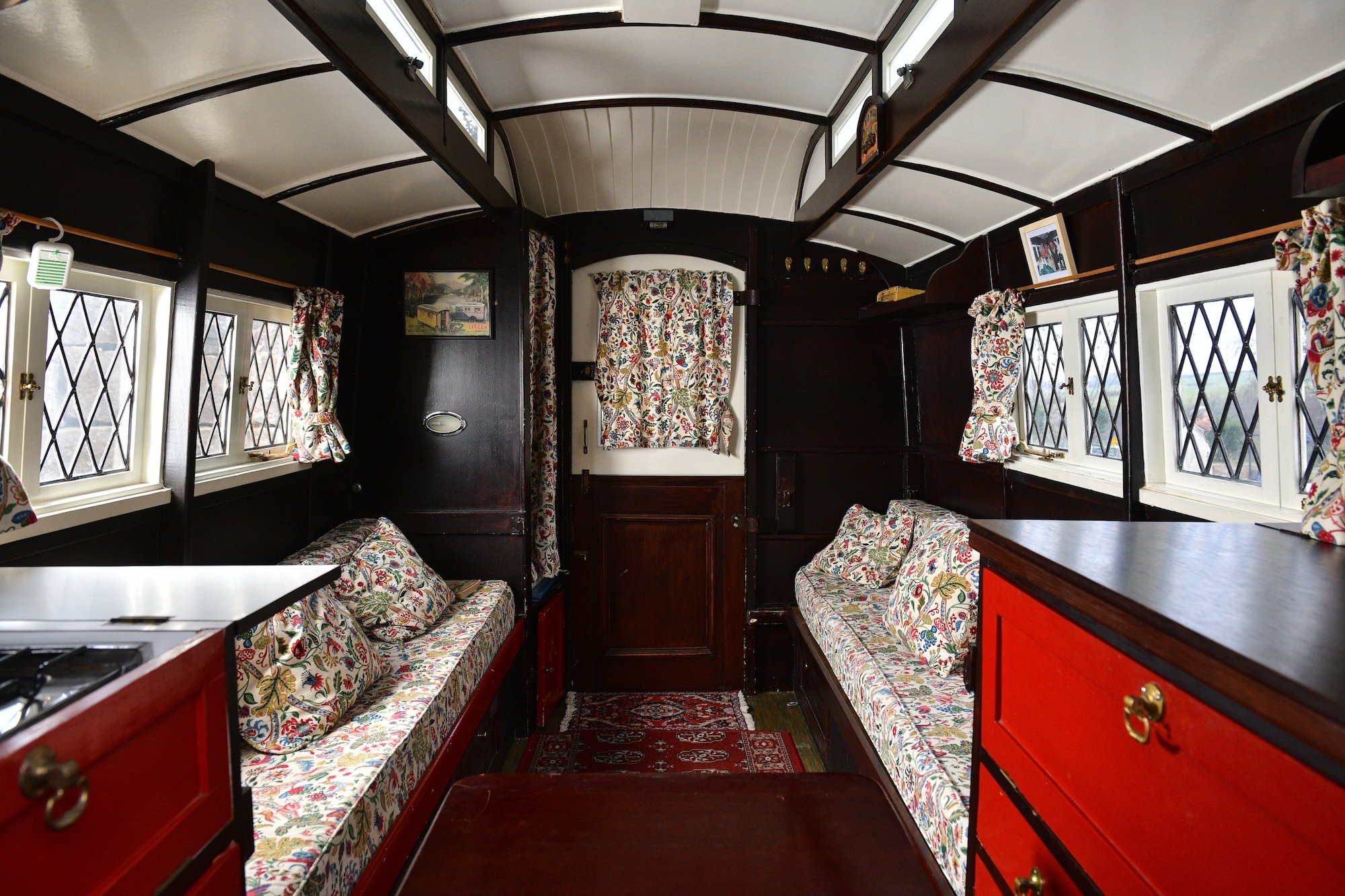
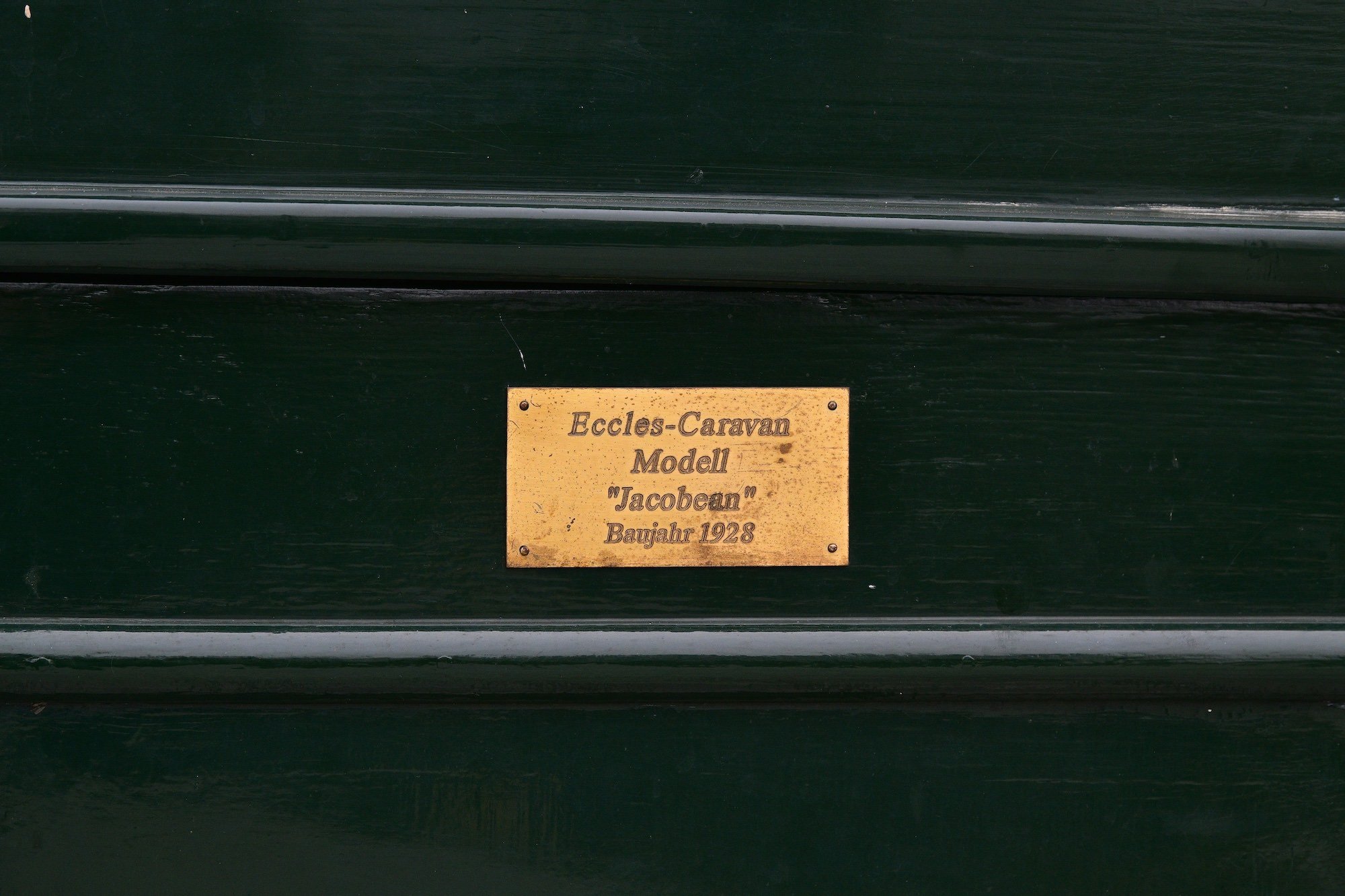
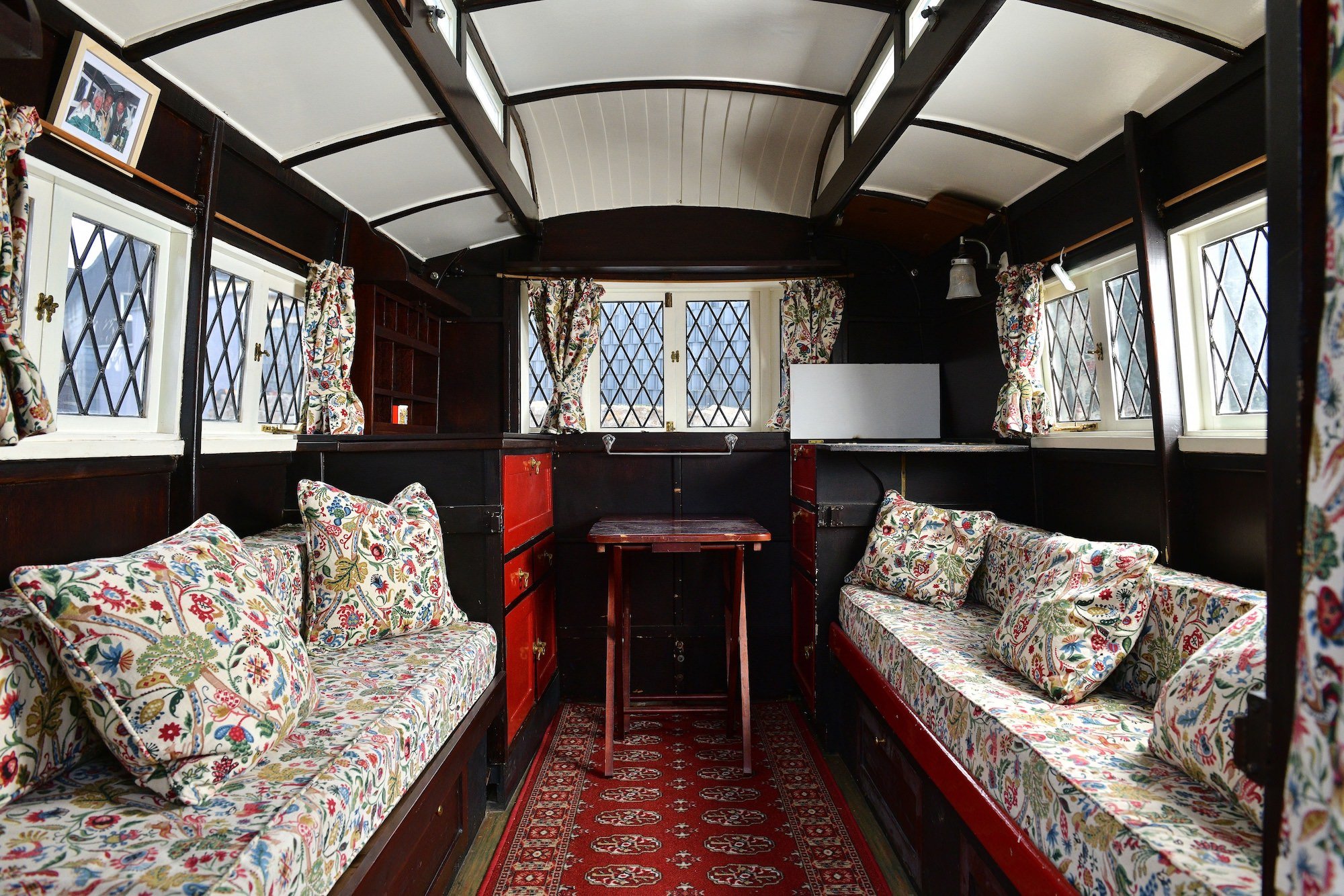
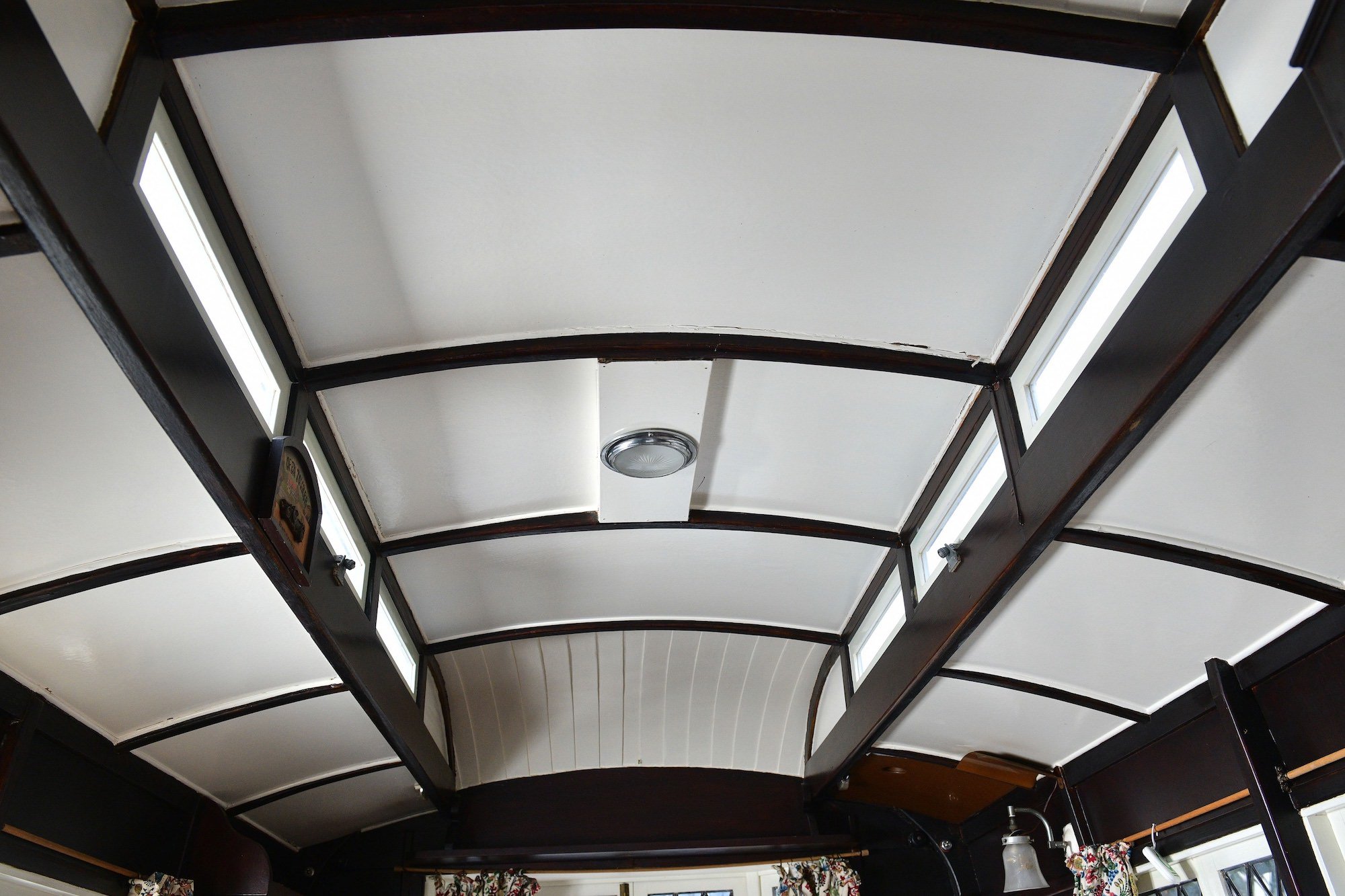
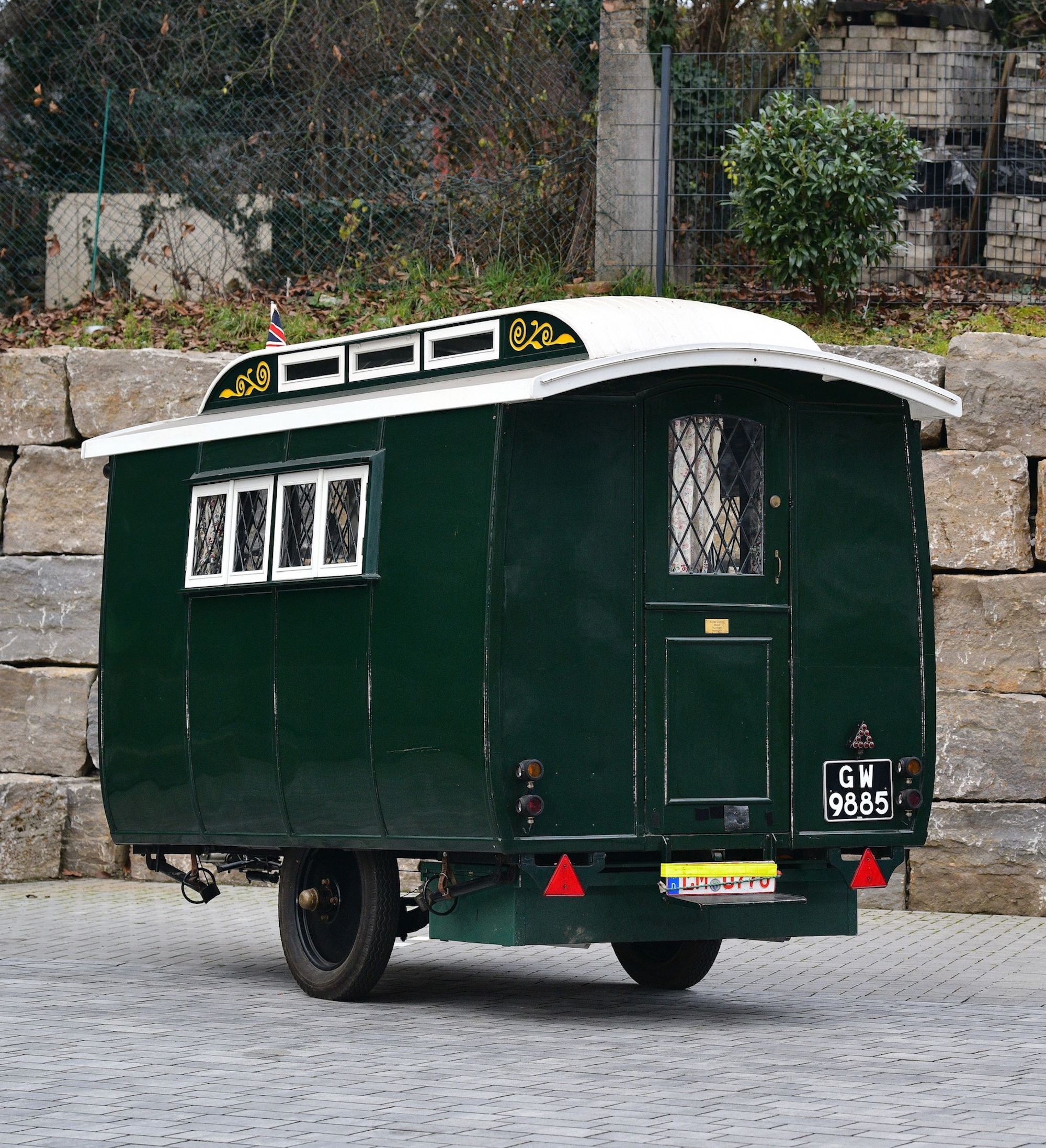
This is a rare Eccles Jacobean Caravan from 1928 with styling inspired by classic English Tudor architecture. It has a lantern roof, bay windows, a period-correct interior, and a rear access door with a step.
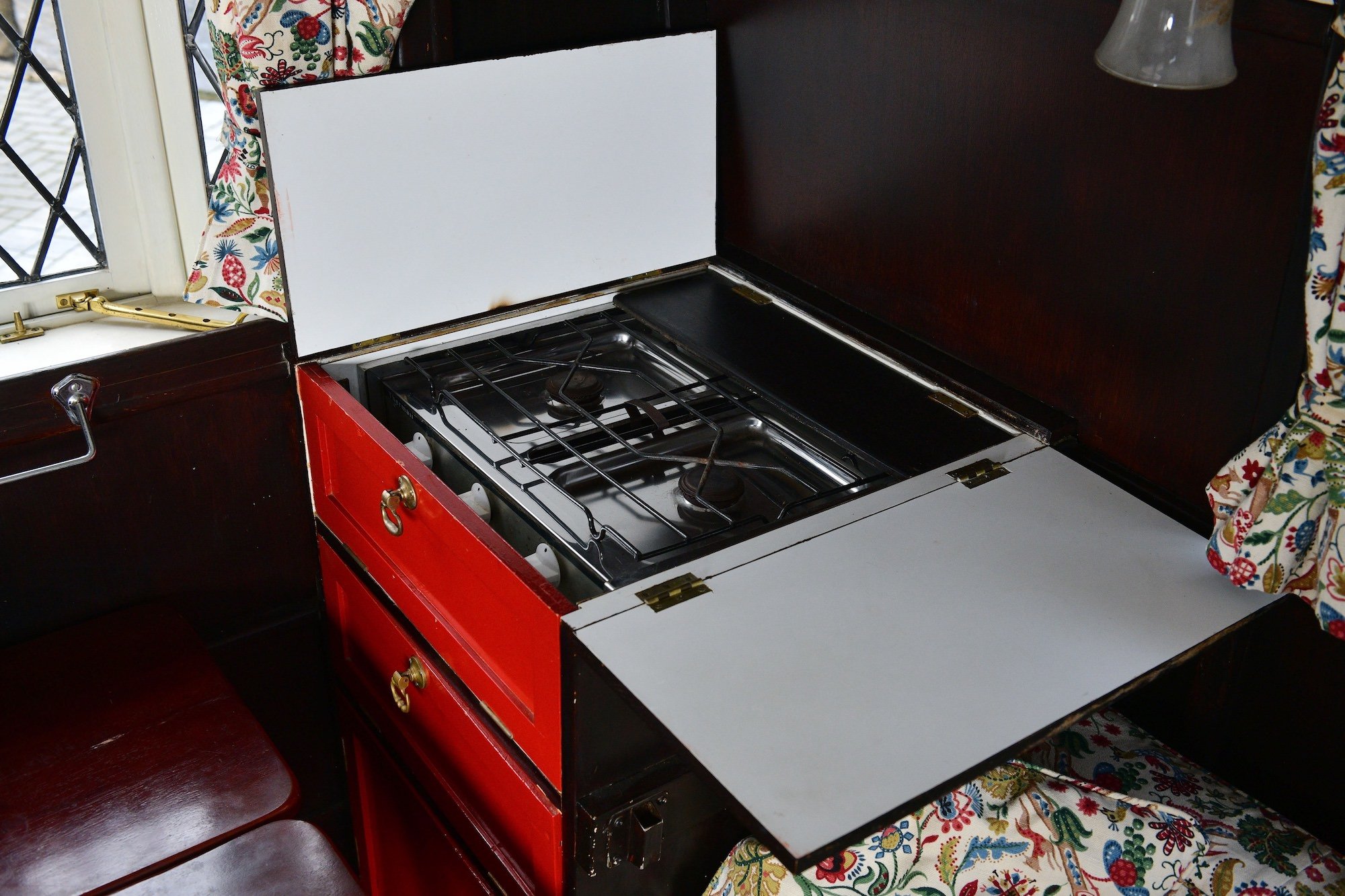
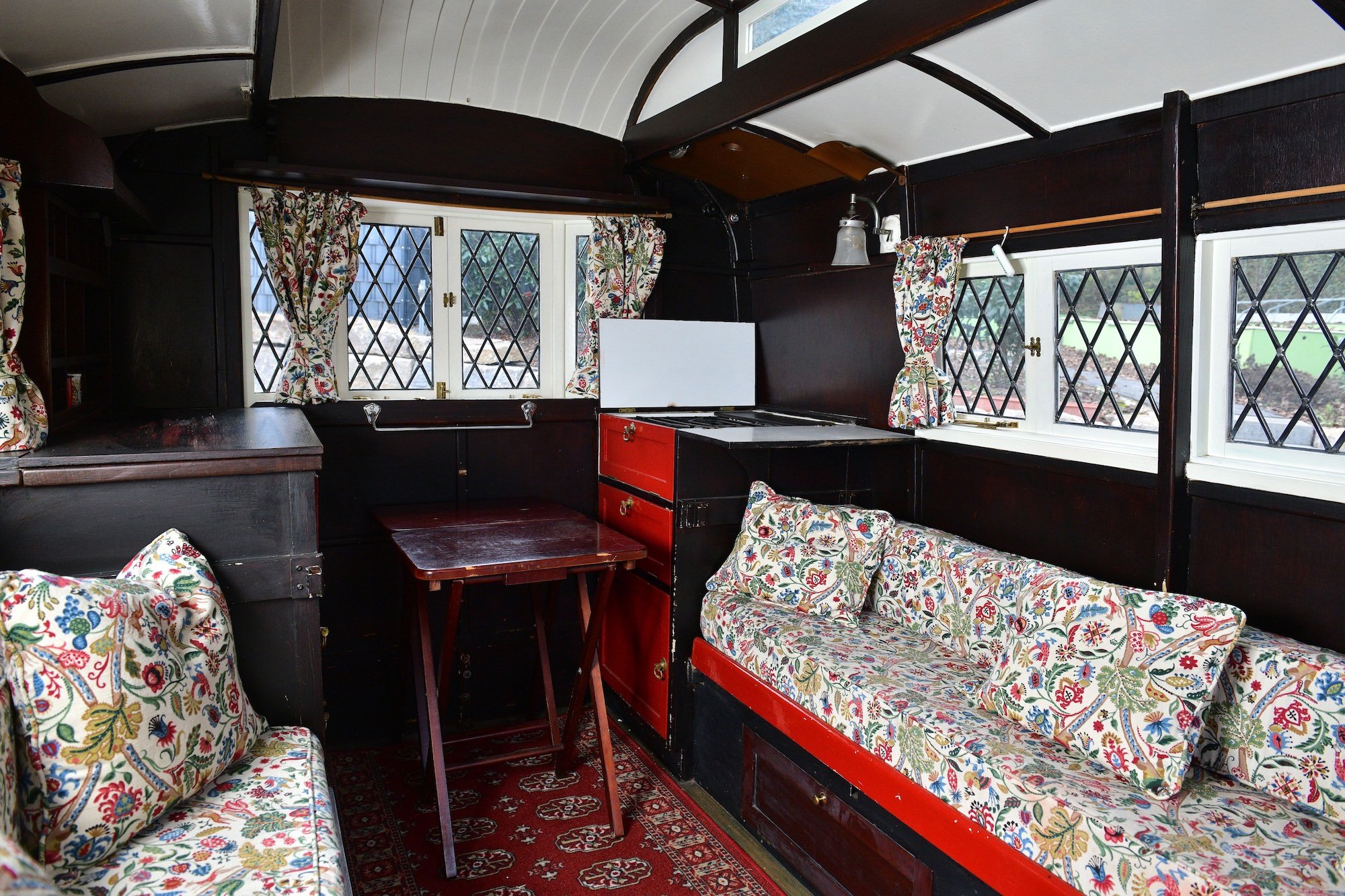
Inside you’ll find a gas stove in a simple kitchenette, two sofas that convert into single beds, some counter top and storage space, carpeted floors, and there are light fittings as well as curtains on the windows.
Fast Facts: The Eccles Caravan
- This 1928 Eccles Jacobean Caravan is an early luxury touring caravan styled after English Tudor architecture, with a lantern roof, bay windows, and rear access door. Its interior has a gas stove kitchenette, convertible sofa beds, storage, carpeted floors, light fittings, and curtains, a sign of early leisure travel requirements.
- Eccles Caravans began in 1919 when Bill J. Riley and his father Bill A.J. Riley founded Eccles Motor Transport Ltd in Birmingham. Inspired by military travel trailers, they adapted the concept for civilian holidays, pioneering automobile-towed caravans at a time when private car ownership was rapidly expanding.
- Lacking funds for a 1919 Motor Show stand, the Rileys parked caravans near the venue, drawing public attention through their unconventional but well-placed marketing. Early demand was strong, leading to the world’s first purpose-built caravan factory by 1922 and steady growth until economic pressures arrived at the end of the decade.
- This Jacobean example survived against the odds after being found in 1964 repurposed as a chicken coop near Bolton. A 23-year restoration returned it to original condition. Formerly part of the Godehardt Collection, it has since been featured in print and offered for sale through RM Sotheby’s.
History Speedrun: Eccles Caravans
In 1919, when Bill J. Riley returned from serving in the British Royal Flying Corps during the First World War, he sat down to discuss an idea with his father, Bill A.J. Riley. He had seen specially designed travel trailers that were in use by the military, allowing the command and control structure to follow the front line, and move quickly – they could even move every day if they needed to.
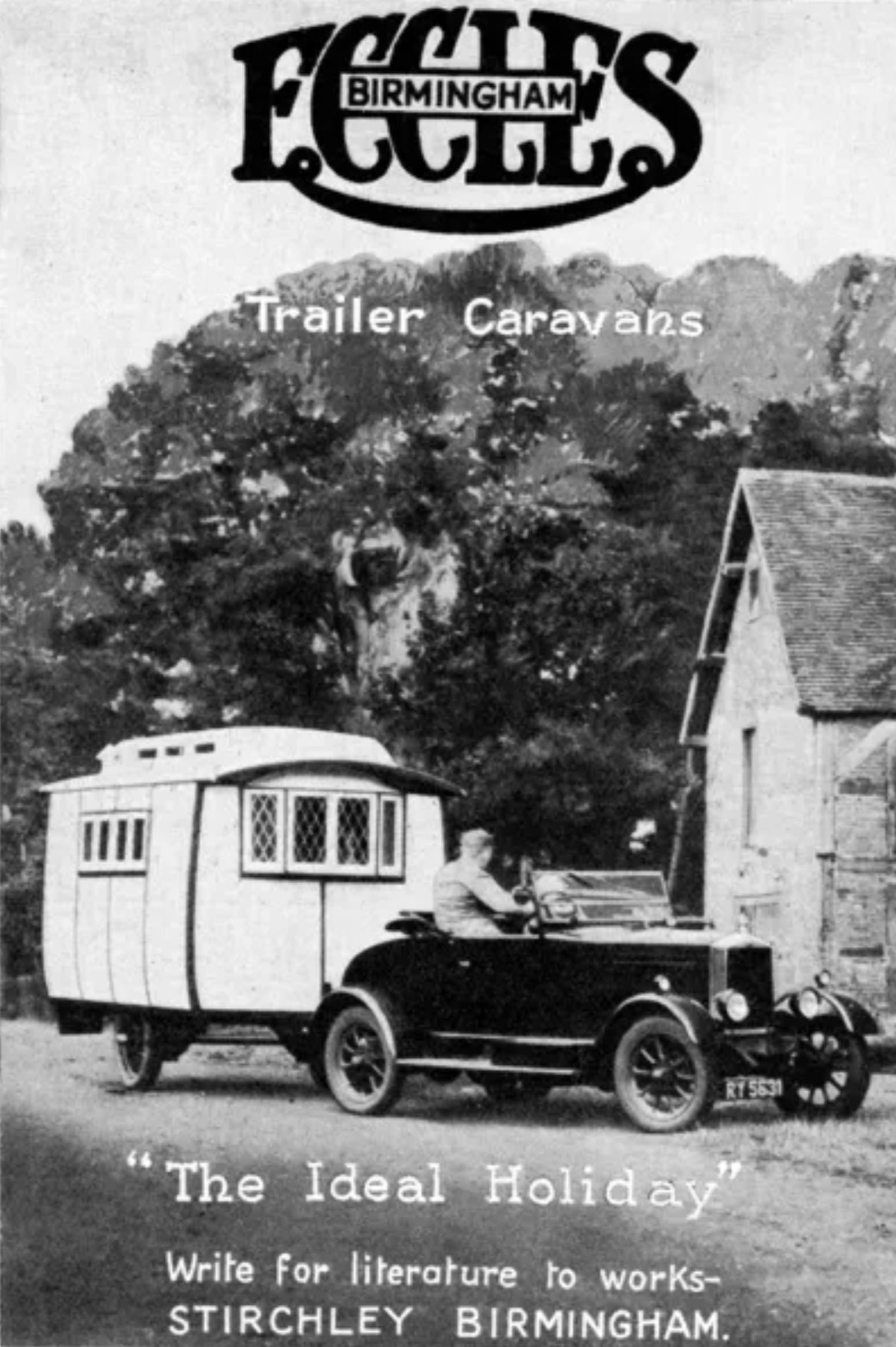
 Eccles Motor Transport Ltd was founded by Bill Snr in 1919 in Gosta Green, Birmingham. The company name came from a failing trucking and cargo business named “H.A. Eccles,” and they used the modest facility as well as the well-known company name in order to give themselves a headstart. Image supplied by Swift Group LLC.
Bill J. Riley’s idea, and the concept that really grabbed his Dad’s attention, was to build travel trailers like this but to equip them for holiday makers to use as mobile accommodation on road trips. 1919 was still very much in the early days of the automobile, but by this time it was clear to all that the automobile was an idea that was only going to keep gaining in popularity – and if someone owned a car then they had the means to tow a travel trailer, or caravan as the British tend to call them.
Eccles Motor Transport Ltd was founded by Bill Snr in 1919 in Gosta Green, Birmingham. The company name came from a failing trucking and cargo business named “H.A. Eccles,” and they used the modest facility as well as the well-known company name in order to give themselves a headstart.
Remarkably the men had their first complete caravan prototypes ready to display later that same year at the 1919 Motor Show. The only problem is that they couldn’t afford a booth in the exhibition hall.
The Riley’s solution was to park their caravans just down the road a little from the show, between the train station and the exhibition hall. This was guerrilla marketing at its finest, decades before the term even existed, and before long the men had crowds of fascinated onlookers surrounding their humble travel trailers.
At this time, many had not even heard of the concept of an automobile-towed caravan, let alone seen one in person. The company’s biggest coup came when Dowager Countess Rhonda ordered one for herself – which led to a flurry of new orders and helped the fledging company find its feet and build its first 50 caravans.
By 1922 it was clear that the Rileys were really onto something, and they opened the first factory in the world dedicated to building caravans. Production skyrocketed and stayed high right through to 1929 when the Great Depression hit.
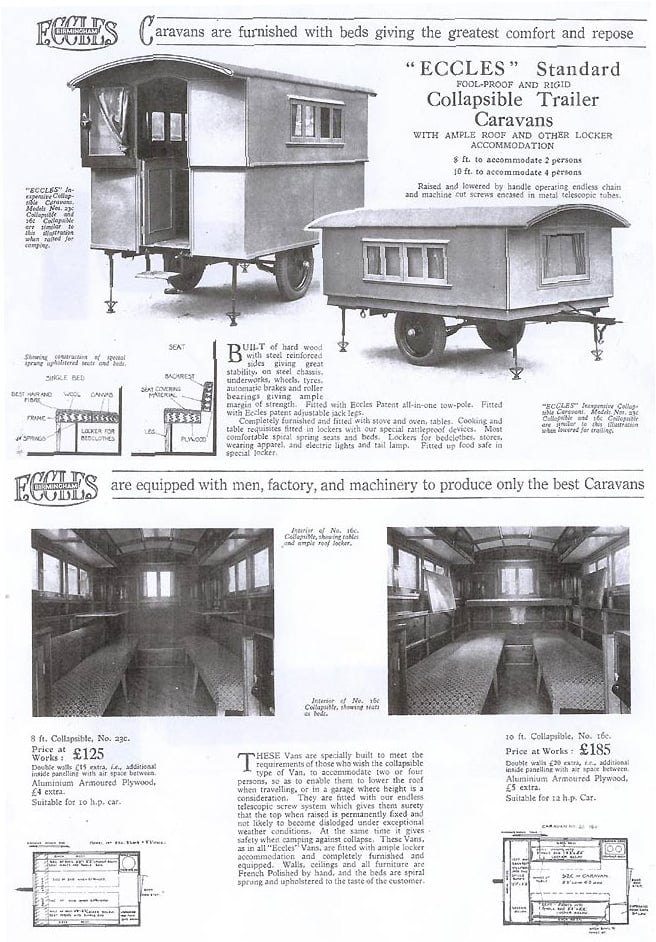
This clever collapsable caravan was one of the first of its kind, offering a far less aerodynamic drag and a lower center of gravity, all whole still offering good headroom once it was set up. Image supplied by Swift Group LLC.
During WWII the company received large orders from the British Military Authorities for caravans that were equipped as portable workshops and radio stations, they also built ambulances and other vehicles for the war effort.
Although many other caravan and leisure equipment manufacturers went out of business during the depression and WWII, Eccles managed to survive as an independent company for 40 years before it was bought by a caravan company named Sprite Leisure.
In the 1990s Sprite Leisure was acquired by the Swift Group, and through all of this Eccles-branded caravans would remain in production – in fact they remain in production right through to the modern day.
The 1928 Eccles Jacobean Caravan Shown Here
The 1928 Eccles Jacobean Caravan you see here is a rare surviving example – one of few from this period left in the world. Due to their largely wooden construction and the fact they were typically kept outdoors in all weather, relatively few Eccles caravans from the company’s formative years have survived.
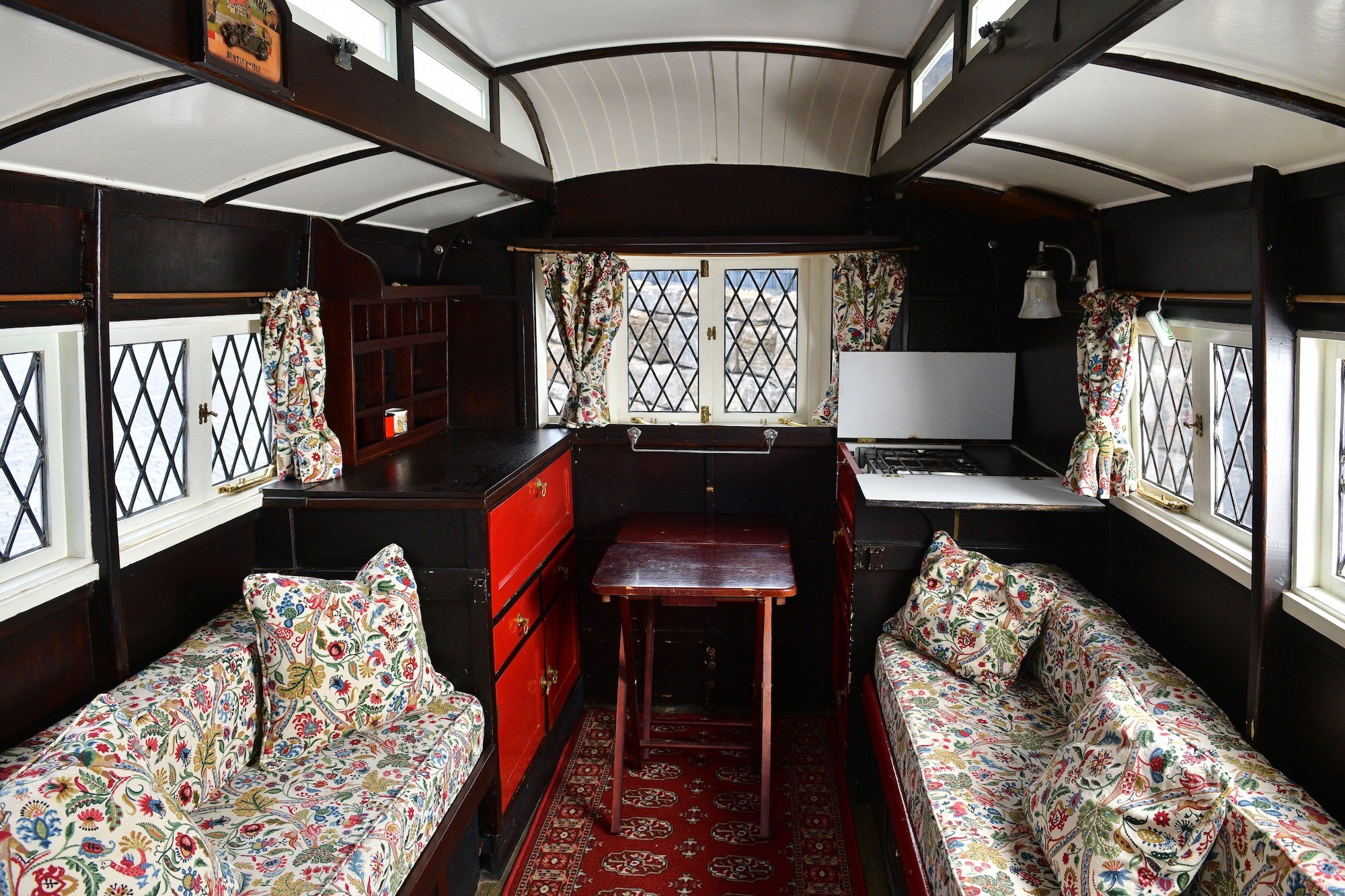
The 1928 Eccles Jacobean Caravan you see here is a rare surviving example – one of few from this period left in the world. Due to their largely wooden construction and the fact they were typically kept outdoors in all weather, relatively few Eccles caravans from the company’s formative years have survived.
Amazingly, this one was discovered by Glyn Lancaster Jones in 1964, it was being used as a chicken coup near Bolton in England, but was rescued and later underwent a restoration back to original condition. The restoration took a remarkable 23 years and was completed by Tom Wilcox who regularly used it on the road, towing it with his period-correct Bentley.
It’s been part of the Godehardt Collection, it’s been featured on the cover of Camping and Caravanning magazine, and it’s now being offered for sale by RM Sotheby’s – you can visit the listing here if you’d like to read more about it or register to bid.
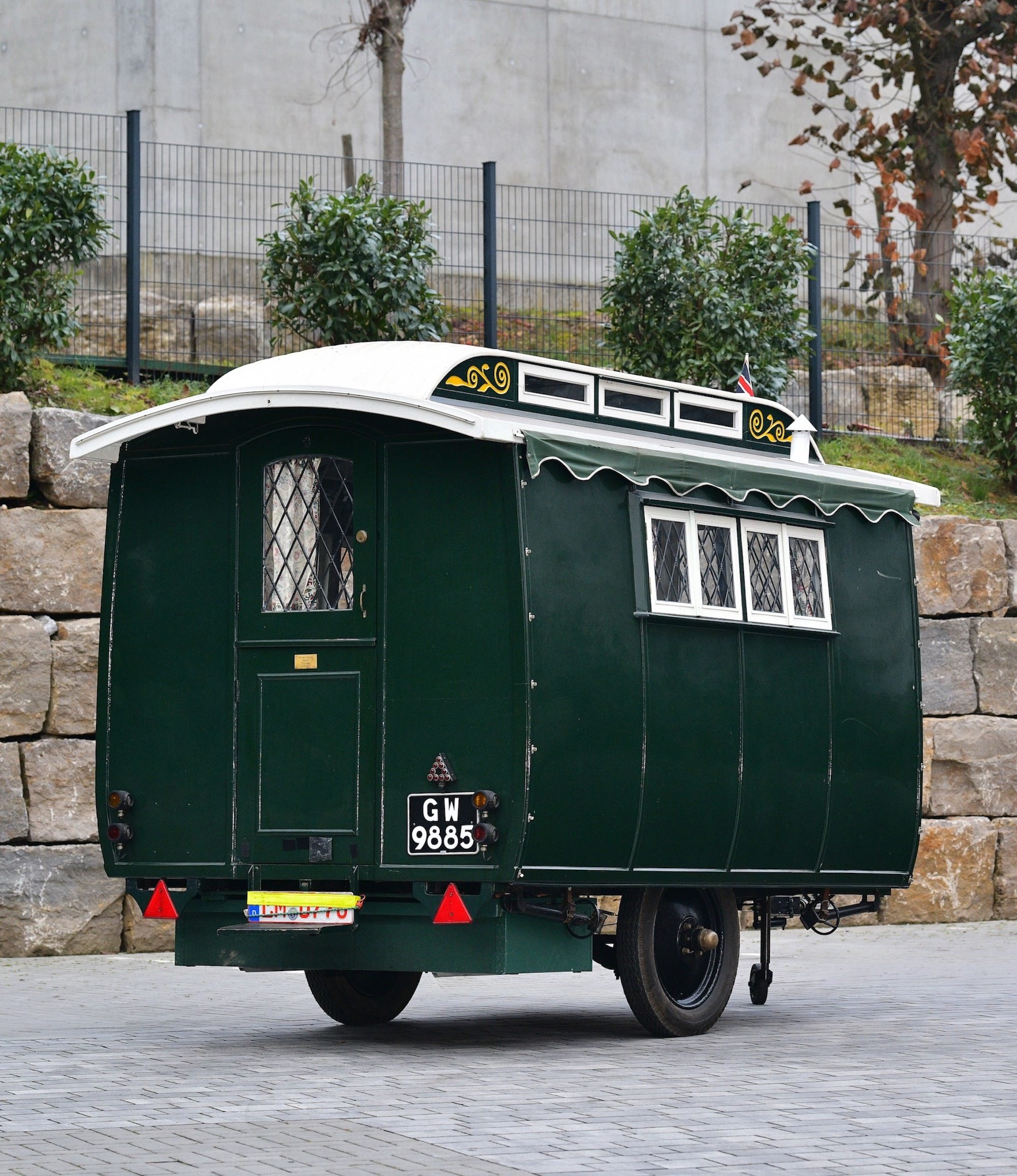
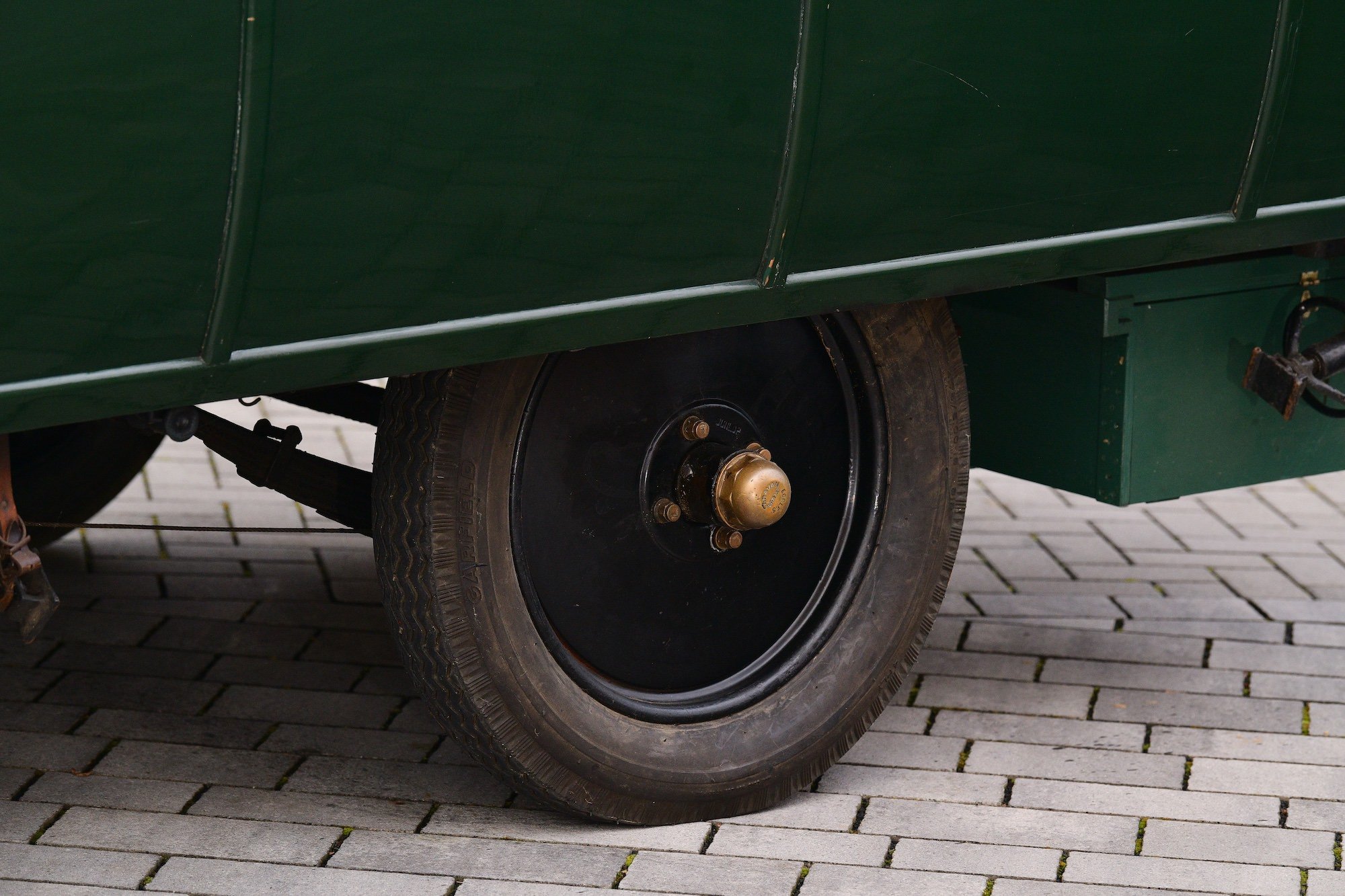
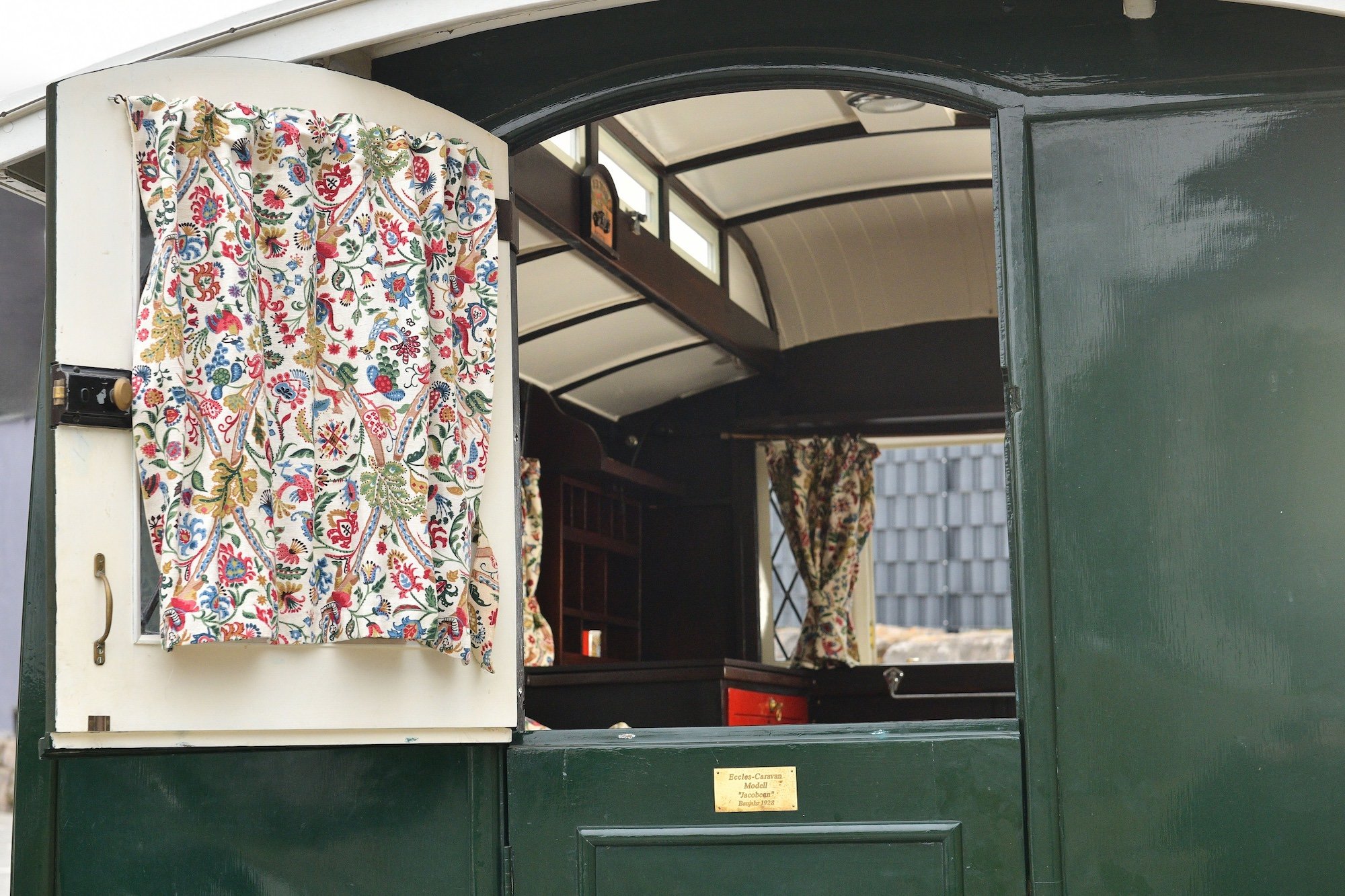
Images courtesy of RM Sotheby’s 2025

Articles that Ben Branch has written have been covered on CNN, Popular Mechanics, Smithsonian Magazine, Road & Track Magazine, the official Pinterest blog, the official eBay Motors blog, BuzzFeed, Autoweek Magazine, Wired Magazine, Autoblog, Gear Patrol, Jalopnik, The Verge, and many more.
Silodrome was founded by Ben back in 2010, in the years since the site has grown to become a world leader in the alternative and vintage motoring sector, with well over a million monthly readers from around the world and many hundreds of thousands of followers on social media.