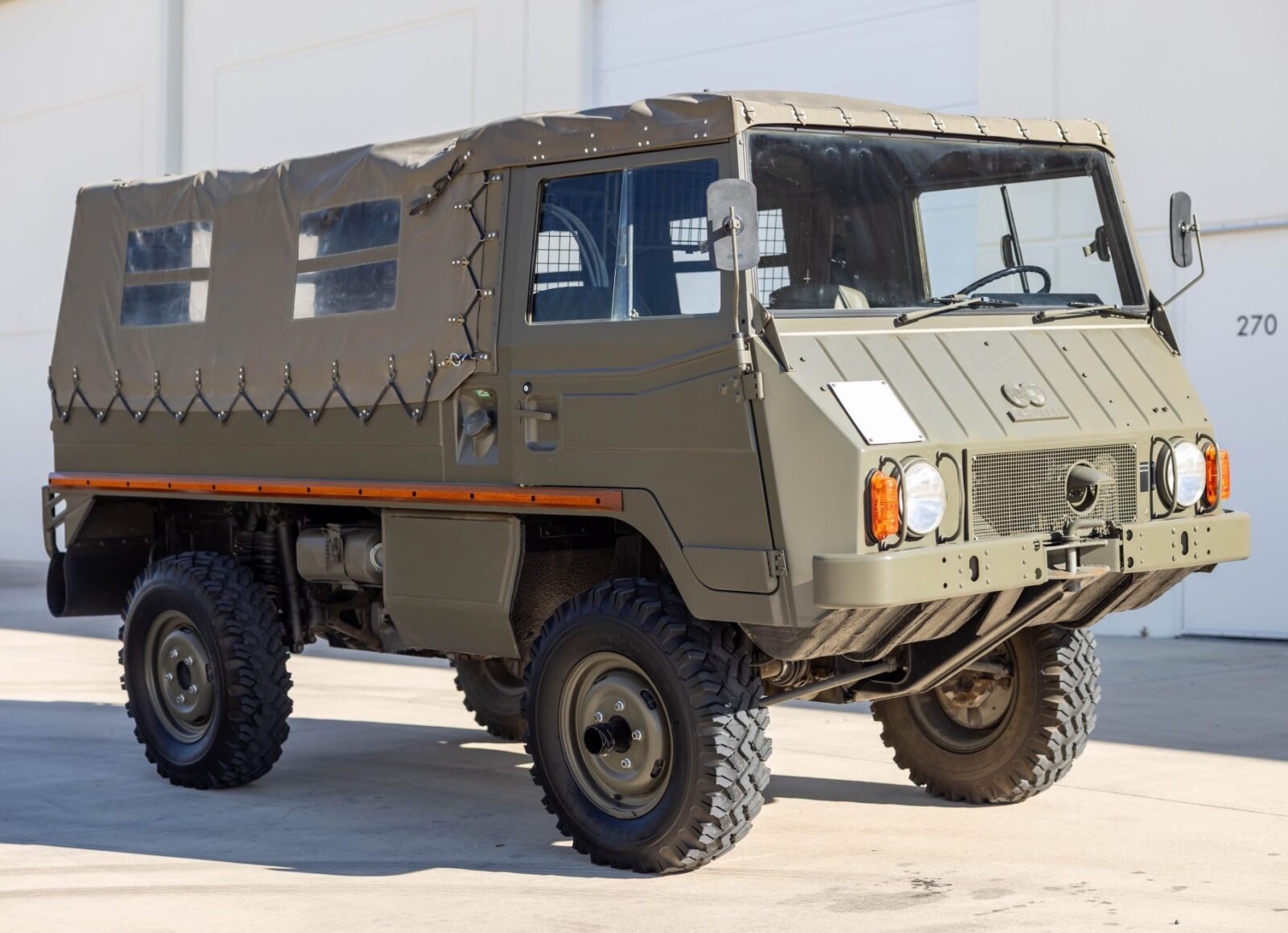
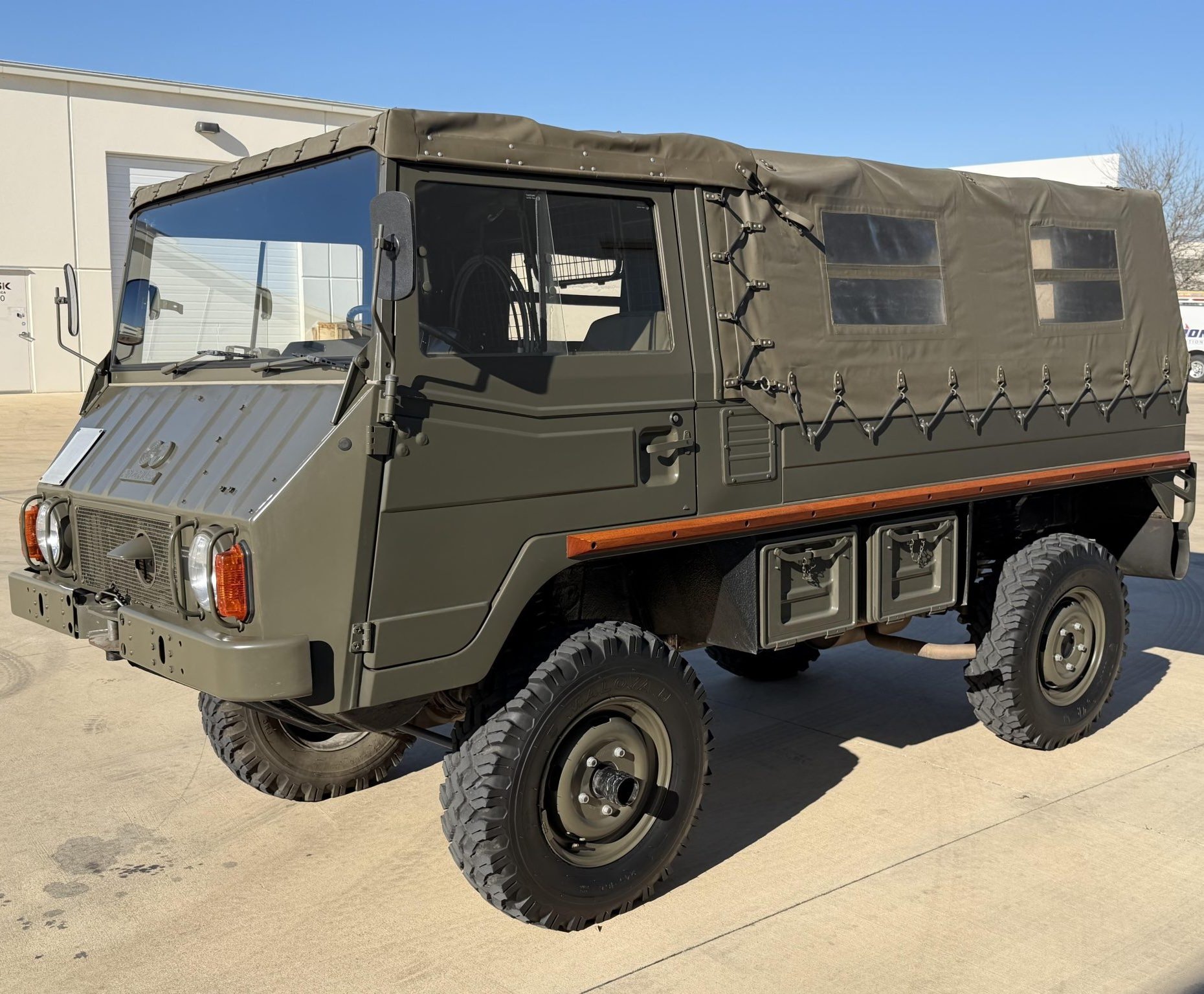
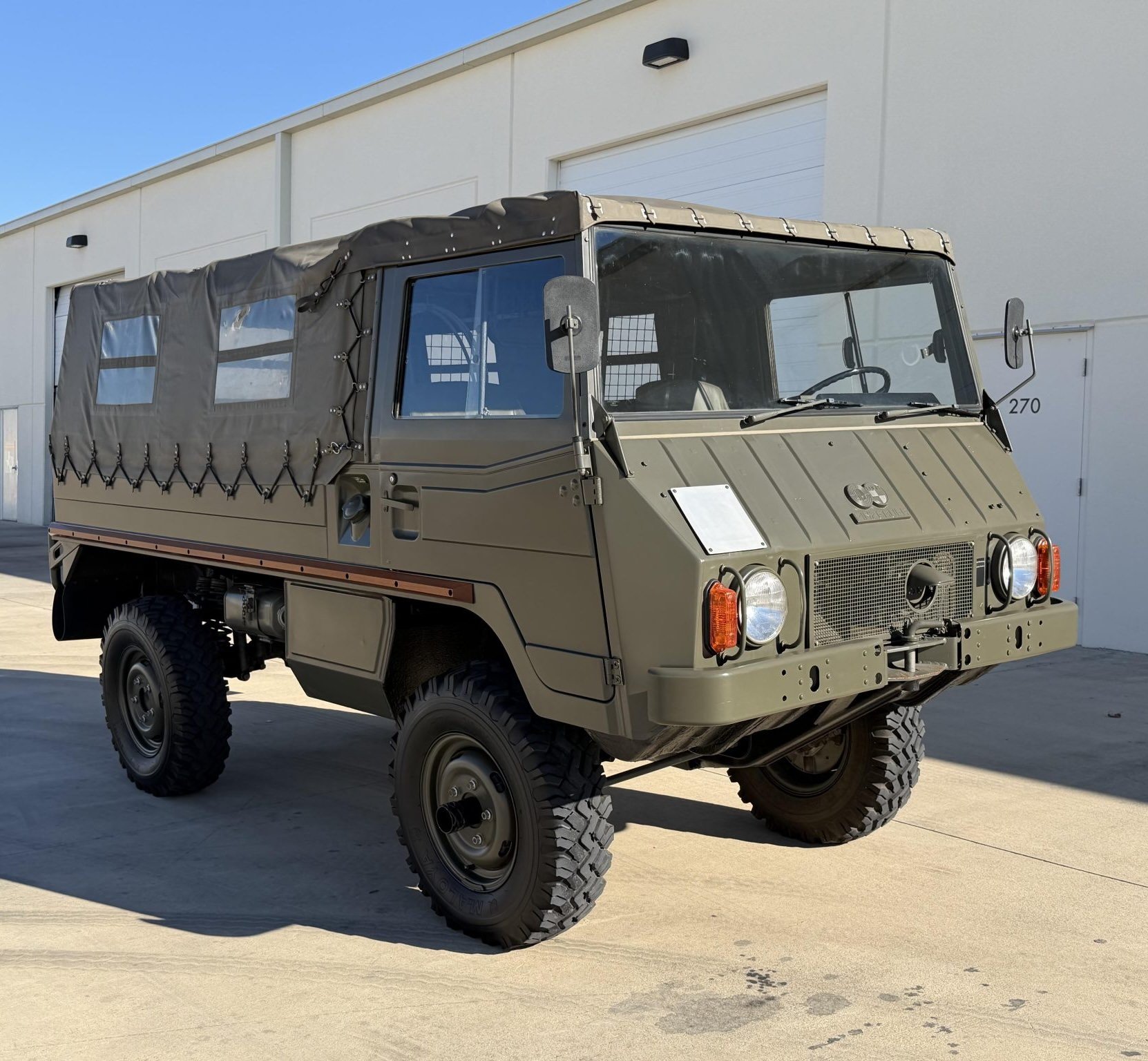
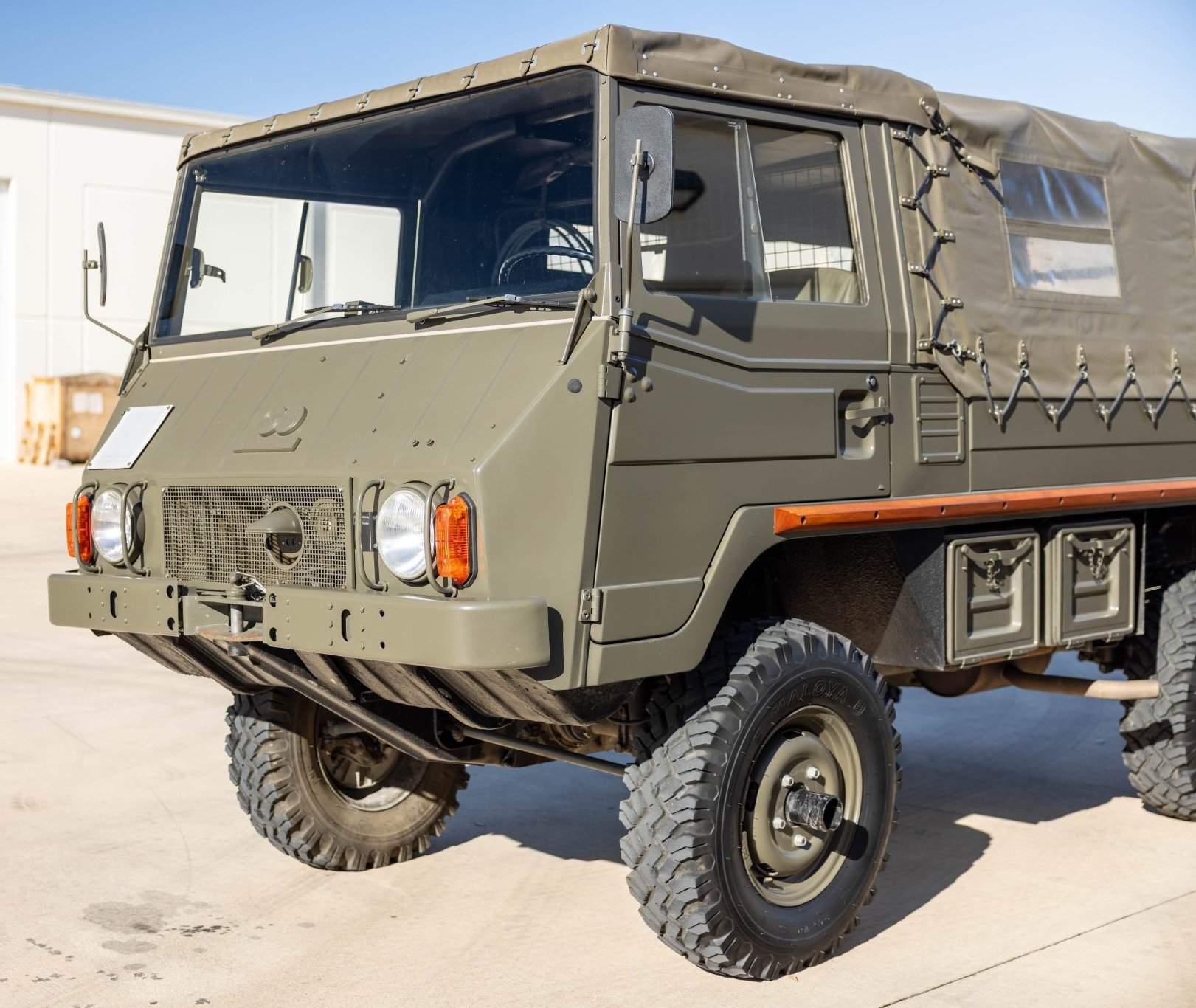
This is a 1974 Steyr-Puch Pinzgauer 710M that was formerly owned by legendary automotive executive and larger than life character Bob Lutz.
The Pinzgauer was one of the most unusual and capable off-roaders of its time, with a backbone chassis, portal axles, and incredible ground clearance. It’s then perhaps not a surprise that Bob Lutz, a man known for his deep and abiding love of cars, would have wanted one in his collection.
Fast Facts: The Steyr-Puch Pinzgauer 710M
- This 1974 Steyr-Puch Pinzgauer 710M is a former Swiss Armed Forces vehicle later owned by automotive executive Bob Lutz, who bought it in 1991. It’s the soft-top troop carrier variant and it was cosmetically refurbished in 2005 before selling again on Bring a Trailer in June of 2021.
- The first-generation 710M is a 4×4 built on a central backbone tube chassis with fully independent suspension, portal axles, and three hydraulically locking differentials. These features give it exceptional ground clearance and top-notch cross-country capability, crucial for its original role as a dedicated military transport.
- Power comes from an air-cooled 2.5 liter inline four petrol engine rated at 87 bhp and 133 lb ft of torque. It is paired with a 5-speed manual transmission and dual-range transfer case, with braking handled by four-wheel drums and power delivered through the portal axle drivetrain.
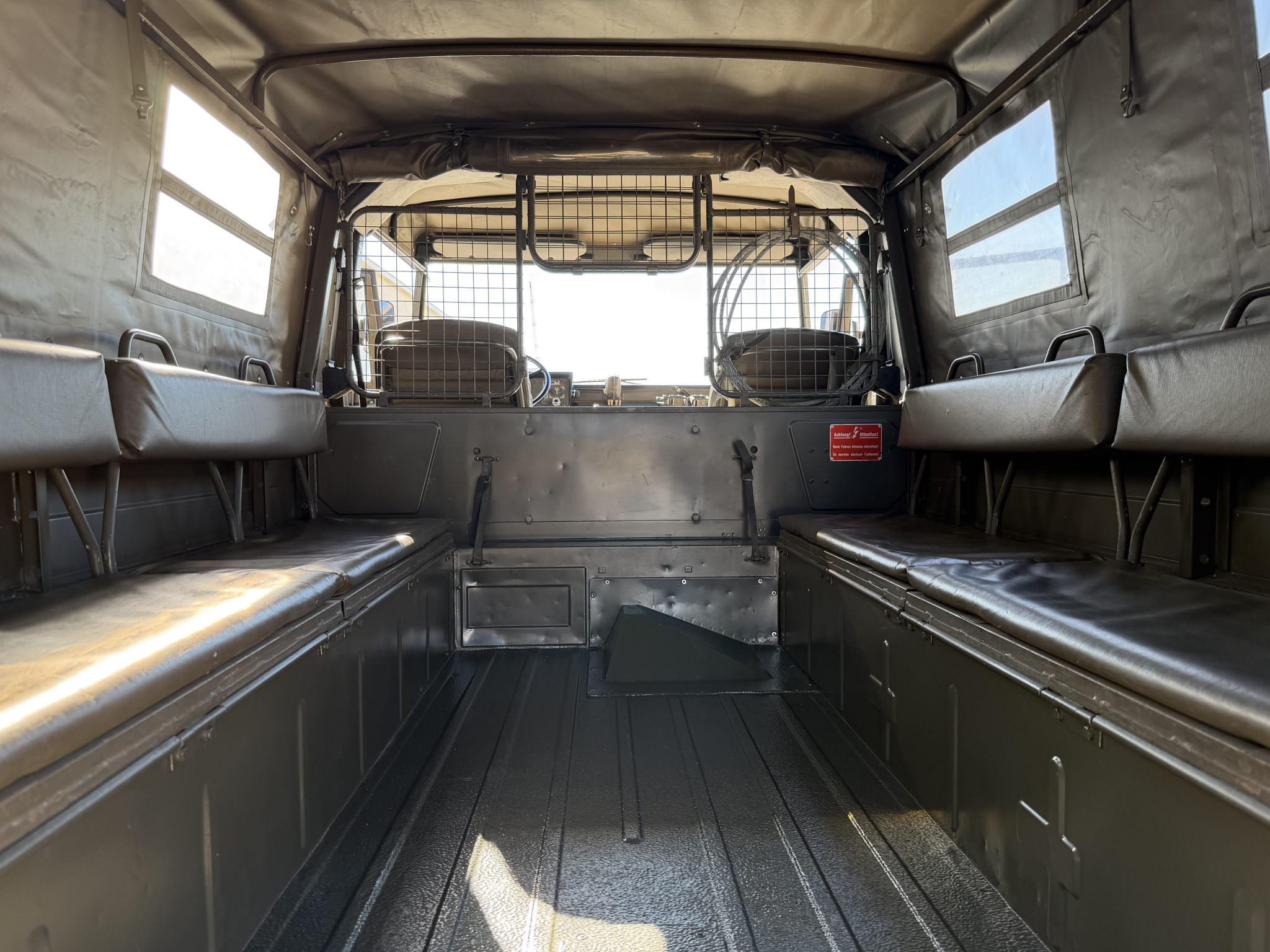
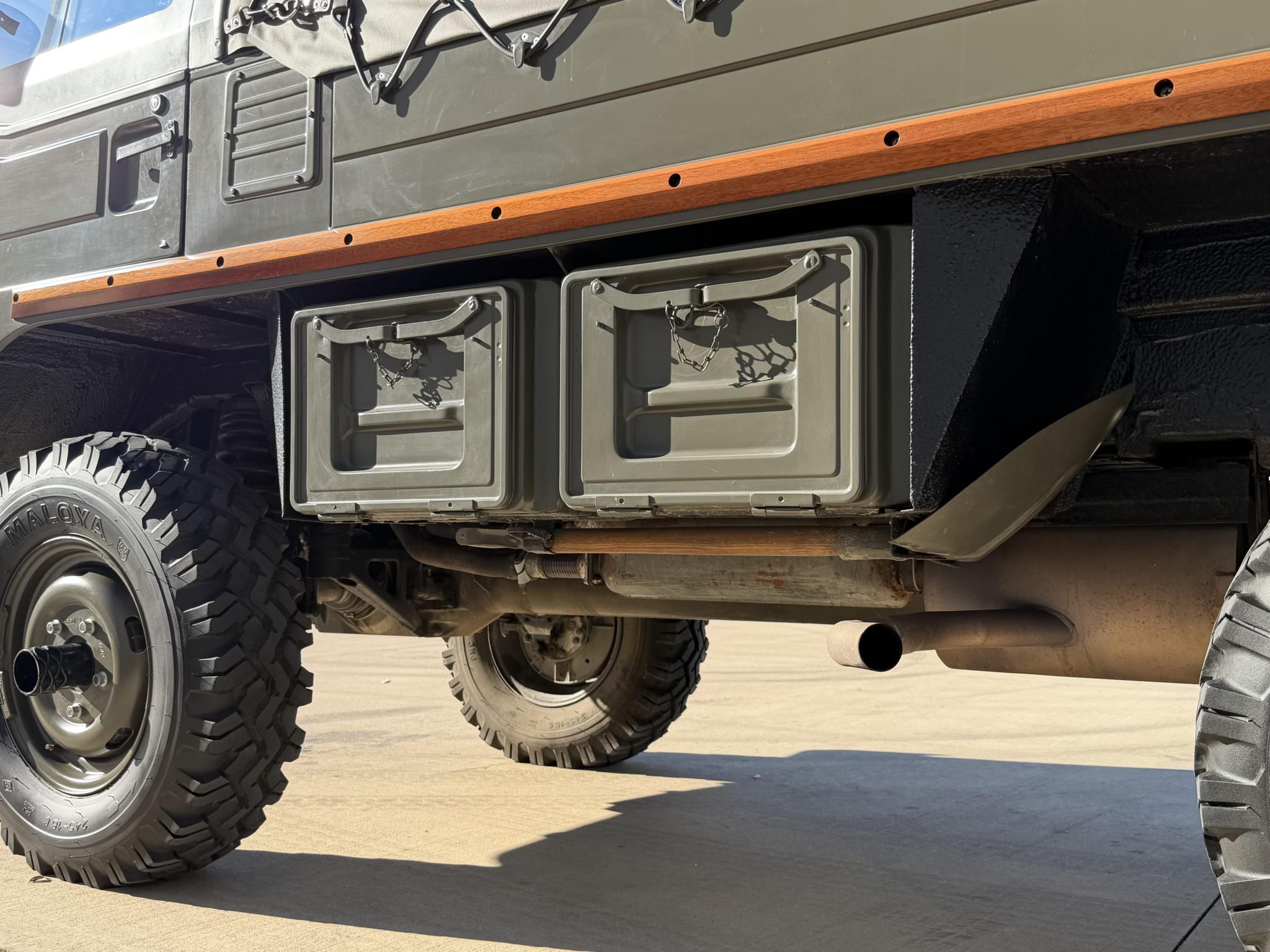
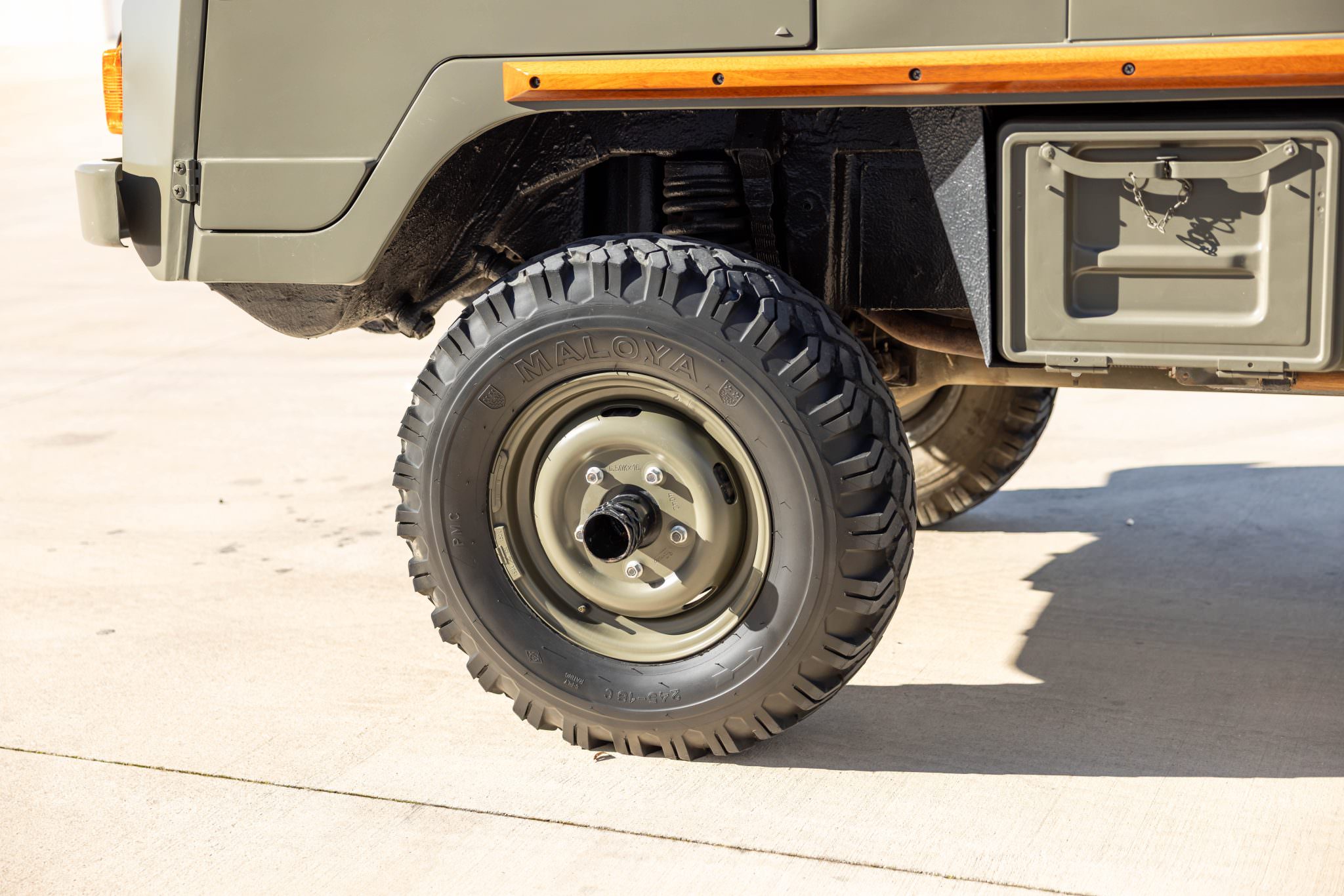
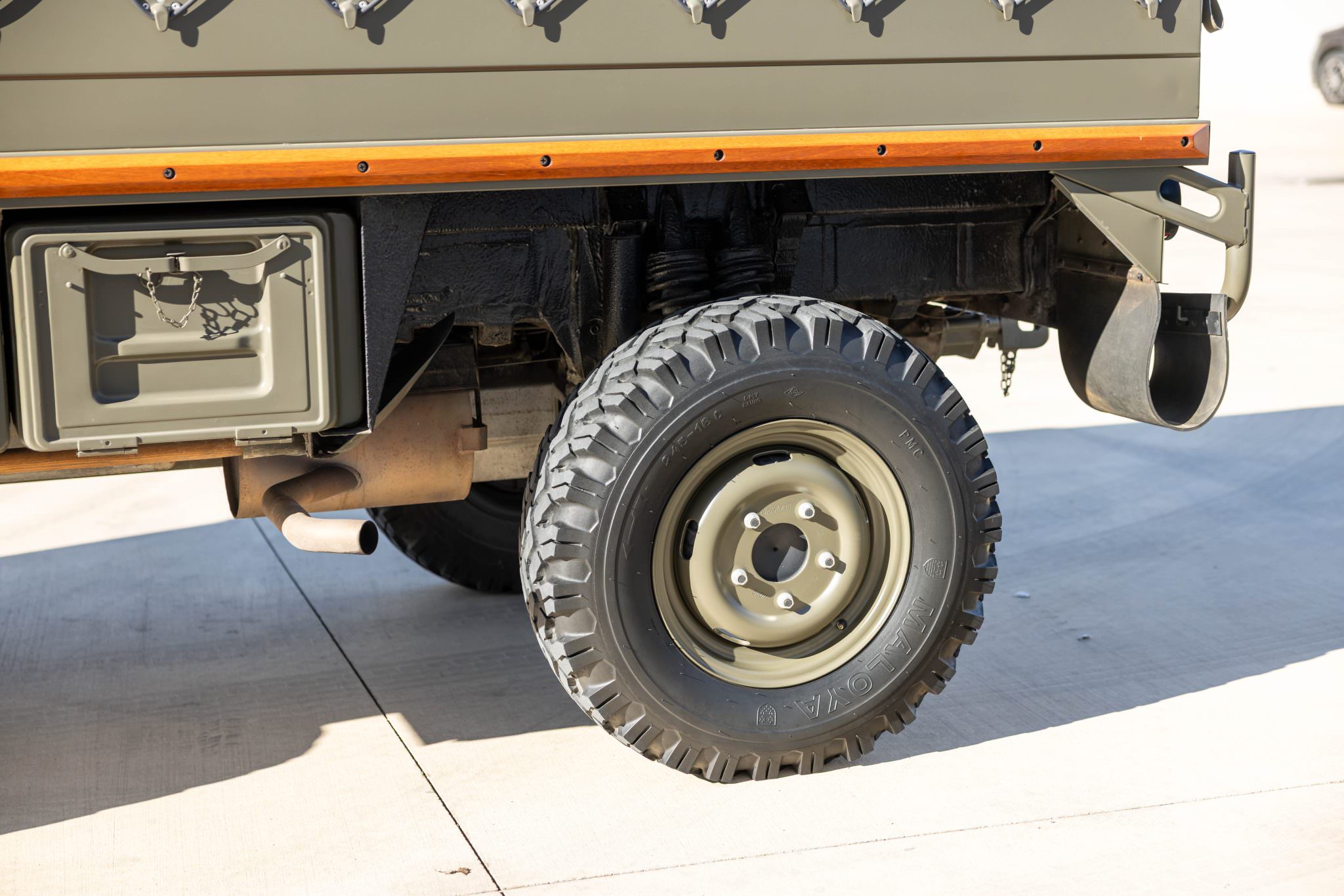
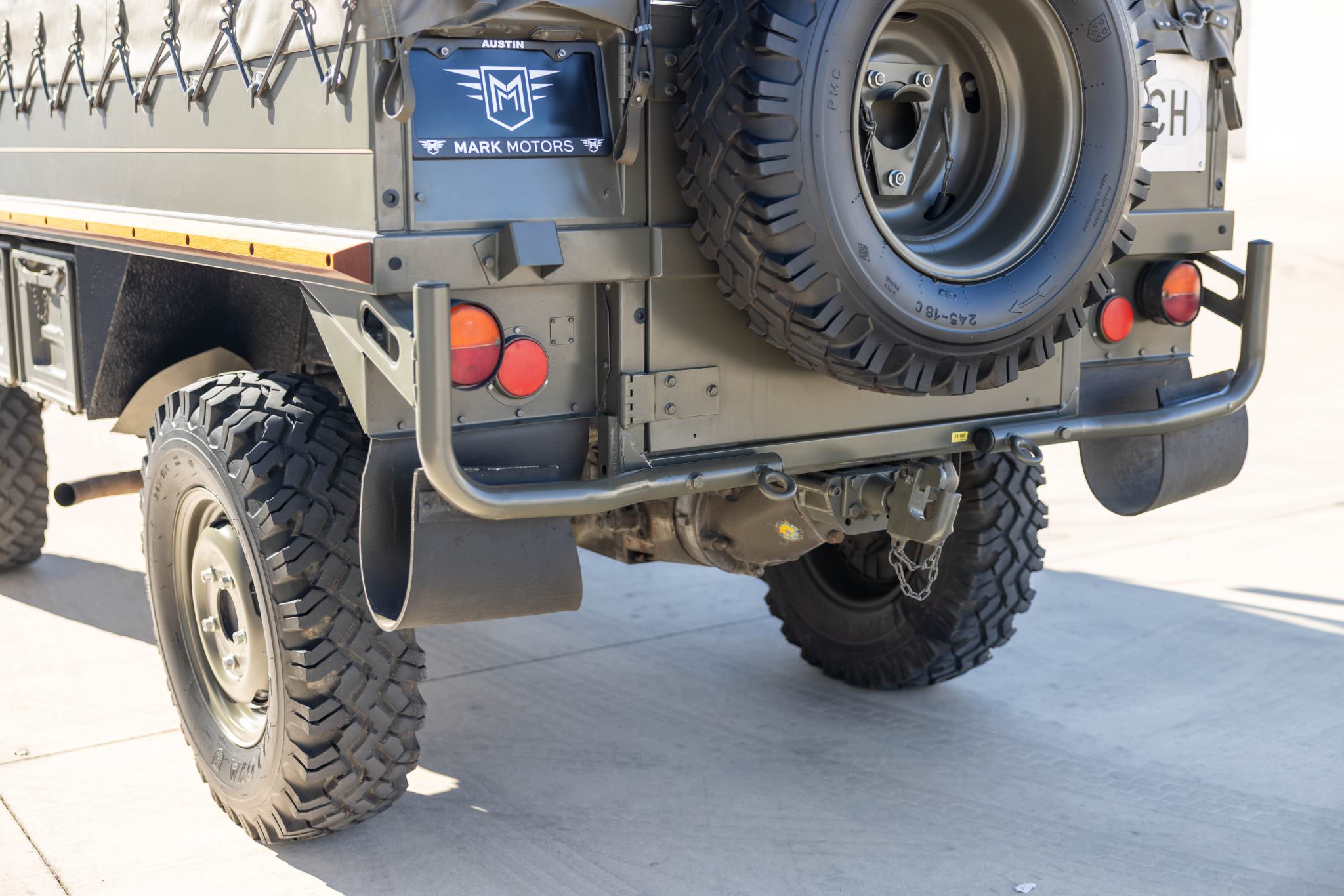
- Finished in olive drab, it keeps its military configuration including a full-length canvas top with clear plastic side windows, dual rear bench seats, wooden cargo bed side rails, under-bed storage lockers, and a European-style rear tow hook. It rides on 16 inch steel wheels with 245 series Maloya tires.
- Recent work includes carburetor re-jetting, fluid changes, and replacement of axle boots and gauges. A replacement digital odometer shows 255 miles. The vehicle is offered in Round Rock, Texas with Swiss registration documents, service records, the owner’s manual, and a clean Texas title.
History Speedrun: The Steyr-Puch Pinzgauer
The Steyr-Puch Pinzgauer was built to solve a very specific problem: how do you move people and kit across steep and varied alpine terrain with its deep mud, thick forests, and rural tracks without too much weight or unnecessary complexity?
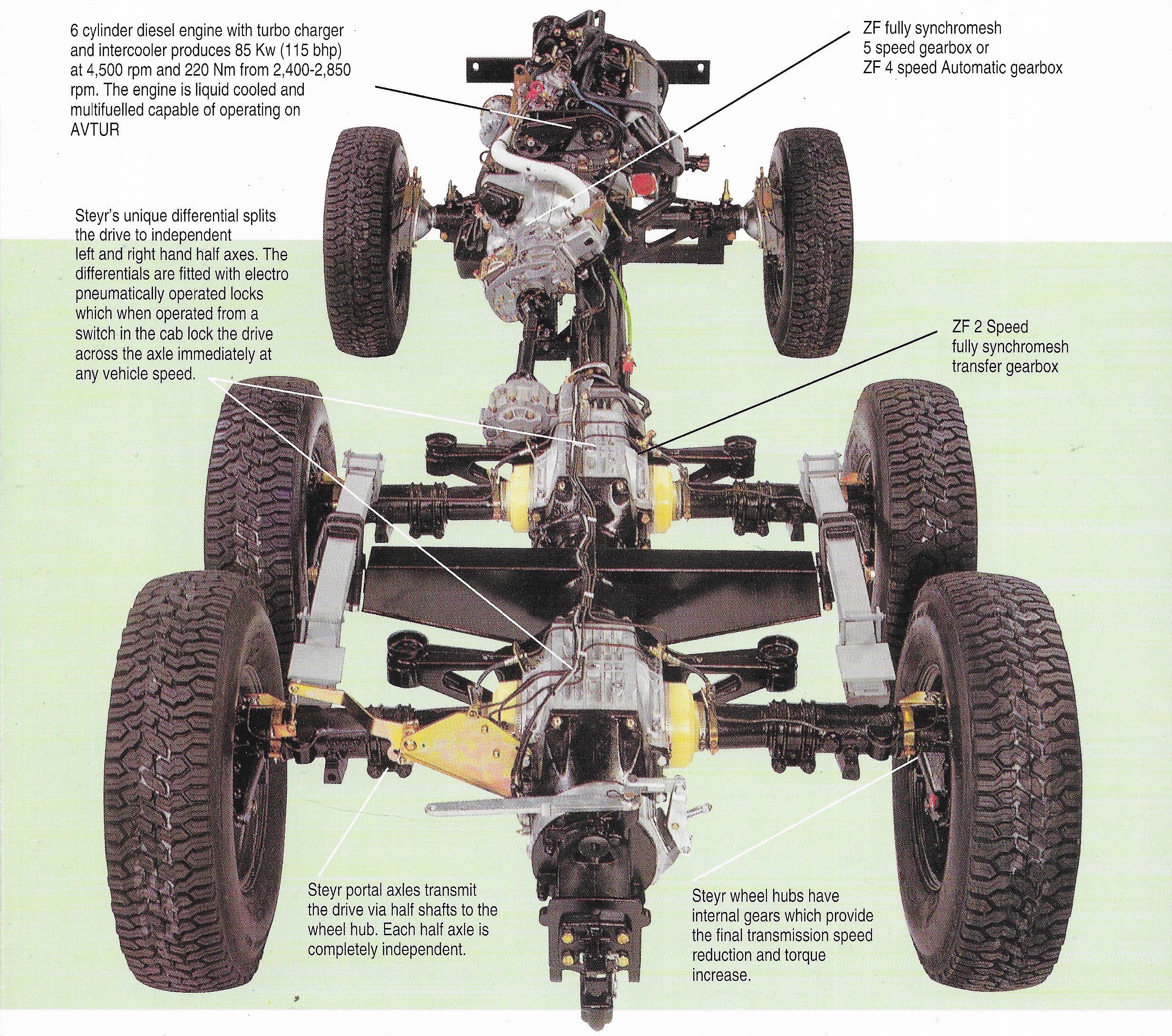
 The Pinzgauer’s under-the-skin engineering is where it always impresses people the most, with portal axles front and back, all independent suspension, and an unusual central-tube chassis holding it all together (see it pictured above). Image courtesy of Steyr.
By the late 1960s, Steyr-Daimler-Puch had already proven there was a market for compact military all-terrain vehicles with the earlier Haflinger model. The Pinzgauer was the next step up in size and cargo carrying ability, it was developed in the late 1960s and put into production in 1971.
The Pinzgauer took its name from the Pinzgauer horse breed, a smaller horse known for its toughness and ability to cross any obstacle you pointed it at – a nod to how the vehicle was expected to work and the kind of capability the designers wanted baked in from day one.
The first generation Pinzgauer came in two main versions – the 710 as a 4×4 and the 712 as a 6×6. Both were engineered around a central backbone tube chassis with independent suspension front and back, hydraulically locking differentials, and portal axles. Portal axles allow the differentials to sit higher than the wheel centres, significantly increasing ground clearance without excessively tall suspension.
Power for early Pinzgauers was a Steyr-designed, air-cooled inline four petrol engine rated at 87 bhp and 133 lb ft of torque. A 5-speed manual transmission was standard. These power figures were modest on paper, but it goes without saying that the vehicle was developed for controlled cross-country capability rather than any sort of outright speed.
Pinzgauer body types and variants multiplied relatively quickly – including soft-top troop carriers, radio vehicles, ambulances, cargo transport, and fully-enclosed station wagons. In 6×6 specification, the 712 expanded the capability with improved load capacity and more interior volume.
The Pinzgauer’s under-the-skin engineering is where it always impresses people the most, with portal axles front and back, all independent suspension, and an unusual central-tube chassis holding it all together (see it pictured above).
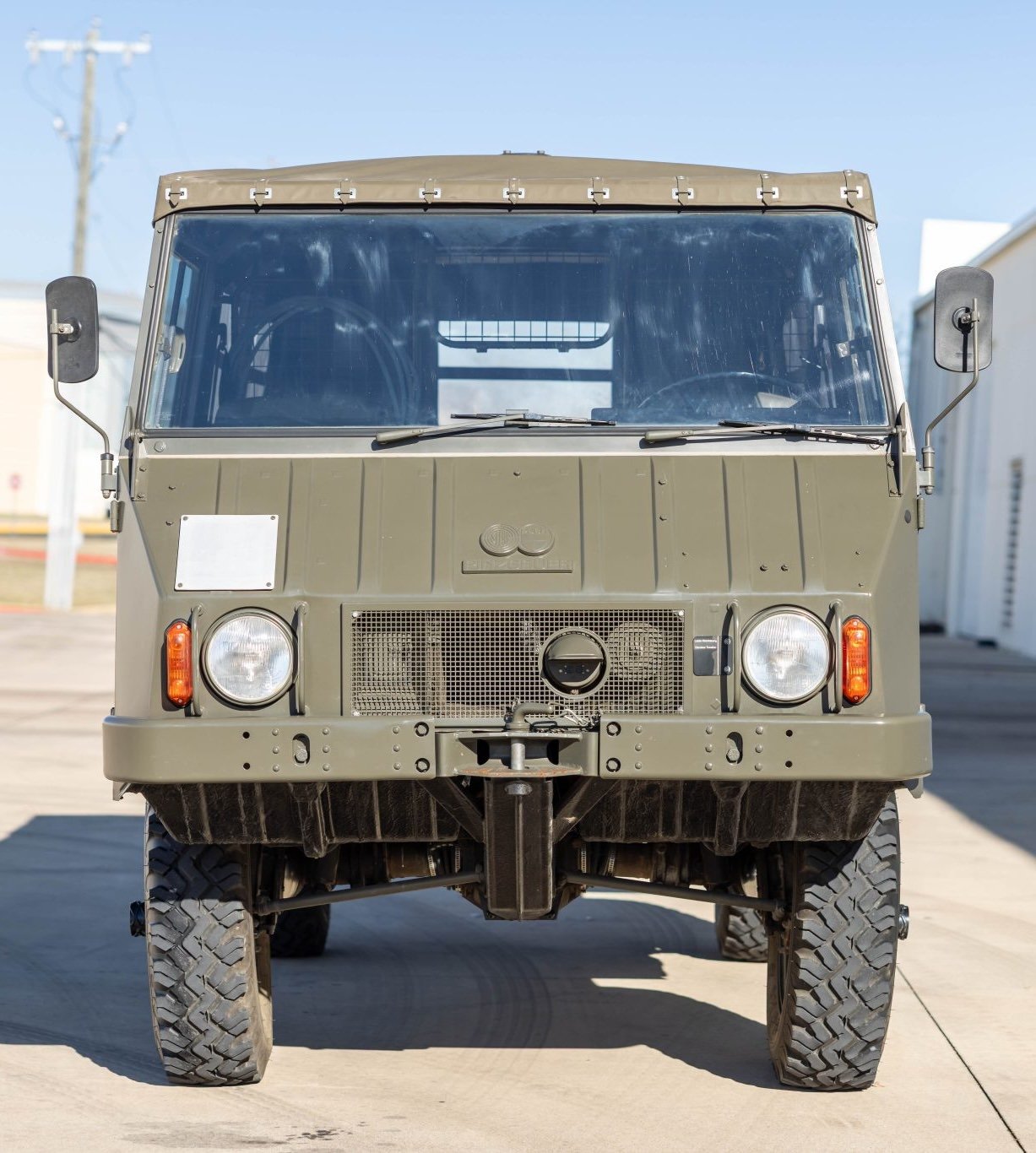
The Steyr-Puch Pinzgauer you see here originally served with the Swiss Armed Forces before being bought by its famous former owner, automotive executive Bob Lutz, in 1991.
The Pinzgauer was designed from the get-go as a dedicated off-road military platform rather than a civilian 4×4. That said, surplus vehicles later entered civilian hands, where they were adapted for expedition, utility, and leisure use.
Development of a second generation began in 1980, with the Pinzgauer II entering production in 1986 with the 716 as the 4×4 and the 718 as the 6×6. In 2000, following Magna’s acquisition of Steyr-Daimler-Puch, rights to the Pinzgauer were sold to Automotive Technik in the United Kingdom, and production shifted accordingly.
The second generation kept the backbone chassis and portal axles but introduced significant mechanical revisions including an inline six-cylinder Volkswagen turbodiesel, with both 5-speed manual and ZF 4-speed automatic transmission options. Disc brakes, a widened track width, larger tires, and some other more minor updates were also introduced.
Most Steyr-Puch Pinzgauers are now in private or industrial use rather than military, and they offer a popular and much more approachable off-road platform than the similar-looking and also portal axle-equipped Unimog from Germany.
The Ex-Bob Lutz Steyr-Puch Pinzgauer Shown Here
Bob Lutz is a man who needs no introduction to anyone interested in 20th century American automobiles. He was a top executive at all three big US automakers – an executive vice president of the Ford Motor Company, president and then vice chairman of Chrysler, and then vice chairman of General Motors.
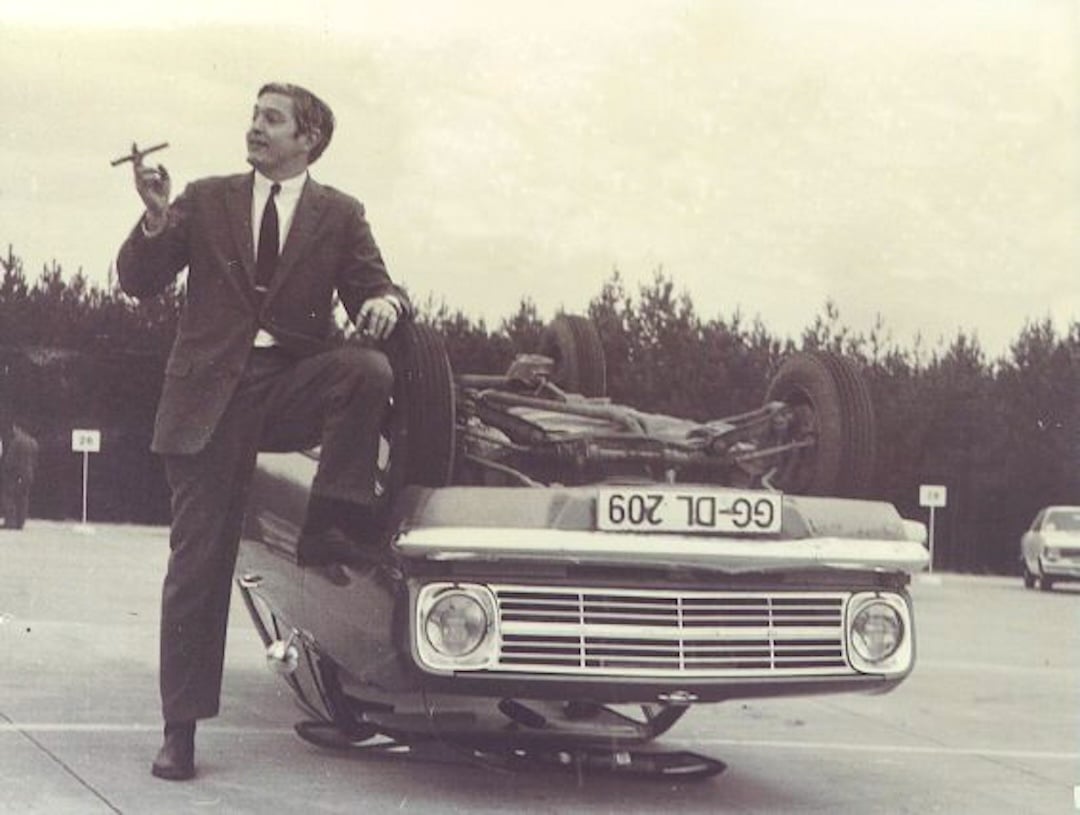
This is a famous picture of a young Bob Lutz. As the story goes, he had disagreed with some German engineers about whether the Opel Kadett could survive a J-turn without flipping. Lutz got into the car and demonstrated a J-turn, the Kadett subsequently ended up on its roof, proving his point. Image courtesy of General Motors.
As if all that wasn’t enough, he had also earlier been executive vice president of sales at BMW, as well as an active duty Naval Aviator in the United States Marine Corps, and the CEO of Exide.
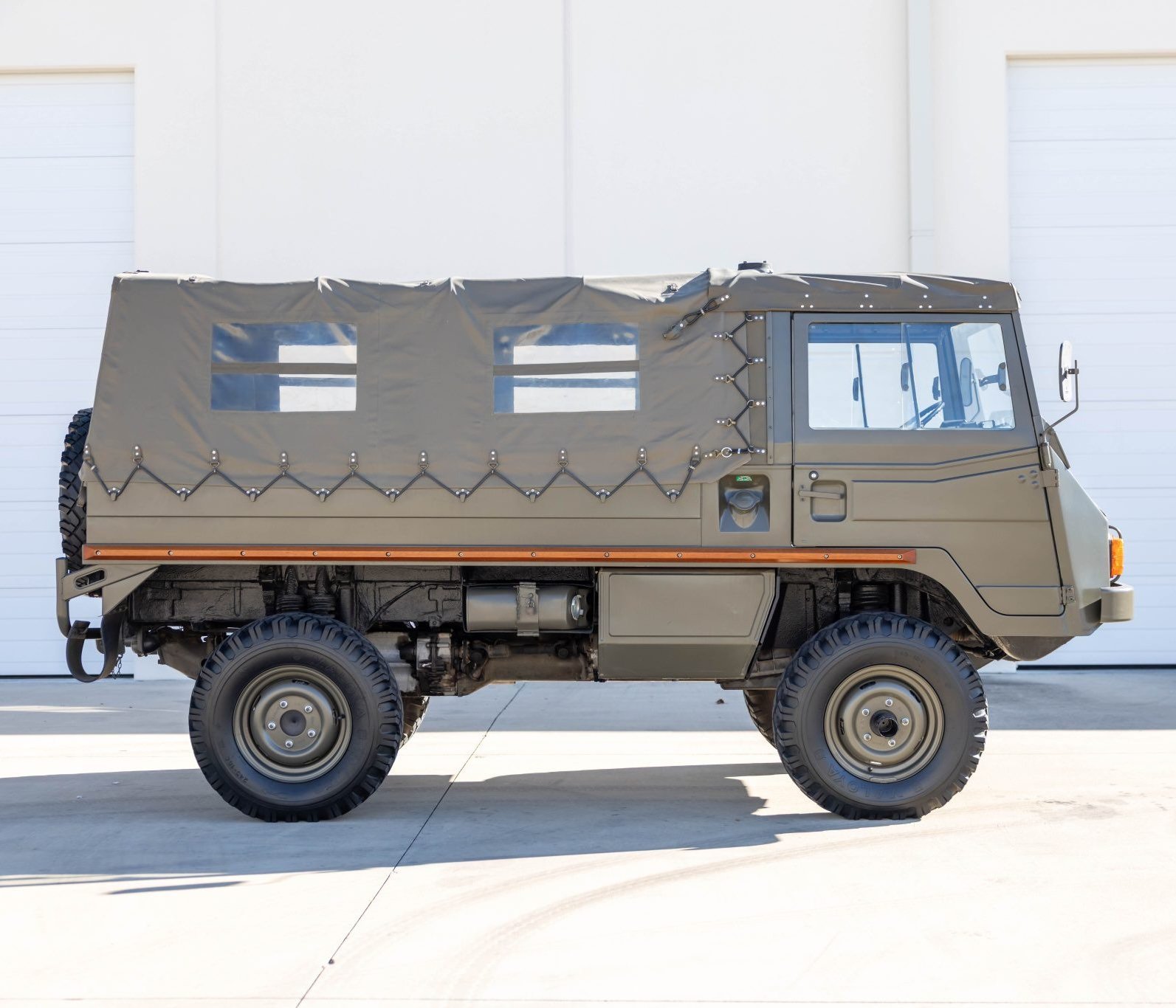
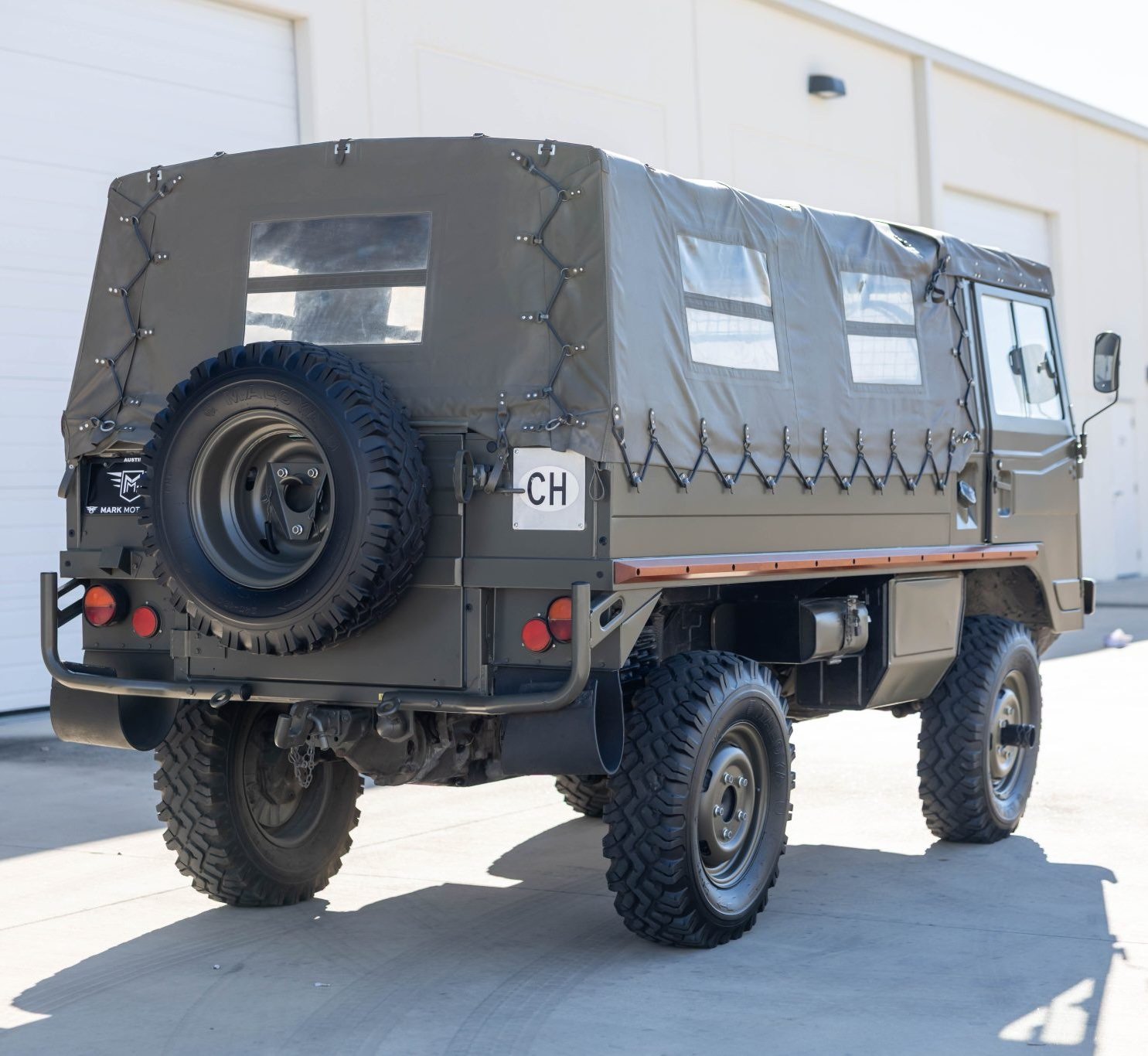
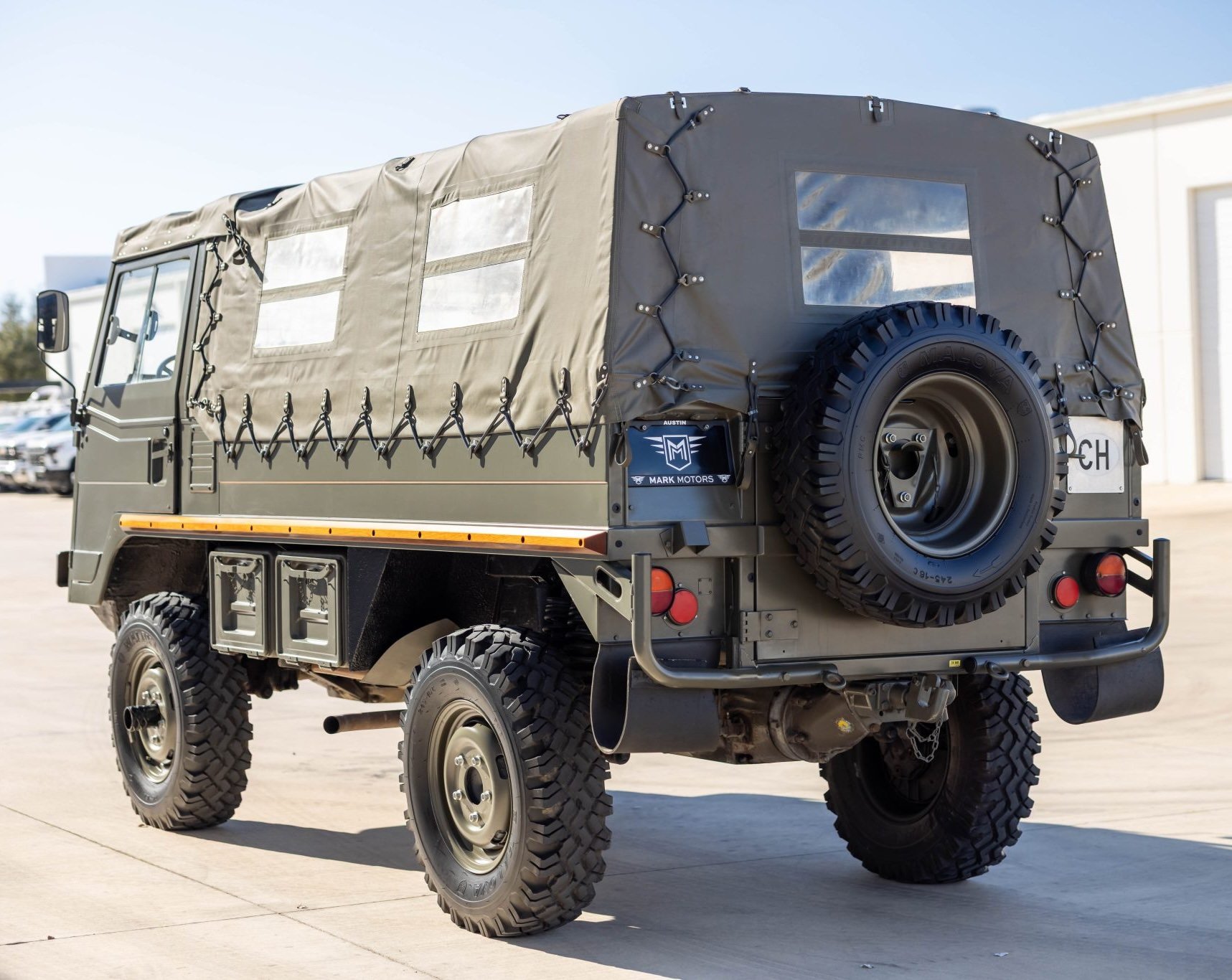
The Steyr-Puch Pinzgauer you see here originally served with the Swiss Armed Forces before being bought by its famous former owner, automotive executive Bob Lutz, in 1991. This is the soft-top troop carrier variant of the Pinzgauer, a sought after model today as it’s notably lighter than the all-metal variants.
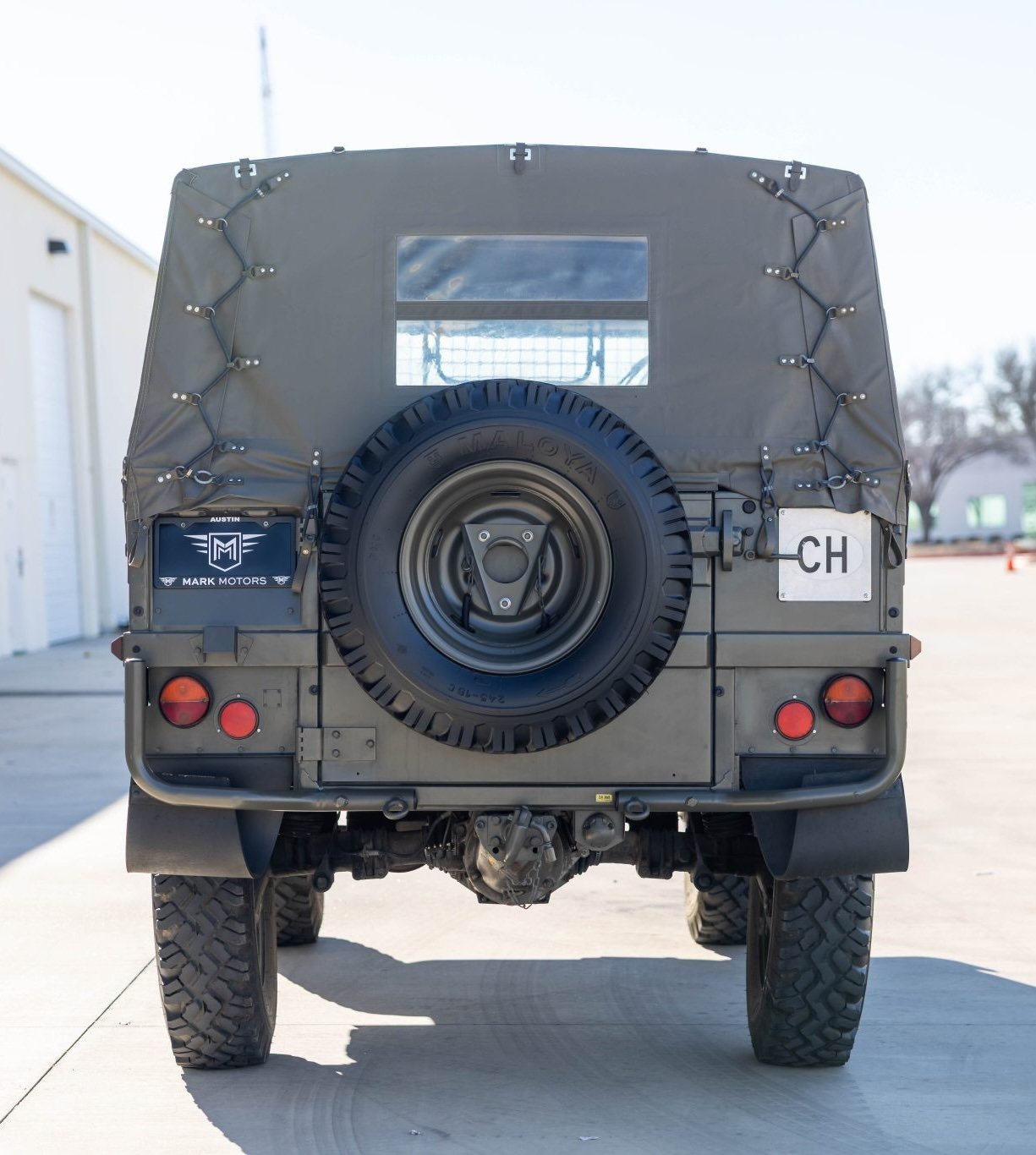
This vehicle was cosmetically refurbished in 2005 and was most recently bought on Bring a Trailer in June of 2021. It’s finished in olive drab and it retains its utilitarian military configuration, including a full-length canvas top with clear plastic side windows, dual rear bench seats, wooden cargo bed side rails, under-bed storage lockers, and a European-style rear tow hook.
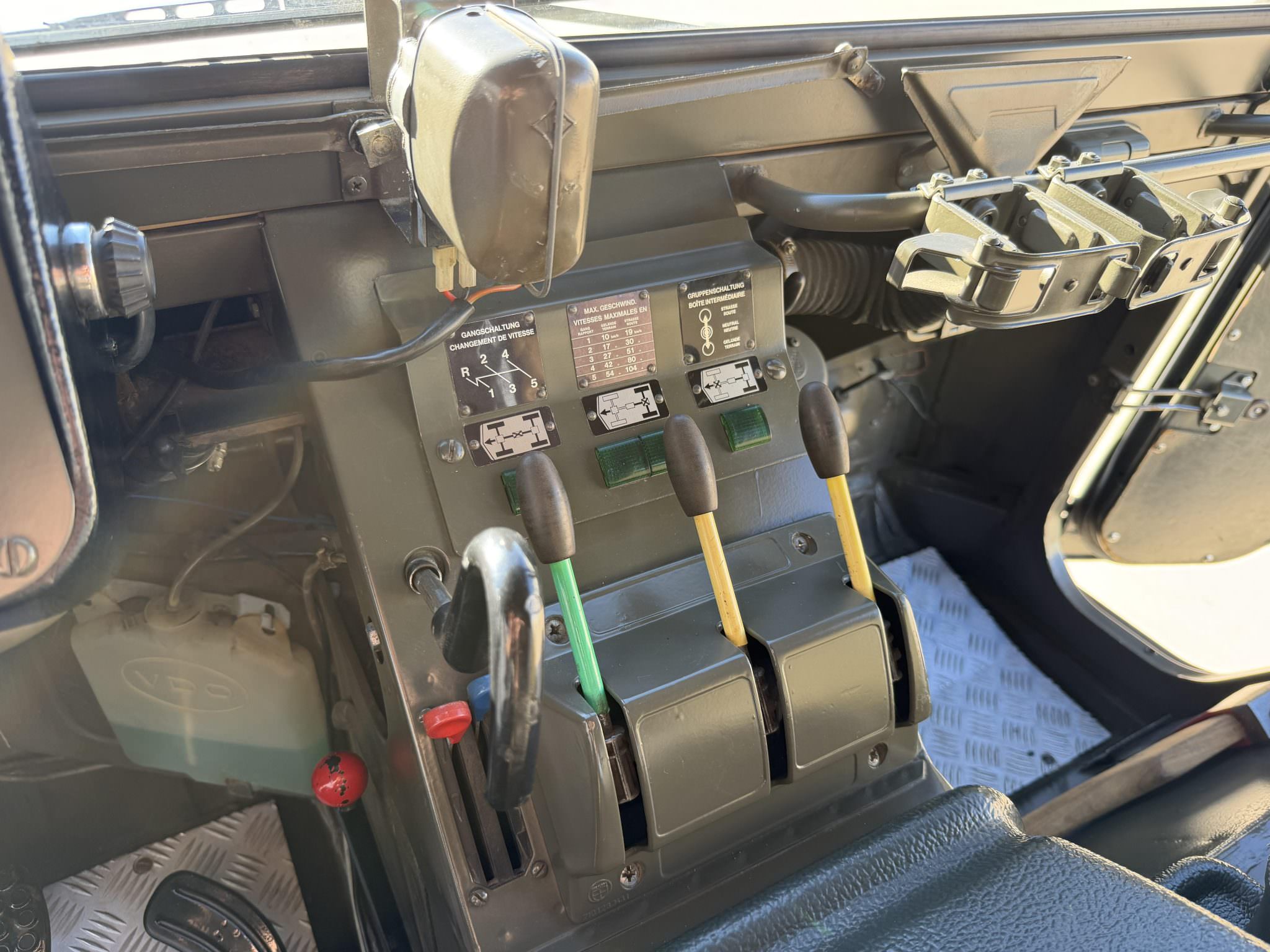
It rides on 16 inch steel wheels fitted with 245 series Maloya tires and it’s equipped with four-wheel drum brakes. Power comes from an air-cooled 2.5 liter inline four producing a factory-rated 87 bhp and 133 lb ft of torque. This engine is paired with a 5-speed manual transmission and a dual-range transfer case, sending power through portal axles and three hydraulically locking differentials.
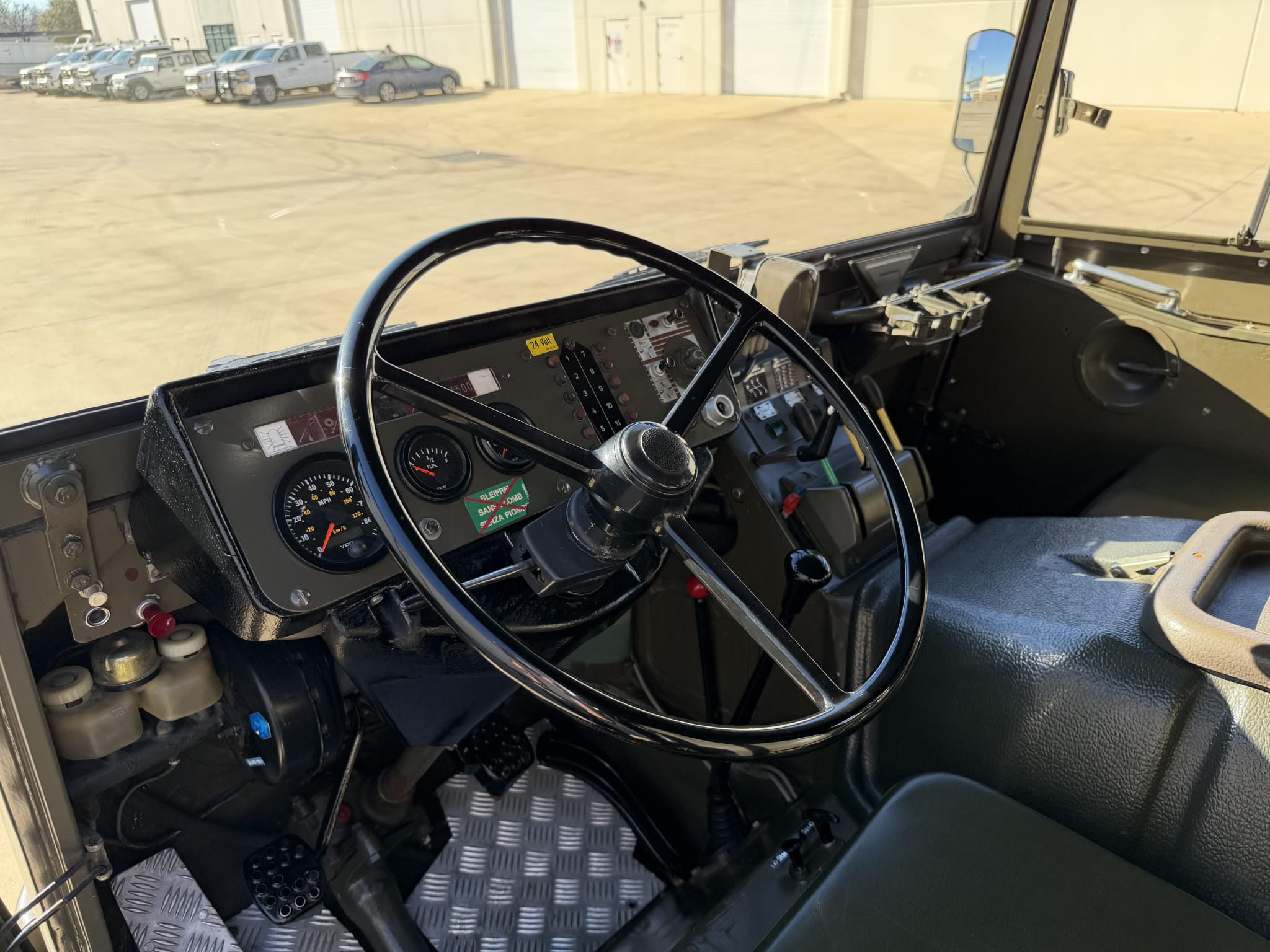
Power comes from an air-cooled 2.5 liter inline four producing a factory-rated 87 bhp and 133 lb ft of torque. This engine is paired with a 5-speed manual transmission and a dual-range transfer case, sending power through portal axles and three hydraulically locking differentials.
Under current ownership, the carburetor is said to have been re-jetted, the fluids were changed, and axle boots and gauges were replaced. The digital odometer, installed with a replacement gauge cluster, displays 255 miles.
It’s now being offered for sale out of Round Rock, Texas with a Swiss registration document, service records, the owner’s manual, and a clean Texas title. If you’d like to read more or place a bid you can visit the listing here.
Images courtesy of Bring a Trailer

Articles that Ben Branch has written have been covered on CNN, Popular Mechanics, Smithsonian Magazine, Road & Track Magazine, the official Pinterest blog, the official eBay Motors blog, BuzzFeed, Autoweek Magazine, Wired Magazine, Autoblog, Gear Patrol, Jalopnik, The Verge, and many more.
Silodrome was founded by Ben back in 2010, in the years since the site has grown to become a world leader in the alternative and vintage motoring sector, with well over a million monthly readers from around the world and many hundreds of thousands of followers on social media.