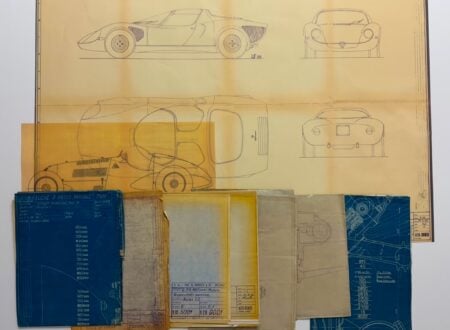
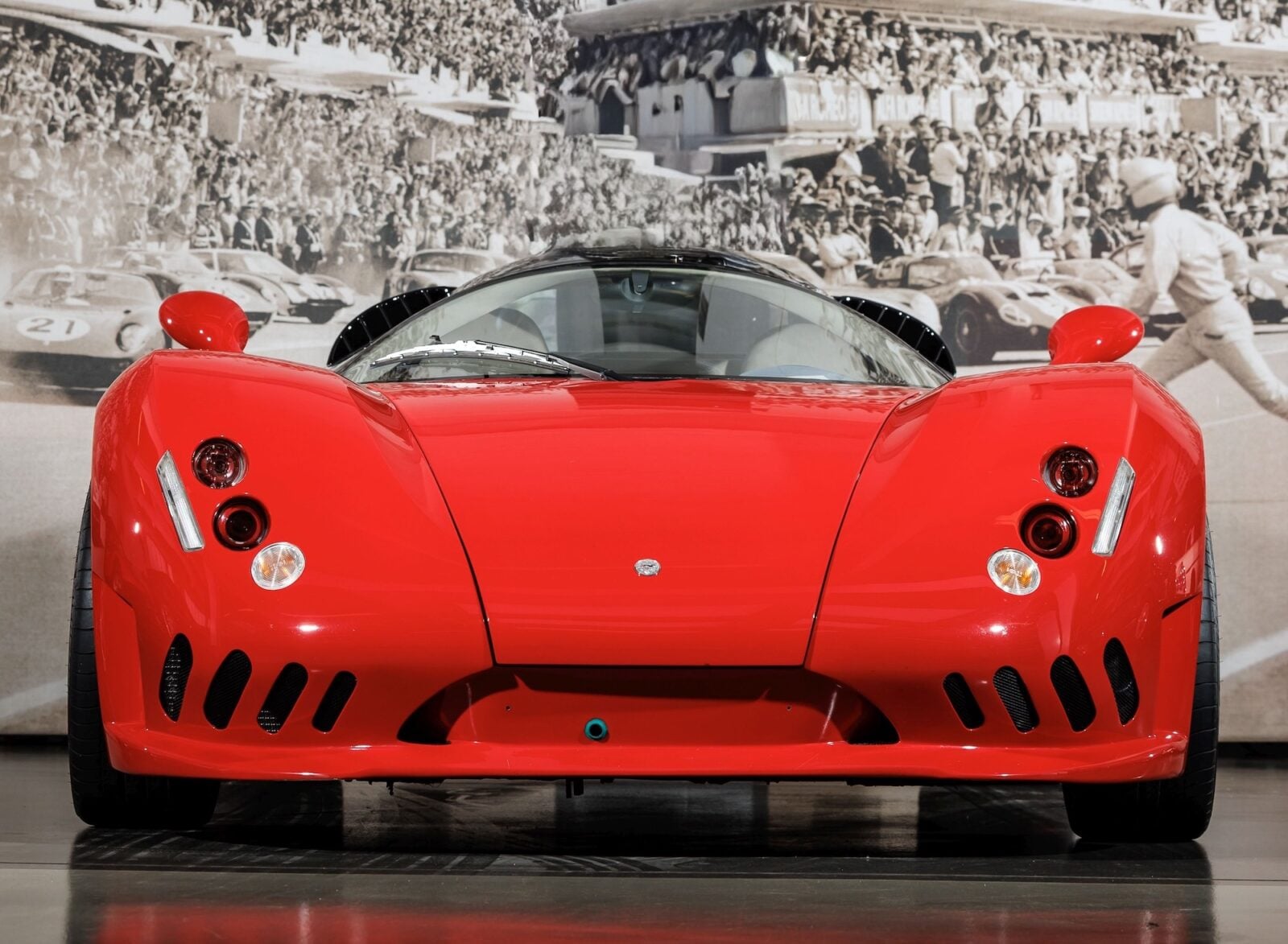
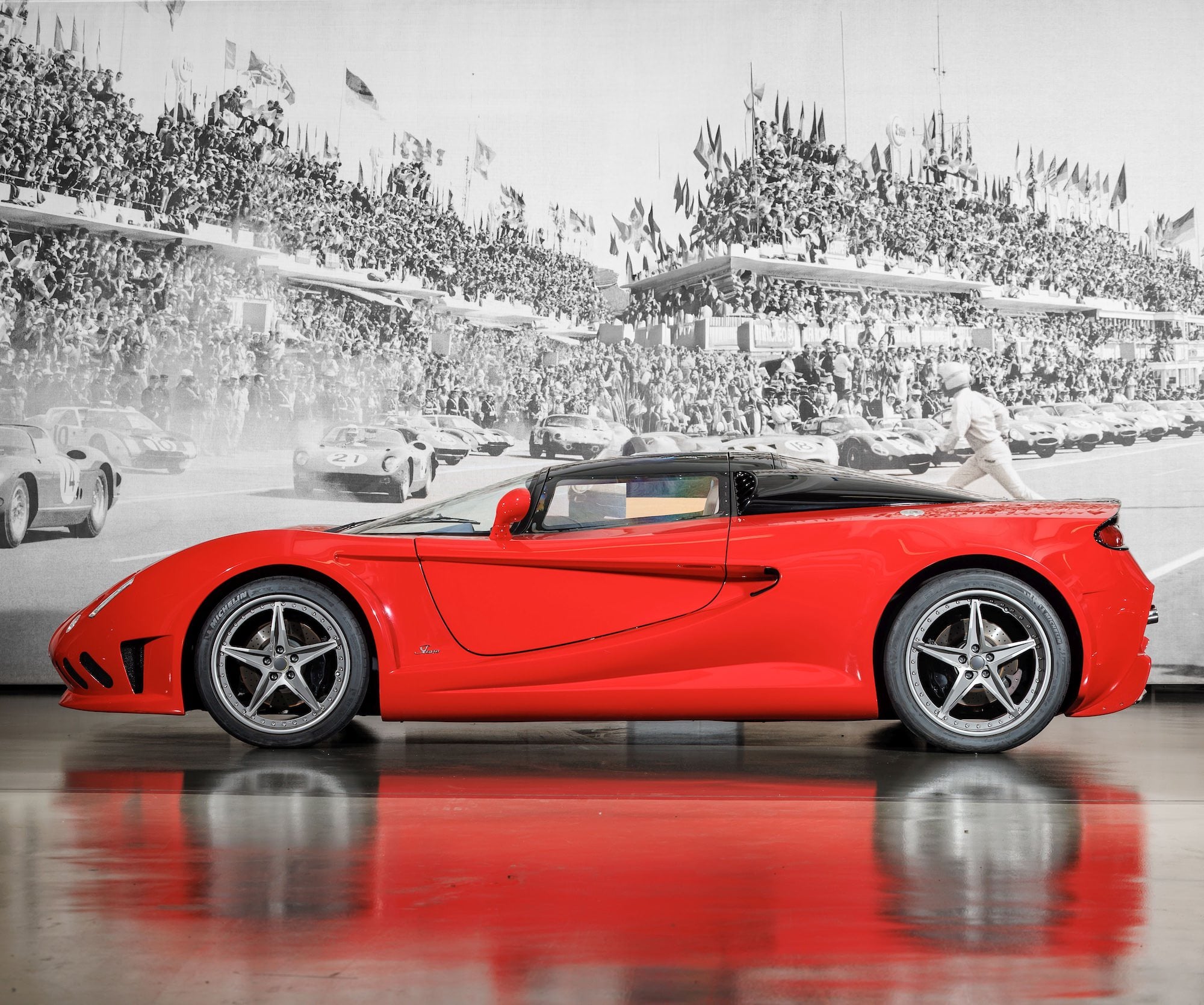
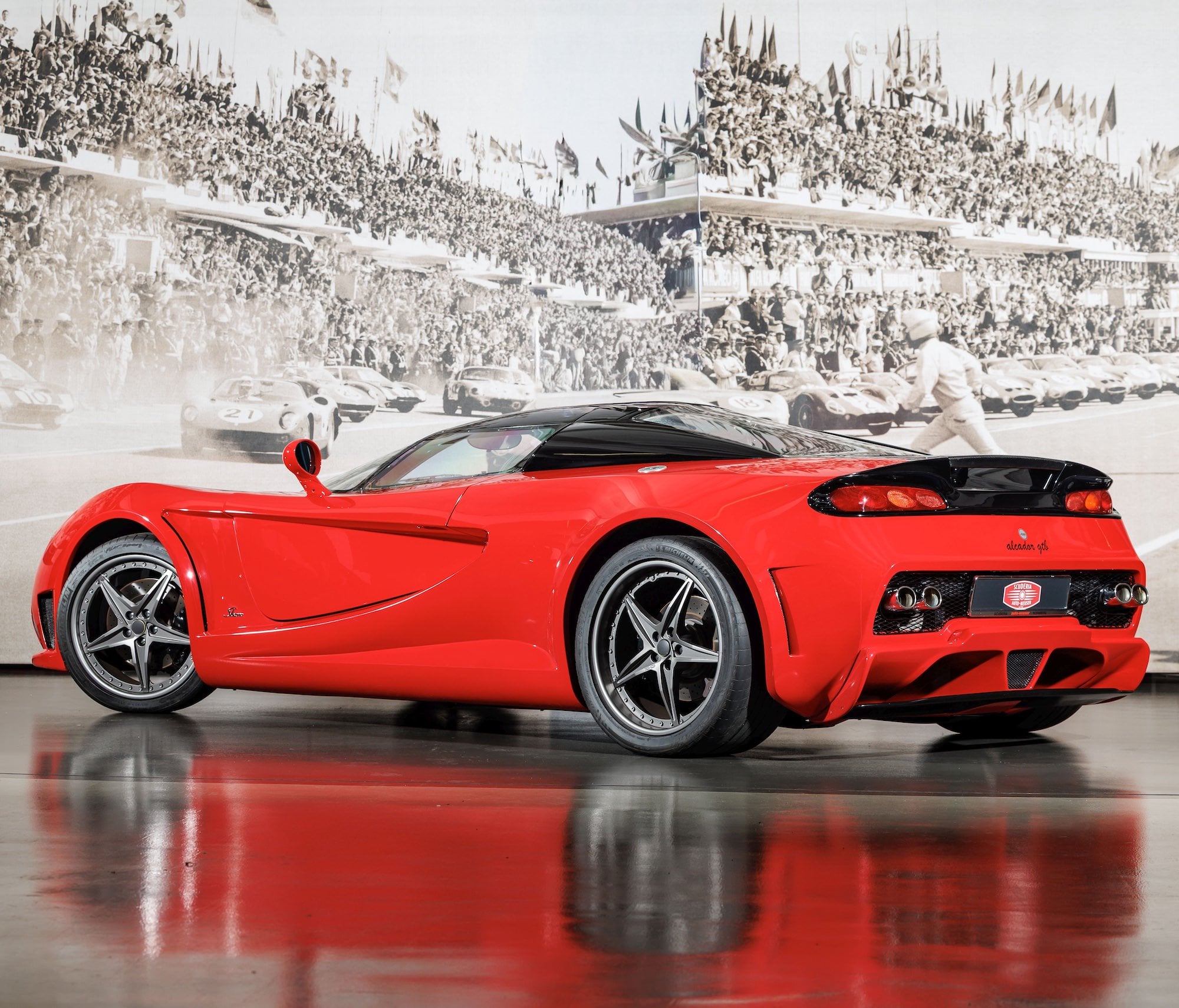
This is the Sbarro Alcador GTB from 2009, it’s a car you may never have seen before as only one was ever made to this specification, and it’s based on the underpinnings of the Ferrari 360 Modena.
The car was commissioned by Ludwig Binder as part of a small series of specials he had made on Ferrari production cars of the time. Even in Ferrari circles these vehicles are largely unknown, having been kept in private collections and rarely seen out in public.
Fast Facts: The Sbarro Alcador GTB
- The 2009 Sbarro Alcador GTB is a one-off coachbuilt coupe developed by Franco Sbarro on the platform of the Ferrari 360 Modena. Commissioned by Ludwig Binder, it forms part of a tiny Alcador lineage, with total production across all variants reportedly limited to just four cars.
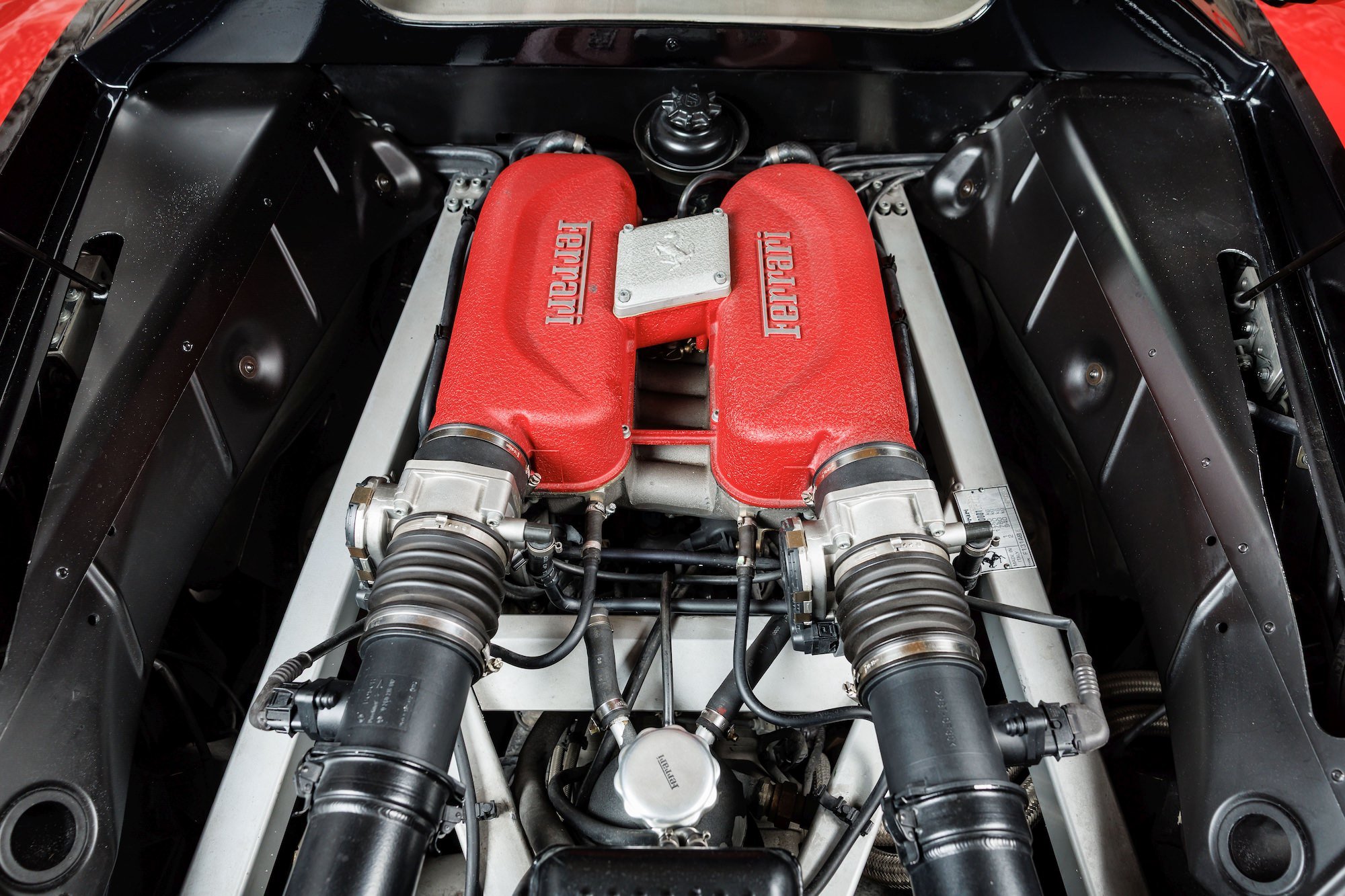
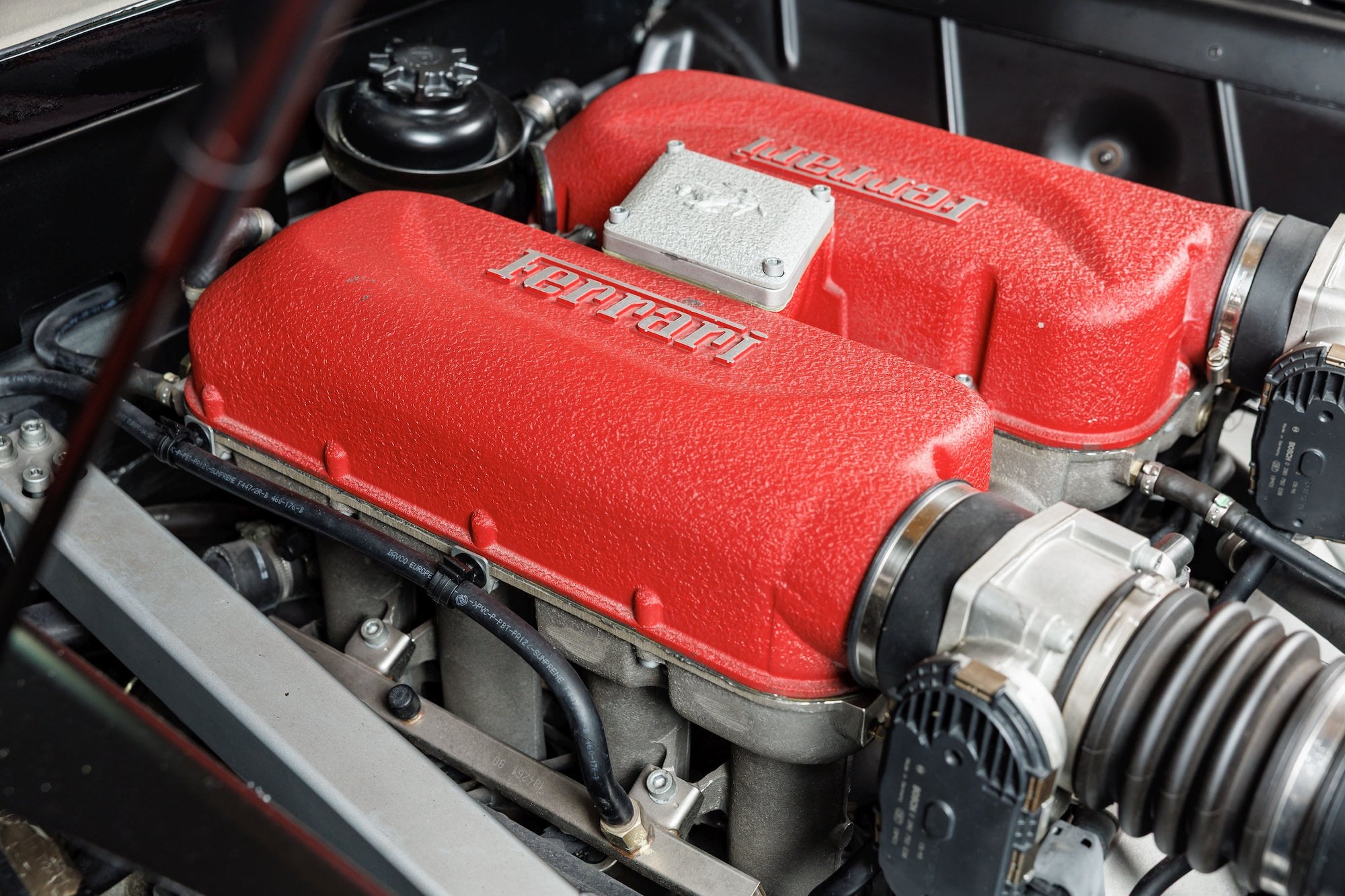
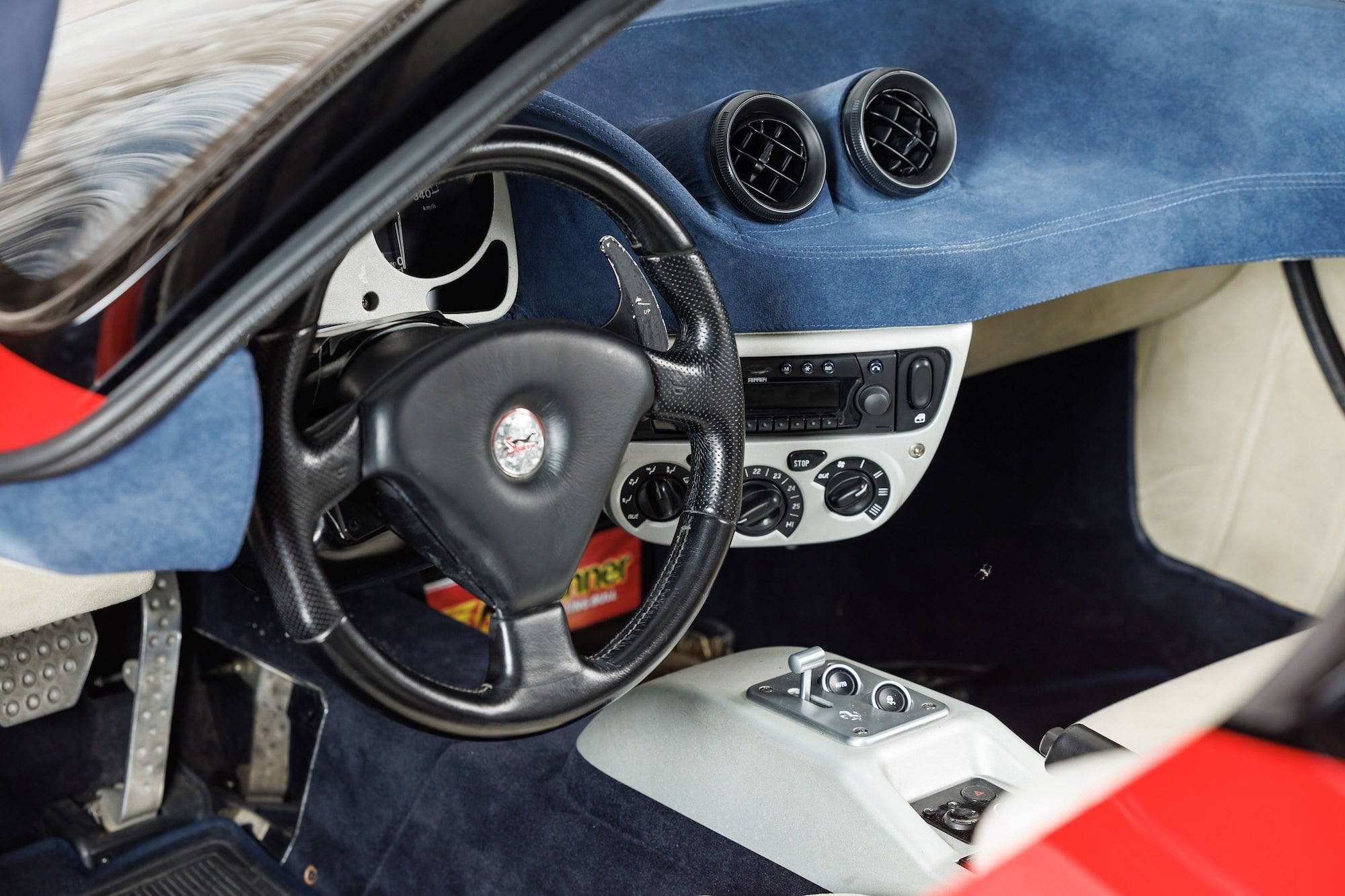
- Shown at the Geneva Motor Show in period, the GTB kept the Ferrari’s aluminum chassis, mid-engine layout, 3.6 liter naturally aspirated V8, and F1 paddle-shift transmission. Output remained at approximately 394 bhp and 275 lb ft of torque, keeping the donor car’s performance while dramatically altering its outward appearance.
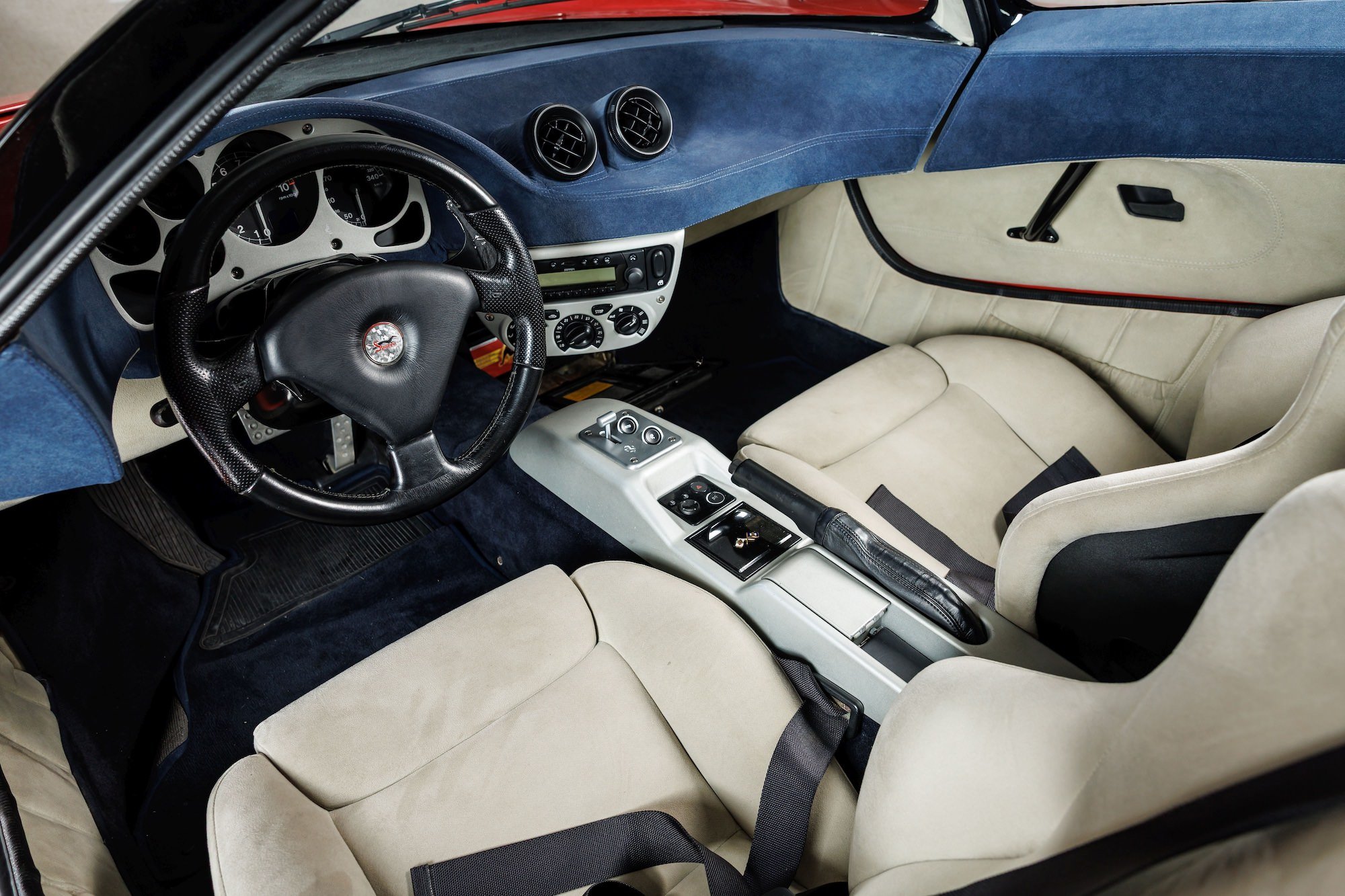
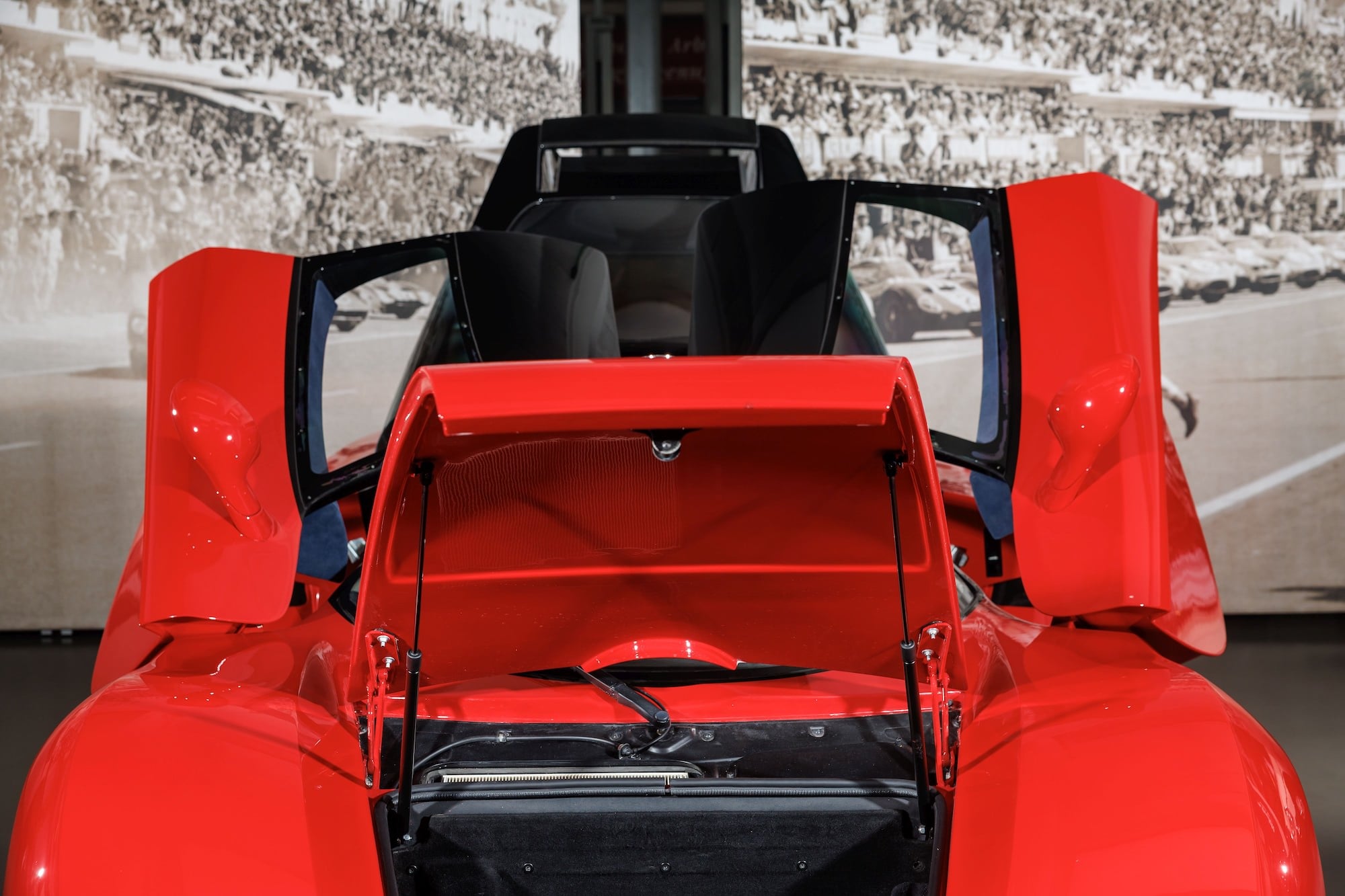
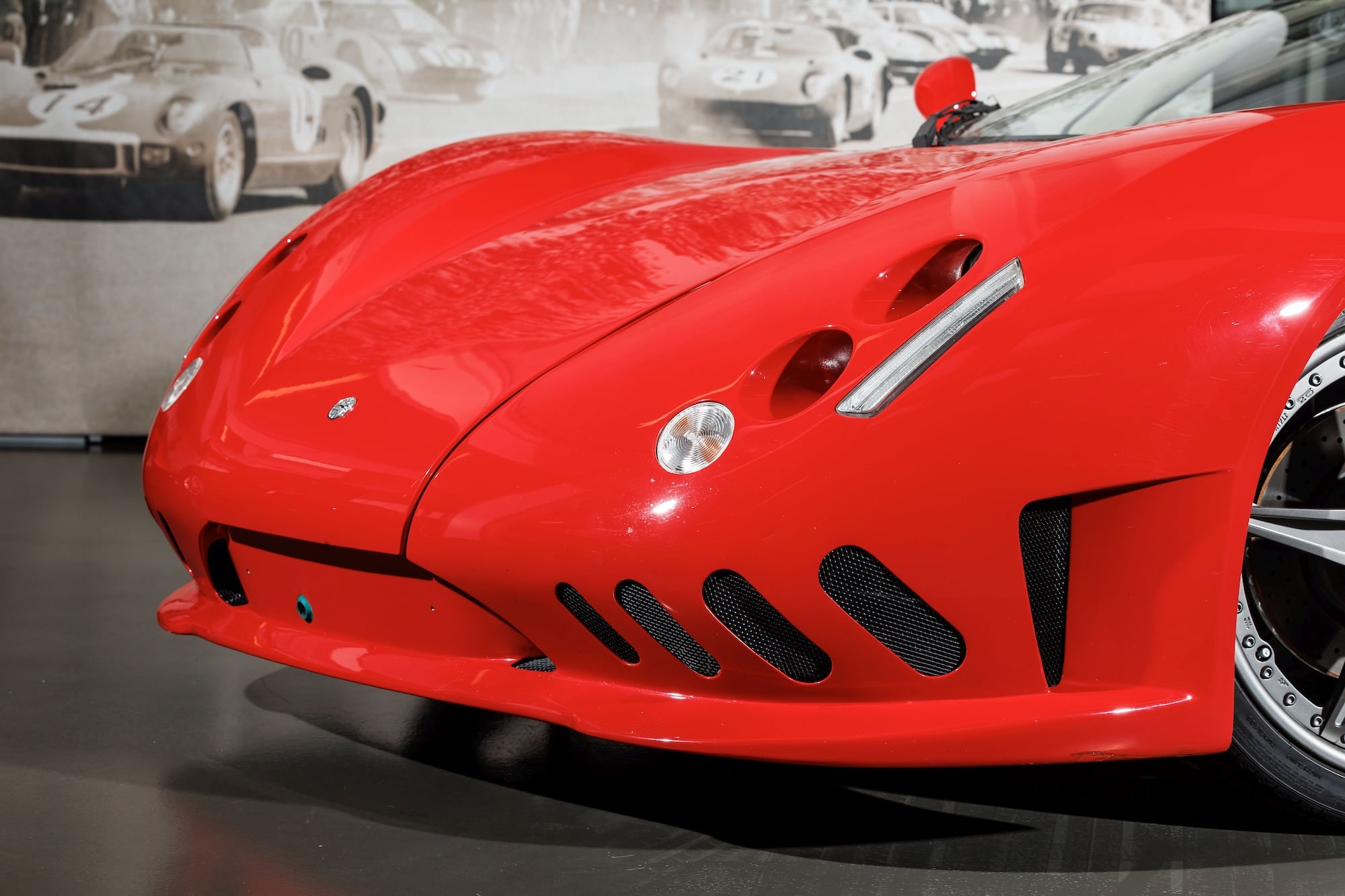
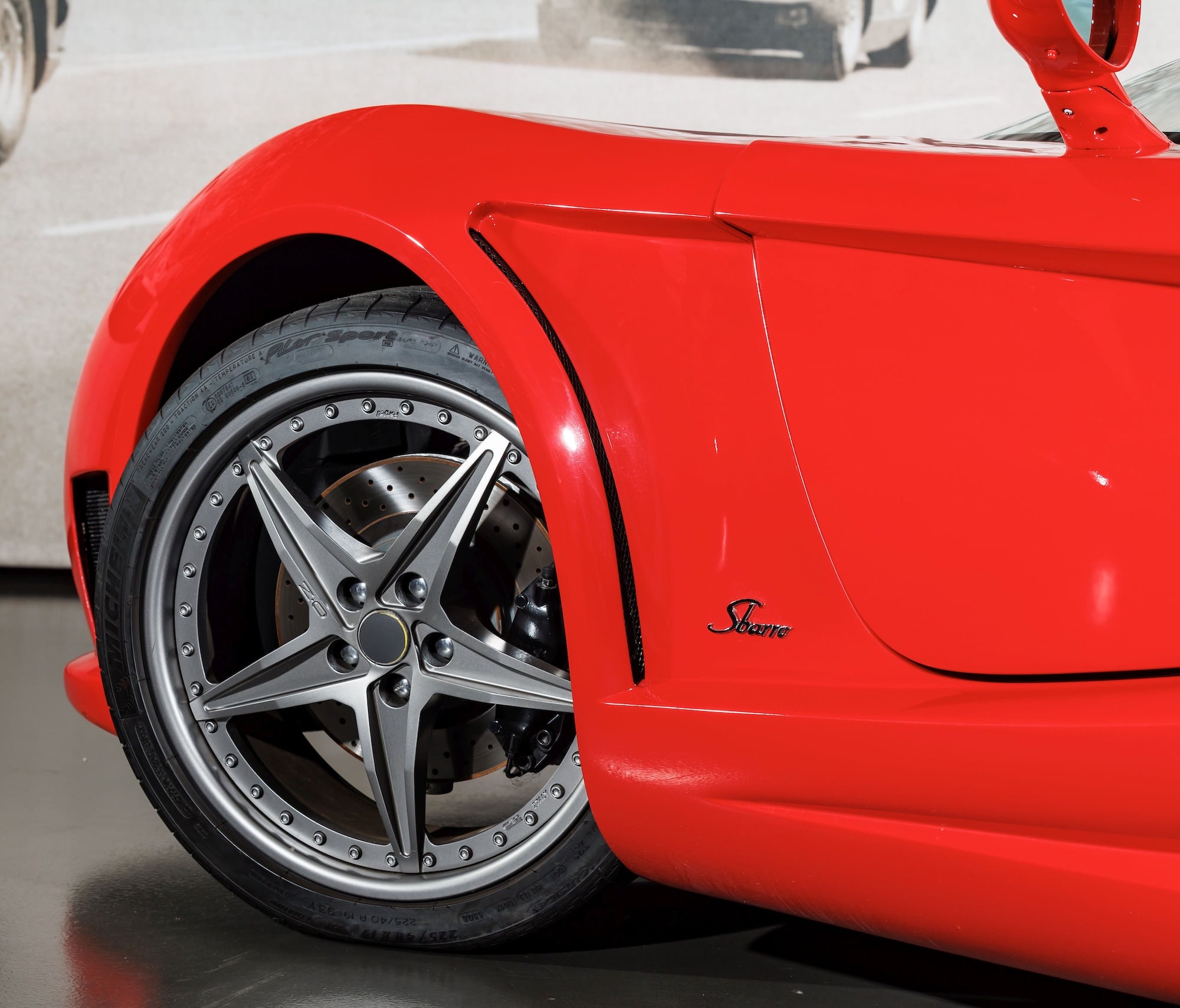
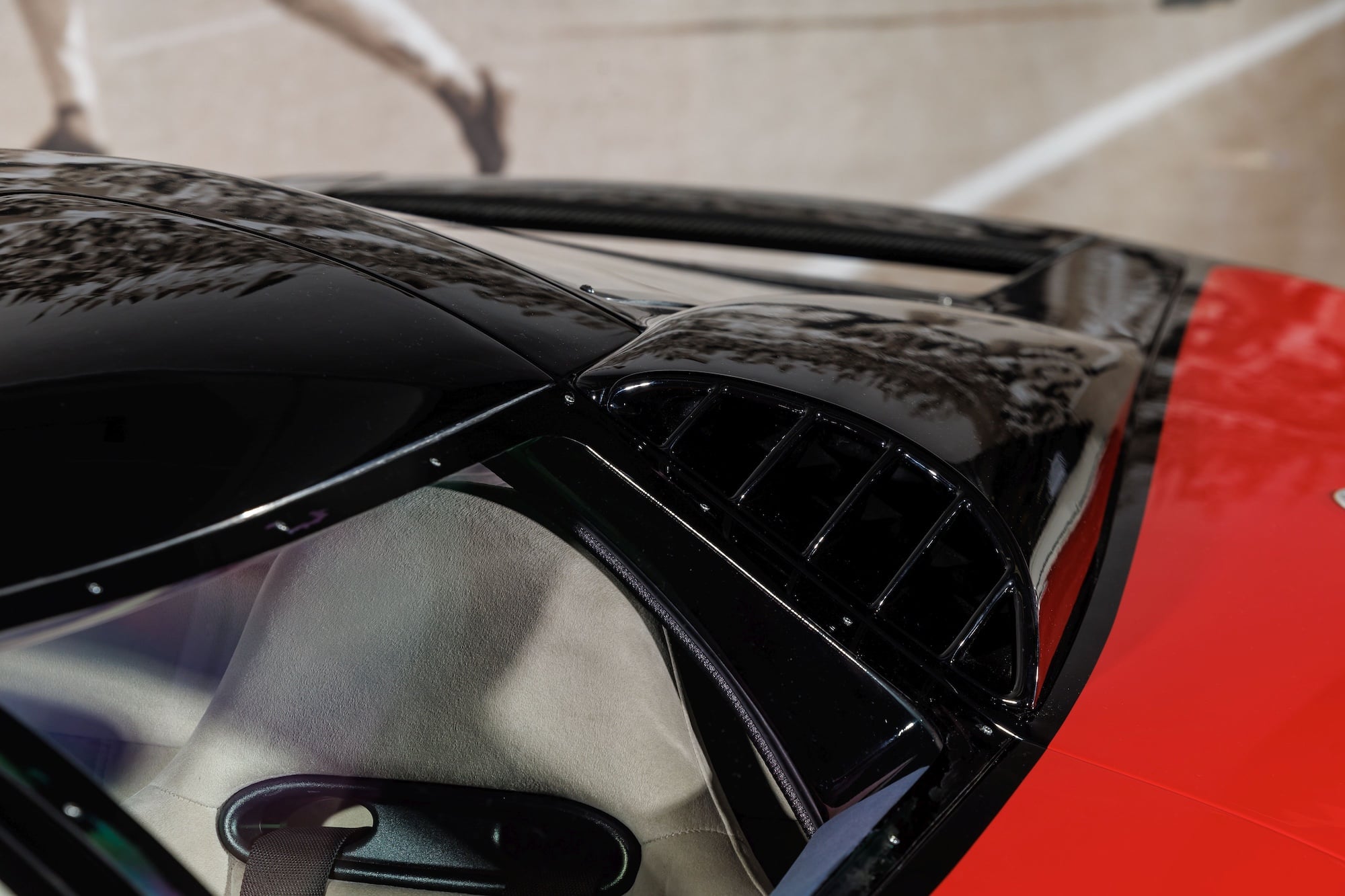
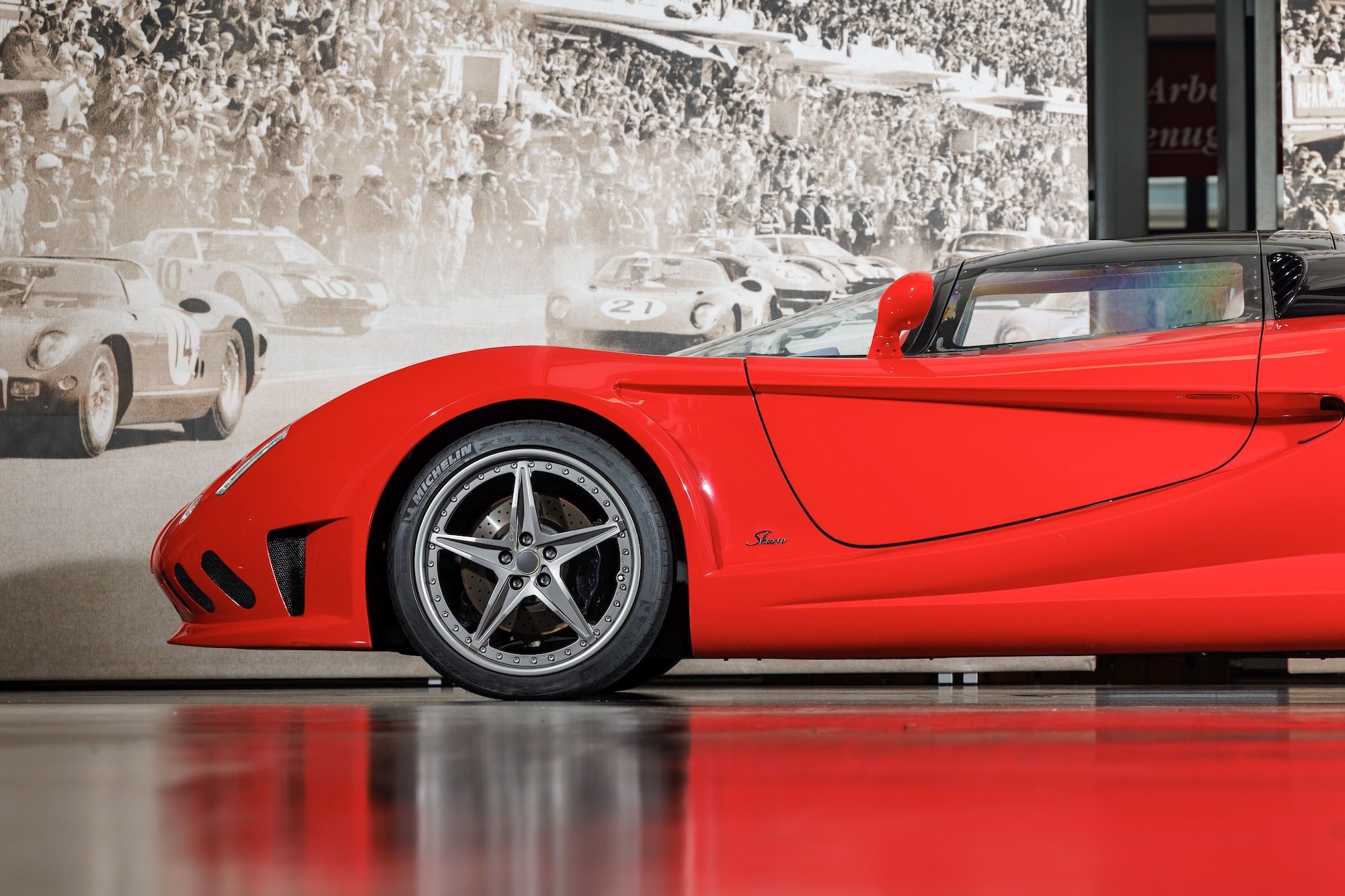
- The bodywork was entirely reimagined, part of Sbarro’s tradition of functional concept cars rather than static showpieces. Circular headlamps, a reshaped nose, narrow canopy, butterfly doors, side intakes, and a glass engine cover created a prototype-like profile. Despite the wild exterior, suspension, braking, and drivetrain systems remained fundamentally Ferrari specification.
- This example was owned by Ludwig Binder for over a decade before passing to a German enthusiast and later entering the Fritz Neuser Collection in 2023. It carries chassis number ZFFYR51B000125009 and a German title. With a guide price of €180,000 to €260,000, it represents a rare opportunity to buy a road-registered, coachbuilt Ferrari-based special built in single-digit numbers.
History Speedrun: The Sbarro Alcador GTB
The Sbarro Alcador GTB sits in that distinctly Sbarro niche where “concept car” really means “fully running coachbuilt special.” The 2009 Alcador GTB was shown at the Geneva Motor Show and was built around the mechanical package of a Ferrari 360 Modena – with the F1 paddle shift transmission.
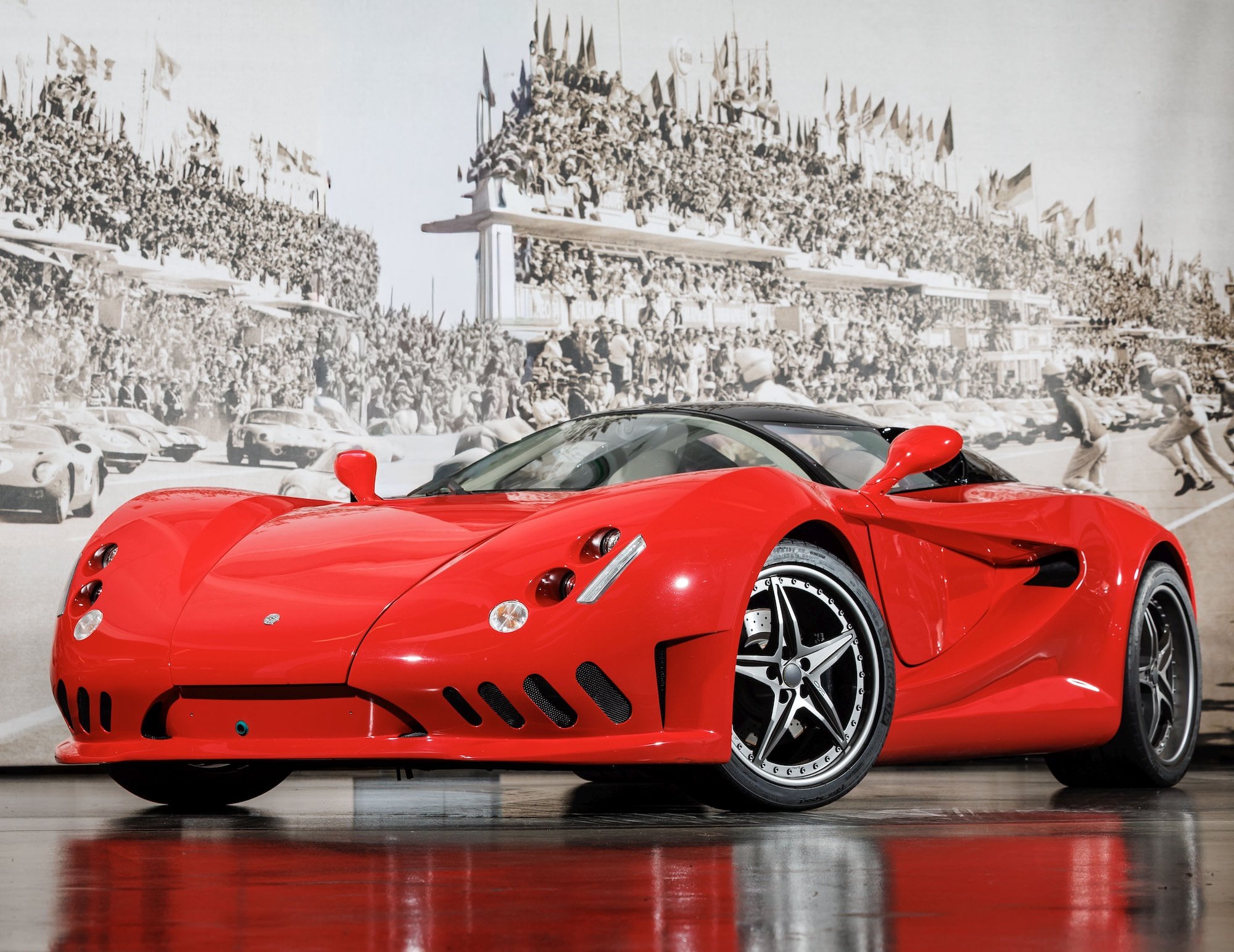
 The Sbarro Alcador GTB sits in that distinctly Sbarro niche where “concept car” really means “fully running coachbuilt special.” The 2009 Alcador GTB was shown at the Geneva Motor Show and was built around the mechanical package of a Ferrari 360 Modena – with the F1 paddle shift transmission.
The Alcador name actually predates the GTB by a number of years. The first Alcador roadster was built in the mid-1990s, commissioned by Ludwig Binder and named by combining letters from the first names of his three daughters: Aline, Catherine, and Dorine.
By the late 2000s the name had evolved into a small family of closed-roof GTB variants. A Geneva-displayed Alcador GTB appeared in 2008, with the 2009 car shown here as a follow-on development the very next year.
Mechanically, the formula for these cars was clear – keep the Ferrari performance front and center but replace the body entirely. It was a modern version of the coachbuilding practice of old, when manufacturers would build the chassis and drivetrain, then send it off to the client’s coachbuilder of choice to have a custom body built to their own specifications.
The 3.6 liter naturally aspirated V8 from the 360 Modena was carried over in standard form, rated at 394 bhp and 275 lb ft of torque. The mid-engine layout, advanced aluminum chassis, and F1 paddle-shift-style transmission, suspension, and braking systems all remained intact, preserving the Ferrari’s performance credentials beneath a new, far more unusual tailored suit.
Ferrari entered into a technical partnership with Alcoa to develop the new chassis structure for the 360 Modena, using aerospace manufacturing techniques rather than more conventional automotive construction methods used with the previous steel frame. The result was a bonded and riveted aluminum spaceframe composed of extrusions, castings, and sheet sections.
Compared with the outgoing F355’s steel chassis, the 360’s frame was approximately 40% stiffer torsionally while also being 28% lighter. This step change in rigidity improved both handling and crash test performance – while also laying the groundwork for Ferrari’s future aluminum-based automotive architectures.
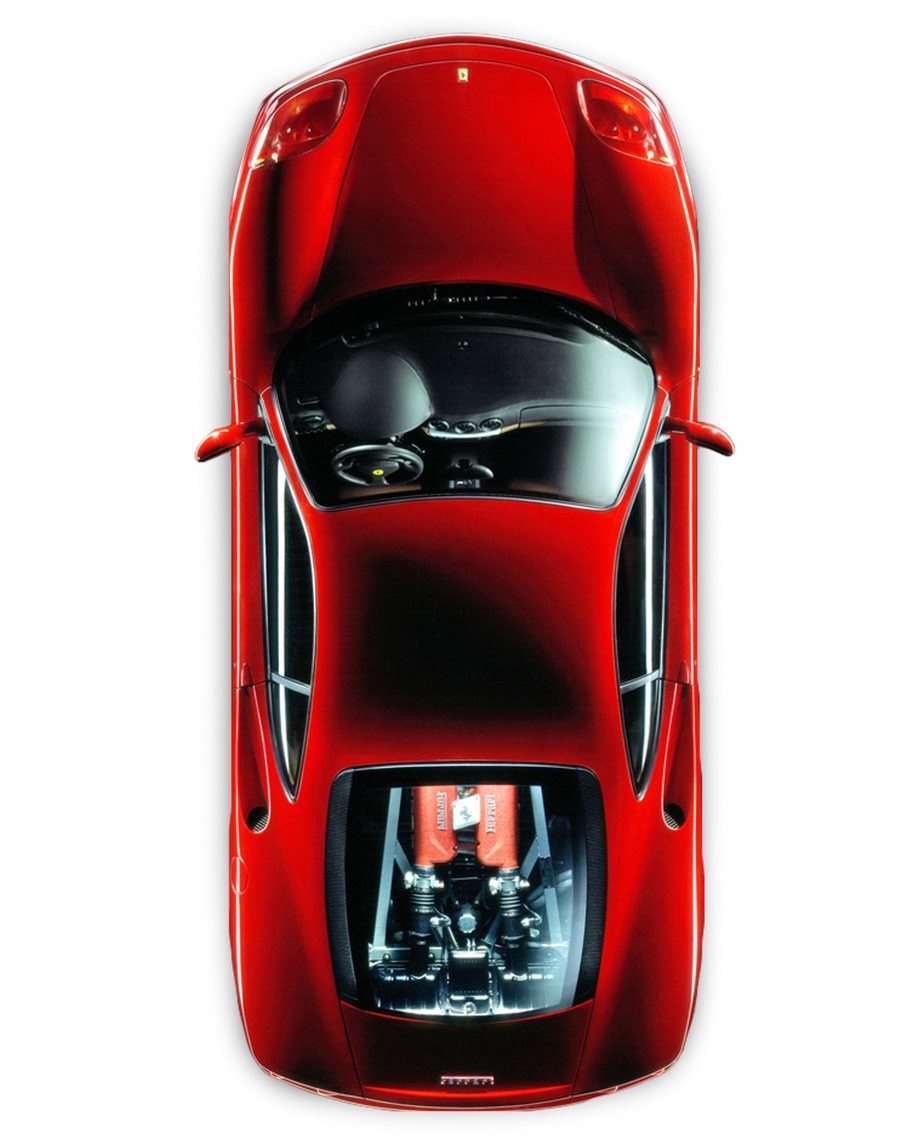
This is an overhead view of the Ferrari 360 Modena, the car that the Sbarro Alcador GTB is directly based on. Image courtesy of Ferrari.
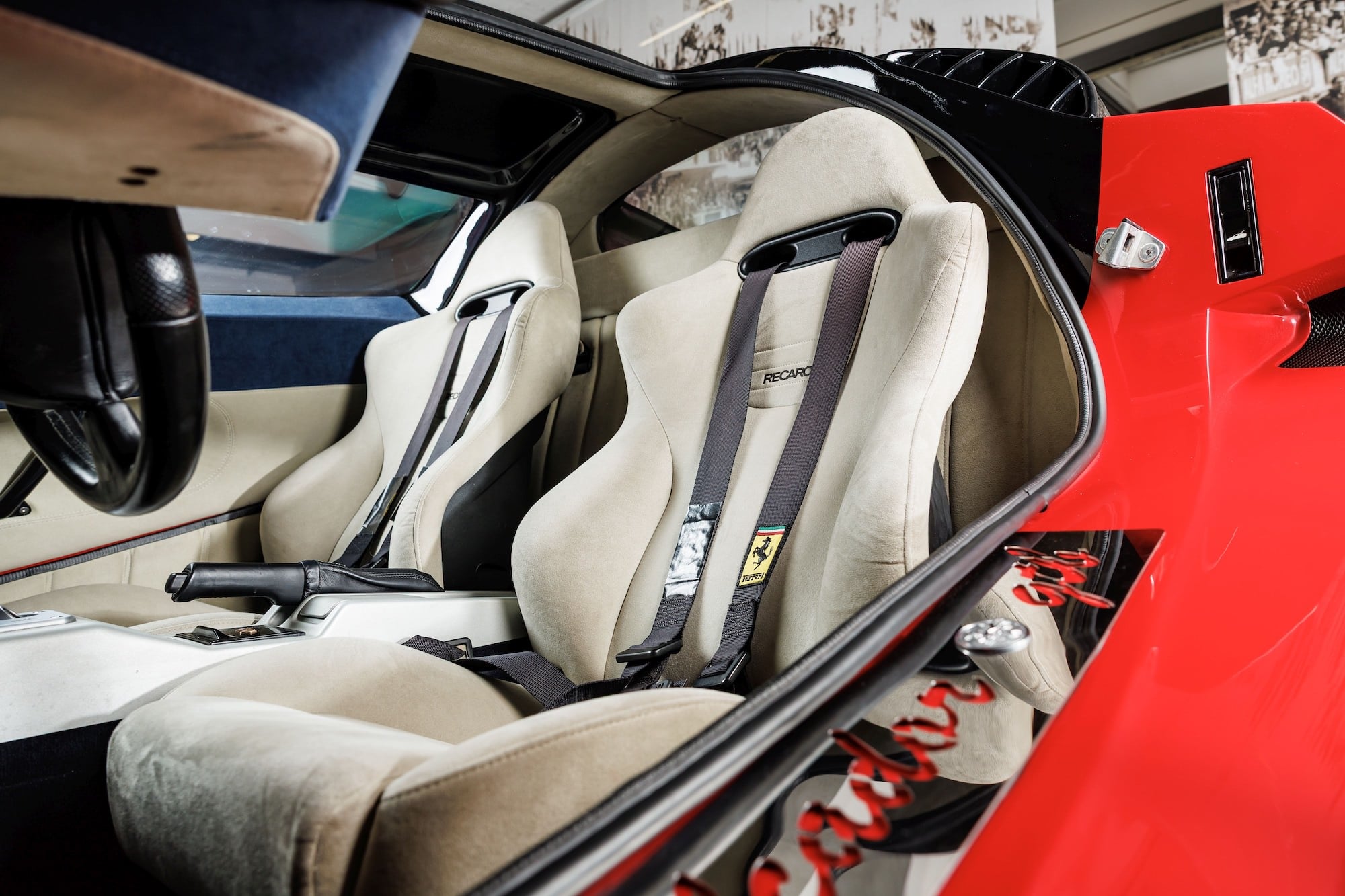
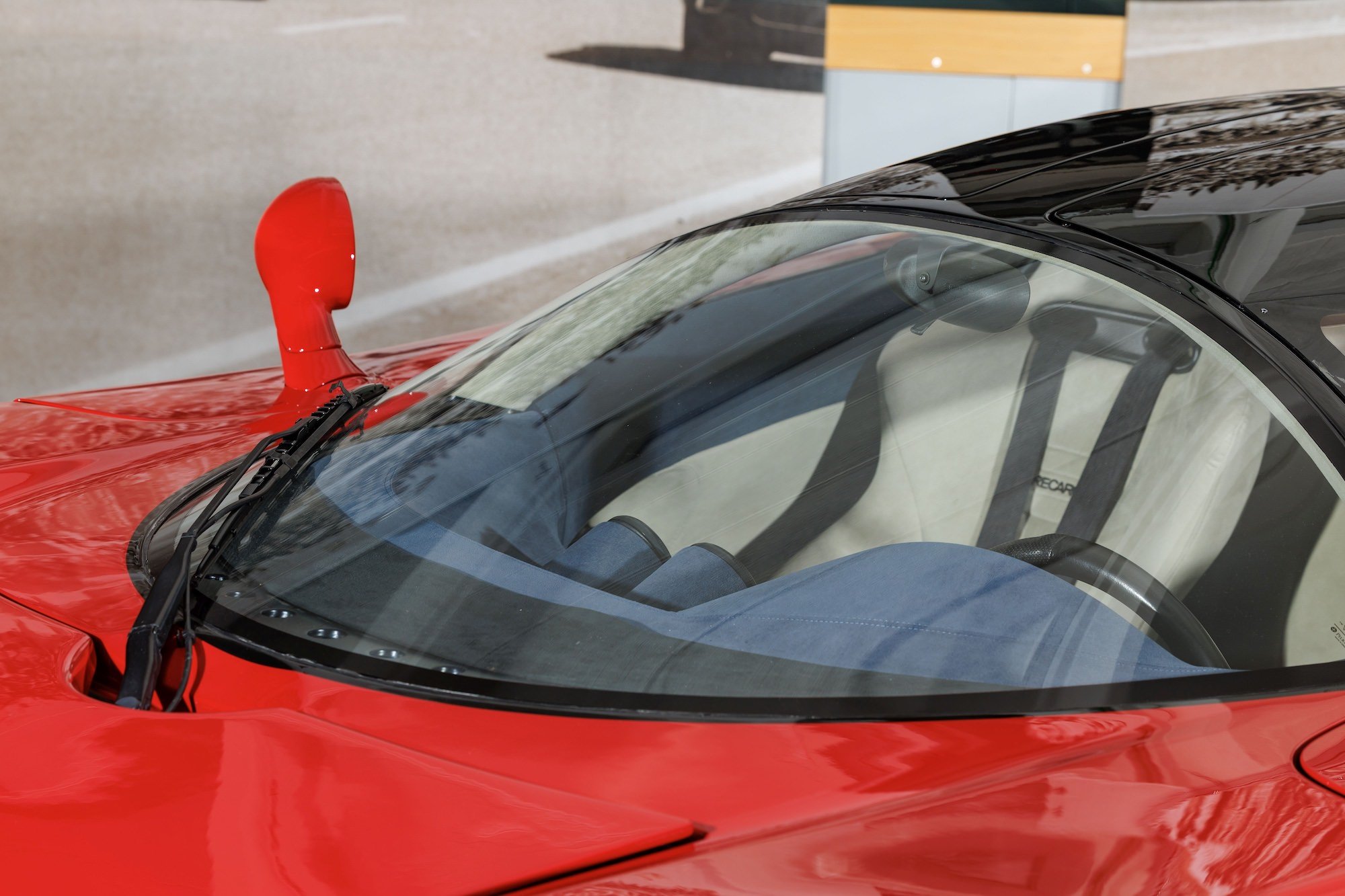
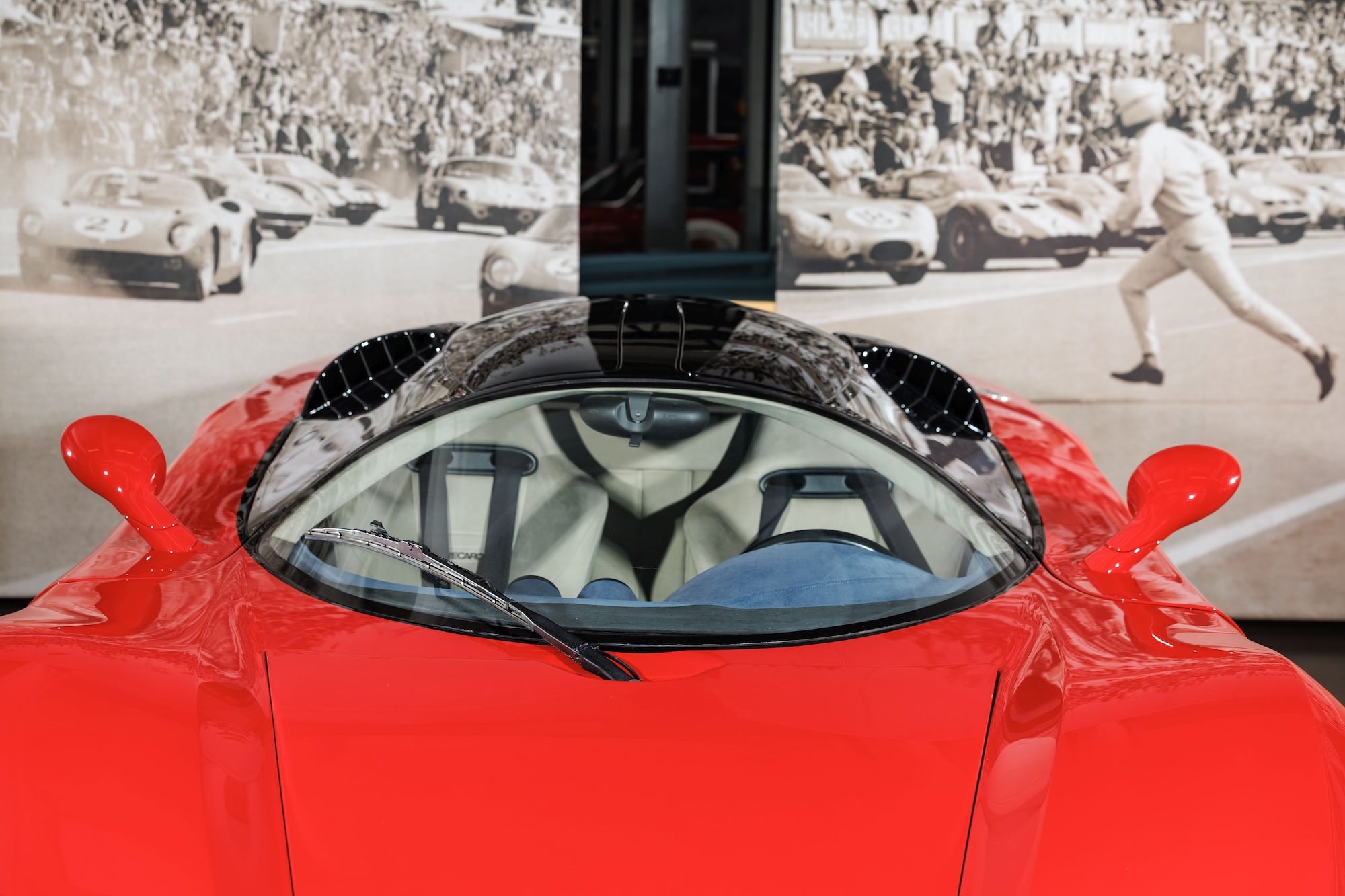
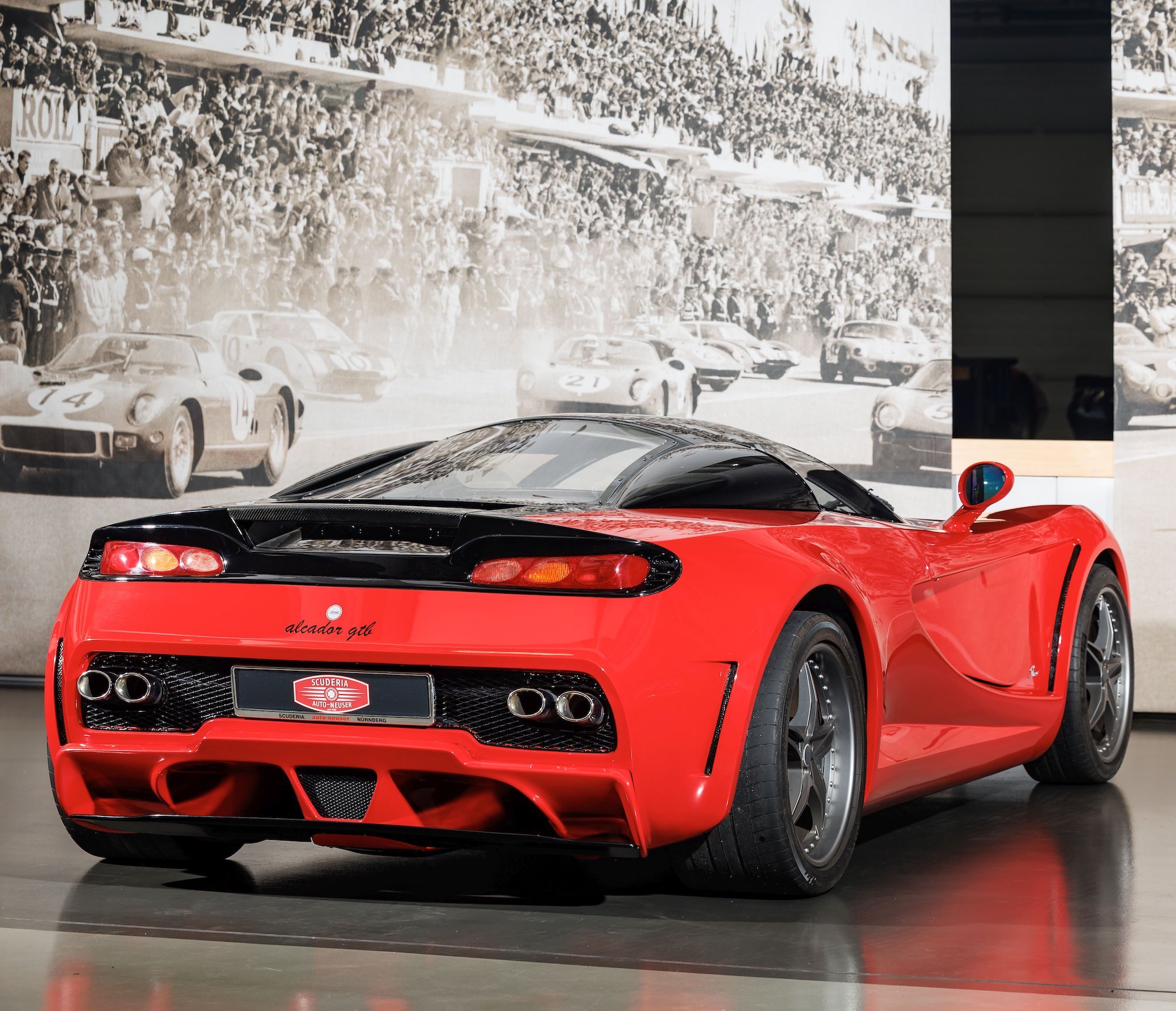
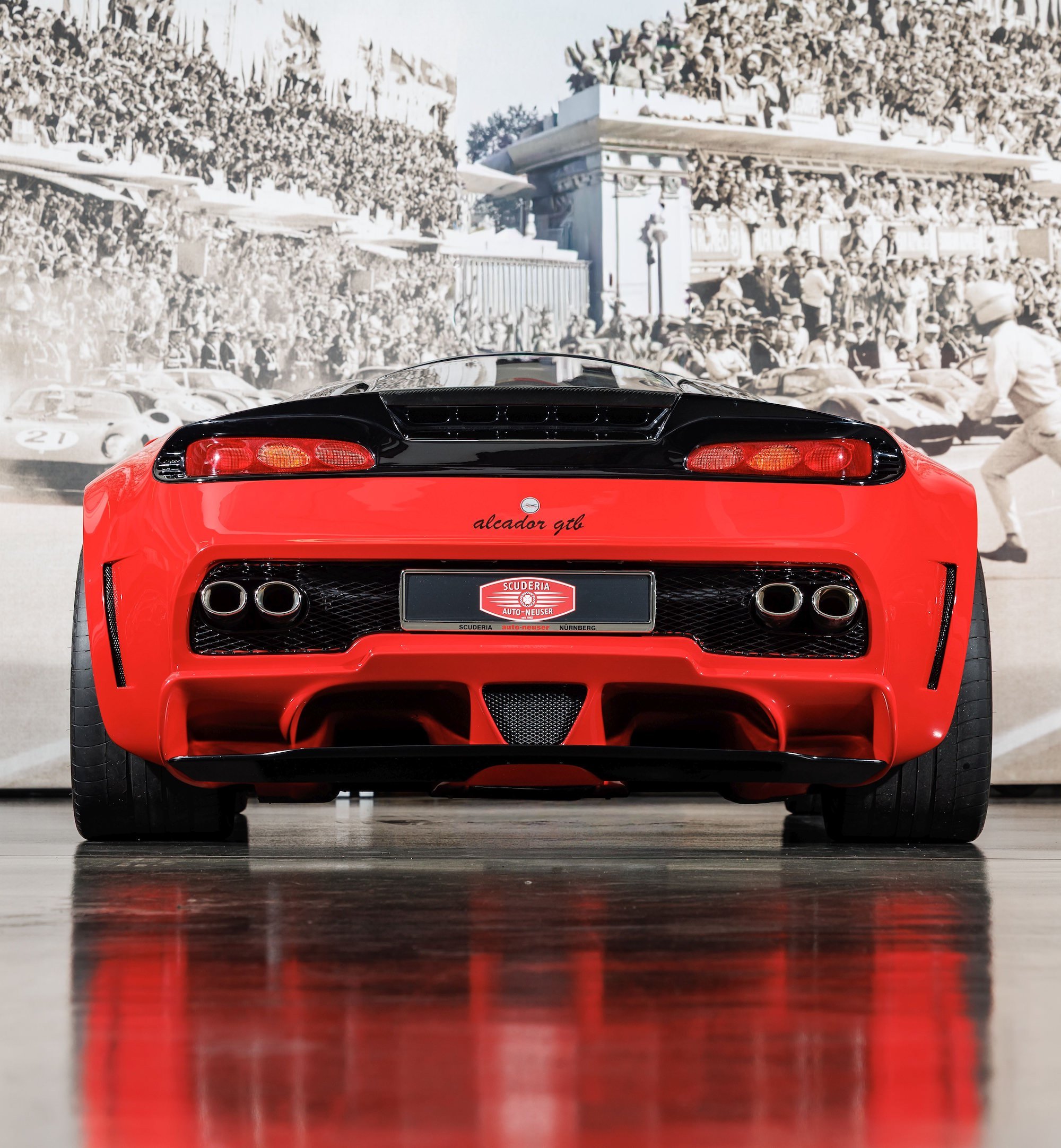
Visually, almost nothing tied the Alcador GTB to its Ferrari origins. The body was fully reworked, with circular headlights and indicators up front, a dramatically reshaped nose, and a narrow glass canopy that gave the car a prototype-like stance.
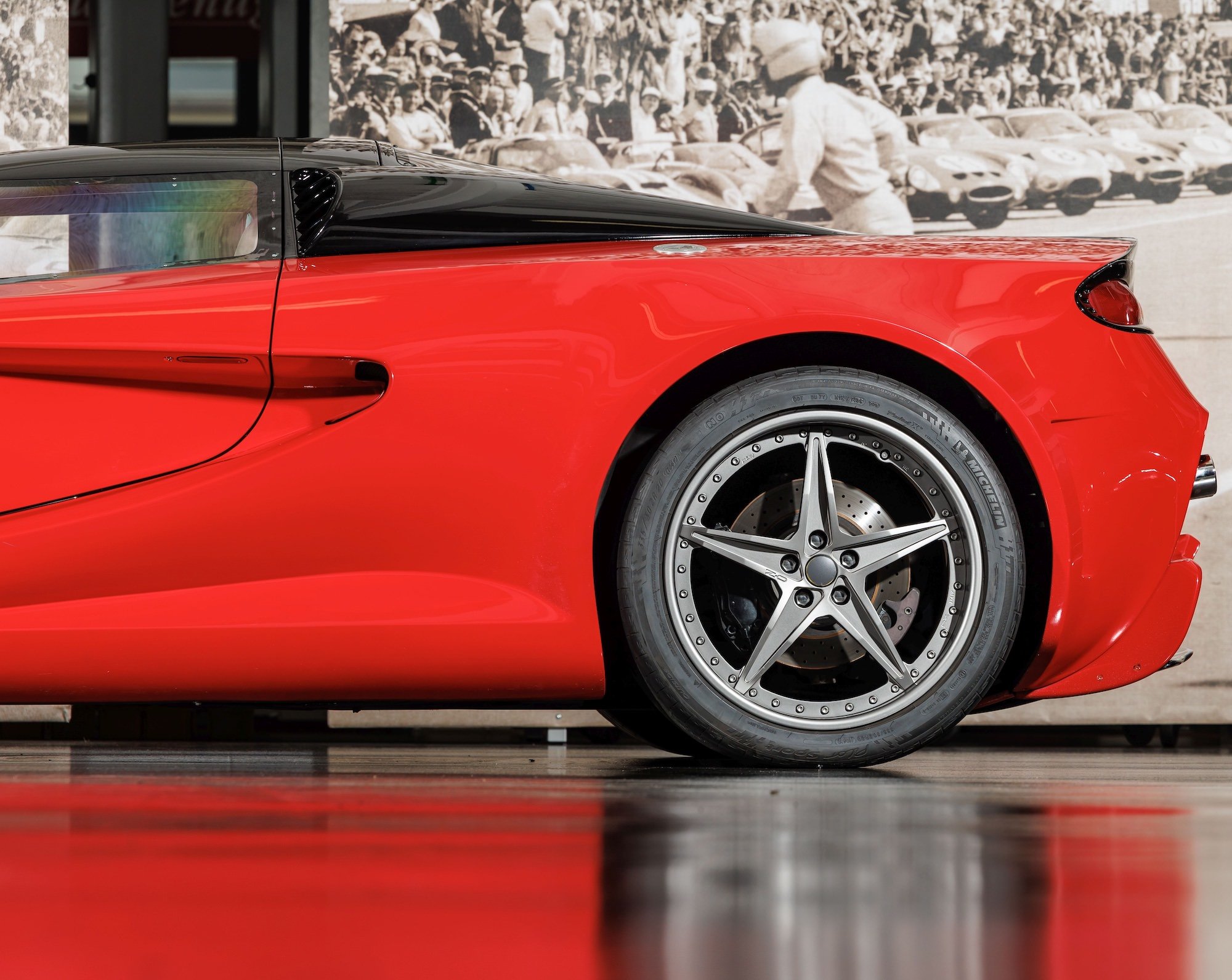
Butterfly doors added some theater, while the rear had a glass engine cover, prominent side intakes, and quad exhaust outlets. The cabin proportions were more tight, contributing further to the car’s compact, race-inspired street presence.
The total Alcador lineage consists of four cars across its various iterations, while the closed-roof GTB configuration itself is reported to have been built in just three examples. Either way, the total output is counted in single digits, placing the Alcador GTB in the realm of true boutique construction rather than anything close to series production.
The provenance of this 2009 Sbarro Alcador GTB is unusually well documented for an Sbarro creation. Ludwig Binder was the first owner of course, keeping it for over 10 years before it was sold to a German enthusiast in the town of Bad Neuenahr, and then it made its way into the Fritz Neuser Collection in 2023. During its life it underwent a color change from blue to red, along with some remedial transmission work in 2014 costing €6,300.
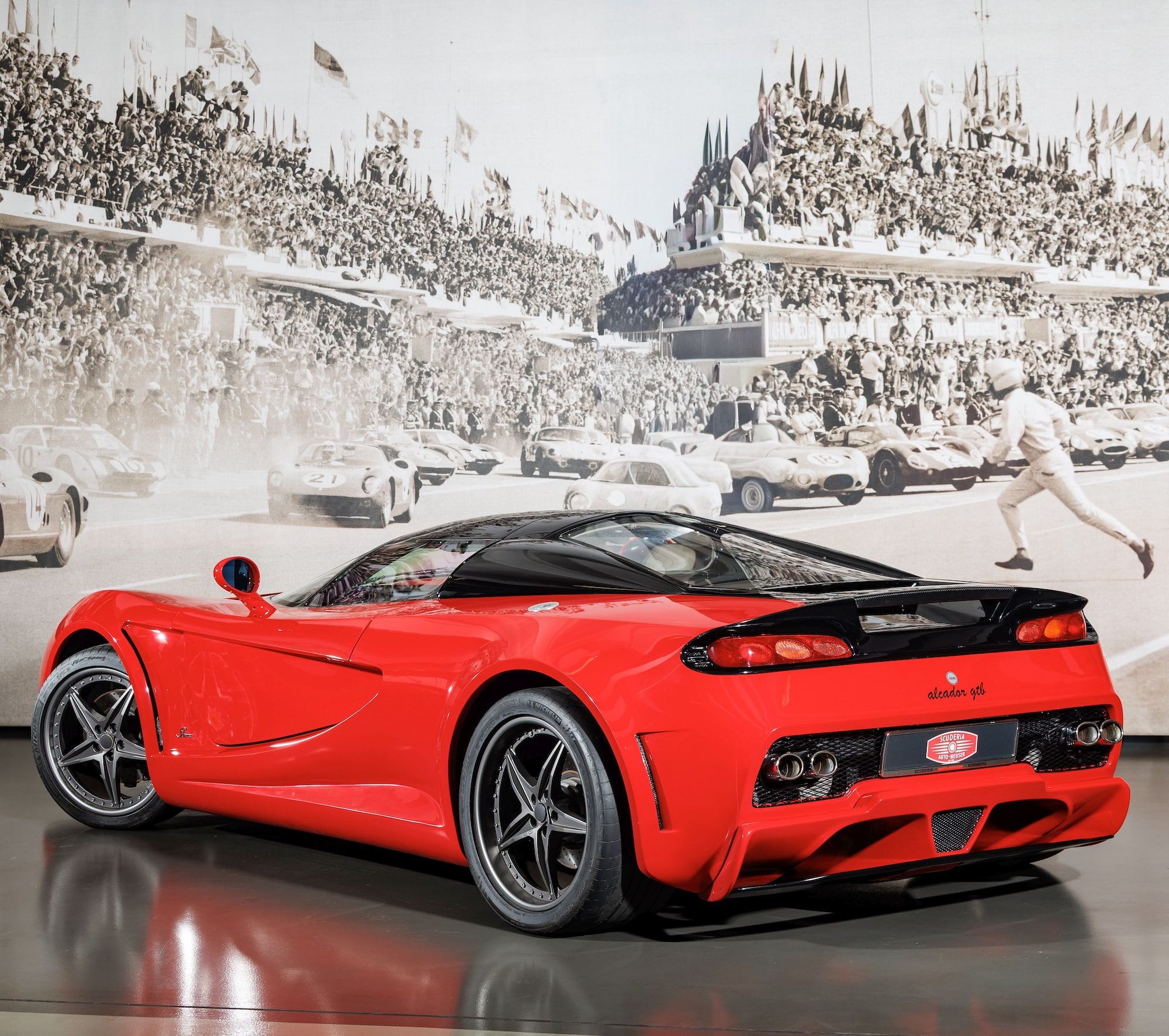
The car was commissioned by Ludwig Binder as part of a small series of specials he had made on Ferrari production cars of the time. Even in Ferrari circles these vehicles are largely unknown, having been kept in private collections and rarely seen out in public.
The car is now being offered for sale out of the Fritz Neuser Collection, it carries a German title and the chassis number ZFFYR51B000125009. While it can be driven on the road on its German registration, the auction house does recommend researching your local regulations regarding local road registration for bespoke vehicles.
It’s due to roll across the auction block on the 15th of March with a price guide of €180,000 – €260,000 which works out to approximately $214,000 – $308,000 USD. If you’d like to read more or register to bid you can visit the listing here.
Images courtesy of Artcurial

Articles that Ben Branch has written have been covered on CNN, Popular Mechanics, Smithsonian Magazine, Road & Track Magazine, the official Pinterest blog, the official eBay Motors blog, BuzzFeed, Autoweek Magazine, Wired Magazine, Autoblog, Gear Patrol, Jalopnik, The Verge, and many more.
Silodrome was founded by Ben back in 2010, in the years since the site has grown to become a world leader in the alternative and vintage motoring sector, with well over a million monthly readers from around the world and many hundreds of thousands of followers on social media.