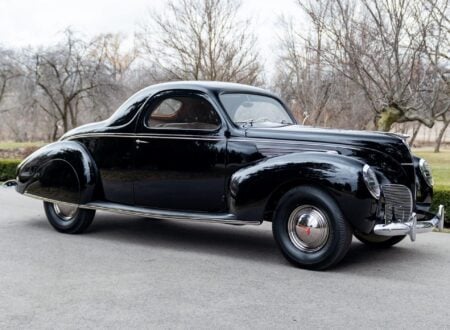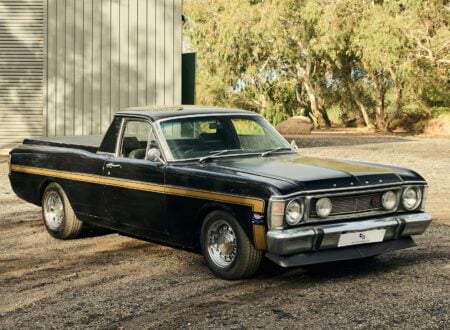
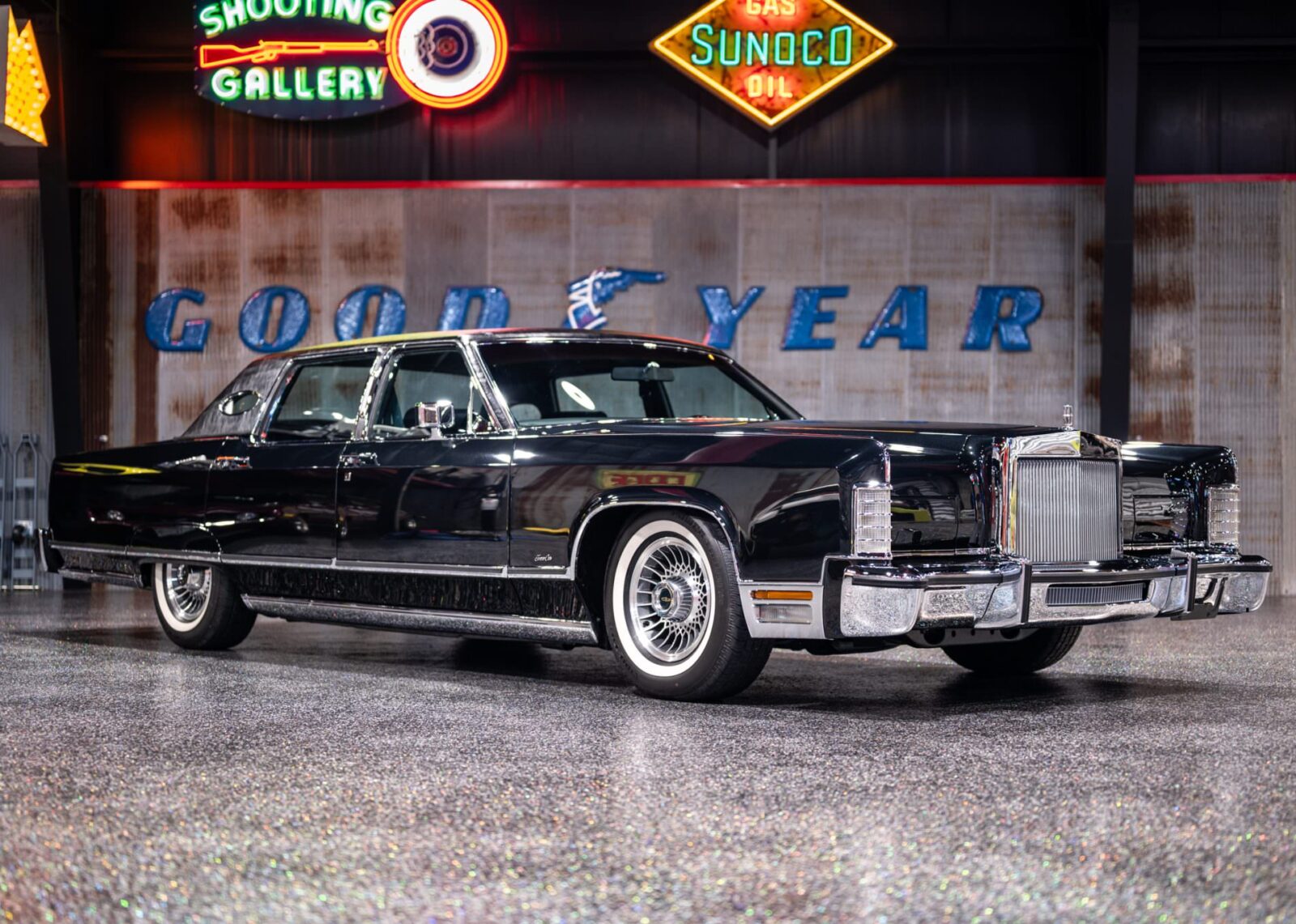
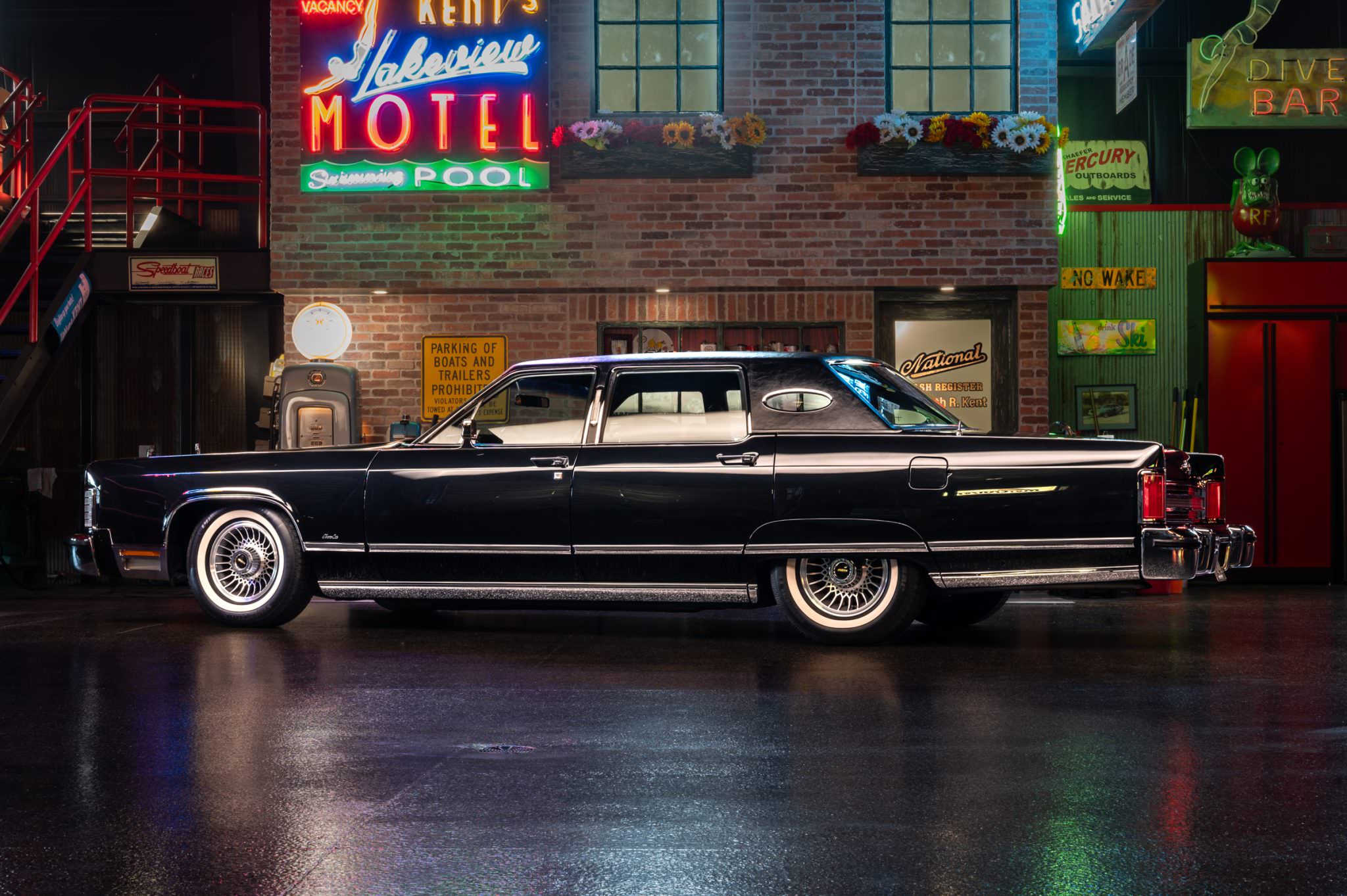
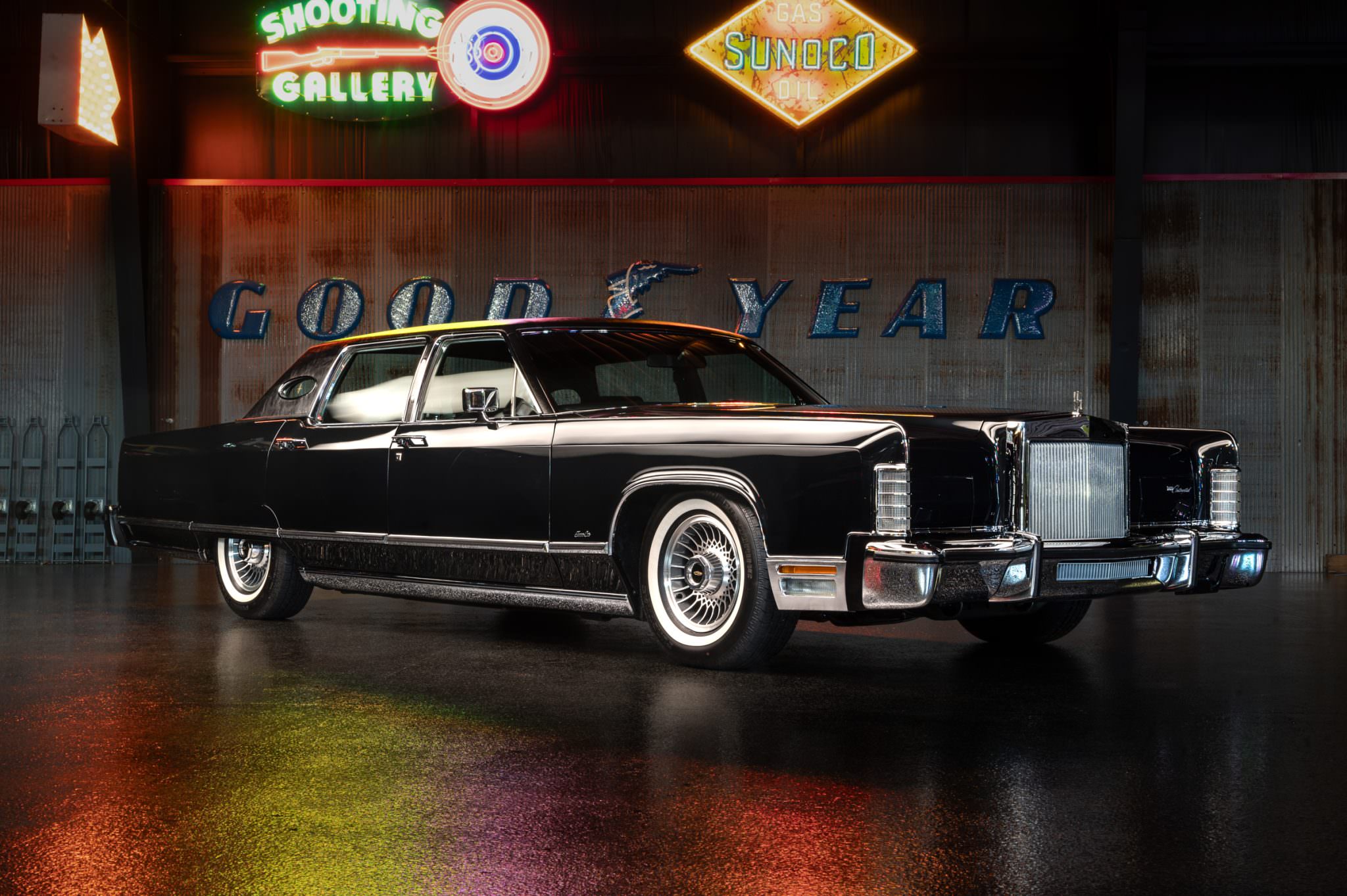
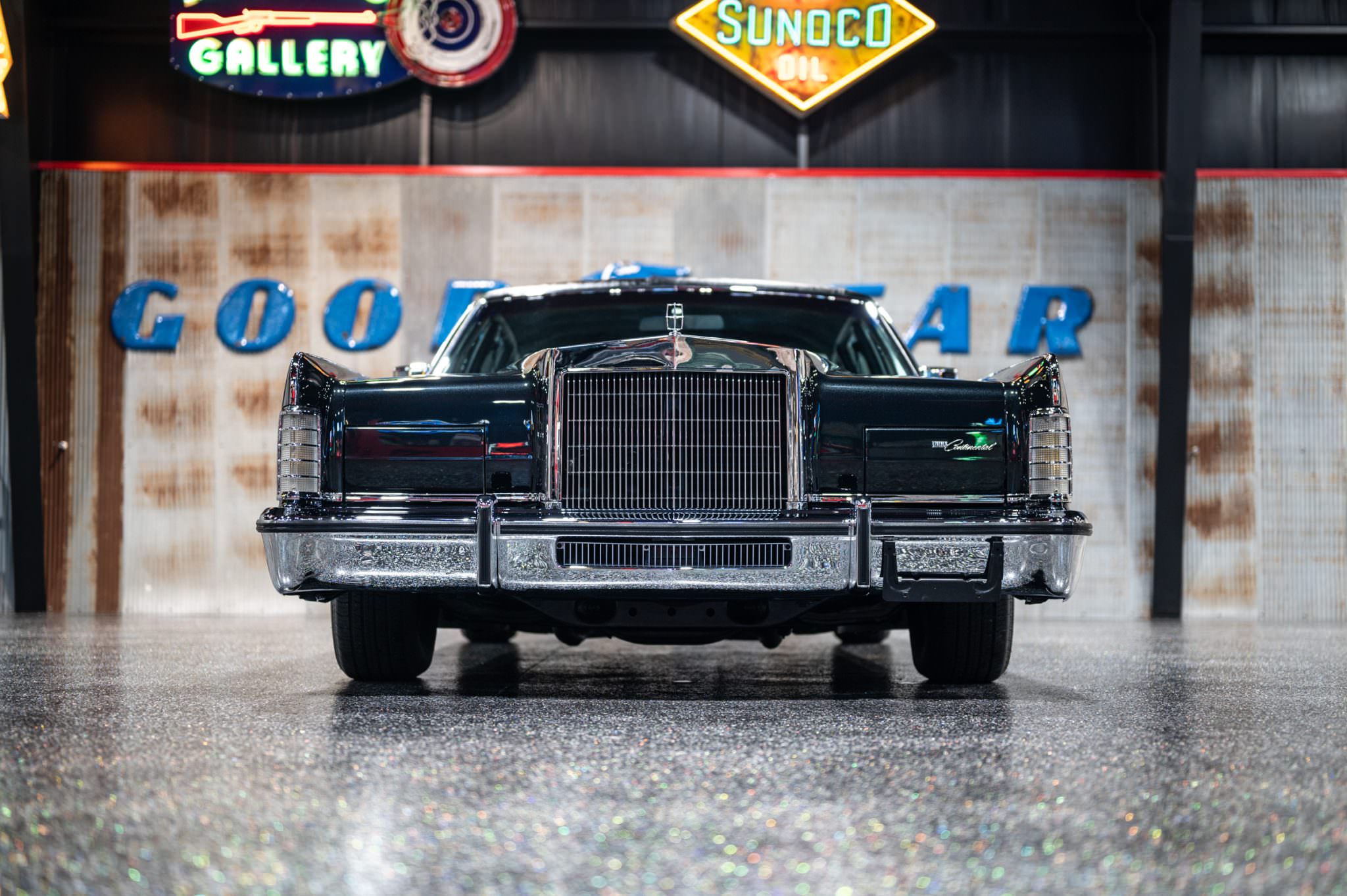
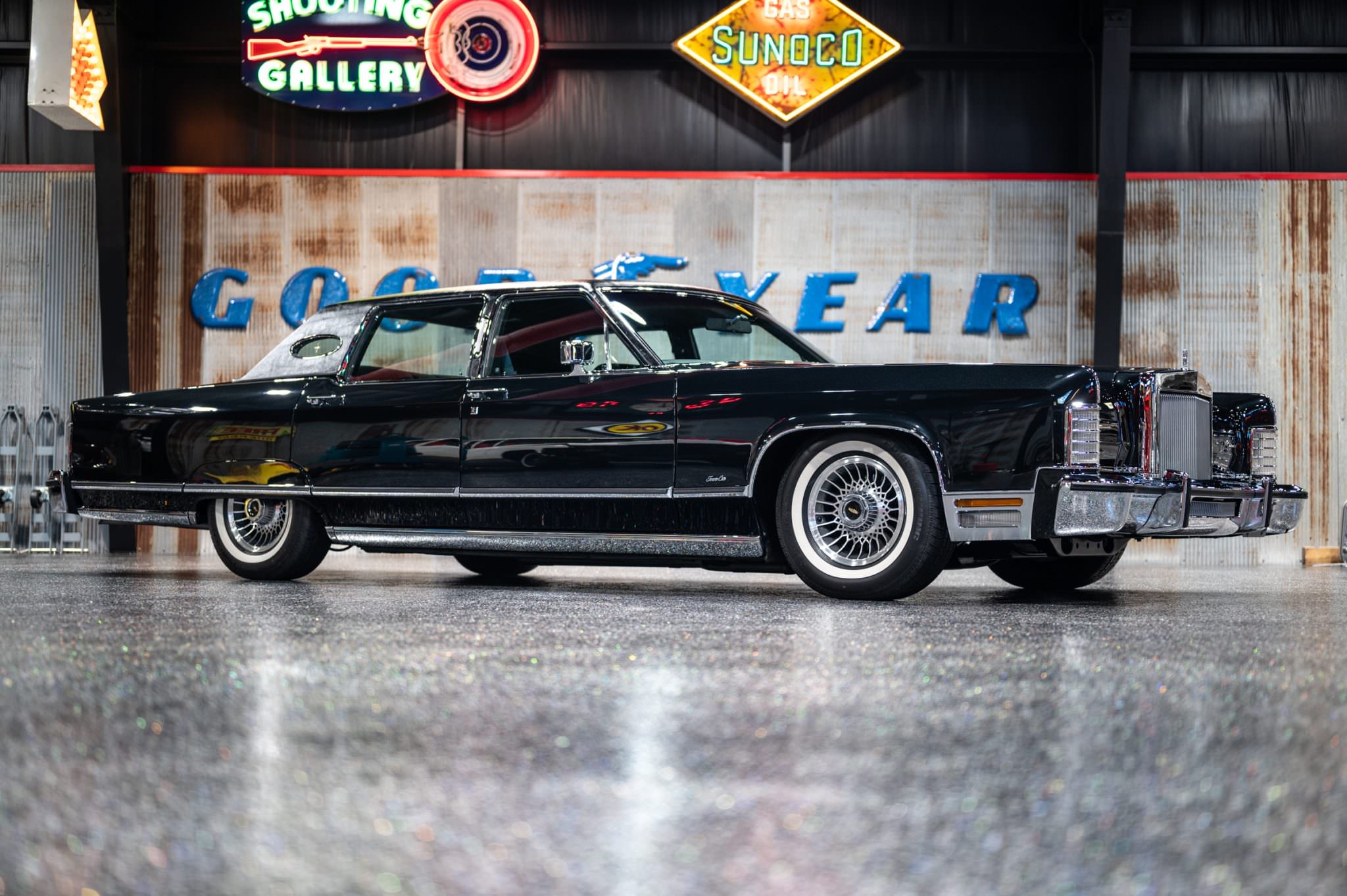
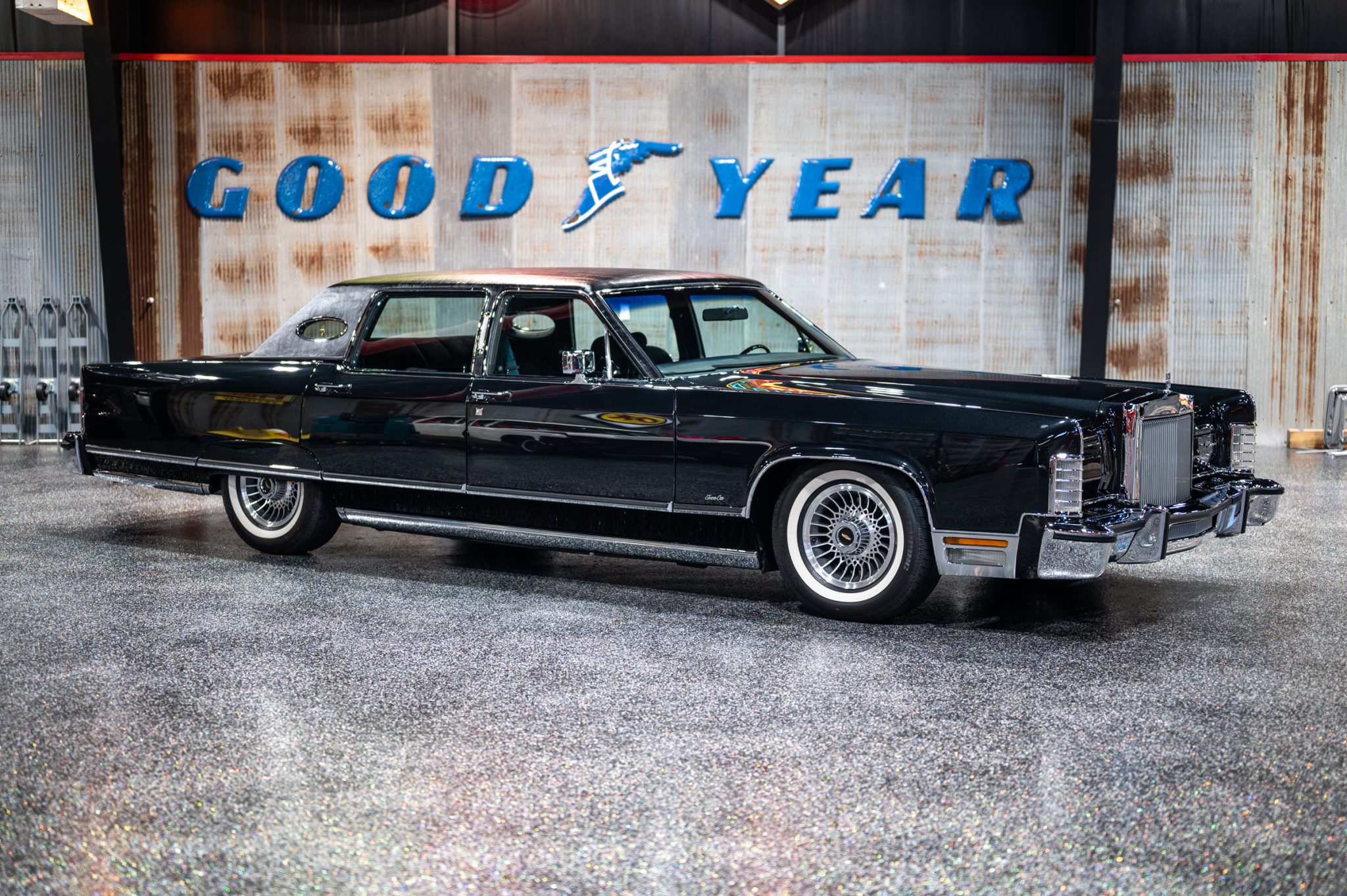
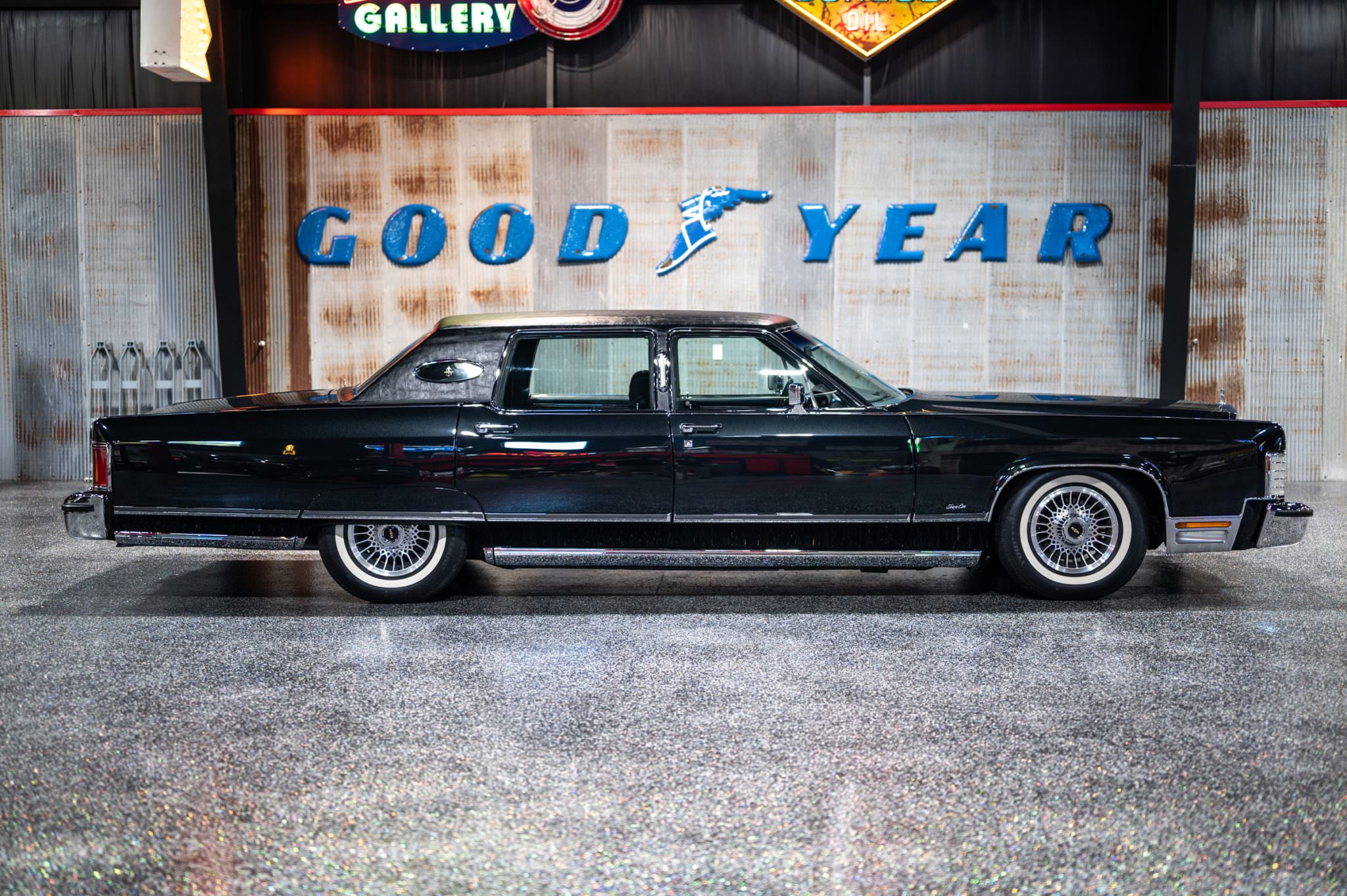
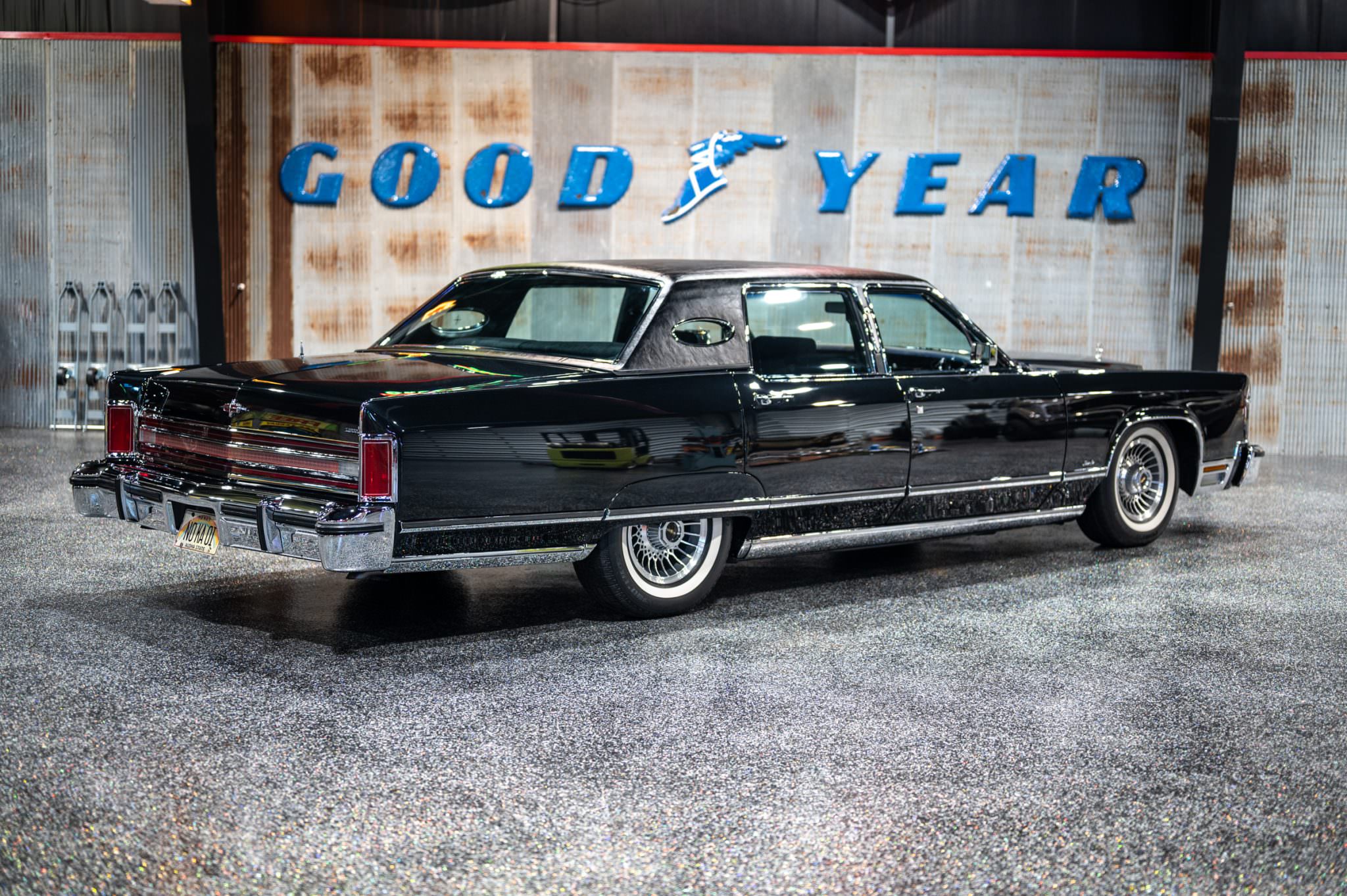
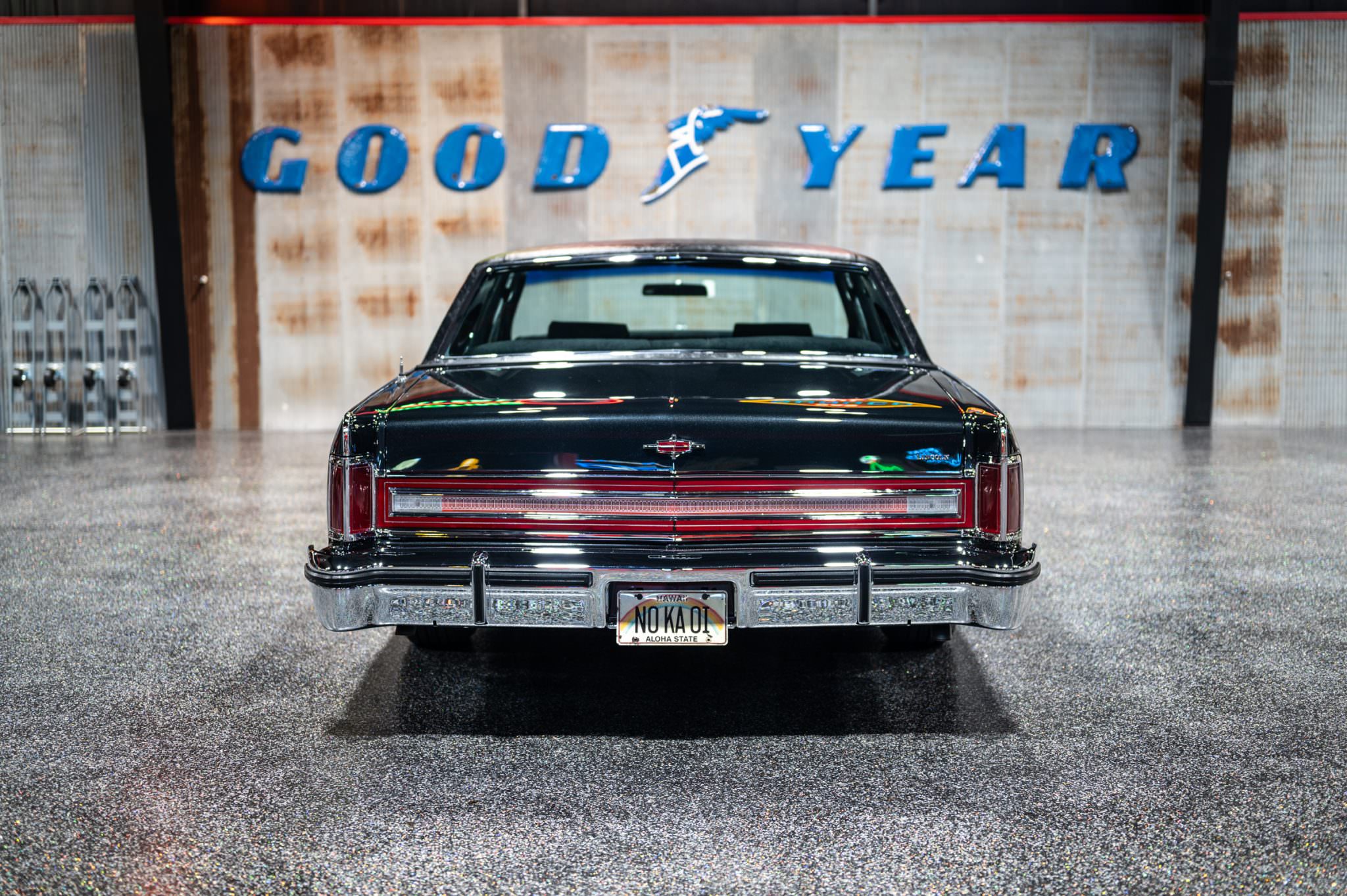
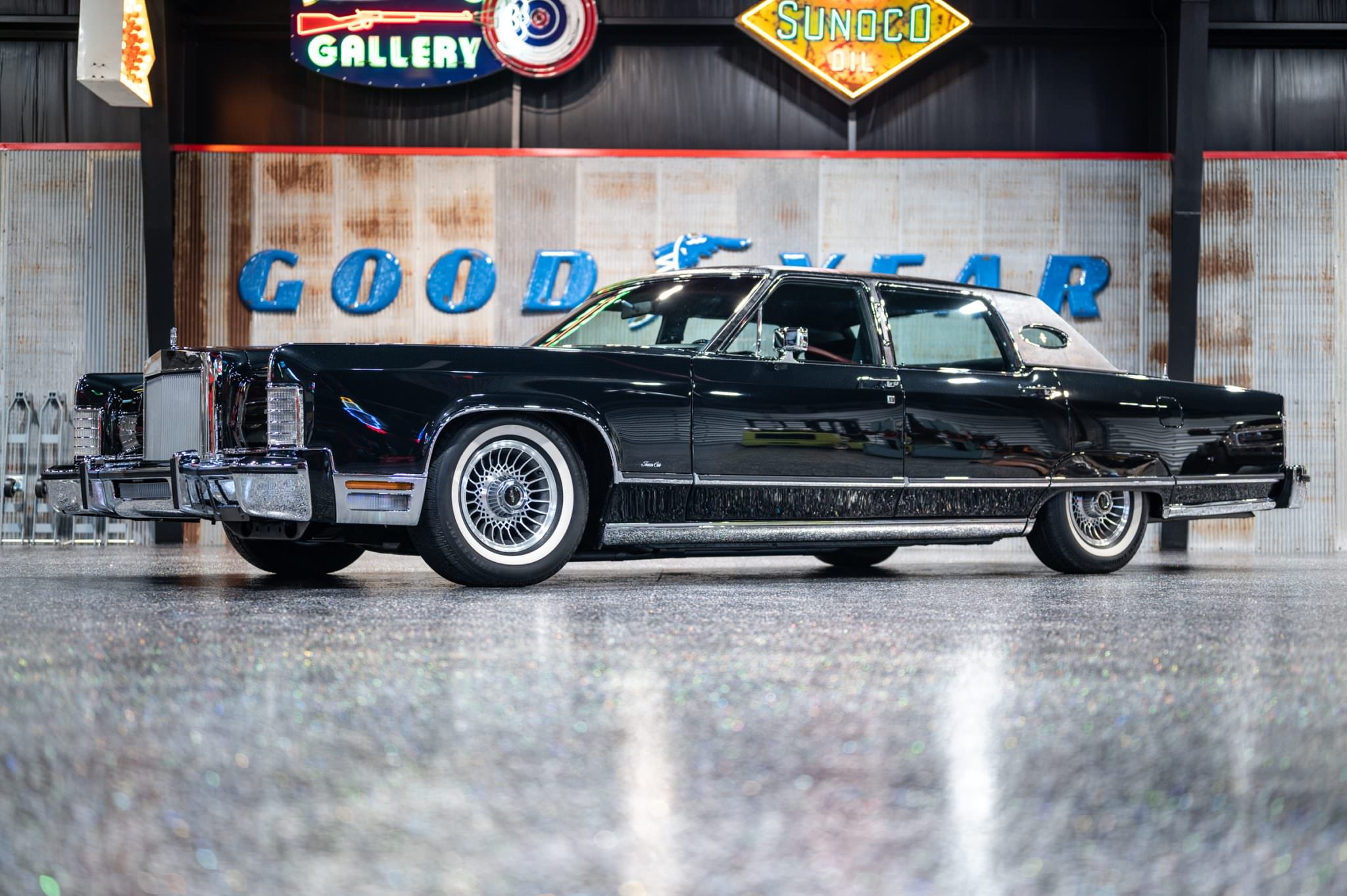
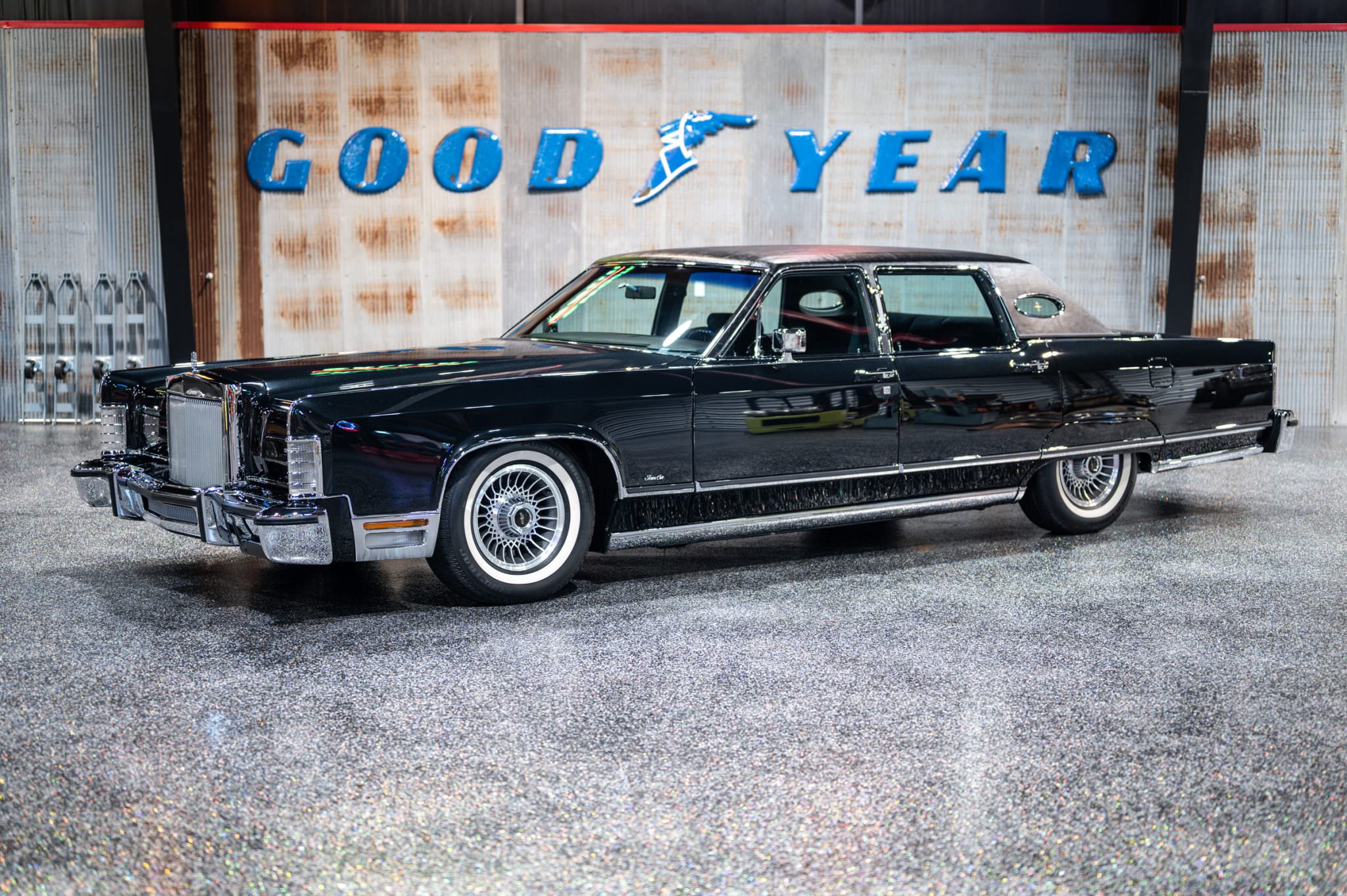
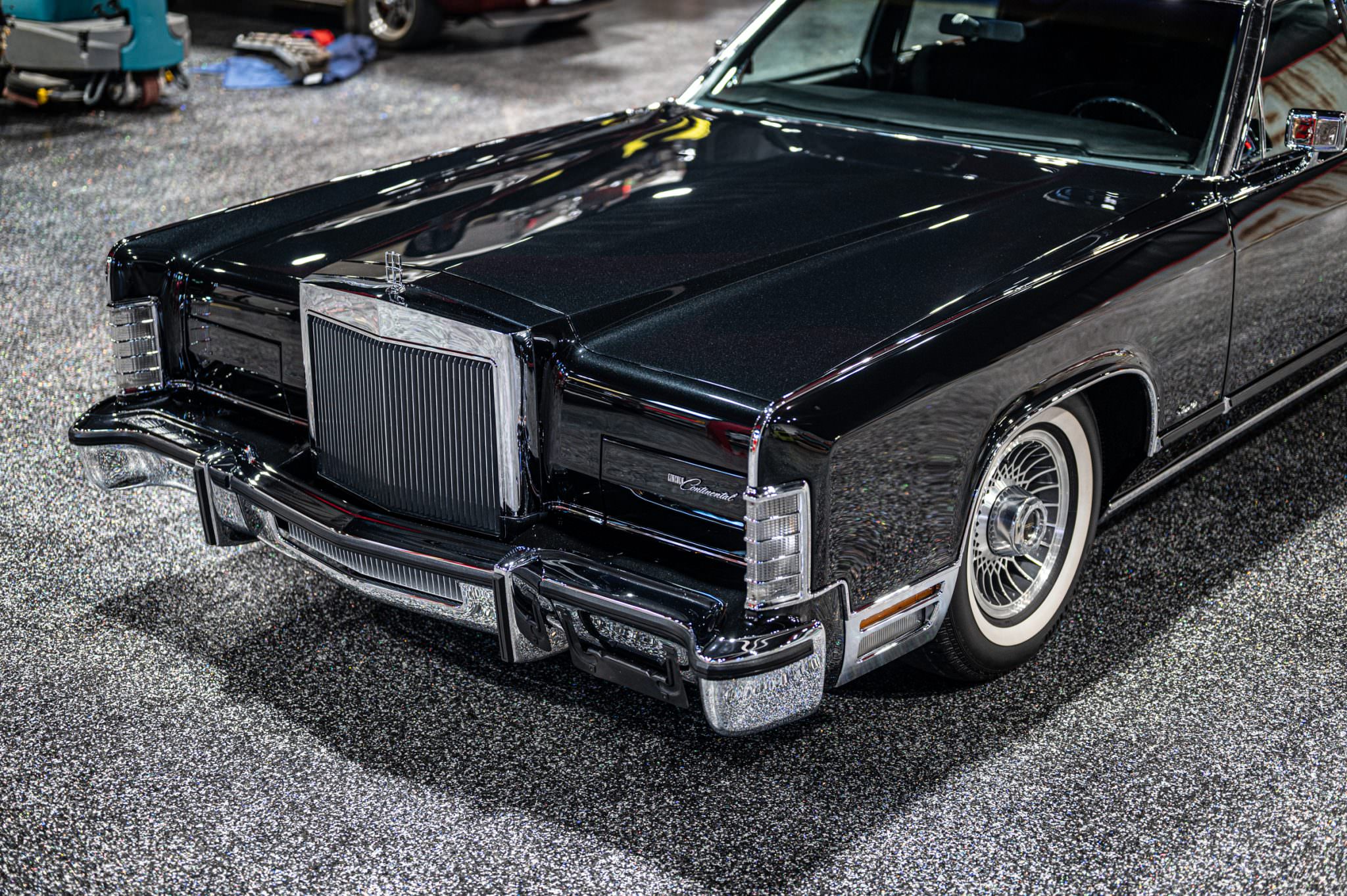
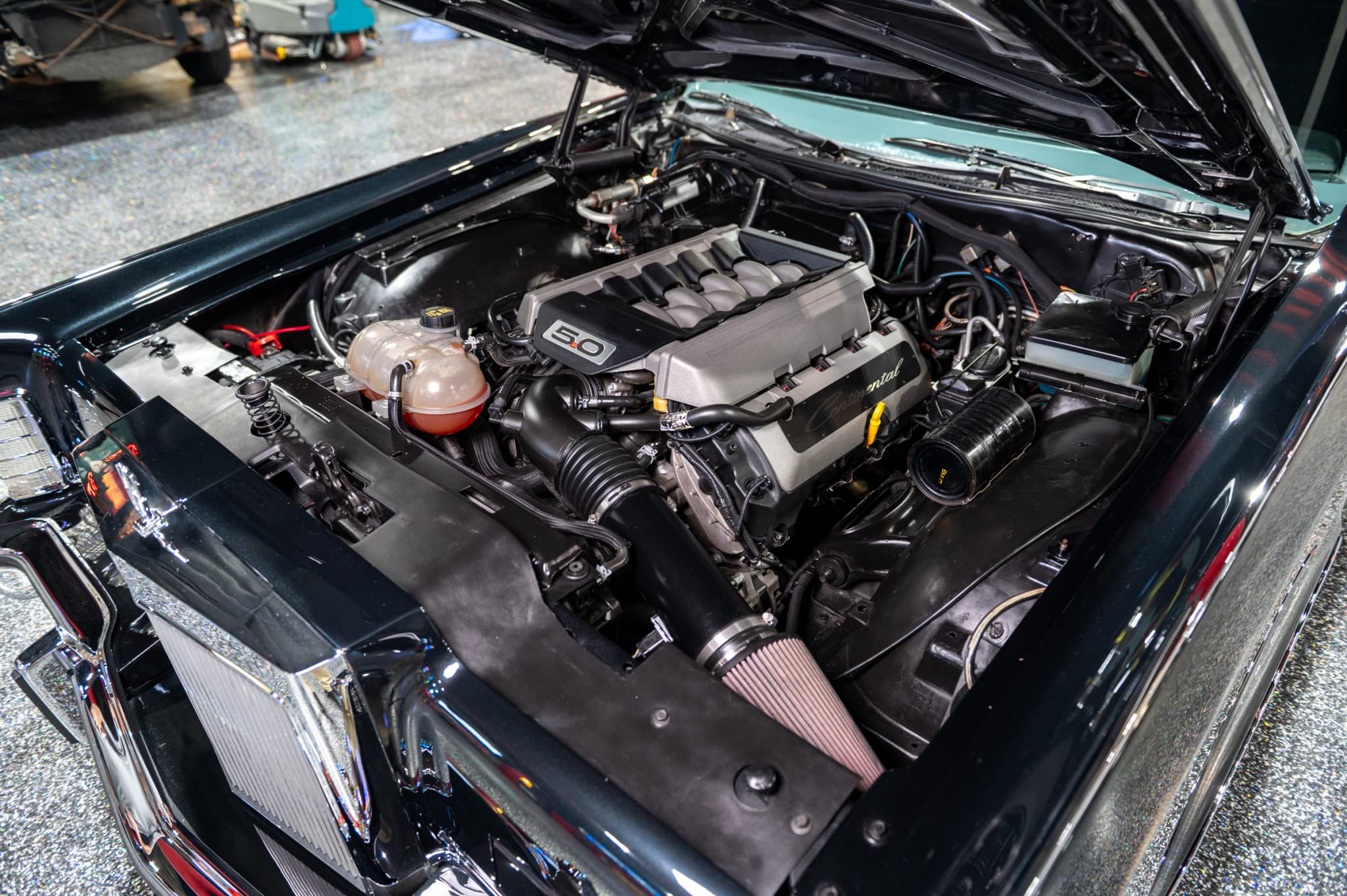
This is a 1977 Lincoln Continental Town Car that benefits from a recent Coyote V8 engine swap, as well as the fitment of a modern six-speed automatic transmission, lowered suspension, overhauled brakes, and fresh paintwork.
The second-generation Coyote V8 is capable of 435 bhp and 400 lb ft of torque, a marked increase over the 179 bhp and 329 lb ft of torque produced by the standard 400 cubic inch V8 in 1977. Work on this car was completed by Carlson Hot Rods in Mulvane, Kansas and receipts totaled over $114,000 USD.
Fast Facts: A 1977 Lincoln Continental Sleeper
- This is a 1977 Lincoln Continental Town Car that’s been transformed into a sleeper with a second-generation Ford Coyote V8 under the hood, a 6-speed automatic transmission, lowered suspension, rebuilt brakes, and fresh paint. Output rises dramatically to 435 bhp and 400 lb ft, more than doubling original horsepower while keeping its classic luxury street presence.
- The Lincoln Continental name began in 1939 as a custom project for Edsel Ford and quickly became a benchmark for American personal luxury cars. After early pre and postwar runs and the ultra-premium Continental Mark II, the model evolved into a long-running flagship that shaped Lincoln’s identity for decades.
- Introduced in 1970, the fifth-generation Continental returned to body-on-frame construction and offering isolation, comfort, and understated visual authority. Built through 1979, it survived oil crises, emissions rules, and safety regulations, becoming one of the longest and most imposing sedans Ford ever produced.
- The Town Car trim was the pinnacle of this formula, pairing formal styling cues with top-tier interiors. This particular example was comprehensively rebuilt by Carlson Hot Rods in Kansas at a cost exceeding $114,000 USD, resulting in a discreet modernized luxury sedan now offered for sale out of Florida.
History Speedrun: The Fifth-Gen Lincoln Continental
The Lincoln Continental name all started with a custom car built for Edsel Ford, the son of Henry Ford, and a man intent on making a name for himself independent of his father. In late 1939, Ford’s styling office created a stylish, lower-profile Lincoln-Zephyr-based convertible for Edsel, designed under the legendary Eugene T. “Bob” Gregorie. The reaction from Edsel’s influential (and wealthy) circle of friends was strong enough that Lincoln put it into limited production, and the Continental quickly became a key reference point for the American personal luxury car.
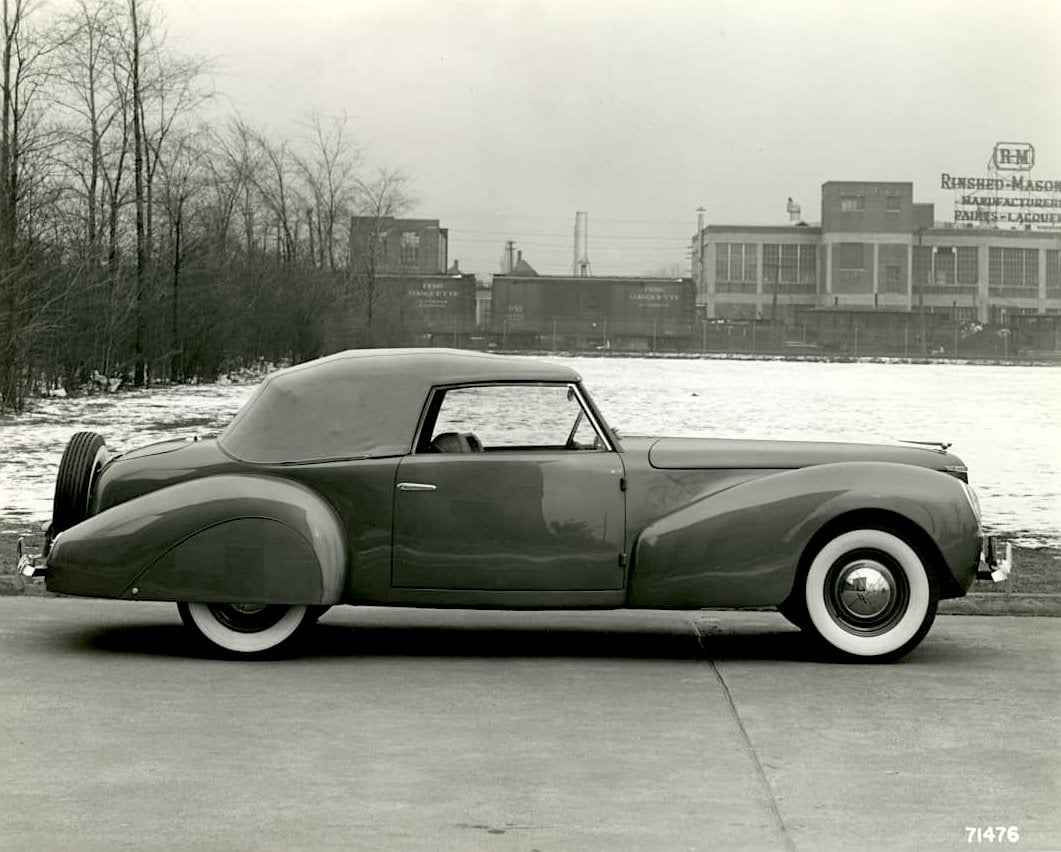
 This is the 1939 Lincoln Continental prototype – “Father made the most popular car in the world. I want to make the best car in the world.” – Edsel Ford, President of the Lincoln Motor Company. Image courtesy of the Ford Motor Co.
The original Continental ran through the 1940 to 1942 model years, then returned after the war for 1946 to 1948, and then disappeared as Lincoln reorganized its lineup for the rapidly evolving postwar market.
The Continental Mark II
The Continental idea came back in the mid-1950s in a different form, the Continental Mark II. It was sold for 1956 and 1957 by Ford’s short-lived Continental Division, positioned as an ultra-premium flagship to rival Cadillac and built with unusually high levels of finish for a Detroit automobile of the era.
The Mark II is an important part of the Continental story because it reinforced the name’s role as Ford Motor Company’s top-tier statement car, even when it wasn’t technically a Lincoln in branding terms. Modern enthusiasts have even been known to wince when someone refers to their Mark II as a “Lincoln.”
The Engel Lincoln
The next truly defining Continental arrived for 1961 under designer Elwood Engel, Lincoln moved hard in the opposite direction from late-1950s excess with clean, formal, rectilinear lines, and the famous rear-hinged (suicide) rear doors on the fourth-generation sedan.
The 1961 to 1969 generation became the Continental that set the template for modern Lincoln design language, it carved out its place in the market, and it carried the brand’s image through the decade with relatively modest year-to-year changes.
The Fifth Generation Lincoln Continental
That all set the stage for the fifth generation which was introduced for 1970 and built through till 1979. This era matters because it’s where Continental became the full-size, body-on-frame luxury sedan that many people picture when they hear the name.
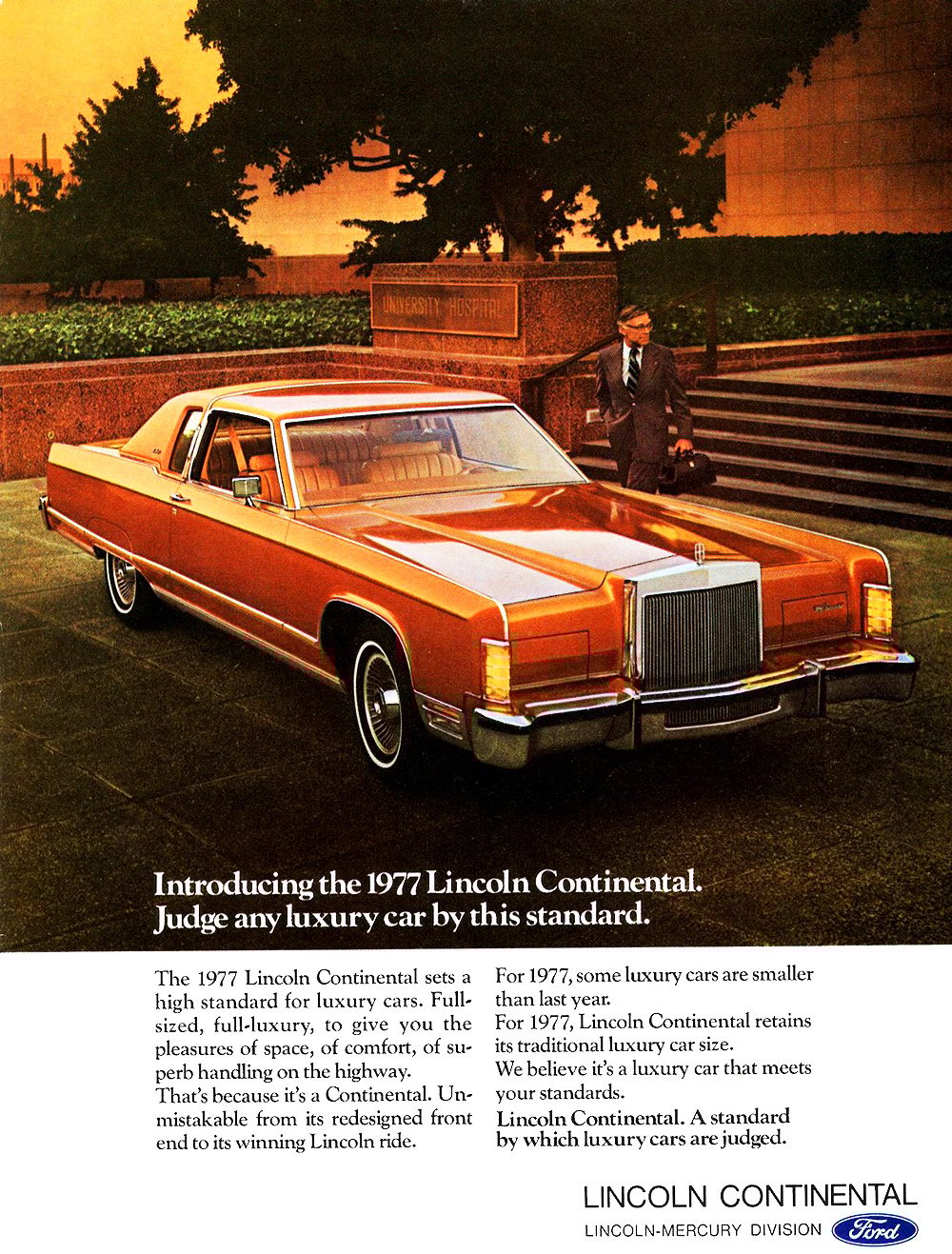
The fifth-generation Continental started the decade with crisp, formal lines and a long-hood, short-deck stance that echoed Lincoln’s earlier Continental proportions without overtly copying the past. Image courtesy of the Ford Motor Co.
Lincoln shifted back to body-on-frame construction and moved the Continental onto a large Ford corporate platform related to the Ford LTD and Mercury Marquis family, stretched to suit Lincoln’s size and ride requirements.
The result of all this was a big, traditional American luxury car built around environmental isolation, low noise, and a “relaxed” driving character, arriving right before emissions rules, fuel economy pressure, and safety bumper regulations began to reshape every large car in the market. This would be the Lincoln that survived both the 1973 Oil Crisis and the 1978 Oil Crisis, as well as an onslaught of new crash safety and emissions regulations.
The fifth-generation Continental started the decade with crisp, formal lines and a long-hood, short-deck stance that echoed Lincoln’s earlier Continental proportions without overtly copying the past. Through the 1970 to 1974 period, Lincoln leaned into upright grilles, broad C-pillars, and heavily padded interiors.
By the mid-1970s, the Continental’s mission was to stay at the top of the American luxury-sedan hierarchy on comfort and presence, even as the industry’s technical priorities shifted under it.
The late-1970s cars also carry the era’s regulatory fingerprints, including the federally mandated 5-mph bumpers that added bulk and length. As a result, these Lincolns were among the longest automobiles ever produced by the Ford Motor Co.
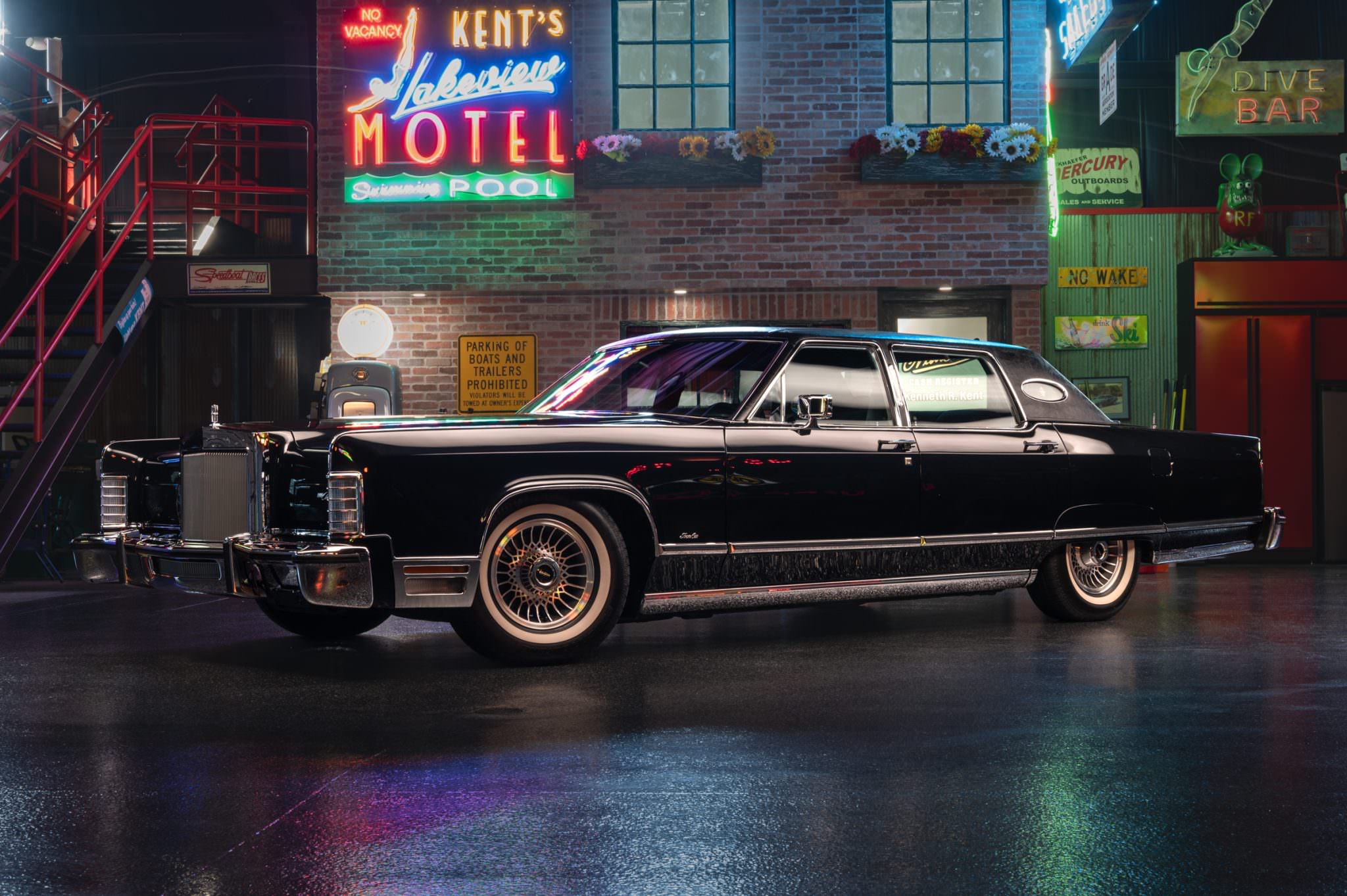
The car you see here started out as a standard 1977 Lincoln Continental Town Car, but in 2023 it was rescued and sent over to the team at Carlson Hot Rods in Mulvane, Kansas for a significant refurbishment.
The Lincoln Town Car
The Town Car version of the Lincoln Continental is an interesting little sub-story inside the fifth generation because it shows how Lincoln was packaging luxury for buyers who wanted something a bit more formal and fully loaded, without needing a different model line.
The Town Car name had historic roots in coachbuilt, chauffeur-driven body styles from the inter-war years, but in modern Lincoln form it returned as a premium trim concept for the Continental. In the early 1970s, it evolved from an option/trim idea into a flagship sub-model within the Continental range.
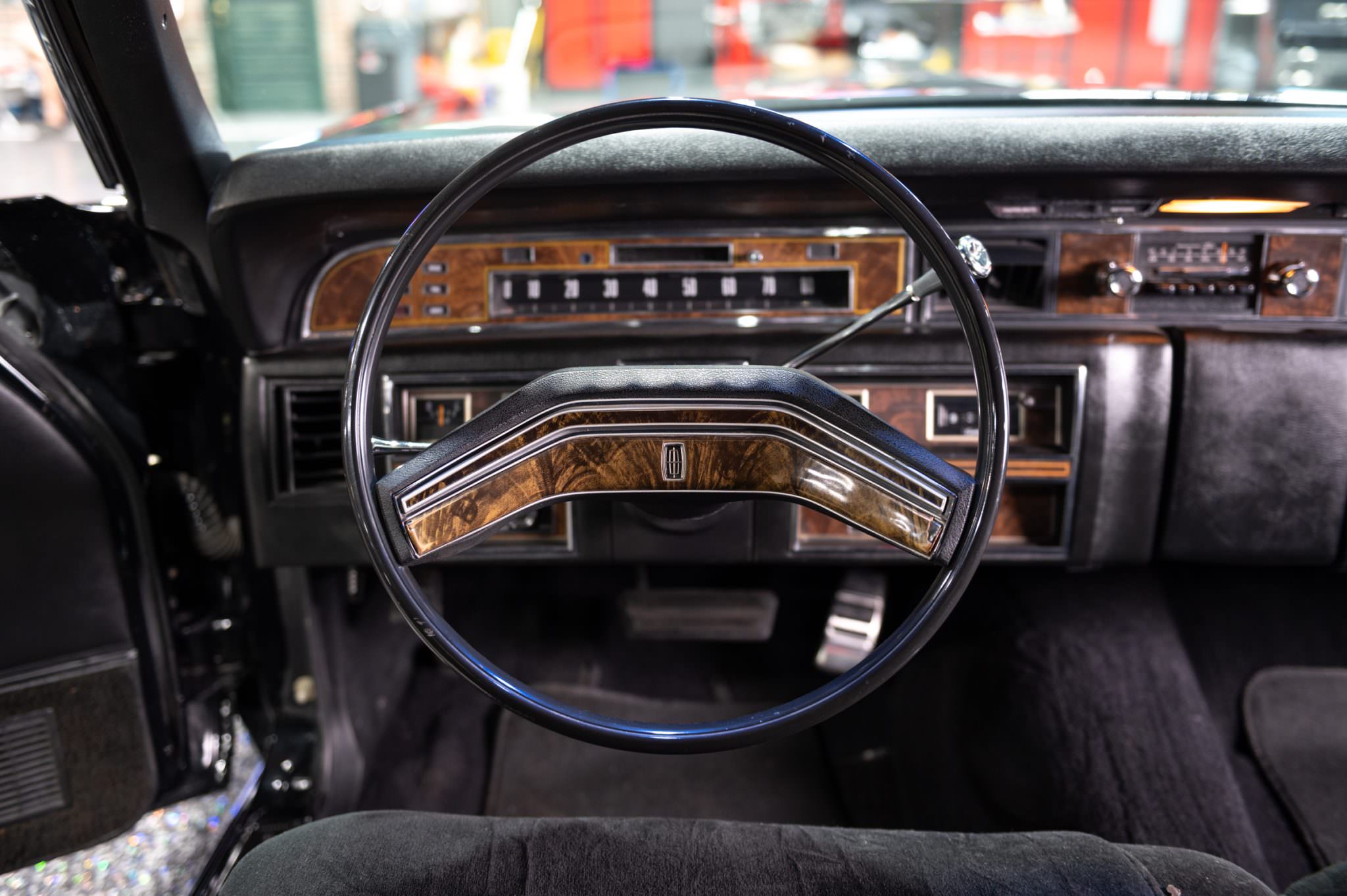
The Town Car identity was built around the details like richer interior appointments, signature exterior cues like a padded vinyl roof, and a “top of the line” feel that was easy for salespeople to explain and buyers to recognize across a parking lot.
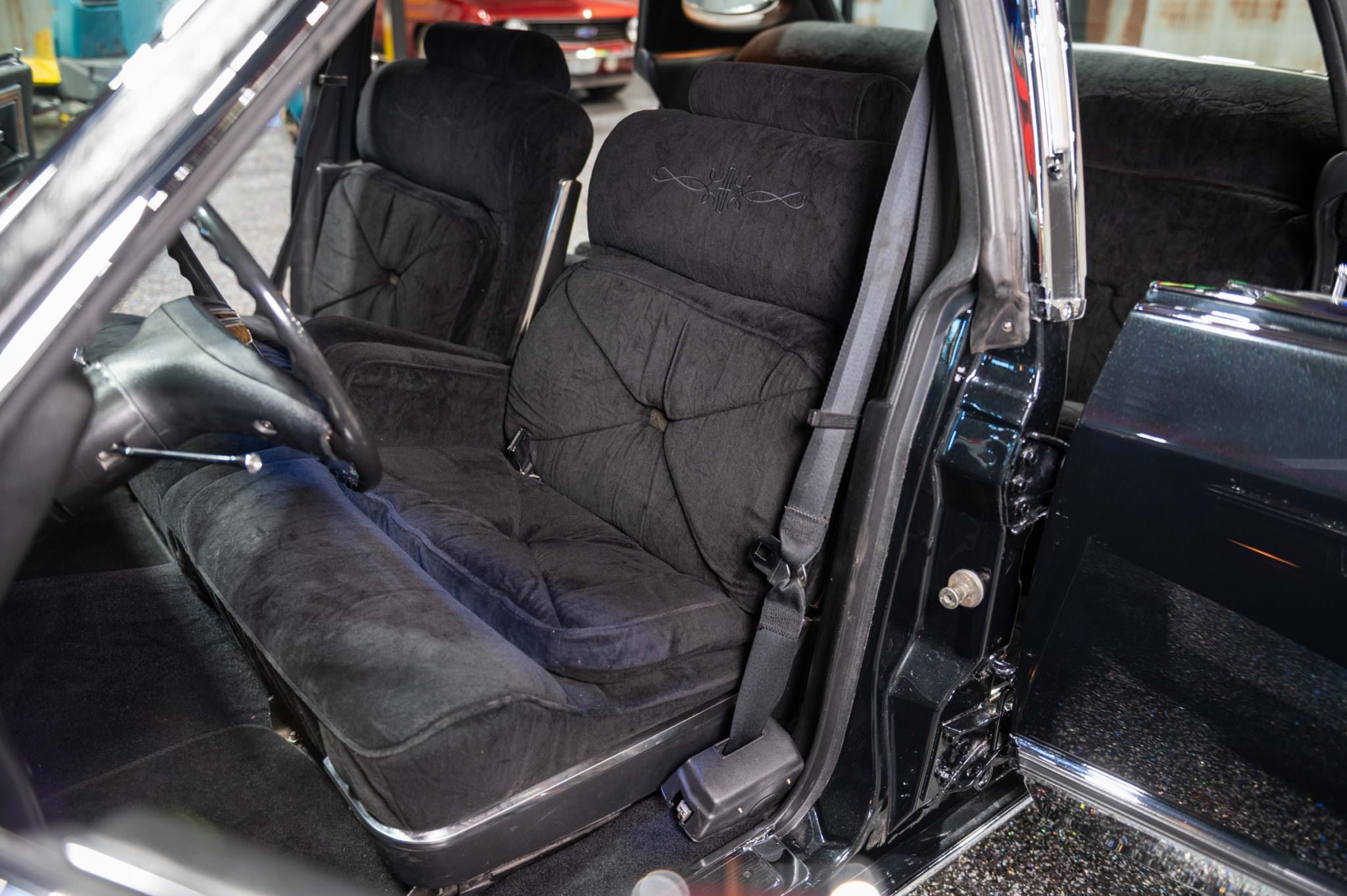
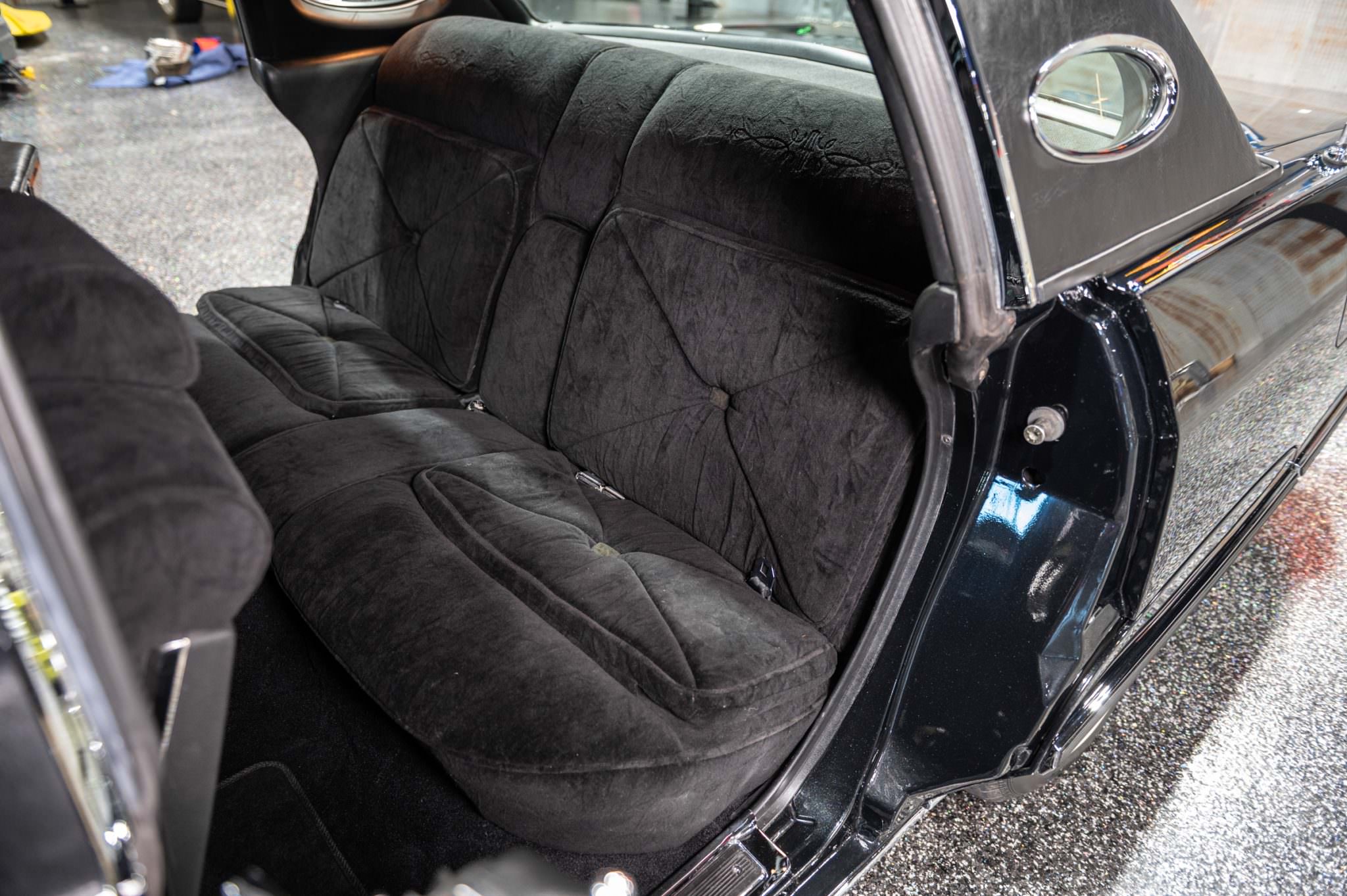
By 1977, the Continental Town Car sat at the height of this formula. Sales literature from the time leans heavily on the Town Car’s signature look, including vinyl roof treatment and the lighting and trim cues that broadcasted “flagship” even to those who had little but a passing interest in cars. The brochure language talked about lounge-style seating, plush materials, and a quiet, luxury ride intended for American urban miles.
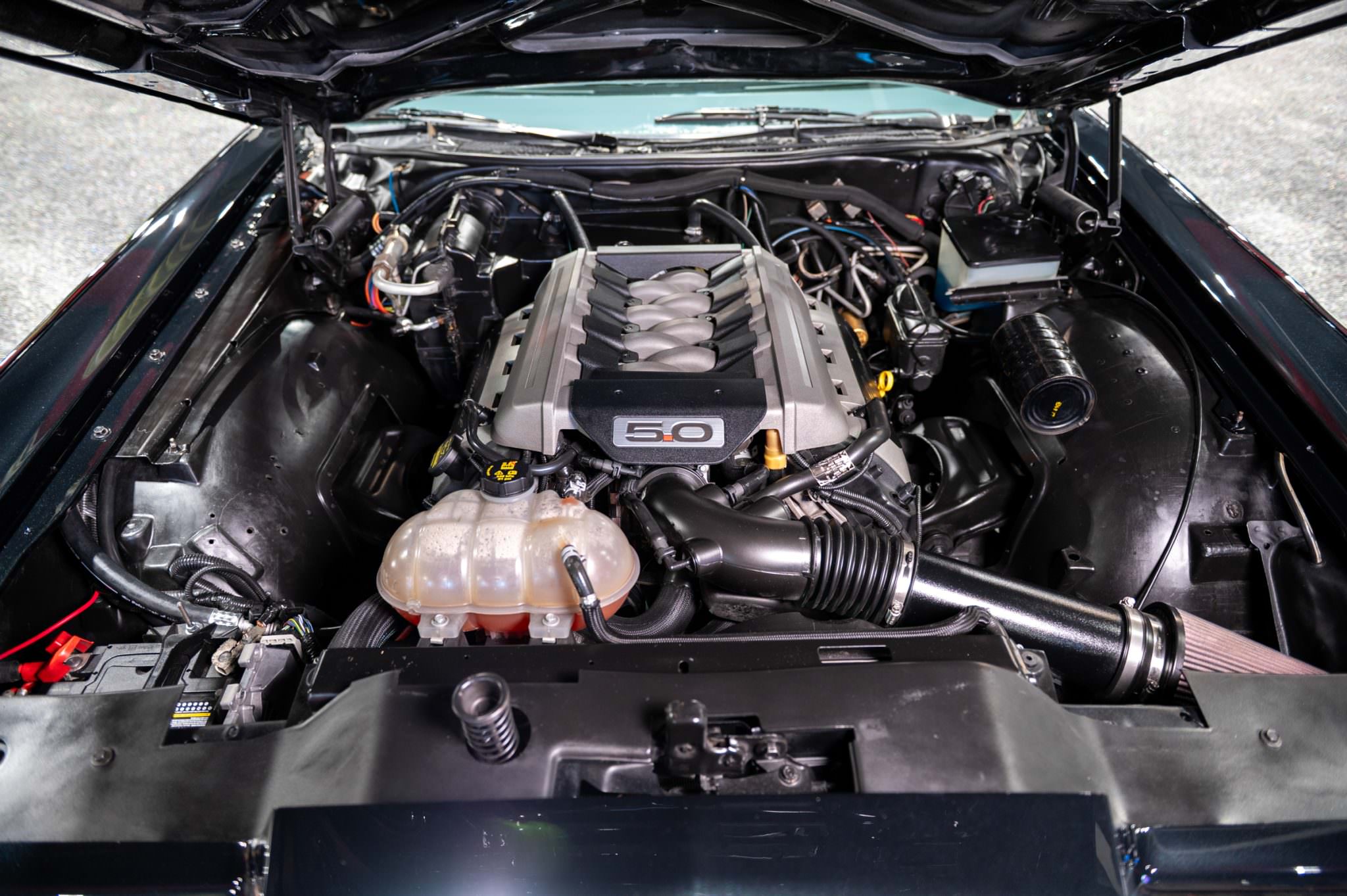
The most significant change to this car took place under the hood, where you’ll now find a Gen II Ford Coyote V8 producing 435 bhp and 400 lb ft of torque – that’s well over double the original horsepower figure, which gives the car much more lively performance.
The Lincoln Continental would remain in production right through until 2020, a remarkable 10 generations in all. Though there are currently no formal public plans to bring the series back, there are rumors that Ford is tentatively planning a luxury series of electric Lincolns to debut before the decade is out.
The Coyote-Swapped 1977 Lincoln Continental Shown Here
The car you see here started out as a standard 1977 Lincoln Continental Town Car, but in 2023 it was rescued and sent over to the team at Carlson Hot Rods in Mulvane, Kansas for a significant refurbishment.
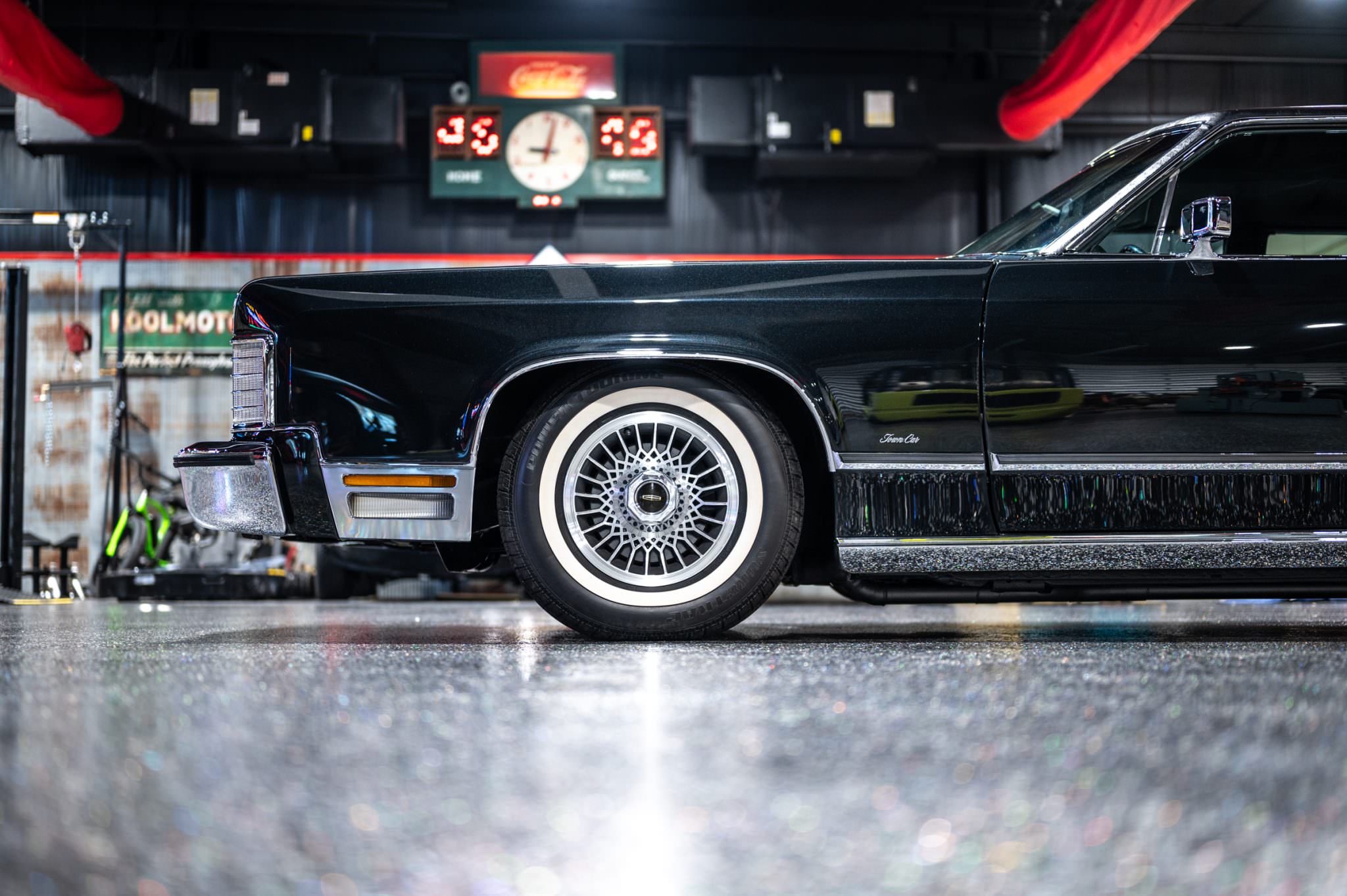
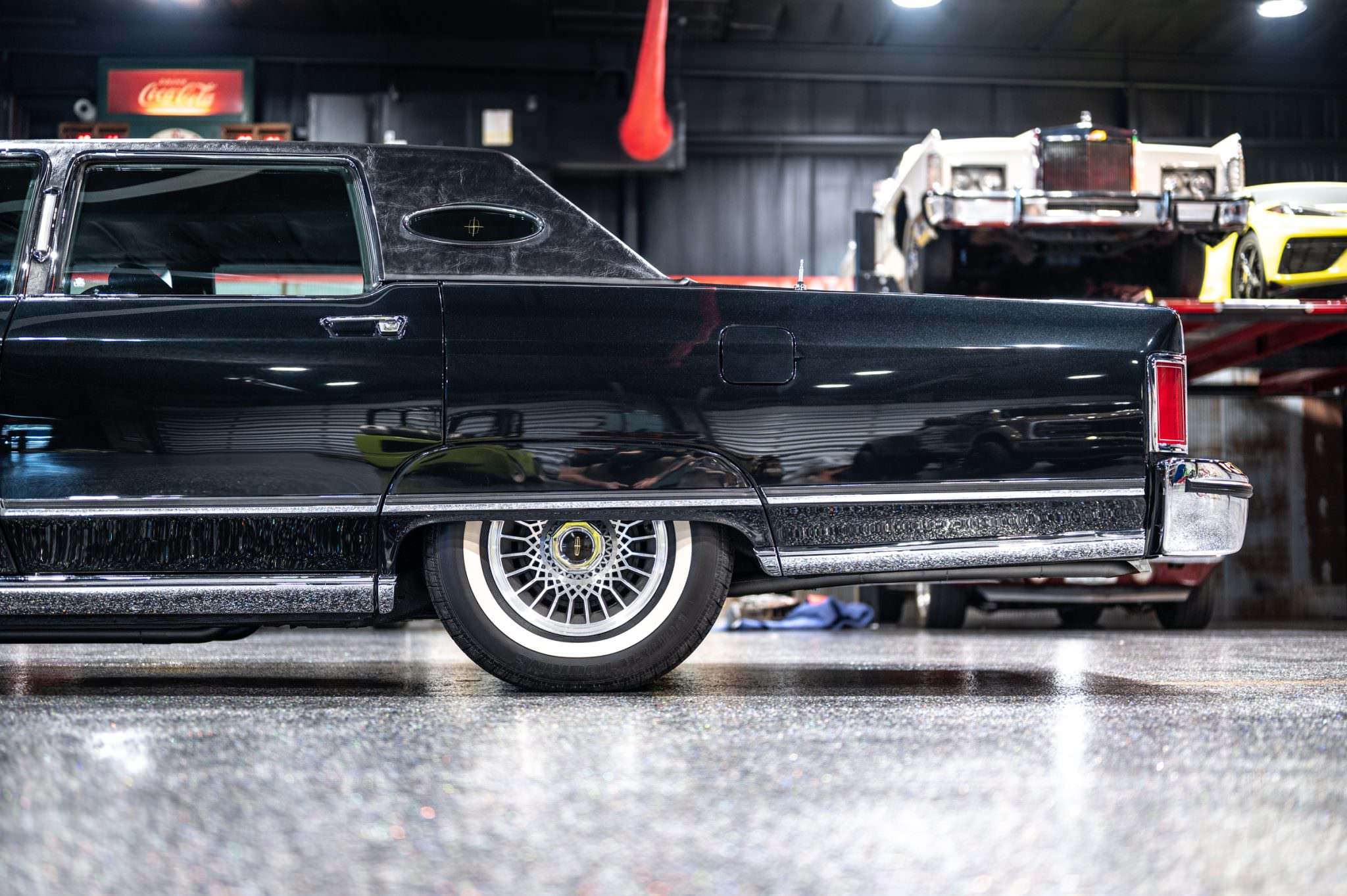
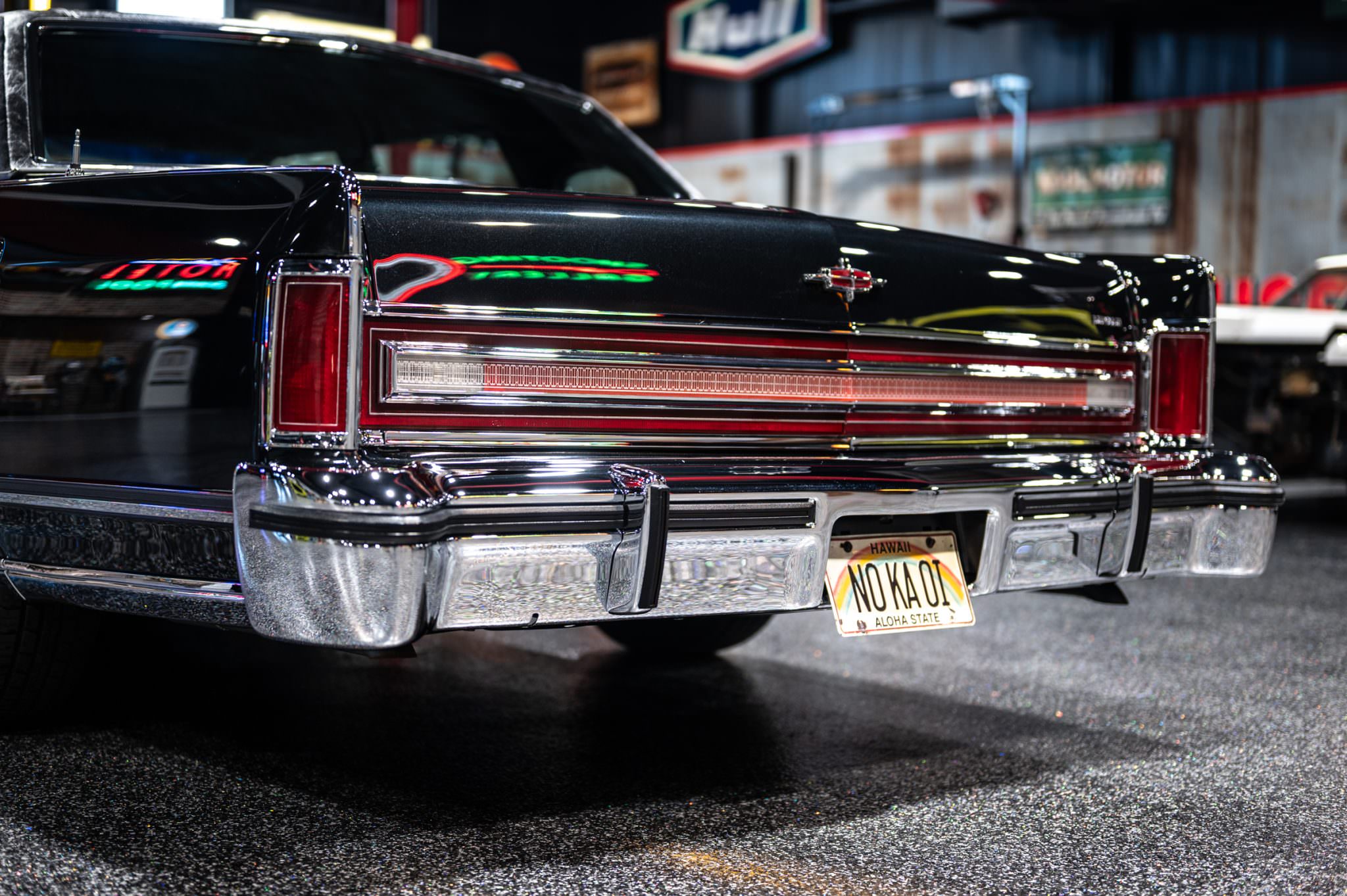
The work included a full repaint in Ford Tuxedo Metallic Black with a new vinyl roof to match, the exterior brightwork was triple chrome-plated before being reinstalled. The suspension was lowered by 3” up front and 2” in the rear, and the shock absorbers, ball joints, and all bushings were replaced as well as the inner and outer tie rods.
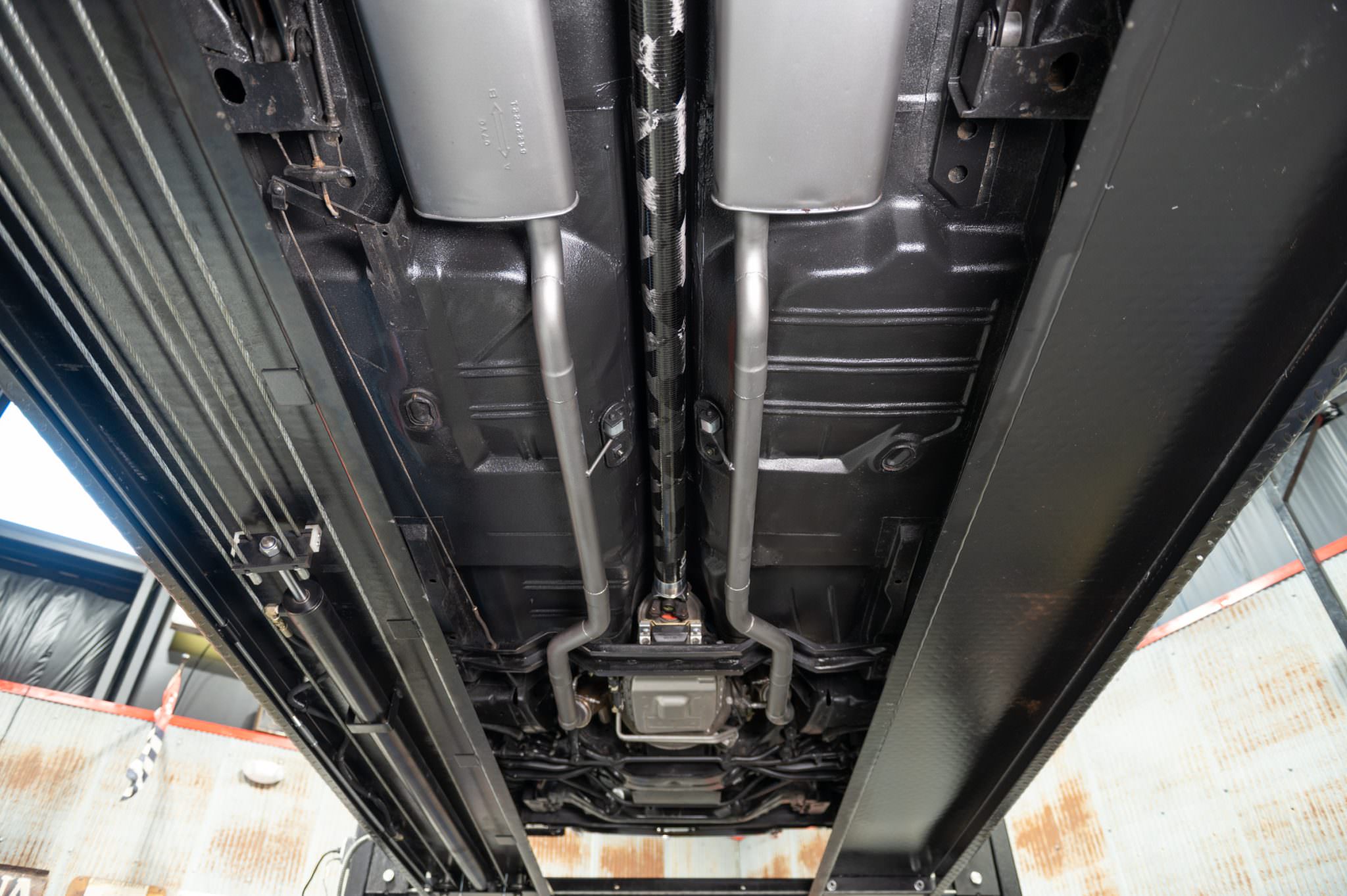
The power steering pump and the brake booster were rebuilt, the front disc and rear drum brakes were also overhauled. The car now rides on lace-spoked 15” alloy wheels that are fitted with 235/75 Suretrac Power Touring whitewall tires.
The most significant change took place under the hood, where you’ll now find a Gen II Ford Coyote V8 producing 435 bhp and 400 lb ft of torque – that’s well over double the original horsepower figure, which gives the car much more lively performance.
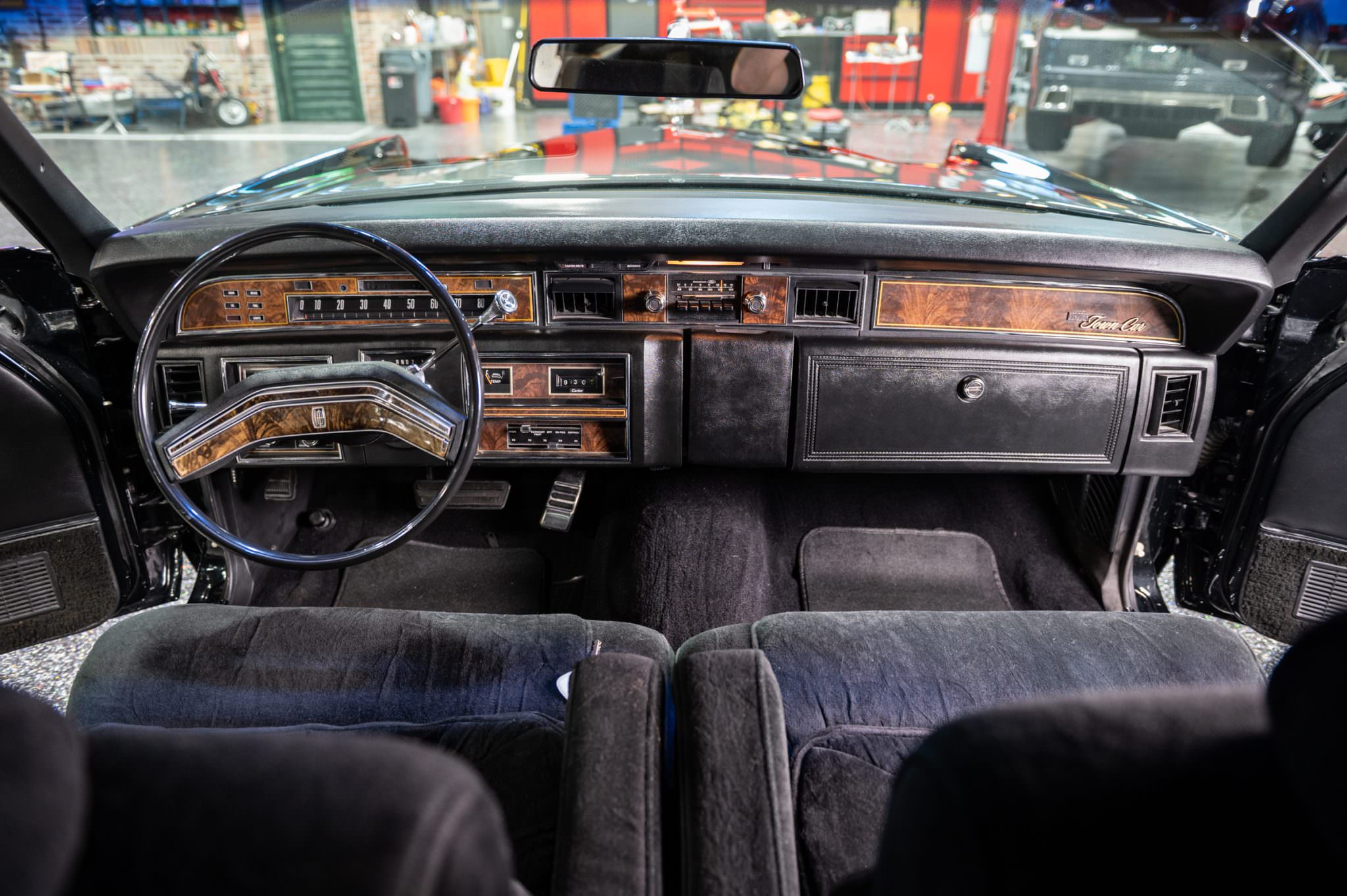
The work included a full repaint in Ford Tuxedo Metallic Black with a new vinyl roof to match, the exterior brightwork was triple chrome-plated before being reinstalled.
All this work is said to have cost $114,000 USD, and the result is one of the coolest 1970s-era Lincoln Continental sleepers you’ll find anywhere.
The car is now being offered for sale out of Sarasota, Florida with build records, an Ownercard, manufacturer’s literature, and a clean Pennsylvania title. If you’d like to read more or register to bid you can visit the listing here.
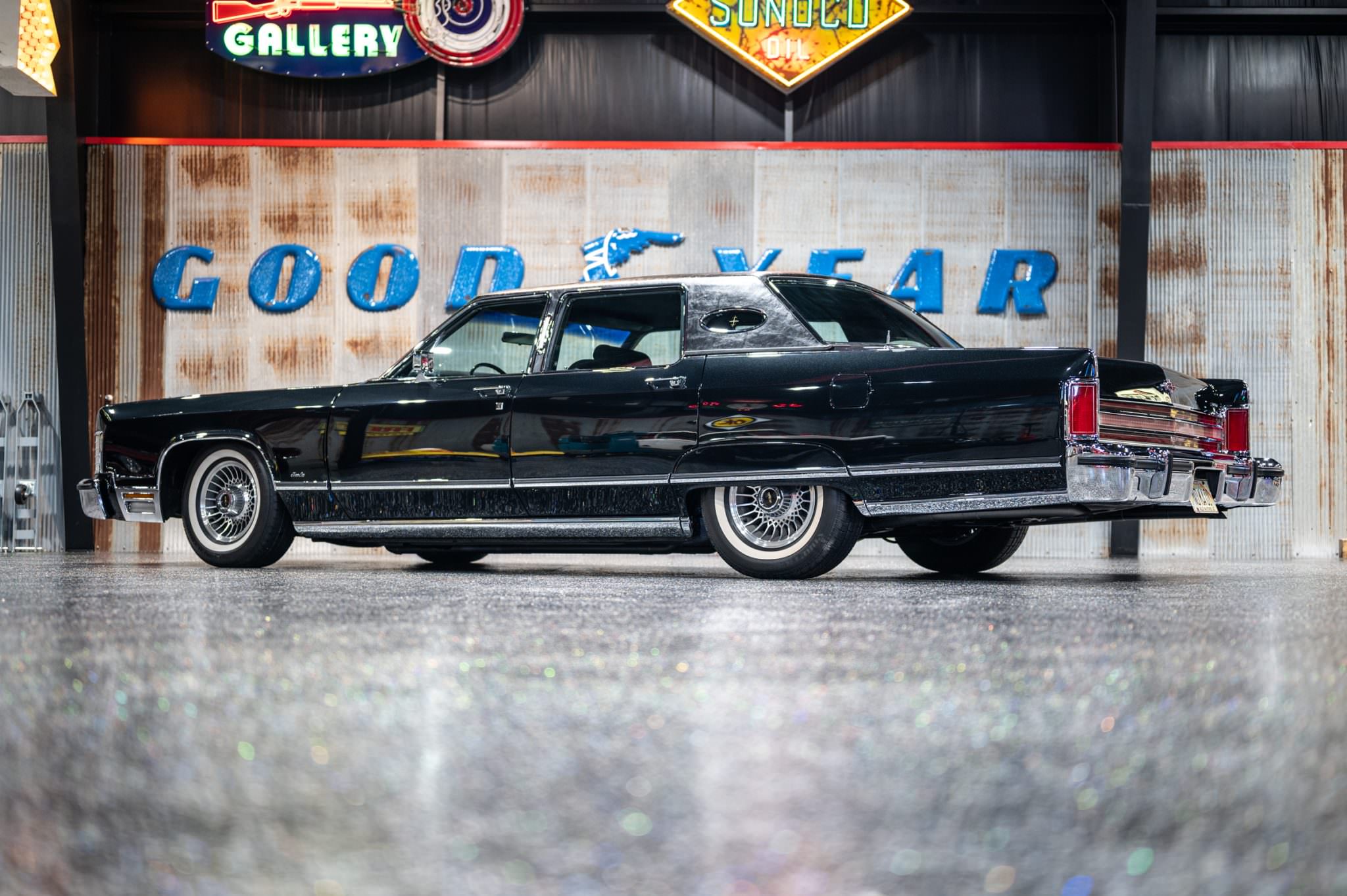
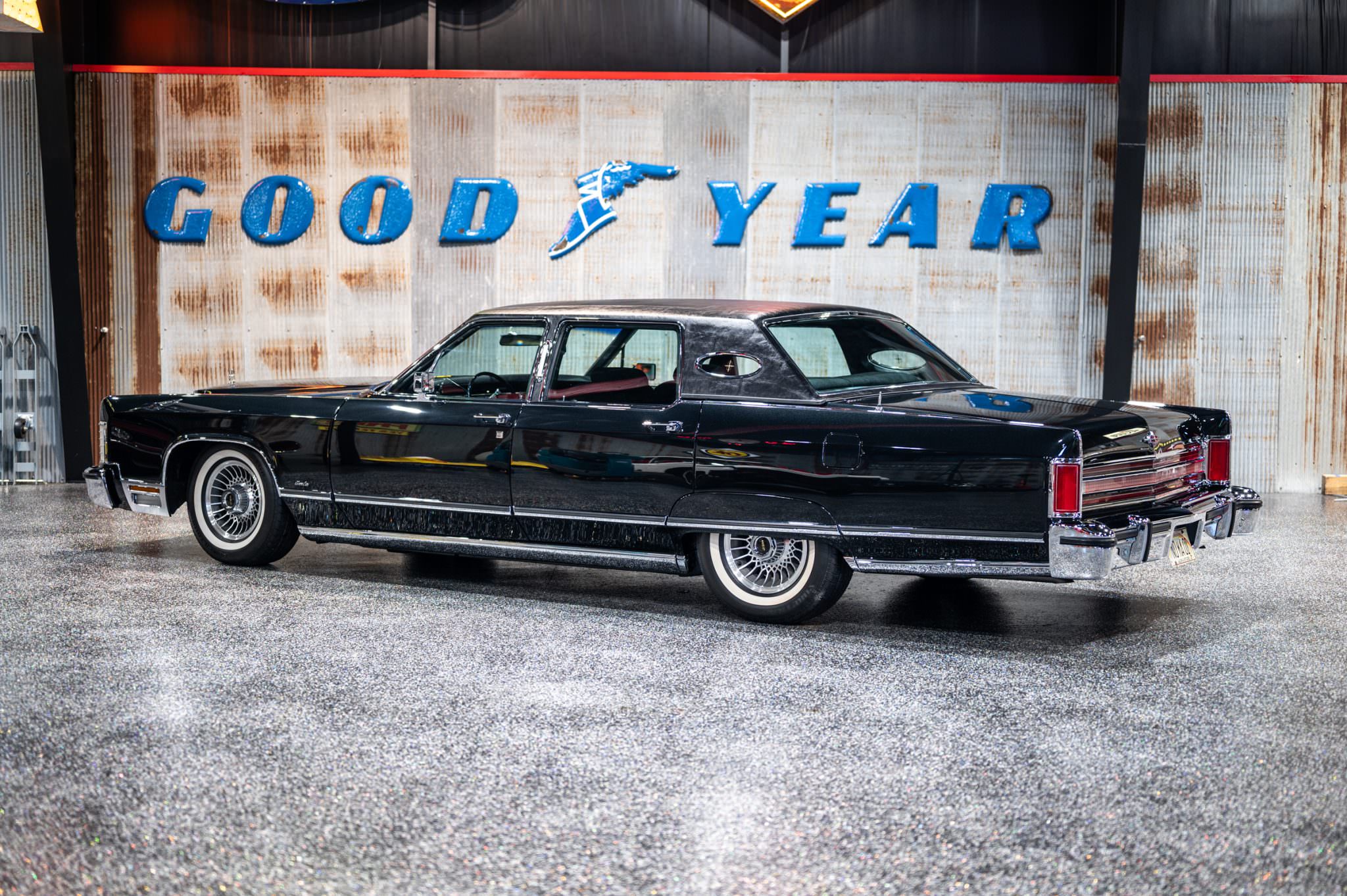
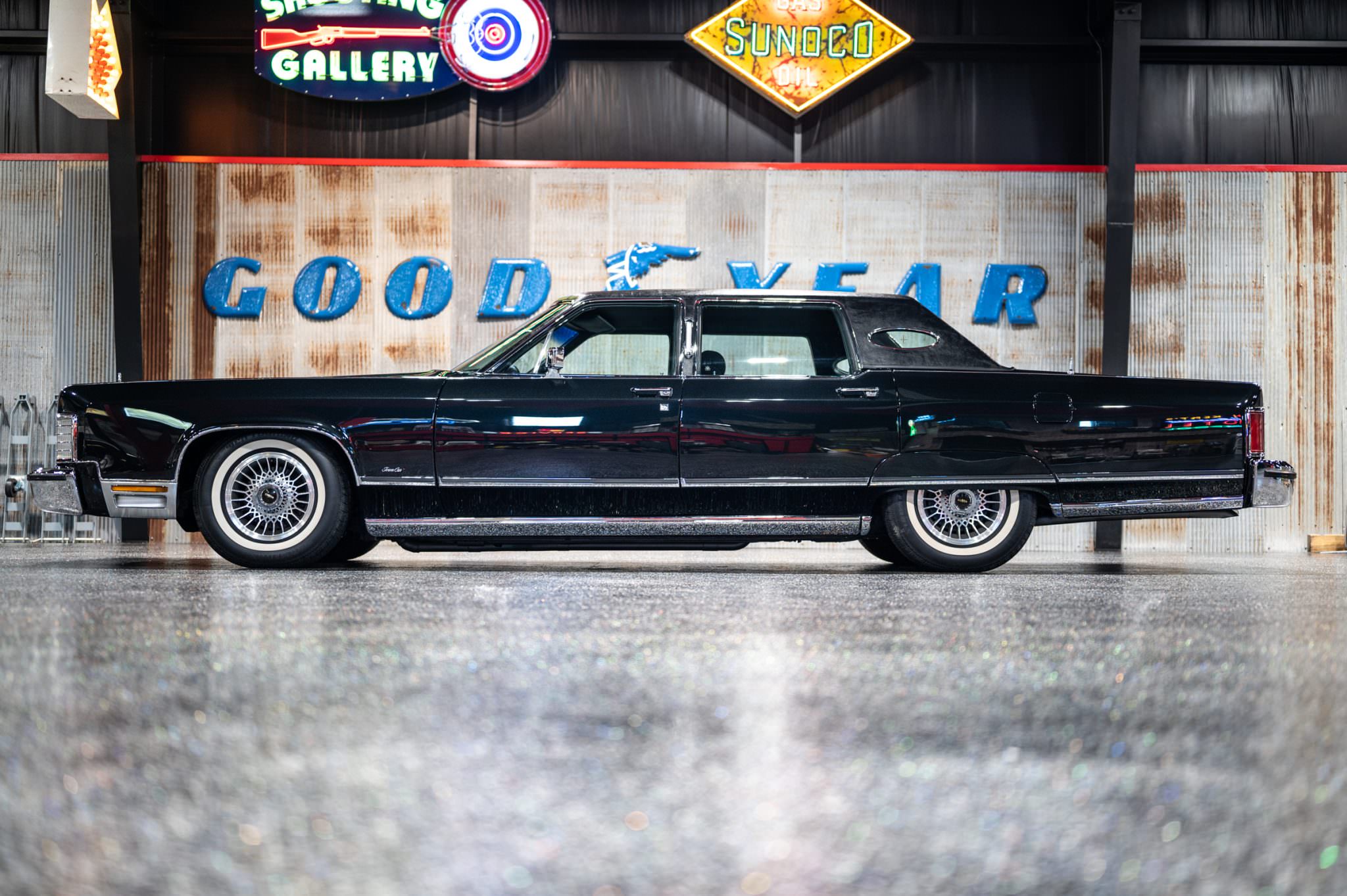
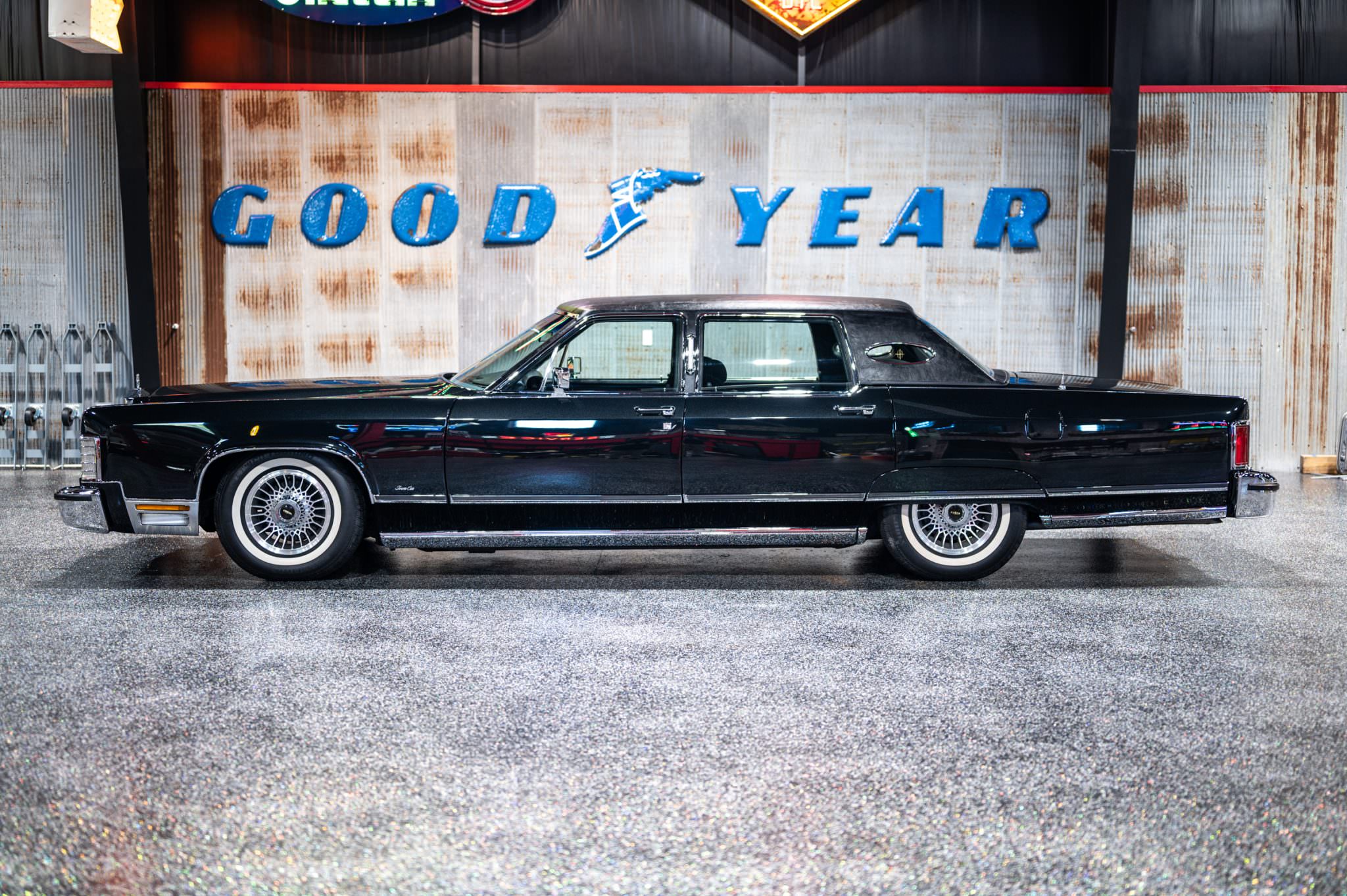
Images courtesy of Bring a Trailer

Articles that Ben Branch has written have been covered on CNN, Popular Mechanics, Smithsonian Magazine, Road & Track Magazine, the official Pinterest blog, the official eBay Motors blog, BuzzFeed, Autoweek Magazine, Wired Magazine, Autoblog, Gear Patrol, Jalopnik, The Verge, and many more.
Silodrome was founded by Ben back in 2010, in the years since the site has grown to become a world leader in the alternative and vintage motoring sector, with well over a million monthly readers from around the world and many hundreds of thousands of followers on social media.