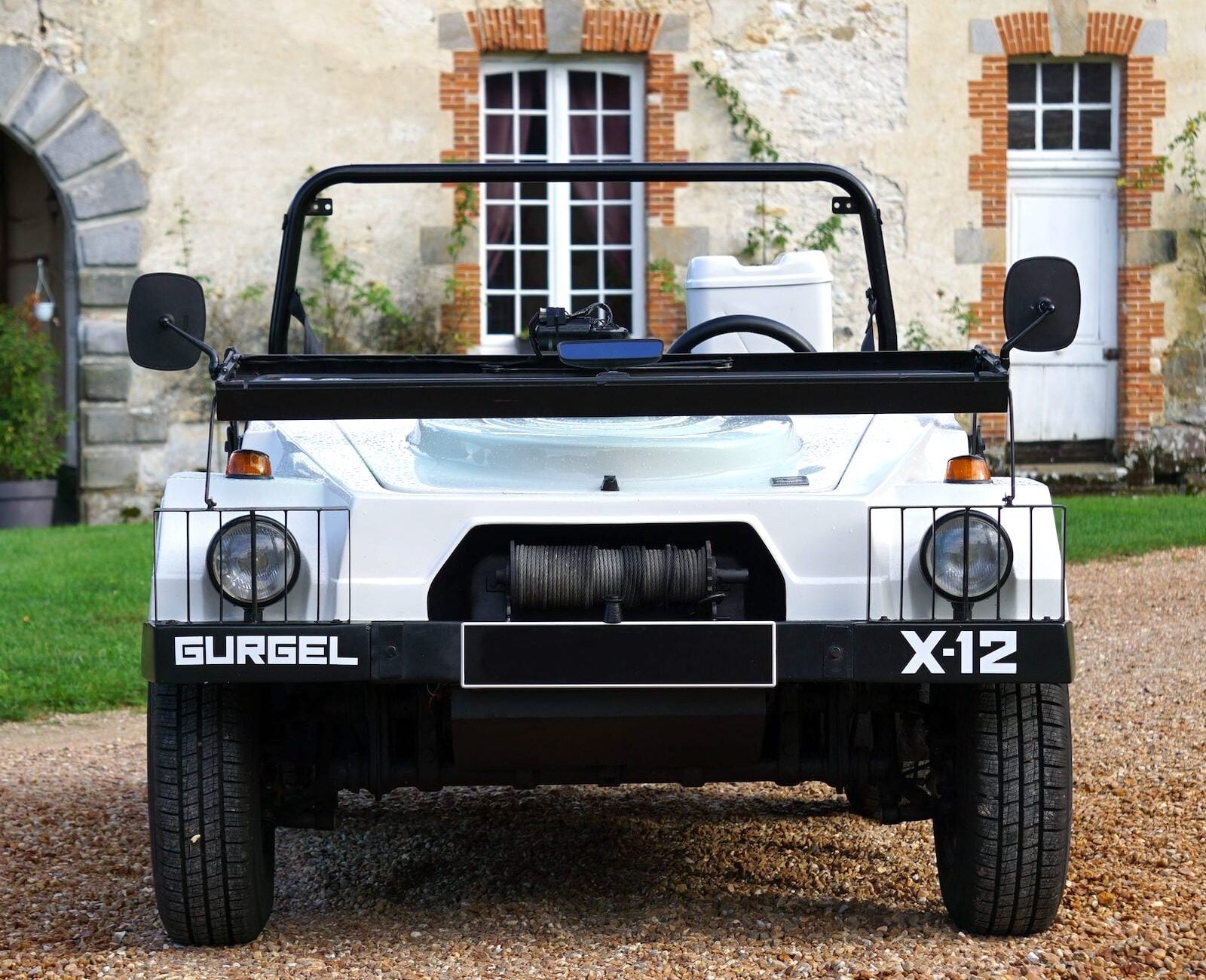
This is a rare, original Gurgel Xavante X-12. It’s a Brazilian car developed in Sao Paulo by former General Motors engineer Joao Conrado do Amaral, and this one formerly belonged to photographer and director Mathieu César.
The Xavante X-12 was the Brazilian answer to popular cars like the Mini Moke, Meyers Manx, and the Volkswagen Thing. It was based on reliable VW mechanicals, making spares nice and easy to find, and it proved surprisingly capable off-road thanks in no small part to its low weight.
Fast Facts: A 1978 Gurgel Xavante X-12
- The Gurgel Xavante X-12 was a Brazilian-built off-road vehicle developed by engineer João do Amaral Gurgel, a former General Motors employee who founded Gurgel Motores in 1969. Inspired by Volkswagen-based beach buggies, he developed a range of affordable, tough vehicles that became popular throughout Brazil – particularly in rural areas.
- Developed in cooperation with Volkswagen do Brasil, the X-12 used Beetle mechanicals, including a rear-mounted 1.6 liter air-cooled flat-four, a 4-speed manual transmission, suspension, and brakes. Its patented Plasteel construction combined steel and fiberglass for strength and corrosion resistance.
- The X-12 used Gurgel’s unusual Selectraction system, which allowed drivers to brake either rear wheel independently to redirect torque to the wheel with better traction – essentially a manual limited-slip diff. Buyers could choose removable hardtops or folding soft tops, and the model became Gurgel’s best-selling vehicle.
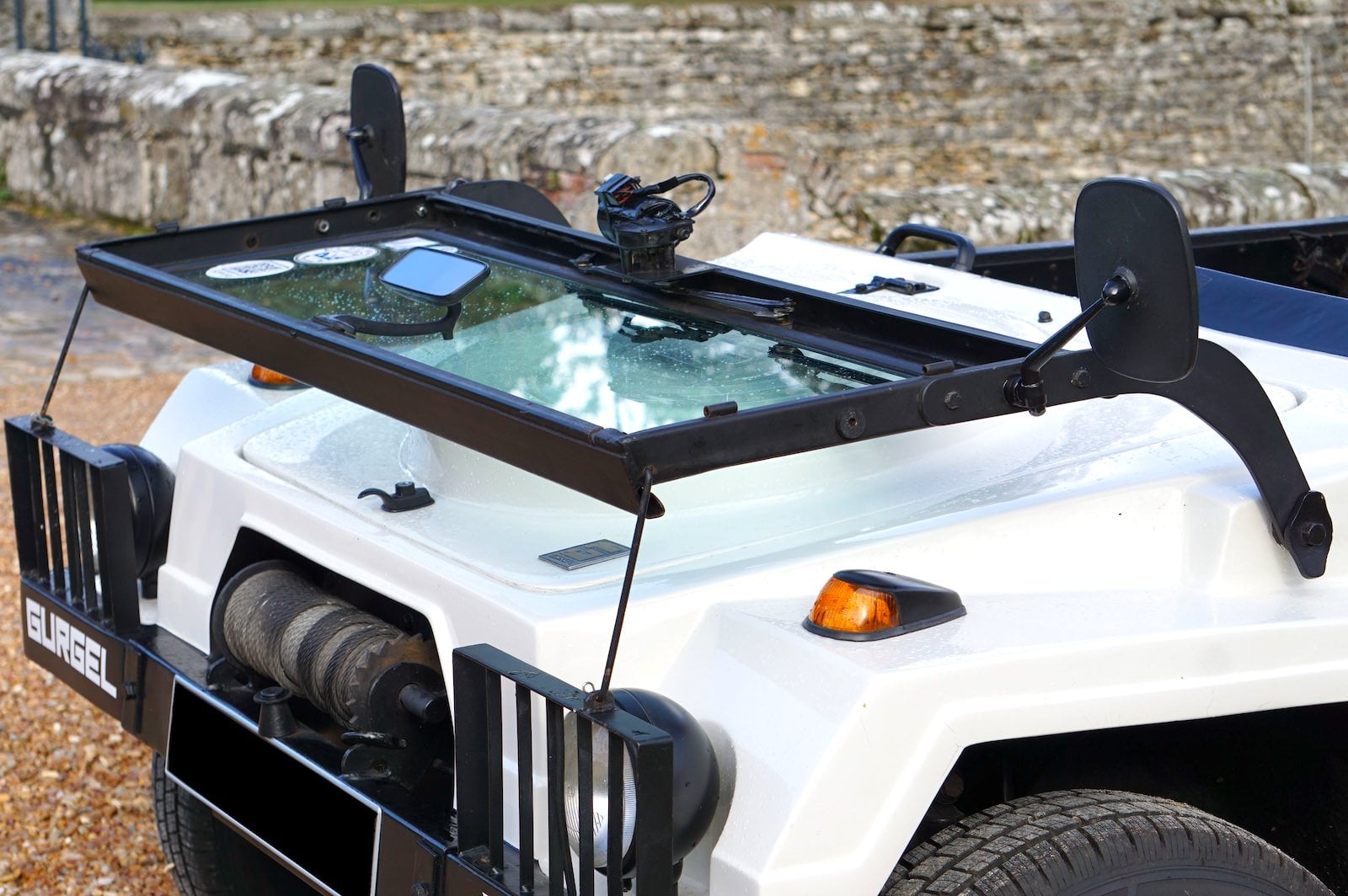
- The 1978 example shown here was imported to France in 2023 and later owned by photographer Mathieu César. Its engine, brakes, steering, and electrics have received extensive attention, and it features a winch, sump guards, removable doors, and folding windshield. It is now offered for sale without reserve with French registration and maintenance records.
The Great João do Amaral Gurgel
João do Amaral Gurgel, full name João Augusto Conrado do Amaral Gurgel, was born in 1926 in São Paulo, Brazil. As a young boy he always showed a great love of cars and a mechanical aptitude beyond his years. When he was studying engineering in college he was once assigned a crane project, but instead developed a unique concept for a small two-cylinder automobile named the “Tião.”
 Here we see João do Amaral Gurgel with one of his unusual creations, a front-wheel drive car powered by a Citroen 2CV flat-twin engine. Image courtesy of Gurgel Motores.
After college Gurgel would move to the United States for a time, where he worked for General Motors and learned all he could about the automotive industry – both from the engineering side and the business operations side.
After moving back to Brazil he founded Moplast Moldagem de Plásticos in 1958, a company that used fiberglass and plastics to make signs. Fiberglass was the true wonder material of the age, comparable to carbon fiber today, though it was far easier to work with. It was already being used in automobile applications at this time, most famously for the body of the Chevrolet Corvette.
With his company enjoying strong growth and revenue, Gurgel started Macan Indústria e Comércio Ltda in 1964, this was primarily a VW dealership, though he also developed a line of go karts, minicars, and a simple industrial transporter called the Mocar.
The popularity of VW Beetle-based kit cars in the USA, particularly creations like the Meyers Manx, had caught Gurgel’s attention and as a VW dealer and engineer, he was perfectly positioned to create his own car on the Beetle platform. So that’s what he did.
In 1969 he founded Gurgel Motores (Gurgel Motors) and released his first production car, the Gurgel Ipanema. This was a fiberglass-bodied buggy very similar to the beach buggies of California. João Gurgel would be a key innovator in the Brazilian automotive world, creating biofuel-powered cars back in the 1970s, long before it became fashionable, and developing and selling his own electric cars.
A series of other petrol-powered models would follow, and the size of Gurgel Motores would continue to climb – eventually employing over 1,000 people by 1989 and building many thousands of Gurgel-branded vehicles in Brazil.
 This is a page from an original brochure for the Gurgel Xavante X-12, showing some of the options and the possible specifications. Image courtesy of Gurgel Motores.
History Speedrun: The Gurgel Xavante X-12
The Gurgel Xavante X-12 was developed in cooperation with Volkswagen do Brasil, thanks in no small part to João Gurgel’s close connections with the automaker. The X-12, and very similar X-10 model, were developed to be tough, affordable, and easy to repair, as well as far more off-road capable than the Beetle.
The chassis and body were made from a unique material named Plasteel, this was a patented invention by Gurgel that essentially wrapped steel sections in fiberglass, creating strong and highly corrosion-resistant body panels.
The suspension, drivetrain, brakes, and steering were all sourced from the VW Beetle, and it used the same rear-mounted engine and rear-wheel drive layout.
The Gurgel Xavante X-12 offered better ground clearance than the Beetle as well as a much lower curb weight which helped off-road – weighing in at 850 kgs or 1,874 lbs as opposed to the weight of the Beetle at closer to 930 kgs or 2,050 lbs.
In order to improve off-road ability the X-12 (and X-10) were given an unusual double rear handbrake system named “Selectraction” that allowed the driver to manually lock a rear wheel on loose terrain.
This would then ensure that all the available engine power would be sent to the non-locked wheel – useful when a wheel lost traction on loose terrain and acting as a sort of early manual version of modern traction control.
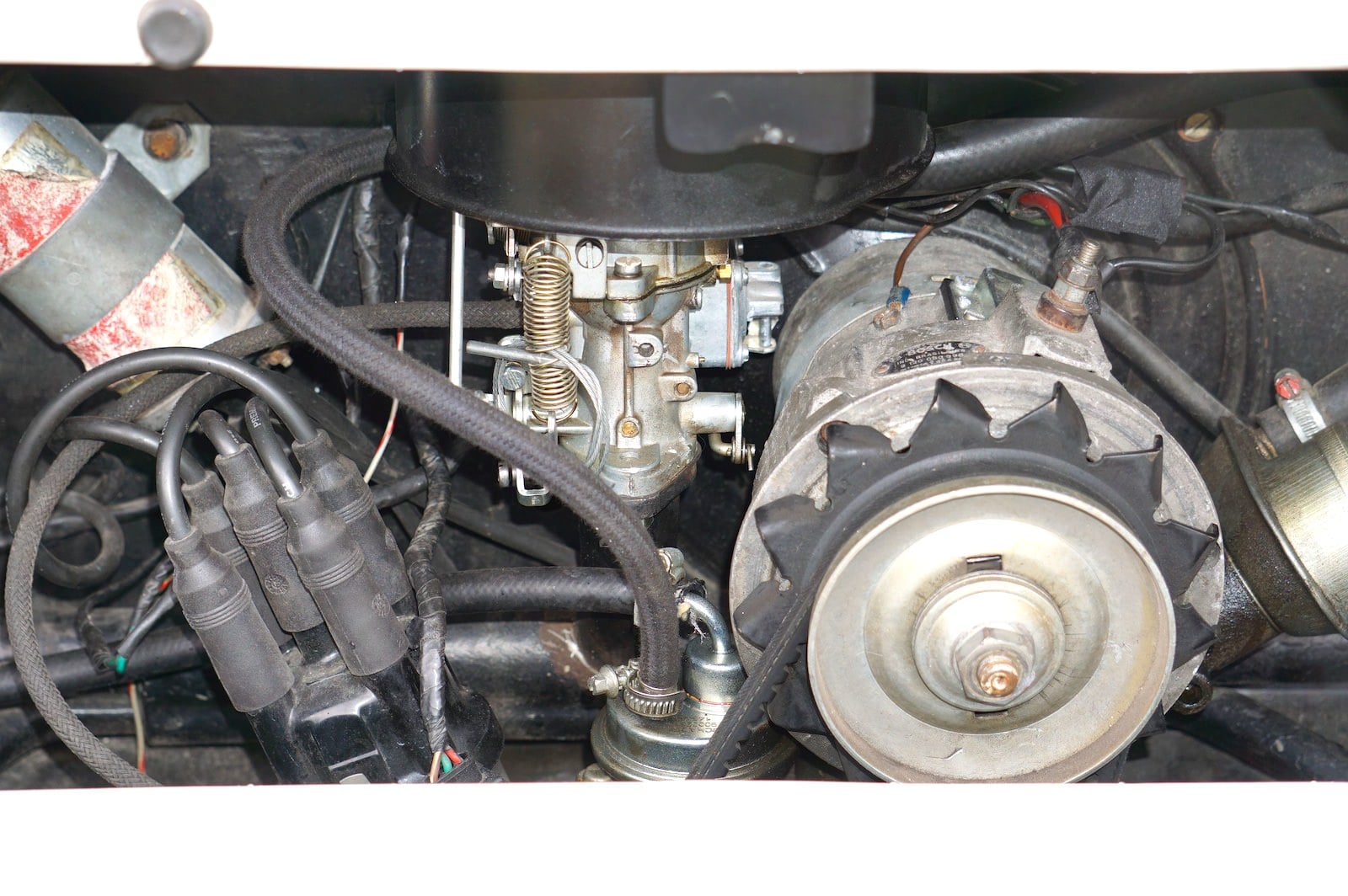
The X-12 was powered by the 1.6 liter version of the Beetle air-cooled flat-four, and mated to the same 4-speed manual transmission. The car could be ordered in a variety of colors and with a removable hard top or a folding soft top. In many respects it was the locally developed answer to the Jeep, and it sold incredibly well – becoming the best-selling model that Gurgel would ever develop.
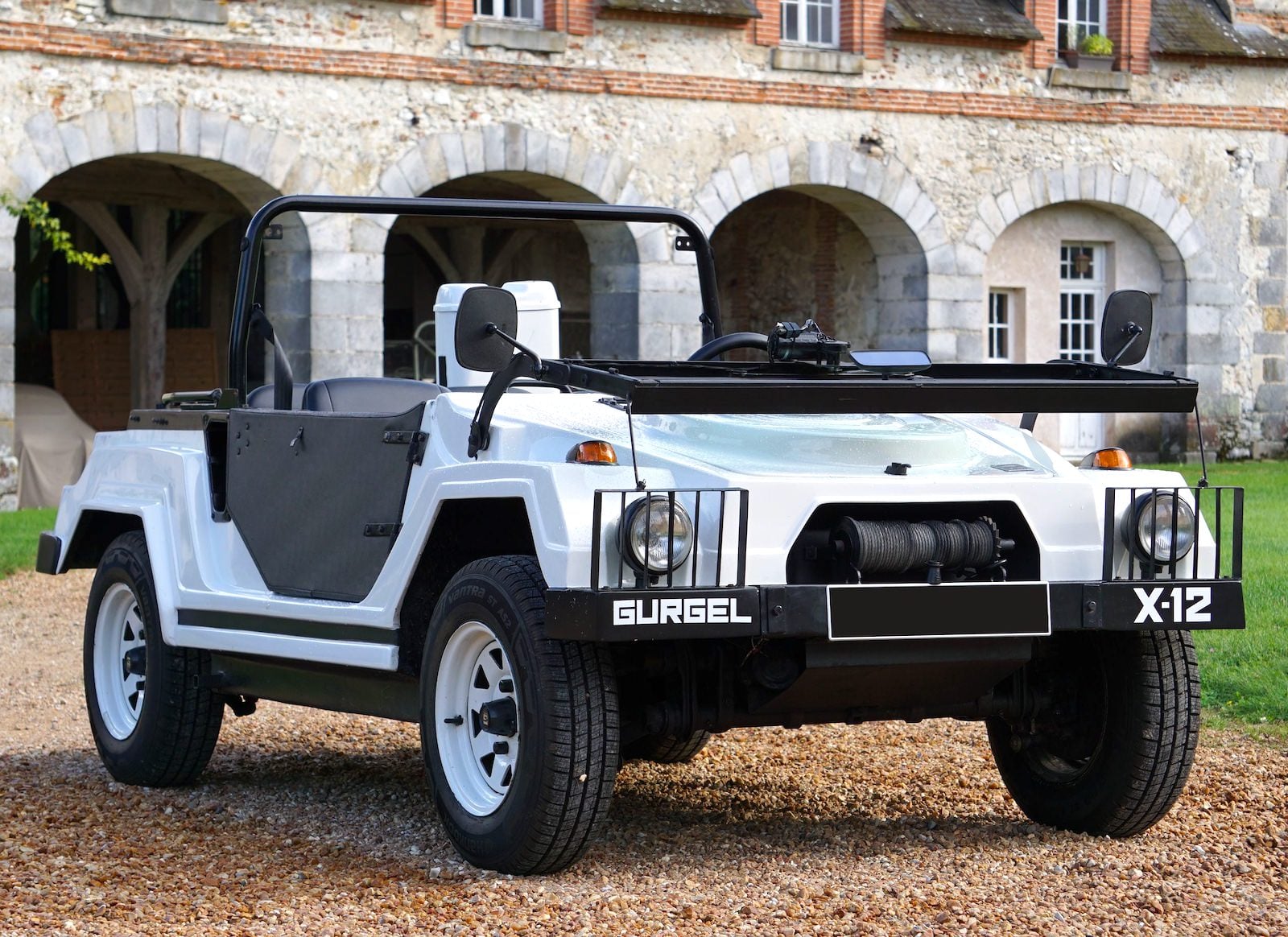
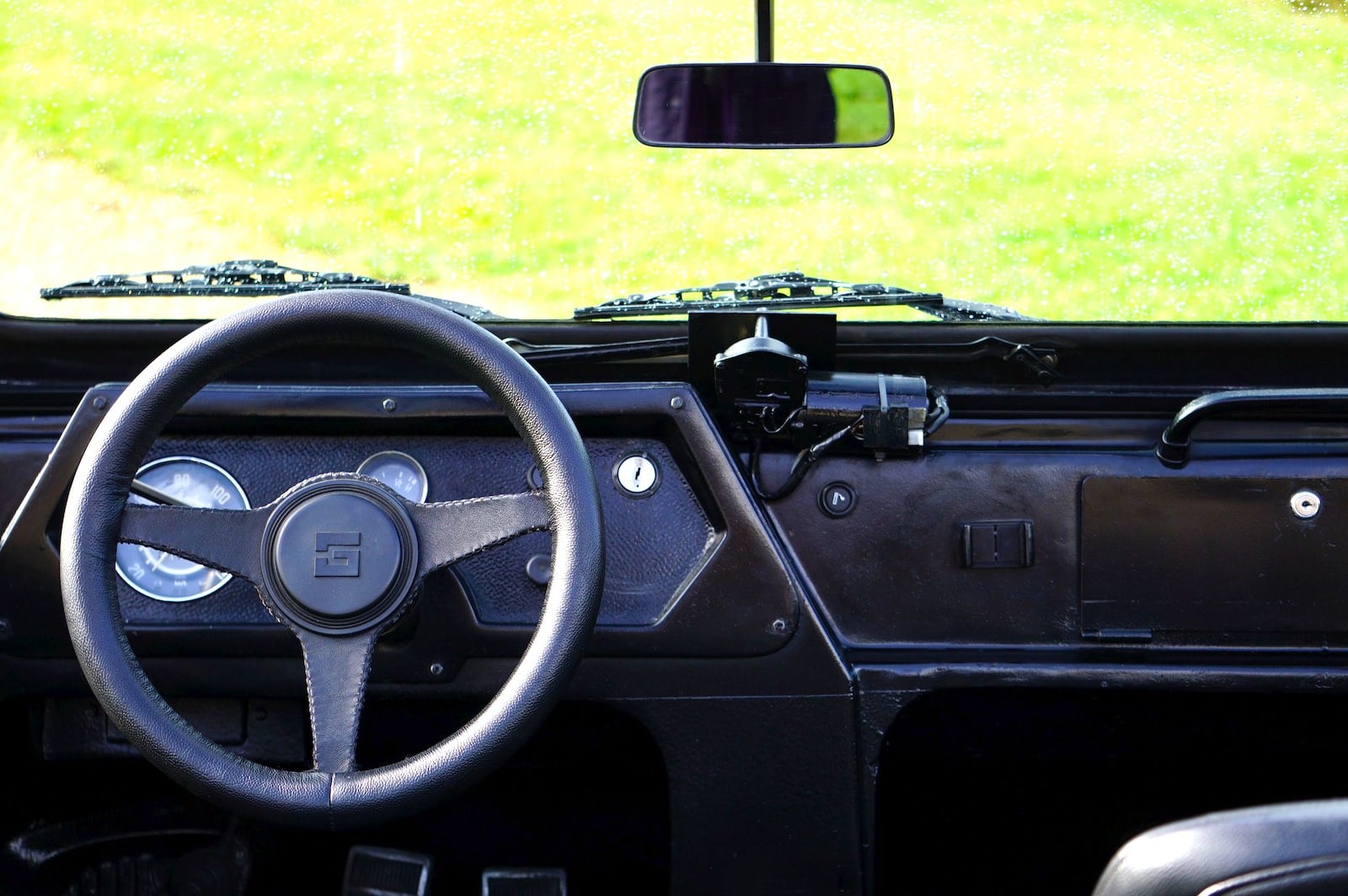
 This is a rare, original Gurgel Xavante X-12. It’s a Brazilian car developed in Sao Paulo by former General Motors engineer Joao Conrado do Amaral, and this one formerly belonged to photographer and director Mathieu César.
In Brazil the Gurgel Xavante X-12 is still a common sight on the roads, particularly in more rural areas, a significant testament to the longevity of the Plasteel body and chassis.
The cars are relatively unknown outside of their native Brazil, but when they are exported they always seem to draw a crowd of curious onlookers at shows and even just when stopping for gas.
The 1978 Gurgel Xavante X-12 Shown Here
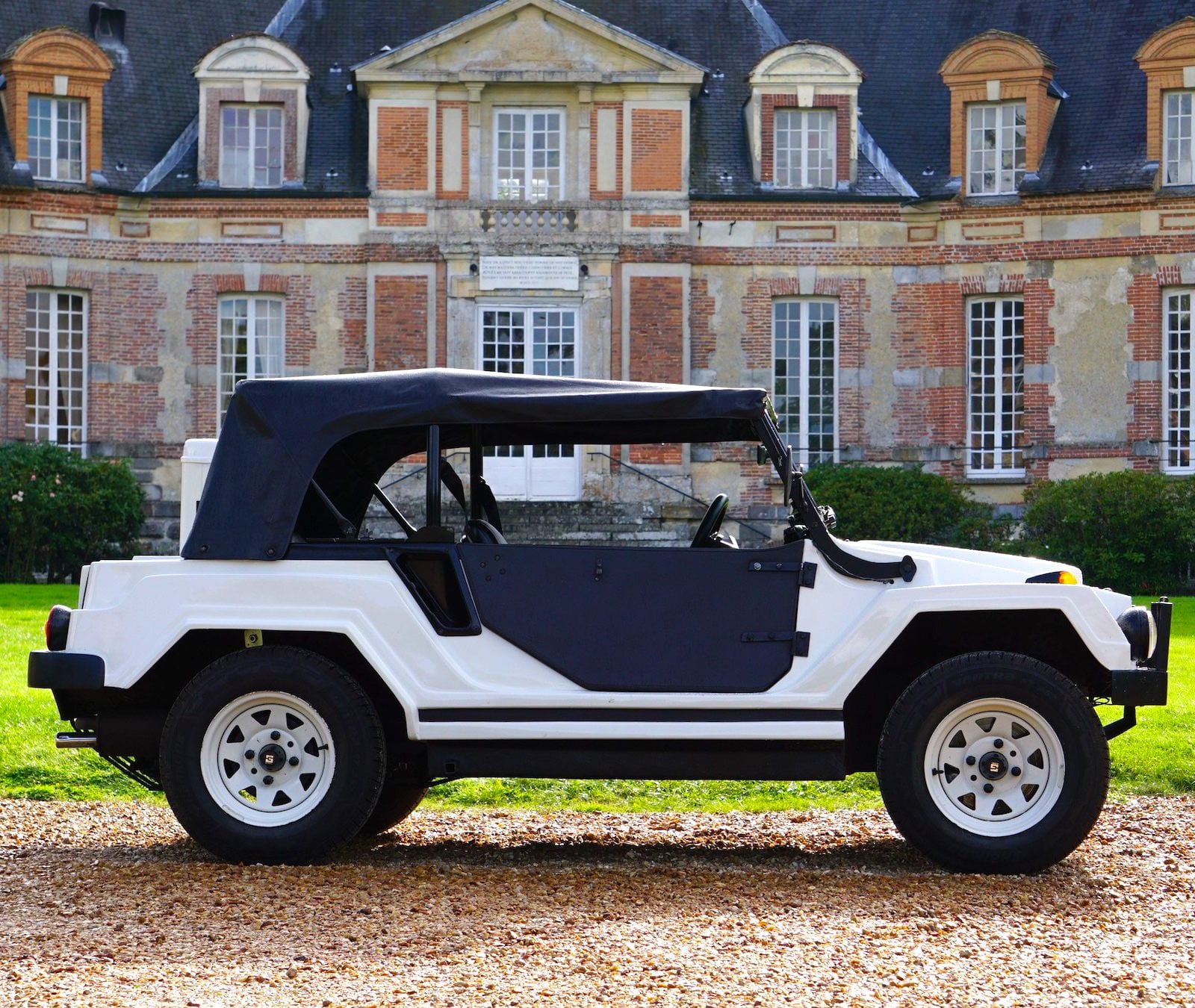
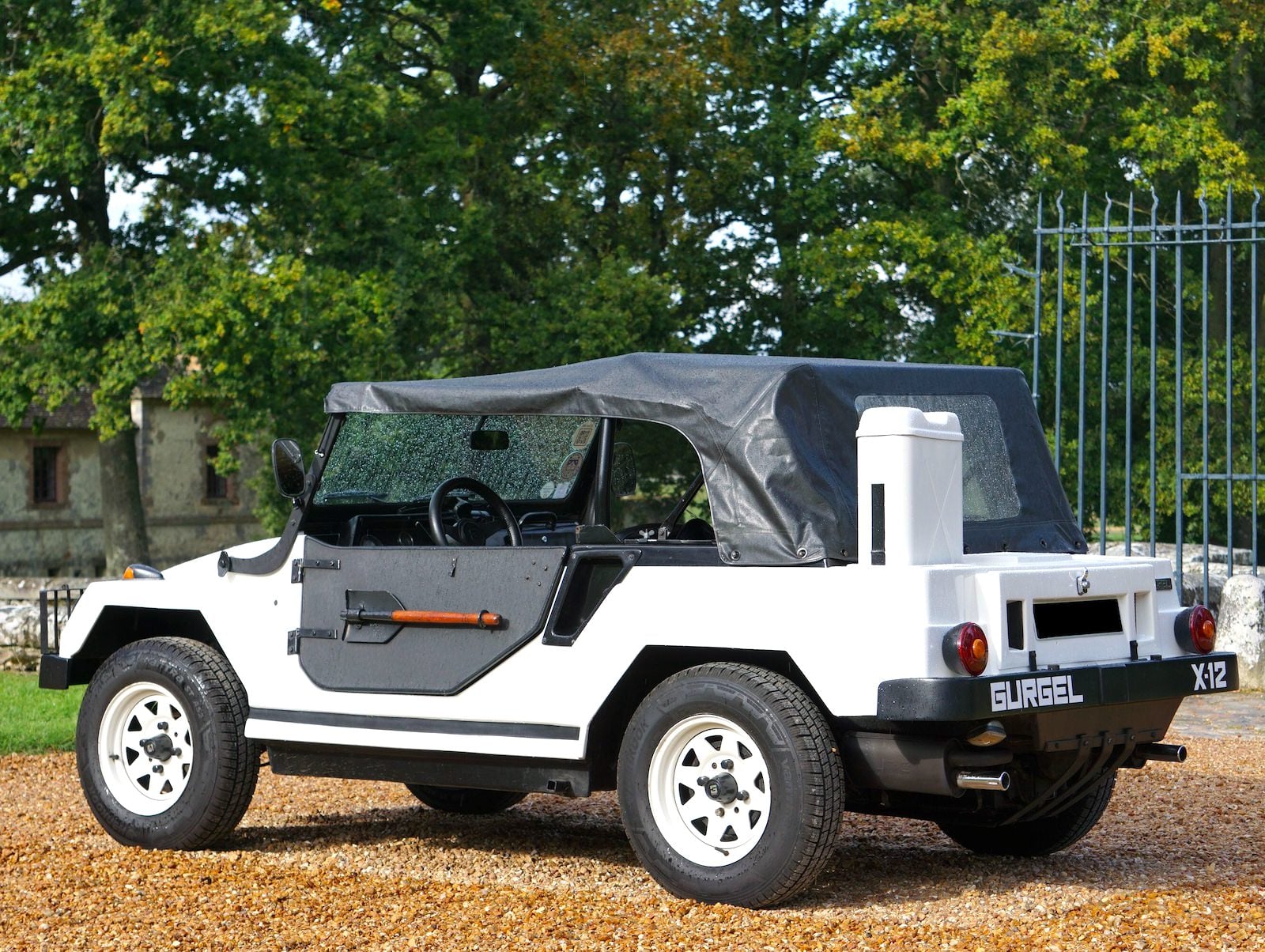
This is an original 1978 Gurgel Xavante X-12, it was imported from Brazil to France in 2023, where it was featured in the November 2023 issue of Auto Rétro magazine. It was then sold by Artcurial in 2025 to French photographer and filmmaker Mathieu César, who bought it for use around the South of France, where he keeps a boat.
As you would expect, the car is powered by a 1,600cc VW flat-four. Its mechanical running gear has received considerable attention in recent years, the engine, brakes, steering, and electrical systems have all been overhauled, while the battery and tires have been replaced.
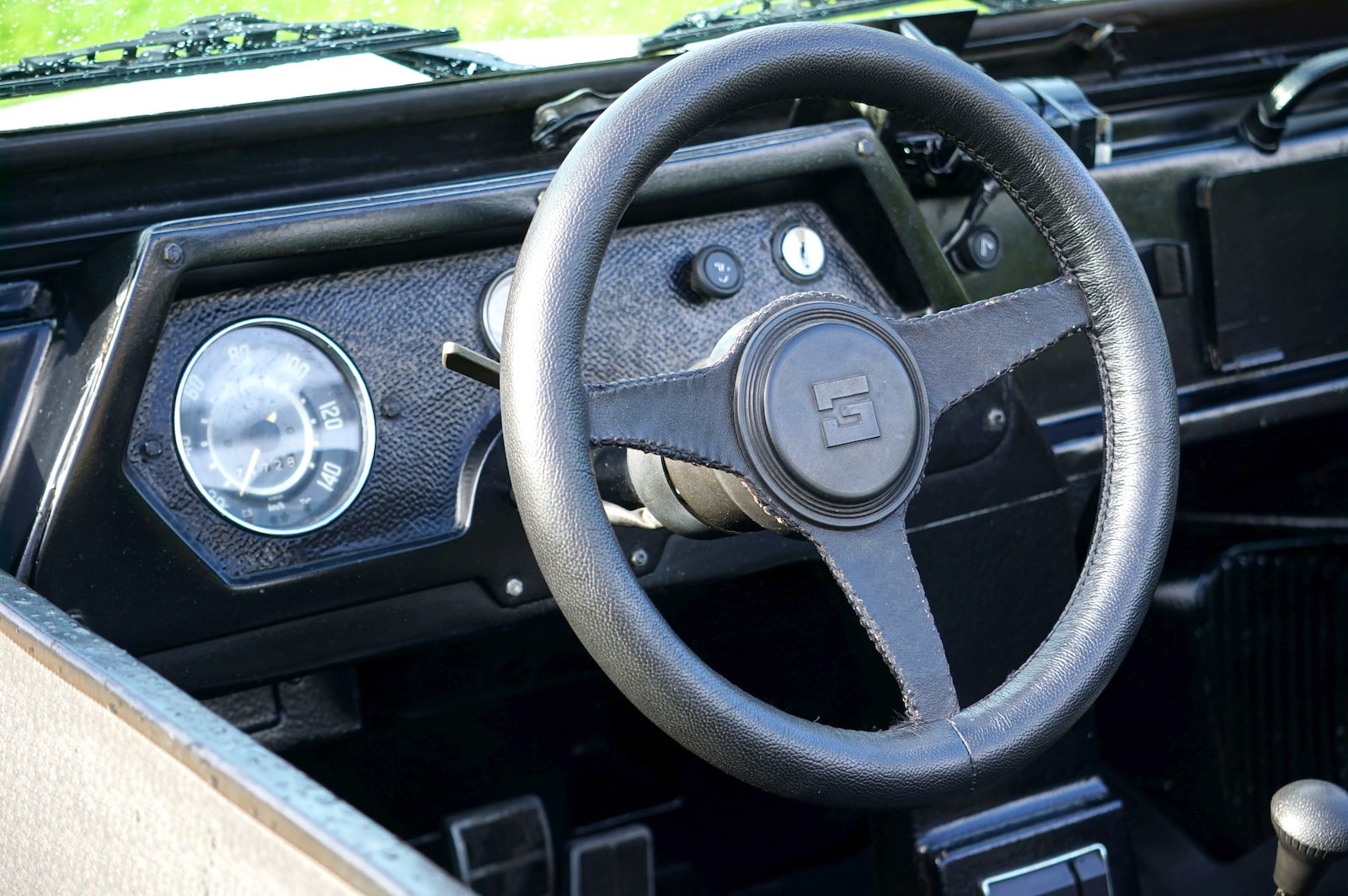
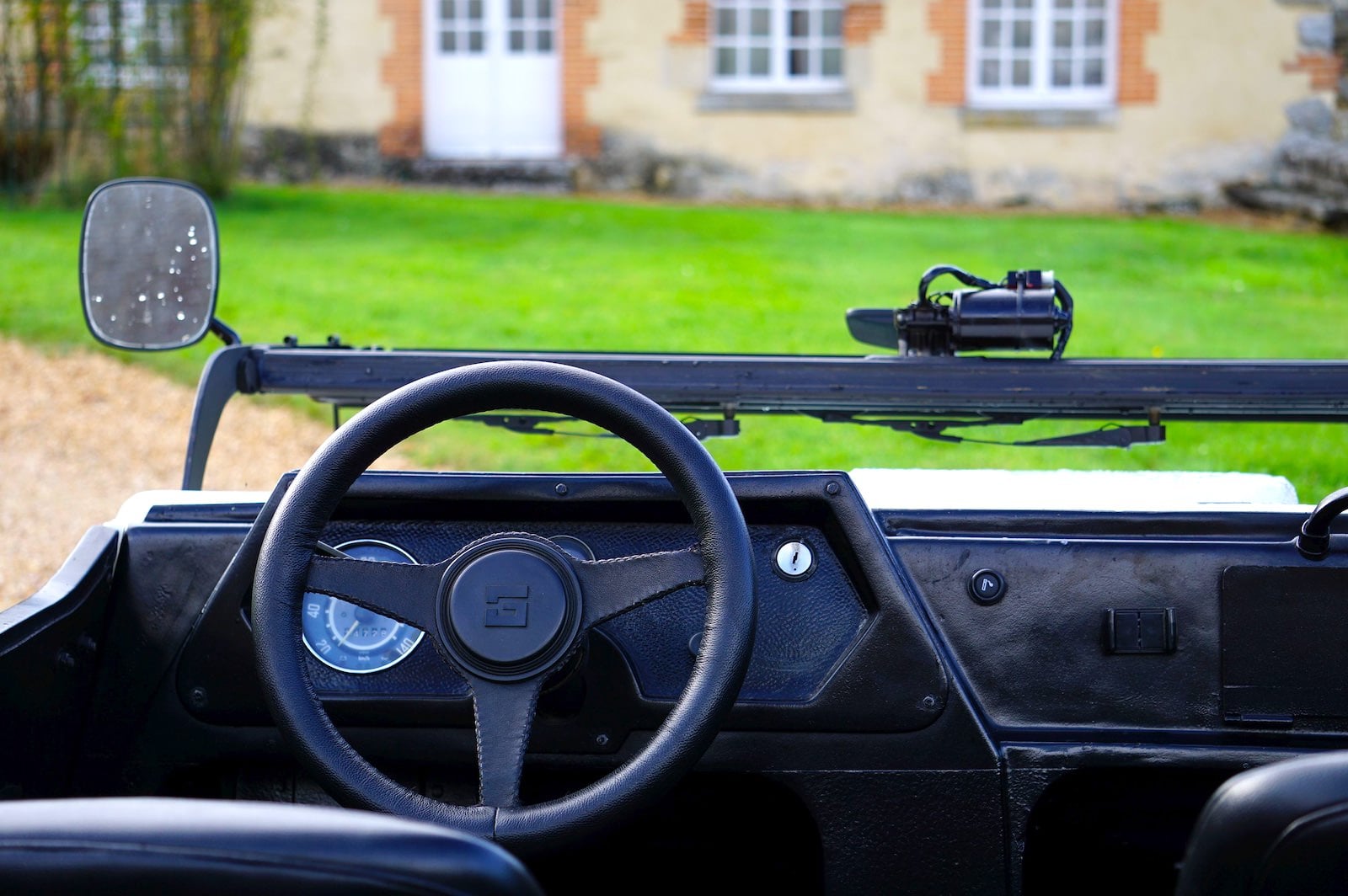
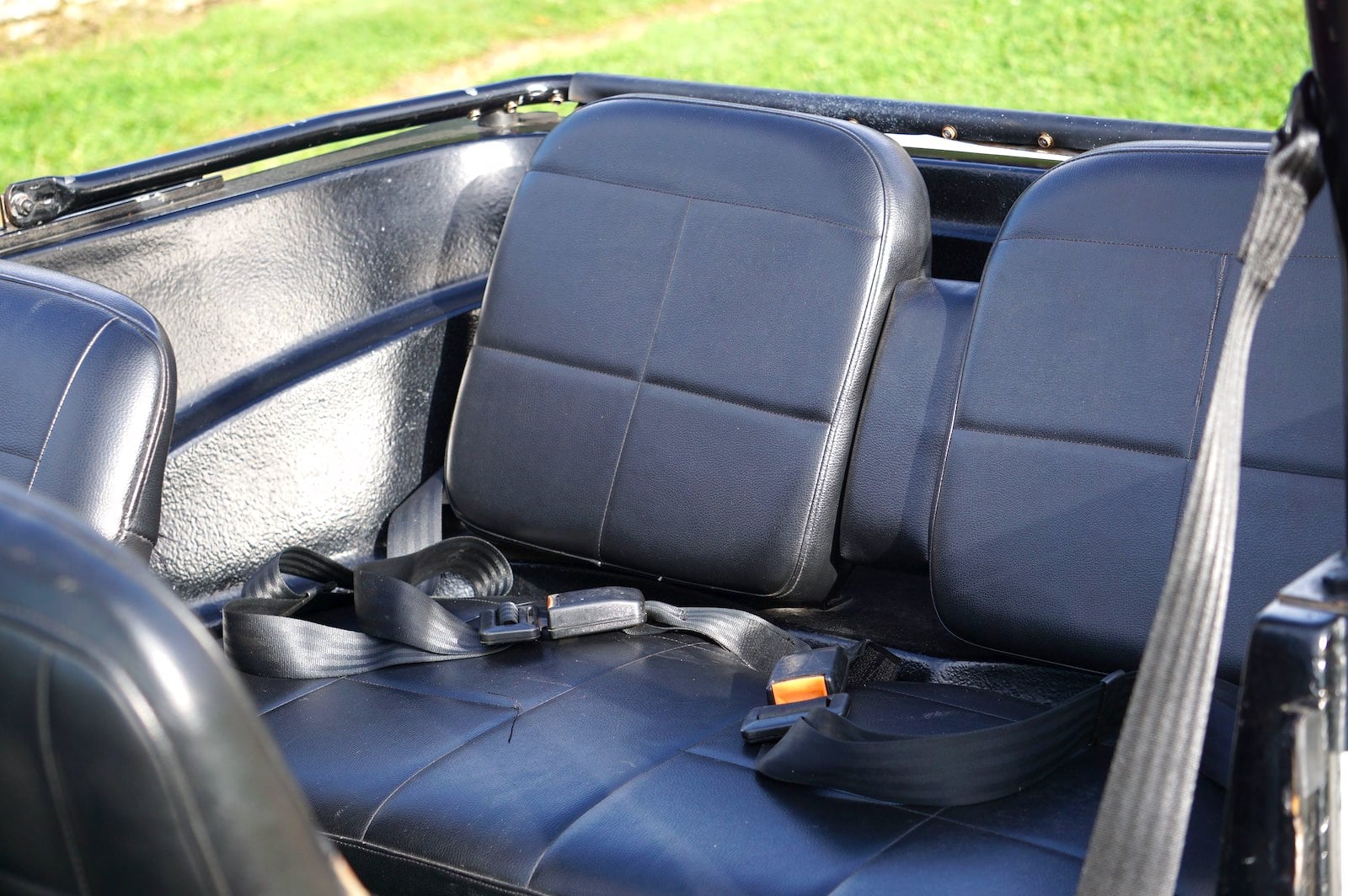
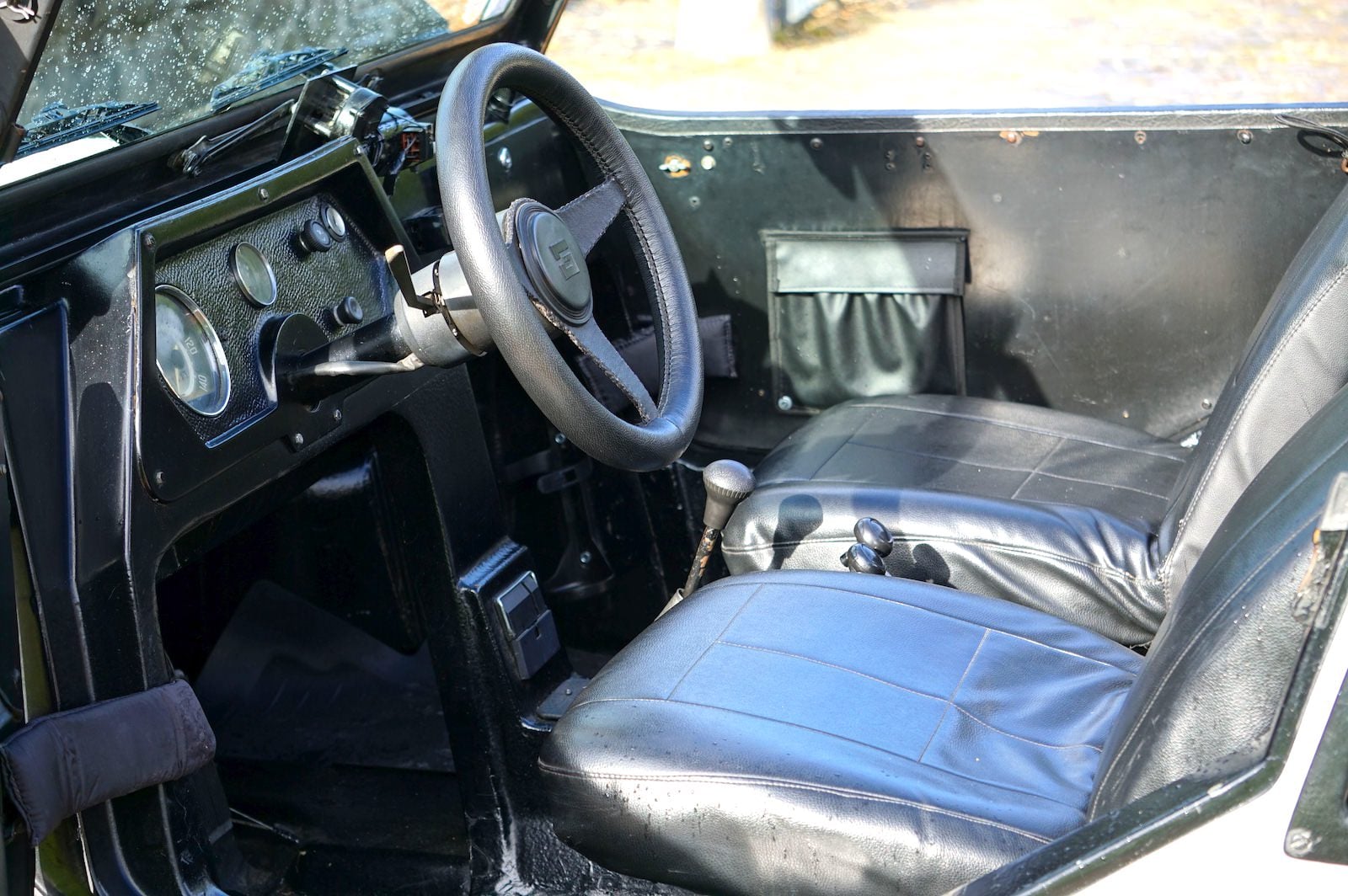
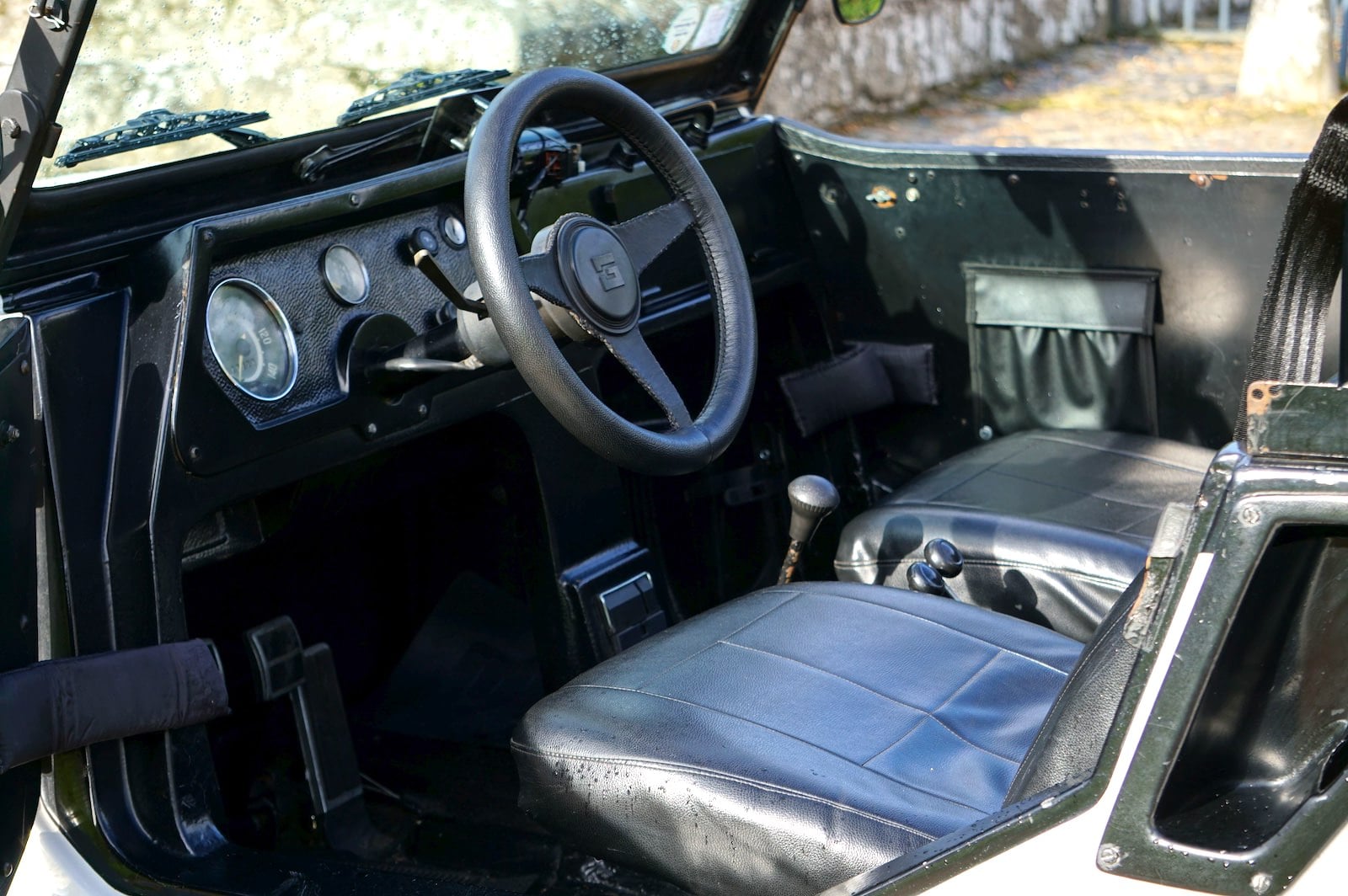
The chassis and underpinnings were recently inspected by YAB Expertise Automobile and found to be in sound condition. The paintwork, window alignment, and black vinyl upholstery are also reported to be in good condition, with invoices documenting recent mechanical work.
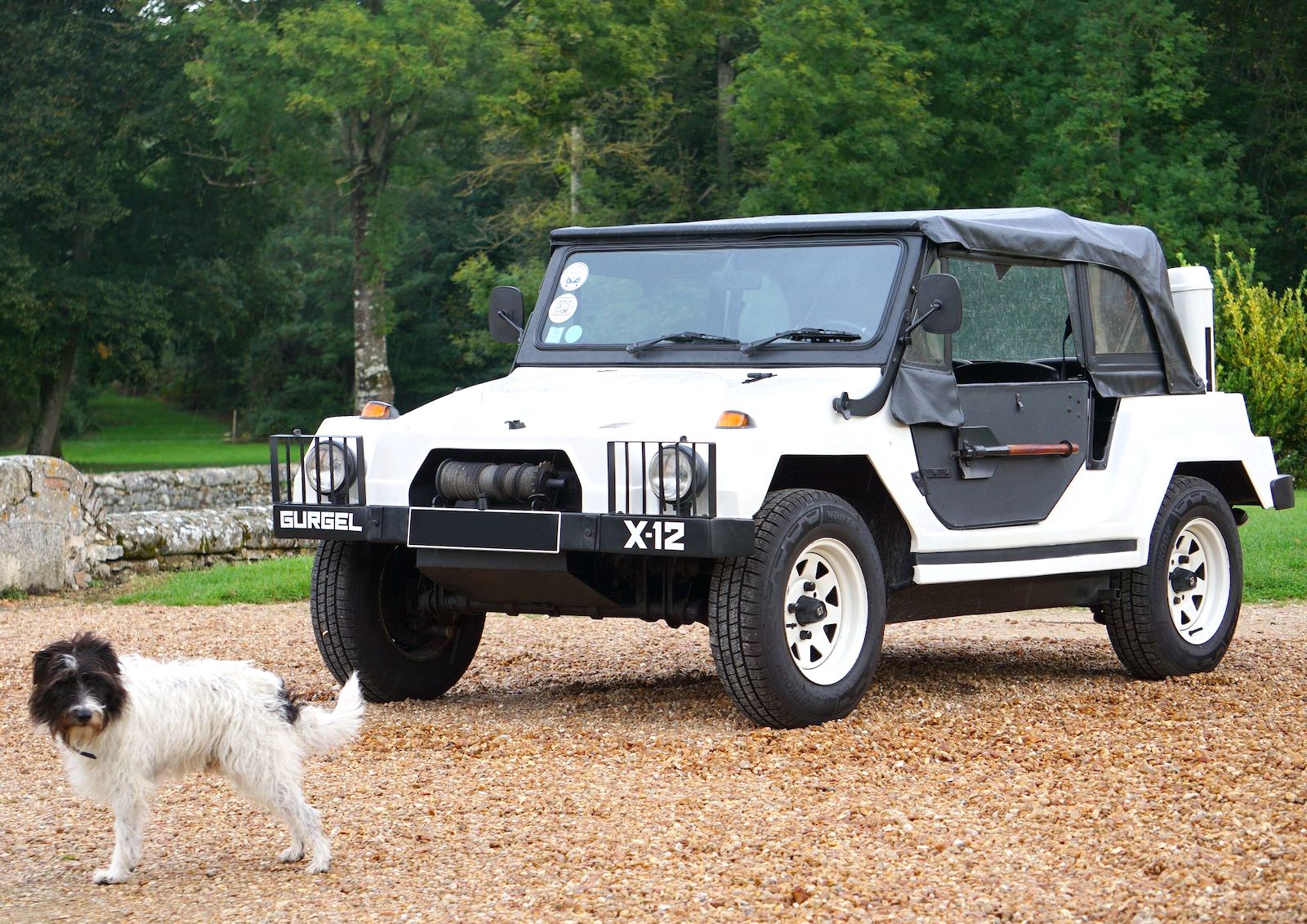
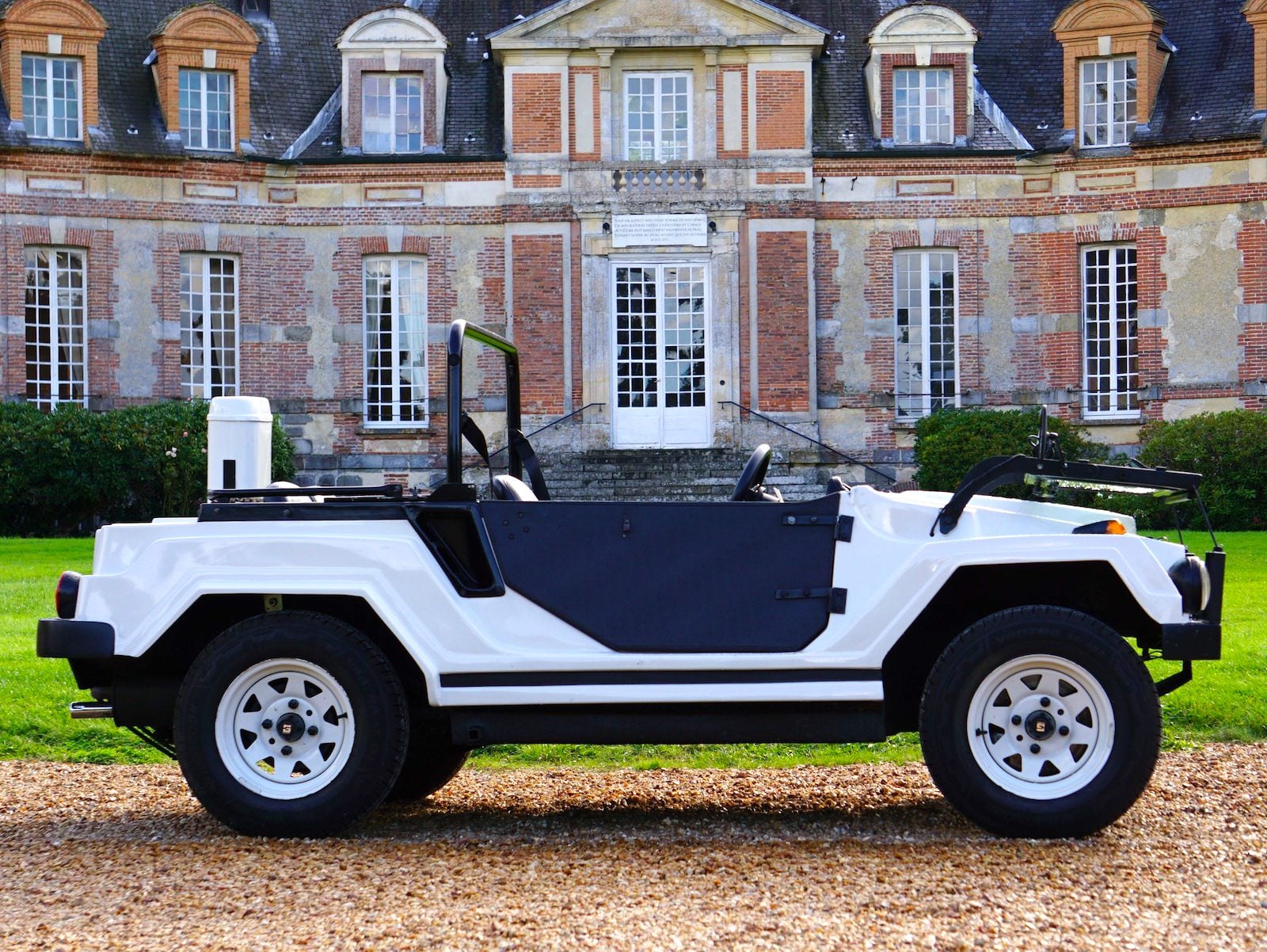
The Xavante X-12 was the Brazilian answer to popular cars like the Mini Moke, Meyers Manx, and the Volkswagen Thing. It was based on reliable VW mechanicals, making spares nice and easy to find, and it proved surprisingly capable off-road.
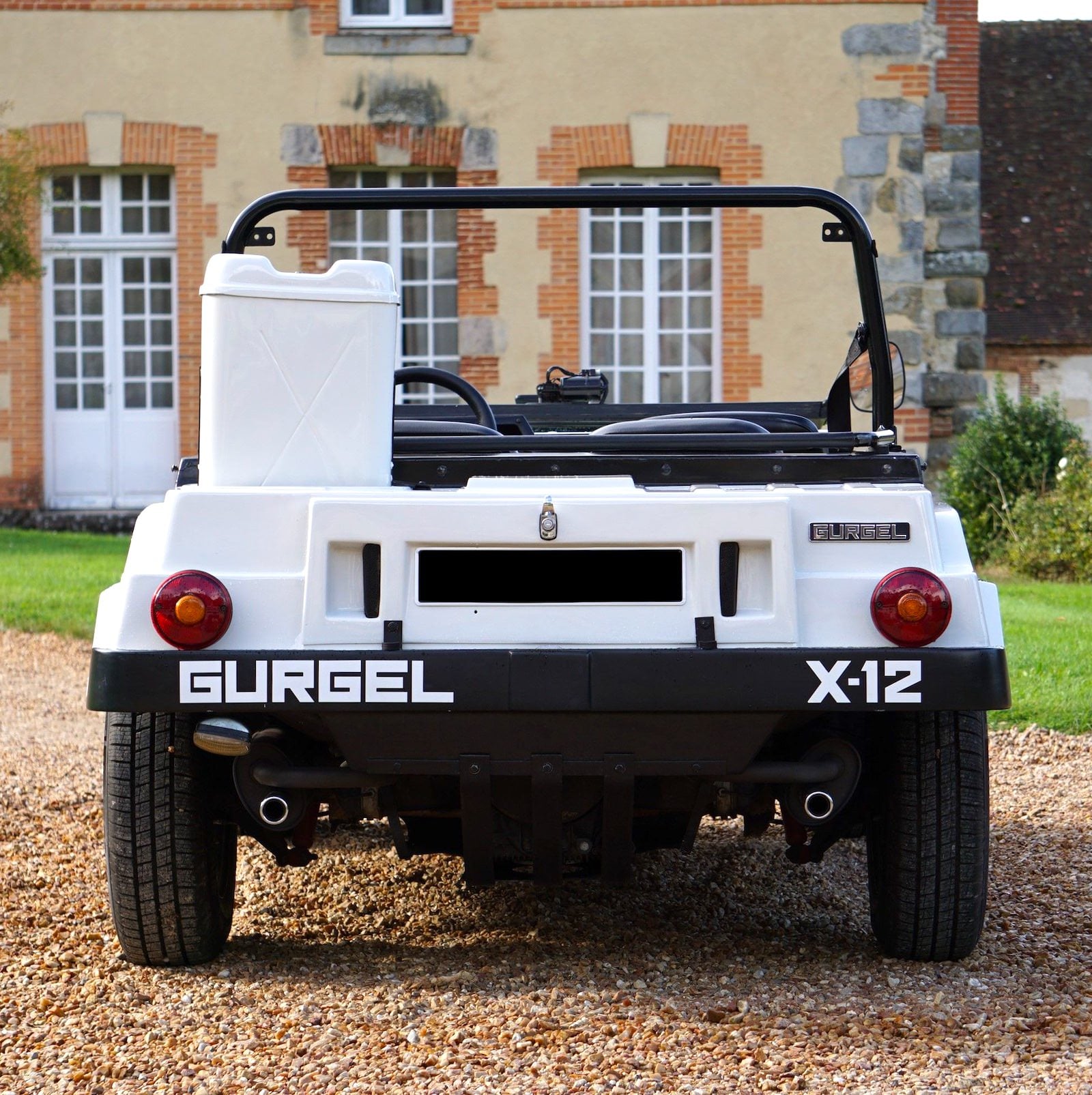
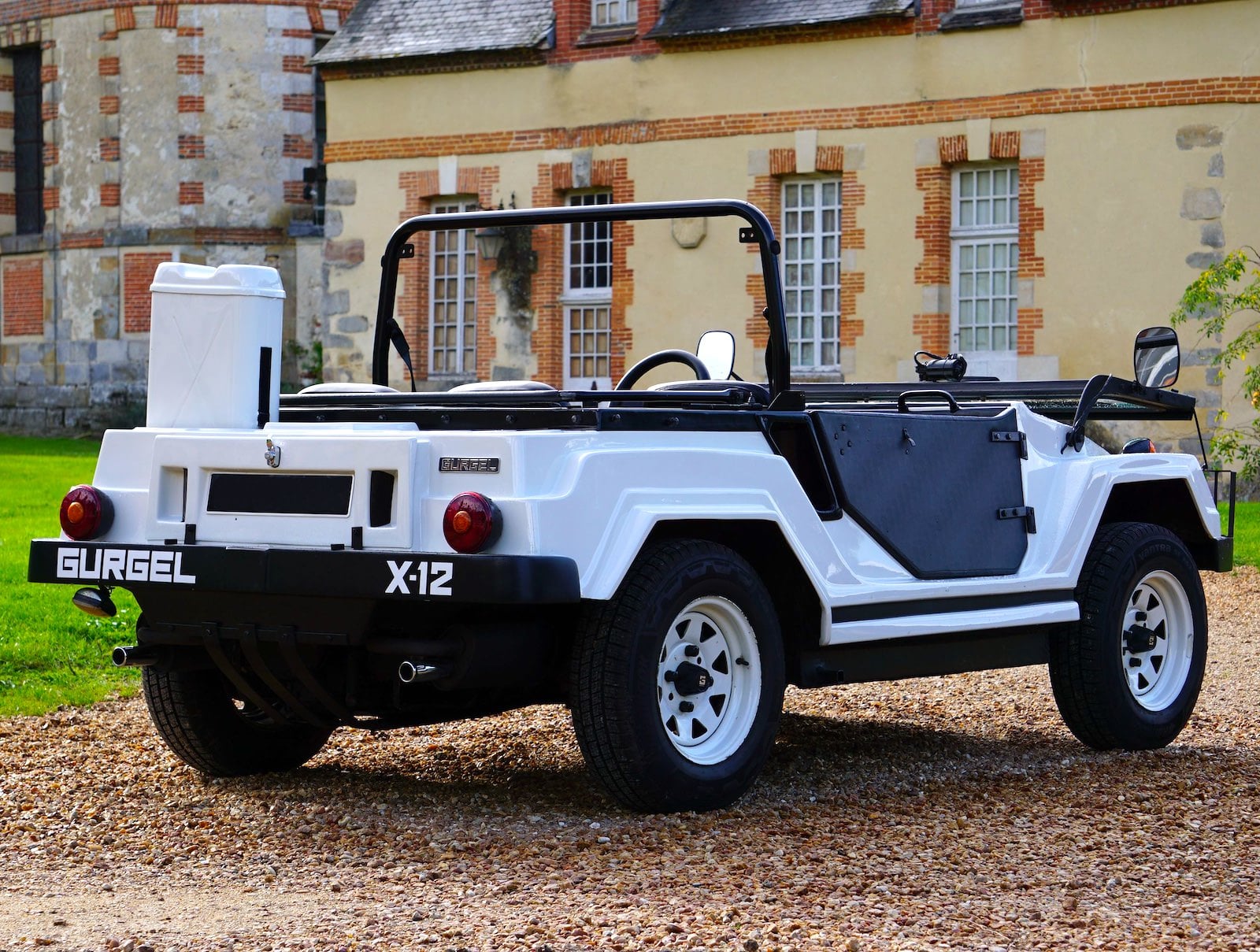
This example is equipped with front and rear sump guards, a manually operated winch on the front bumper, a sand shovel mounted to the driver’s door, and a 20 liter jerry can holder. Its five-seat cabin has removable doors, side windows, and a folding soft top, the windscreen can fold down, and a fixed roll bar provides additional protection.
It’s now being offered for sale without reserve, and it comes with a French title, maintenance invoices, and a protective cover. If you’d like to read more or register to bid you can visit the listing here.
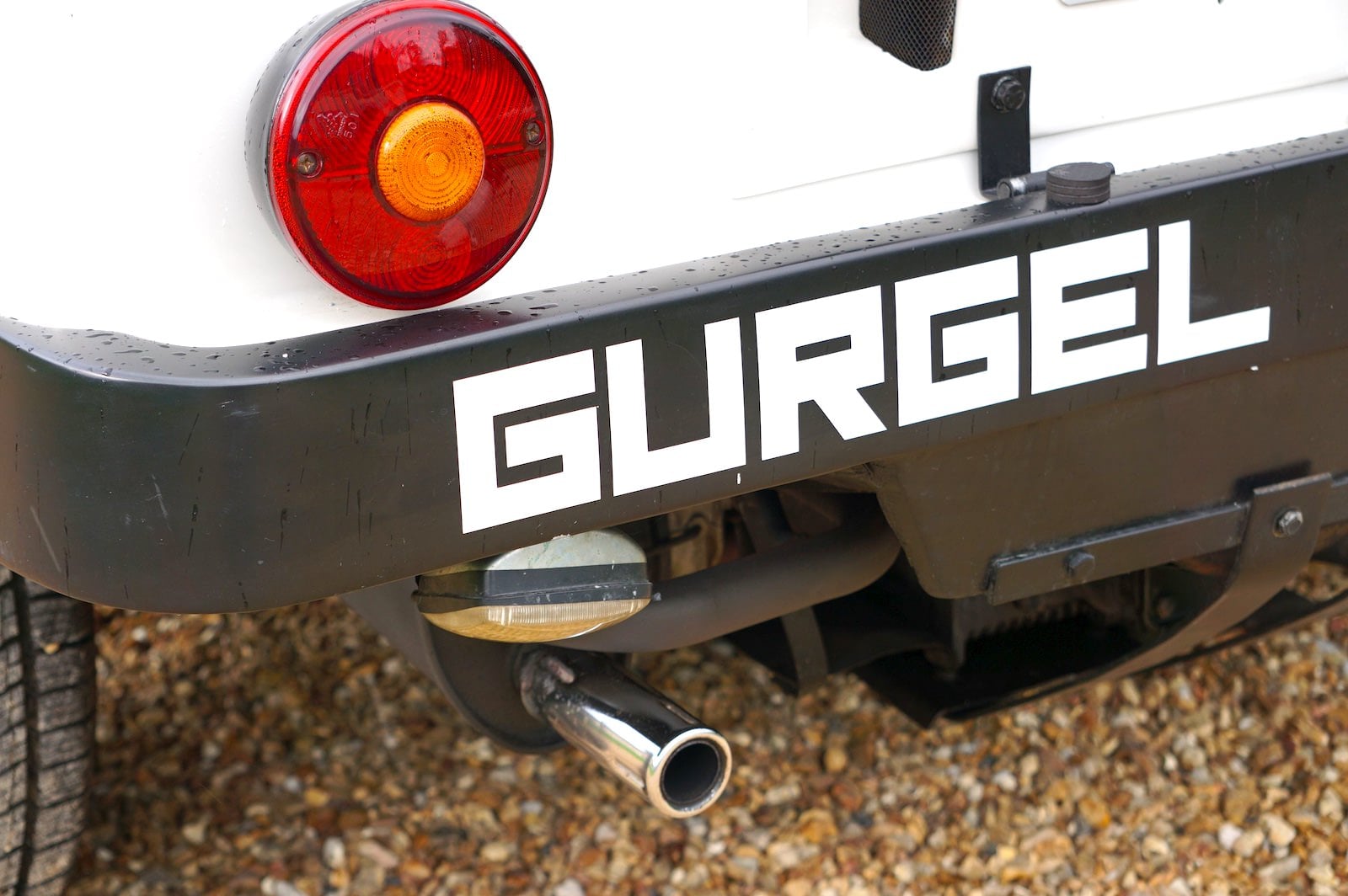
Images courtesy of Artcurial

Articles that Ben Branch has written have been covered on CNN, Popular Mechanics, Smithsonian Magazine, Road & Track Magazine, the official Pinterest blog, the official eBay Motors blog, BuzzFeed, Autoweek Magazine, Wired Magazine, Autoblog, Gear Patrol, Jalopnik, The Verge, and many more.
Silodrome was founded by Ben back in 2010, in the years since the site has grown to become a world leader in the alternative and vintage motoring sector, with well over a million monthly readers from around the world and many hundreds of thousands of followers on social media.