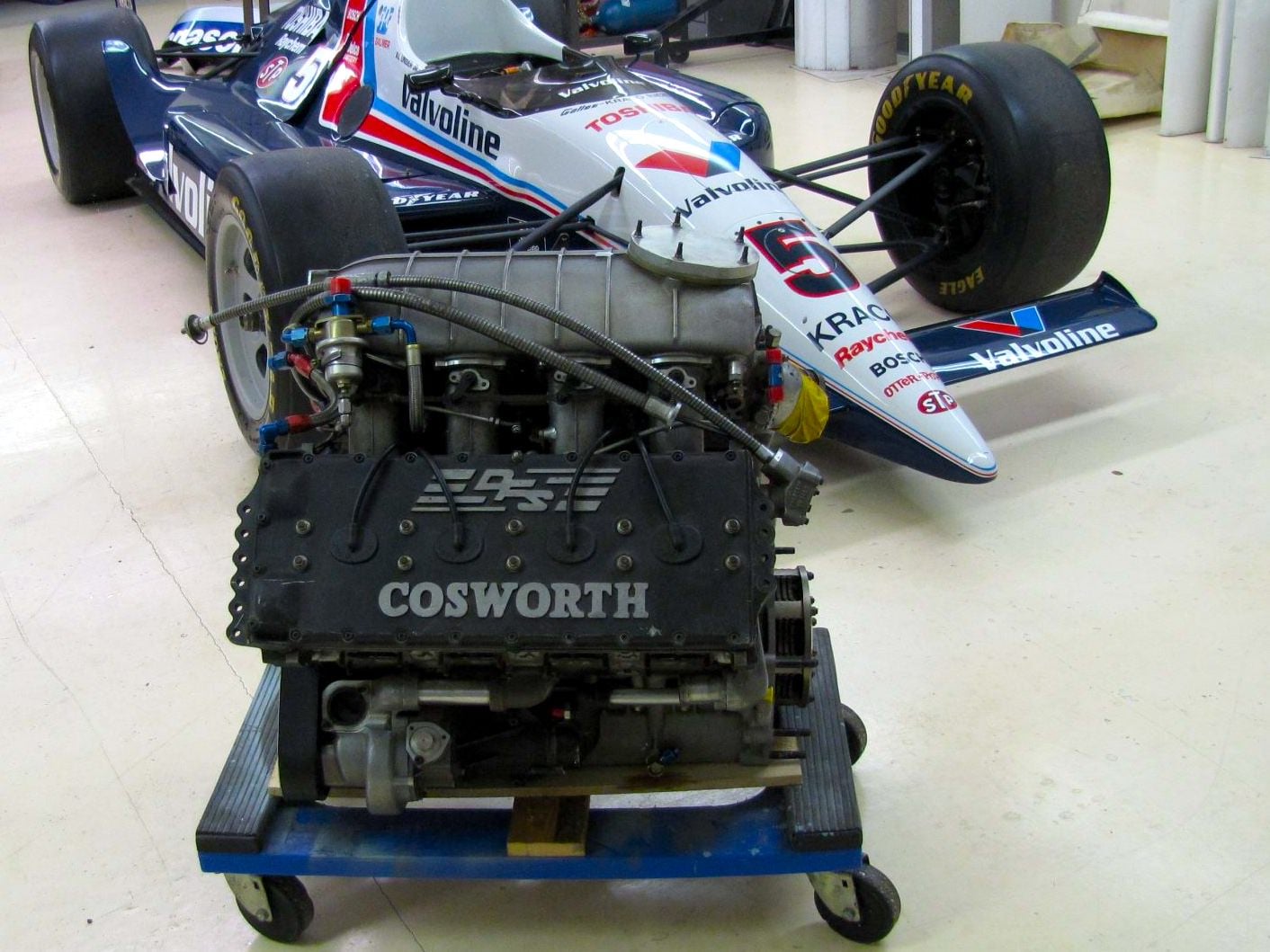
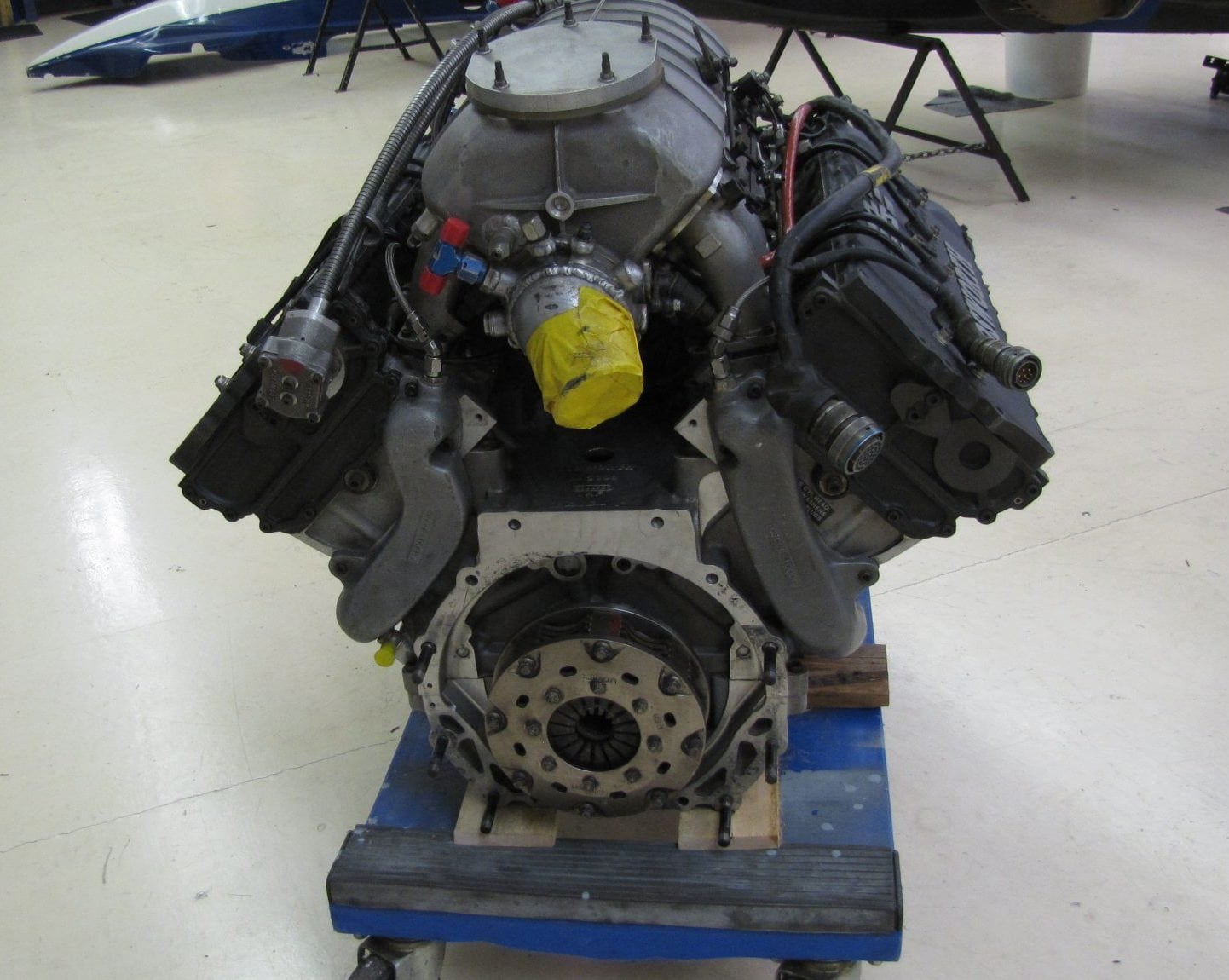
This is an original Ford-Cosworth DFS Indy V8 racing engine, it was closely based on the earlier Cosworth DFX engine, which in turn was based on the Cosworth DFV – the most successful racing engine in Formula 1 history.
It’s estimated that in full race tune, the Cosworth DFS was capable of somewhere in the region of 840 bhp – not bad numbers for a 2.65 liter V8 from the 1980s.
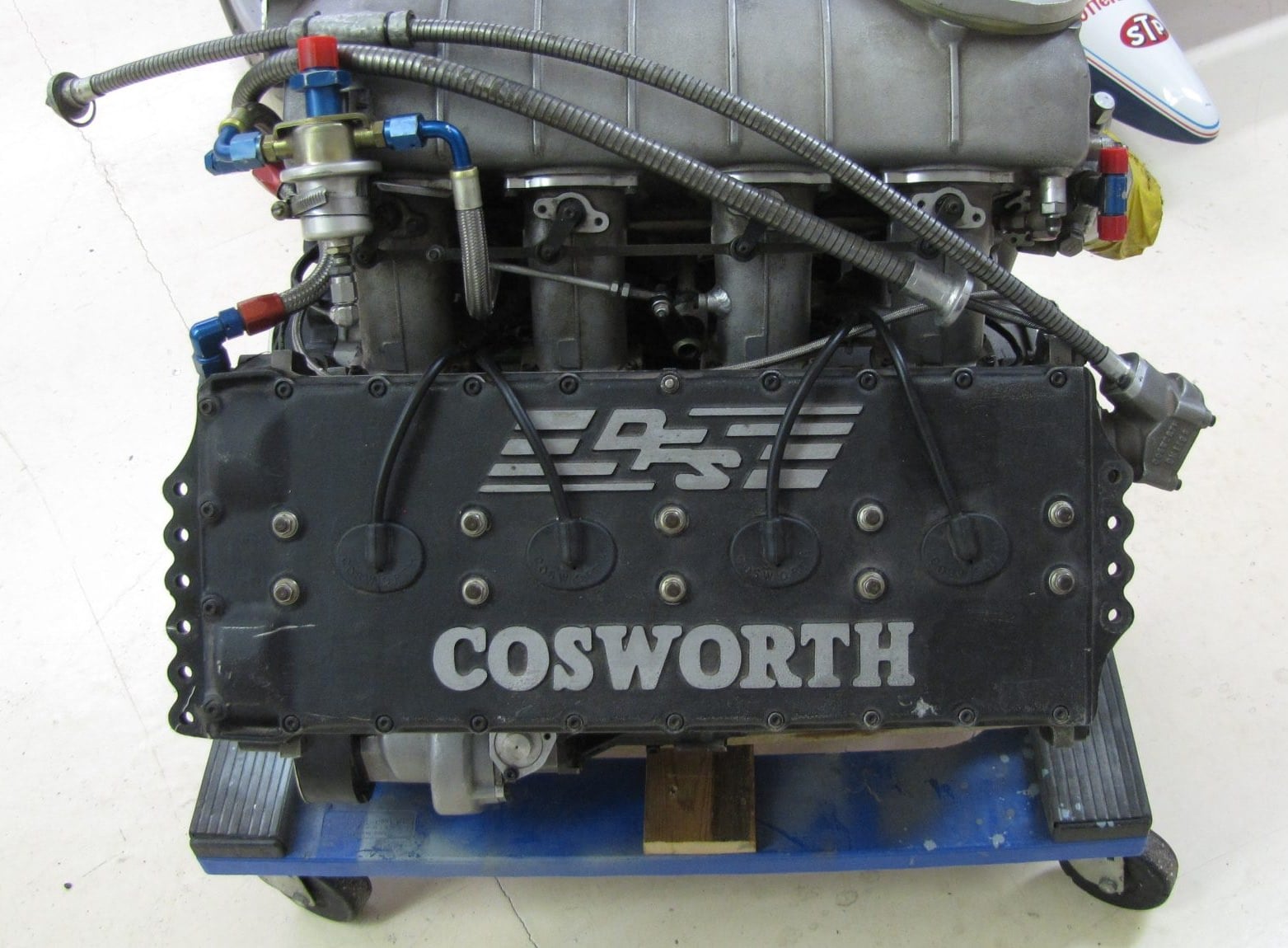
 This is an original Ford-Cosworth DFS Indy V8 racing engine, it was closely based on the earlier Cosworth DFX engine, which in turn was based on the Cosworth DFV – the most successful racing engine in Formula 1 history.
History Speedrun: The Ford-Cosworth DFS V8
The Ford-Cosworth DFS holds a bit of an unusual distinction in American open-wheel racing history – it was the last evolution of one of the most dominant engine families the sport has ever seen, and yet it managed only a single race victory across its entire competitive life.
Introduced in 1989, the DFS was a last-ditch effort to reclaim ground that had been lost to a formidable new rival, but it arrived just a little too late to turn the tide.
The DFS is a direct descendant of the legendary Ford-Cosworth DFV engine, the 3.0 liter naturally-aspirated Formula 1 V8 designed by Keith Duckworth at Cosworth and funded by Ford for Colin Chapman’s Lotus 49 F1 car in 1967. That engine amassed no less than 155 Grand Prix victories between 1967 and 1983.
In 1976, the Vels Parnelli Jones team privately developed a turbocharged, 2.65 liter derivative of the DFV for USAC Indy car competition, and after its maiden victory at the Pocono 500 that year with Al Unser at the wheel, Cosworth took over development and marketing, having seen the modified engine’s potential.
This engine became known as the DFX, and it proceeded to utterly dominate the sport, winning the Indianapolis 500 10 consecutive years from 1978 to 1987, powering 81 consecutive Indy car victories from 1981 to 1986, and winning all but one USAC and CART championship between 1977 and 1987. This was dominance the likes of which the sport had never seen.
This engine supremacy caught the attention of General Motors, who in 1986 financed the British firm Ilmor to build a purpose-designed competitor to the DFX. Mario Illien’s Ilmor-Chevrolet Indy V8 quickly seized the upper hand, and Ford commissioned Cosworth to fight back and reclaim the mantle. The result was the DFS (the “S” standing for “short stroke”) introduced for the 1989 CART season.
The new DFS engine incorporated some improvements from the Cosworth DFR, the substantially reworked F1 engine introduced with Benetton in 1988, along with Nikasil aluminum cylinder liners first adopted on the DFY F1 variant in 1983. Like its DFX predecessor, the DFS was a turbocharged, 2.65 liter (161.7 cubic inch), 90º V8 with double overhead cams, four valves per cylinder, and methanol fueling, but with a revised bore-to-stroke ratio intended to permit higher engine speeds and improved power delivery to chase down the Ilmor.
Above Video: This is the full race coverage of the 1989 Meadowlands Grand Prix held in East Rutherford, New Jersey. This would be the sole race victory for the Ford-Cosworth DFS Indy V8.
Two teams ran the DFS in its debut season – Kraco Racing with Bobby Rahal and Dick Simon Racing with Arie Luyendyk. At the 1989 Indianapolis 500, Rahal qualified 7th but retired after just 58 laps with a dropped valve. The engine’s single competitive highlight came at the 1989 Meadowlands Grand Prix in East Rutherford, New Jersey, where Rahal held off points leader Emerson Fittipaldi for the victory in a race halted five laps early due to heavy rain (see the race in full above).
That win was the 153rd and final race victory for the combined DFX/DFS engine family in Indy car competition.
The DFS powered Kraco Racing merged with Galles Racing at the end of 1989 and switched to Chevrolet power. In 1990, factory development continued with Scott Brayton and Dominic Dobson, but neither driver scored a win.
Smaller teams including Dale Coyne Racing ran the DFS through 1991 and 1992, but no further victories materialized. The engine was retired following the introduction of the Ford-Cosworth XB in 1992, this was a clean-sheet design that launched the X-series of Indy engines and was a full departure from the DFV-derived engine architecture.
Exact power output figures for the DFS are not documented in the public record, well, not anywhere I could find them. The DFX was producing over 840 bhp by the end of its development life, and the DFS would have been operating in a similar range given its shared displacement and turbocharging arrangement, but no trustworthy figure has been published for the DFS.
Ultimately the DFS was a transitional engine, essentially a bridge between the legendary DFX that had dominated American open-wheel racing for over a decade and the purpose-built X-series that would carry the Ford-Cosworth name into the 1990s and beyond.
The Ford-Cosworth DFS Indy V8 Engine Shown Here
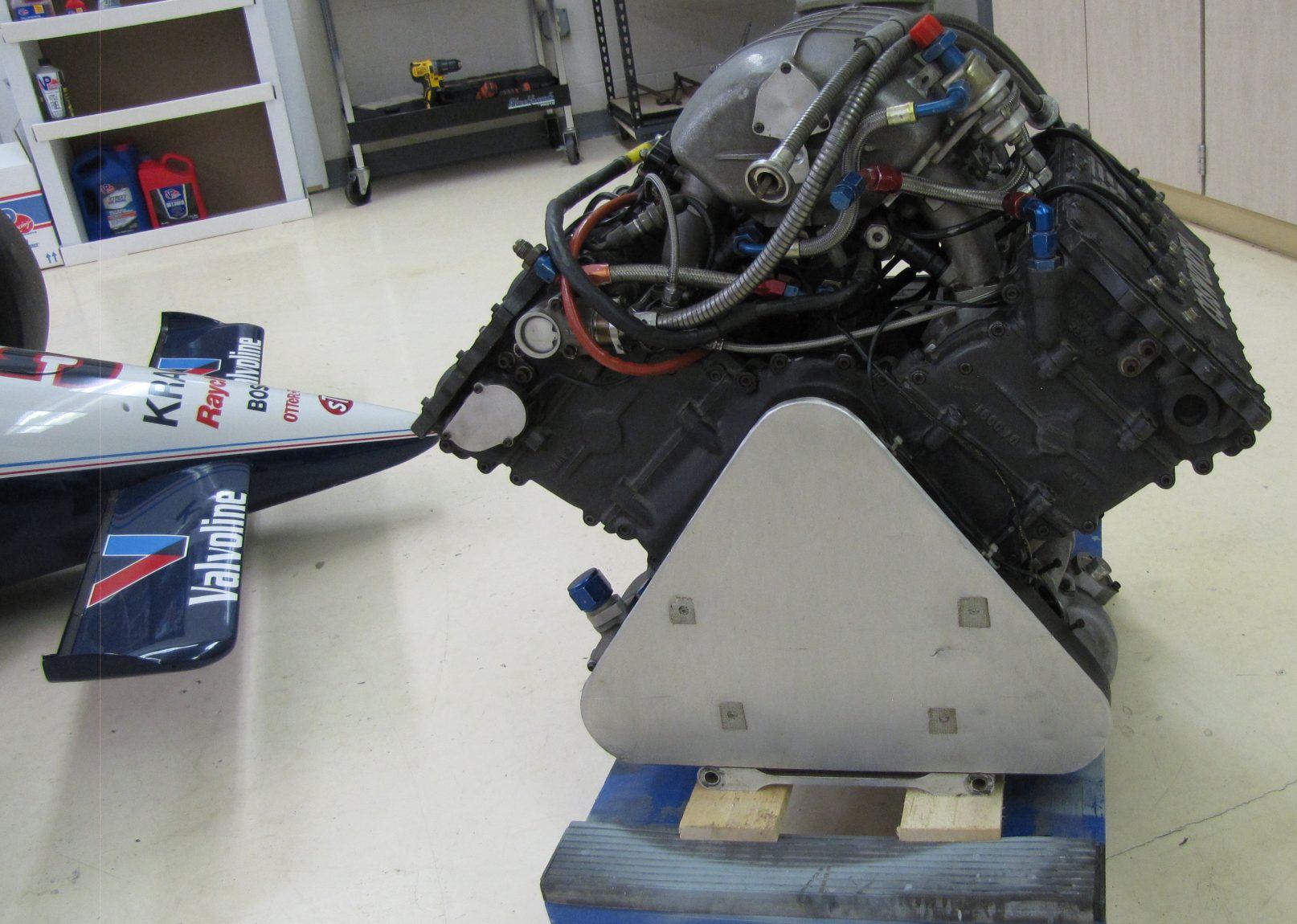
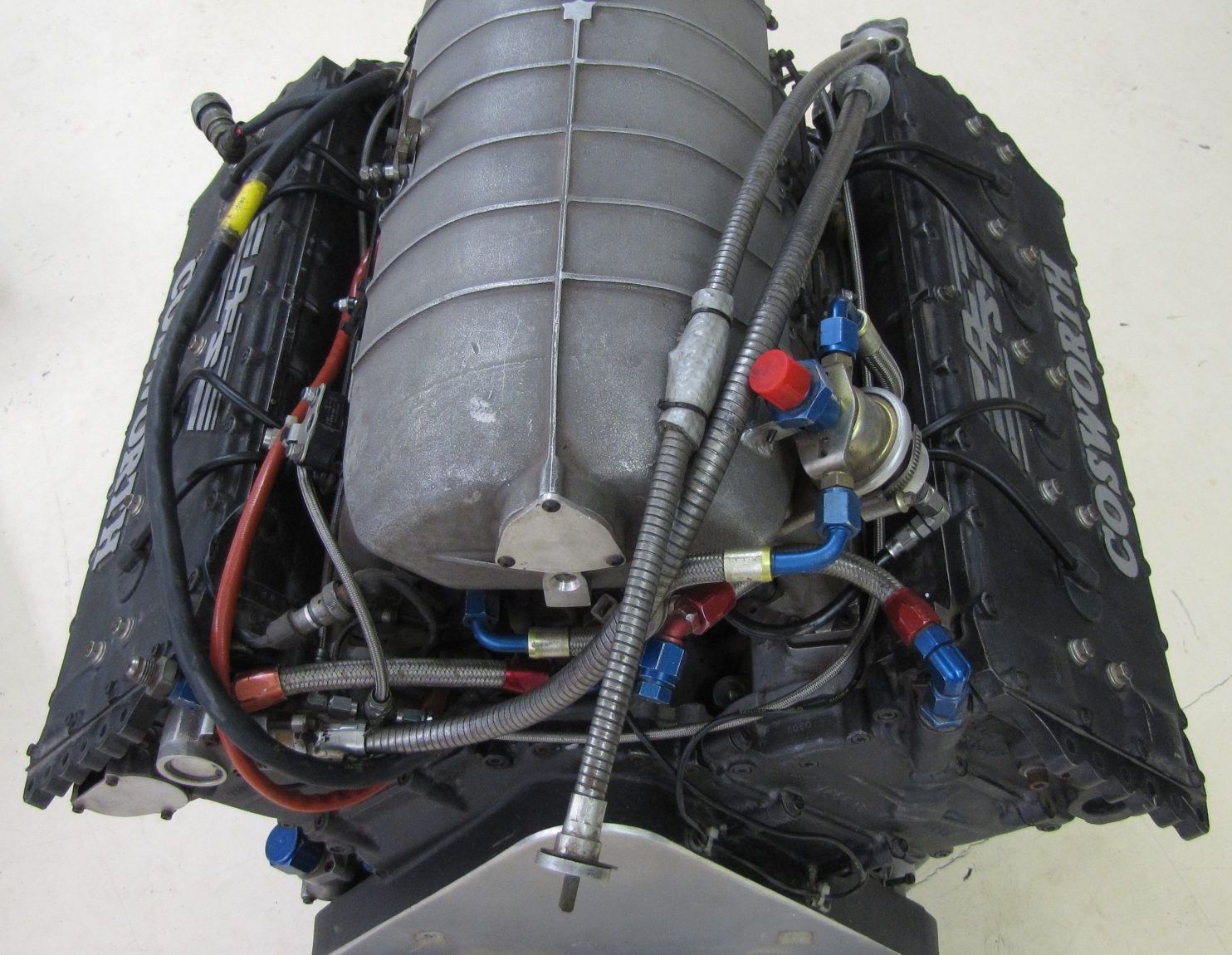
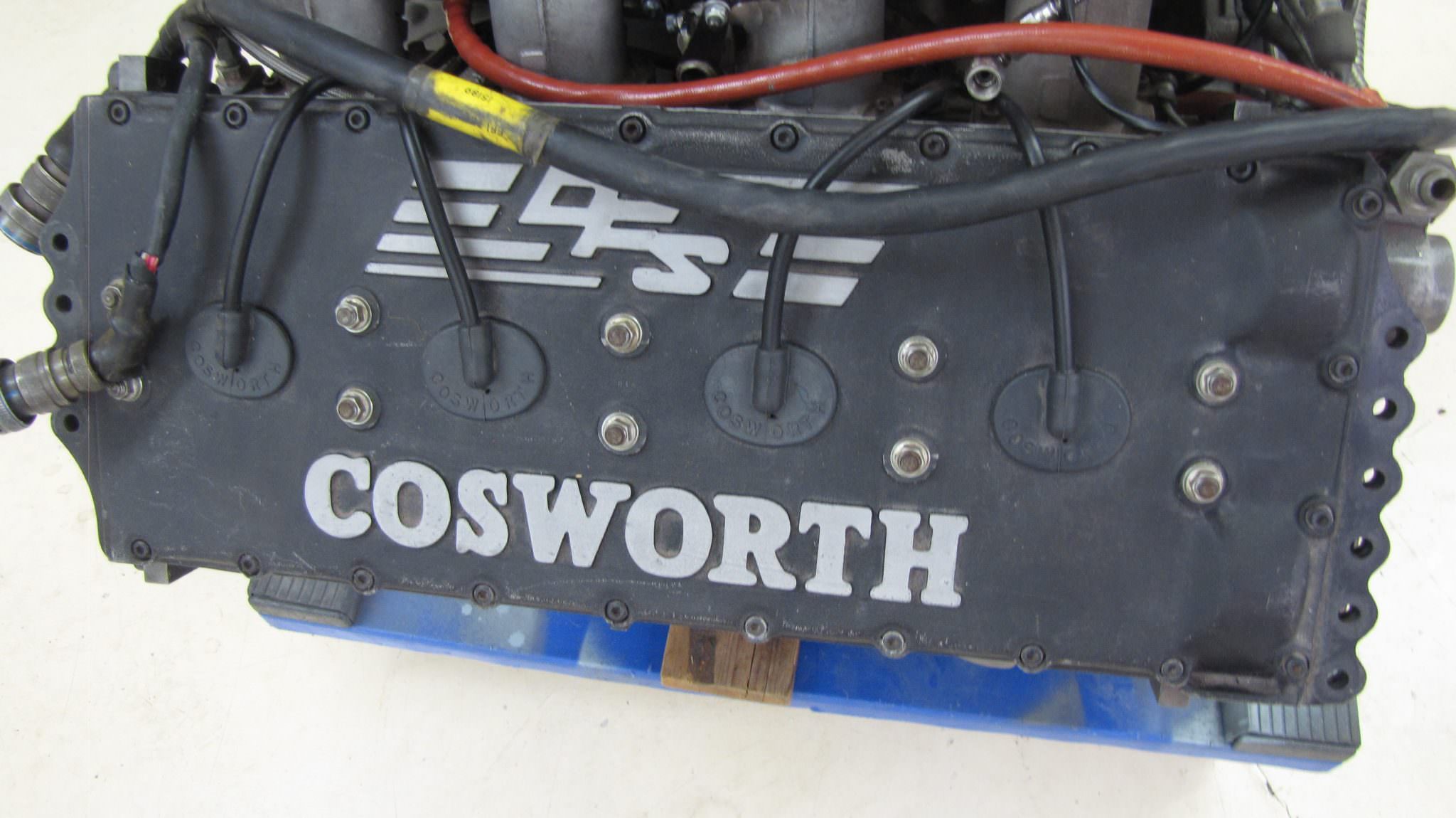
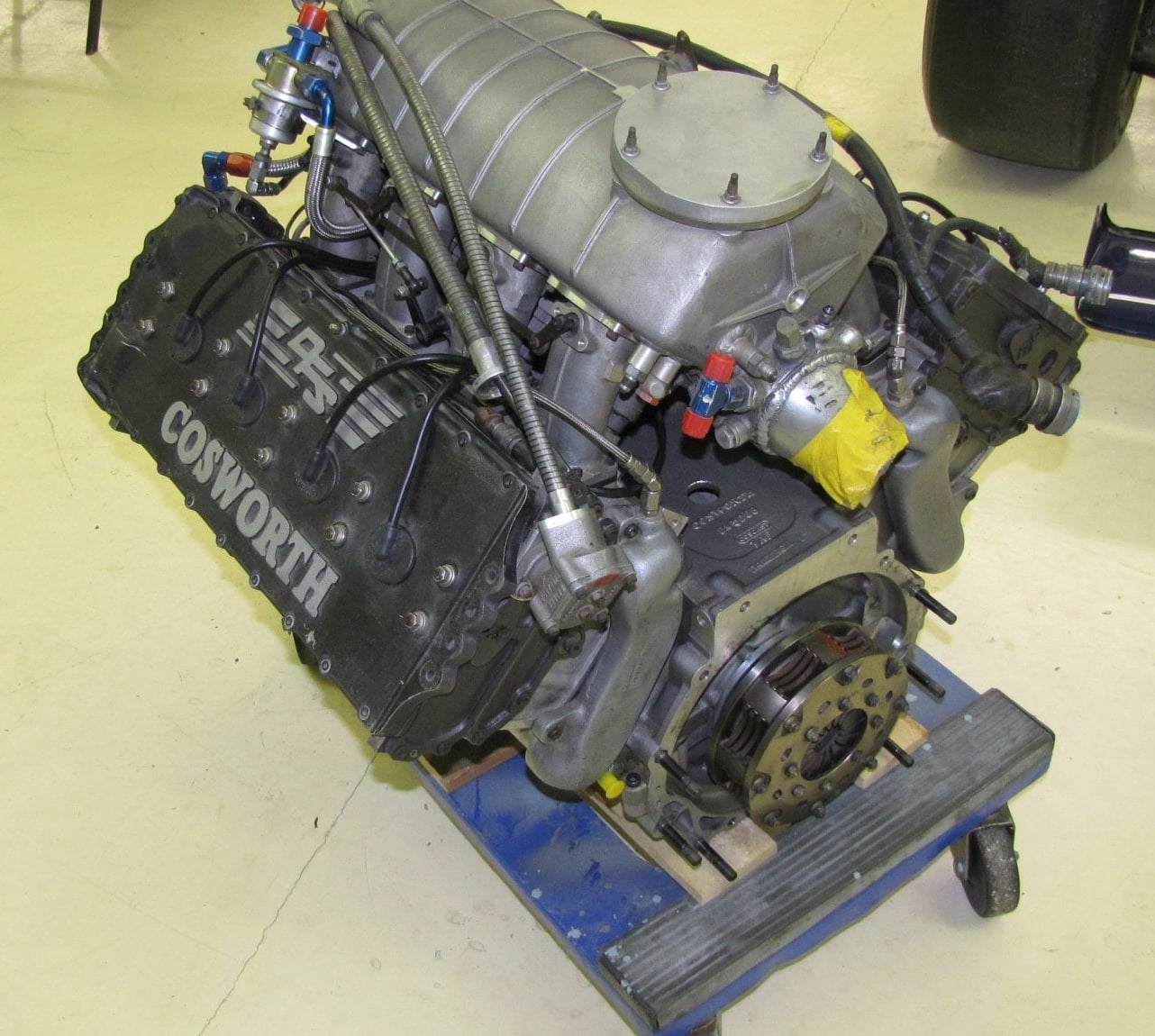
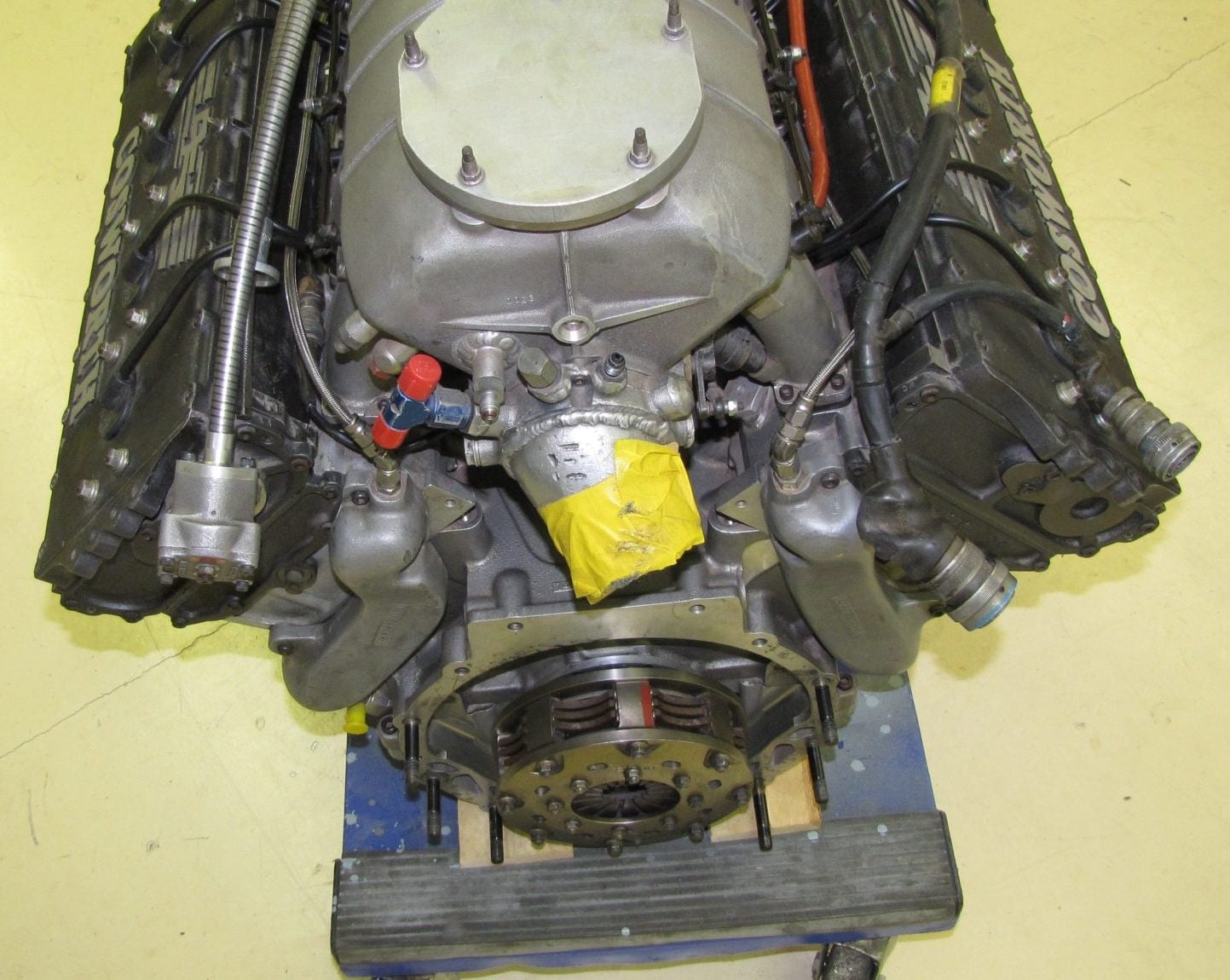
This is an original Ford-Cosworth DFS, a 2.65 liter, short-stroke V8 originally developed by Cosworth for IndyCar competition. The engine has an aluminum-alloy block and cylinder head, double overhead cams, and 32 valves across eight cylinders.
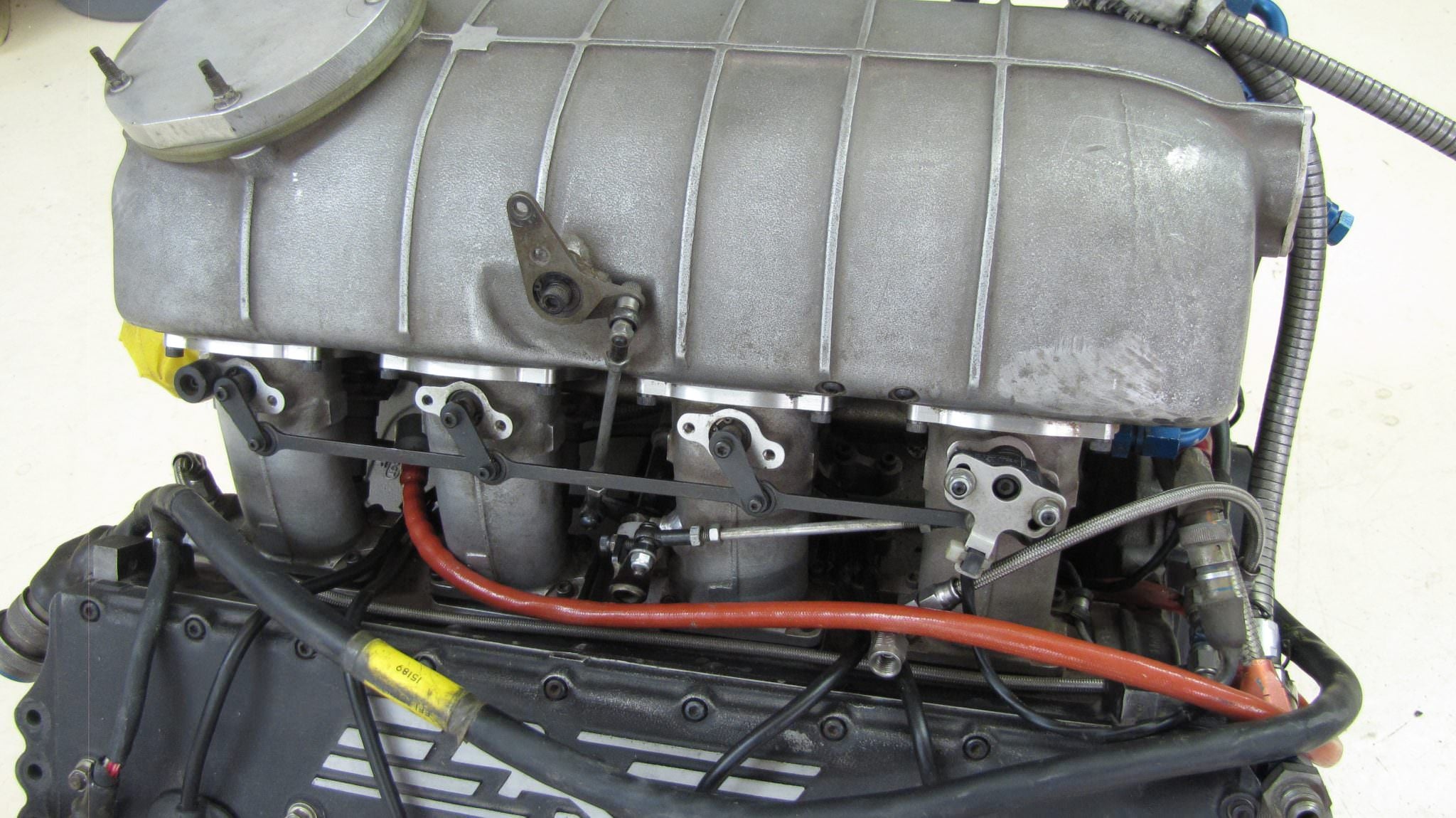
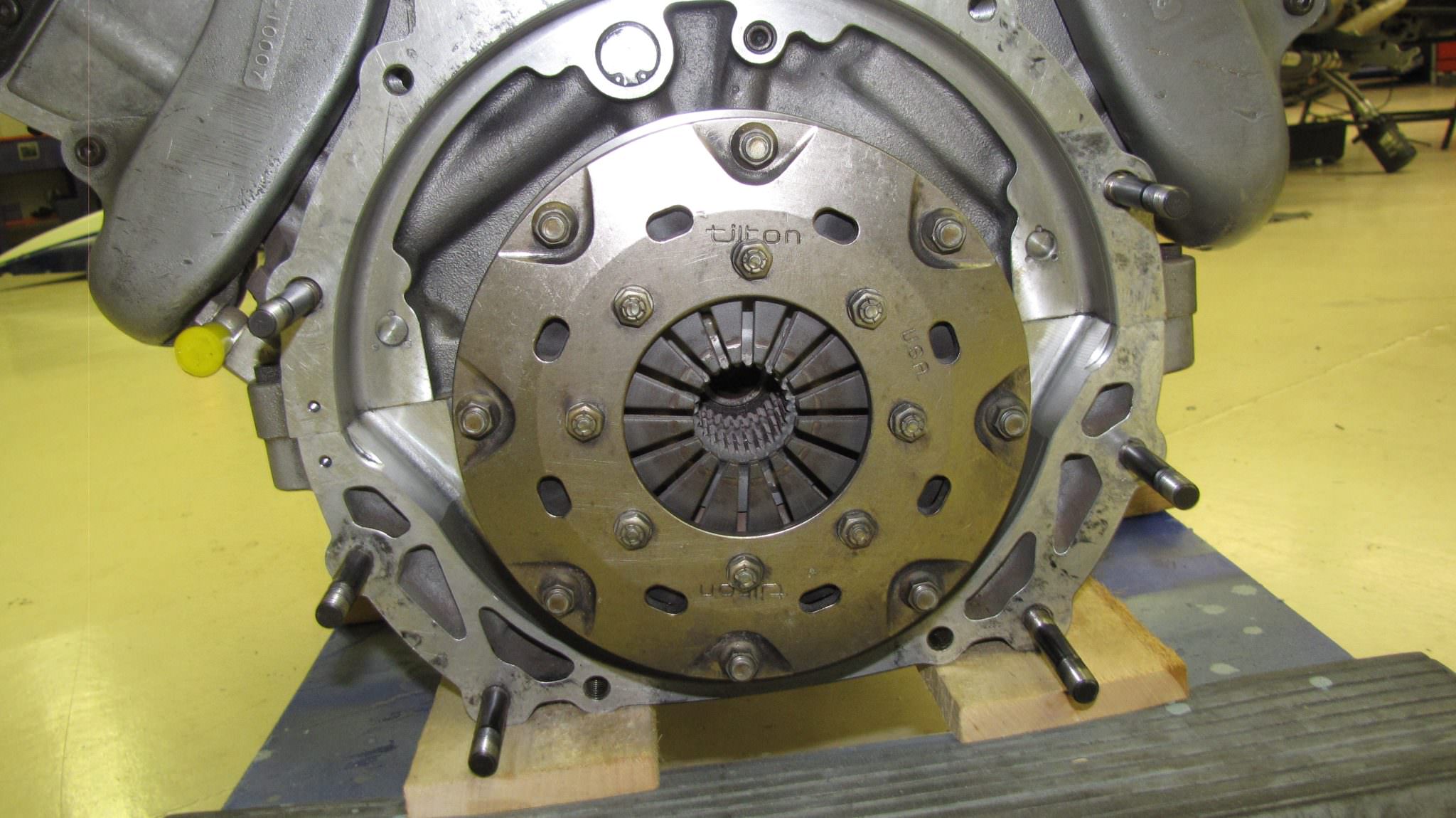
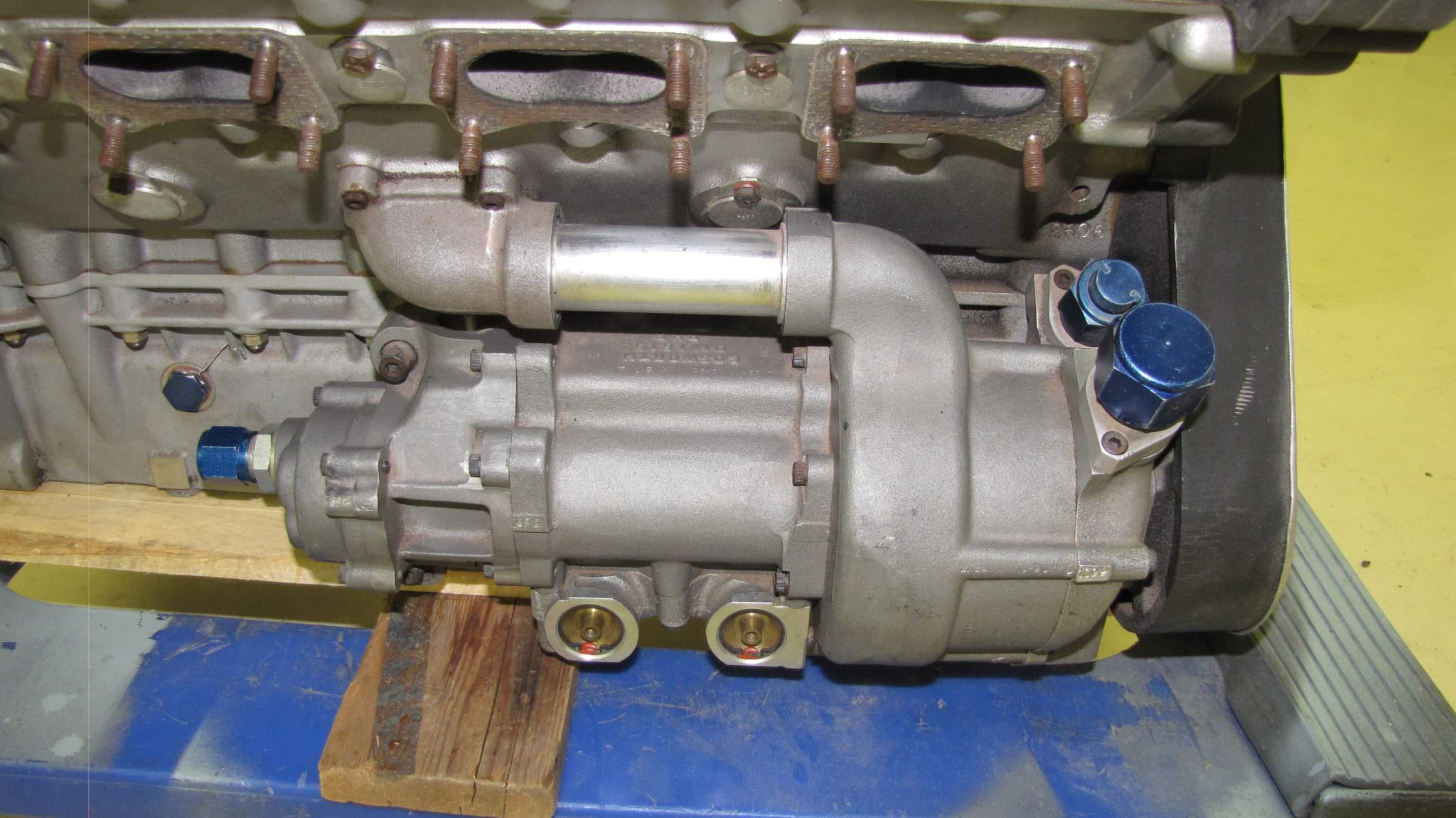
This specific DFS still has its intake and injection assembly, including the Cosworth plenum and runners, along with external pump assemblies and a Tilton clutch. A turbocharger is not included with the sale, but it would be needed for the engine to run correctly.
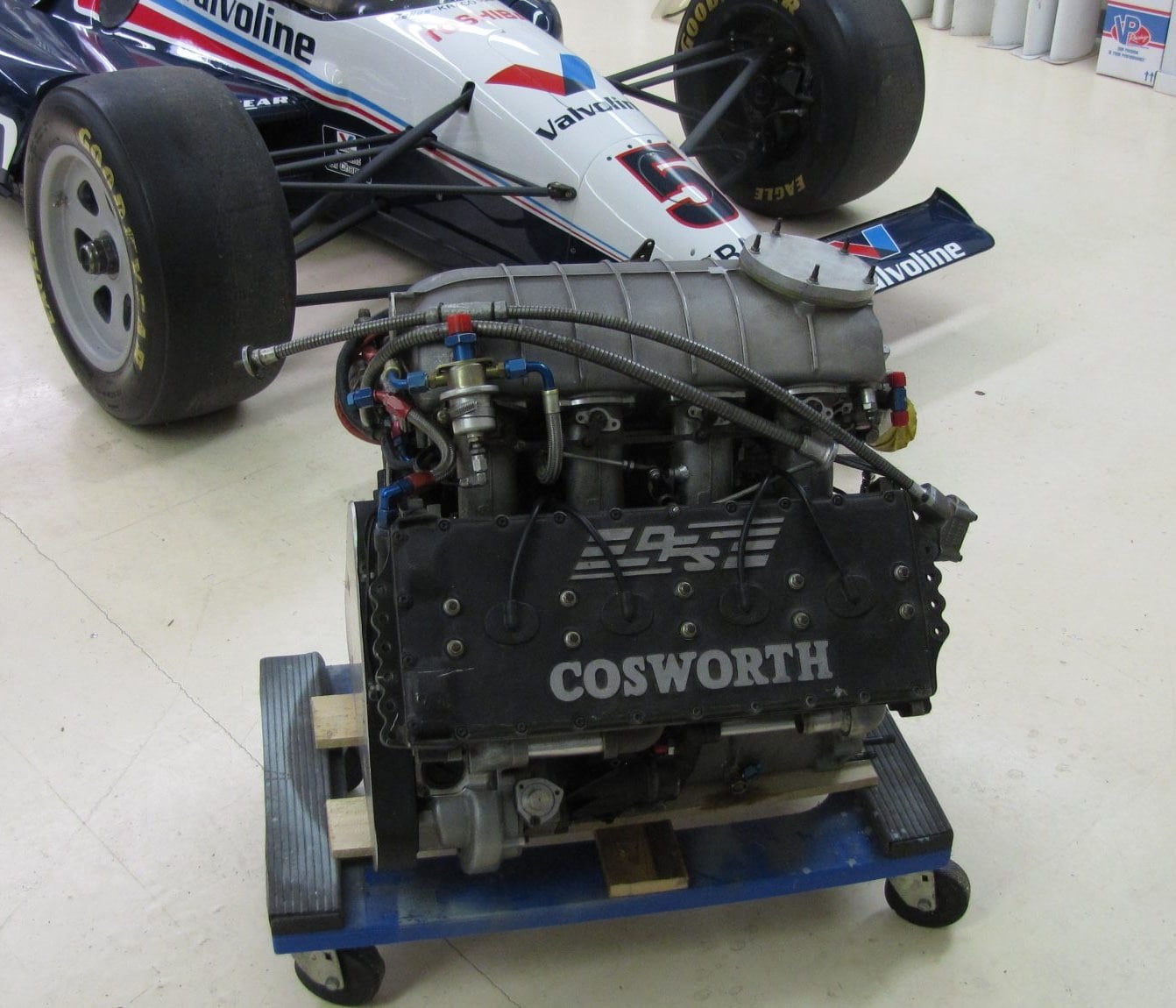
It’s estimated that in full race tune, the Cosworth DFS was capable of somewhere in the region of 840 bhp – not bad numbers for a 2.65 liter V8 from the 1980s.
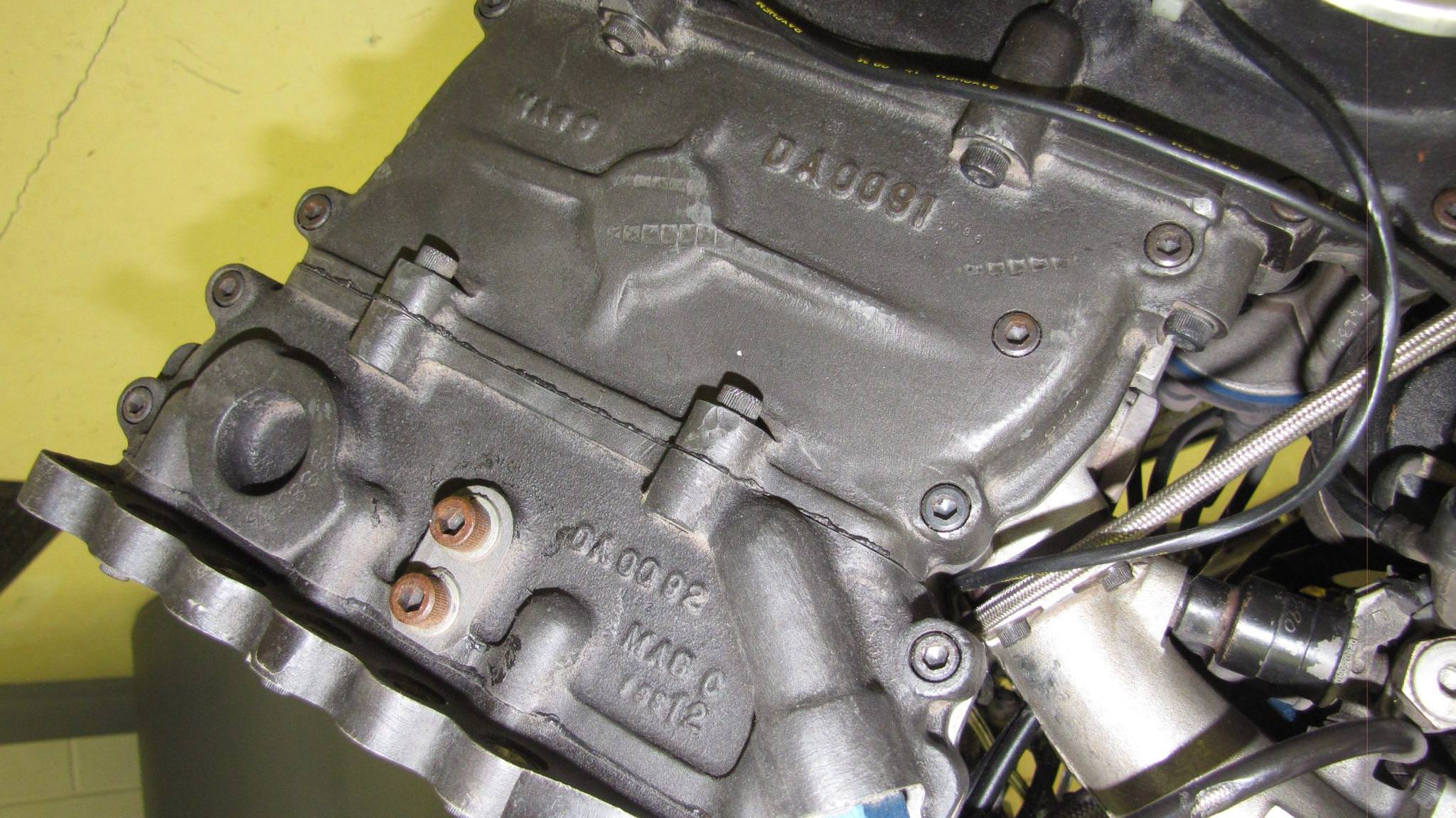
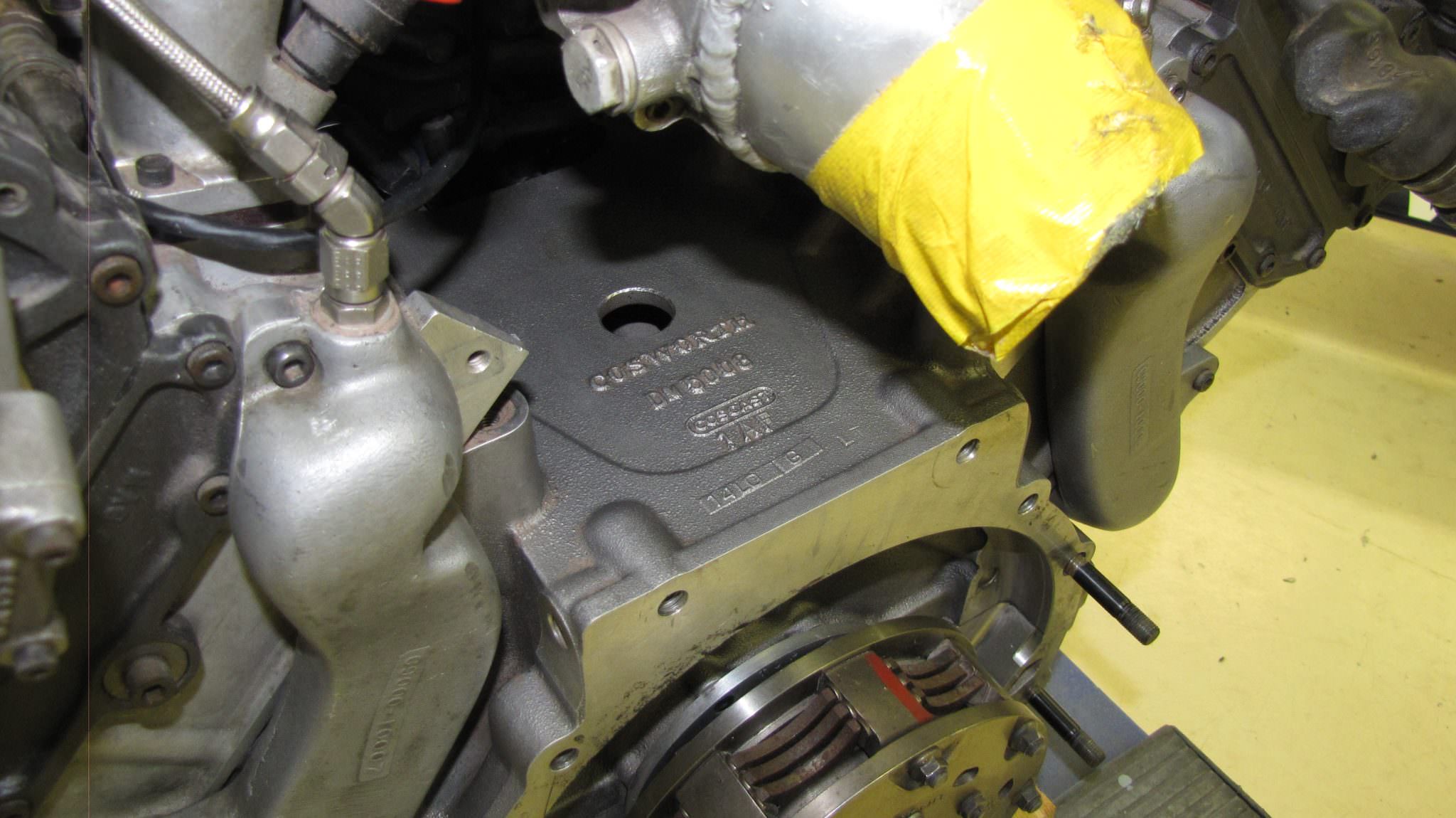
This DFS was last reported to have run in 1992 and was reportedly serviced by the now-defunct Race Engine Service of Midland, Texas. It was bought by the current seller in 2023. Production markings are visible on the engine, and it’s presented on a wheeled dolly.
It’s now being offered for sale out of Indianapolis, Indiana at no reserve on Bring a Trailer, and you can visit the listing here if you’d like to read more or register to bid.
Images courtesy of Bring a Trailer

Articles that Ben Branch has written have been covered on CNN, Popular Mechanics, Smithsonian Magazine, Road & Track Magazine, the official Pinterest blog, the official eBay Motors blog, BuzzFeed, Autoweek Magazine, Wired Magazine, Autoblog, Gear Patrol, Jalopnik, The Verge, and many more.
Silodrome was founded by Ben back in 2010, in the years since the site has grown to become a world leader in the alternative and vintage motoring sector, with well over a million monthly readers from around the world and many hundreds of thousands of followers on social media.