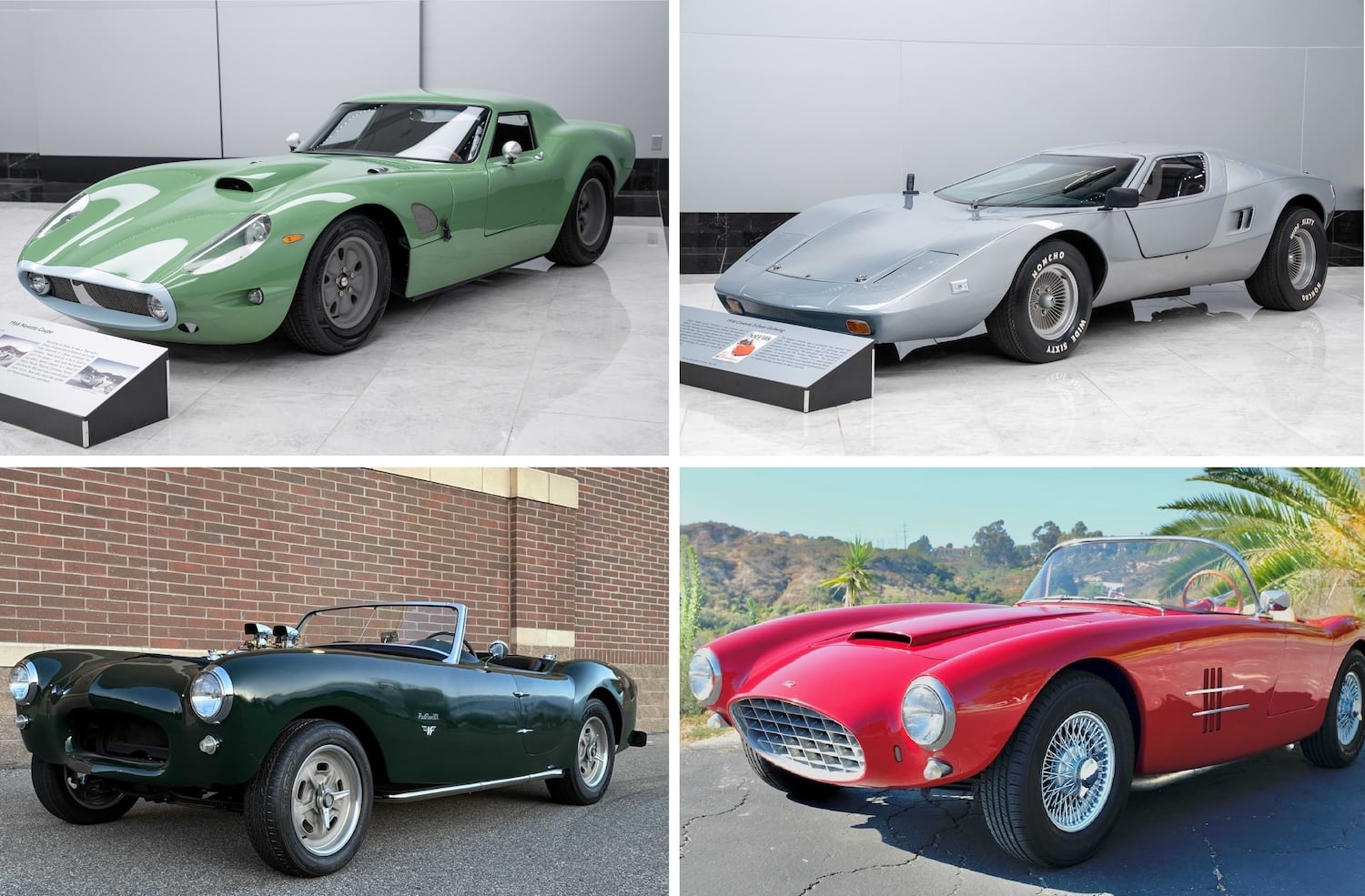
Postwar America’s hand-built fiberglass sports cars were often short-production-run or single-build creations rising out of an era when laying up a body in your garage was a viable path to building the sports car of your dreams.
These cars have spent decades drifting out of the mainstream collector conversation, but on Sunday, June the 21st, 2026, a curated lineup of the rarest survivors will land on the EyesOn Design field as part of a brand-new class called Fabulous Fiberglass, curated by Geoff Hacker and Mike Puma of Undiscovered Classics.
Both also happen to be longtime Silodrome contributors.
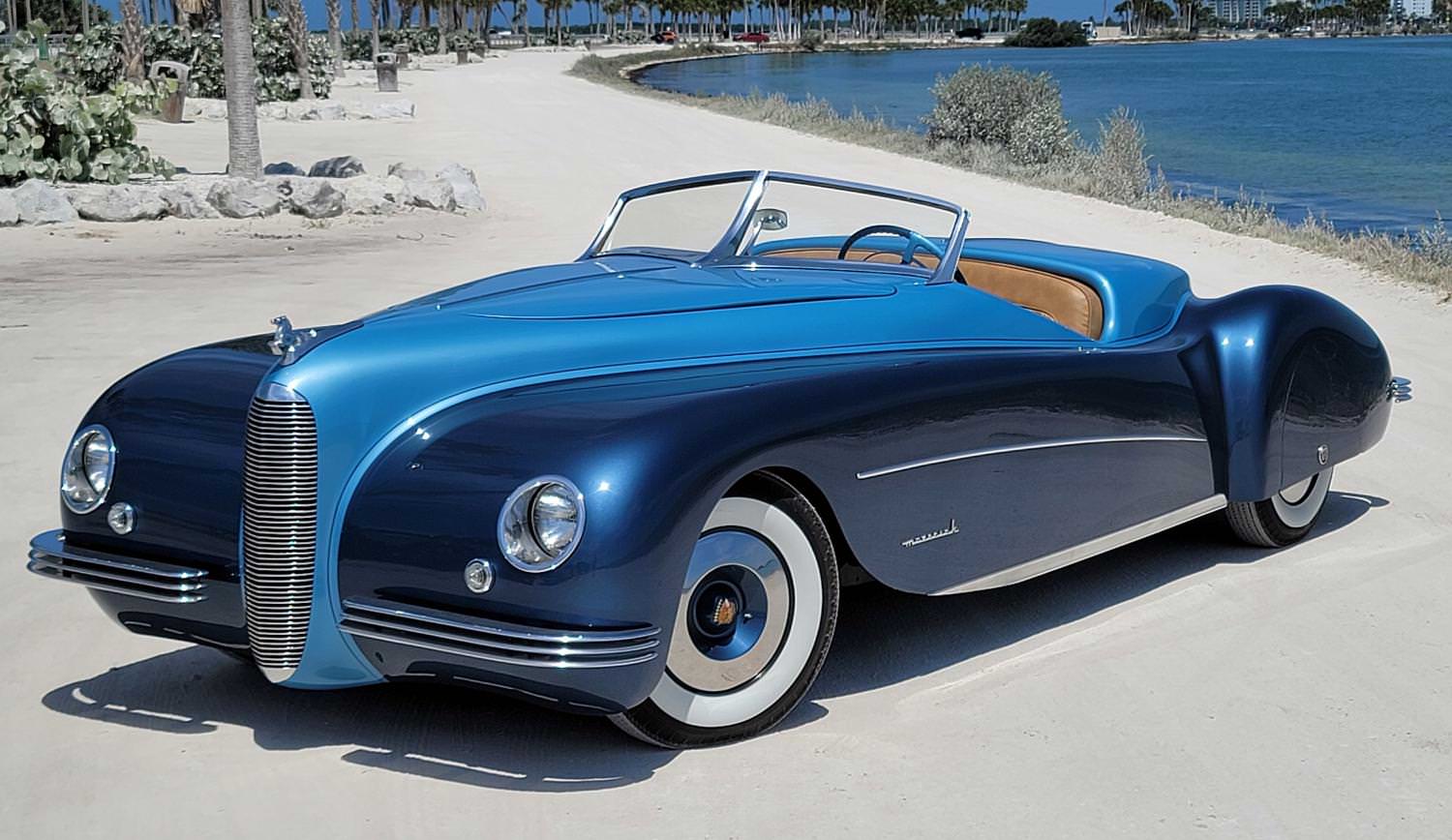
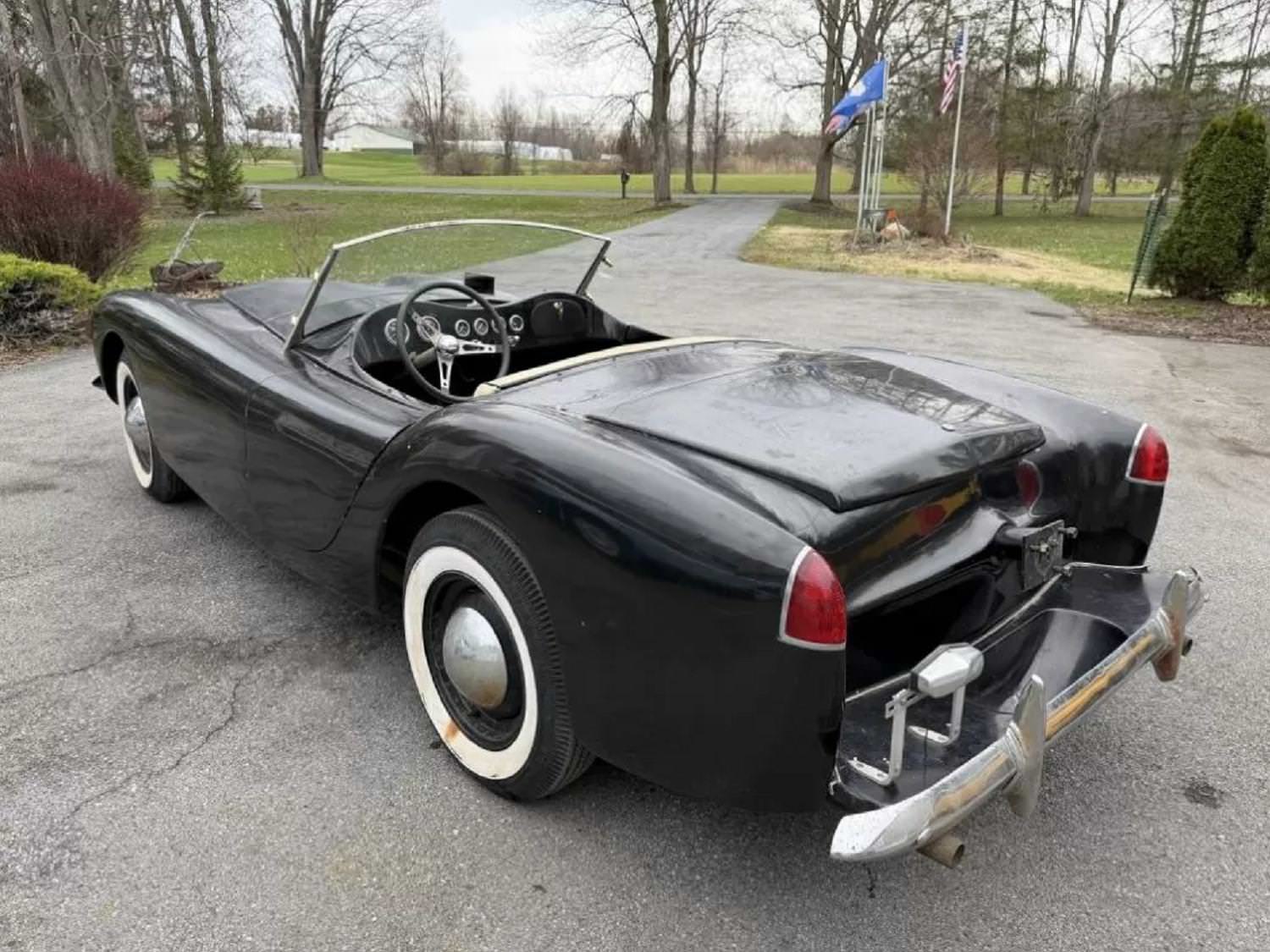
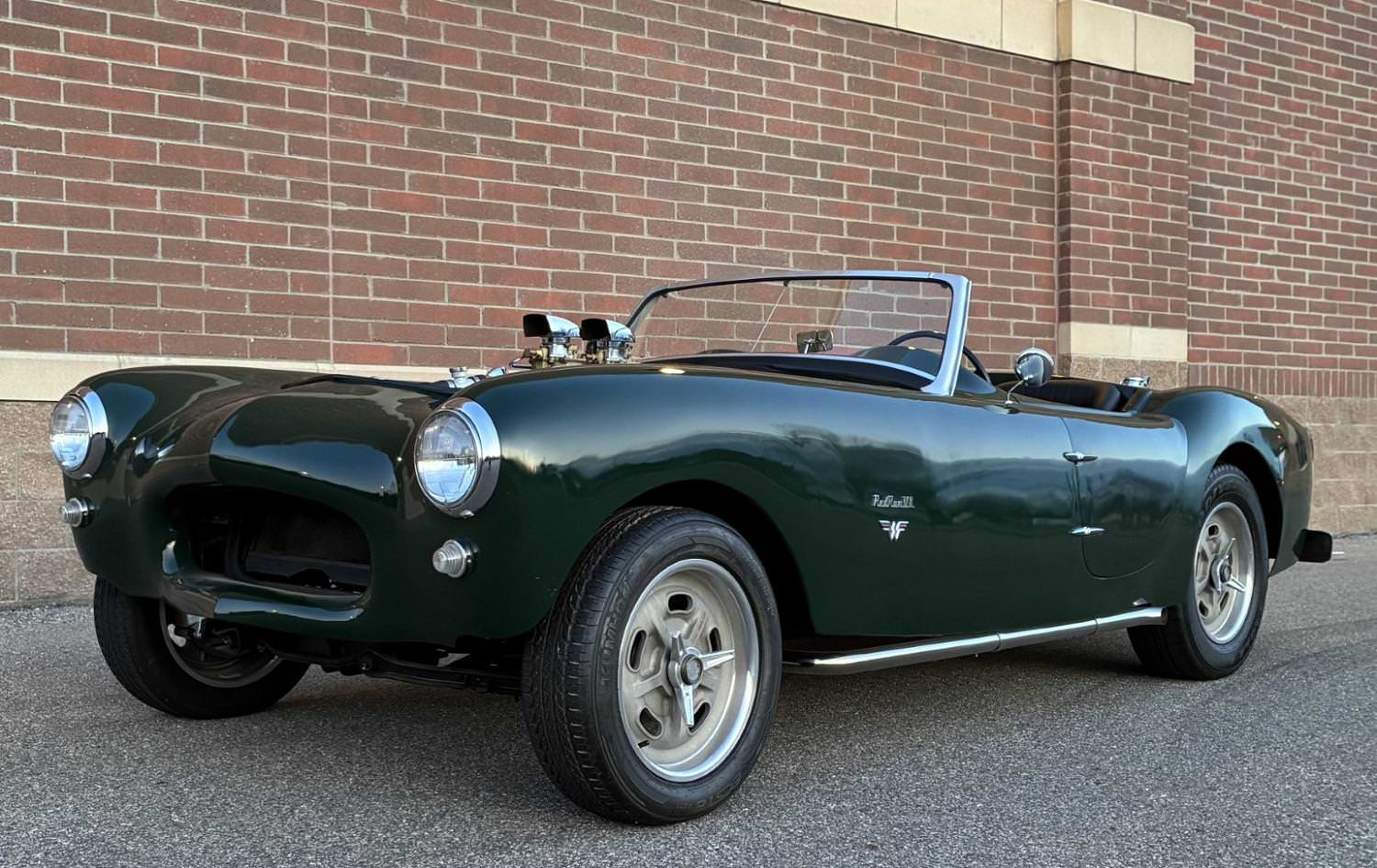
 An incredibly rare, postwar American boulevard cruiser famed for being America’s last boattail speedster. Designed by retired aeronautical engineer H. Sterling “Smoke” Gladwin Jr., it was built using early fiberglass composite technology. Just three examples exist today.
The roster is a tour through what the curators have called the “forgotten fiberglass” boom. Two restored examples of the 1952 Glasspar G2 – designed by Bill Tritt of the Glasspar boat company in Costa Mesa, California, and featured in Life magazine in early 1952 – will share the field with two 1953 Woodill Wildfires.
The Wildfire, built by Dodge and Willys dealer “Woody” Woodill in Downey, California, was one of the first fiberglass-bodied cars in the world, predating both the Corvette and the Kaiser Darrin, and turned up in films including Johnny Dark and Written on the Wind.
The 1953 Maverick Sportster, designed by retired aeronautical engineer H. Sterling “Smoke” Gladwin Jr., is billed as America’s last boattail speedster – just three are known to exist. The 1954 Allard Clipper is the curveball of sorts, a fiberglass-bodied economy car from a sports car builder, with around twenty produced and three survivors.
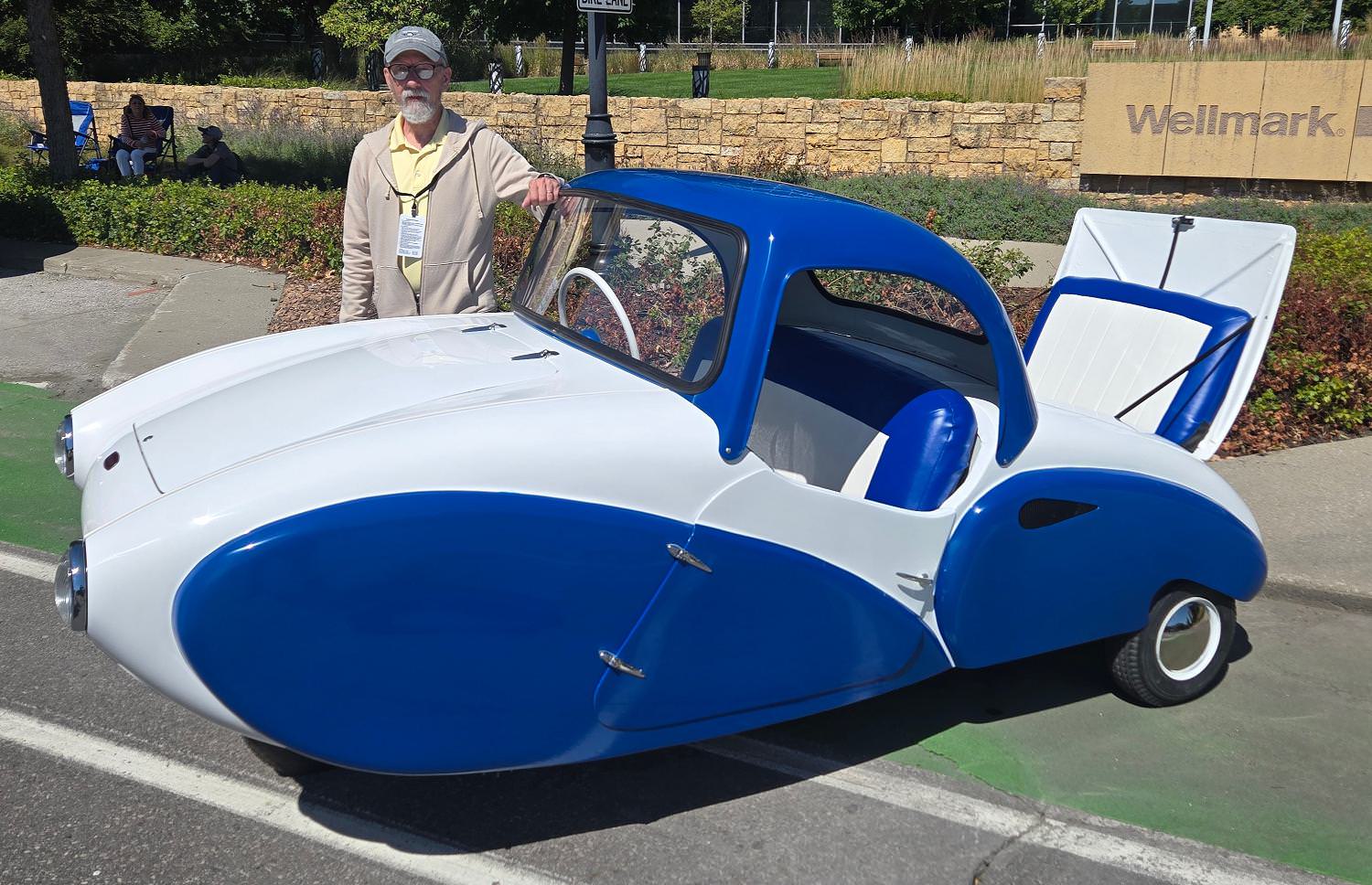
The Allard Clipper heading to EyesOn Design is the only example in the United States and is making its second public appearance since restoration.
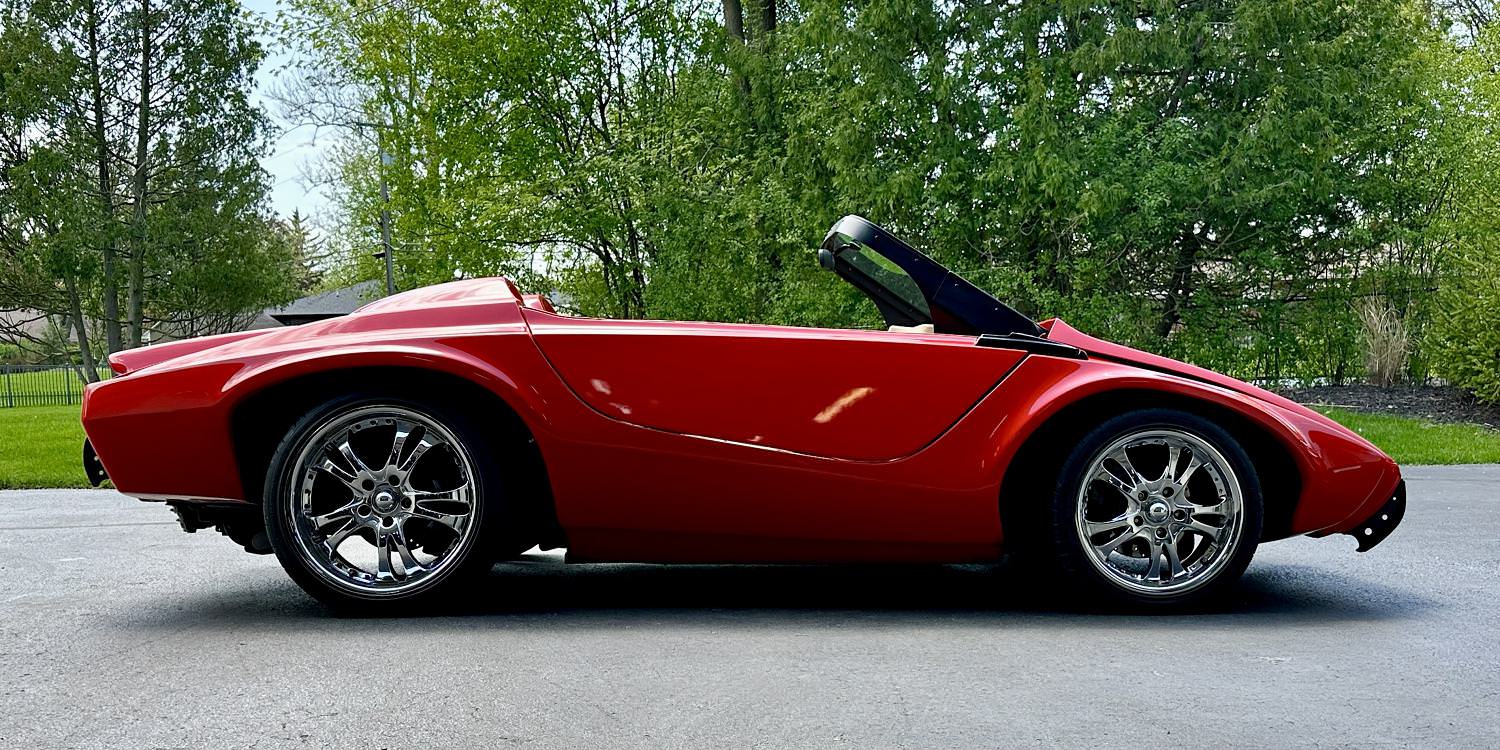
The 1959 Byers SR-100 ran on the cover of Road & Track in February of 1957, with owner-editor John Bond calling it “The Most Beautiful Sports Car in the World.” And the 1975 Meyers Manx SR (designed by Stewart Reed for Bruce Meyers) closes out the lineup with its low, futuristic profile and forward-hinging scissor doors.
A companion Fabulous Fiberglass symposium, also hosted by Hacker and Puma, runs Saturday, June the 20th, from 9am to 11am, covering the broader history of postwar American fiberglass specials, including some lesser-known Detroit-built examples.
We have included the full press release below, and you can visit the official Eyes on Design website here.
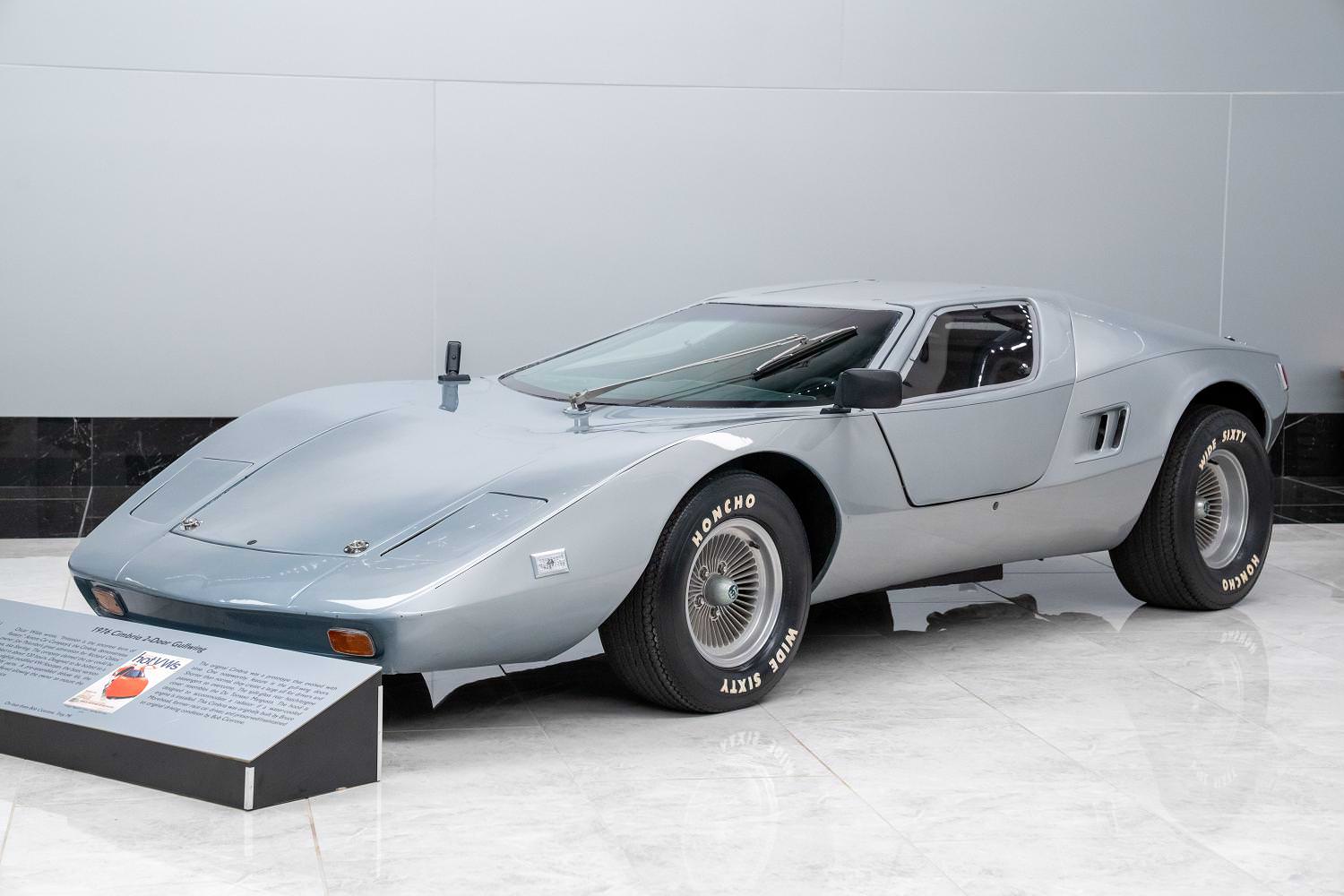
The Cimbria is a rare, exotic-looking fiberglass sports car with distinctive gull-wing doors and a low, sweeping profile.
Fabulous Fiberglass Debuts at EyesOn Design
EyesOn Design Show: Sunday June the 21st, 2026
For the first time at EyesOn Design, handcrafted postwar fiberglass specials will debut in a class called “Fabulous Fiberglass” on Sunday June 21st, 2026. The class is being curated by Geoff Hacker and Mike Puma of Undiscovered Classics. The cars on display will represent a wide range of sports cars, sport customs, boulevard cruisers and even an economy car designed and built by the legendary sports and race car manufacturer Allard Motorcars. Cars lined up to be on the field include:
- 1952 Glasspar G2: Designed by Bill Tritt of the renowned Glasspar boat company of Costa Mesa, California. The Glasspar G2 was first shown to the public at the Petersen Motorama in 1951 and soon captivated sports car enthusiasts across America with a feature in Life Magazine in early 1952. With less than 100 produced, two restored G2s are expected on the EyesOn Design field.
- 1953 Maverick Sportster: An incredibly rare, postwar American boulevard cruiser famed for being America’s last boattail speedster. Designed by retired aeronautical engineer H. Sterling “Smoke” Gladwin Jr., it was built using early fiberglass composite technology. Just three examples exist today.
- 1953 Woodill Wildfire: The Wildfire is a pioneering American sports car famous as one of the first fiberglass-bodied cars in the world, predating both the Chevrolet Corvette and the Kaiser Darrin. Conceived by Dodge and Willys dealer “Woody” Woodill in Downey, California, it became a cultural icon of the 1950s “do-it-yourself” automotive movement and appeared in such movies as Johnny Dark, Knock on Wood and Written on the Wind. Less than 100 were produced and two restored examples are expected on the field.
- 1954 Allard Clipper: A surprising entry into the postwar automobile market by renowned Allard Motor Car company, the Clipper was targeted to the economy and family market in Great Britain. Approximately twenty were built and three survive today. This is the only example in the USA and is making its second appearance since it completed restoration last year.
- 1955 Almquist Sabre: The Sabre is an incredibly rare, early American fiberglass sports car produced during the “forgotten fiberglass” hand-built car boom of the 1950s. Designed to be lightweight and highly customizable, it allowed enthusiasts to build their own sleek, European-inspired roadsters or track cars using various donor chassis and engines.
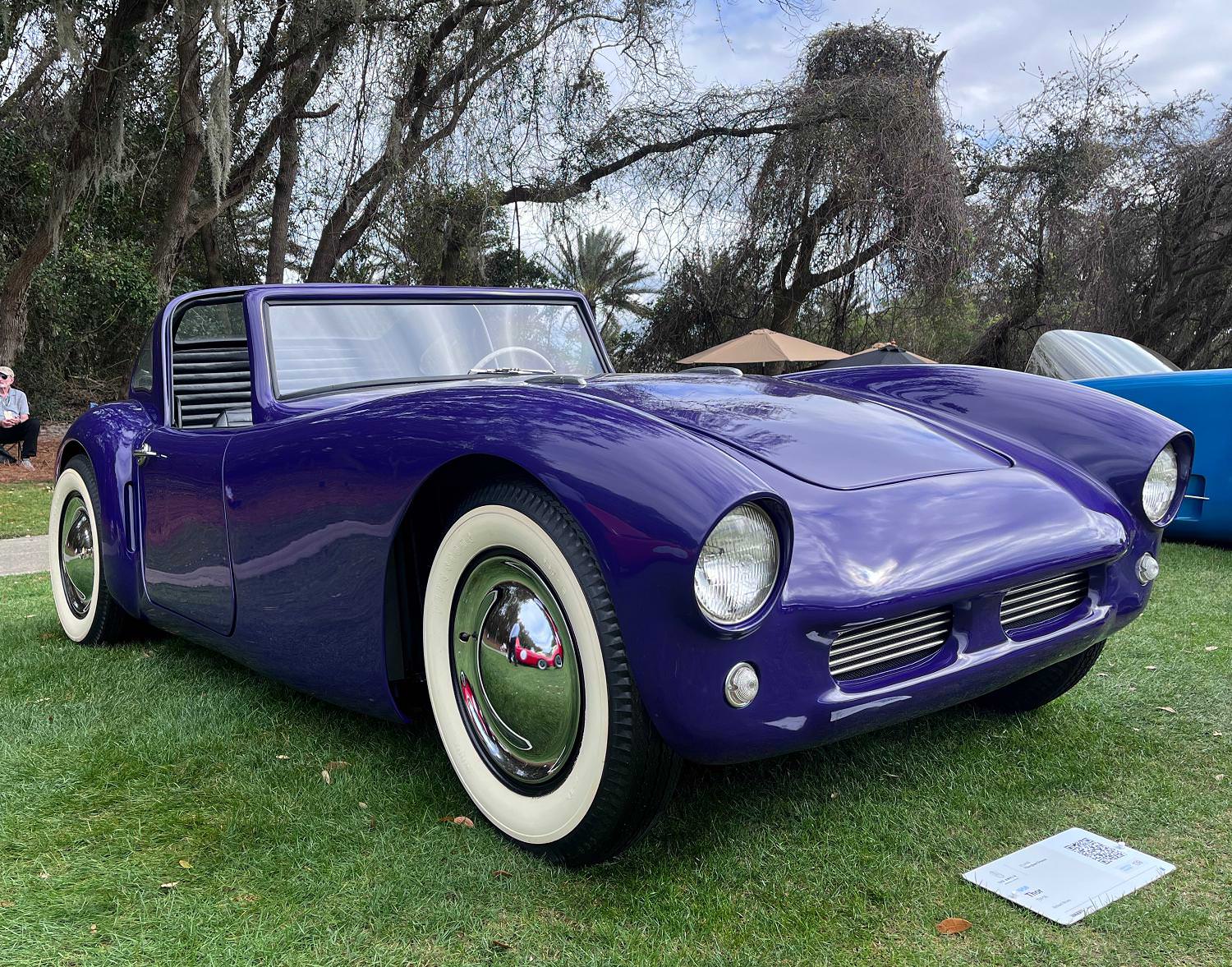
- 1958 Thor: One of America’s earliest VW-based sports cars, the Thor was conceived and designed by two friends, Nik Gudmunds and Jerry Ball, and named after Nik’s father Thor. Two cars were built and both survive. The Thor was most recently displayed at the Edge Motor Museum in Memphis Tennessee and the Savoy Automobile Museum in Cartersville Georgia.
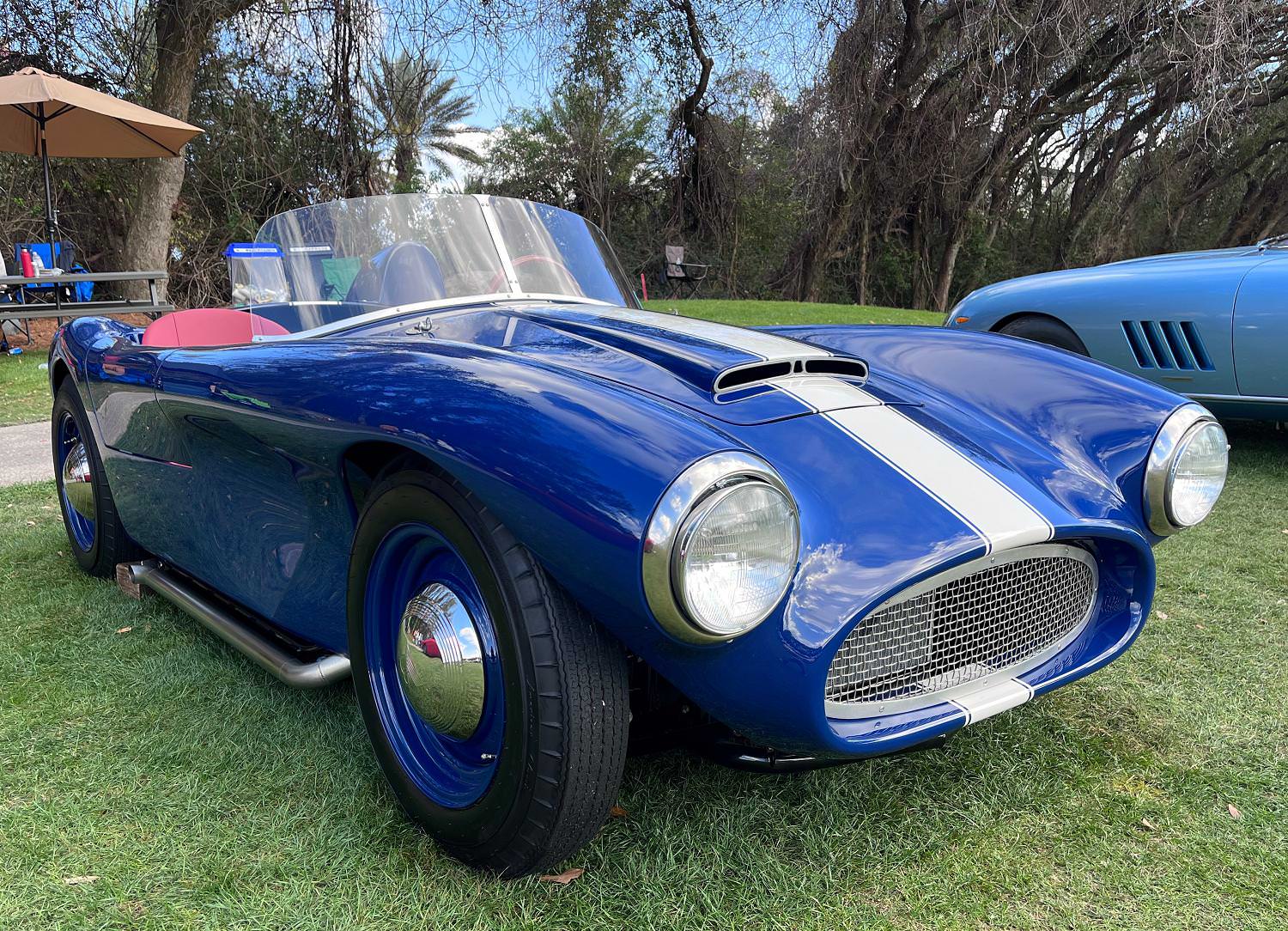
- 1959 Byers SR-100: Italian-inspired sports car design by Jim Byers that first debuted in El Segundo, California in 1955. In February 1957, the SR-100 was featured on the cover of Road & Track Magazine with John Bond, owner and editor of the magazine, touting the car as “The Most Beautiful Sports Car in the World.” This recognition pushed both sales of the cars and Jim Byers’ company to introduce a second sleek design called the CR-90.
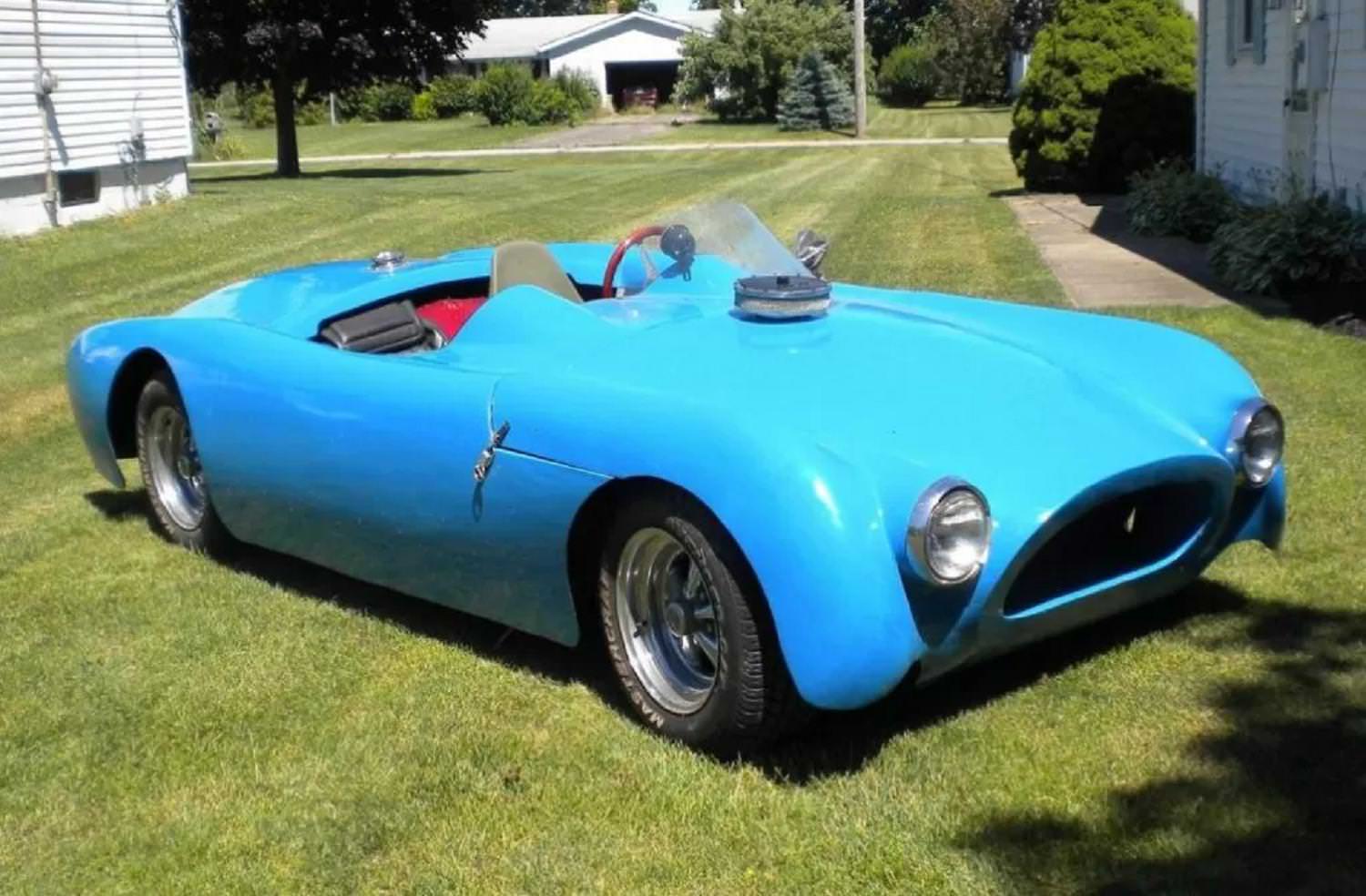
- 1961 Var: A one-off sports car designed and built by three friends in Ohio. They formed a partnership with plans to offer two uniquely designed sports and race cars – the Var and the Piranha. Both prototypes were built, but only the Var exists today. The search continues for the lost Piranha prototype.
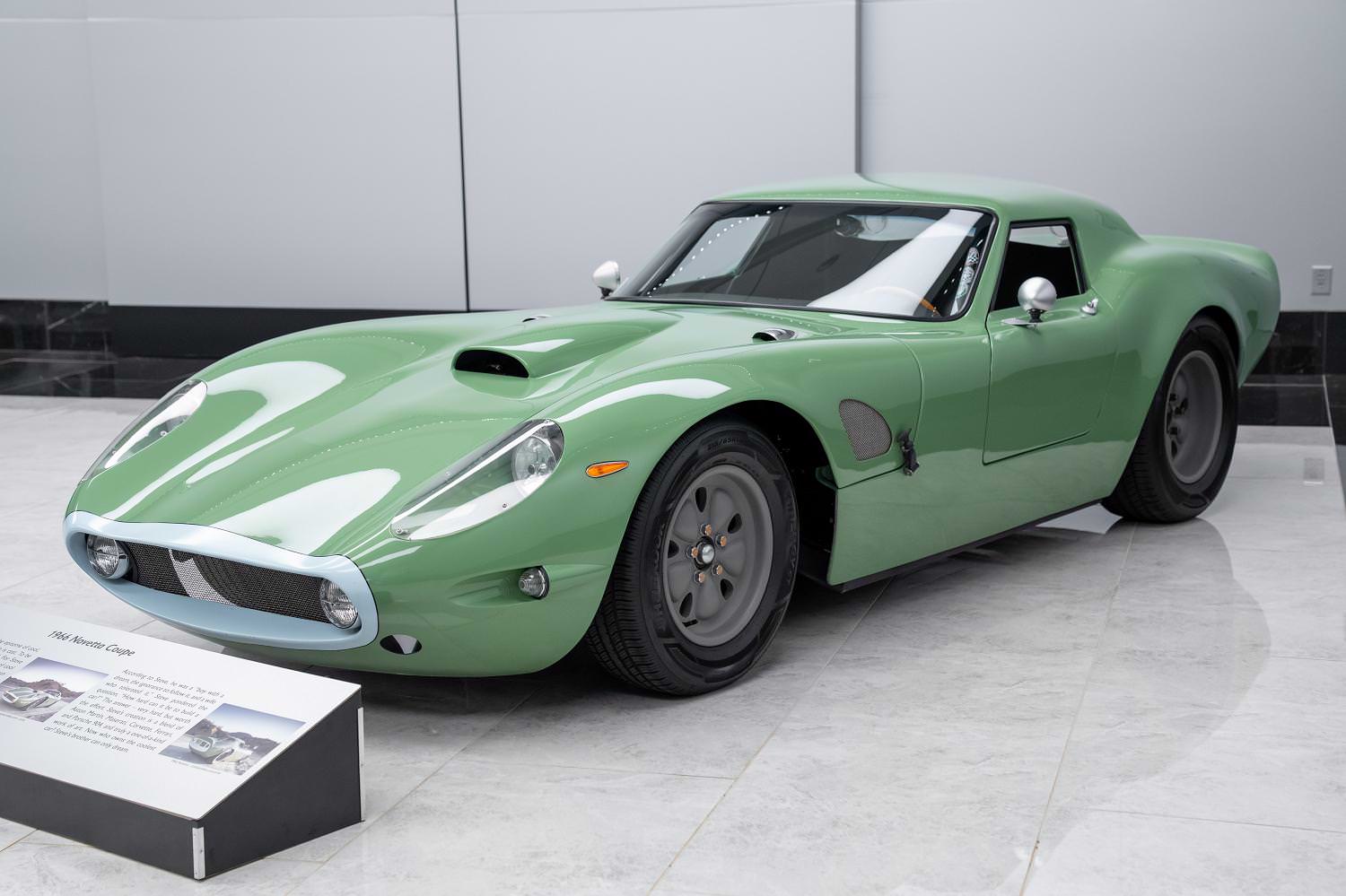
- 1966 Novetta: A one-off custom-built creation by Steve Briscoe, the car serves as a “greatest hits” homage to the small-bore independent sports racing cars of the late 1960s. Fresh off a museum appearance in 2025 at the Savoy Automobile Museum in Cartersville, Georgia, the Novetta embodies the best of both design and craftsmanship for a car of its era.
- 1975 Meyers Manx SR: Designed by Stewart Reed for legendary Dune Buggy entrepreneur Bruce Meyers of Meyers Manx fame. The Meyers Manx SR came out with a sleek, futuristic design and innovative forward-hinging or “scissor” doors pre-dating the same door type used on the Lamborghini Countach by four years. The Manx SR continues to be one of the most popular designs of its era.
- 1976 Cimbria: The Cimbria is a rare, exotic-looking fiberglass sports car with distinctive gull-wing doors and a low, sweeping profile. Designed by automotive enthusiast Joe Palumbo and manufactured by Milwaukee-based Amore Cars, its styling was based on the Sterling sports car which made its USA debut in 1973.
Fabulous Fiberglass Symposium: Saturday February 20th, 2026
In addition to the cars on display, a symposium focusing on “Fabulous Fiberglass” will be held on Saturday June 20th 2026 from 9am to 11am. The forum is hosted by Geoff Hacker and Mike Puma of Undiscovered Classics.
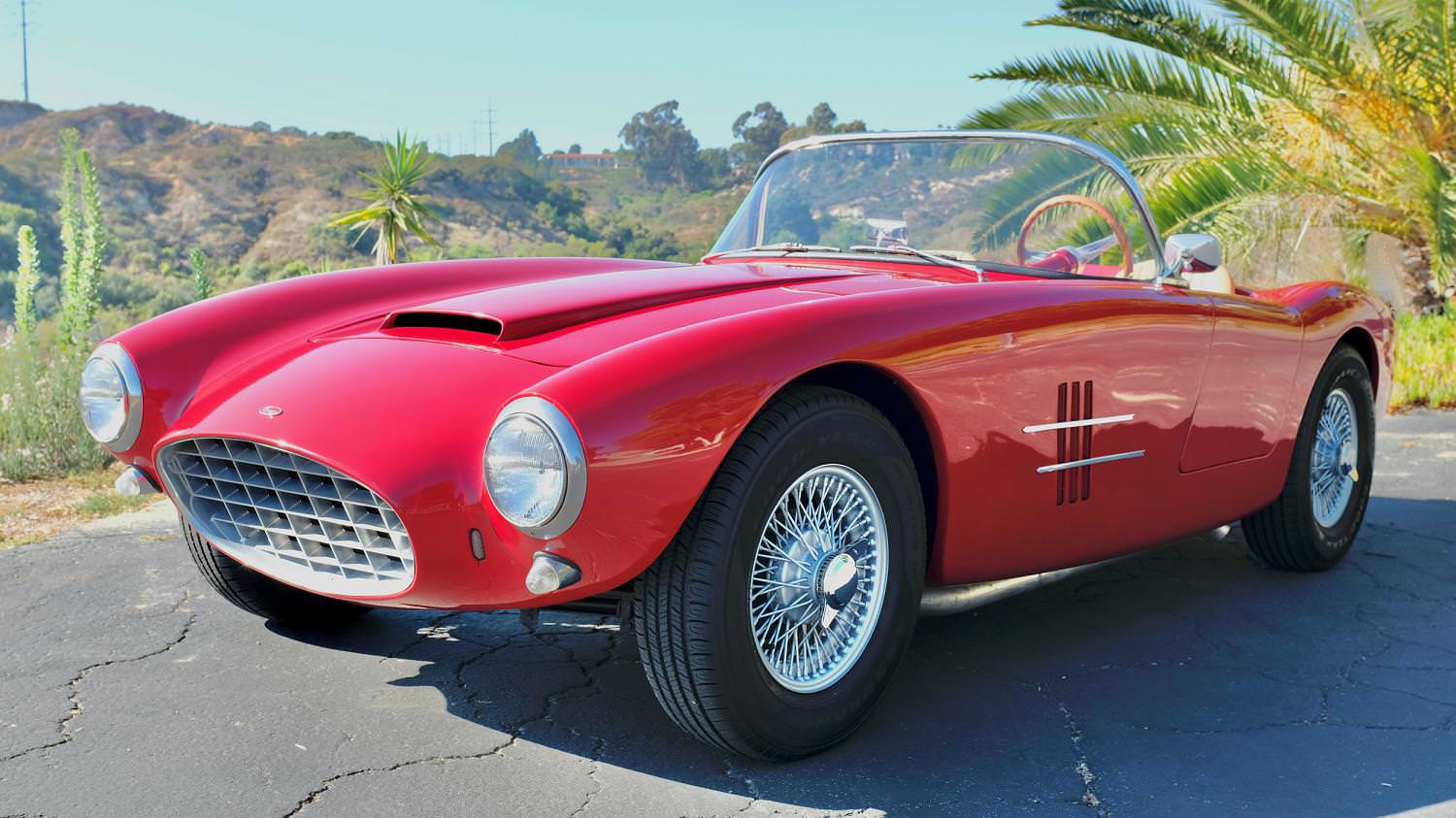
Italian-inspired sports car design by Jim Byers that first debuted in El Segundo, California in 1955.
During the talk, they will review the early postwar history of fiberglass sports cars in America and how the use of fiberglass contributed to the number of companies and the rapid variety of designs created. Discussions will include not only the history of the cars on the field but some of the fiberglass specials designed and built in Detroit Michigan.
You can learn more about the EyesOn Design Show, the forums and other events by visiting their website at www.eyesondesign.org.

Articles that Ben Branch has written have been covered on CNN, Popular Mechanics, Smithsonian Magazine, Road & Track Magazine, the official Pinterest blog, the official eBay Motors blog, BuzzFeed, Autoweek Magazine, Wired Magazine, Autoblog, Gear Patrol, Jalopnik, The Verge, and many more.
Silodrome was founded by Ben back in 2010, in the years since the site has grown to become a world leader in the alternative and vintage motoring sector, with well over a million monthly readers from around the world and many hundreds of thousands of followers on social media.