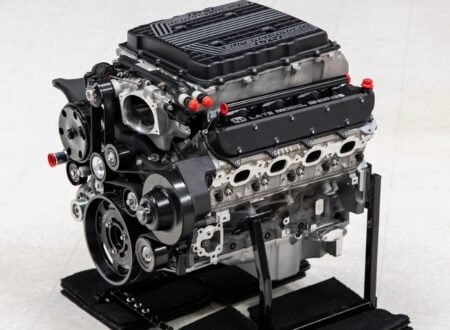
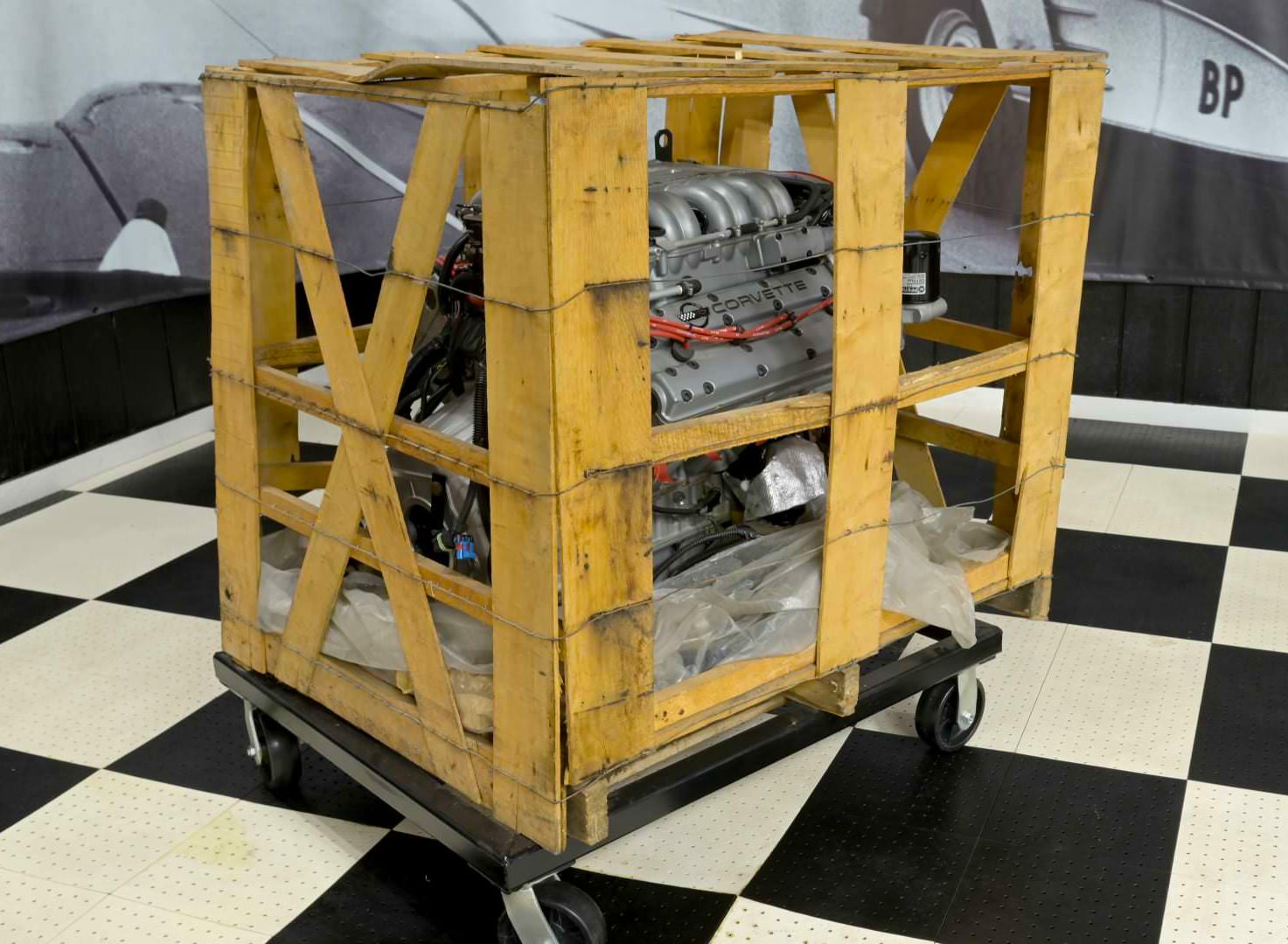
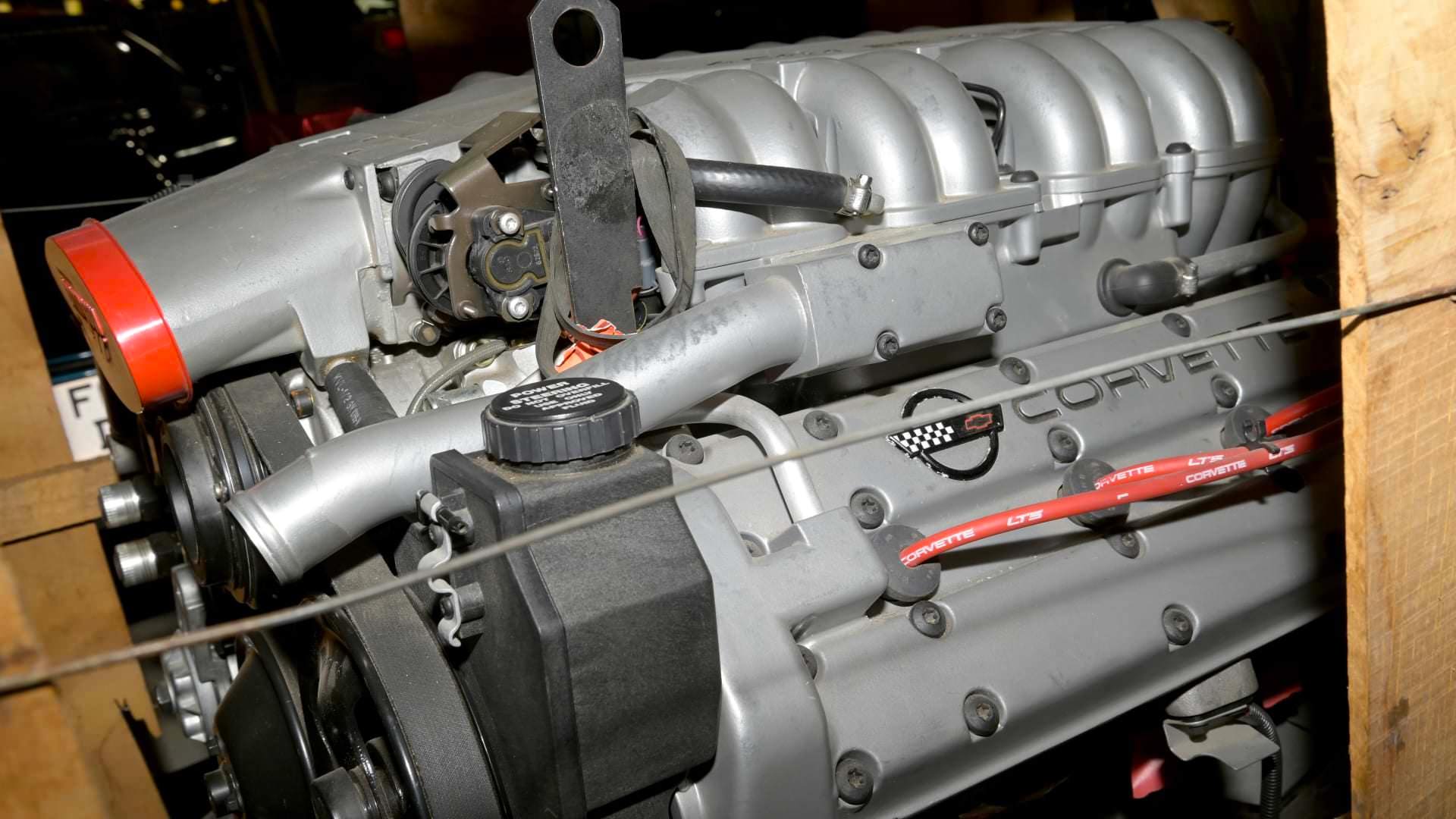
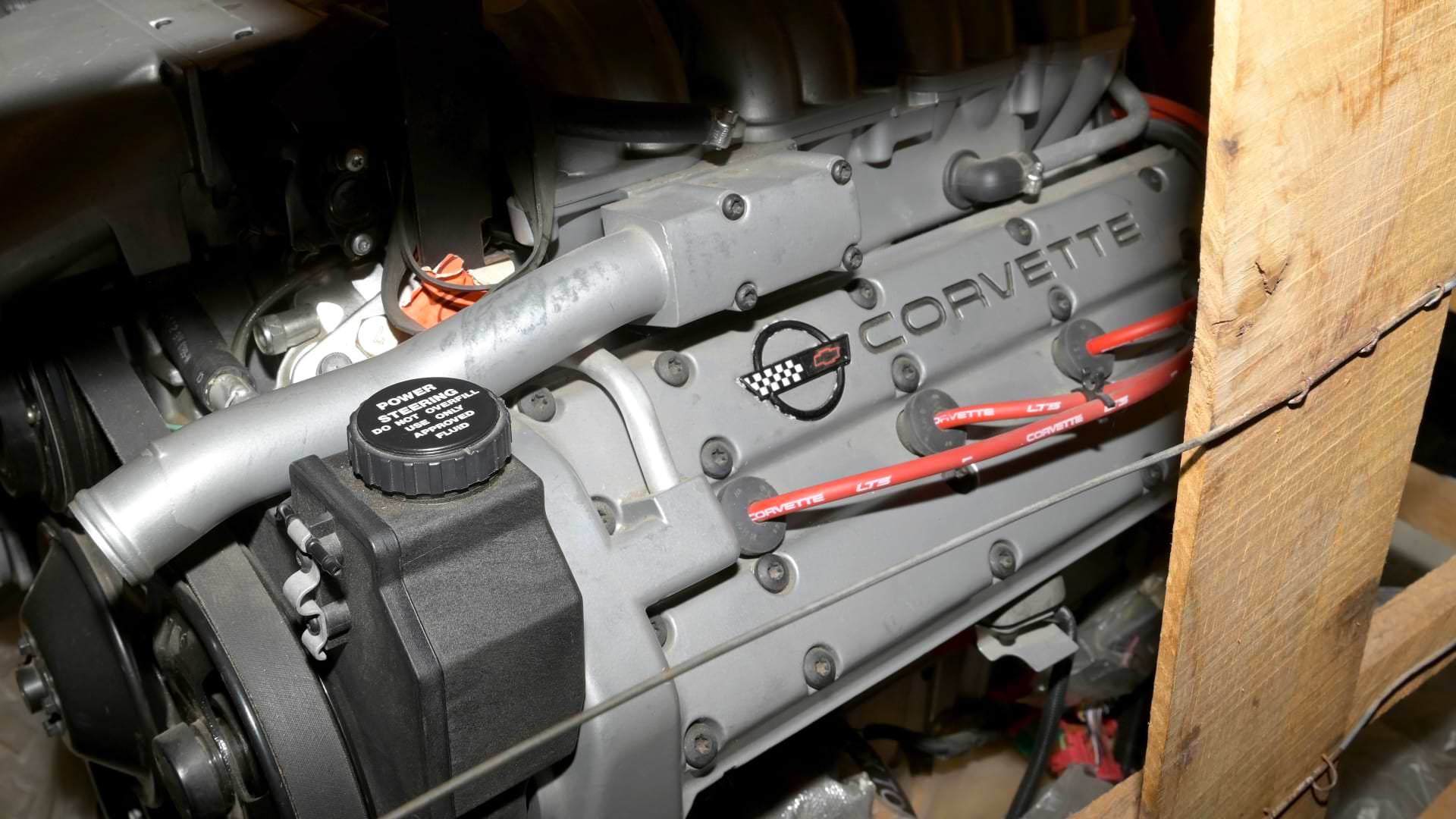
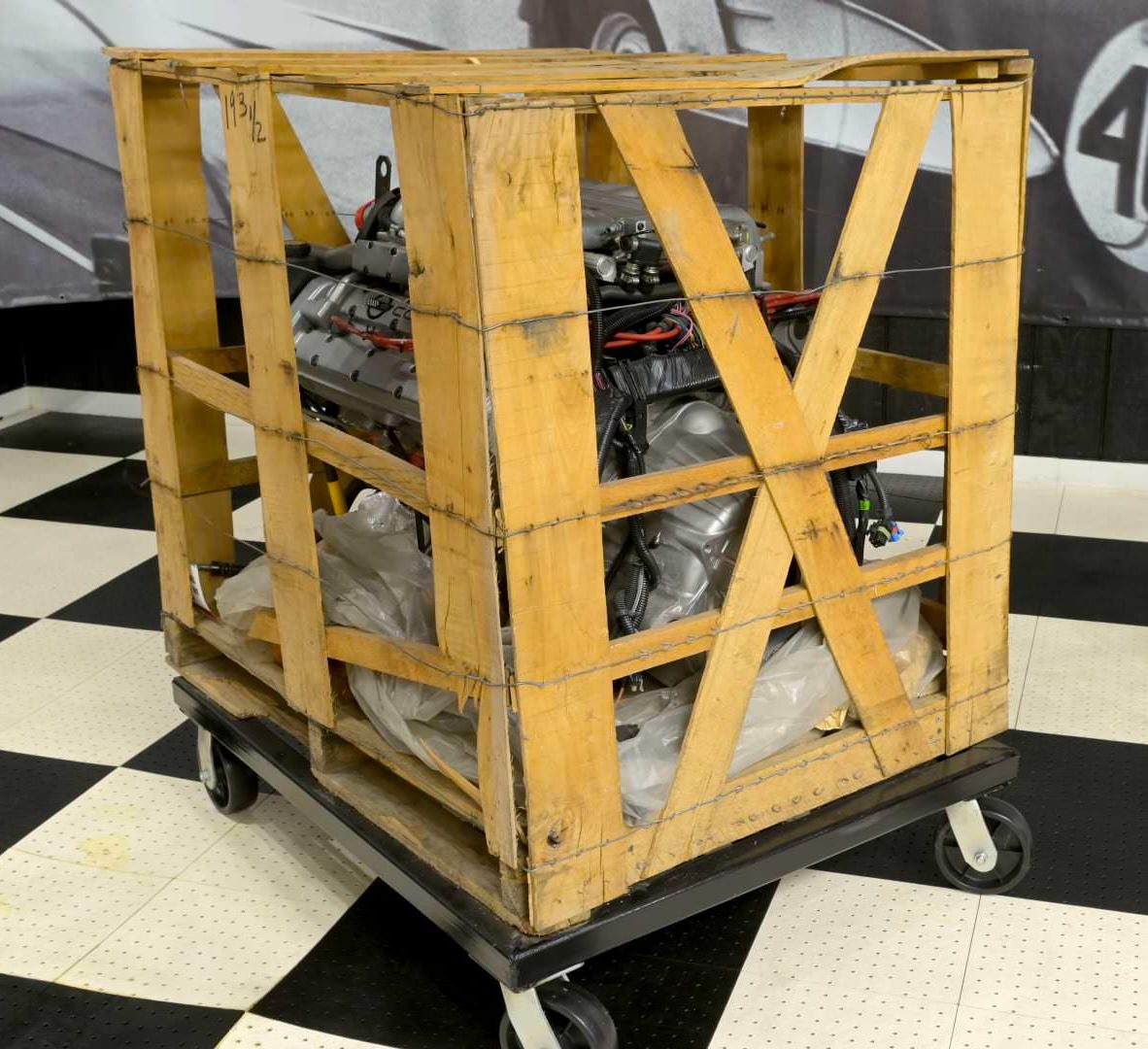
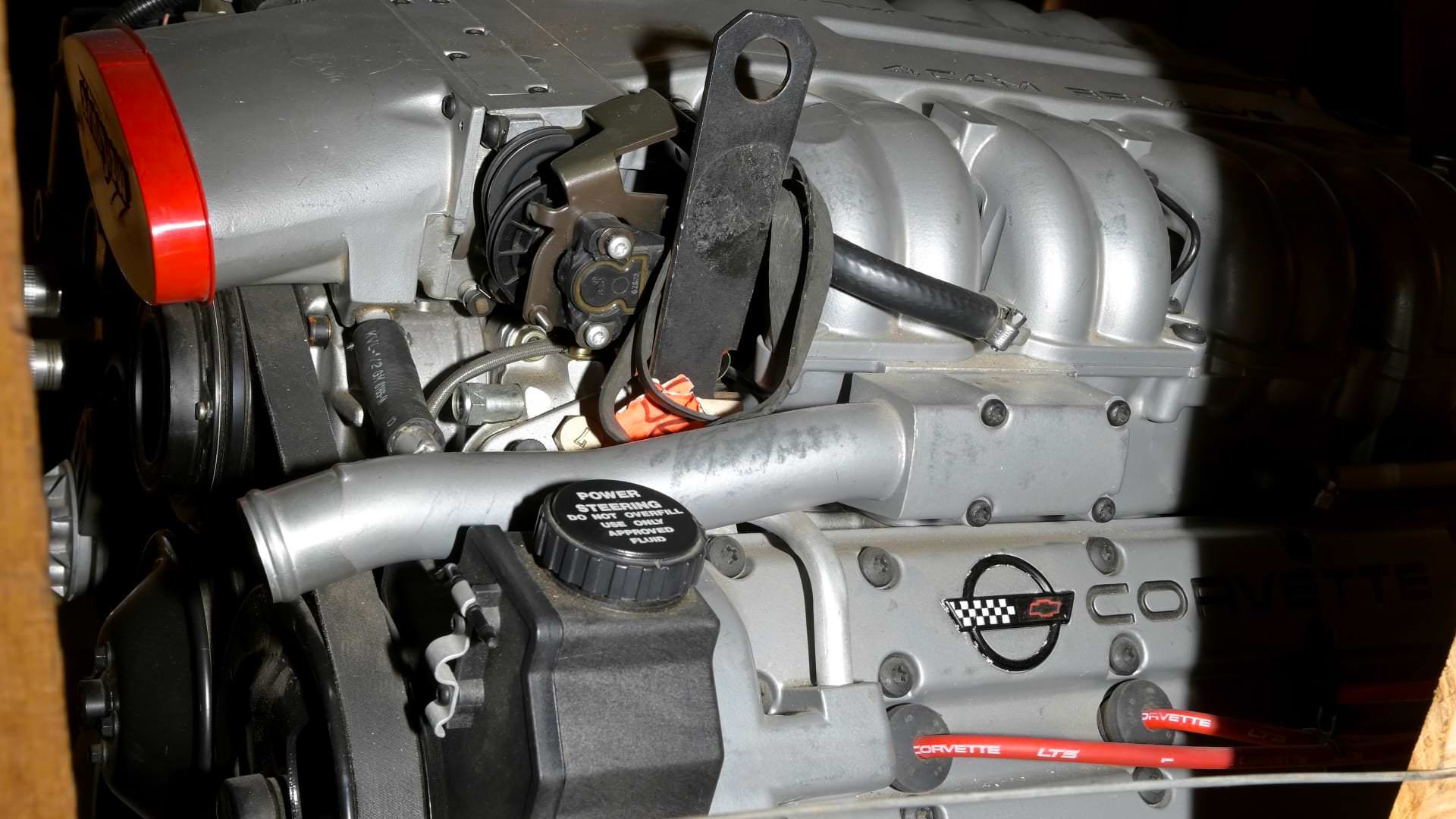
This is one of the last unused Chevrolet Corvette ZR1 Phase 5 LT5 engines in the world, it remains in its factory crate where it’s been stored for well over 35 years.
This highly-unusual crate engine is now due to be offered for public sale with Mecum. It’ll likely sell to a collector or a Corvette enthusiast, however it might be picked up by someone who needs a replacement engine for their ZR1.
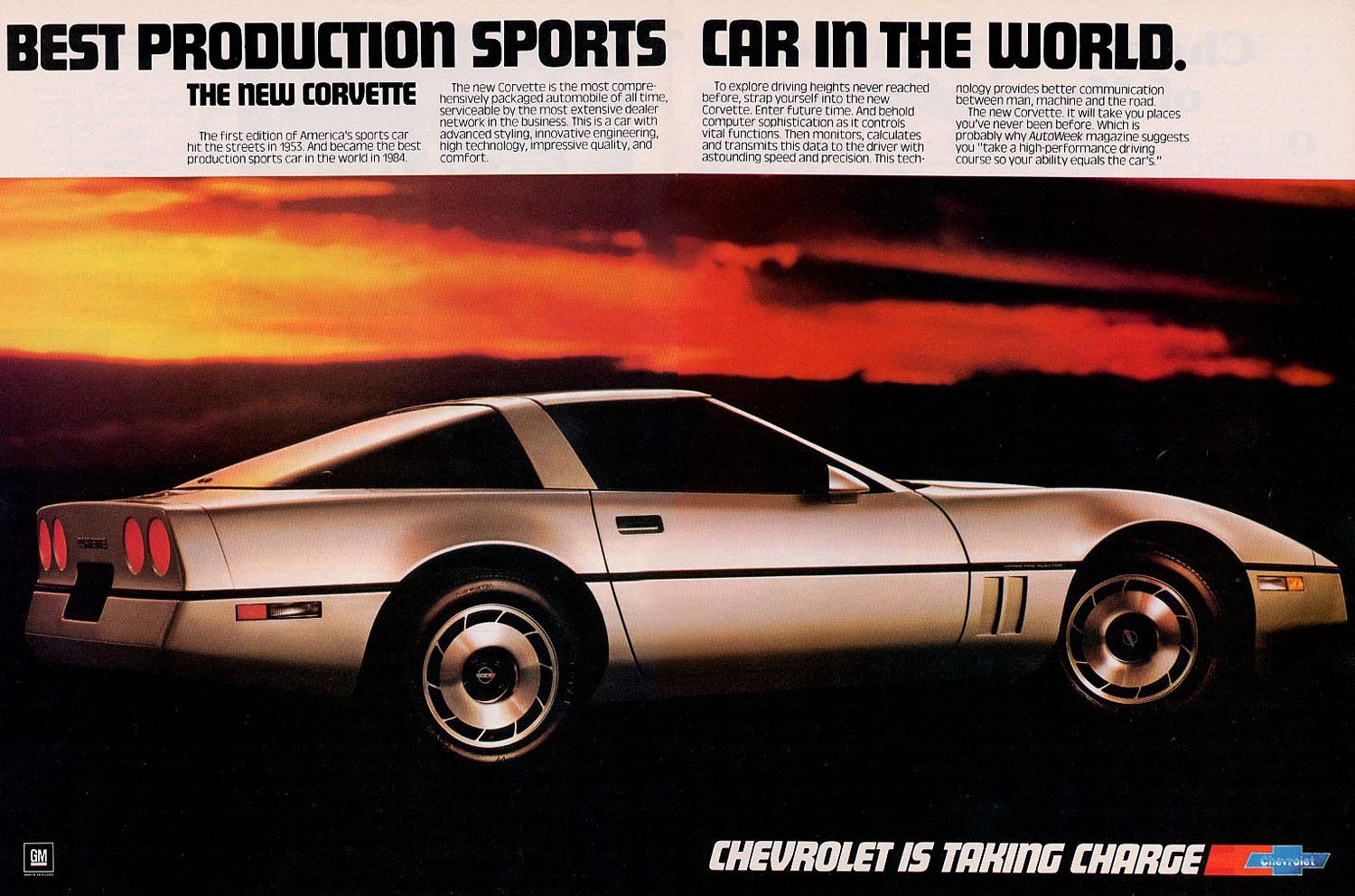
 The fourth-generation Chevrolet Corvette, known as the C4, debuted in 1984 as a complete reimagining of the Corvette nameplate – the ZR1 version would be the fastest member of the C4 family. Image courtesy of General Motors.
History Speedrun: The Corvette LT5 V8 Engine
The C4 Corvette ZR-1 arrived in 1990 looking much like a familiar fourth-generation “C4” Corvette, but the badge on the rear bumper signaled to those in the know that it was a markedly faster car.
Chevrolet had been refining the C4 since 1984, but it would be the ZR-1 program that pushed the model into territory that bordered on supercar territory at the time.
The car’s wider rear bodywork and subtle aero tweaks mattered, but the real story sat under the long composite hood – the LT5, a 5.7 liter, all-aluminum V8 jointly engineered by GM Powertrain and Lotus Engineering in Britain and assembled by Mercury Marine in Stillwater, Oklahoma.
GM had acquired Lotus in 1986, partly to give Chevrolet access to fresh engineering capability. The small British firm had deep experience with advanced valve train architecture and lightweight, high-specific-output engines.
When GM tasked Lotus and its own powertrain group with reimagining the Corvette’s top-end powerplant, the resulting brief produced a completely new engine rather than a reworked small-block.
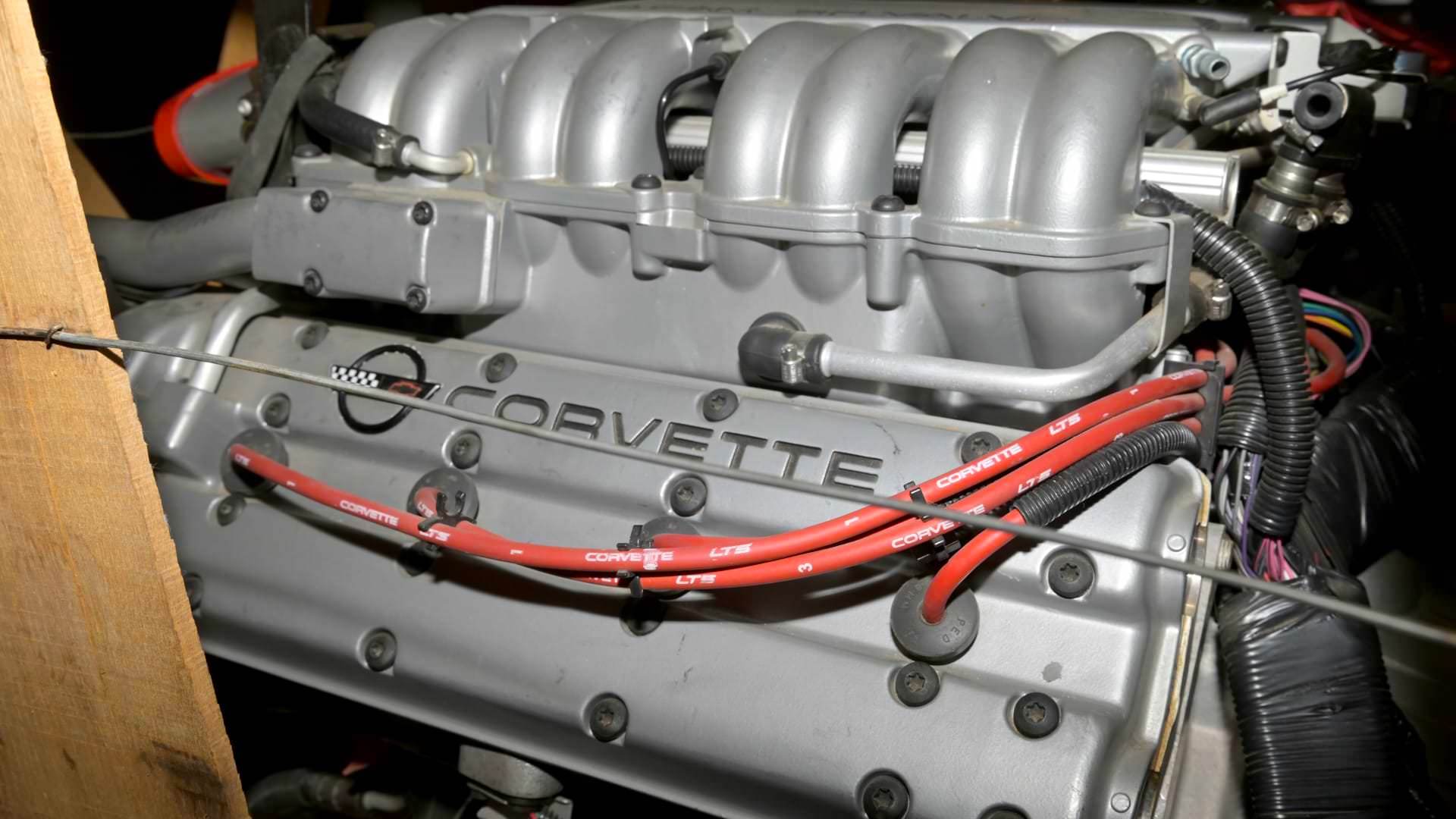
The combined General Motors and Lotus engineering teams designed an aluminum block with Nikasil-coated liners, four overhead camshafts (two per bank), and 32 valves – technology that placed the LT5 far closer to contemporary European performance engines than to the traditional American pushrod V8.
The combined engineering team designed an aluminum block with Nikasil-coated liners, four overhead camshafts (two per bank), and 32 valves – technology that placed the LT5 far closer to contemporary European performance engines than to the traditional American pushrod V8.
Mercury Marine became the production partner because the LT5 required extremely tight tolerances, specialized machining, and low-volume hand assembly that Chevrolet’s domestic engine plants were simply not set up to handle.
Mercury’s extensive experience with advanced aluminum marine engines made it an ideal choice. LT5 assembly took place at Mercury’s Stillwater facility, where each unit moved through specialized machining, dyno verification, and inspection.
The engine has a 3.90 inch bore and 3.66 inch stroke, for a total displacement of 5,727cc. Early ZR-1s delivered 375 bhp and 370 lb ft of torque, impressive figures for a naturally aspirated sports car in the late eighties. For 1993, revisions to the cylinder heads, cam timing, and intake system pushed output to 405 bhp with the same displacement.
To put all of that into perspective, three of the most famous supercars in the world at the time were the Ferrari Testarossa, the Lamborghini Countach, and the Porsche 911 Turbo (930), which produced in the region of 390 bhp, 455 bhp, and 282 bhp respectively.

The crate engine you see here is undoubtably one of the last unused examples of the LT5 V8 that remains in its factory shipping crate – the same as it was back in the mid-1990s when it was built.
One of the LT5’s more interesting design features was its secondary throttle system. – to keep drivability manageable in everyday use, the engineering team developed a two-stage induction setup – at lower throttle positions, only eight of the engine’s sixteen intake ports operated.
As demand increased, the secondary ports opened, letting the LT5 breathe like the big-number DOHC V8 it truly was. The system helped the ZR-1 meet emissions standards without dulling its top-end character.
The LT5 was never cheap to build, the combination of hand assembly, specialized materials, and limited production volume pushed costs high, and LT5 manufacture ended after the early-nineties run, with pre-built engines supplying ZR-1 production through 1995.
After the ZR-1’s discontinuation, the Corvette lineup returned exclusively to pushrod V8s, marking the end of this unusual, high-tech chapter in Corvette history. Interestingly, the next Corvette to receive an overhead cam V8 would be the C8 Corvette Z06 with its LT6 V8 – named as the true successor to the LT5.
The Corvette LT5 Phase 5 Crate Engine Shown Here
The crate engine you see here is undoubtably one of the last unused examples of the LT5 V8 that remains in its factory shipping crate – the same as it was back in the mid-1990s when it was built.
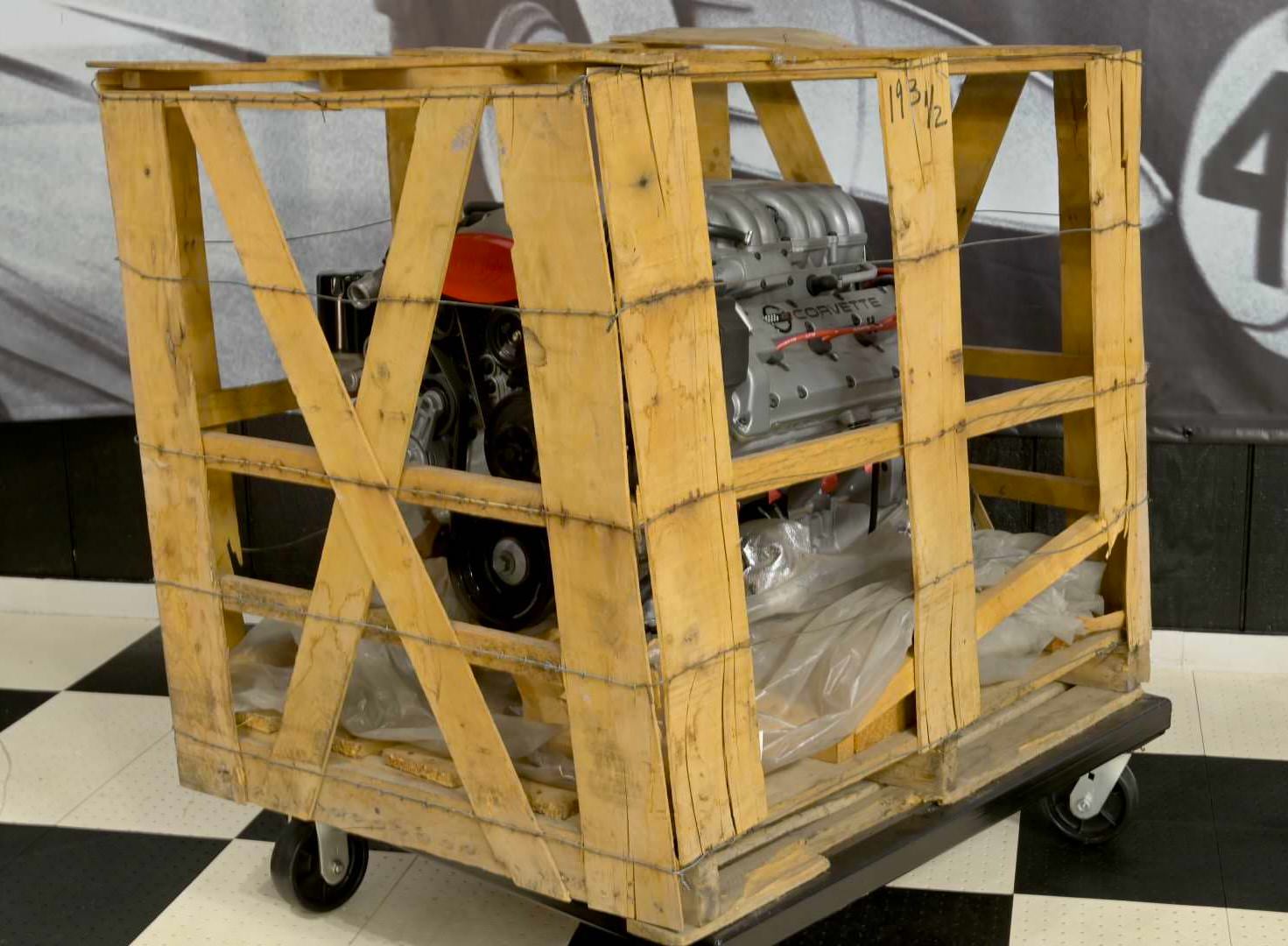
The engine has a 3.90 inch bore and 3.66 inch stroke, for a total displacement of 5,727cc. Early ZR-1s delivered 375 bhp and 370 lb ft of torque, impressive figures for a naturally aspirated sports car in the late eighties.
This listing notes that this Phase 5 (fifth generation) engine was assembled by Mercury Marine in Oklahoma and has never been removed from the shipping crate.
It’s now due to roll across the auction block with Mecum in mid-January and you can visit the listing here if you’d like to read more about it or register to bid.


Images courtesy of Mecum

Articles that Ben Branch has written have been covered on CNN, Popular Mechanics, Smithsonian Magazine, Road & Track Magazine, the official Pinterest blog, the official eBay Motors blog, BuzzFeed, Autoweek Magazine, Wired Magazine, Autoblog, Gear Patrol, Jalopnik, The Verge, and many more.
Silodrome was founded by Ben back in 2010, in the years since the site has grown to become a world leader in the alternative and vintage motoring sector, with well over a million monthly readers from around the world and many hundreds of thousands of followers on social media.