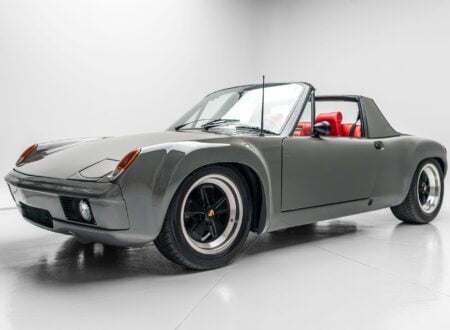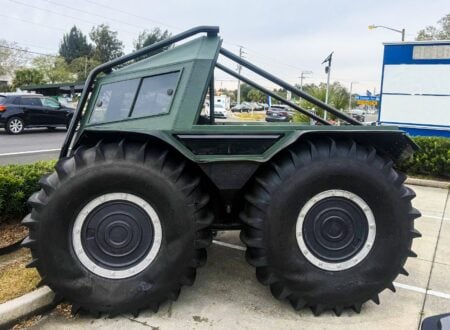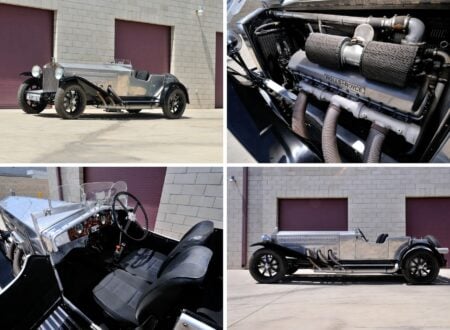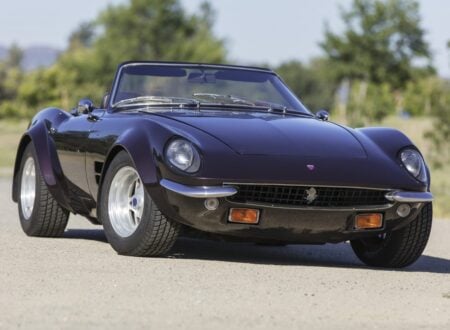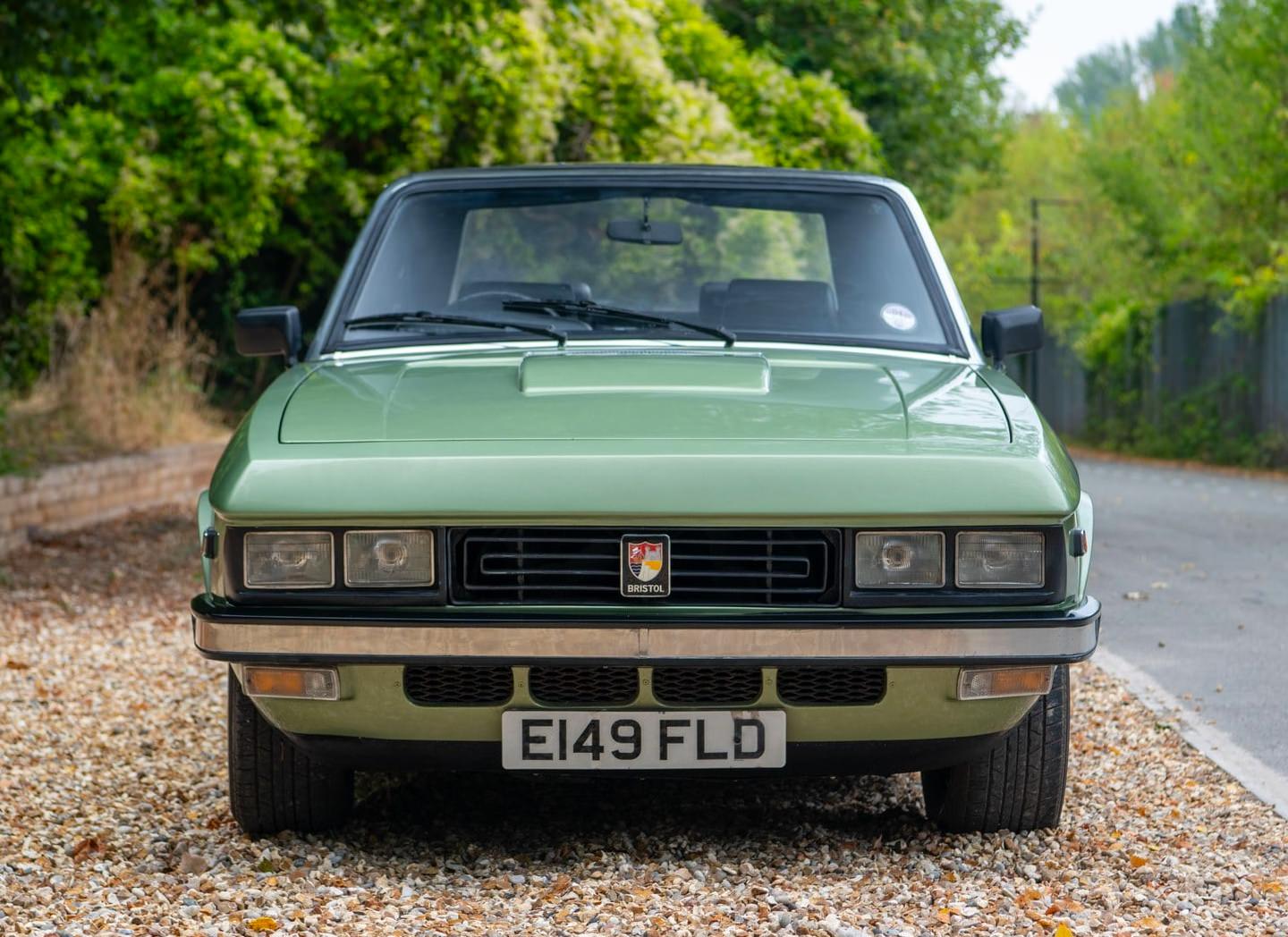
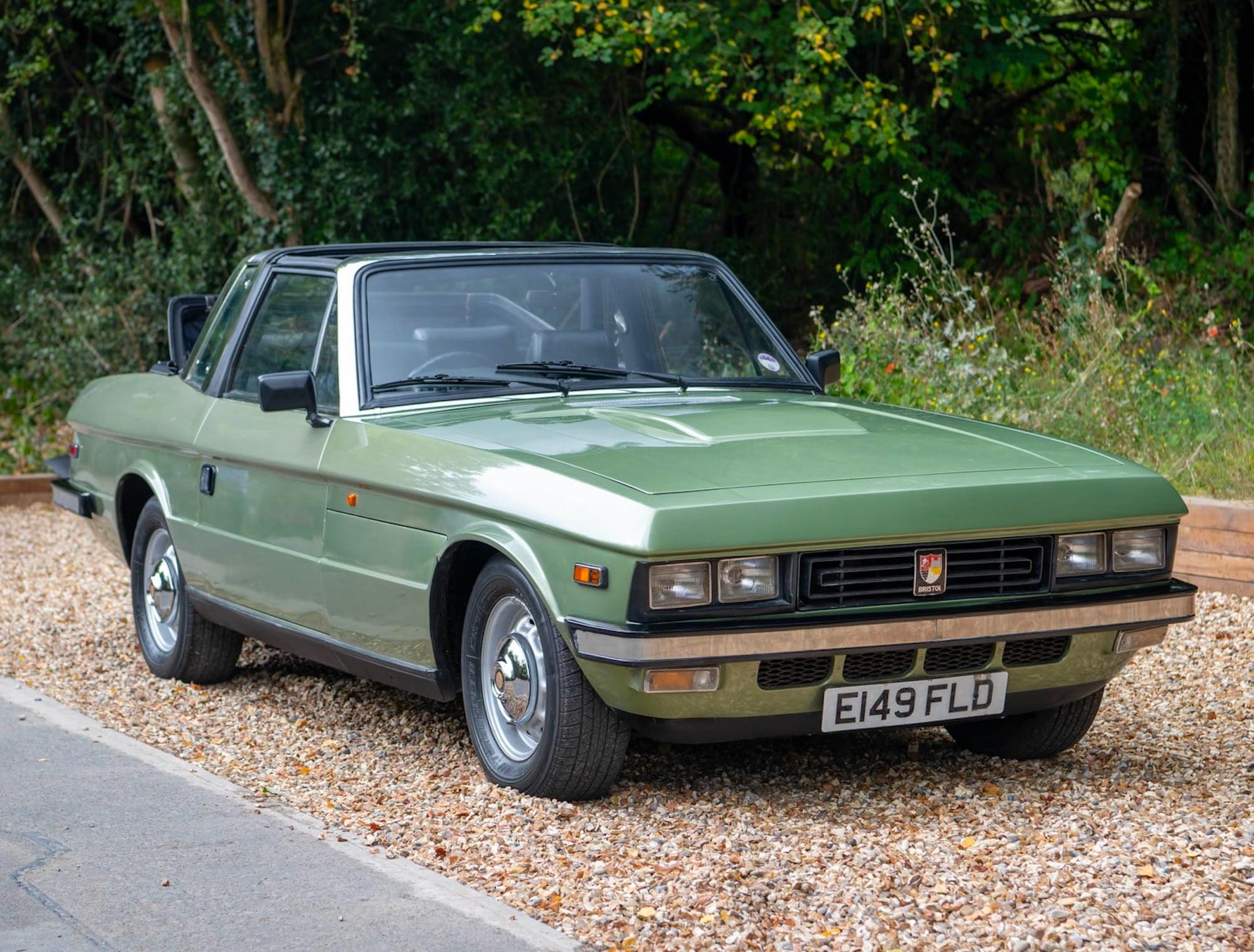
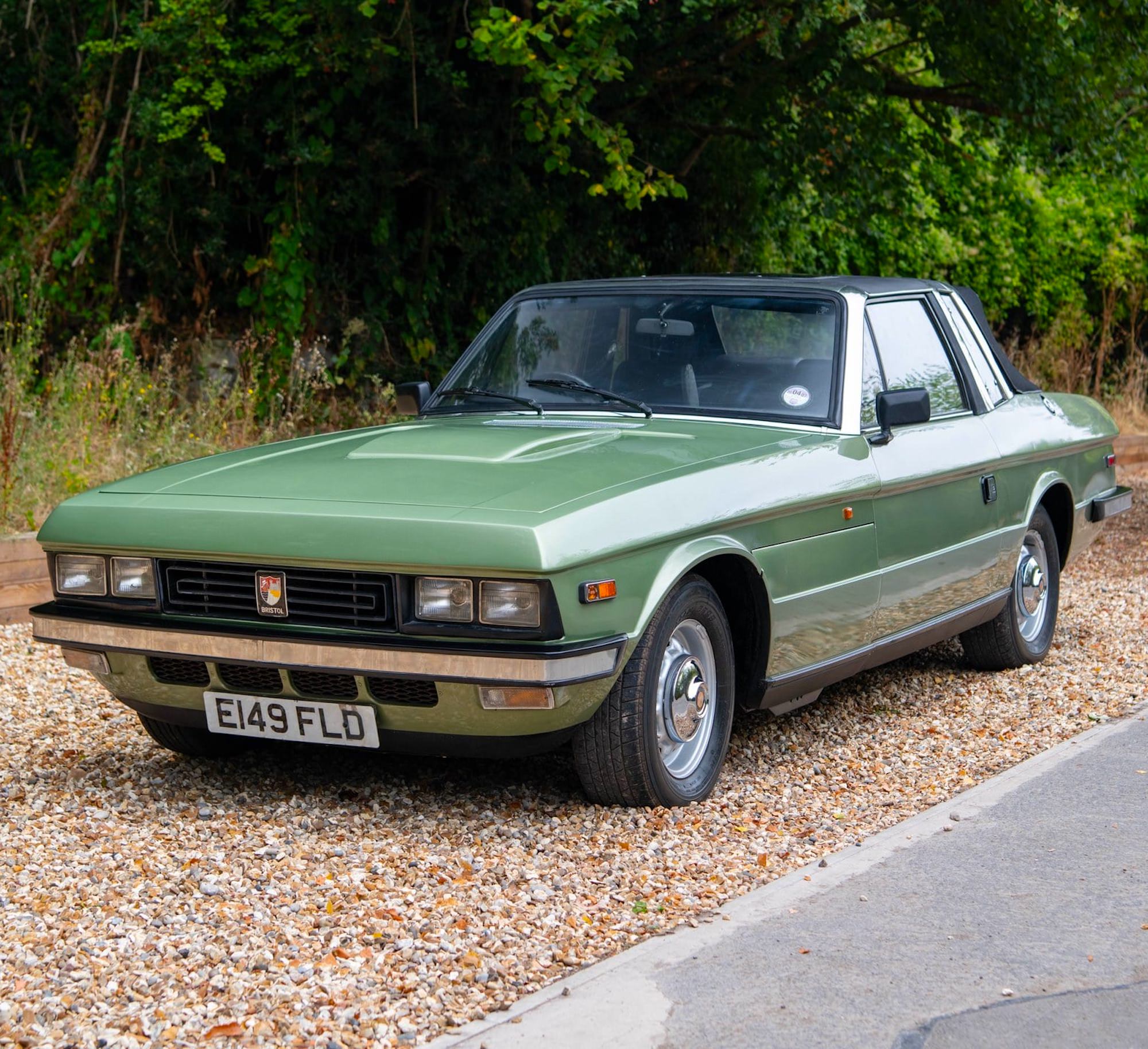
This is the 16th of the 18 Bristol Beaufighters that were built, it’s an exceedingly rare car forgotten by most, and it was the first British luxury car to be powered by a turbocharged V8.
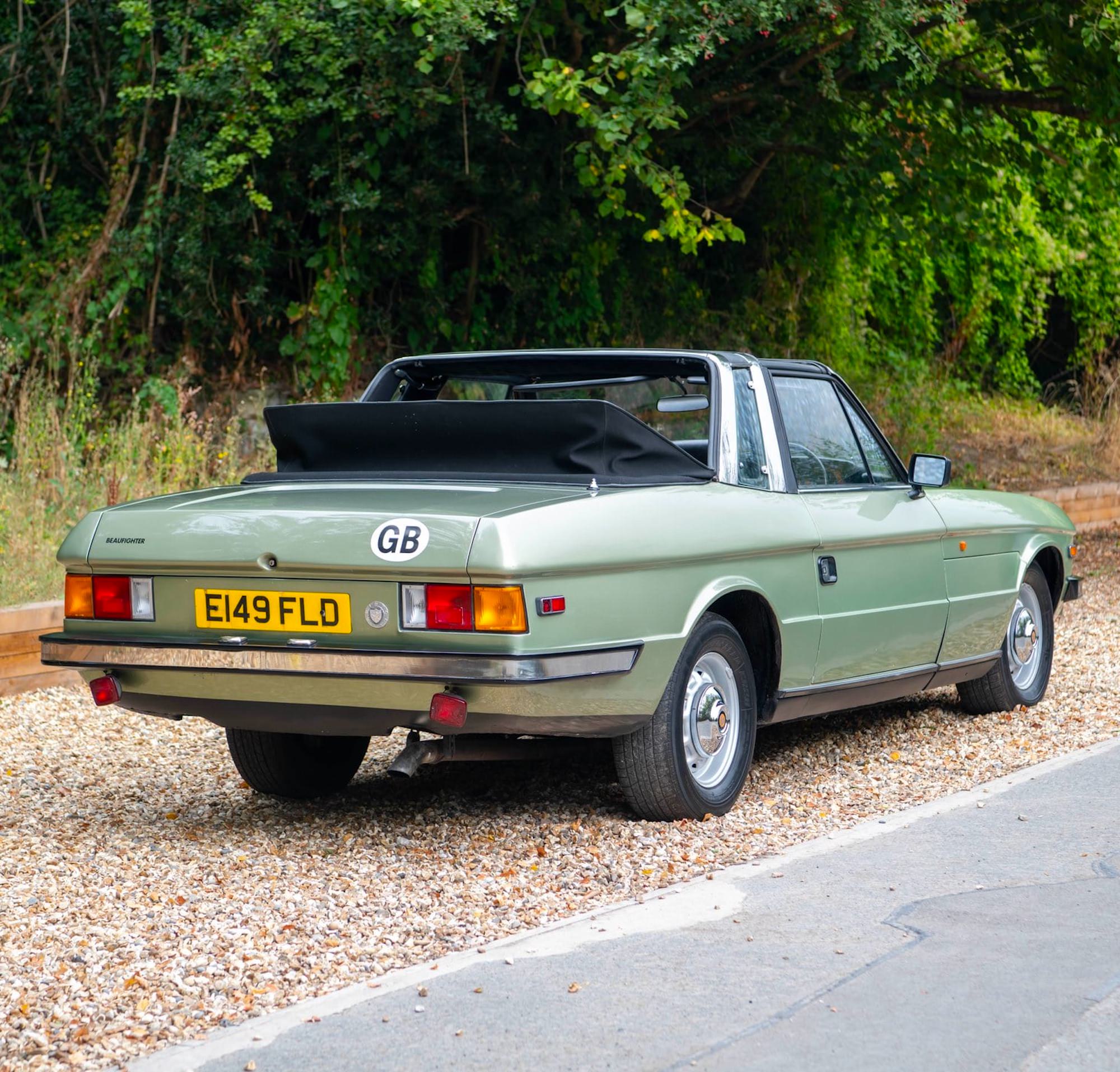
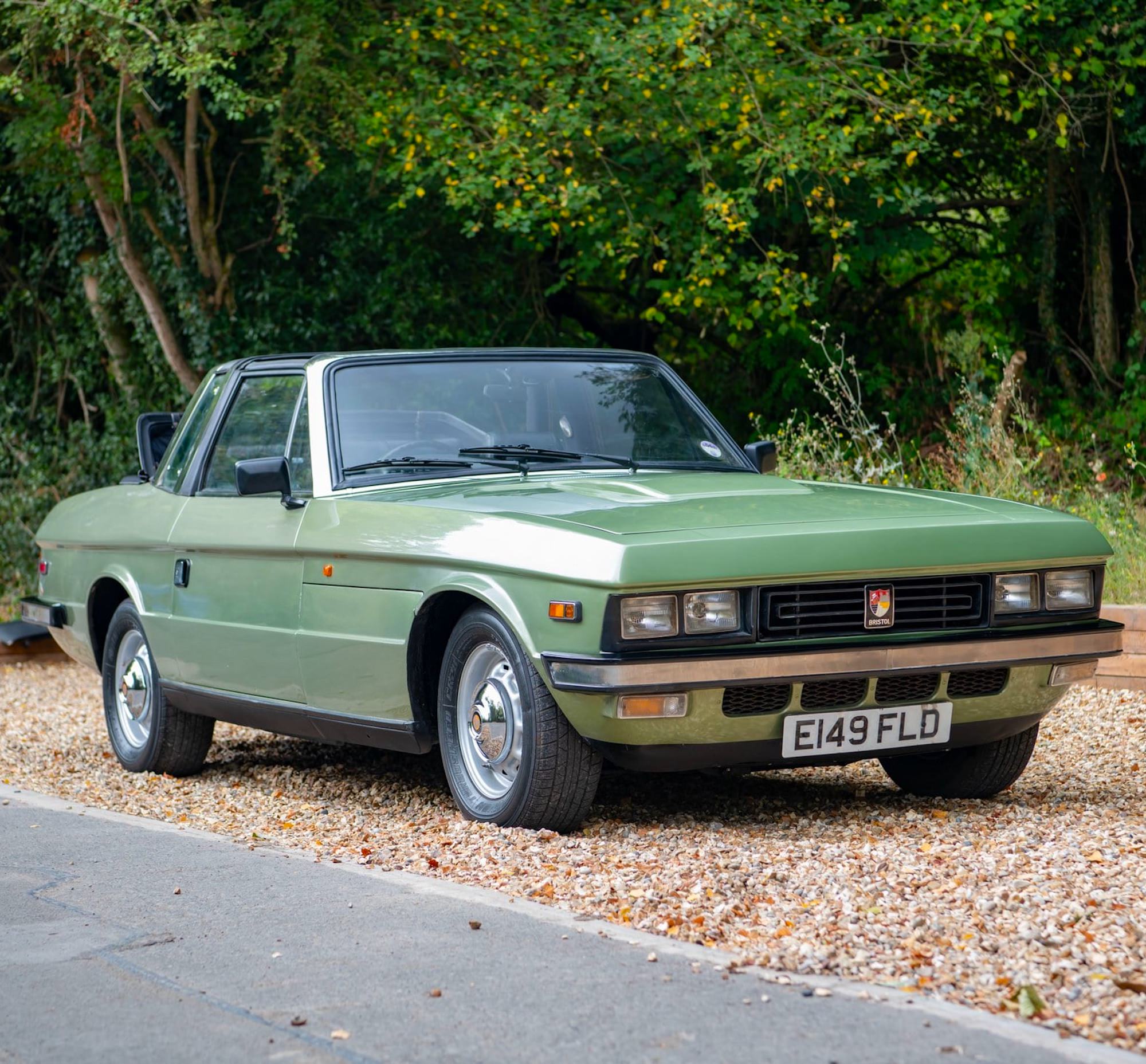
The body of the Beaufighter was designed by Zagato in Italy in the late-1970s, and it’s been dividing the motoring world ever since. Some see it as unique and distinguished, others see it as a bit of an oddball, and dare I say it, even ugly. I will say that the more you look at the car, from various angles, the more the design seems to grow on you.
Fast Facts: A 1987 Bristol Beaufighter
- The Bristol Beaufighter debuted in 1980 as a turbocharged development of the Zagato-designed 412, pairing a 5.9 liter Chrysler V8 with a modified Rotomaster turbo. Bristol never published official power figures, but period testing suggested roughly 140 to 150 mph and 0 to 60 mph in about 6.0 seconds.
- Bristol Cars emerged from the Bristol Aeroplane Company after WWII, using BMW-derived engineering for its earliest models before switching to Chrysler V8 power with the 407 in 1961. Under Tony Crook, the company remained deliberately small, hand-building cars near Bristol, avoiding conventional publicity, and selling through a single London showroom.
- The 412 combined angular Zagato styling with a removable roof panel, four-seat accommodation, Chrysler V8 power, and Bristol’s long-running chassis architecture. The Beaufighter added turbocharging, revised headlights, a hood bulge, and updated equipment. Although not Britain’s first turbocharged production car, it was the first British luxury production car with turbocharged power.
- The featured 1987 Beaufighter is said to be number 16 of 18 built and possibly the only example finished in metallic Olive Green. It has approximately 55,000 miles, a claimed 300 bhp, and received about £9,000 of mechanical work in 2024. It is currently offered for sale in Wrexham.
History Speedrun: Bristol Beaufighter
Bristol Cars built the Beaufighter from 1980 to the early 1990s, the British automaker never disclosed how much power its turbocharged V8 produced, and by 1981 was charging close to £40,000 for it. That works out to around £159,321 in 2026, or $215,736 USD.
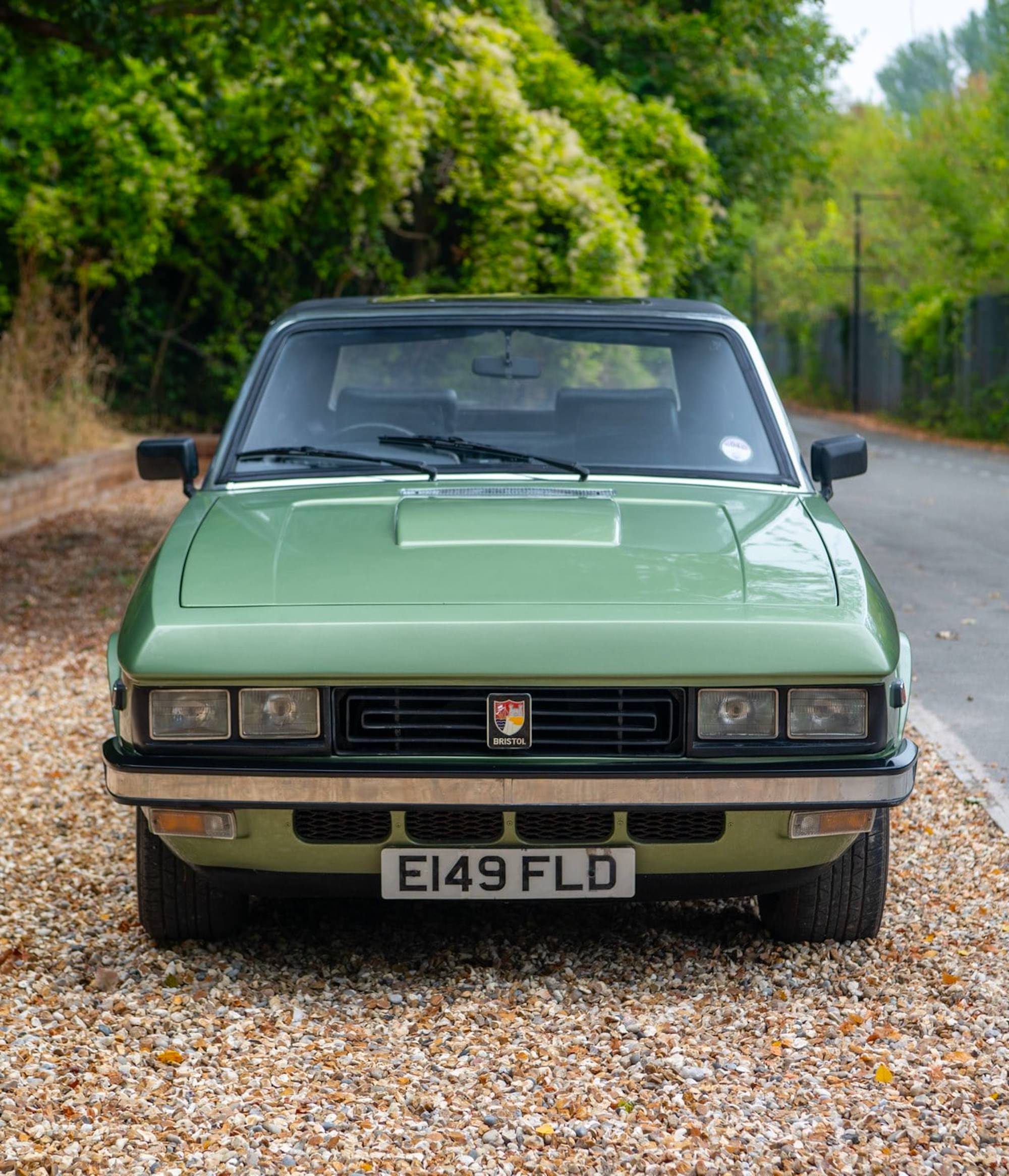
 This is the 16th of the 18 Bristol Beaufighters that were built, it’s an exceedingly rare car forgotten by most, and it was the first British luxury car to be powered by a turbocharged V8.
The Beaufighter was a development of the Zagato-styled Bristol 412, with a Rotomaster turbocharger added to its 360 cubic inch (5.9 liter) Chrysler V8. How many were made is still argued over, an older survey compiled with a former Bristol salesman counts 19, while the Bristol Owners Club register lists 28. The truth of the matter is that we’ll likely never know the real number.
The Post-WWII Rise Of Bristol Cars
The Bristol Aeroplane Company formed its car division in July of 1945, facing the collapse of wartime aircraft demand due to the end of WWII, with a large skilled workforce and no obvious use for it. It took a controlling stake in AFN Ltd, the Frazer Nash maker whose Aldington brothers had held a prewar license to build BMWs in Britain. In October of 1945 a party including H.J. Aldington and two Bristol representatives collected BMW drawings and prototype engines in Munich.
The acquisition of those plans has been widely described as war reparations, but the Bristol Owners Heritage Trust rejects that description, its research suggests that AFN’s manufacturing license and its transfer to Bristol were investigated at length beforehand, and that money was probably paid directly to BMW for the blueprints.
What emerged from all of this was the Bristol 400, a car built on the BMW 326 chassis with BMW 327-derived bodywork and the BMW 328’s two liter hemispherical-head straight six.
BMW engineer Fritz Fiedler, one of the key figures behind the prewar designs the car was based on, later worked with AFN and Bristol on the development project. The first Bristol 400 was finished in 1946, and customer cars started leaving the Filton factory from 1947 onwards.
Evolutions of that six-cylinder engine from Munich powered every Bristol until 1961, when the Bristol 407 introduced Chrysler V8 power, which would remain the backbone of Bristol’s saloon range to the end.
The car production side of Bristol separated from its aviation parent in 1960, when Sir George White bought the automotive division and brought former racing driver Tony Crook in as a 40% shareholder – Crook then became the sole owner in 1973.
Period sources put the top speed of the Beaufighter at around 140 to 150 mph, with 0 to 60 mph taking about 6 seconds. Motor Sport magazine’s October 1981 test put it in the region of 140 mph and returned 16.5 mpg from the 21 gallon tank – the car weighed 3,800 lbs.
His take on the Bristol formula was a deliberately small operation, cars were hand-built at the works near Filton, later Patchway, and sold through a single showroom on the corner of Kensington High Street and Holland Road in London. Crook held to a stated policy of never building more than about three cars a week.
The company generally shunned conventional publicity and rarely courted the motoring press, and it didn’t quote power or torque figures for its cars. It was an entire company run by British eccentricity, and for a time at least, it proved successful.
The Bristol 412 + Its Turbocharged Stablemate
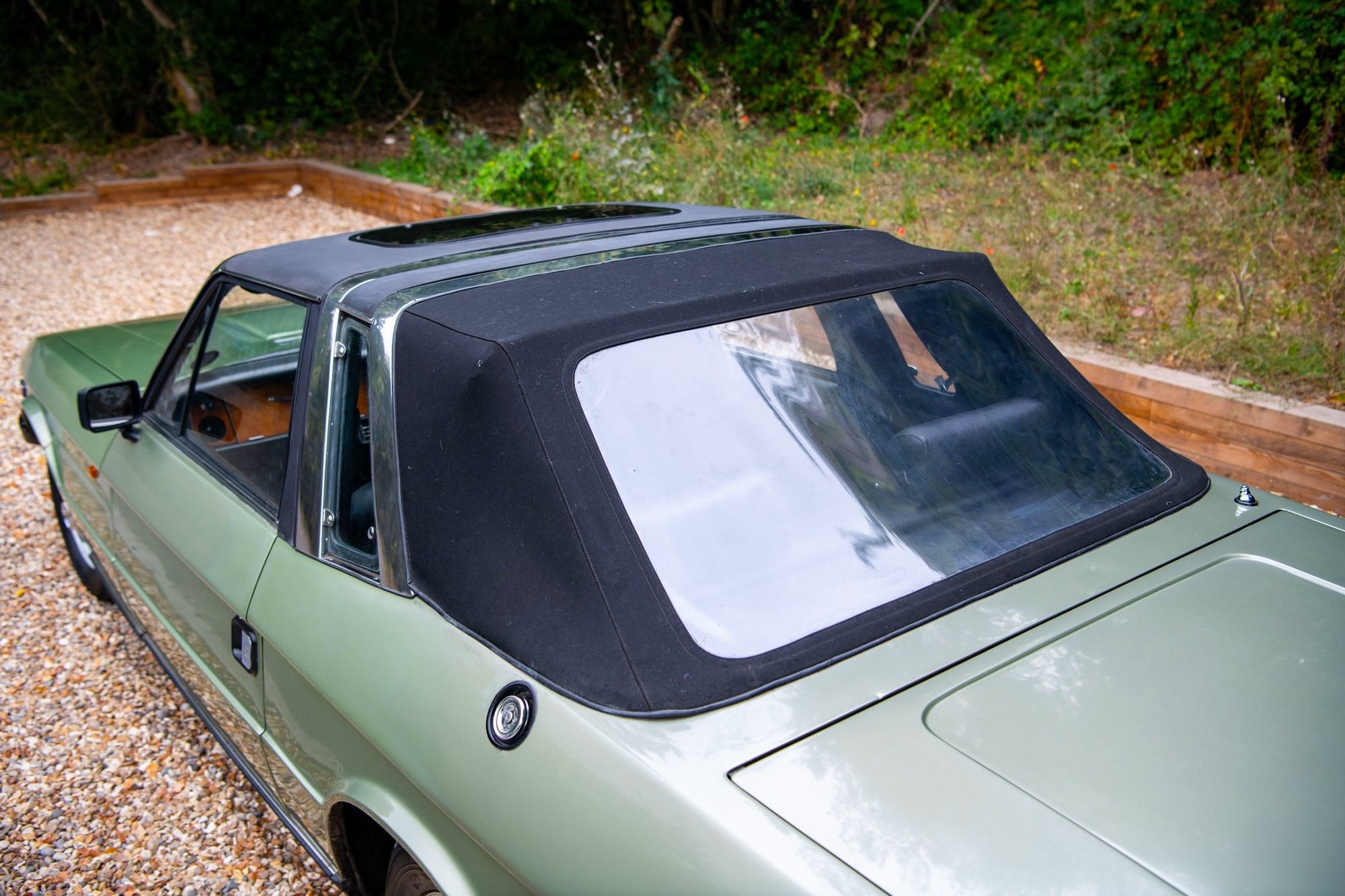
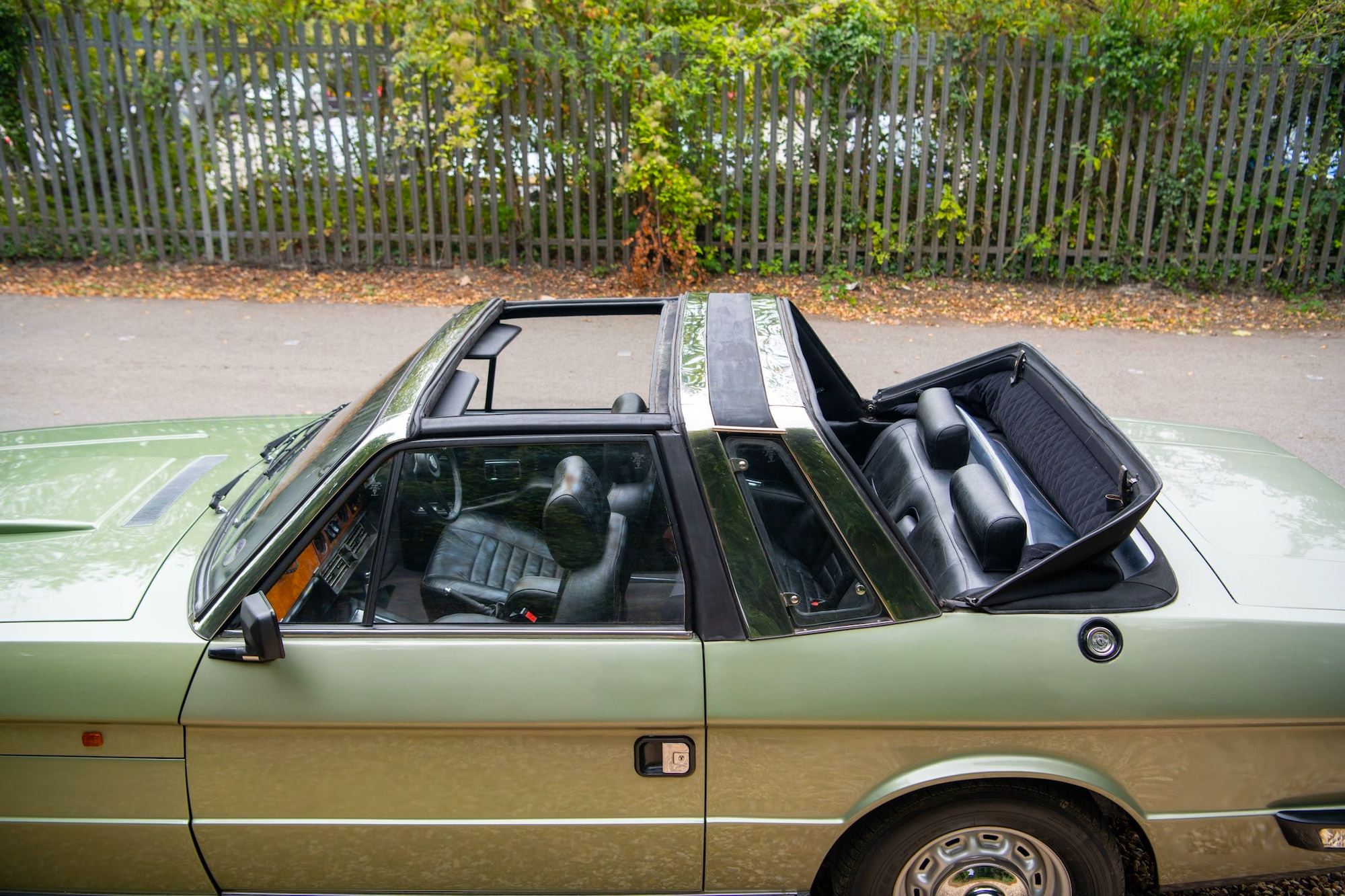
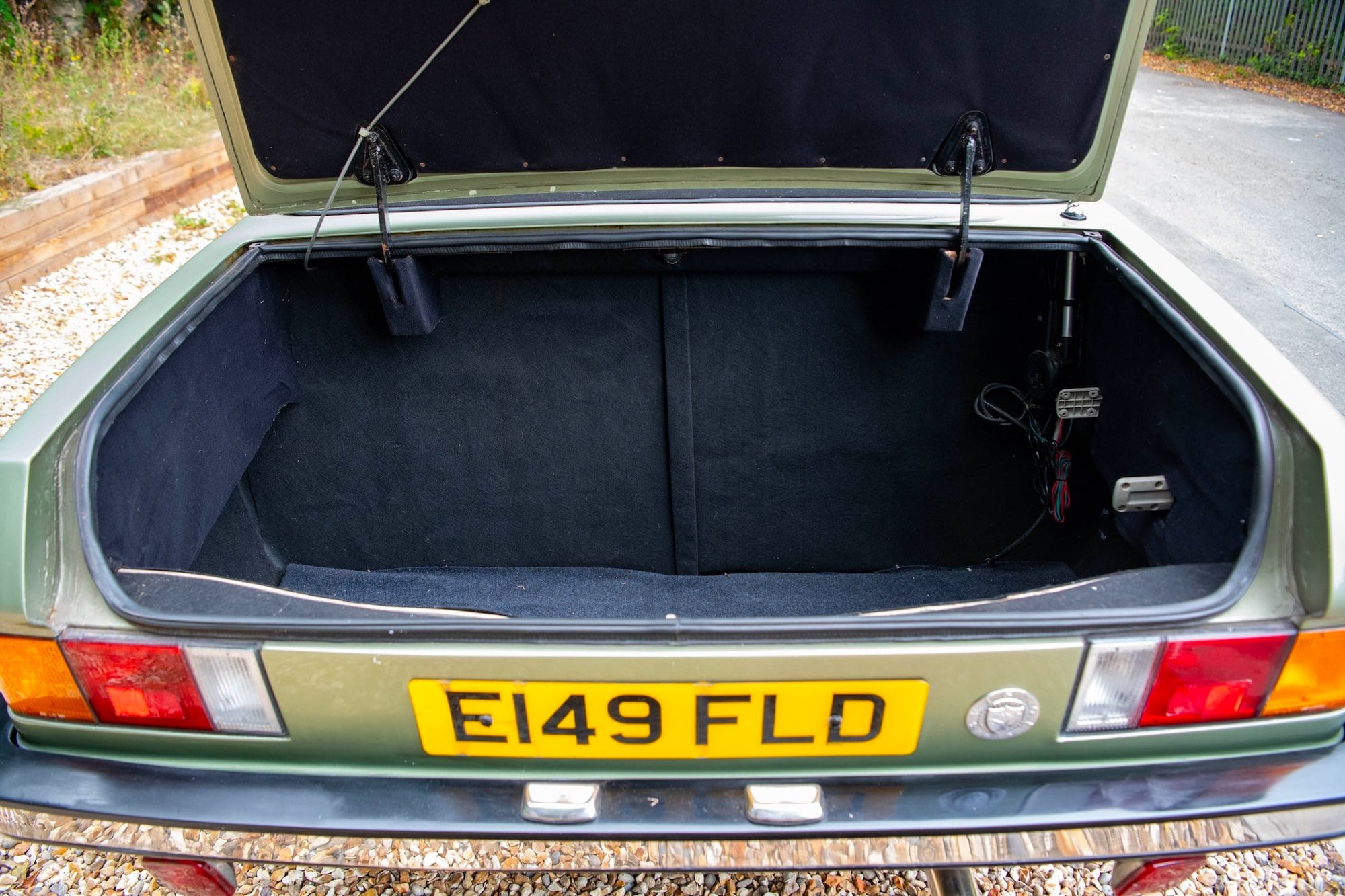
The Bristol 412 of 1975 was a four-seat convertible saloon styled by Zagato and attributed to chief stylist Giuseppe Mittino, it took inspiration from Zagato’s 1974 Lancia Beta Spider, complete with welded steel rollbar, folding rear hood, and a removable glassfiber targa panel that stowed in the trunk. Mittino’s first attempt came out two feet longer than Crook wanted, apparently the result of a communication failure between Bristol and Milan.
Under the sharp-edged aluminum paneling sat the same box-section chassis lineage Bristol had used for years, and the same 9 ft 6 in wheelbase, as the 1947 400. Power came from a 400 cubic inch (6.6 liter) Chrysler V8 through a TorqueFlite automatic. At £14,584 it cost £4,500 more than a Jensen Interceptor Convertible but still £8,000 less than a Rolls-Royce Corniche drophead. The Series 2 of 1978 brought framed doors and the smaller, lighter 360 cubic inch (5.9 liter) V8.
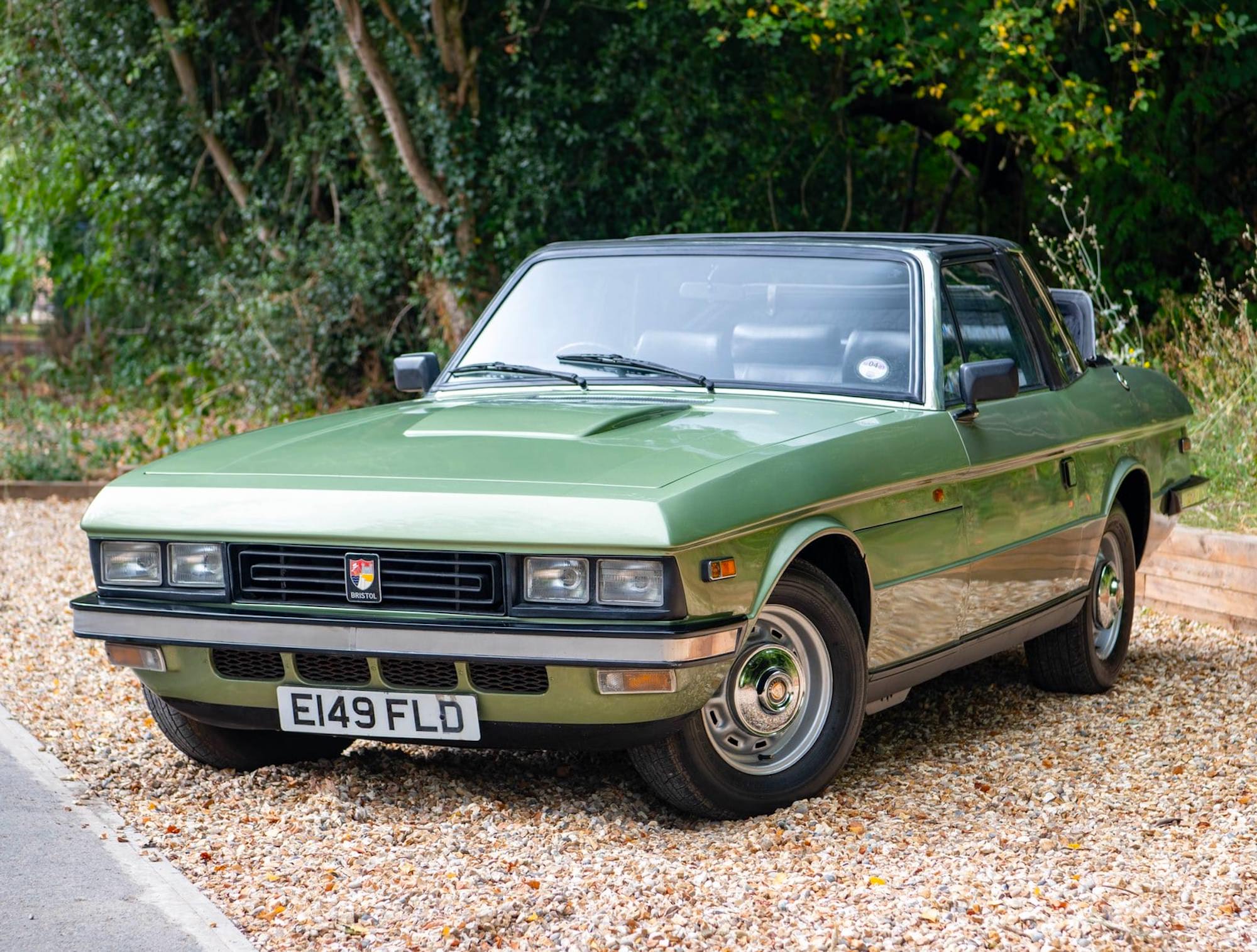
The Beaufighter model, unveiled in 1980, added a turbocharger into the mix. Bristol bought in the American Rotomaster kit, dismantled and reworked it to its own specification, and added a priority valve that bypassed the compressor at light throttle so the car behaved like the naturally aspirated 412 around town. A Carter four-barrel carburetor fed the engine, a bulge in the hood helped to clear the new hardware, and four rectangular headlamps now adorned the front end.
Output stayed officially undisclosed, in Bristol tradition. It may have been a wider British tradition among high-end luxury automakers there, as Rolls-Royce did the same thing.
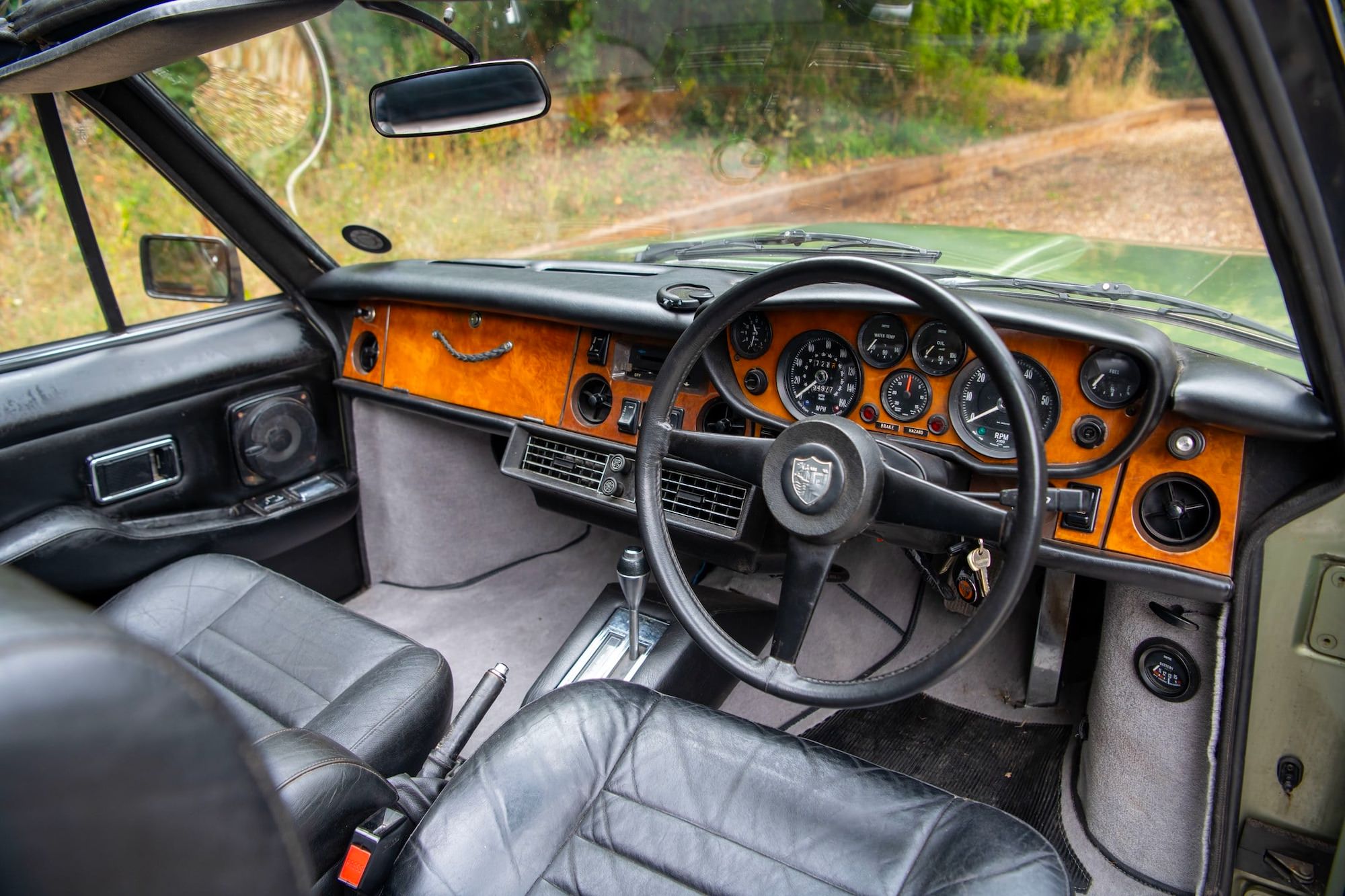
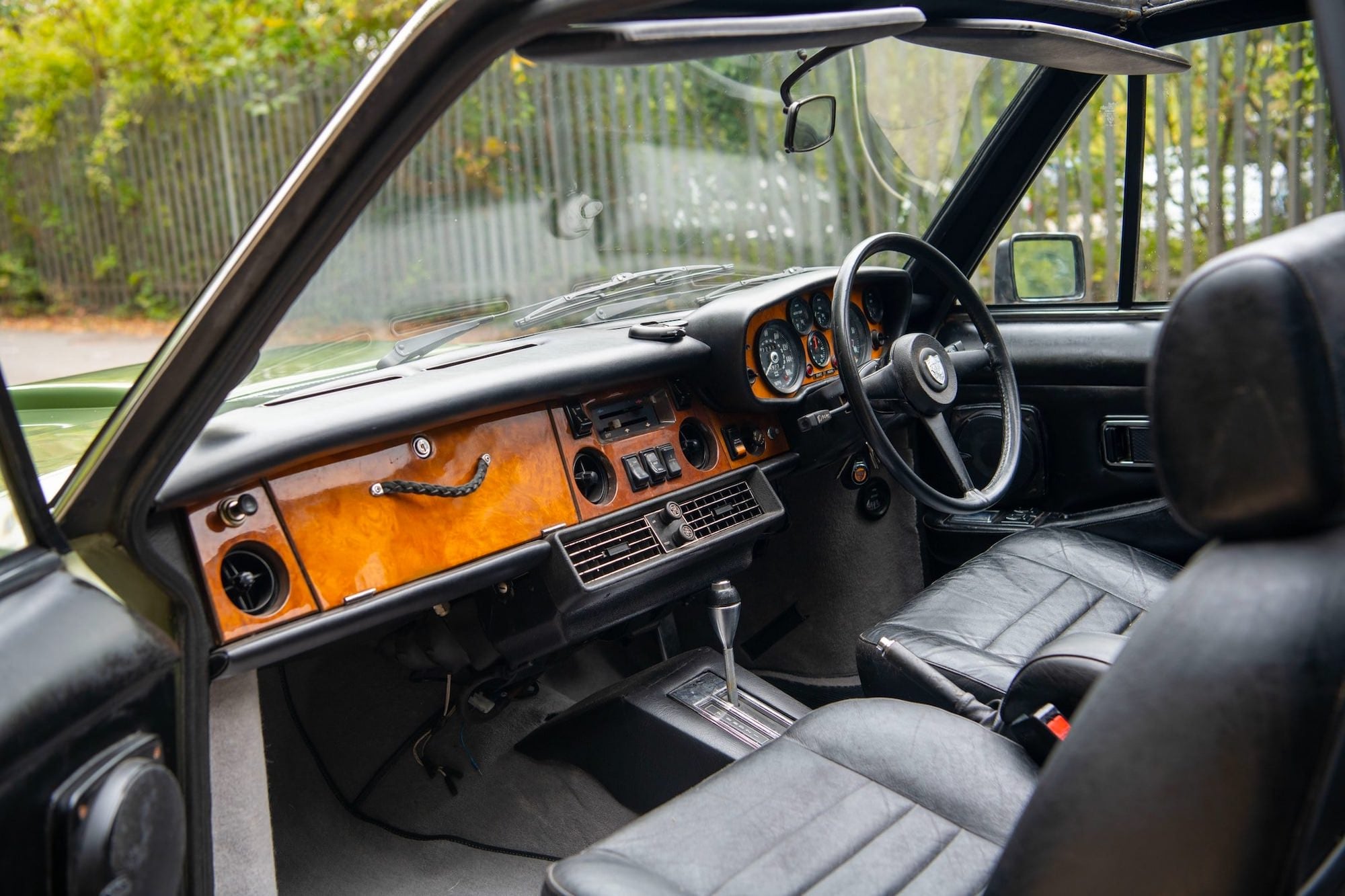
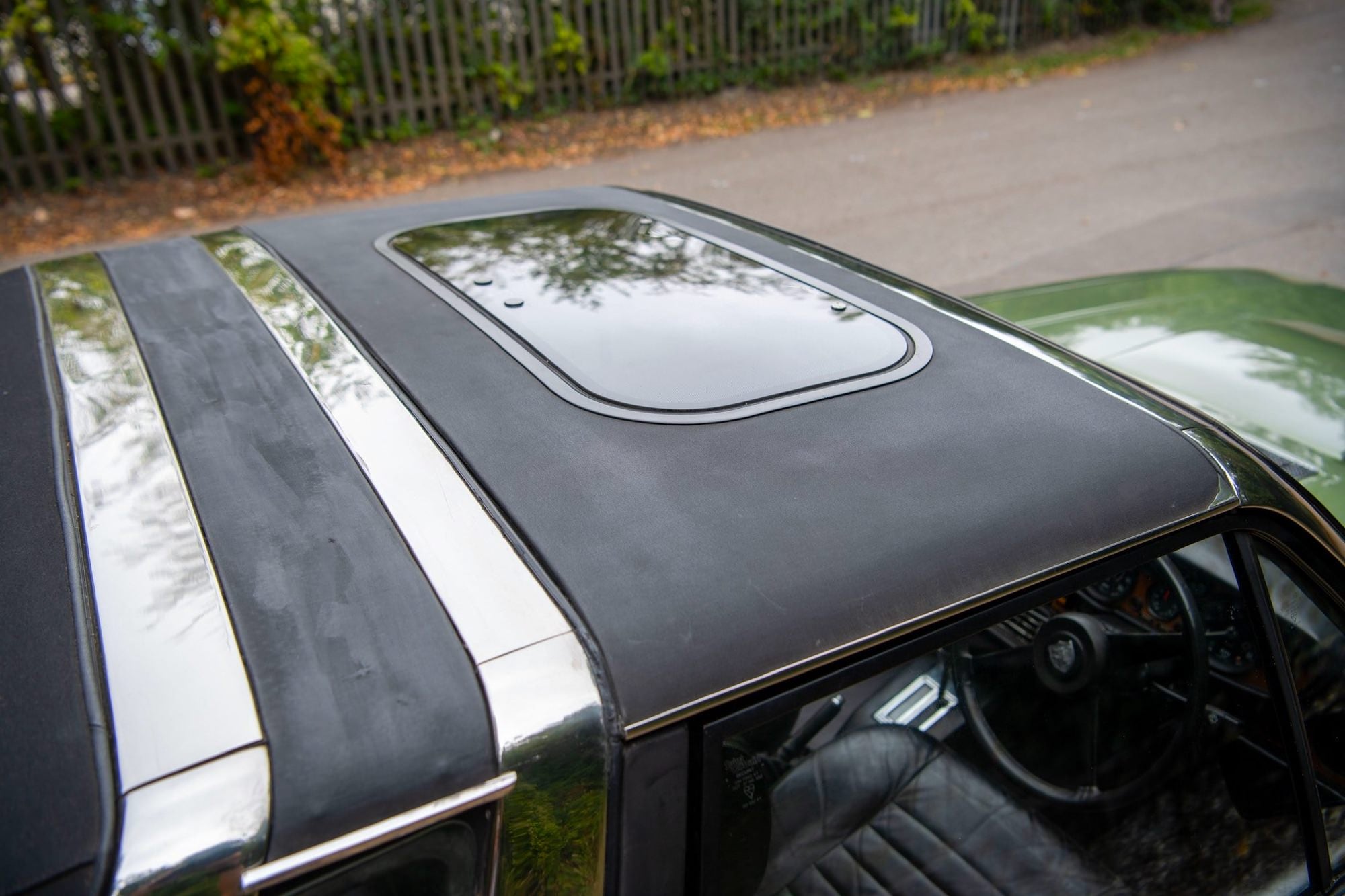
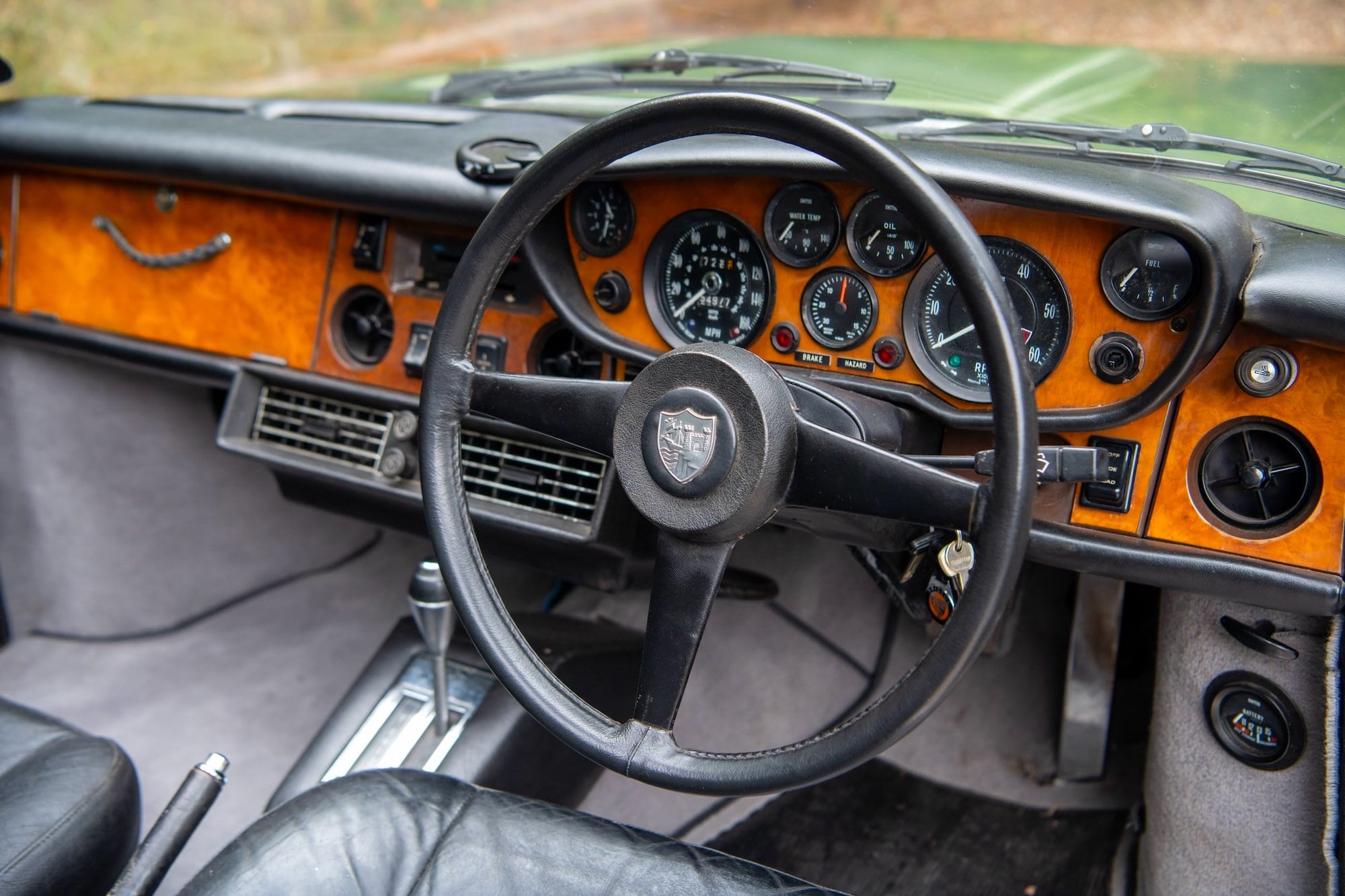
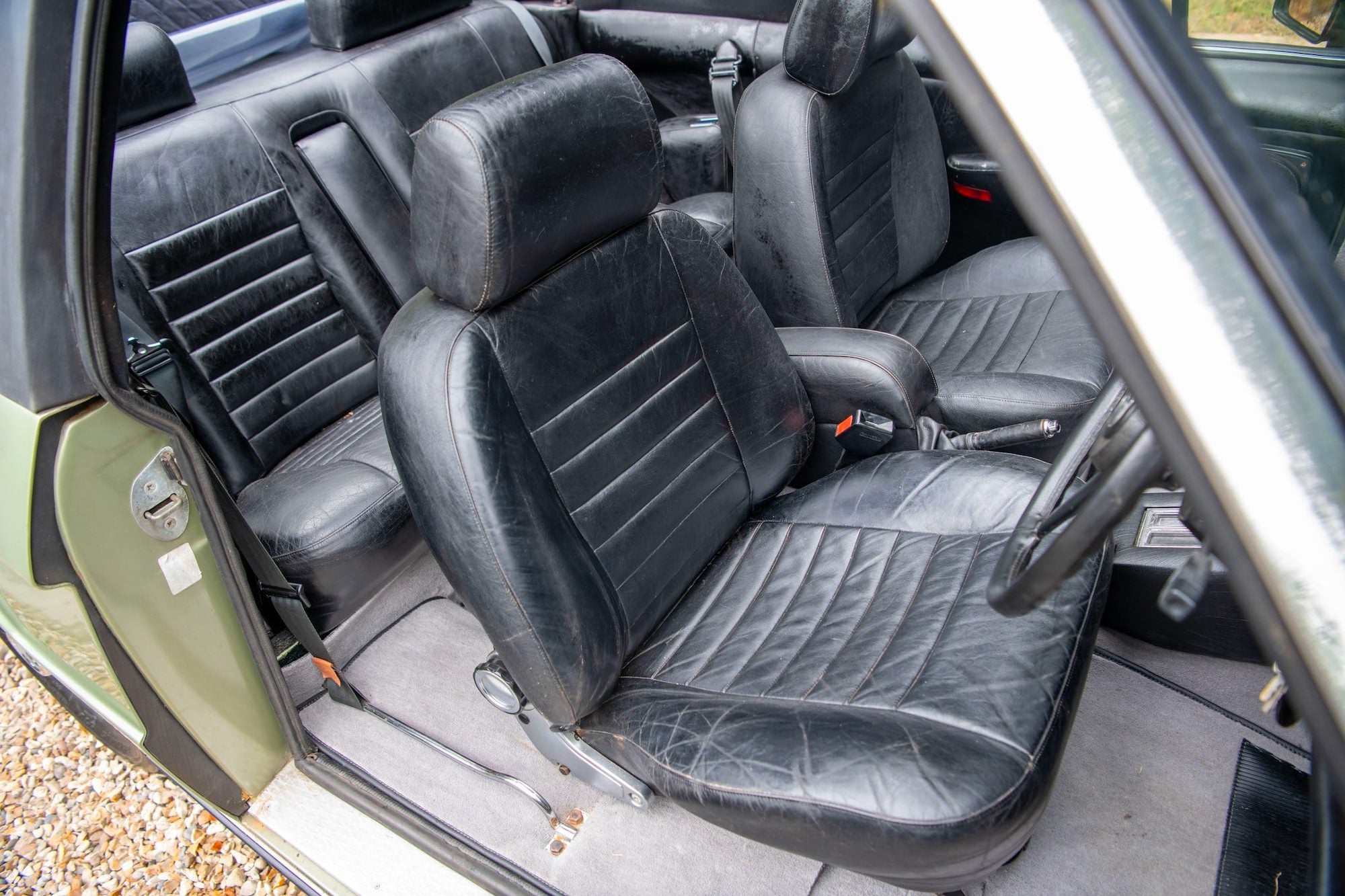
The cabin was said to exceed “the air of a gentleman’s club lounge,” and the earliest cars had a fixed front roof section with a glass sunroof, later examples reverted to the 412’s lift-out roof panel.
Period sources put the top speed of the Beaufighter at around 140 to 150 mph, with 0 to 60 mph taking about 6 seconds. Motor Sport magazine’s October 1981 test put it in the region of 140 mph and returned 16.5 mpg from the 21 gallon tank – the car weighed 3,800 lbs.
Self-leveling rear suspension, central locking, and electric mirrors kept it current, and each car took 16 to 20 weeks to build by hand. The cabin was said to exceed “the air of a gentleman’s club lounge,” and the earliest cars had a fixed front roof section with a glass sunroof, later examples reverted to the 412’s lift-out roof panel.
The Beaufighter has been regularly described, including in some otherwise careful sources, as the first turbocharged British production car. The only problem with that statement is that it wasn’t. TVR showed its Broadspeed-converted 3000M Turbo at Earls Court in 1975 and sold it from 1976, four years before the first Beaufighter appeared.
The 3000M Turbo is widely accepted as Britain’s first turbocharged production car. The Bristol was still an early adopter, and it was the first British luxury production car to be turbocharged.
The Beaufort, The Brigand, + The End
The final Bristol 412 derivative was the Beaufort of 1984, this was a fully open, left-hand-drive convertible with a powered hood and no rollbar, built at Crook’s instigation to see if it would appeal to the lucrative American market. It was given an enlarged 30 gallon fuel tank to extend its touring range, and exactly one of them was made.
Crook was the first registered owner of the Beaufort in the late 1980s, the car passed to an Egyptian businessman who abandoned it in a London hotel car park, it drifted through a number of owners, and it still survives today repainted in Aston Martin Midnight Blue.
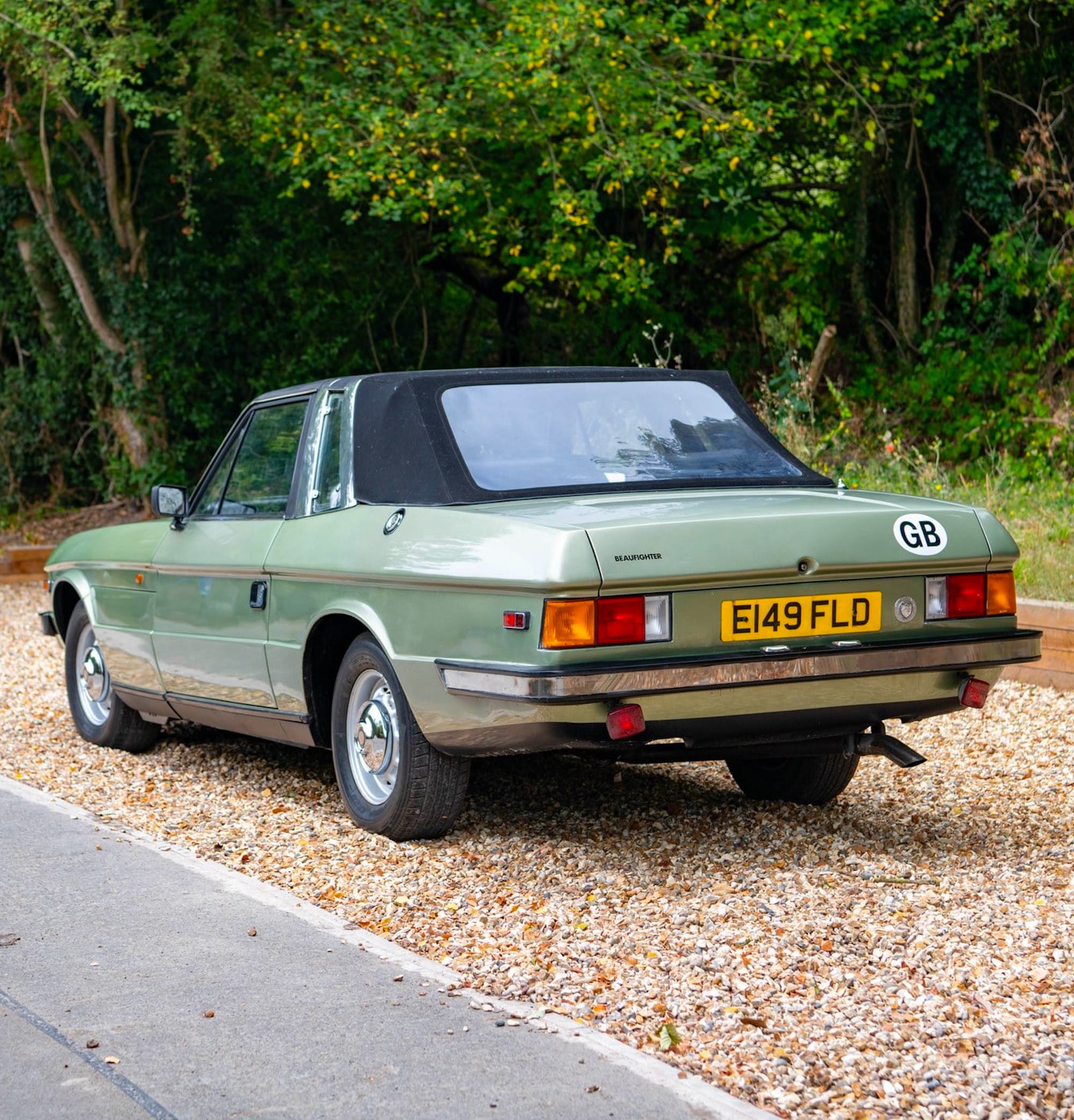
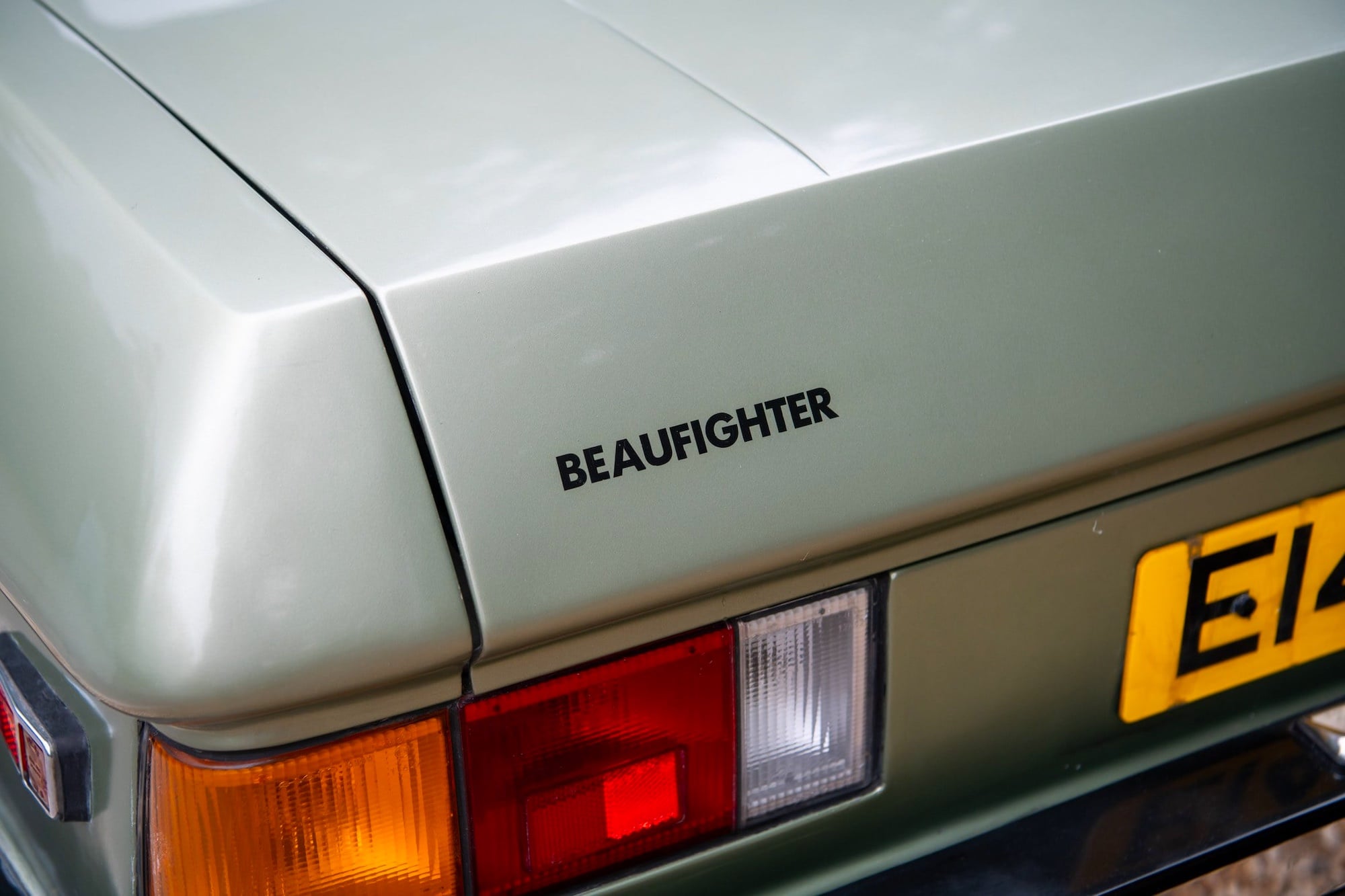
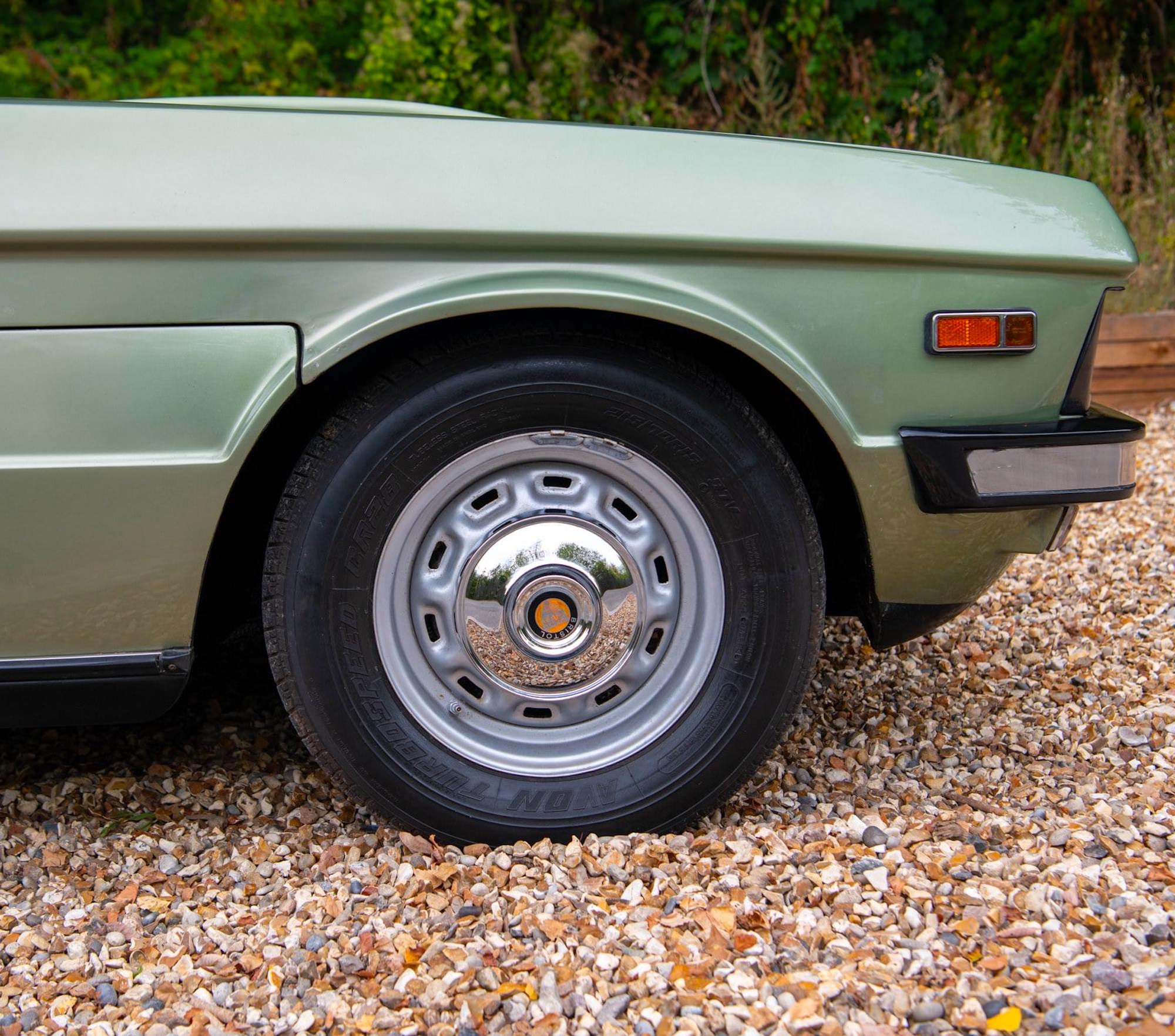
This 1987 Bristol Beaufighter is said to be number 16 of just 18 examples built, and is believed by the seller to be the only one finished in metallic Olive Green. Although first registered in 1987, it is thought to have been manufactured around 1982 or 1983, having remained unsold for several years before its first registration.
The turbocharged Bristol engine had a life that continued on after the Beaufighter, the more conventional 603 saloon of 1976 became the Britannia, and in 1982 the same turbo installation created the Brigand model. The aircraft names would later continue with the release of the Bristol Blenheim.
Crook sold a half share in Bristol to Toby Silverton in 1997 and said he sold his remaining shares in 2001. Silverton’s family had assumed full control by 2002 and sadly, Bristol Cars went into administration on the 3rd of March 2011. Administrators were appointed, 22 staff were made redundant, and Kamkorp Autokraft bought the assets that April.
The 1987 Bristol Beaufighter Shown Here
This 1987 Bristol Beaufighter is said to be number 16 of just 18 examples built, and is believed by the seller to be the only one finished in metallic Olive Green. Although first registered in 1987, it is thought to have been manufactured around 1982 or 1983, having remained unsold for several years before its first registration.
The car shows approximately 55,000 miles on the odometer and pairs its turbocharged 5.9 liter Chrysler V8, offering 300 bhp, with a 3-speed Torqueflite automatic transmission.
According to the seller, a previous owner used the Bristol only two or three times a year, mainly for journeys to a villa in Portugal. Much of the earlier documentation has unfortunately been lost, but substantial recent work is recorded.
In early 2024, shortly before the current vendor bought the car in May, Bristol and Chrysler V8 specialist Cropredy Bridge carried out roughly £9,000 of mechanical work. This included an automatic gearbox overhaul with replacement bands, servicing, carburetor work, electrical repairs, and attention to the brake calipers and hoses.
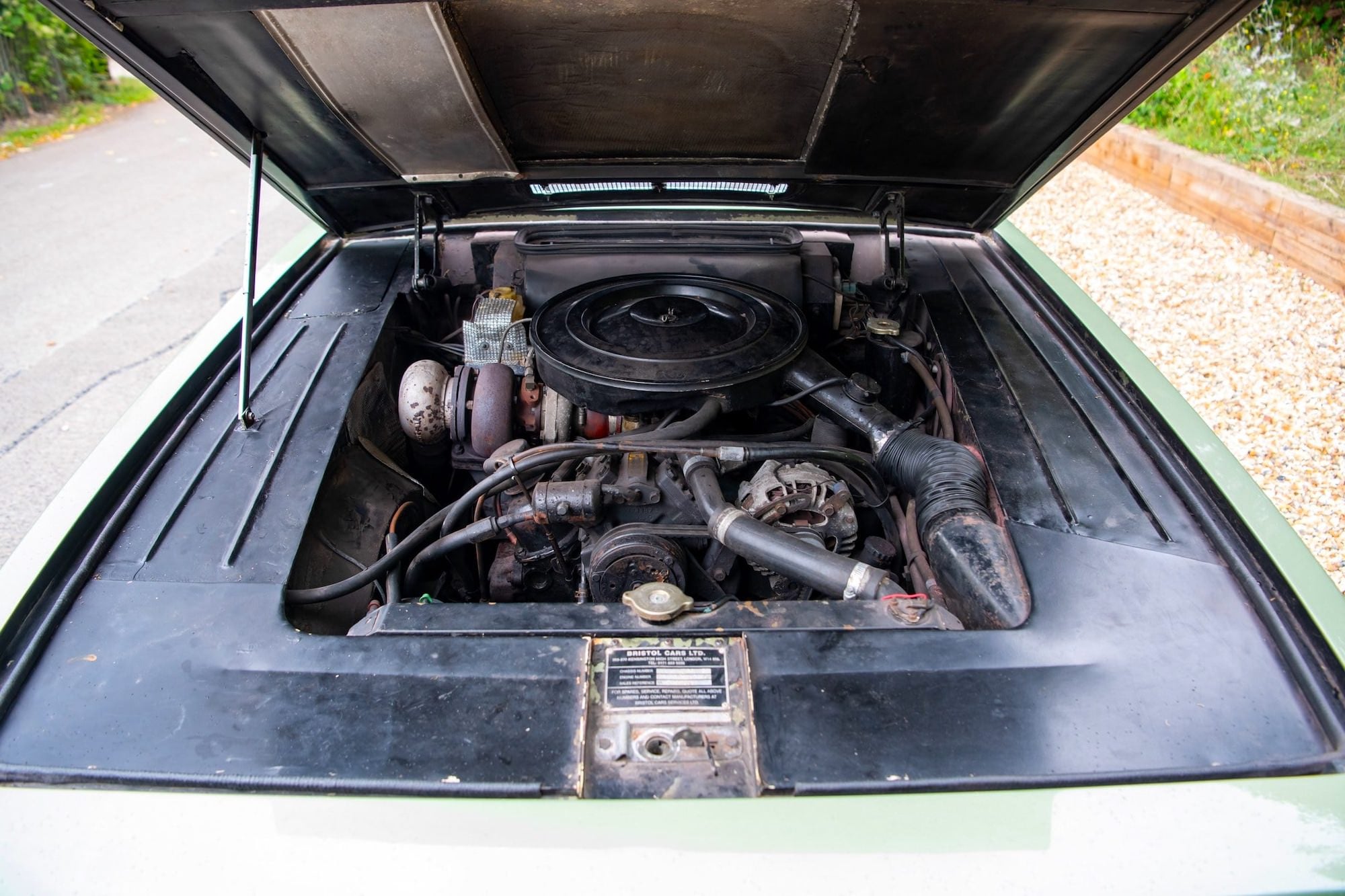
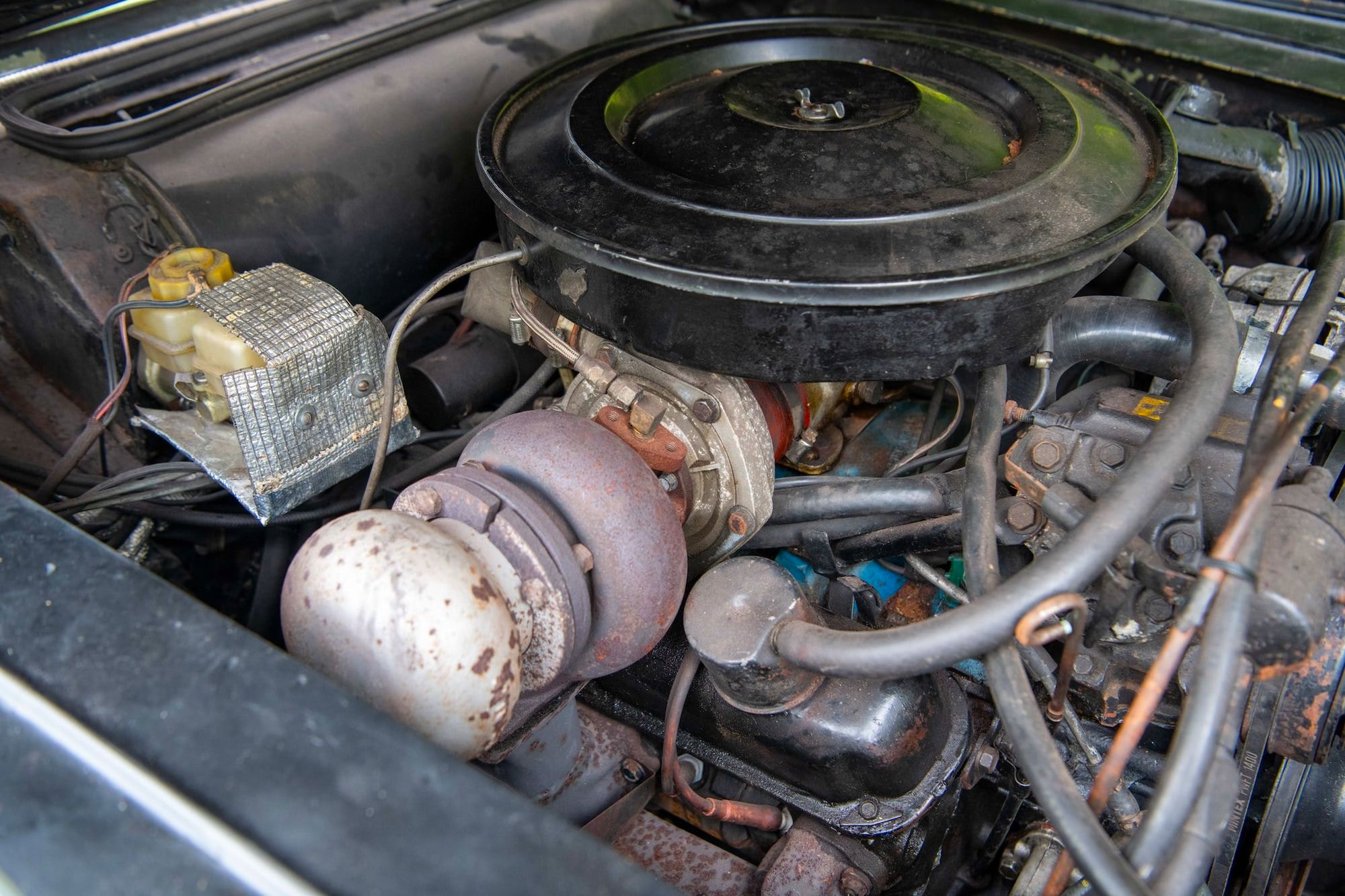
This car shows approximately 55,000 miles on the odometer and pairs its turbocharged 5.9 liter Chrysler V8, offering 300 bhp, with a 3-speed Torqueflite automatic transmission.
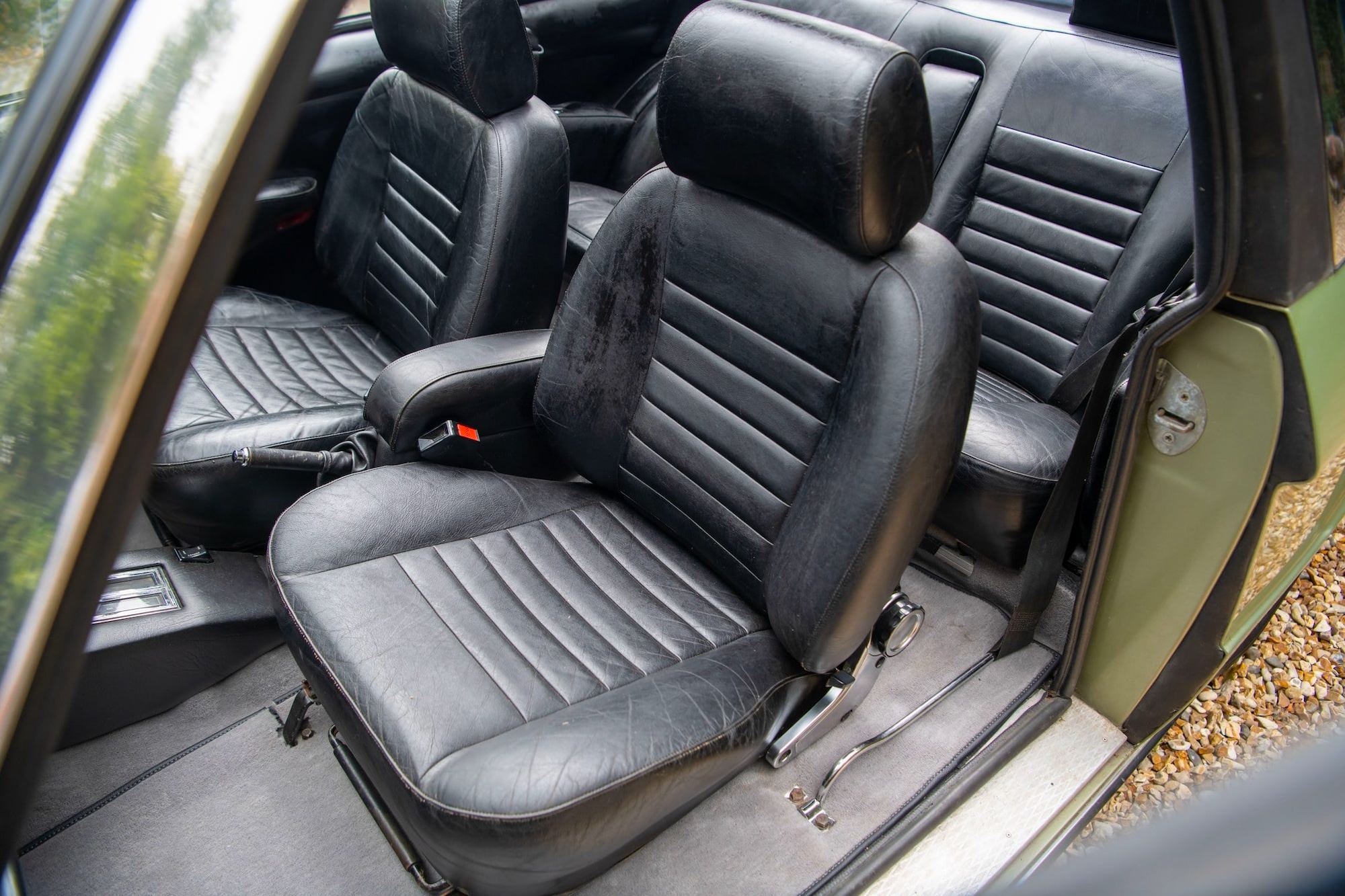
The car has since been fitted with new leather-edged carpets, while the original fiber insulation was replaced with Dynamat soundproofing throughout. Its black leather interior remains well presented with age-related wear, and the aluminum body is described as generally sound, although there are minor paint variations, chips, and a few small blisters.
It’s now being offered for sale out of Wrexham in the United Kingdom and its MOT is valid until August of 2027. If you’d like to read more about it or register to bid you can visit the listing here.
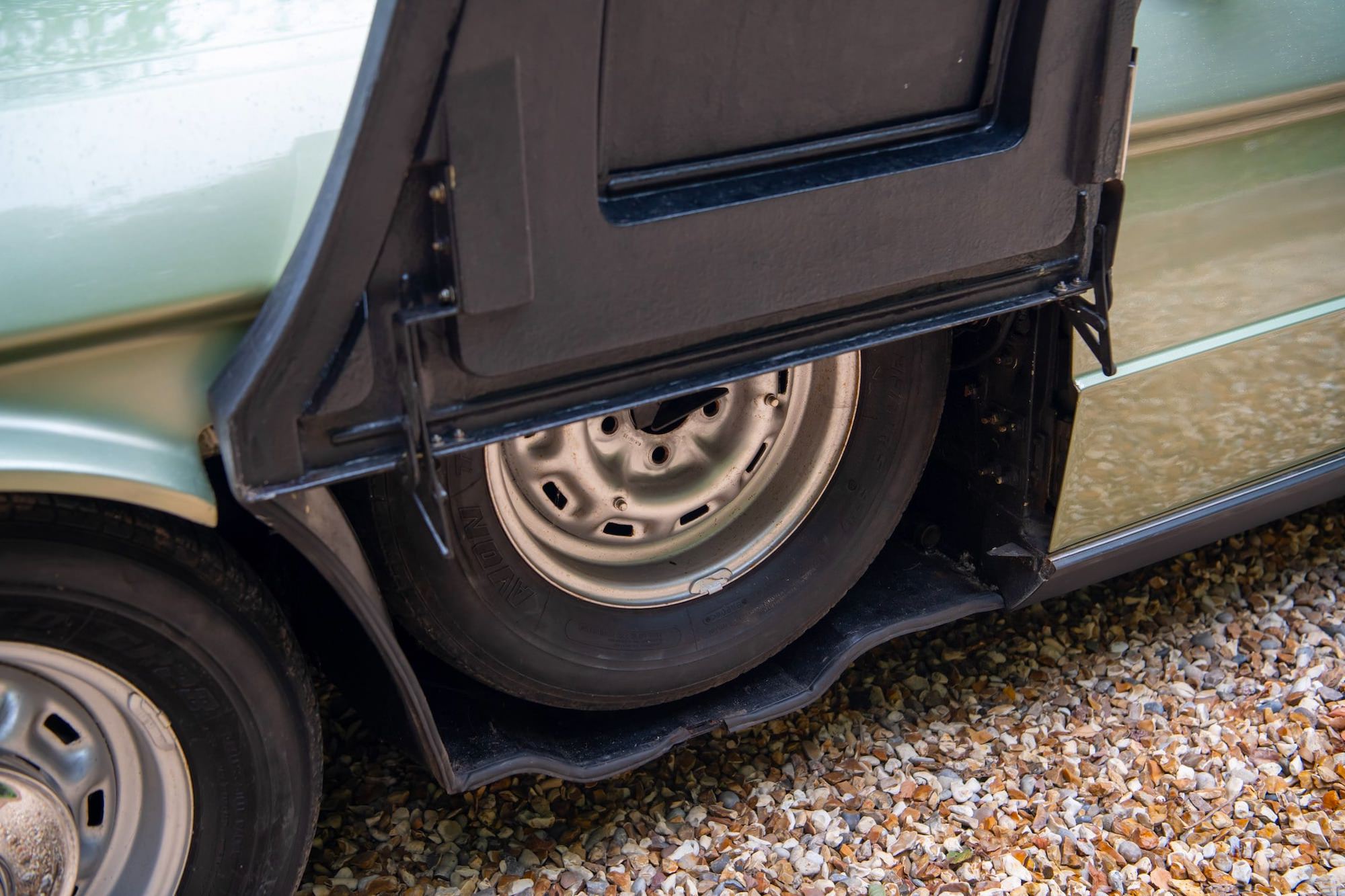
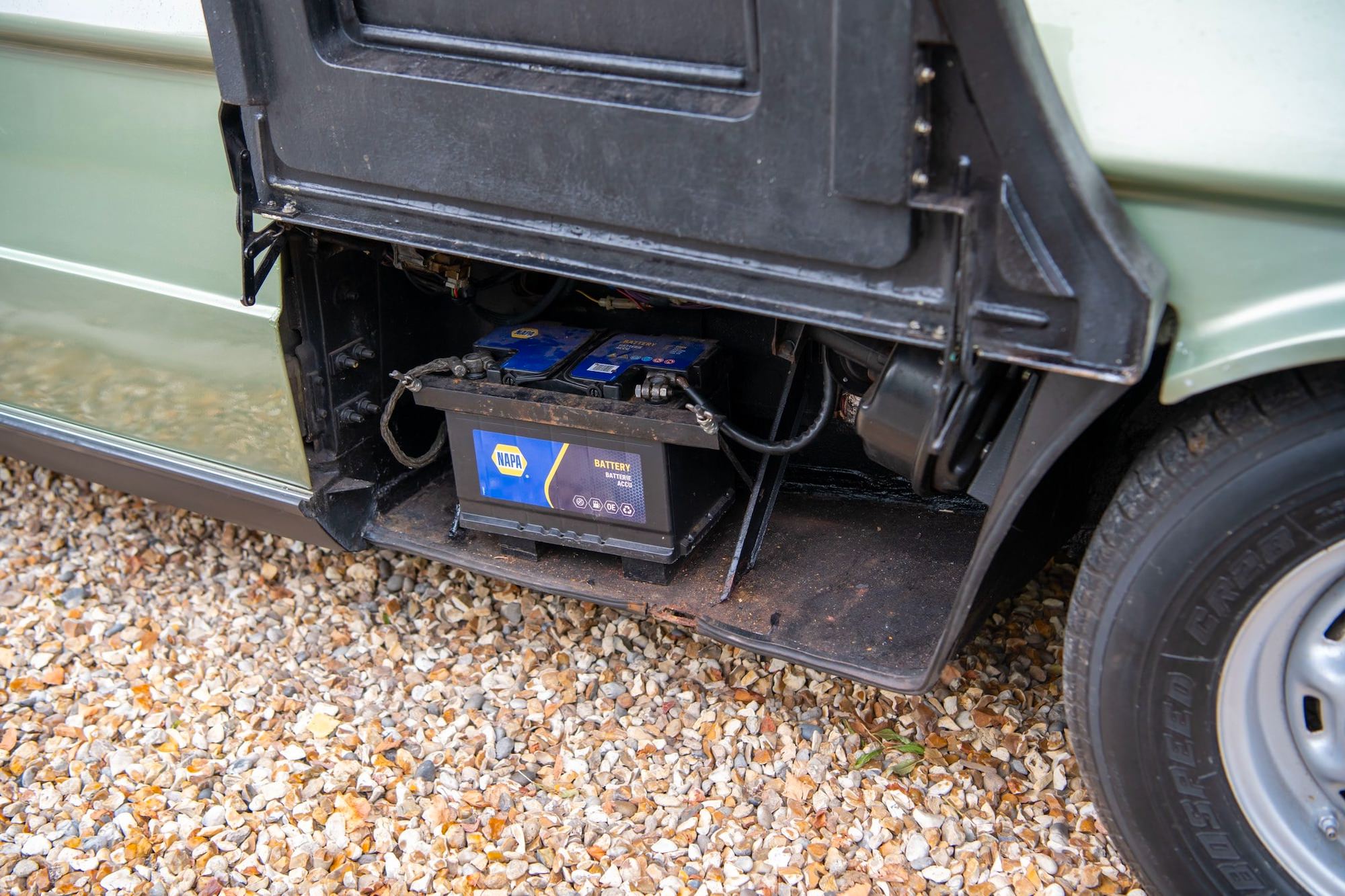
Images courtesy of Car & Classic

Articles that Ben Branch has written have been covered on CNN, Popular Mechanics, Smithsonian Magazine, Road & Track Magazine, the official Pinterest blog, the official eBay Motors blog, BuzzFeed, Autoweek Magazine, Wired Magazine, Autoblog, Gear Patrol, Jalopnik, The Verge, and many more.
Silodrome was founded by Ben back in 2010, in the years since the site has grown to become a world leader in the alternative and vintage motoring sector, with well over a million monthly readers from around the world and many hundreds of thousands of followers on social media.