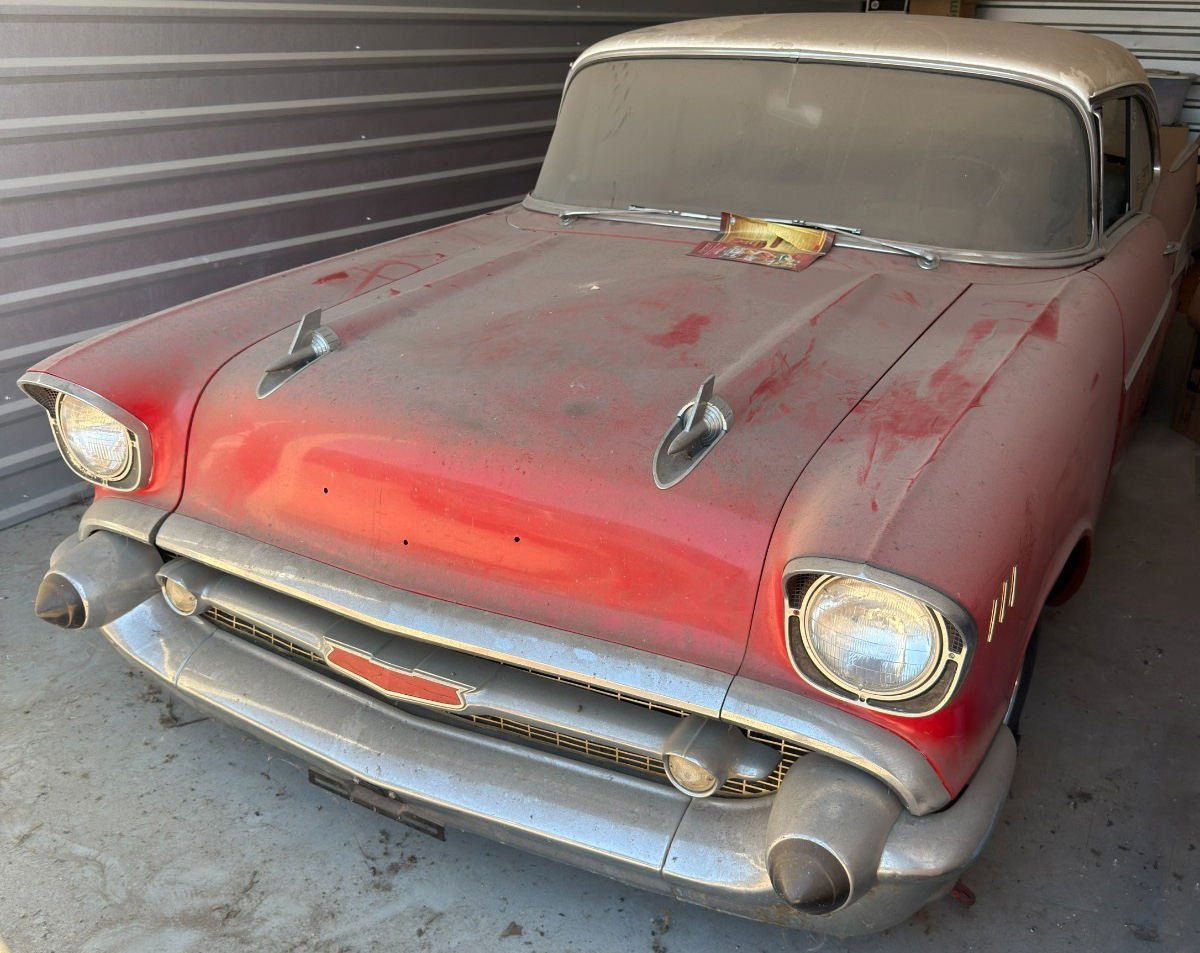
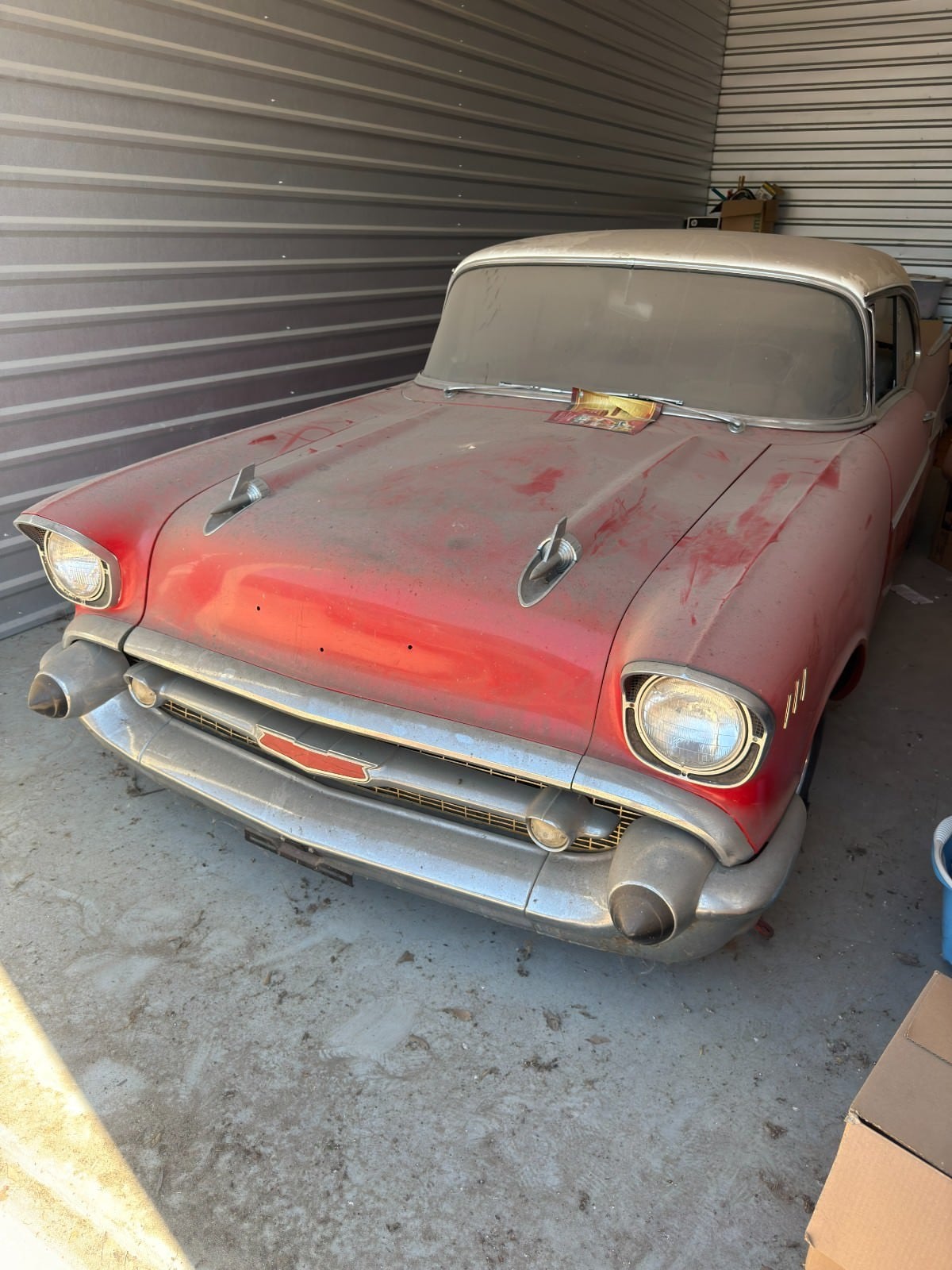
This is an original 1957 Chevrolet Bel Air barn find, being offered for sale on eBay out of longterm storage and now requiring a full restoration – although the good news is that many (if not most) of the major parts are included.
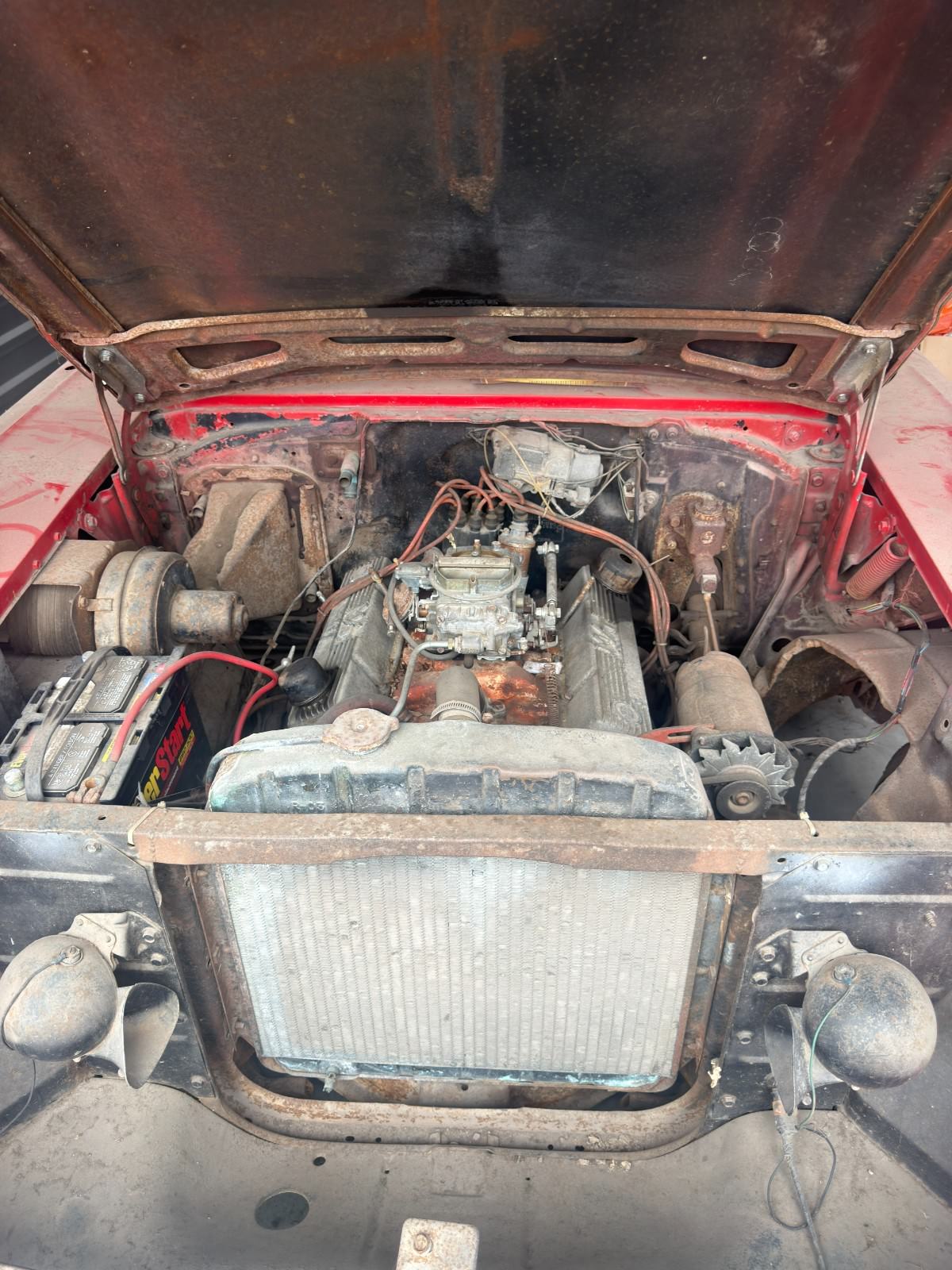
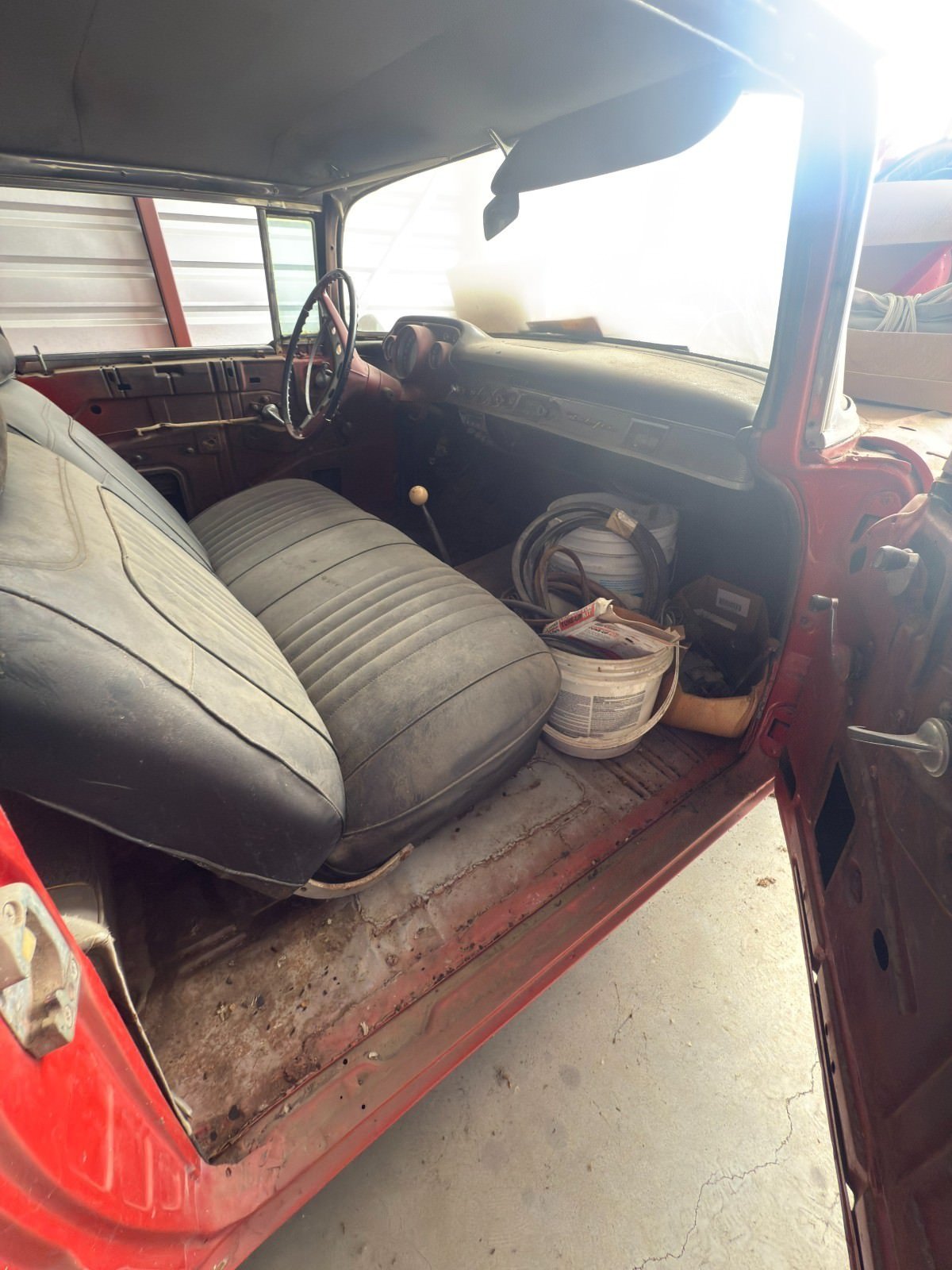
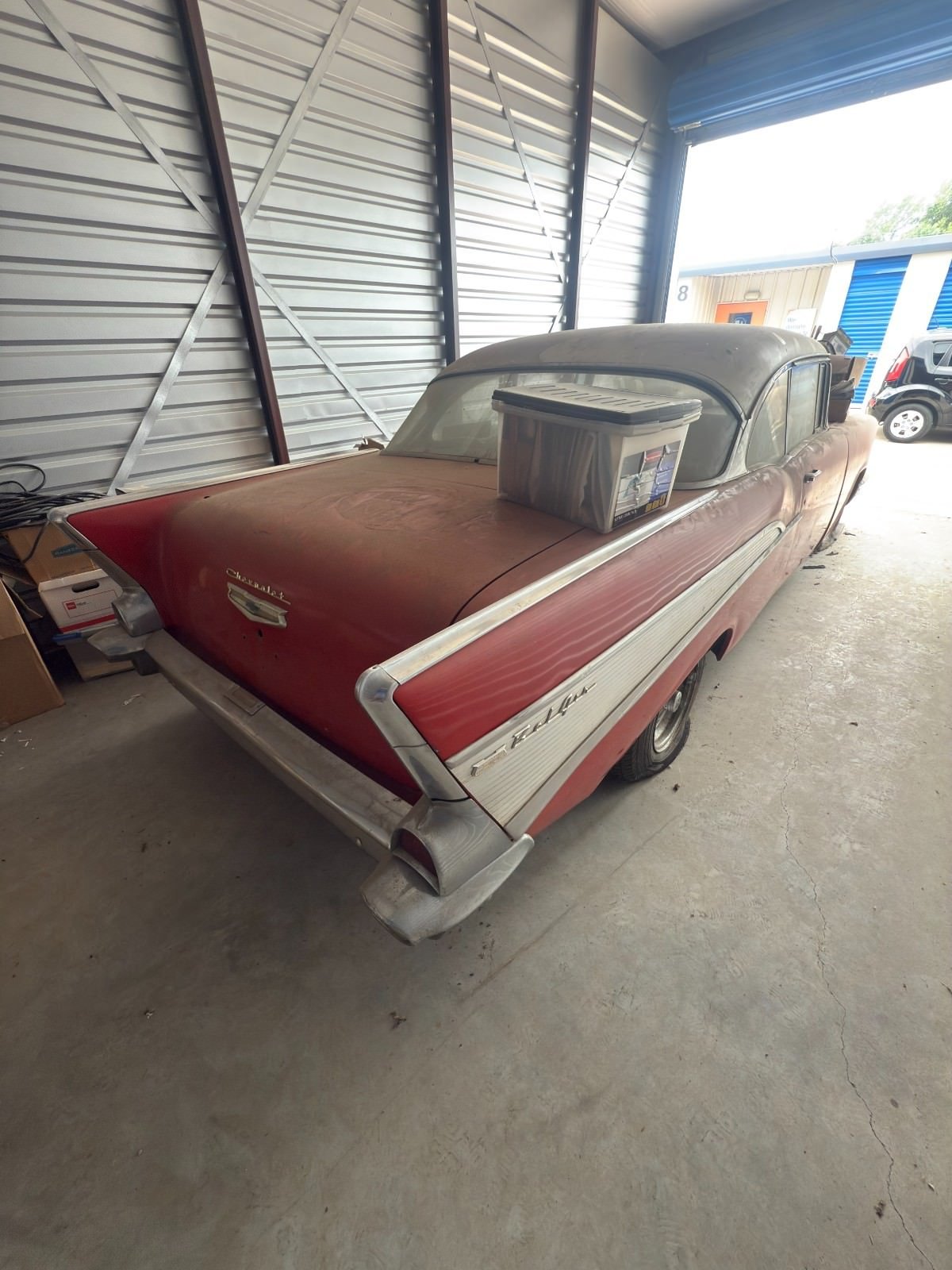
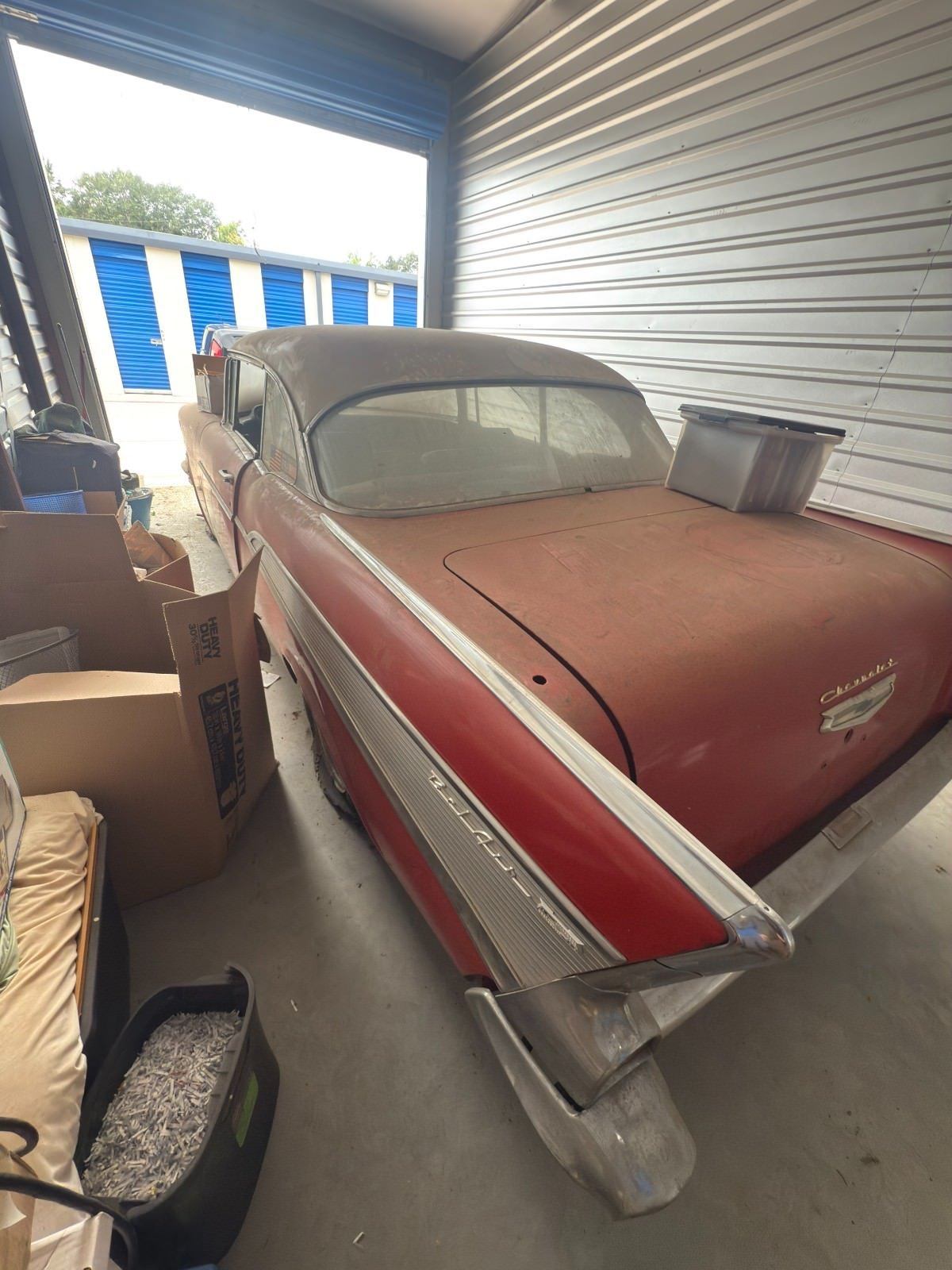
The car is listed as a Bel Air/150/210, however based on the images it does appear to be a Bel Air model. This would need some further investigation however, as trim pieces can be changed by unscrupulous former owners. The car comes with the V8 engine in place, as well as the transmission, and the body/interior/running gear looks to be largely complete.
Fast Facts: A 1957 Chevrolet Barn Find
- This barn find is an original 1957 Chevrolet reportedly stored long term and now offered on eBay as a full restoration project. It appears largely complete, with its V8 engine, transmission, body, chassis, and much of the interior present. The car is listed broadly as Bel Air/150/210, though trim suggests Bel Air specification pending verification.
- The 1957 Chevrolet was effectively a facelifted continuation of the 1955 to 1956 platform after delays to GM’s planned redesign. Under chief engineer Ed Cole, styling revisions included a revised dashboard, sealed cowl, distinctive headlight pods, wider grille treatment, and pronounced tailfins, helping cement its place as a defining example of late-1950s American design.
- Chevrolet offered three series on a 115 inch wheelbase: the entry-level One-Fifty, mid-range Two-Ten, and range-topping Bel Air. Body styles included coupes, sedans, convertibles, and the Nomad wagon, with 6,264 Nomads built for 1957. Total production exceeded 1.5 million units, including over 700,000 Bel Air models.
- Engine options ranged from the 235.5 cubic-inch inline-six to multiple small-block V8 variants, most notably the 283 cubic-inch unit. Outputs ran from 185 bhp in two-barrel form up to 283 bhp with Rochester Ramjet fuel injection, marking the first GM production engine to achieve one horsepower per cubic inch. Transmission choices included manual gearboxes, Powerglide, and Turboglide automatics.
History Speedrun: The ’57 Chevrolet
The 1957 Chevrolet was never supposed to exist, well at least not in the form that the world came to know and love. General Motors had planned an entirely new car for 1957, but production delays forced the company to facelift its 1955-56 shell for one more model year.
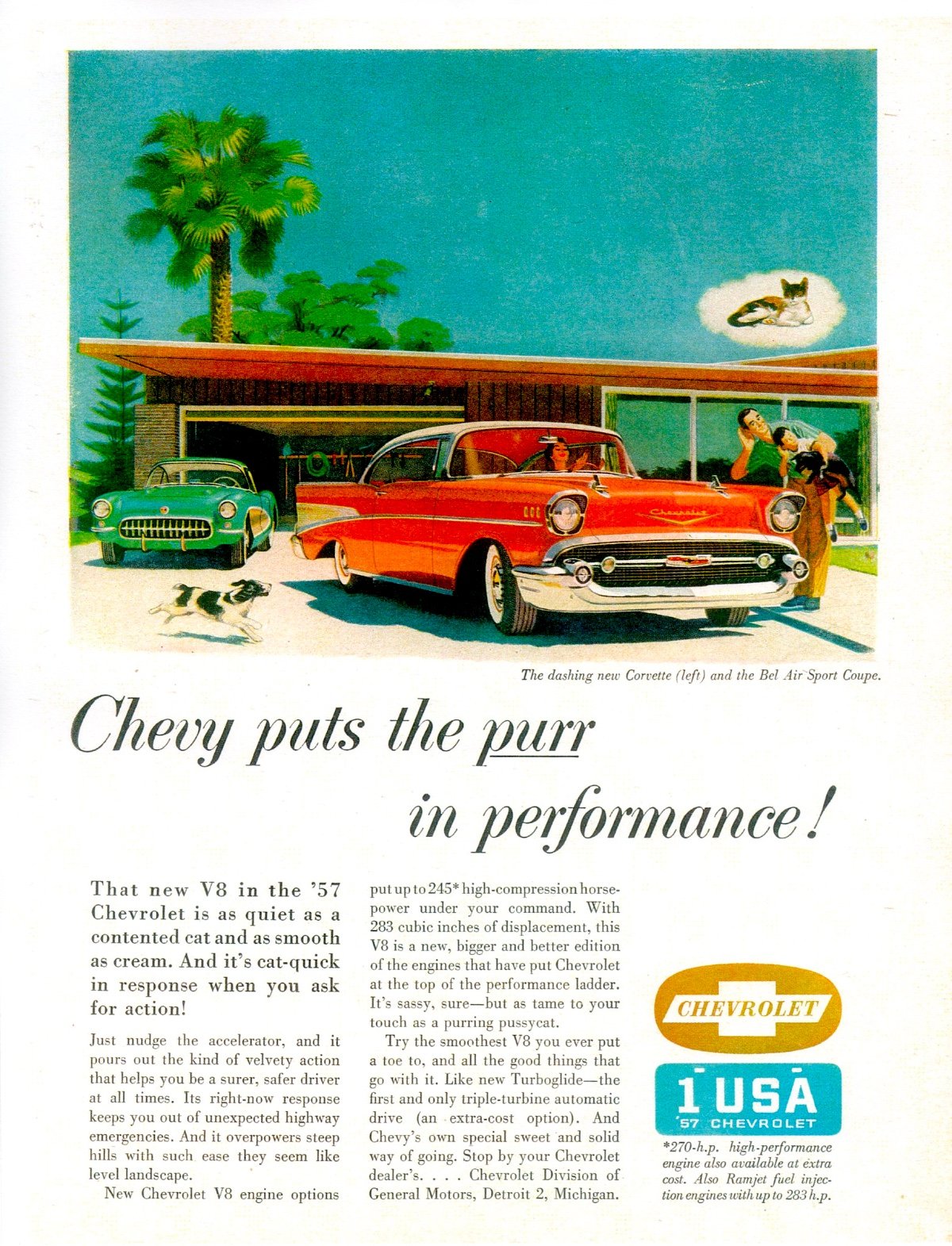
 The 1957 Chevrolet was never supposed to exist, well at least not in the form that the world came to know and love. General Motors had planned an entirely new car for 1957, but production delays forced the company to facelift its 1955-56 shell for one more model year. Image courtesy of General Motors.
Chief engineer Ed Cole made the most of the situation, overseeing a series of changes that transformed the car’s appearance – a new dashboard, a sealed cowl, relocated air ducts housed in distinctive chrome-trimmed headlight pods, and the now-famous tailfins designed to give the rear end a wider, more aggressive look in-keeping with 1950s Jet Age styling cues.
Fourteen-inch wheels replaced the previous fifteen-inch units, lowering the car slightly in the process, and a broader oval grille flanked by bullet-shaped bumper guards completed the look. The result was a car that, despite its origins as a stopgap one-year model, became one of the most recognizable American automobiles ever produced.
Three Tiers On One Platform
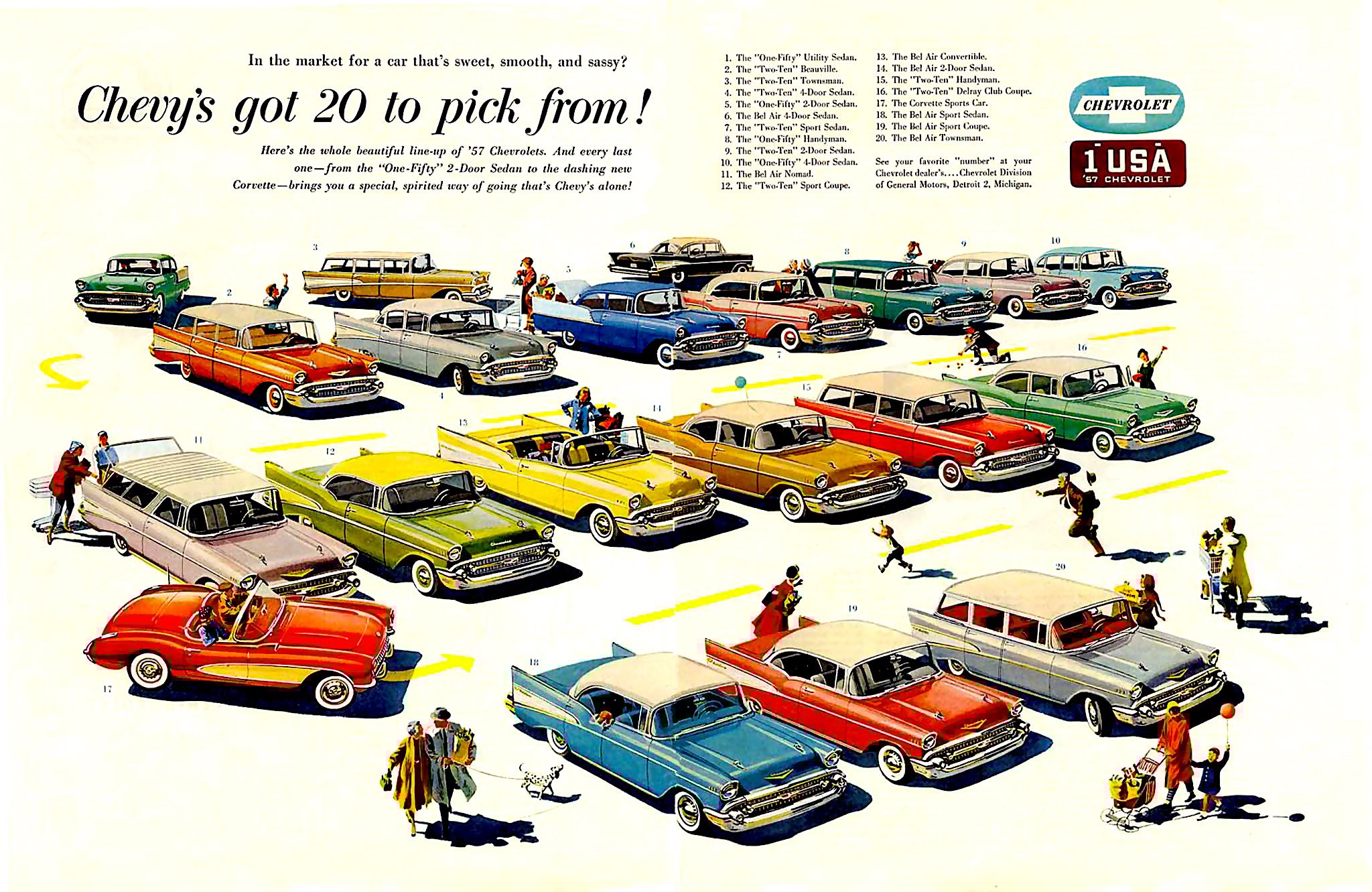
Chevrolet offered the 1957 model in three series built on the same 115-inch wheelbase platform. The One-Fifty was the economy and fleet trim, stripped of ornamentation and favored by buyers who wanted basic transportation or perhaps a lightweight platform for racing.
The Two-Ten occupied the middle ground, with a Delray upscale option available on two-door sedans. At the top sat the Bel Air, sometimes called the “poor man’s Cadillac” thanks to its gold-anodized grille insert, front fender chevrons, and script badging.
The Bel Air was offered as a two-door coupe, four-door sedan, convertible, and the distinctive two-door Nomad station wagon. Only 6,264 Nomads were built for 1957, making them among the most sought-after Tri-Five variants today. In total, Chevrolet produced over 1.5 million cars for the 1957 model year, with 702,220 of those wearing the Bel Air badge.
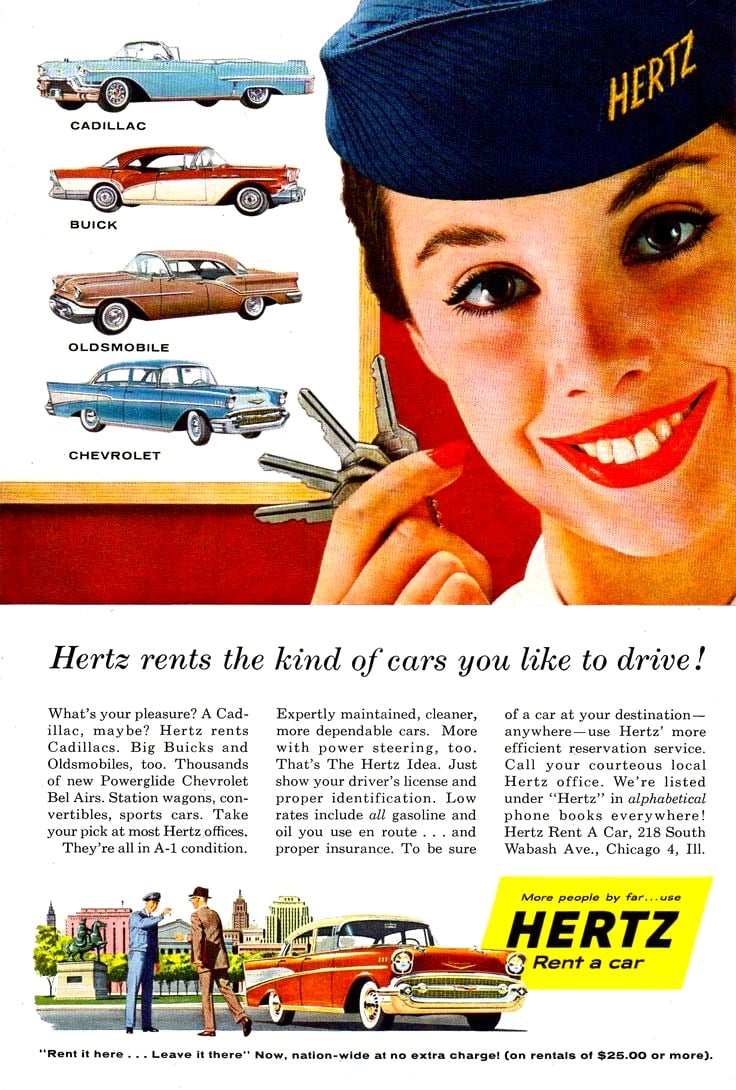
Rental car company Hertz offered a number of higher end options in 1957, including the new 1957 Chevrolet four-door sedan. Image courtesy of Hertz.
Under The Hood Of The ’57
The standard engine for the ’57 Chevy was a 235.5 cubic-inch inline-six, known as the Blue Flame Six, producing 140 bhp. It was a version of the same engine that was used in the Chevrolet Corvette for the first few years of its production.
For buyers who wanted more power, Chevrolet offered a range of V8 options, all based on the still-new Chevrolet small block V8 – an engine that would become one of the most important American powerplants of the 20th century.
For the ’57 Chevy, the V8 options started out with the 265 cubic inch Turbo-Fire V8 making 162 bhp, but the real news was the enlarged 283 cubic inch small block. In base two-barrel form, the 283 delivered 185 bhp. A four-barrel Super Turbo-Fire version raised that to 220 bhp. Dual four-barrel carburetor setups pushed output to 245 bhp with hydraulic lifters or 270 bhp with solid lifters and the now-legendary Duntov camshaft.
At the top of the lineup, the Rochester Ramjet fuel-injected 283 produced 283 bhp, achieving the coveted goal of one horsepower per cubic inch, this was a first in a GM production vehicle.
The fuel injection option cost $480, and while a Popular Mechanics survey at the time found that over a third of owners wanted it, the system’s cold-start problems and the scarcity of mechanics who could service it kept adoption rates comparatively low. Fuel injection might have been the way of the future, but it would take American automakers 20-30 years to fully implement it, and even then it was largely driven by emissions and fuel economy requirements.
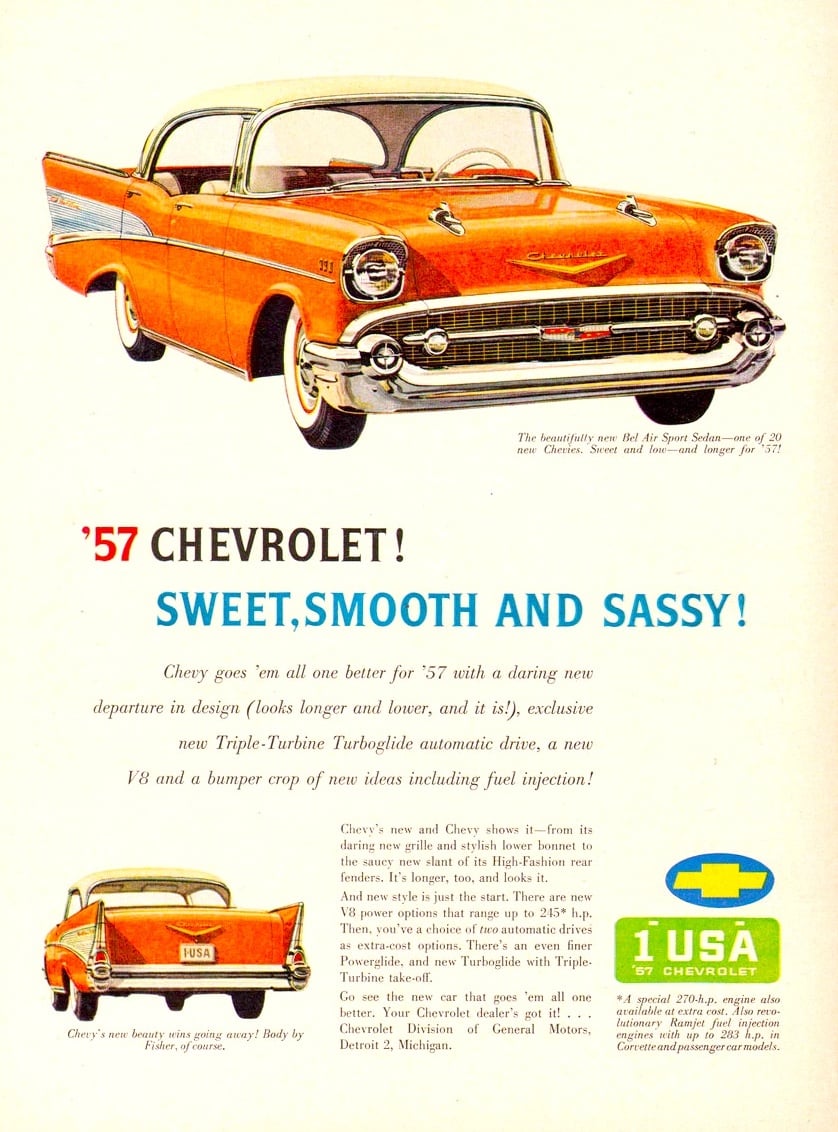
The 1957 Chevrolet’s competition record was extraordinary. In NASCAR, it won 49 Grand National races, more than any other single model in the series’ history up until that point in time. It claimed the Southern 500 at Darlington three consecutive years, from 1957 through 1959, the only car to accomplish that feat. Image courtesy of General Motors.
Transmission choices for the ’57 included a 3-speed manual with column shift, an overdrive-equipped 3-speed, the 2-speed Powerglide automatic, and the new Turboglide, this was a continuously variable automatic that proved troublesome enough to be discontinued by 1961. A 4-speed manual became available later in the production run, but only as an over-the-counter part at $188.
The Surprise NASCAR Legend
The 1957 Chevrolet’s competition record was extraordinary. In NASCAR, it won 49 Grand National races, more than any other single model in the series’ history up until that point in time. It claimed the Southern 500 at Darlington three consecutive years, from 1957 through 1959, the only car to accomplish that feat.
It also won 26 NASCAR convertible races, more than any other make, and swept all three available drivers’ championships. Buck Baker alone won ten races in a 1957 Chevrolet during that season. The 283 V8’s power advantage over the previous 265 was decisive, and NASCAR eventually imposed cubic inch restrictions on the 1955 to 1957 Chevrolets because they were winning so much.
The cars continued to dominate lower racing divisions well into the 1970s before being grandfathered out of competition.
The Lasting Legacy Of The ’57
Despite all of its successes, the 1957 Chevrolet actually lost the sales race to Ford that year by roughly 30,000 units. Its status as an American icon came later, built in garages and on drag strips as hot rodders discovered that GM’s subsequent small block engines, particularly the 327 and 350 cubic inch V8 introduced in the 1960s, could be dropped right into the lighter, smaller Tri-Five chassis.
The accessible performance, distinctive 1950s styling, and a massive aftermarket parts industry has kept the 1957 Chevrolet up near the top of collector-car surveys for decades.
Today, restored examples sell for anywhere from $30,000 to well north of $150,000, and the model remains a regular fixture at just about every cruise-in, concours, and car show in the country.
The 1957 Chevrolet Project Car Shown Here
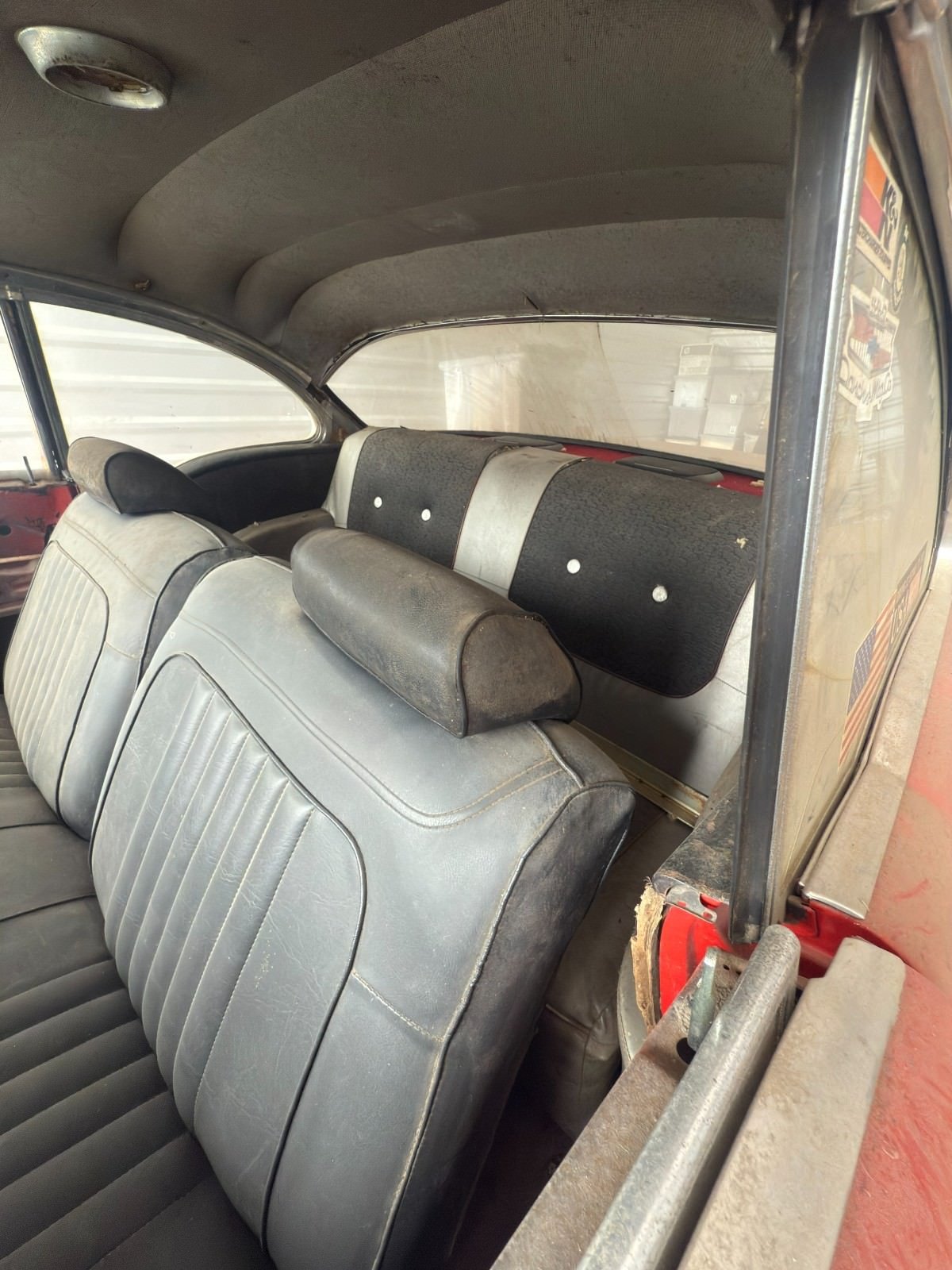
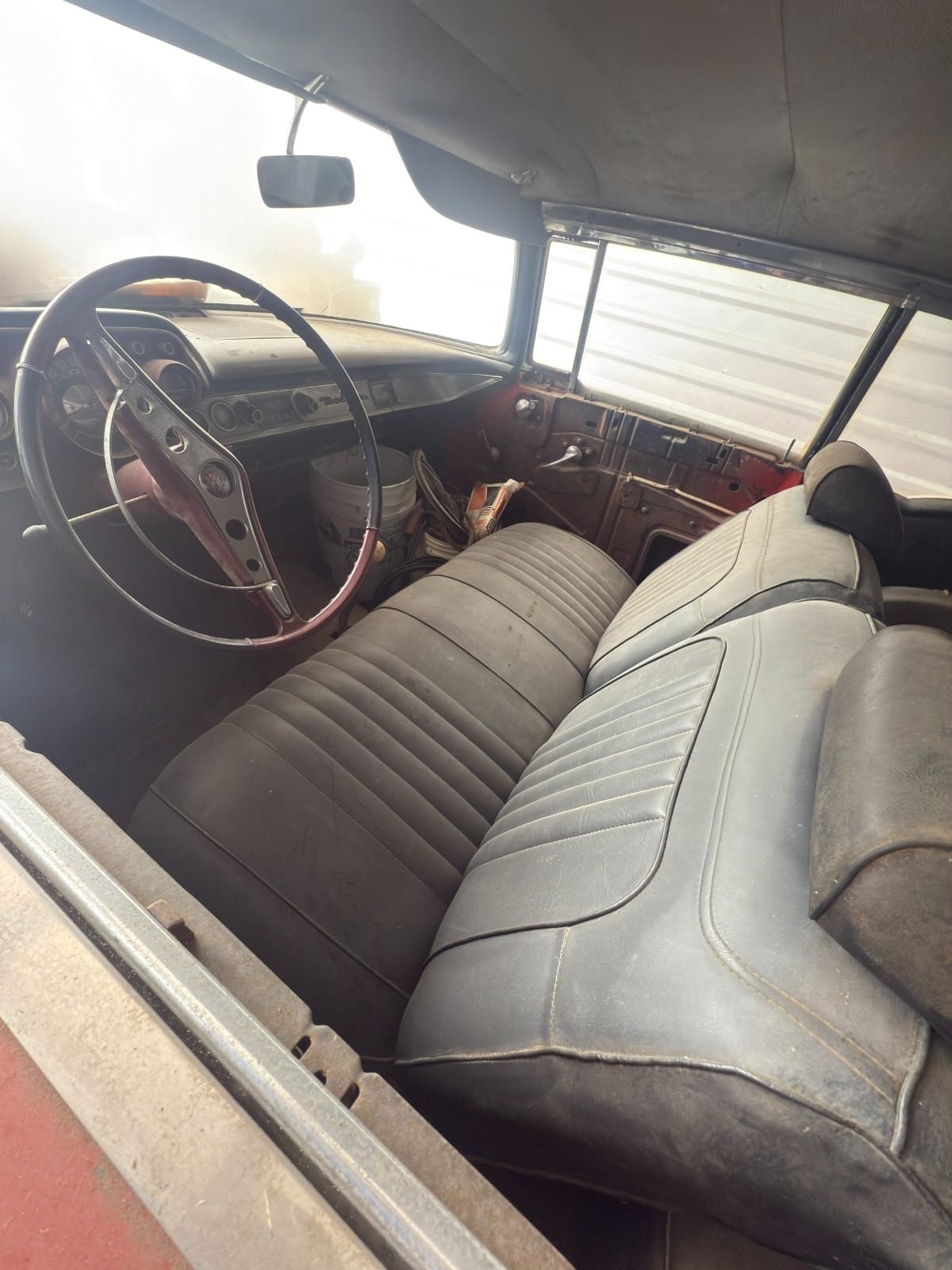
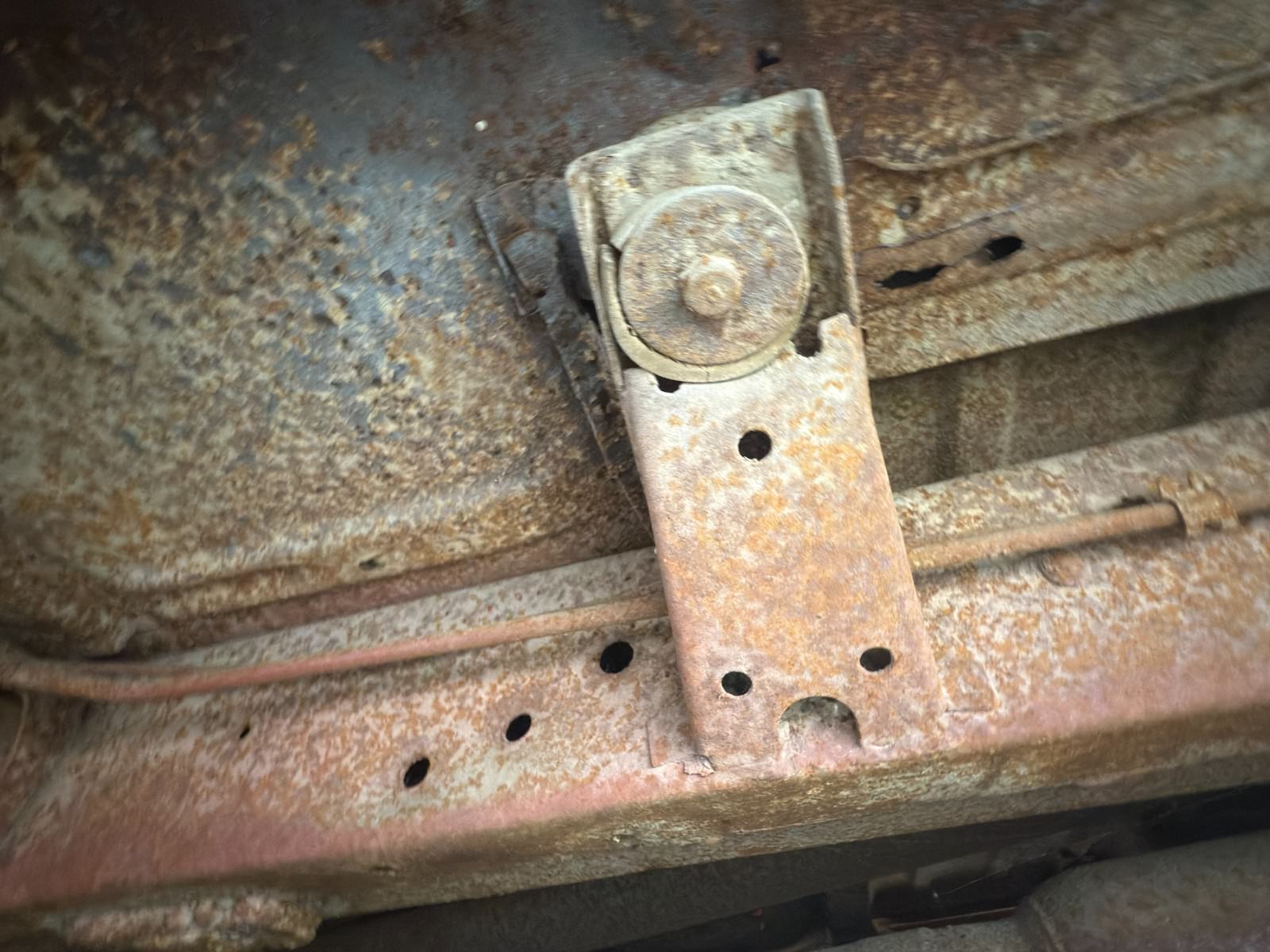
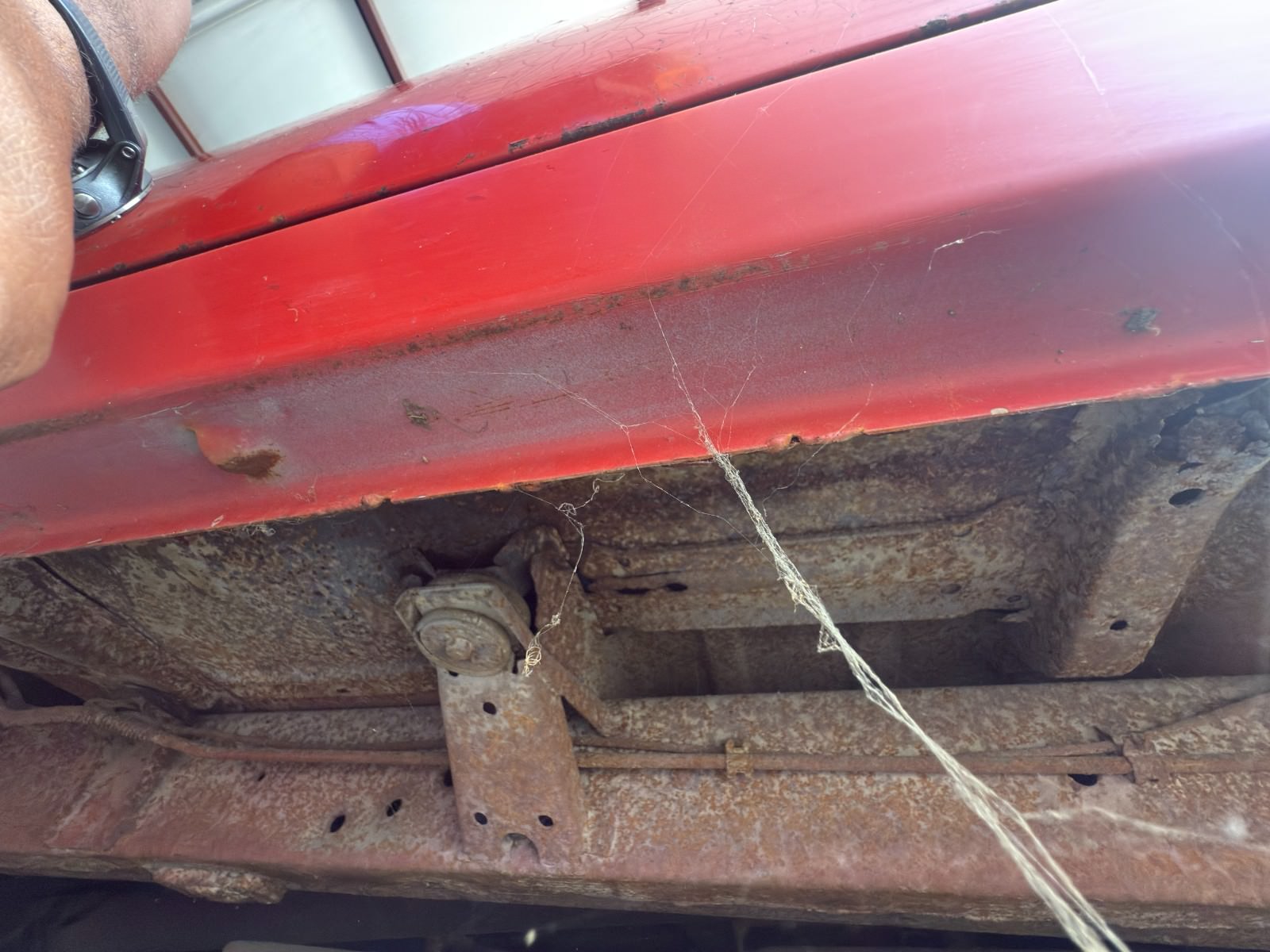
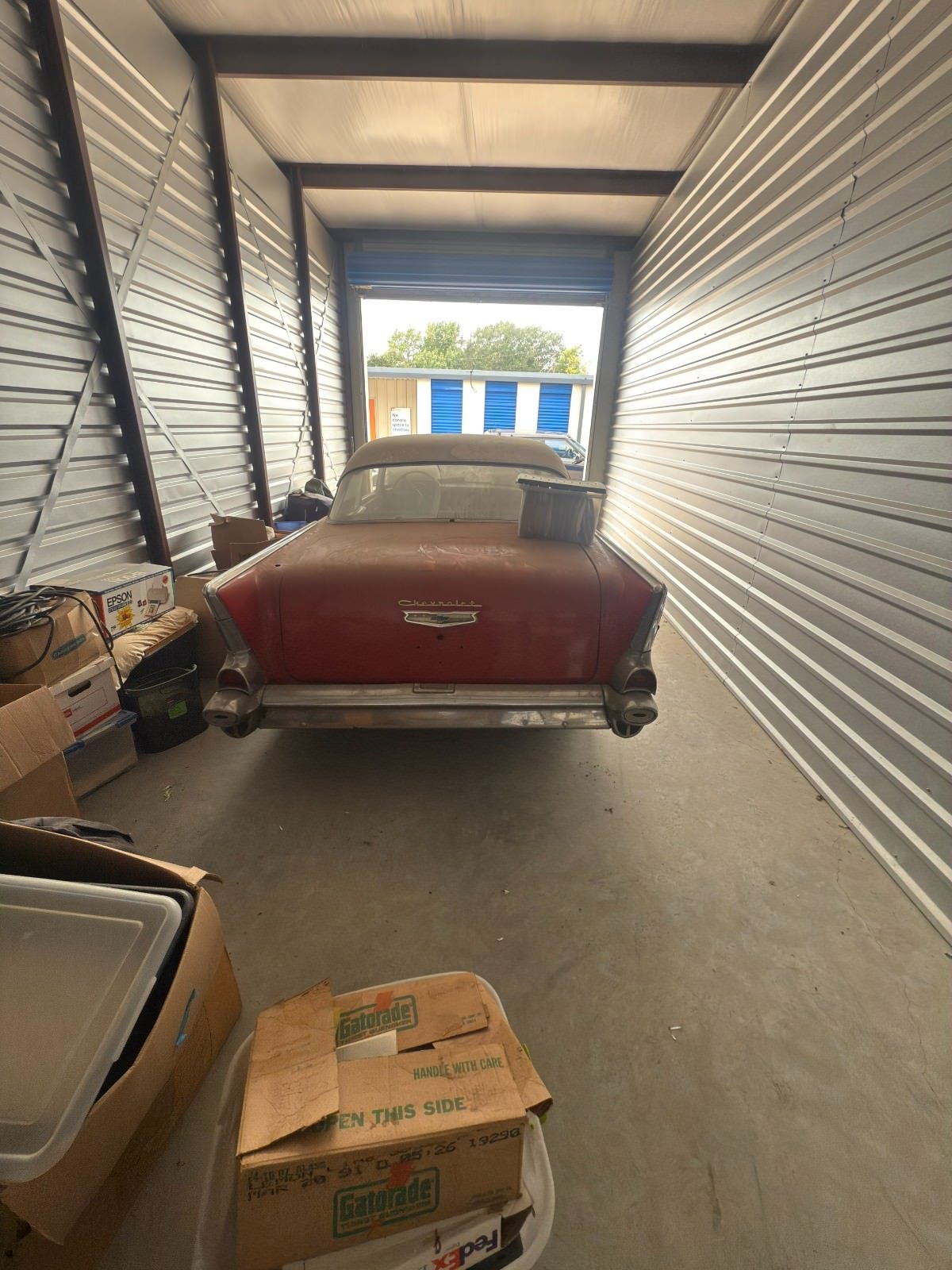
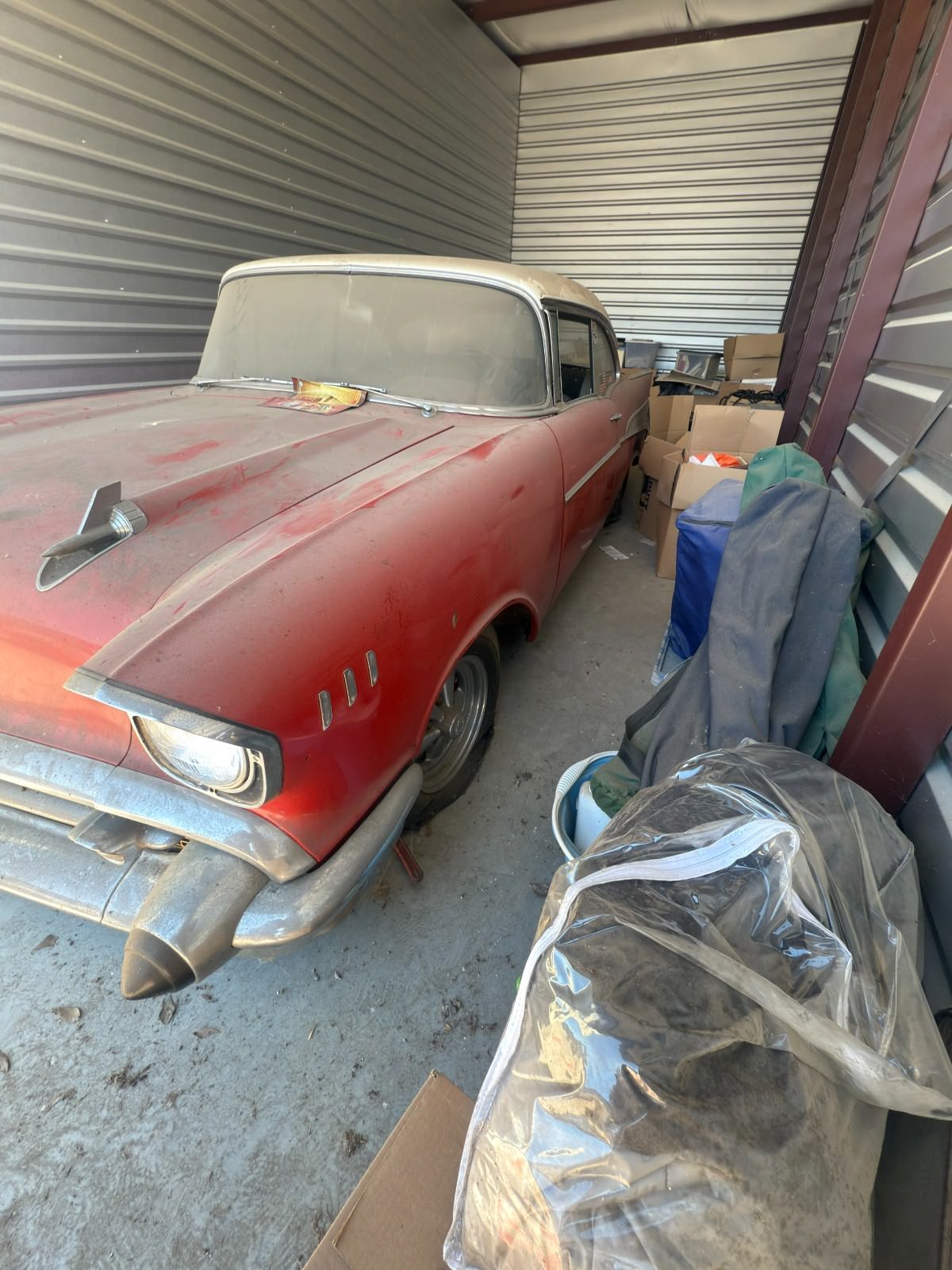
This is a 1957 Chevrolet that is said to have been in storage for years, under cover and out of the weather. It’s now covered by a thick layer of dust, and it’s clear that it’ll need a full restoration.
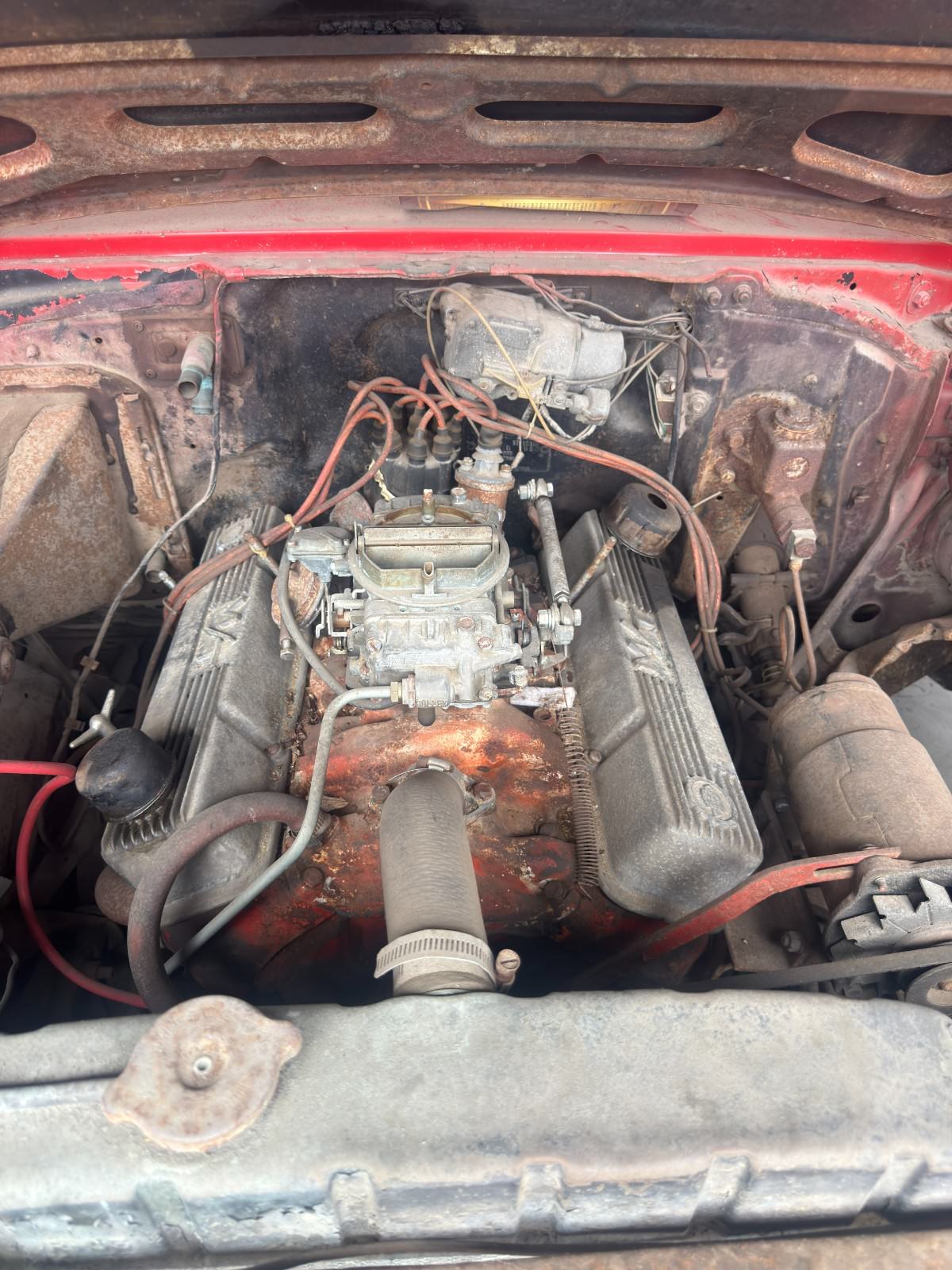
The description isn’t very detailed for this vehicle, but looking at the images and reading over what is written, we can see that the car is largely complete, with the body, chassis, engine, transmission, and much of the interior in place and accounted for.
The description isn’t very detailed, but looking at the images and reading over what is written, we can see that the car is largely complete, with the body, chassis, engine, transmission, and much of the interior in place and accounted for.
It’s now being offered for sale out of Katy, Texas on eBay with a Buy It Now price of $18,000 USD, and you can visit the listing here if you’d like to read more about it or register to bid.
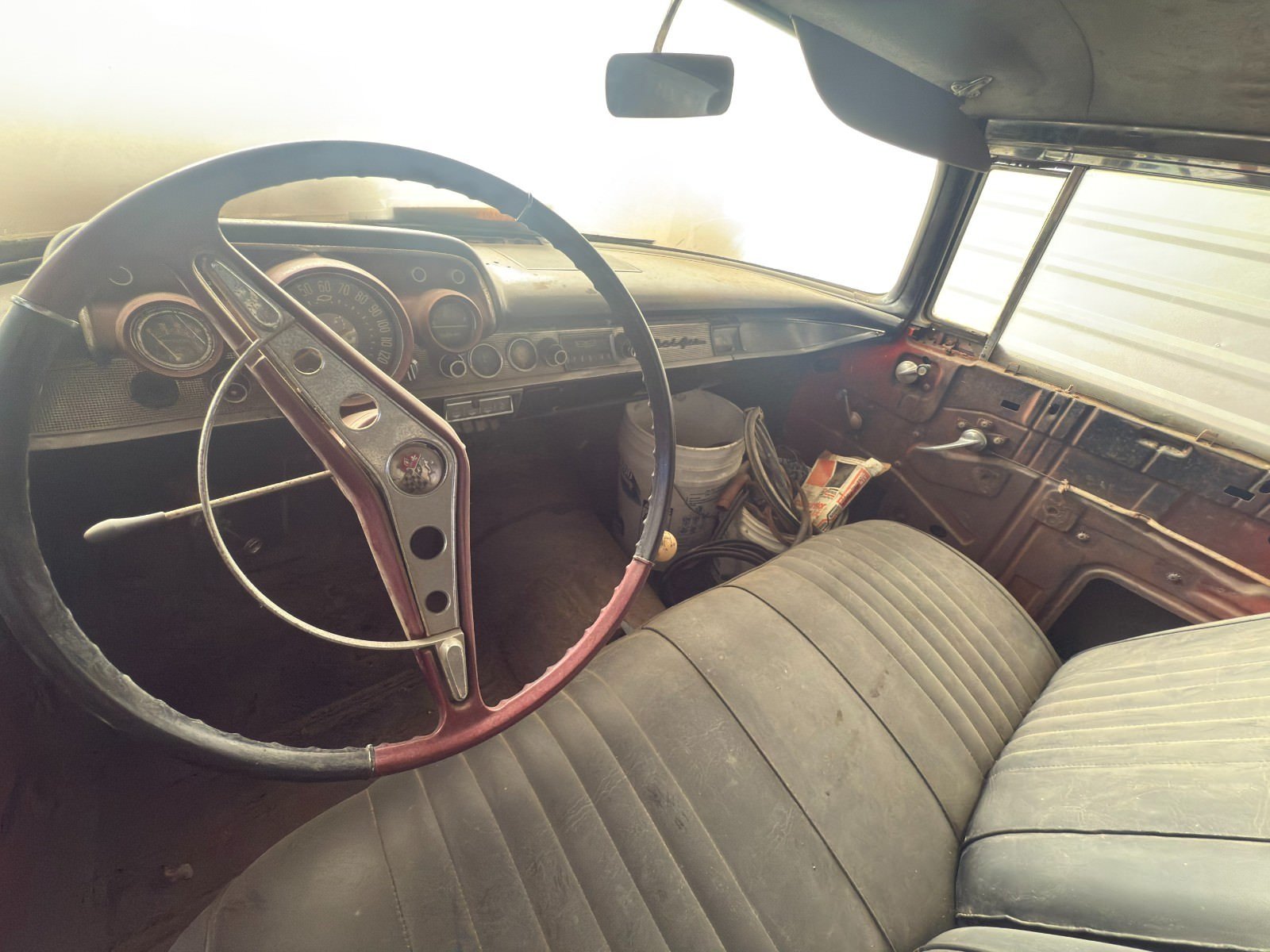
Images courtesy of eBay Seller

Articles that Ben Branch has written have been covered on CNN, Popular Mechanics, Smithsonian Magazine, Road & Track Magazine, the official Pinterest blog, the official eBay Motors blog, BuzzFeed, Autoweek Magazine, Wired Magazine, Autoblog, Gear Patrol, Jalopnik, The Verge, and many more.
Silodrome was founded by Ben back in 2010, in the years since the site has grown to become a world leader in the alternative and vintage motoring sector, with well over a million monthly readers from around the world and many hundreds of thousands of followers on social media.