This is a rare Van Veen OCR 1000, it’s a little-known superbike from the 1970s powered by a 1000cc twin-rotor Wankel engine capable of 100 bhp – that was a significant output by the standards of the era.
The OCR 1000 offered blistering performance compared to its 1970s rivals, not to mention an exhaust note that was altogether unique. Its downfall came due to its high cost and due to the fact that the company that made the engine ceased production. Just 38 were made and the surviving examples are now much sought after by collectors.
Fast Facts: The Van Veen OCR 1000
- The Van Veen OCR 1000 was an ambitious 1970s superbike built around a 996cc twin-rotor Wankel engine producing 100 bhp. That output was exceptional for the era, delivering excellent straight-line performance and a distinctive exhaust note that set it well apart from conventional four-stroke rivals.
- The project was led by Dutch Kreidler importer Henk van Veen, who aimed to build the world’s finest motorcycle. Early prototypes used a variety of mixed parts before development focused on a purpose-built chassis and a rotary engine sourced from Comotor S.A.
- Production bikes had a tubular steel frame, high-quality suspension and disc brakes, shaft drive, and a 4-speed gearbox with Porsche-sourced internals. Despite its advanced engineering, the OCR 1000 was heavy and extremely expensive, markedly limiting demand. Only around 38 examples were completed between 1976 and the early 1980s.
- Within the broader rotary motorcycle era, the OCR 1000 sat above earlier machines like the Suzuki RE-5 and later British efforts from Norton. Today, surviving examples are highly collectible, with occasional appearances at major auctions including Mecum.
History Speedrun: The Van Veen OCR 1000
When you look back at the wild era of 1970s motorcycle experimentation, the Van Veen OCR 1000 stands out as something altogether unique. It was developed by Dutch entrepreneur and Kreidler importer Henk van Veen as an ambitious bid to bring rotary-engine technology into the superbike arena and take the fight to the Japanese and their all-conquering UJMs.
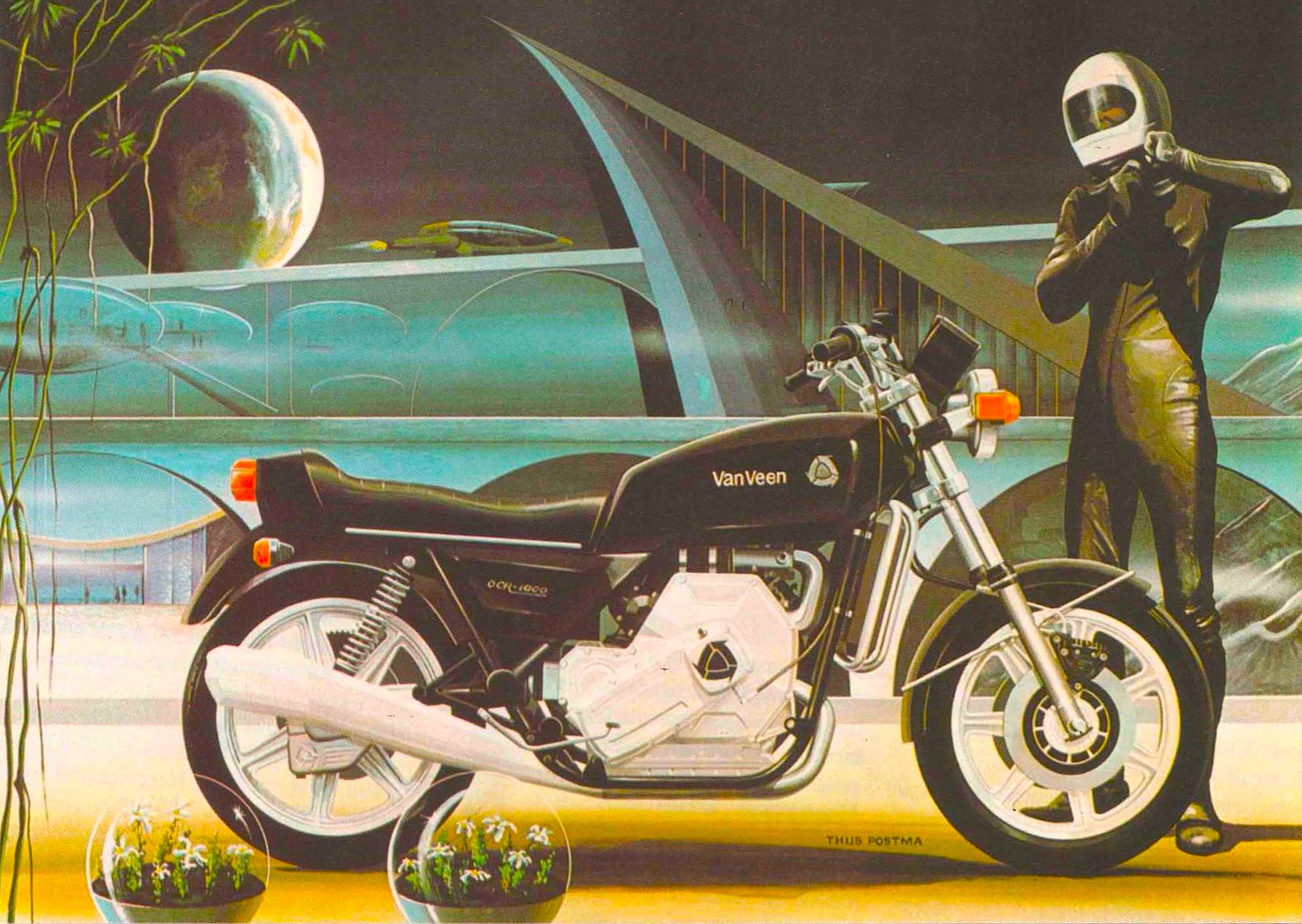
 The Van Veen OCR 1000 was conceived by Dutch entrepreneur and Kreidler importer Henk van Veen as an ambitious bid to bring rotary-engine technology into the superbike arena and take the fight to the Japanese and their all-conquering UJMs. Image courtesy of Henk van Veen.
Henk van Veen made his name in the Netherlands as the importer and team owner for Kreidler. At some point in the early 1970s he turned his attention to something much bigger – producing a high-end superbike powered by a Wankel rotary engine.
The first prototype was built between 1972 and 1974, reportedly using a Mazda rotary engine mounted in a Moto Guzzi frame. Van Veen’s ambition was to create “the world’s finest motorcycle” (as he called it) rather than a budget sportbike.
Development led to a partnership with Luxembourg-based Comotor S.A. (a venture of NSU/Audi and Citroën) which had developed a compact twin-rotor power unit originally for the Citroën GS Birotor. At the 1974 Cologne Show the prototype drew in a huge amount of attention.
Van Veen OCR1000 Specifications
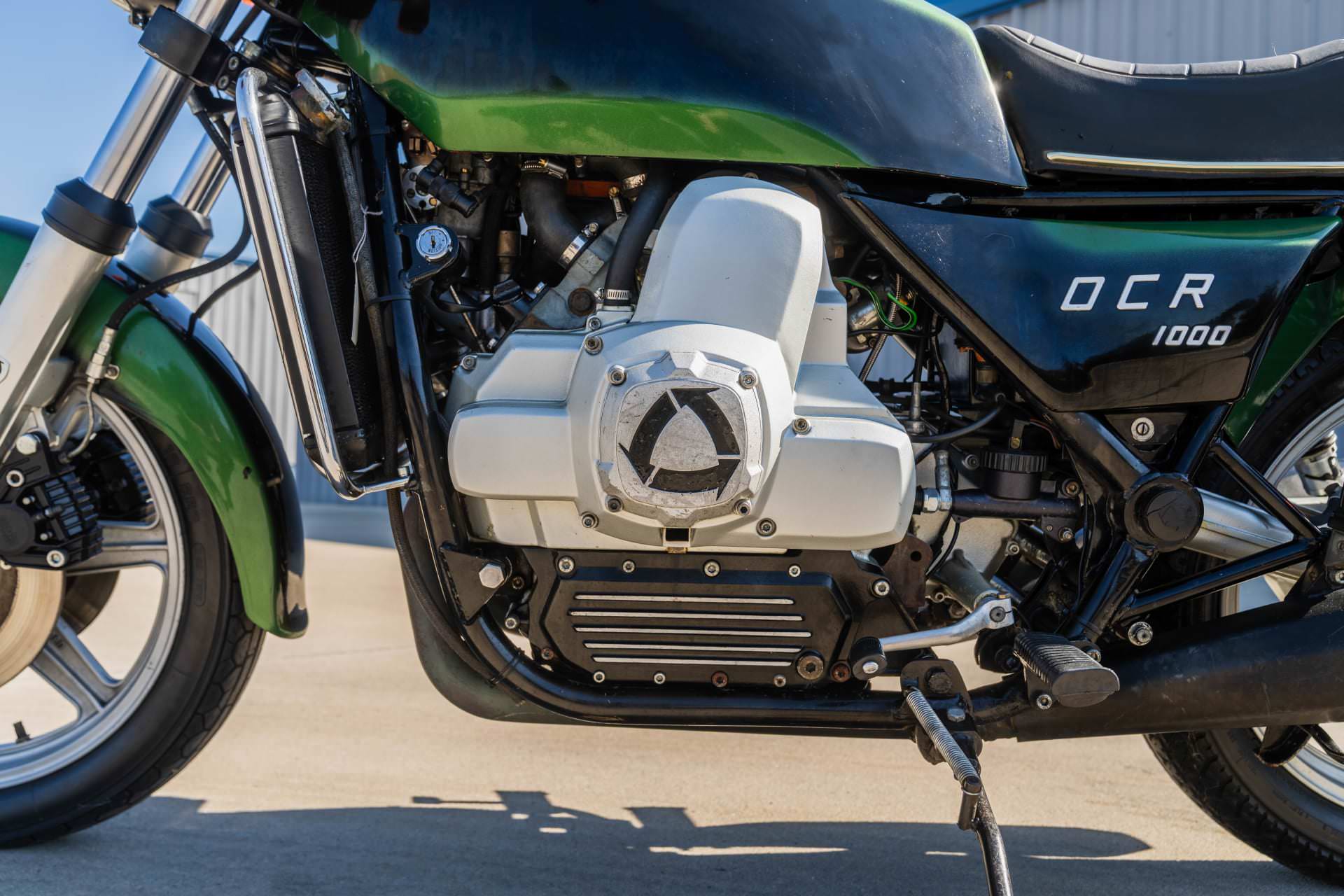
The production OCR 1000 was powered by a liquid-cooled twin-rotor Wankel engine displacing 996cc (498cc for each rotor chamber) and rated at about 100 bhp at 6,500 rpm – a remarkably high power output for the time. Drive was via a 4-speed gearbox and shaft final drive and interestingly, the transmission included a number of unique Porsche-designed parts.
The chassis consisted of a tubular steel frame (designed by Jaap Voskamp) with front forks and rear suspension from established suppliers (Koni among them). Brakes were high-spec for the time, with twin front discs and a single rear disc. The machine weighed in at around 292 to 294 kgs dry or around 642 lbs, undeniably heavy for a sporting motorcycle, and it had a claimed top speed of 135 mph (217 km/h).
Despite its obvious technical promise, the OCR 1000’s production life was short. Very short in fact. The prototype appeared at the 1974 Cologne Show, with first customer bikes sold in 1976. Limited production continued roughly through to 1981 before ending due to the high cost of the bike limiting its market appeal and the fact that Comotor ceased production of its Wankel engine in the late 1970s.
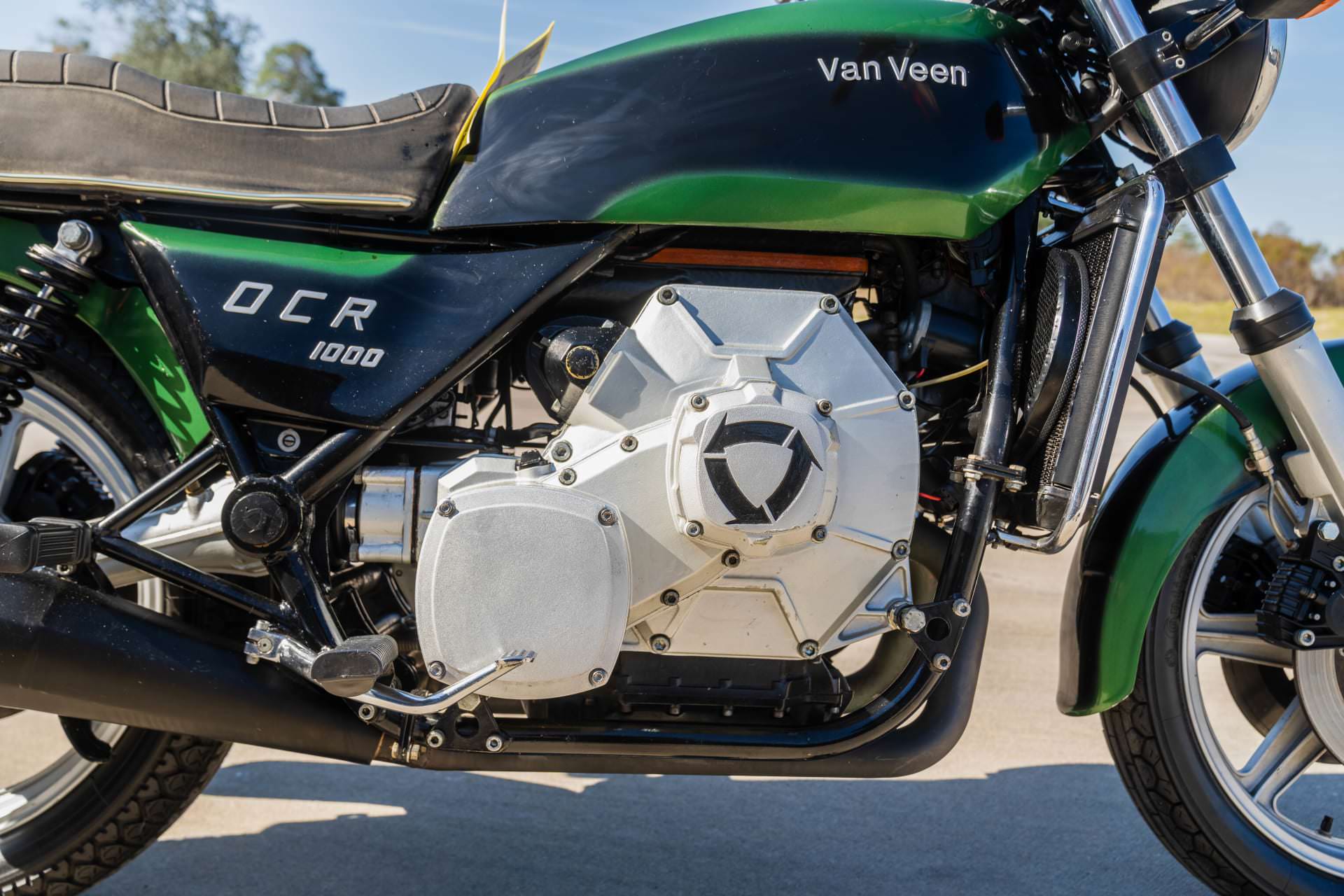
The production OCR 1000 was powered by a liquid-cooled twin-rotor Wankel engine displacing 996cc (498cc for each rotor chamber) and rated at about 100 bhp at 6,500 rpm – a remarkably high power level for the time.
Van Veen had originally (and optimistically) projected an annual output of 2,000 units, but only 38 examples are believed to have been completed, not including prototypes. The high price (around $15,000 USD in the late 1970s, or about $90,557 USD in 2025) and the heavy curb weight were often mentioned in period reviews as obstacles to the bike’s broader success.
The story didn’t quite end there though, as in 2011 a Dutch enthusiast named Andries Wielinga produced a final batch of ten OCR 1000s using leftover factory parts and original tooling, effectively closing the circle for collectors.
The OCR 1000 occupied a key place in the rotary-engined motorcycle epoch. The earliest mass-production Wankel‐equipped bike was the German Hercules W-2000 with a single-rotor engine of 294cc. Then there was the Suzuki RE-5 with a larger 497cc single-rotor engine and styling by Giugiaro – it made around 62 bhp but suffered from reliability, complexity, and weight-related issues.
Later still, the British company Norton produced twin-rotor Wankel models like the Norton Classic and Commander in the late 1980s and into the 1990s. Among these production rotary bikes, the Van Veen OCR 1000 is generally regarded as the highest-spec rotary motorcycle of the 1970s – with its twin-rotor engine, superbike-levels of performance, and its full touring potential thanks to the use of what was essentially a car engine.
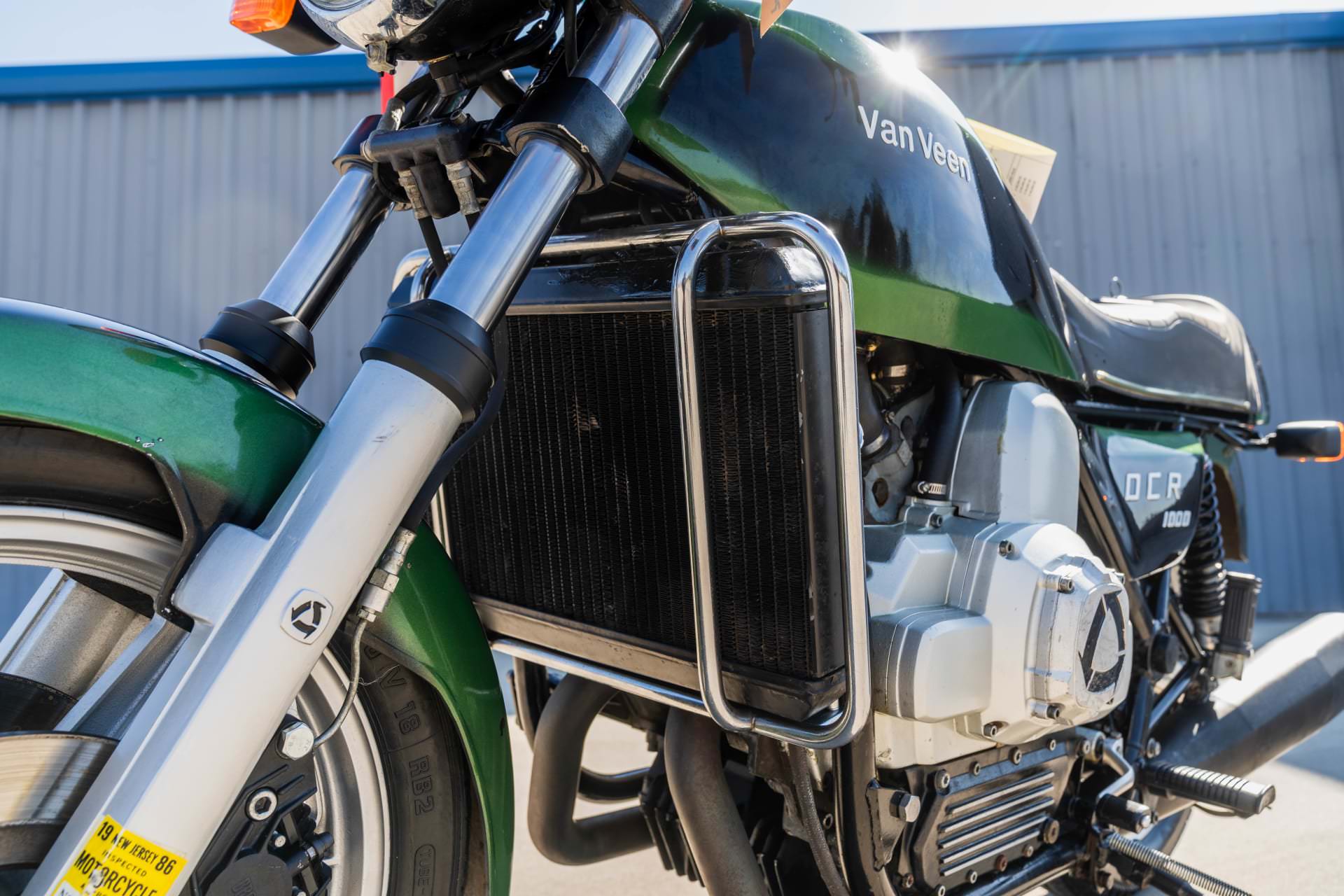
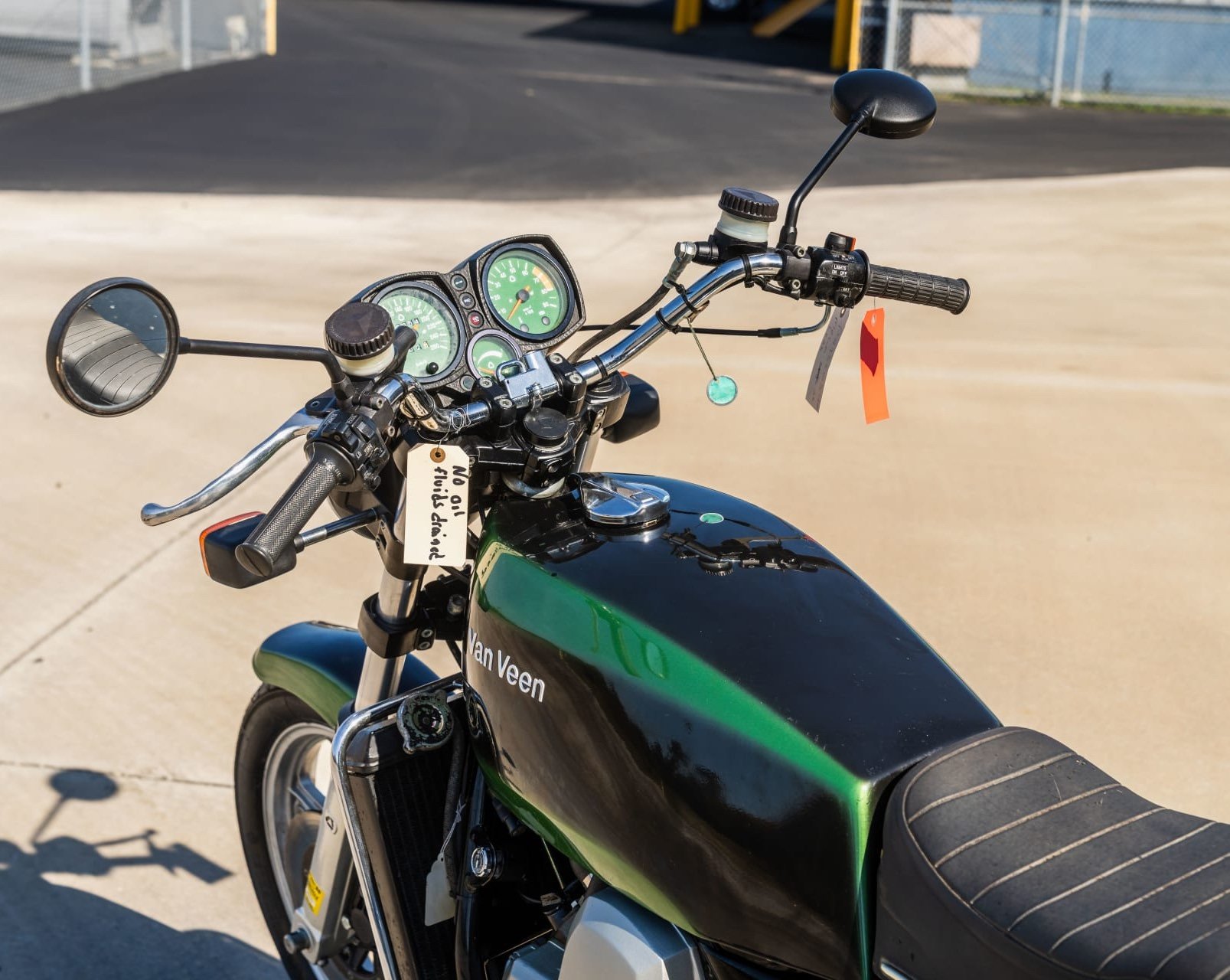
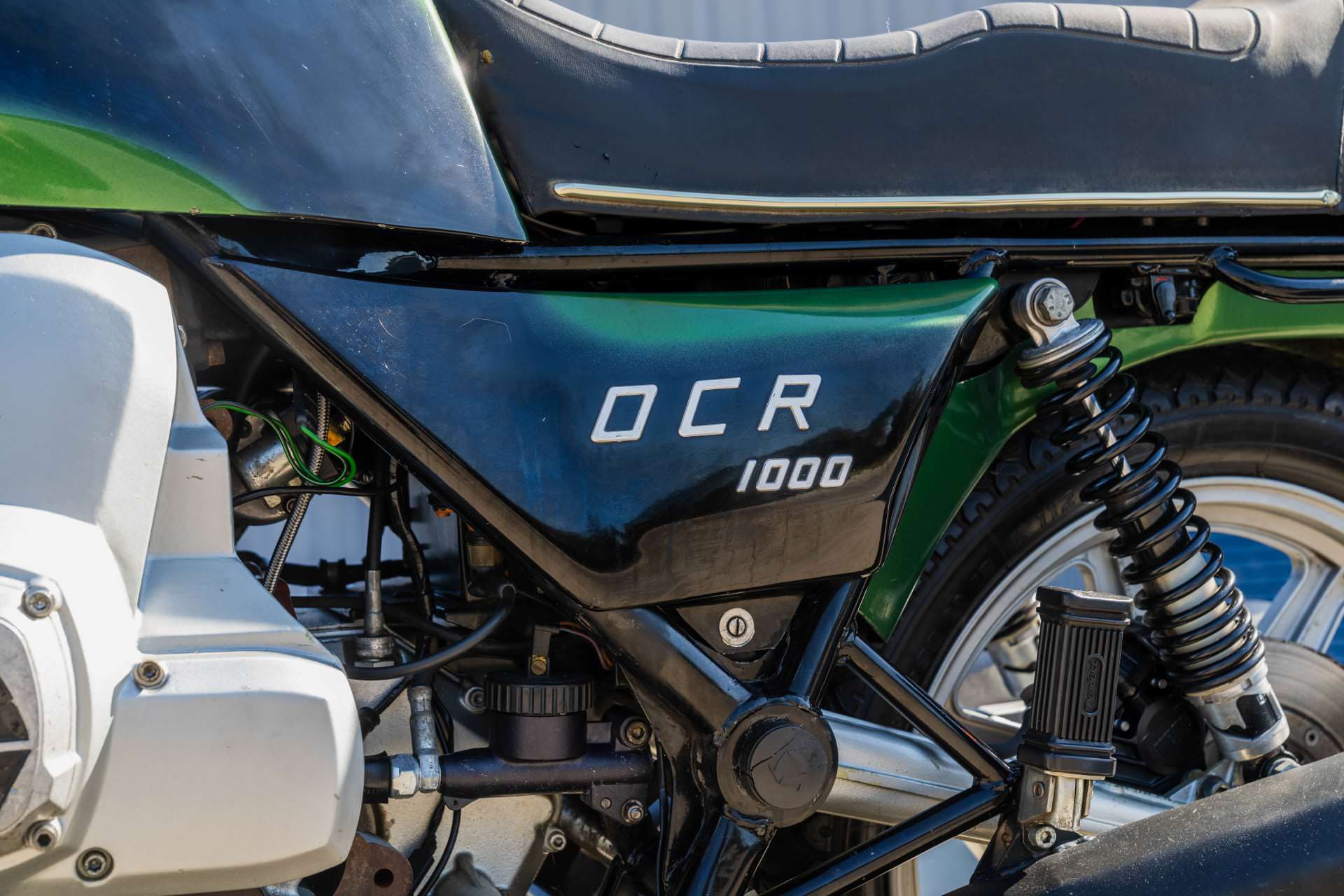
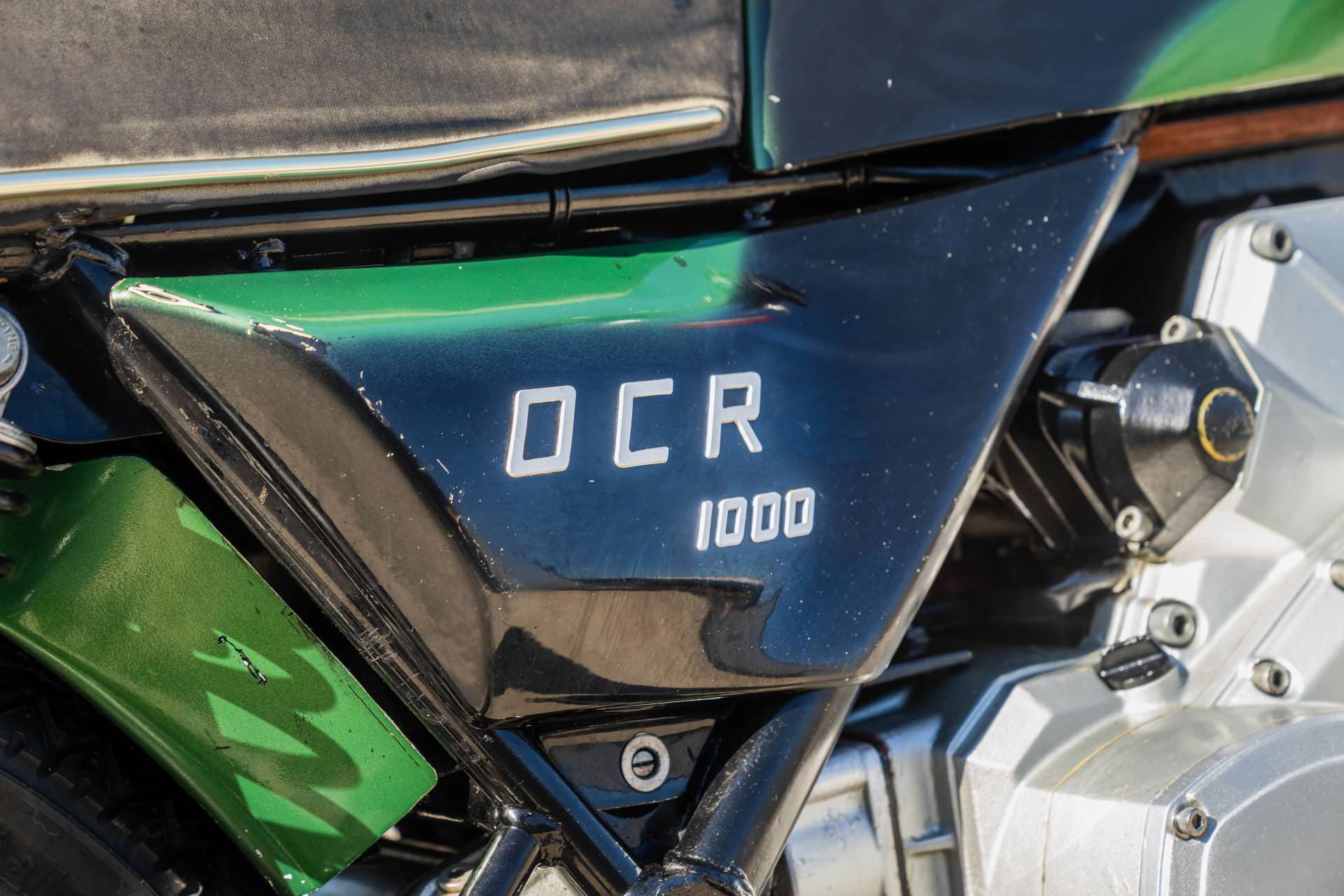
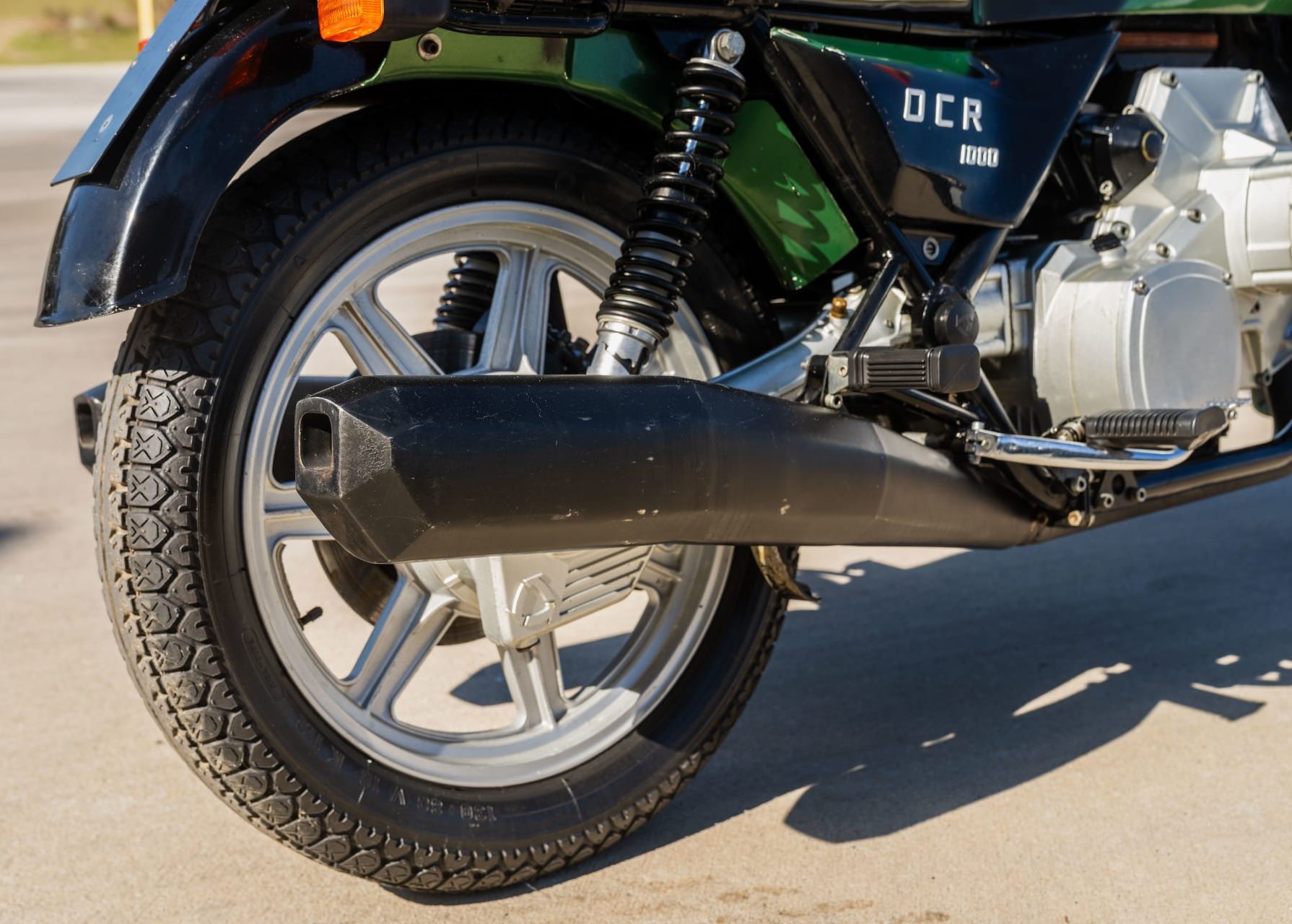
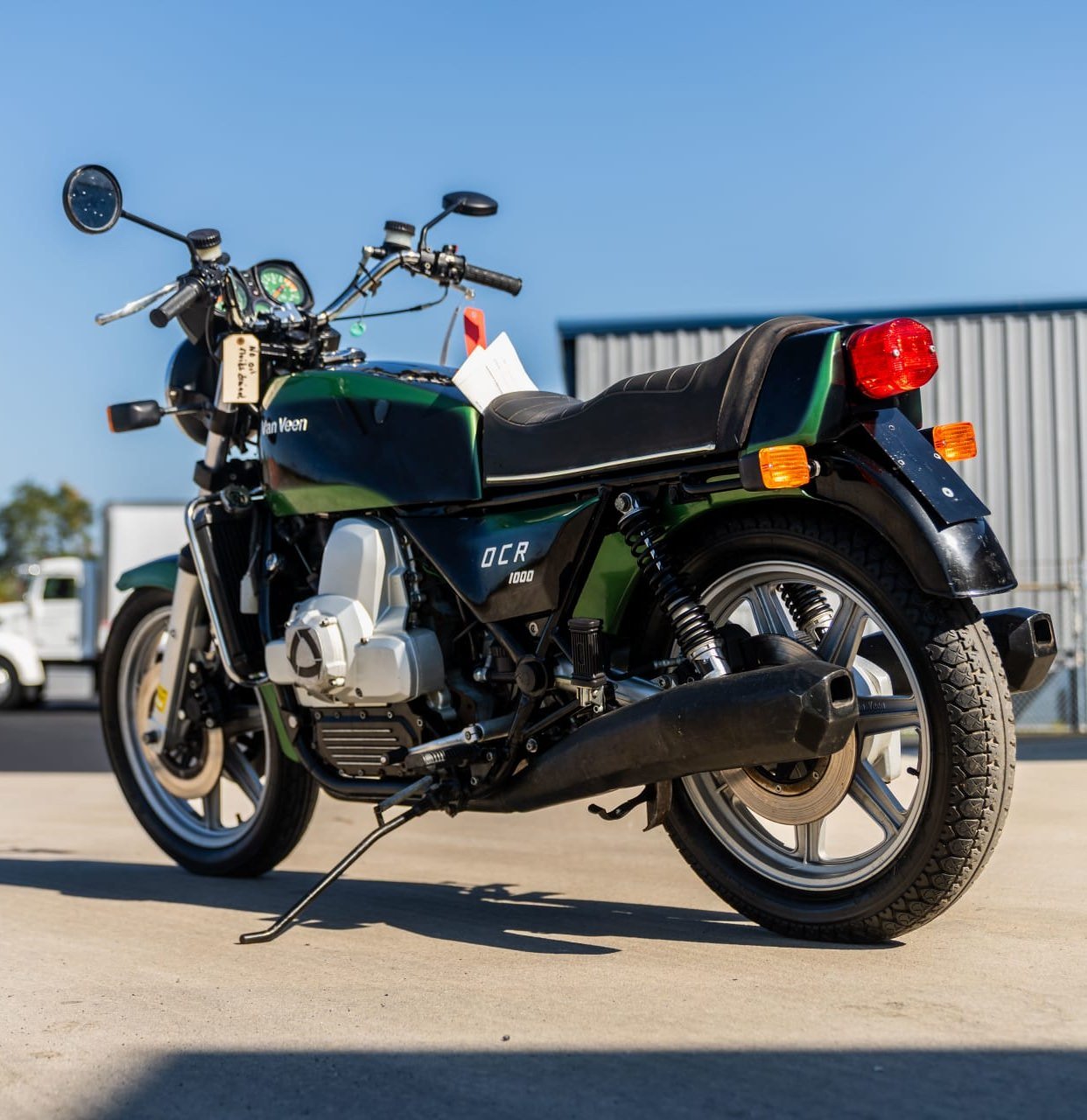
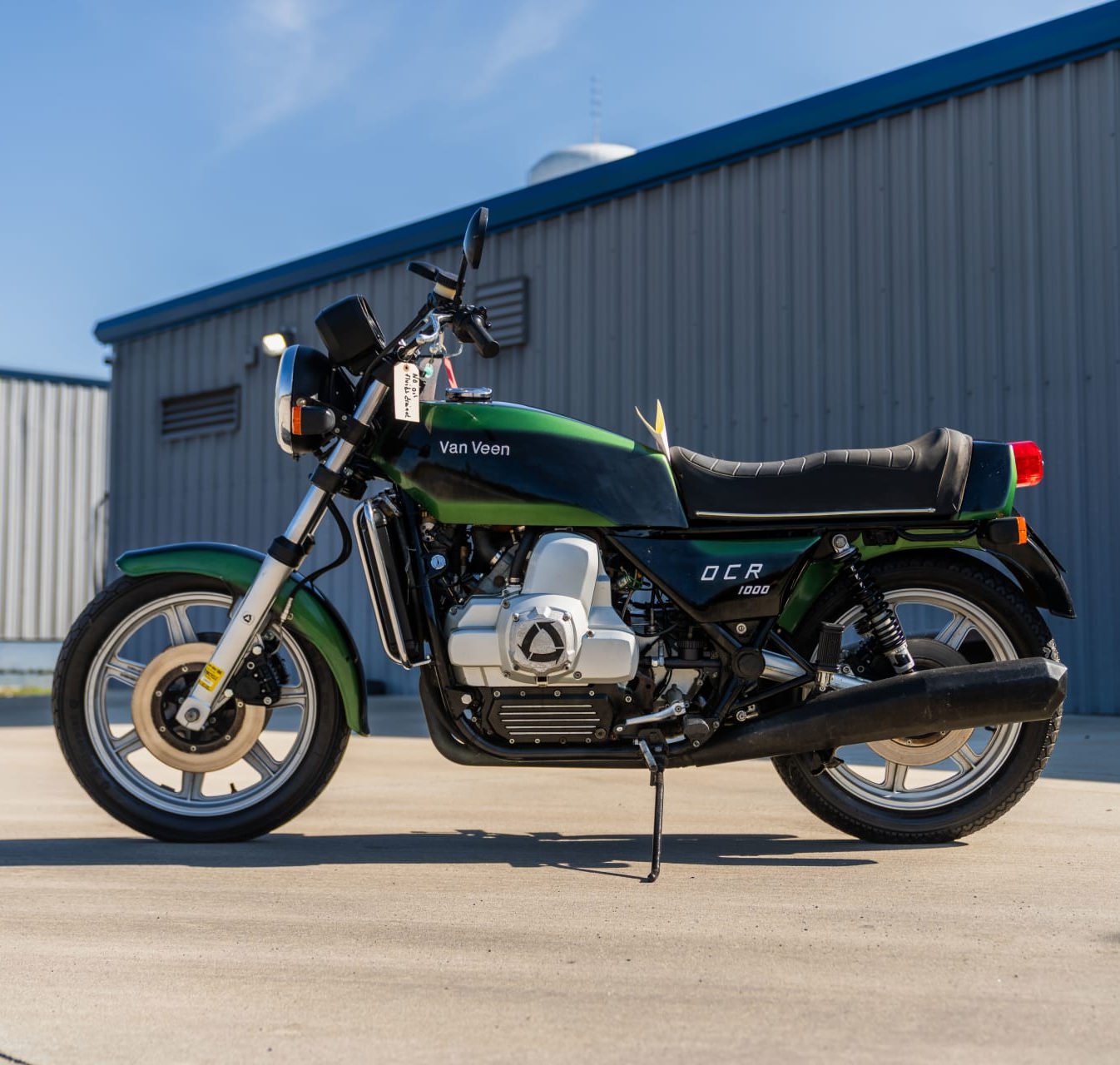
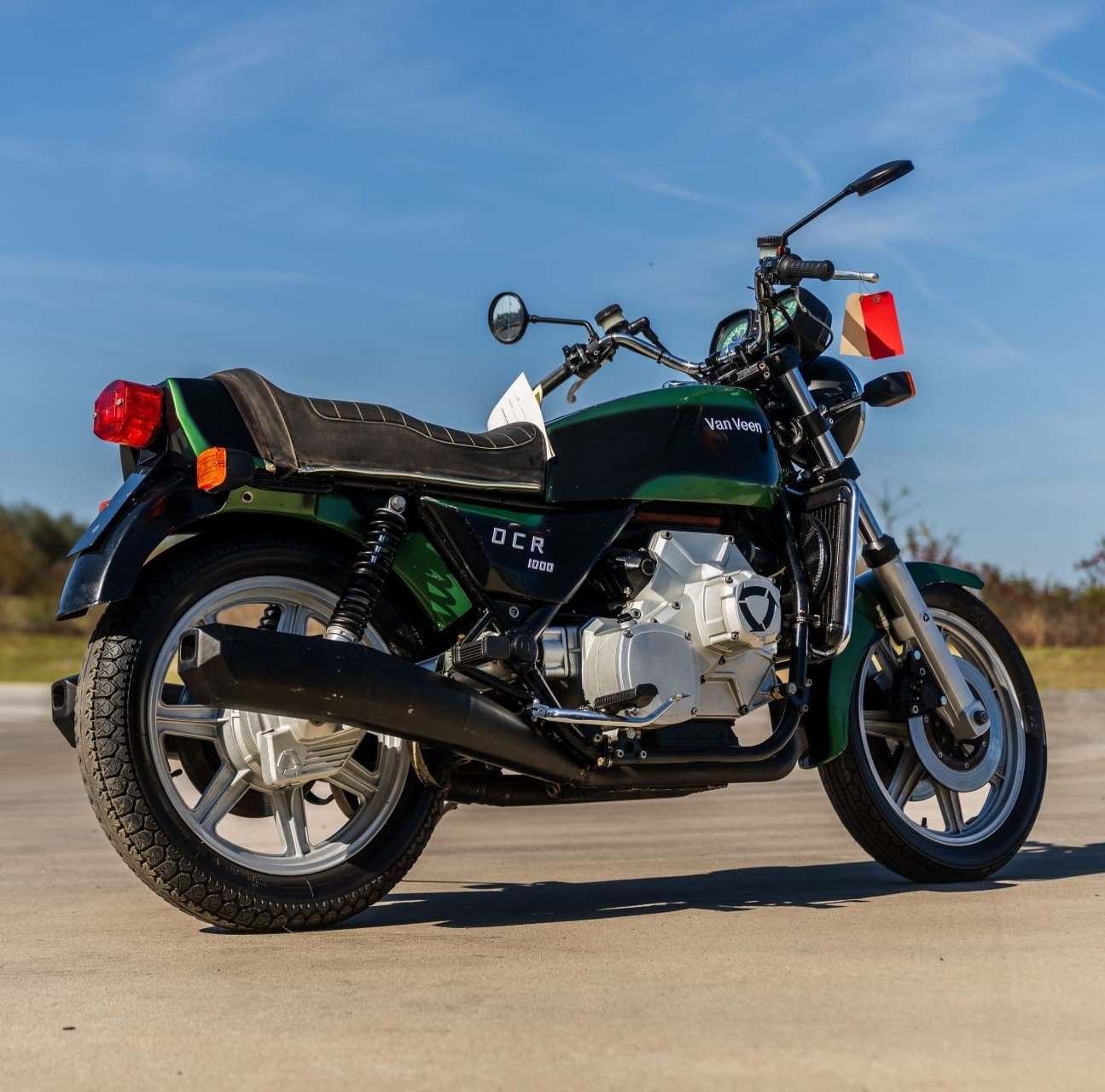
The 1978 Van Veen OCR1000 Shown Here
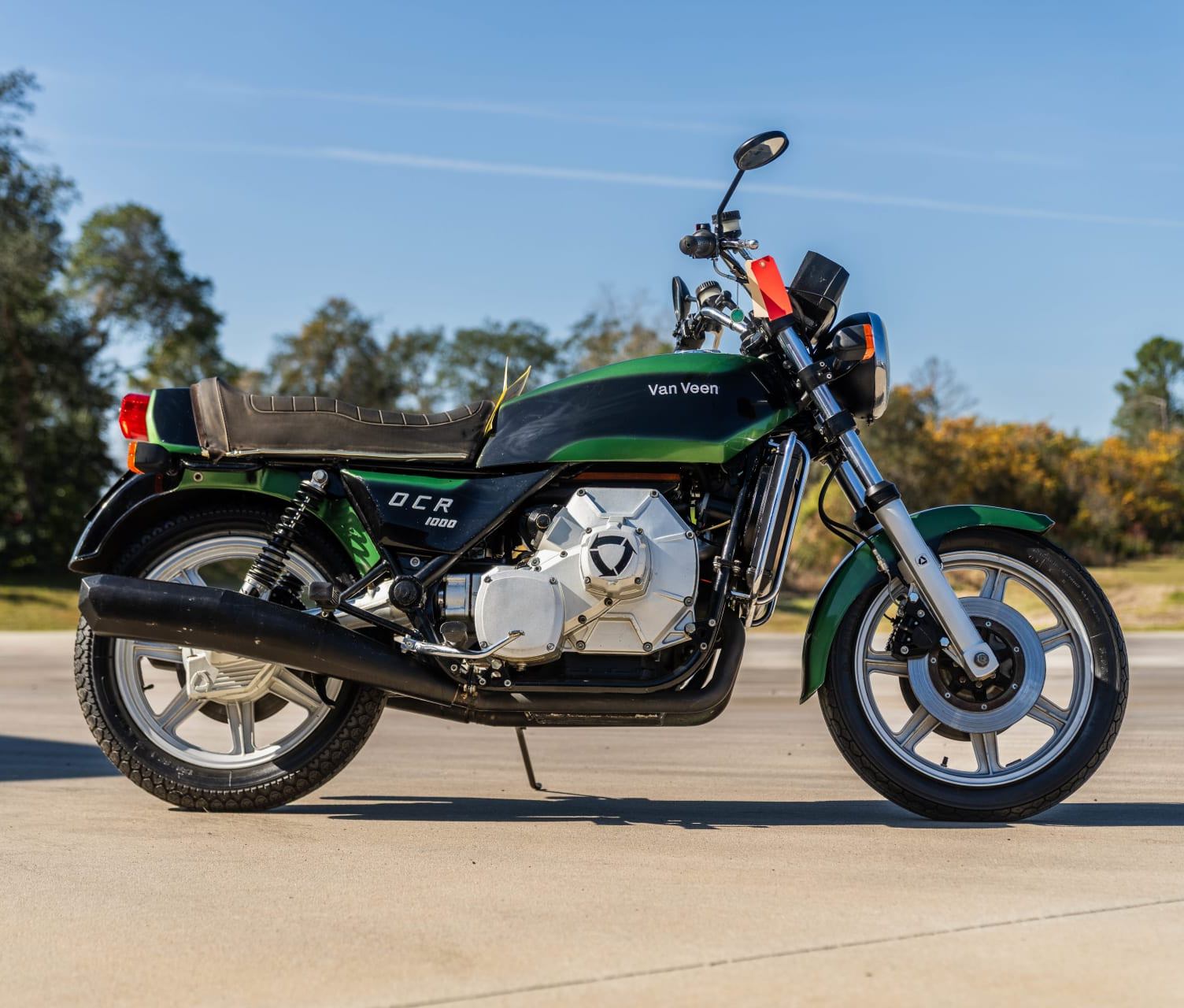
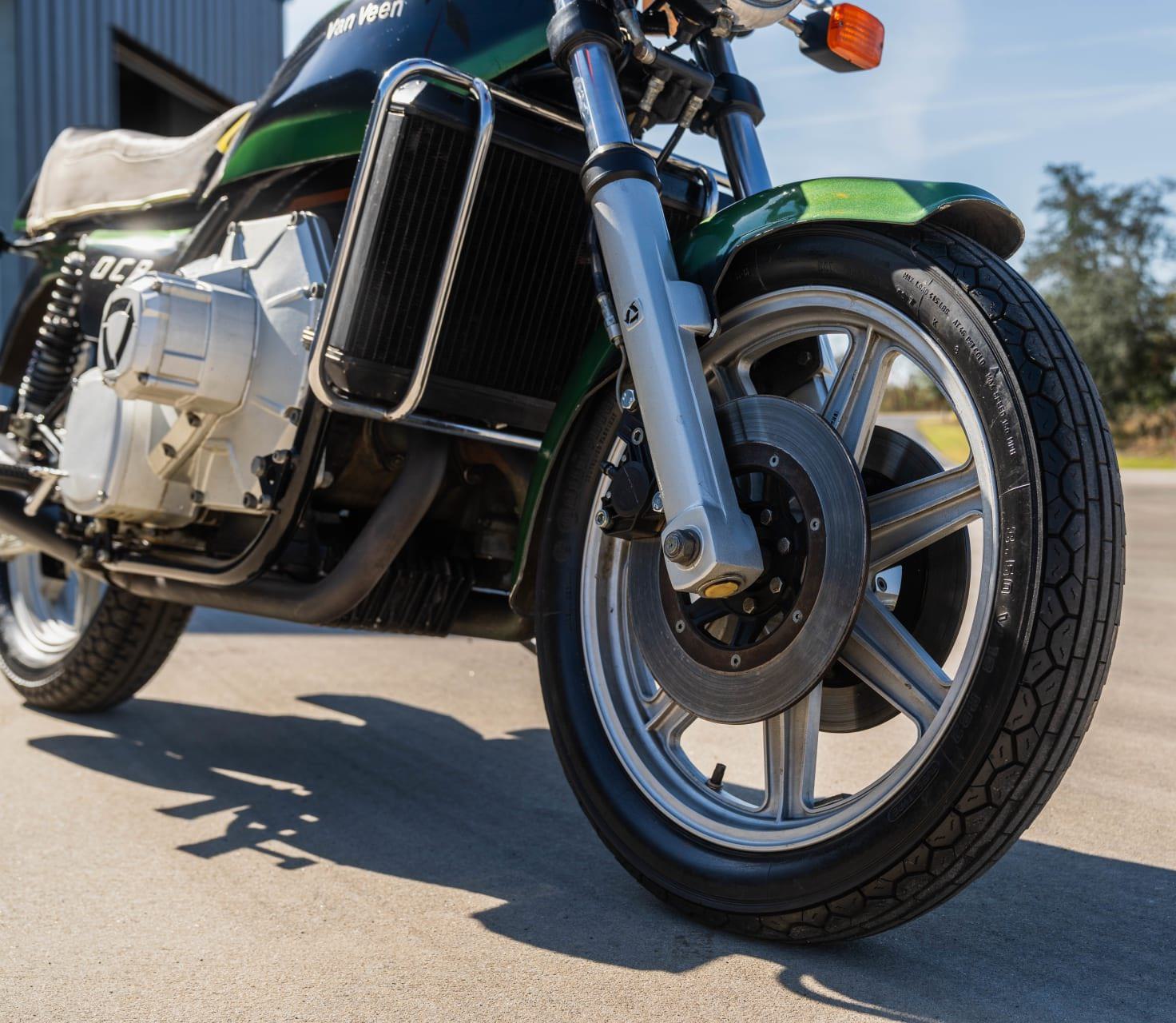
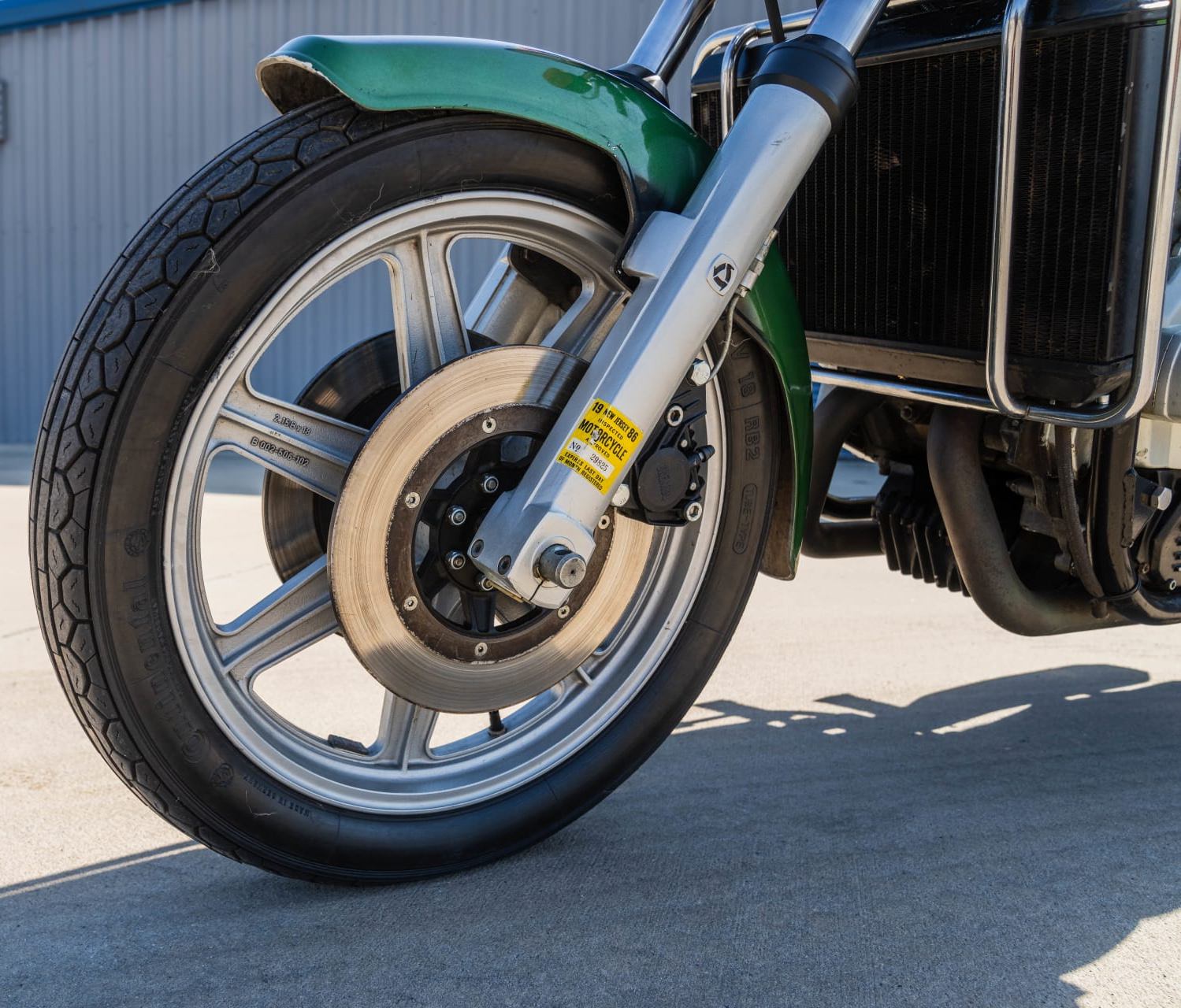
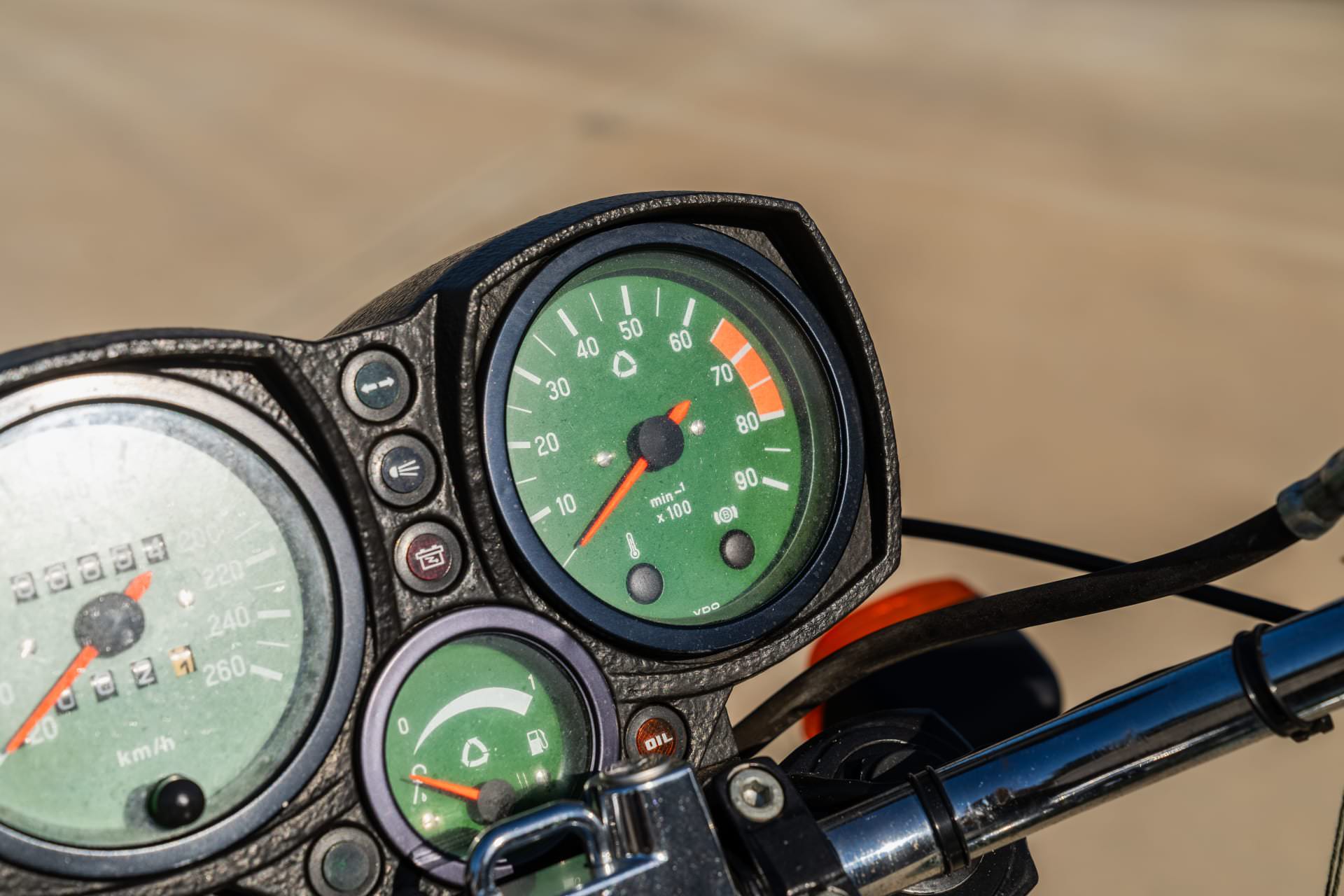
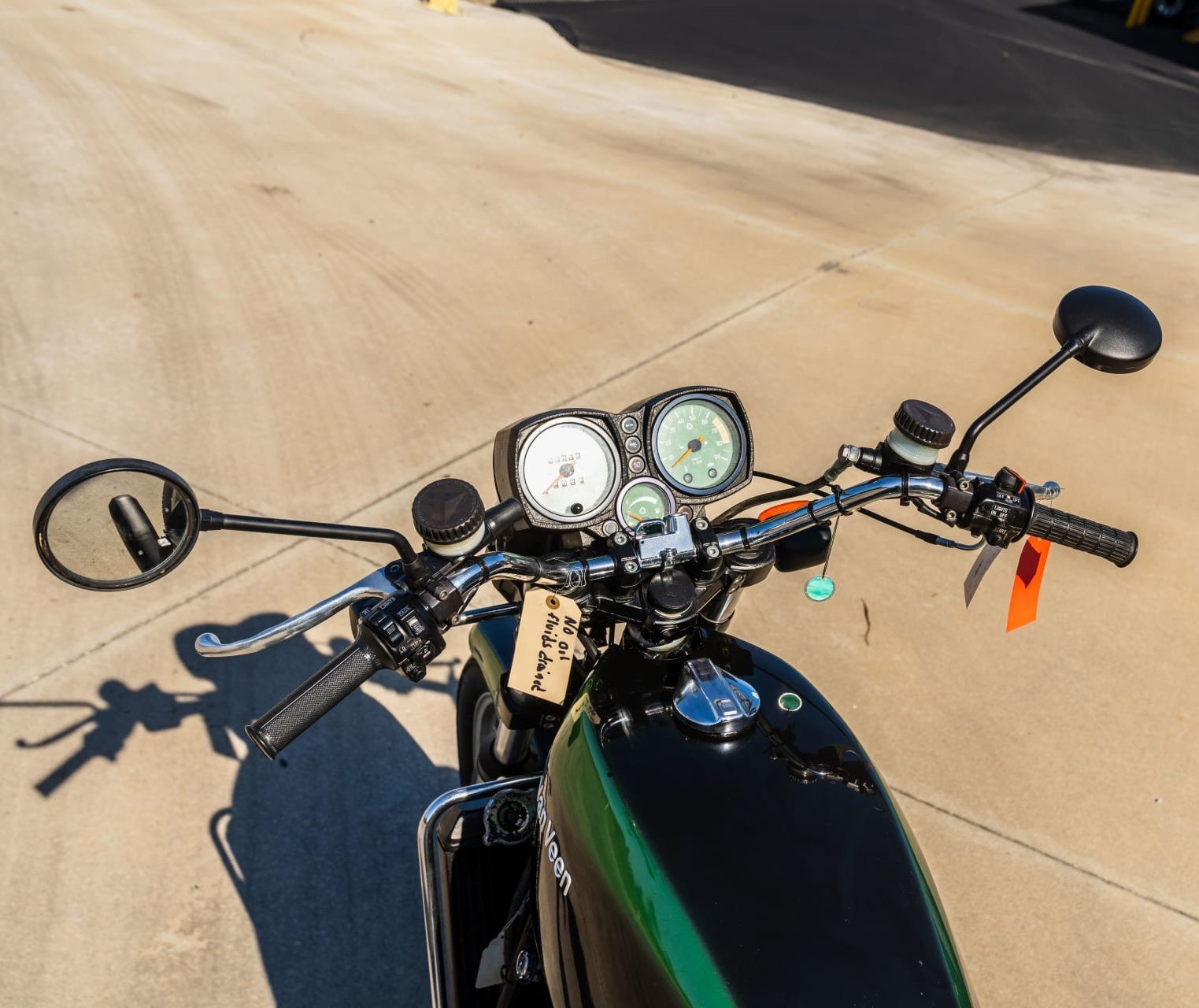
The motorcycle you see here is an original Van Veen OCR 1000 from 1978, it has just 8,853 kilometers on the odometer – this may not sound like much but it’s actually a respectable number for such a rare bike.
As noted above, just 38 of these were made. This was was formerly a member of Sam Costanzo’s Rotary Recycle motorcycle collection in Cleveland, Ohio, and it now remains in largely original condition throughout.
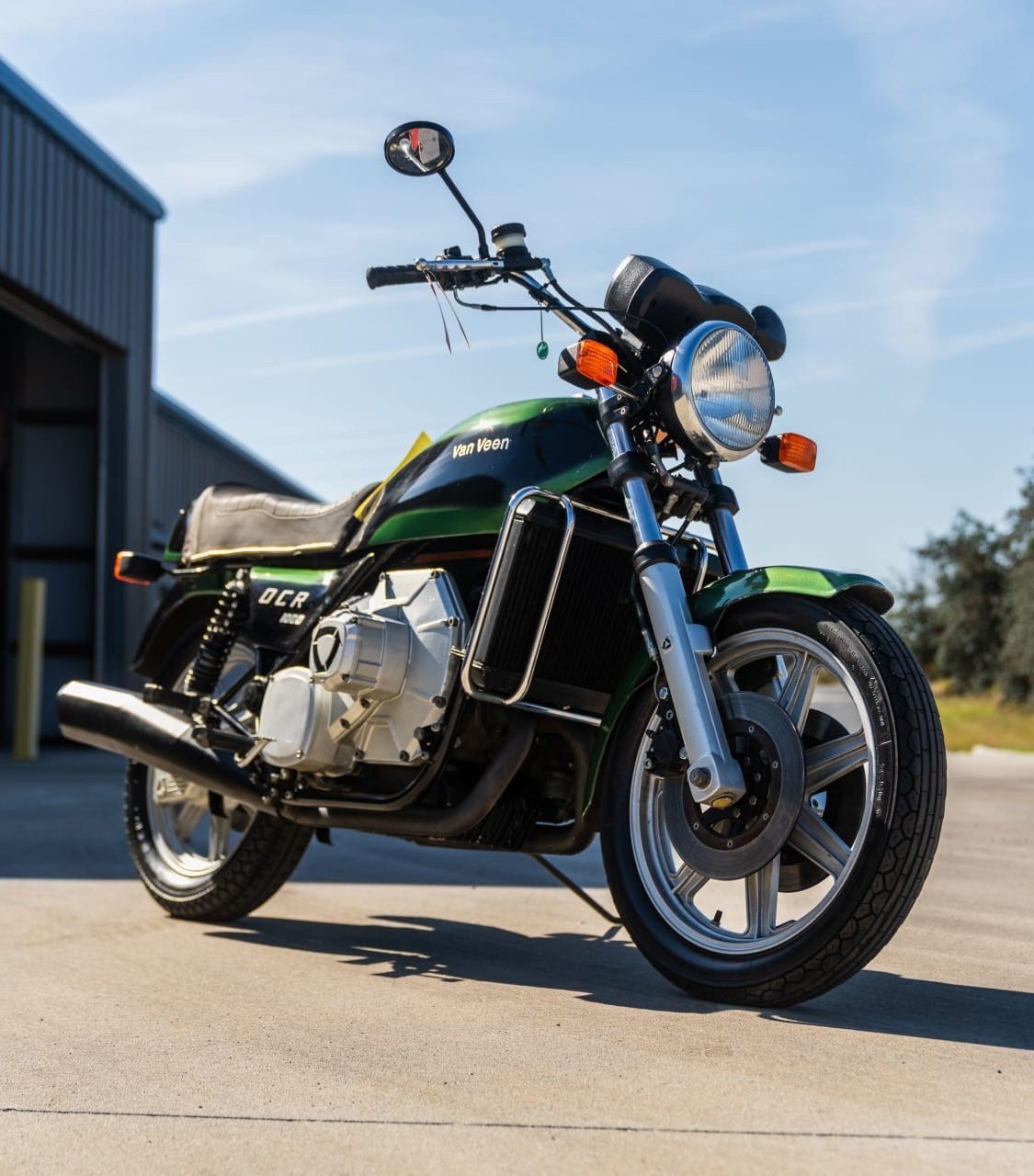
The motorcycle you see here is an original Van Veen OCR 1000 from 1978, it has just 8,853 kilometers on the odometer – this may not sound like much but it’s actually a respectable number for such a rare bike.
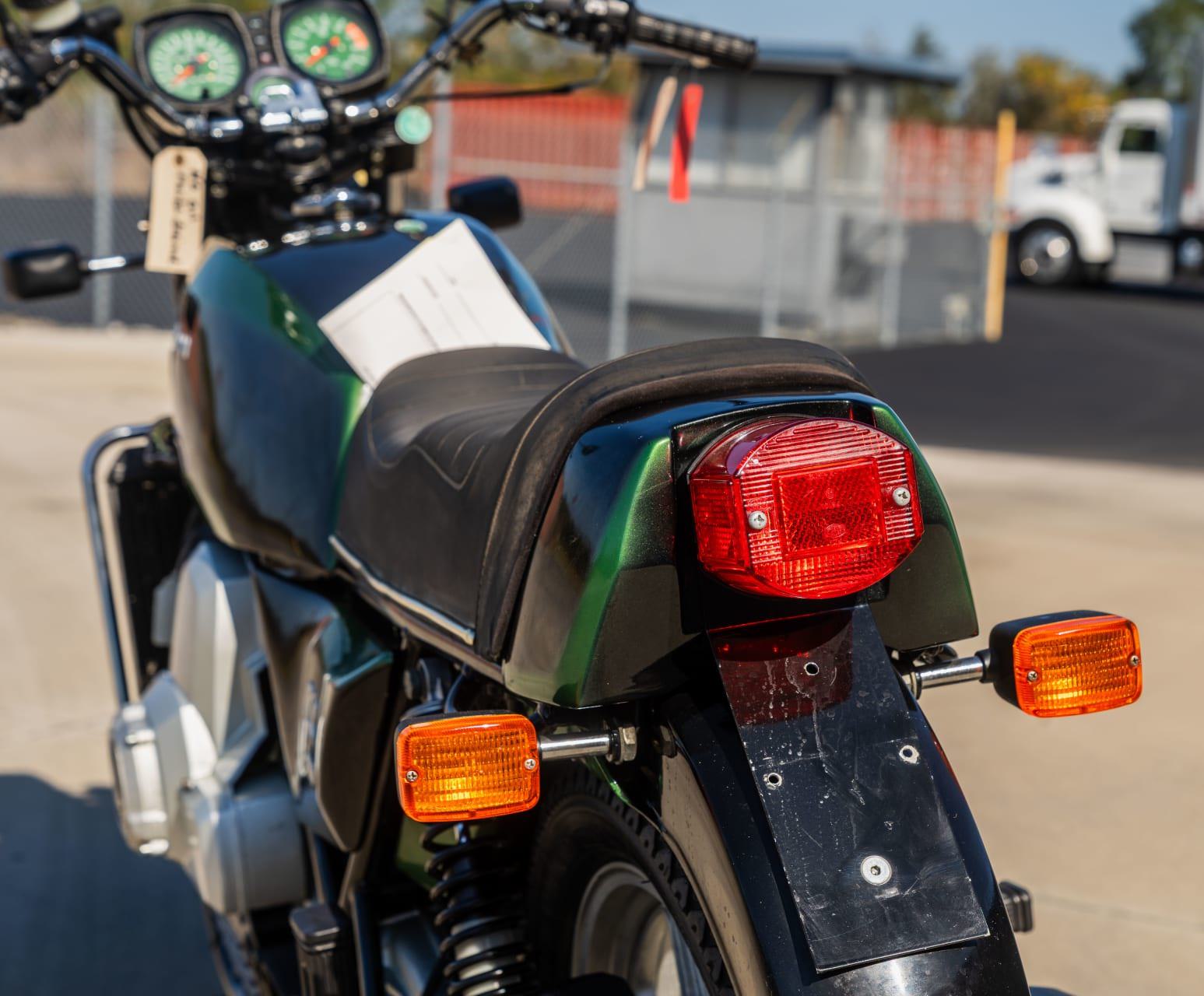
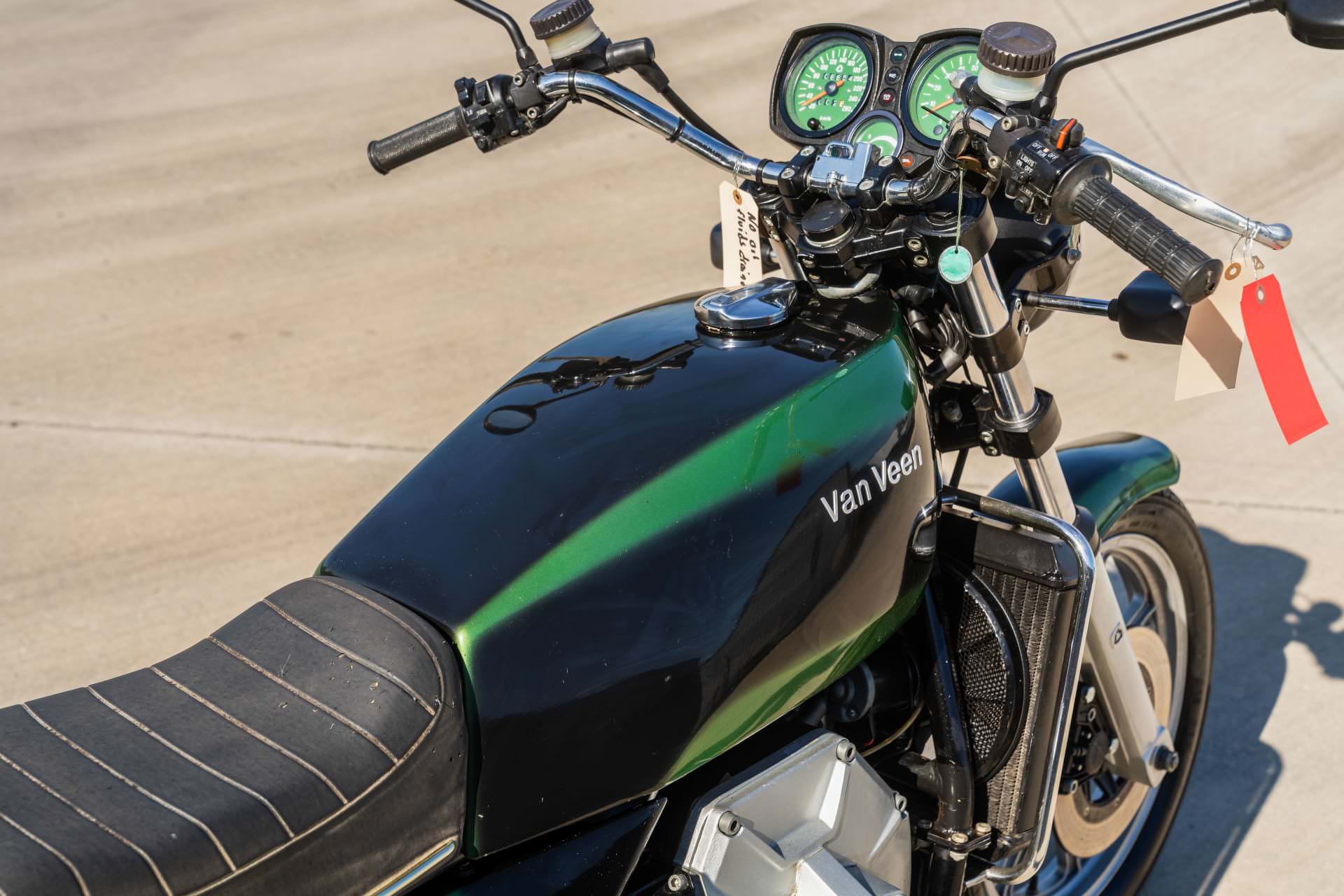
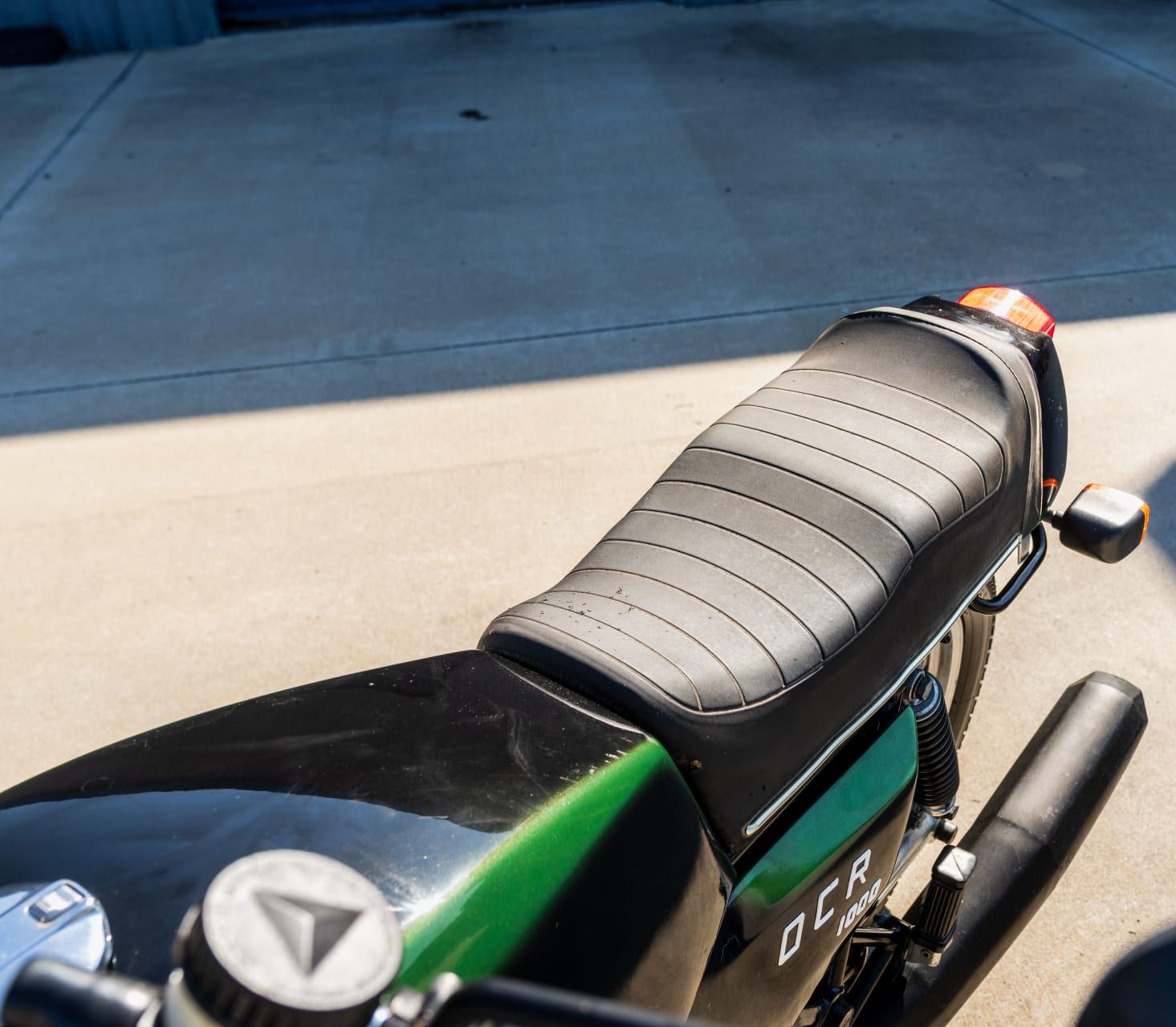
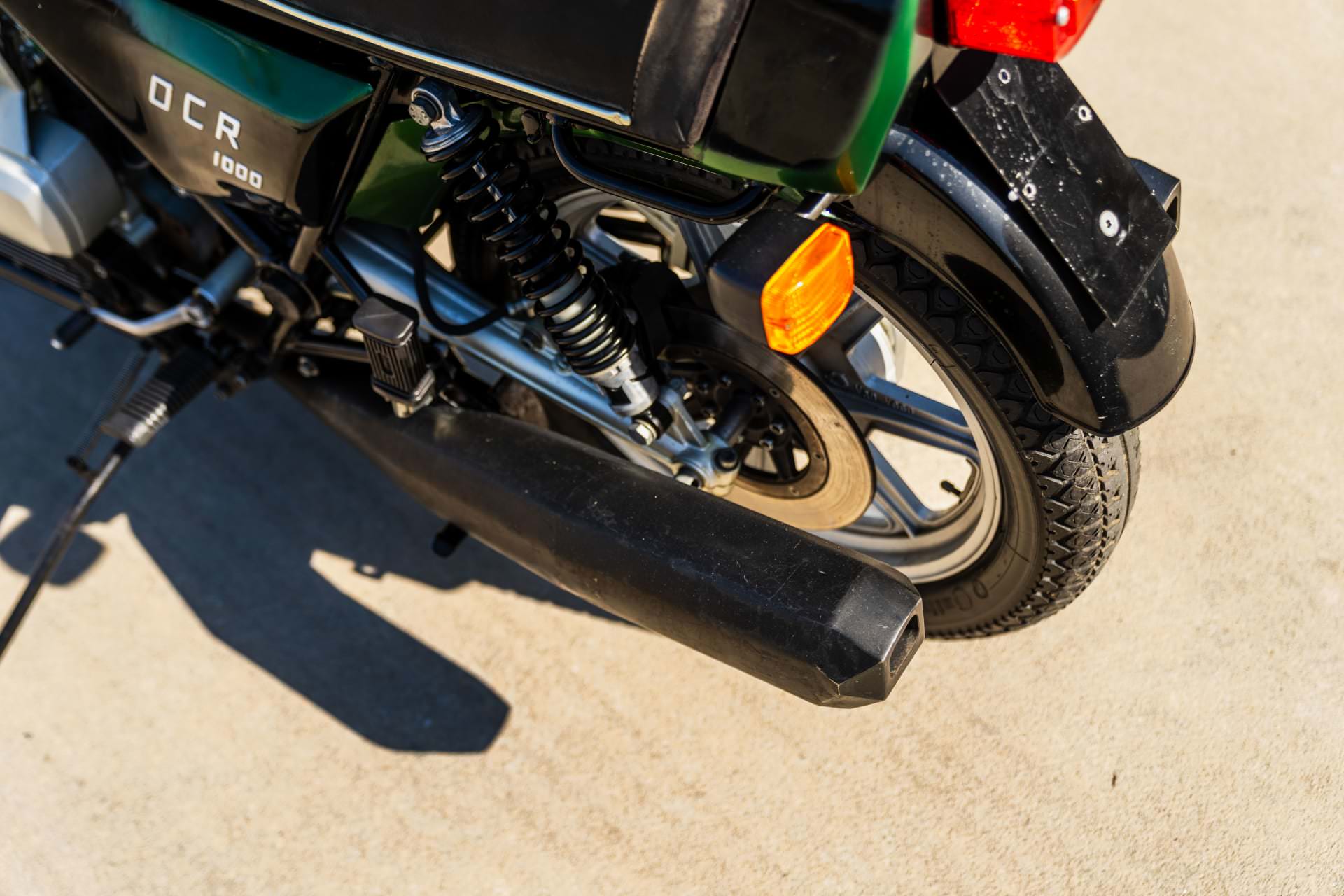
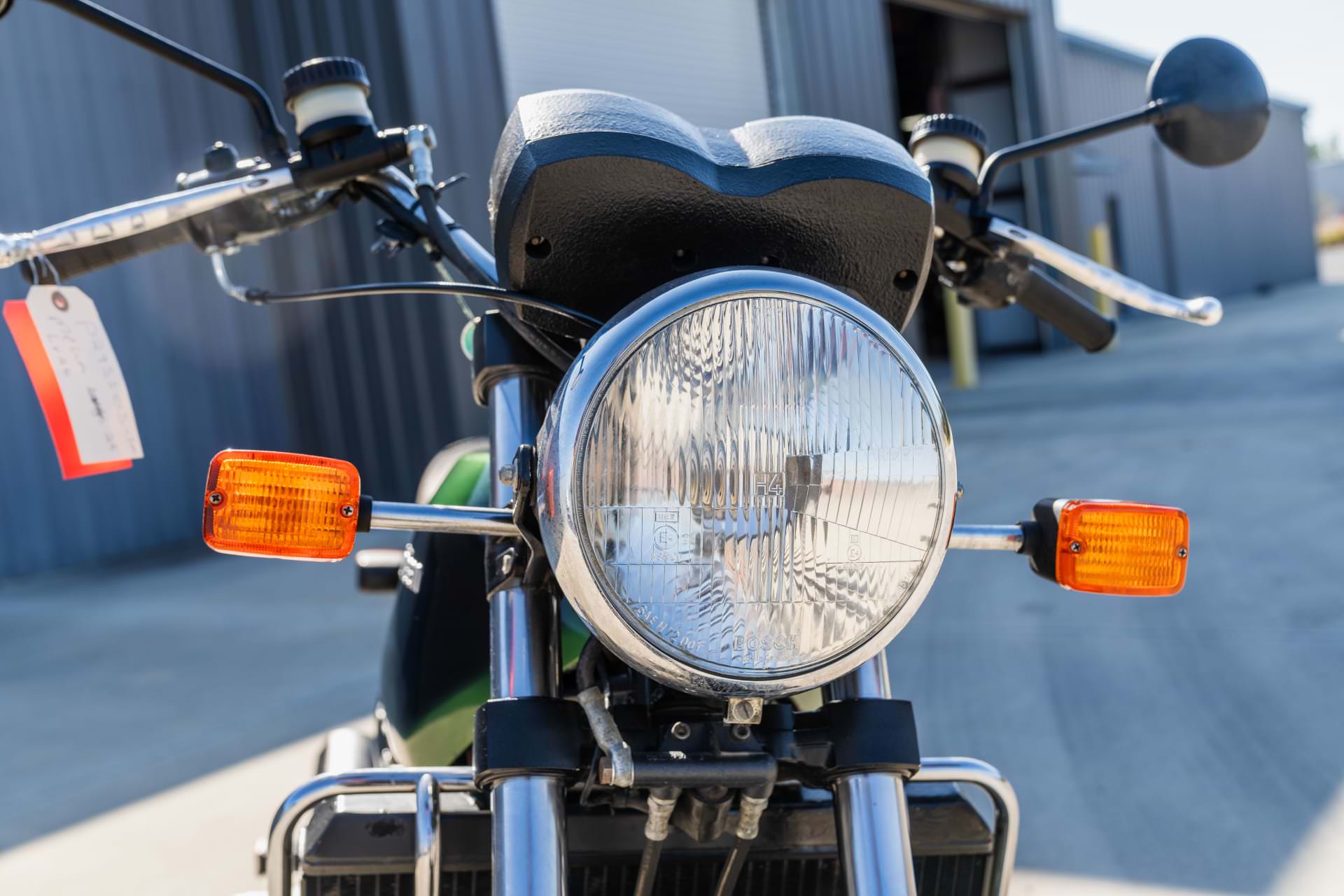
This bike is finished in black with green accents, it has that characteristic front radiator with its protective metal grille still in place. It has twin front disc brakes and seating for two, with dual exhausts and a 4-speed transmission.
This unusual motorcycle is now due to roll across the auction block with Mecum in late January. If you’d like to read more about it or register to bid you can visit the listing here.
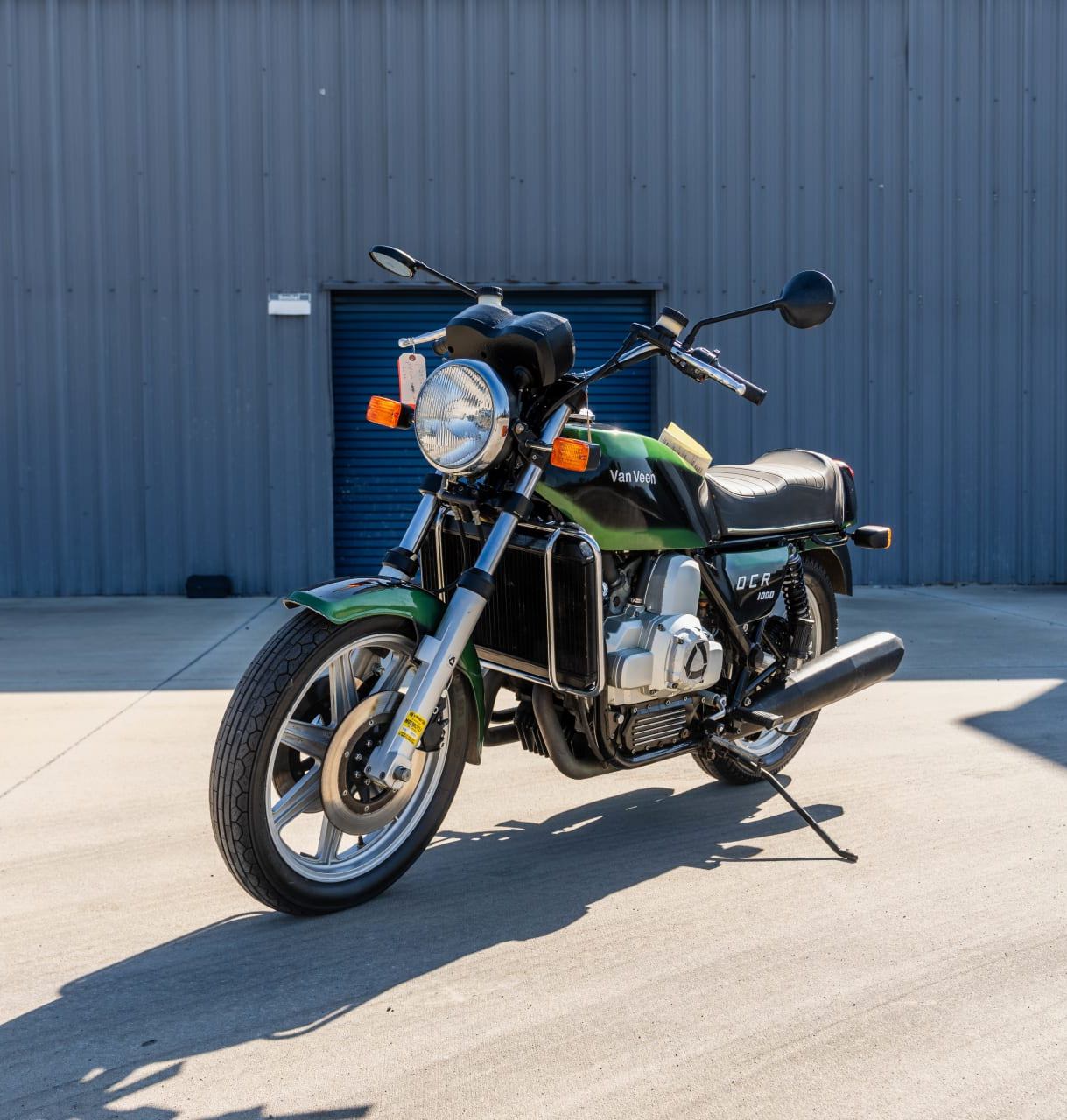
Images courtesy of Mecum

Articles that Ben Branch has written have been covered on CNN, Popular Mechanics, Smithsonian Magazine, Road & Track Magazine, the official Pinterest blog, the official eBay Motors blog, BuzzFeed, Autoweek Magazine, Wired Magazine, Autoblog, Gear Patrol, Jalopnik, The Verge, and many more.
Silodrome was founded by Ben back in 2010, in the years since the site has grown to become a world leader in the alternative and vintage motoring sector, with well over a million monthly readers from around the world and many hundreds of thousands of followers on social media.