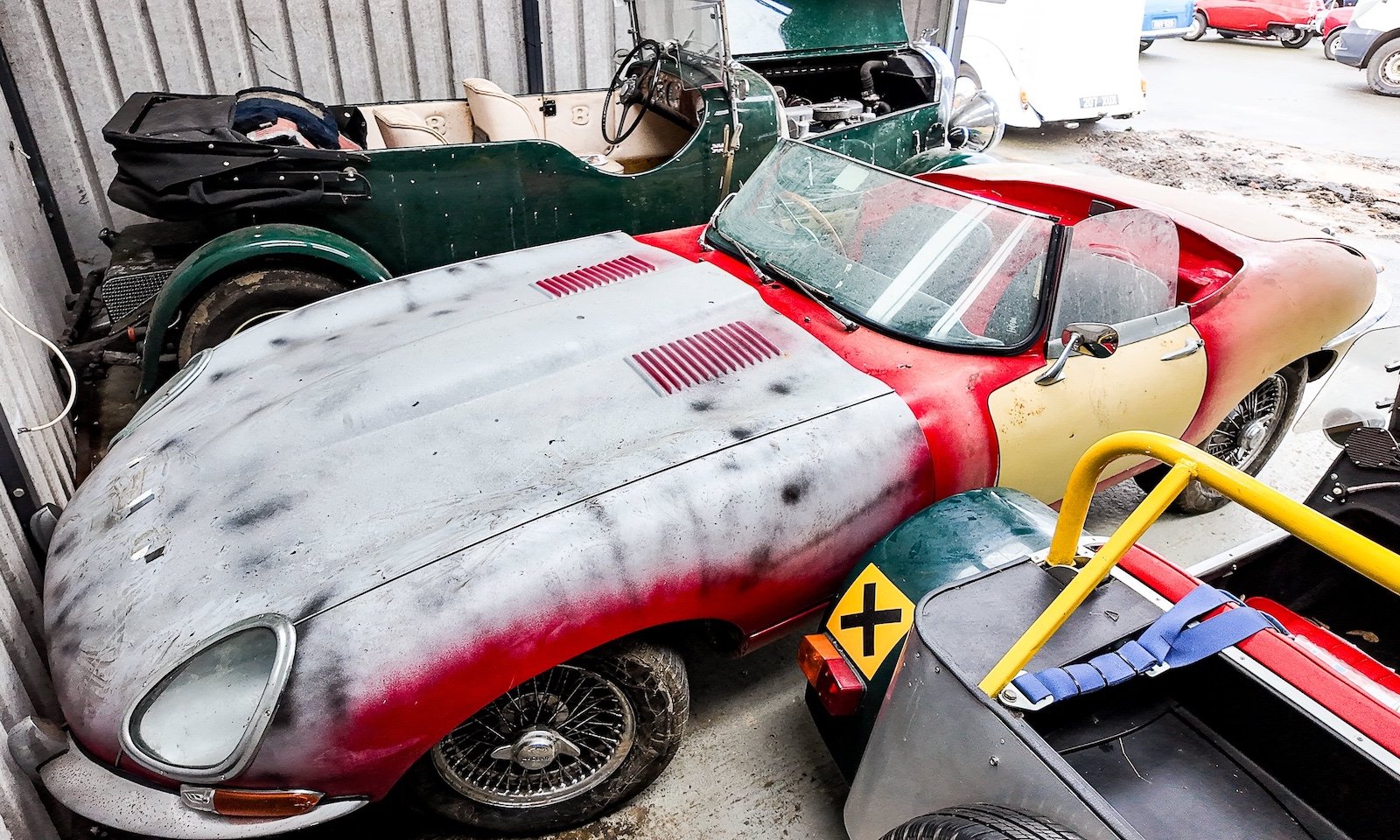
This is an original Jaguar E-Type Series 1 from 1968 that remains in largely complete and seemingly partially-restored condition, and it’s now being offered for sale as part of the Custodian Collection.
The E-Type is a classic that needs no introduction, it’s regularly referred to as “the most beautiful car ever made,” and even Enzo Ferrari himself once allegedly said that the only problem with the E-Type is that it didn’t have a Ferrari badge on the hood.
Fast Facts: A Jaguar E-Type Project Car
- The Jaguar E-Type Series 1 emerged from Jaguar’s late 1950s push to replace the aging XK150 with a clean-sheet car rooted in its Le Mans-winning C-Type and D-Type programs. Prototype development through E1A and E2A validated the monocoque tub, independent four wheel suspension, and advanced (for the time) four-wheel disc brakes.
- Engineering leadership came from William Heynes, with aerodynamic body design by Malcolm Sayer and extensive development input from test driver Norman Dewis. The car debuted at the 1961 Geneva Motor Show after Dewis completed an overnight Coventry-to-Switzerland run. More than 500 orders were reportedly secured at launch.
- Early 3.8 liter cars produced 265 bhp from the XK dual overhead cam inline-six with triple SU carburetors. Independent rear suspension with inboard disc brakes, torsion bar front suspension, rack-and-pinion steering, and four-wheel disc brakes were standard. A 1961 The Motor test recorded 149.1 mph, validating Jaguar’s 150 mph claim.
- In 1964 displacement increased to 4.2 liters while output remained rated at 265 bhp, with stronger torque and a full-synchromesh gearbox replacing the earlier Moss unit. The 2+2 arrived in 1966. The 1968 project car described here is a largely complete, restoration-required example retaining hallmark covered headlamps.
History Speedrun: The Jaguar E-Type Series 1
Jaguar didn’t set out to build the E-Type as the most beautiful car of the 20th century, truth be told it was more of a commercially-minded attempt to turn racing and aerodynamics lessons learned during the C-Type and D-Type eras into a road car that could go toe-to-toe with the finest exotics from Italy and Germany on speed, luxury, and sophistication.
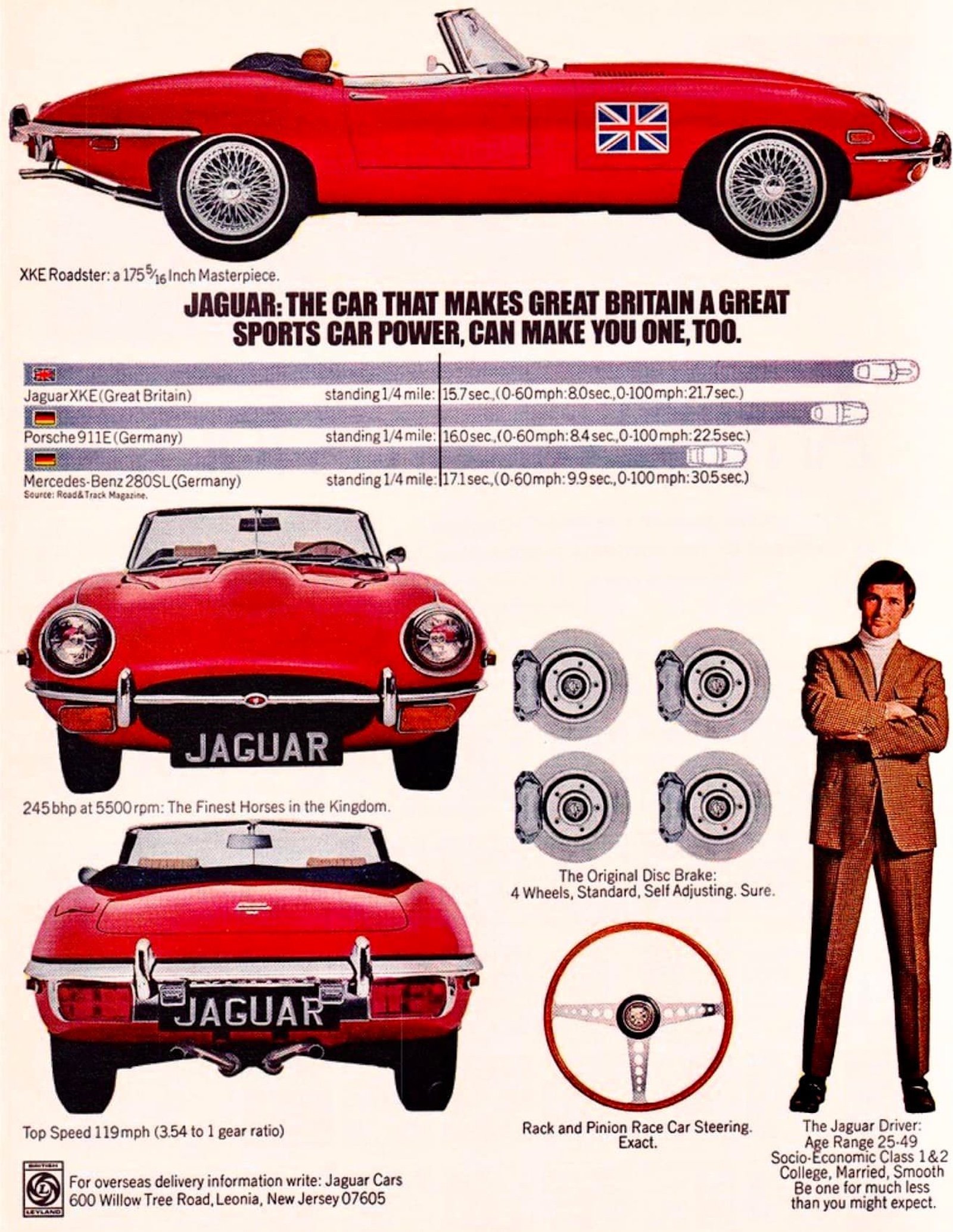
 Perhaps the greatest trick that the E-Type had up its sleeve was its price. A brand new E-Type could be bought for around £2,097 including taxes, while its direct competition from the likes of Mercedes, Ferrari, and Maserati had MSRPs two or even three times higher. Image courtesy of Jaguar.
Perhaps the greatest trick that the E-Type had up its sleeve was its price. A brand new E-Type could be bought for around £2,097 including taxes, while its direct competition from the likes of Mercedes, Ferrari, and Maserati had MSRPs two or even three times higher.
By the late 1950s it had become clear that Jaguar needed a clean-sheet successor to the now somewhat long in the tooth XK150, and the internal prototype program, E1A and later E2A, let the engineering group prove out key ideas. The E1A car was a direct development prototype for the road car, whereas the E2A car was closer in concept to a D-Type evolution and built for racing, though it still fed important engineering ideas into the production E-Type.
William Heynes, Jaguar’s Chief Engineer and Technical Director, drove the engineering brief of the E-Type and signed off the fundamental design for a monocoque central body structure, with fully independent front and rear suspension, and four-wheel disc brakes. All of these were cutting edge features for a production car in the early 1960s, a time when even Ferrari was still largely using live axle rear ends, rear drum brakes, and separate body/chassis construction.
Malcolm Sayer, an aircraft-trained aerodynamicist, shaped the body using mathematically derived forms and aerospace design methods rather than more traditional styling practices. Norman Dewis, Jaguar’s development test driver, was central to durability, reliability, and high-speed handling evaluation.
Overseeing it all from the head office was Sir William Lyons, whose product direction and aesthetic judgment helped set the tone for the finished production car.
The E-Type arrived at the 1961 Geneva Motor Show with immediate impact. Jaguar’s historic account is that PR manager Bob Berry drove the fixed-head coupé to Geneva for the show. But when demand for press drives far exceeded expectations, Norman Dewis was instructed to drive the roadster (77 RW) in a dramatic 17 hour overnight run from Coventry to Switzerland so journalists could sample both body styles. According to Jaguar’s official account, the company left Geneva with over five hundred pre-orders.

What really distinguished the early Series 1 cars from their competitors was the integration of 24 Hours of Le Mans race-winning engineering into a roadgoing package. The E-Type used a stiff central monocoque tub with a bolt-on tubular front subframe carrying the engine, front suspension, and brakes. Image courtesy of Jaguar.
What really distinguished the early Series 1 cars from their competitors was the integration of 24 Hours of Le Mans race-winning engineering into a roadgoing package. The E-Type used a stiff central monocoque tub with a bolt-on tubular front subframe carrying the engine, front suspension, and brakes.
At the front were torsion bars and at the rear you would find Jaguar’s fully independent suspension with inboard-mounted disc brakes to reduce unsprung mass. Rack-and-pinion steering and four-wheel disc brakes were all standard fitment rather than optional extras.
In original 3.8 liter form the Series 1 used the XK inline-six with dual overhead camshafts and triple SU carburetors. Factory-rated output was at 265 bhp, and period road testing supported the Jaguar’s performance claims – a widely cited 1961 test by The Motor magazine recorded a top speed of 149.1 mph for a 3.8 liter open car, just a whisker off of Jaguar’s famous 150 mph claim.
“Series 1” is a retrospective name of course, only applied once later revisions became known as the Series 1.5, Series 2, and Series 3. Early 1961 cars are identified by features including external bonnet latches and so-called flat-floor construction, both revised during early production.
In late 1964 the engine displacement increased to 4.2 liters (4,235 cc). Published output remained the same at 265 bhp, but the 4.2 liter version delivered improved torque and drivability. At the same time Jaguar replaced the early Moss 4-speed gearbox, which lacked synchromesh on first gear in its early form, with a Jaguar-built full-synchromesh unit. Additional refinements included interior revisions and some minor electrical updates.
Alongside the original two-seater roadster and fixed-head coupé, Jaguar introduced the longer-wheelbase 2+2 coupé in 1966, offering increased cabin space and, in some markets, automatic transmission availability. Late Series 1 cars began to show signs of emerging regulatory pressures, particularly in the United States, setting the stage for the more visible changes of the Series 2 cars.
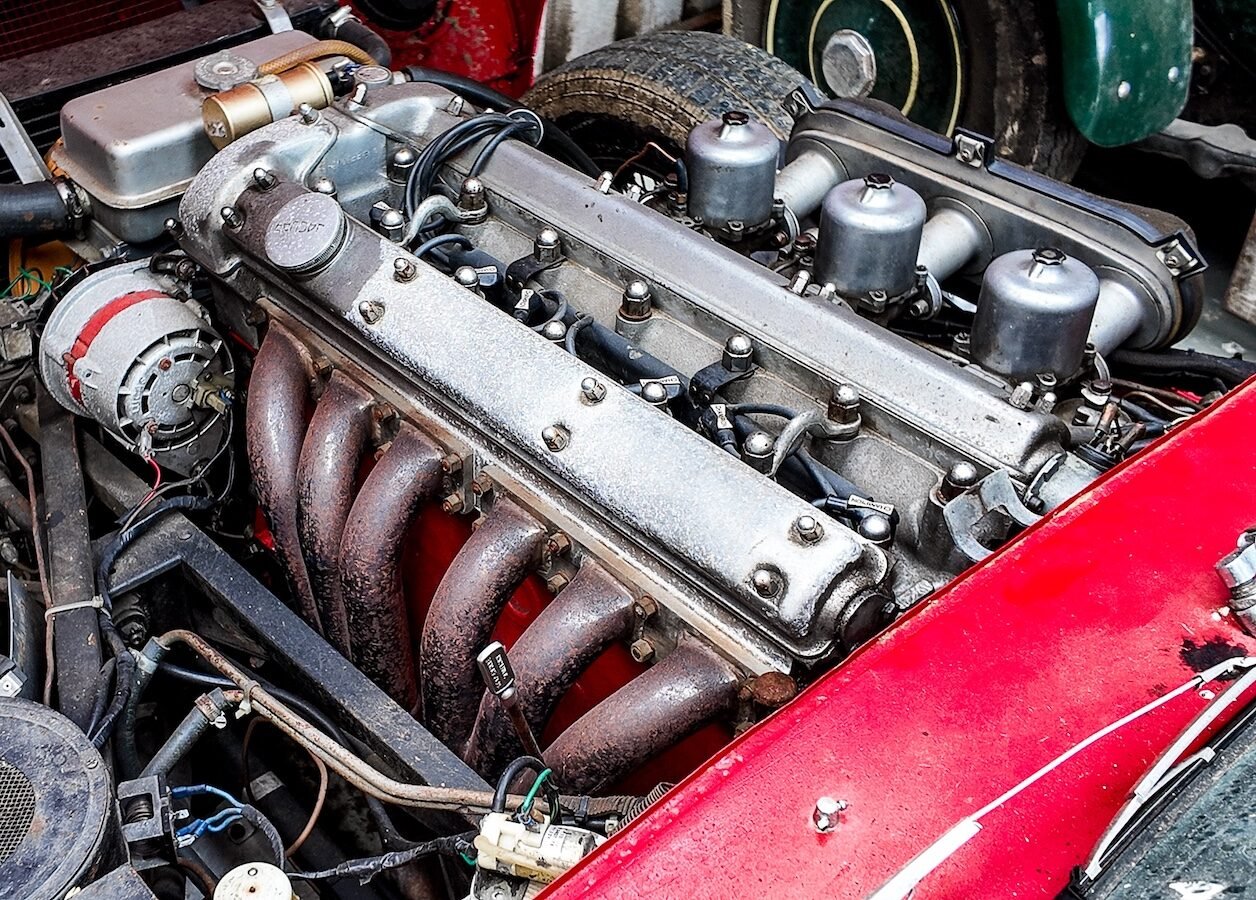
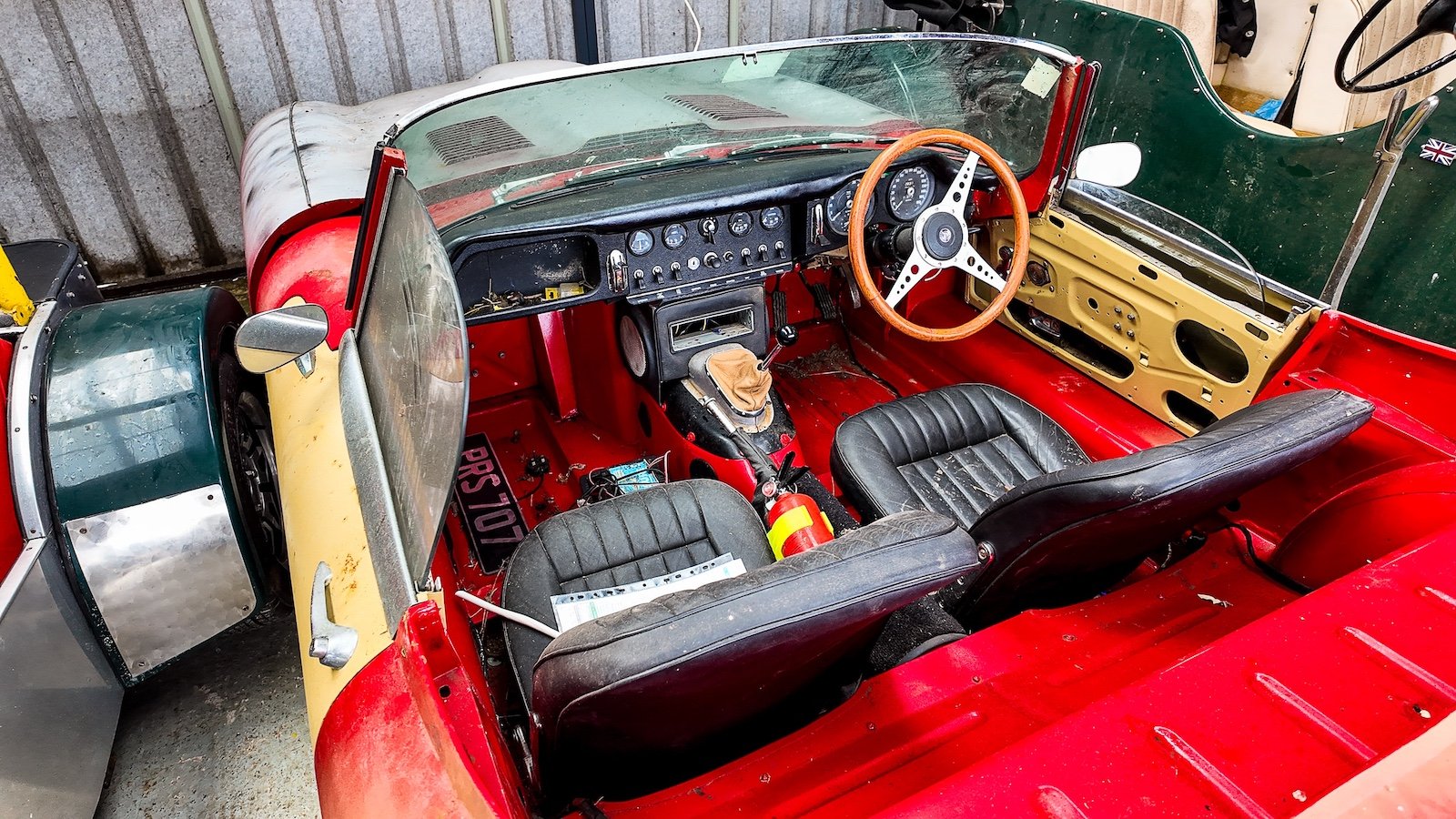
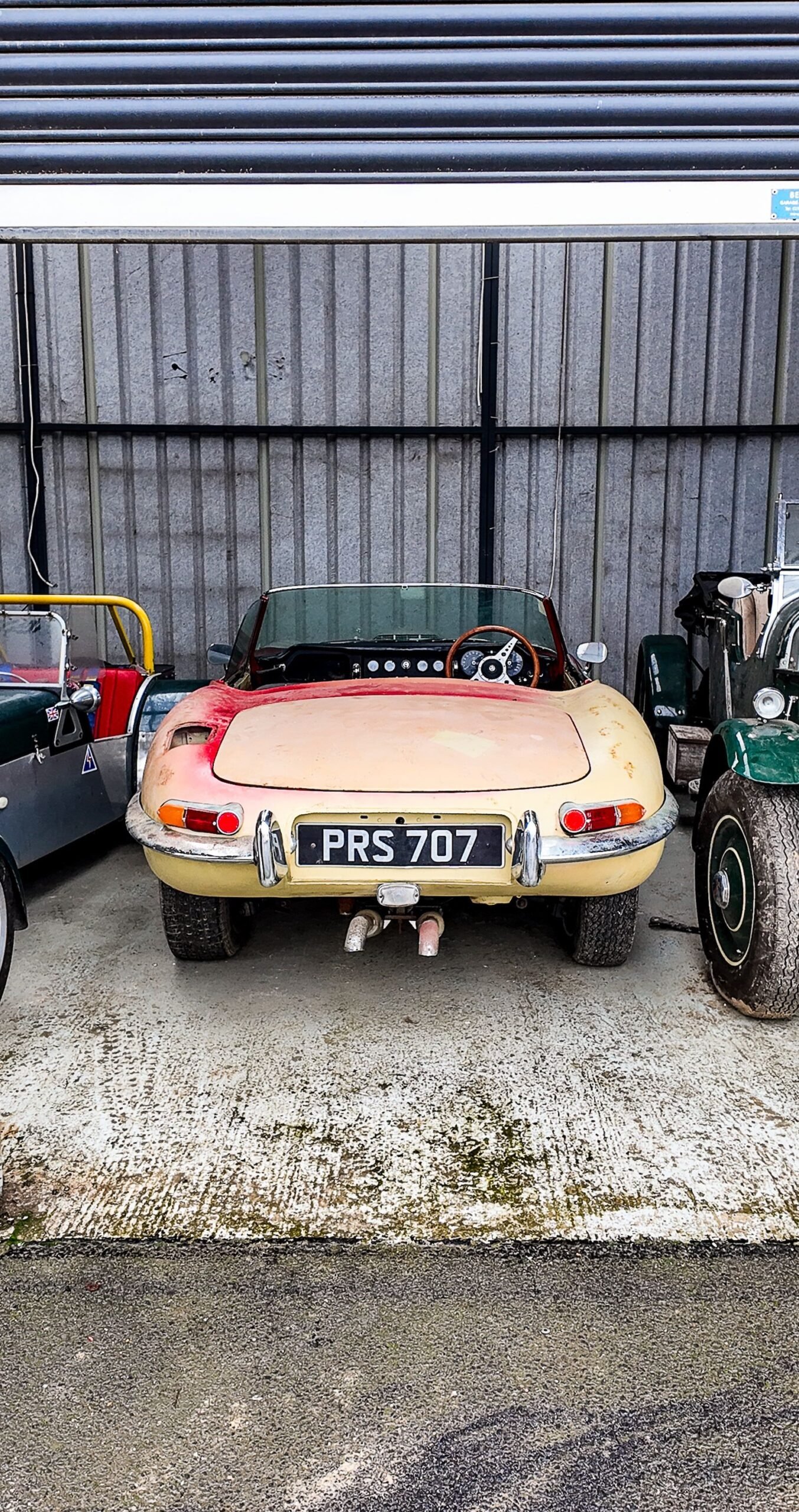
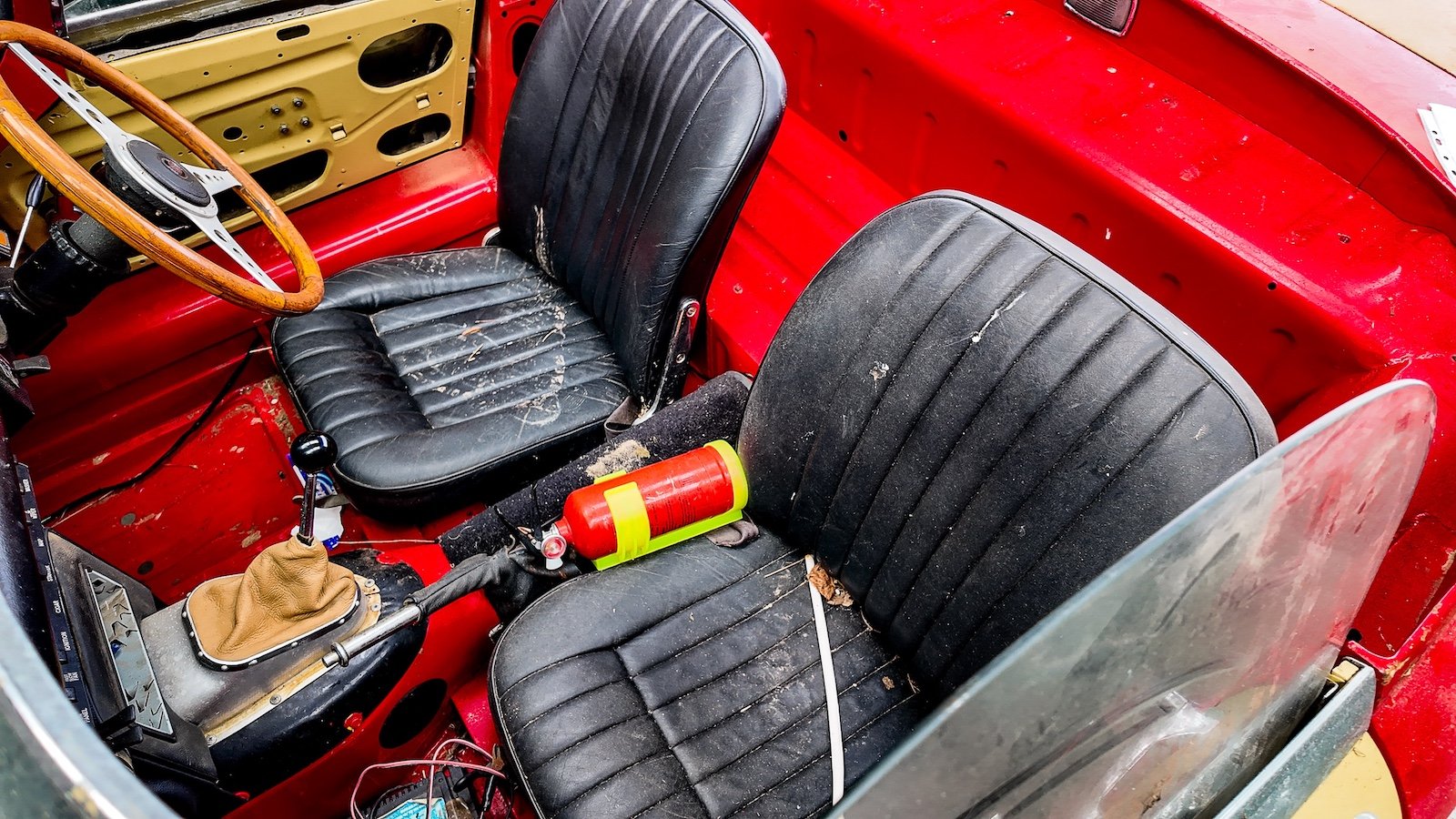
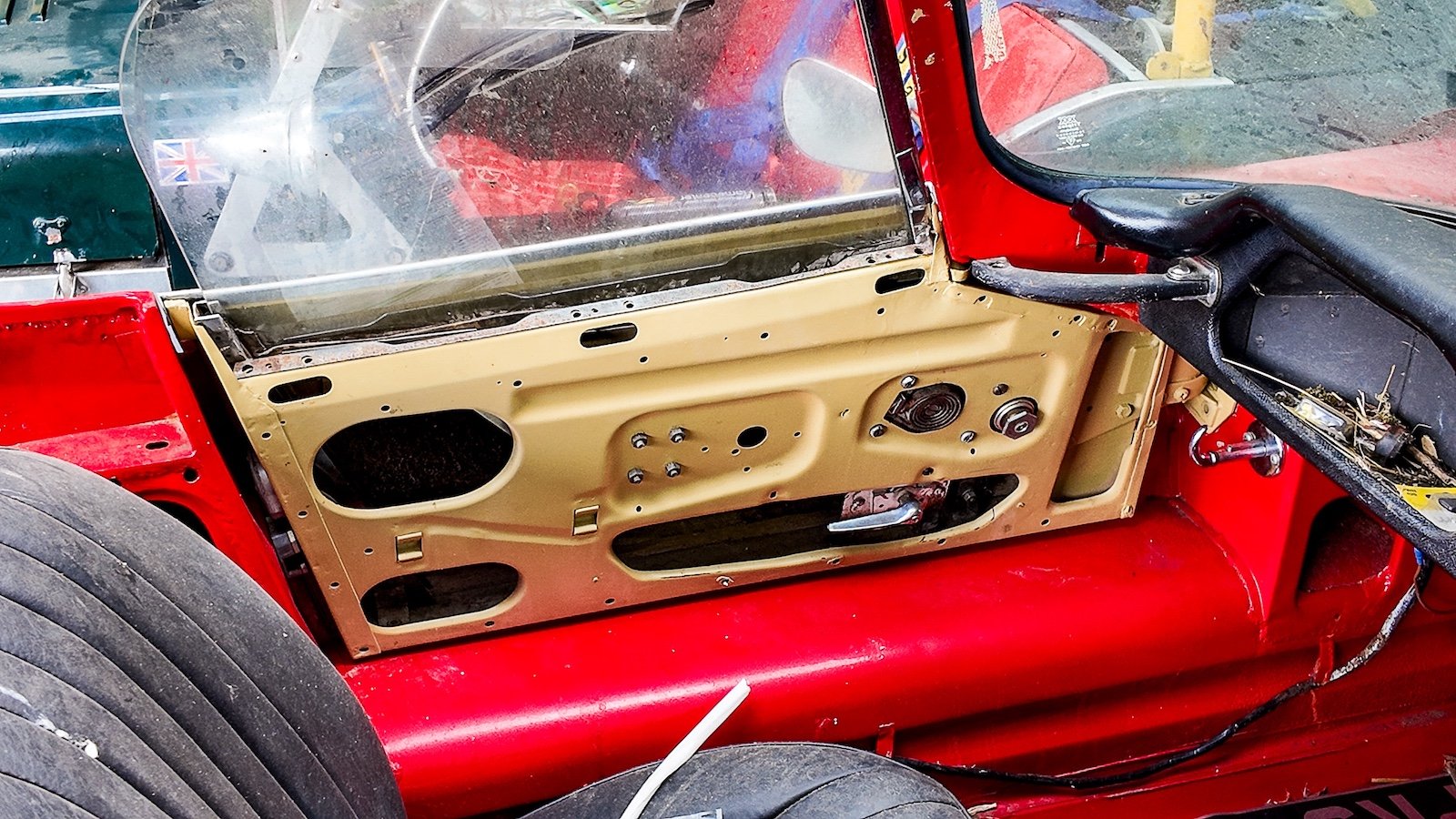
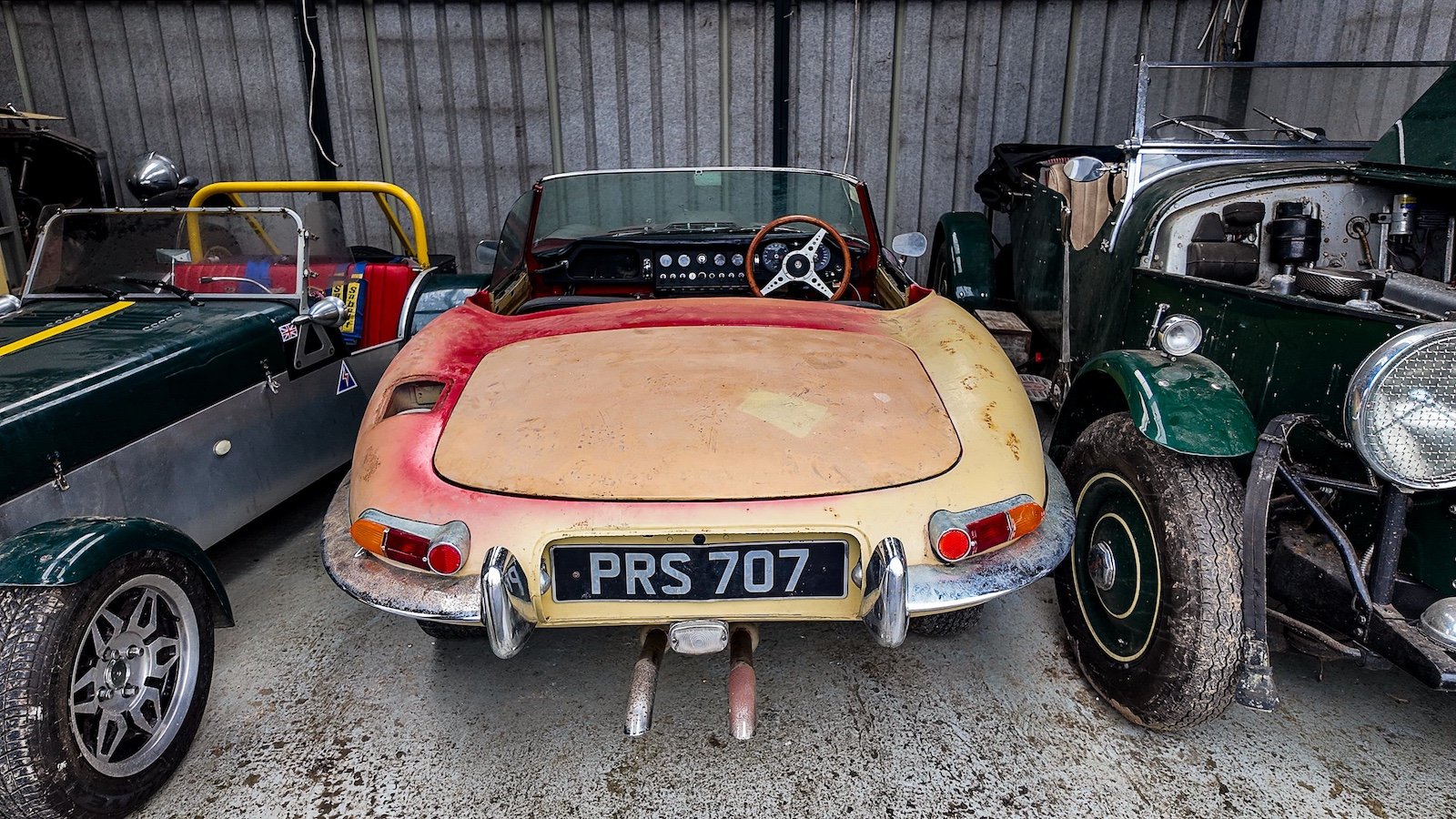
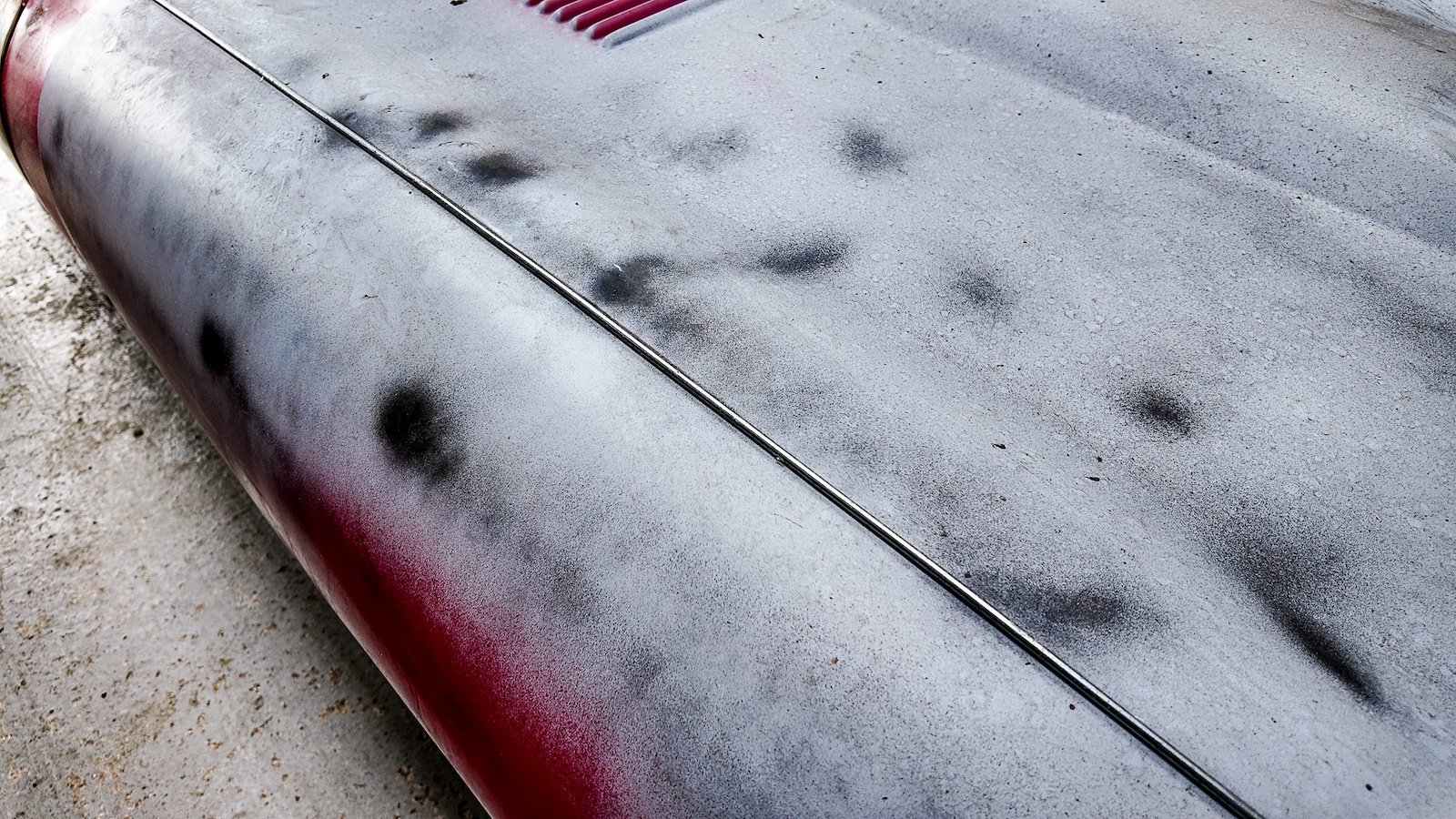
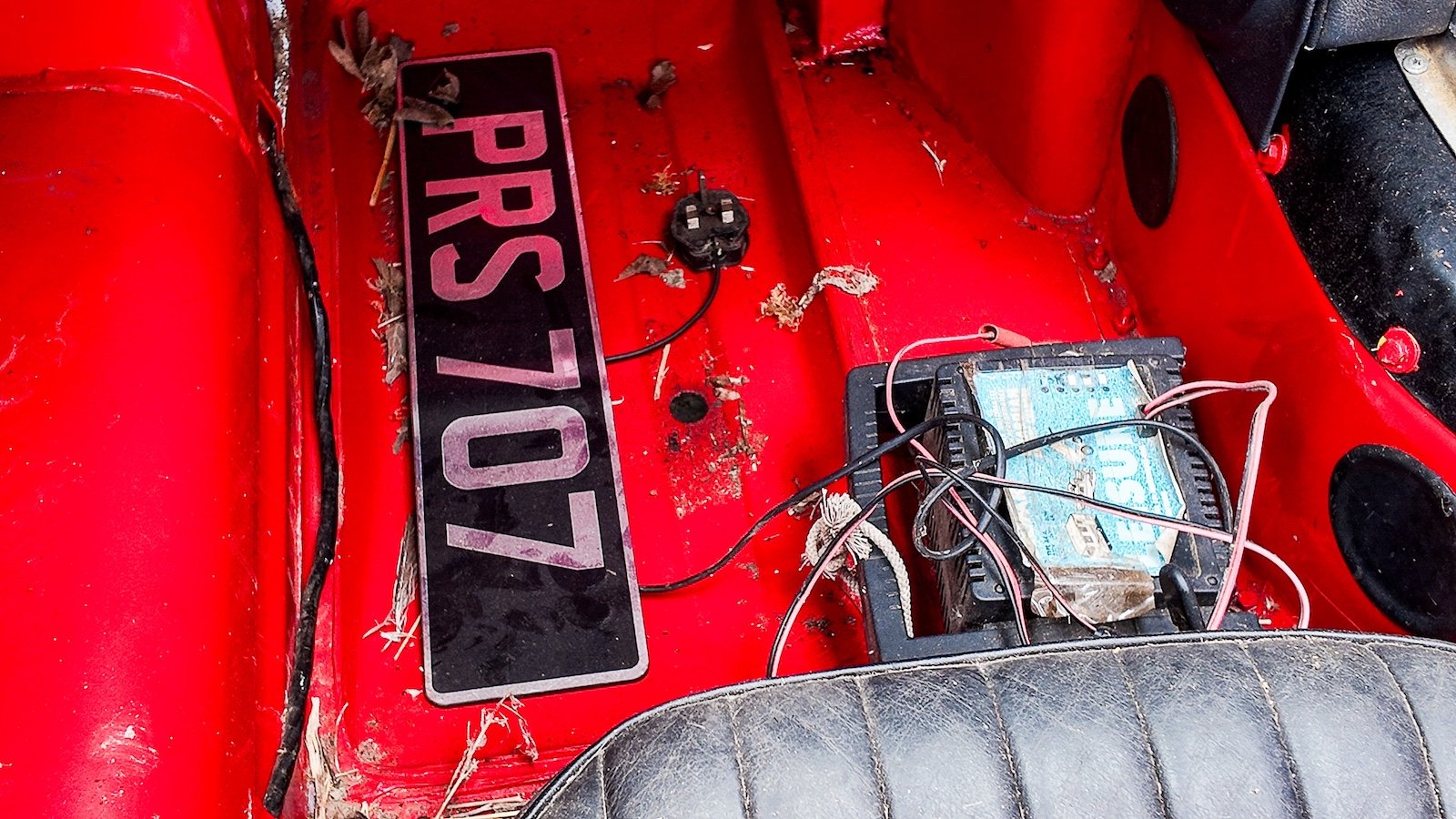
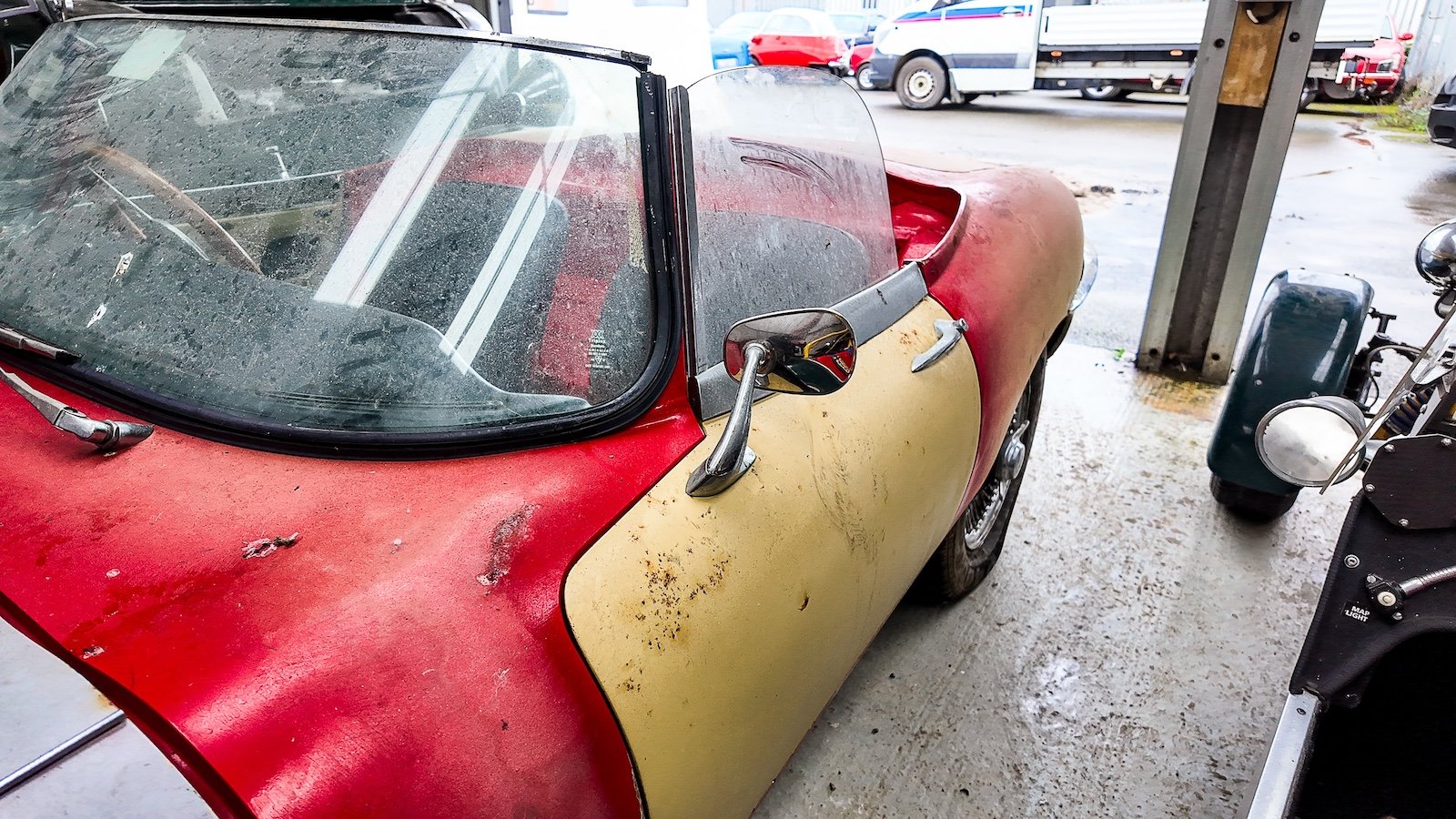
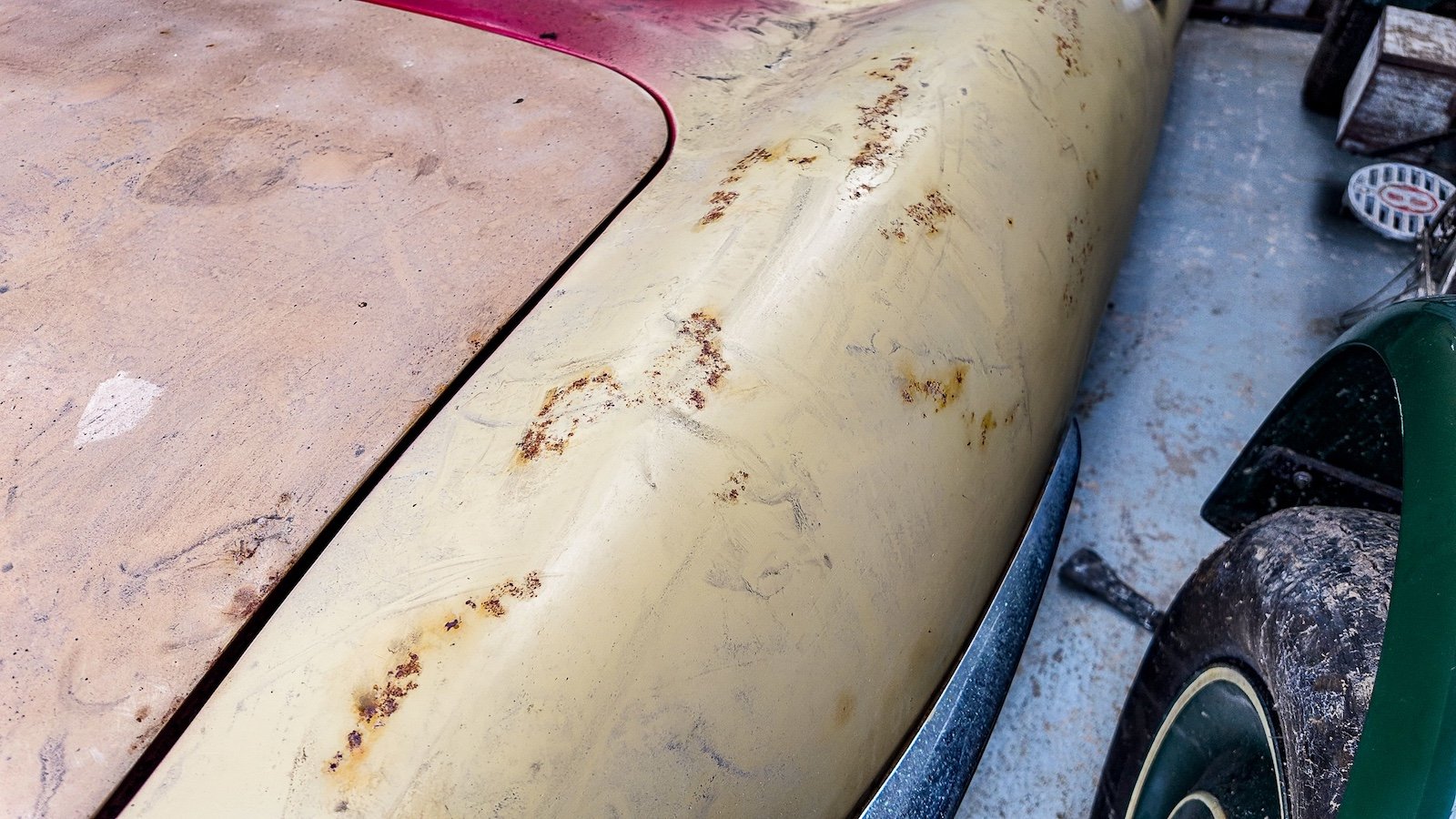
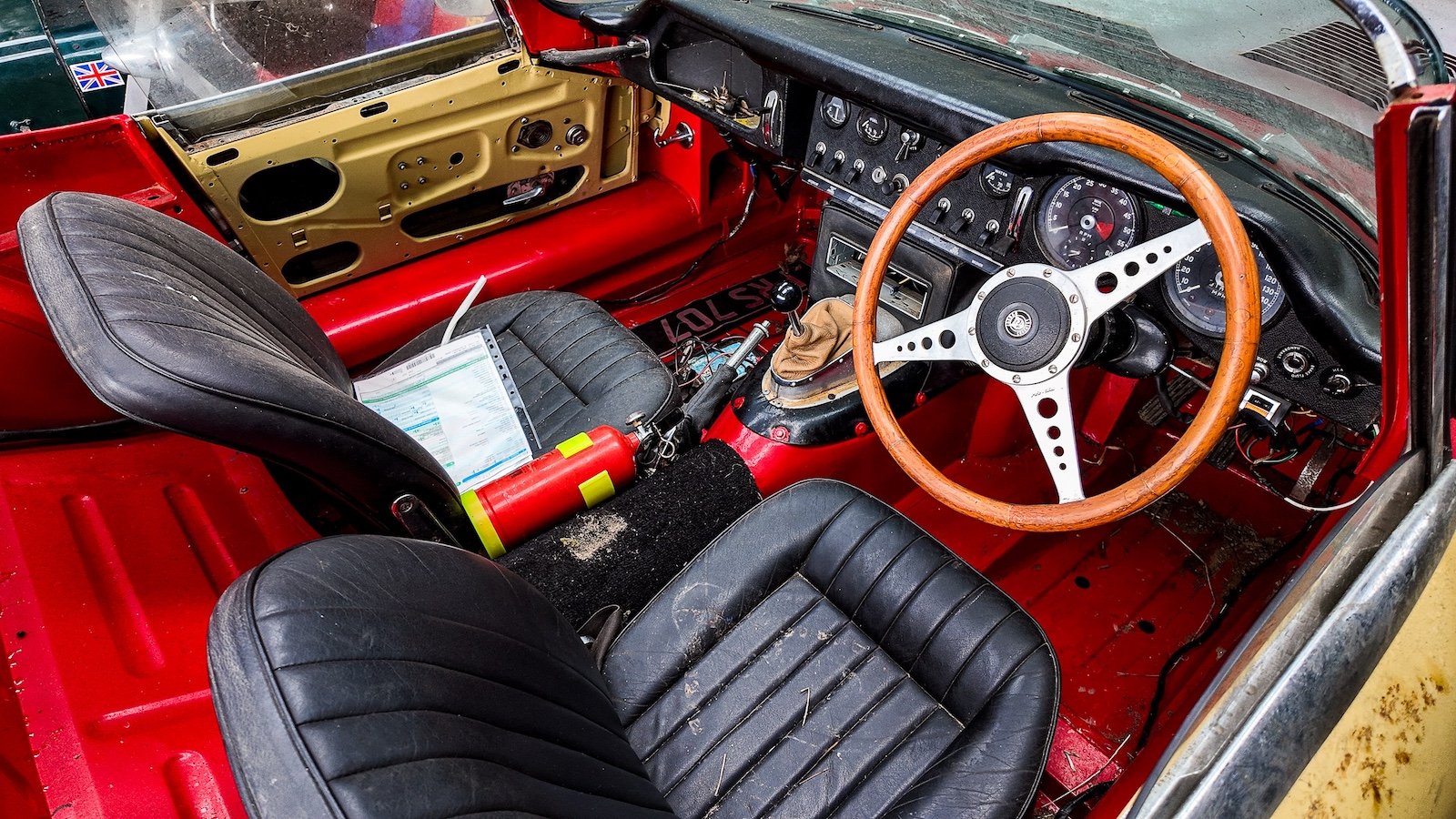
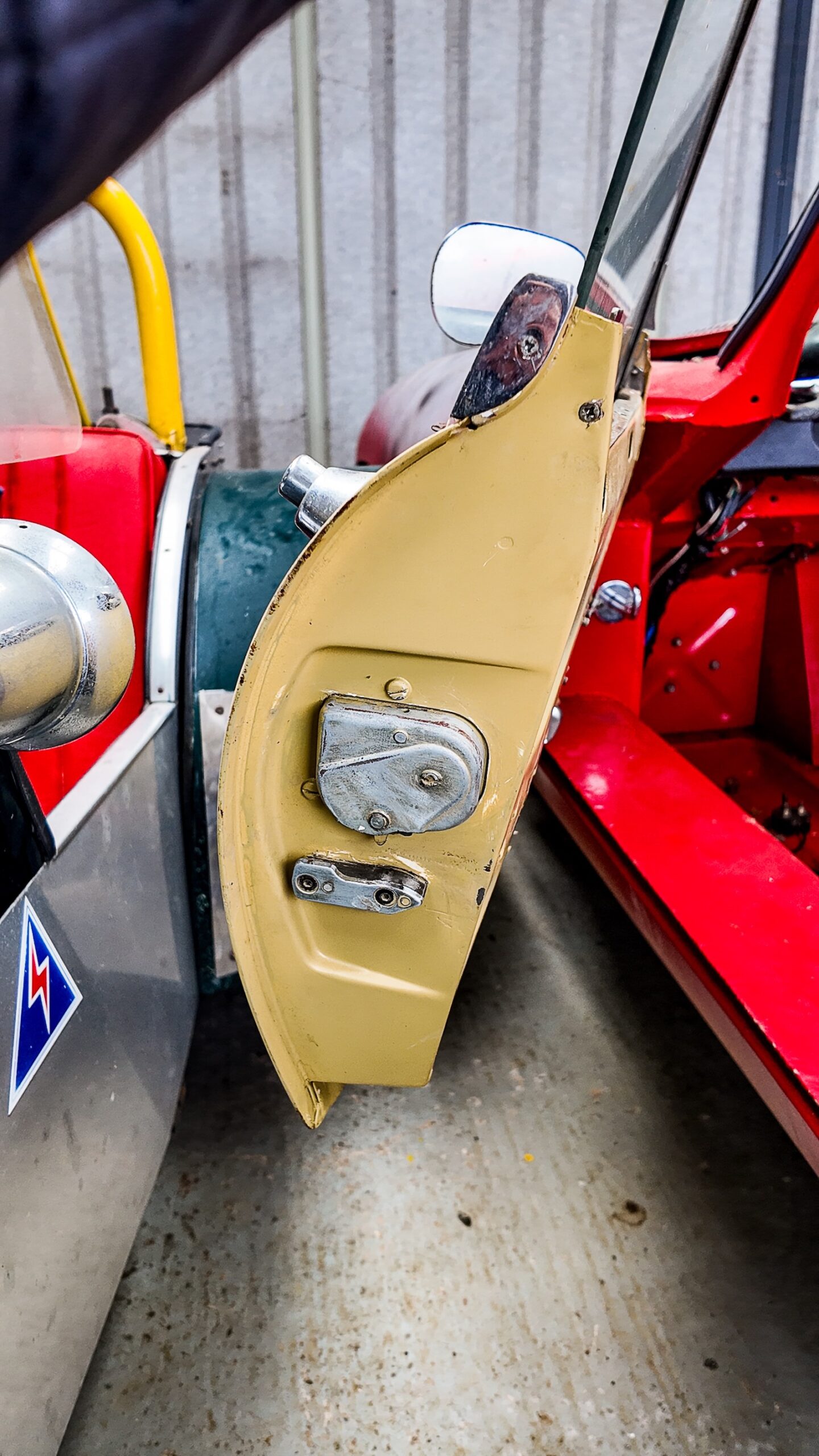
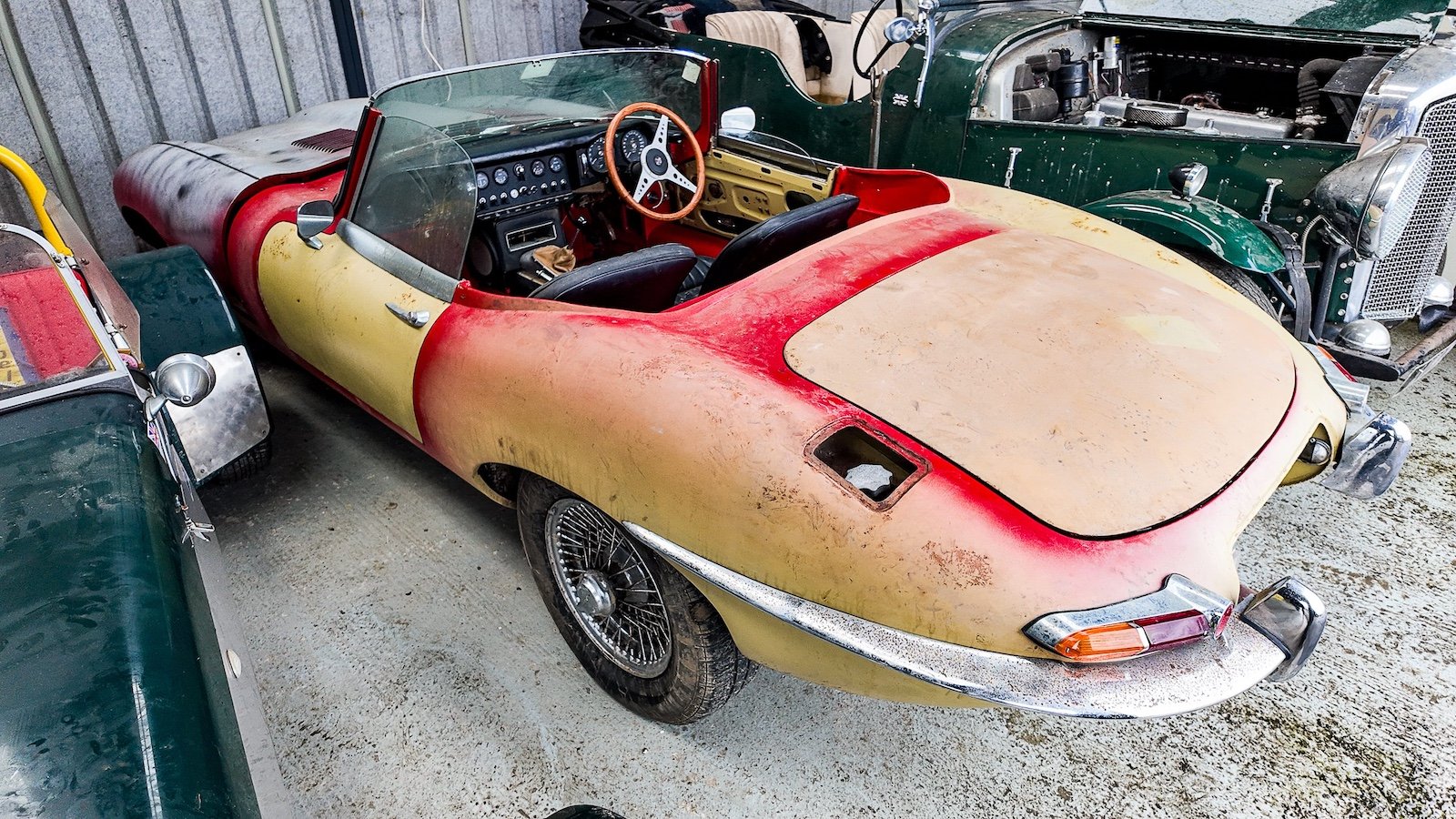
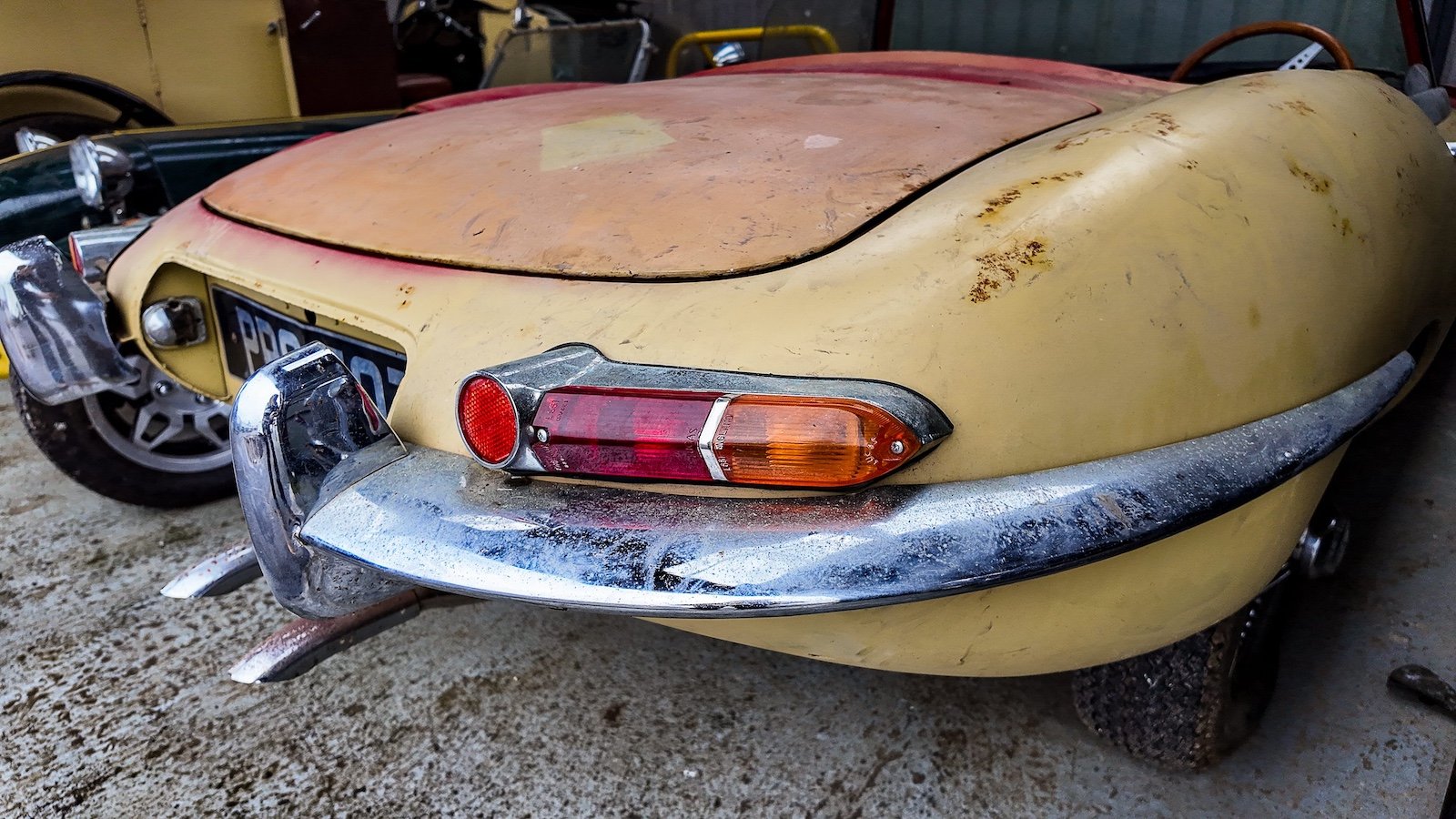
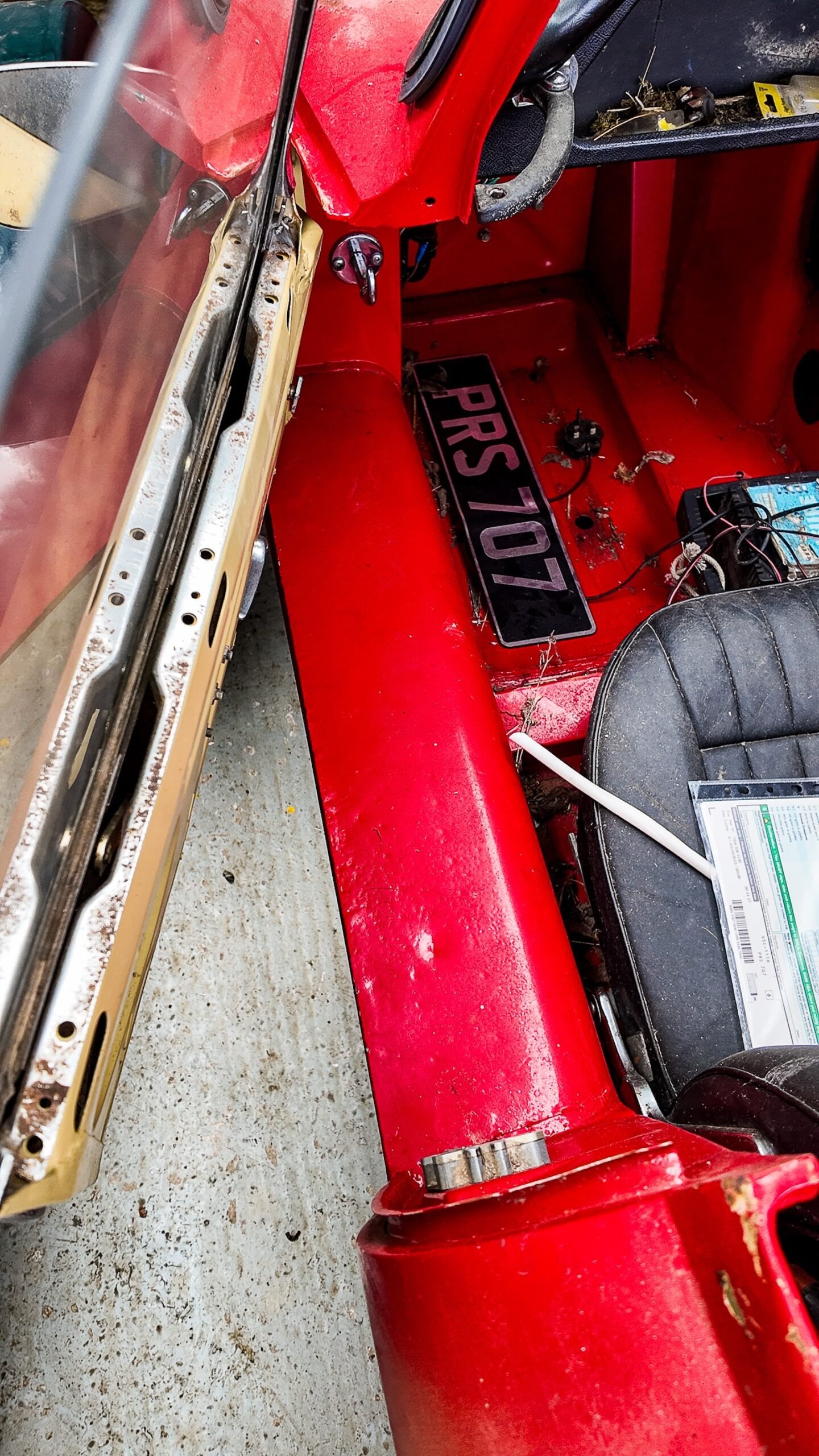
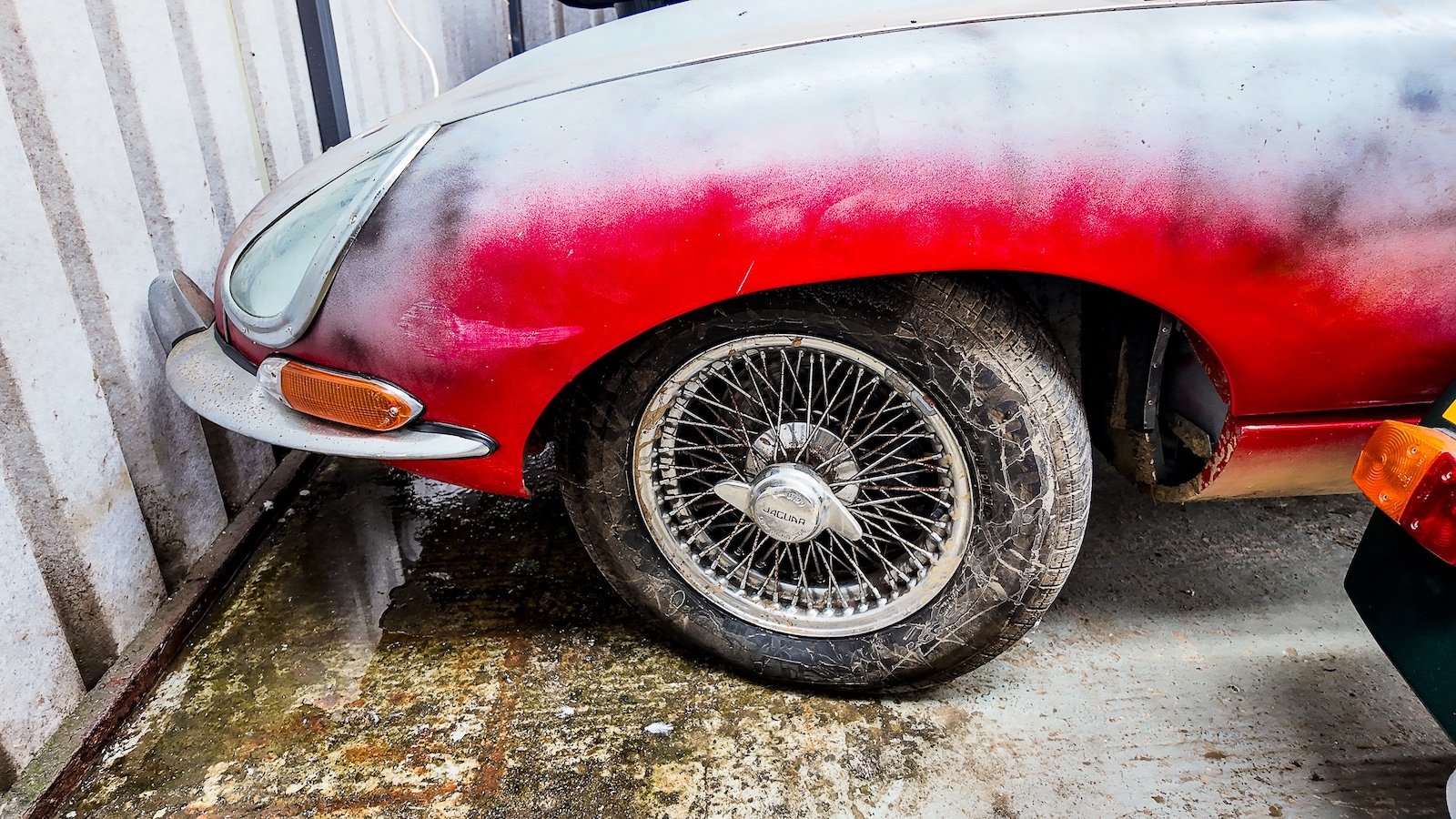
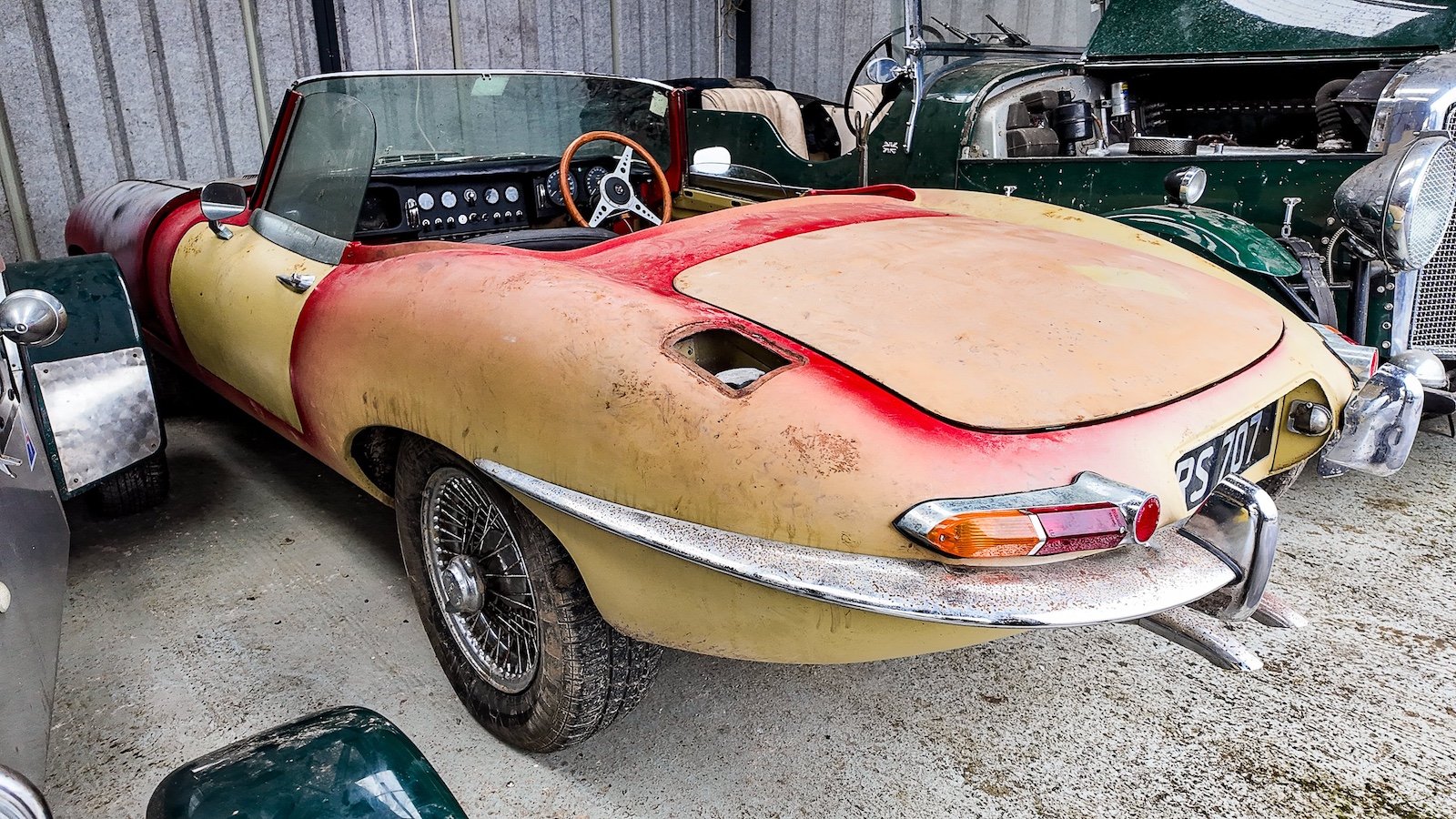
The listing for this car doesn’t go into a whole lot of detail, but from the images we can see that it appears that a partial restoration was started at some point, and it seems to have stalled and resulted in the car being stored away as we see it now.
Today, these early E-Types are regarded by many as the ultimate classic car, offering race-bred engineering, impeccable styling, and some of the best sports car handling of their time. As you can imagine, the current prices of E-Types reflects their popularity, with some opting to buy a car needing restoration as a more affordable entry point.
The 1968 Jaguar E-Type Project Car Shown Here
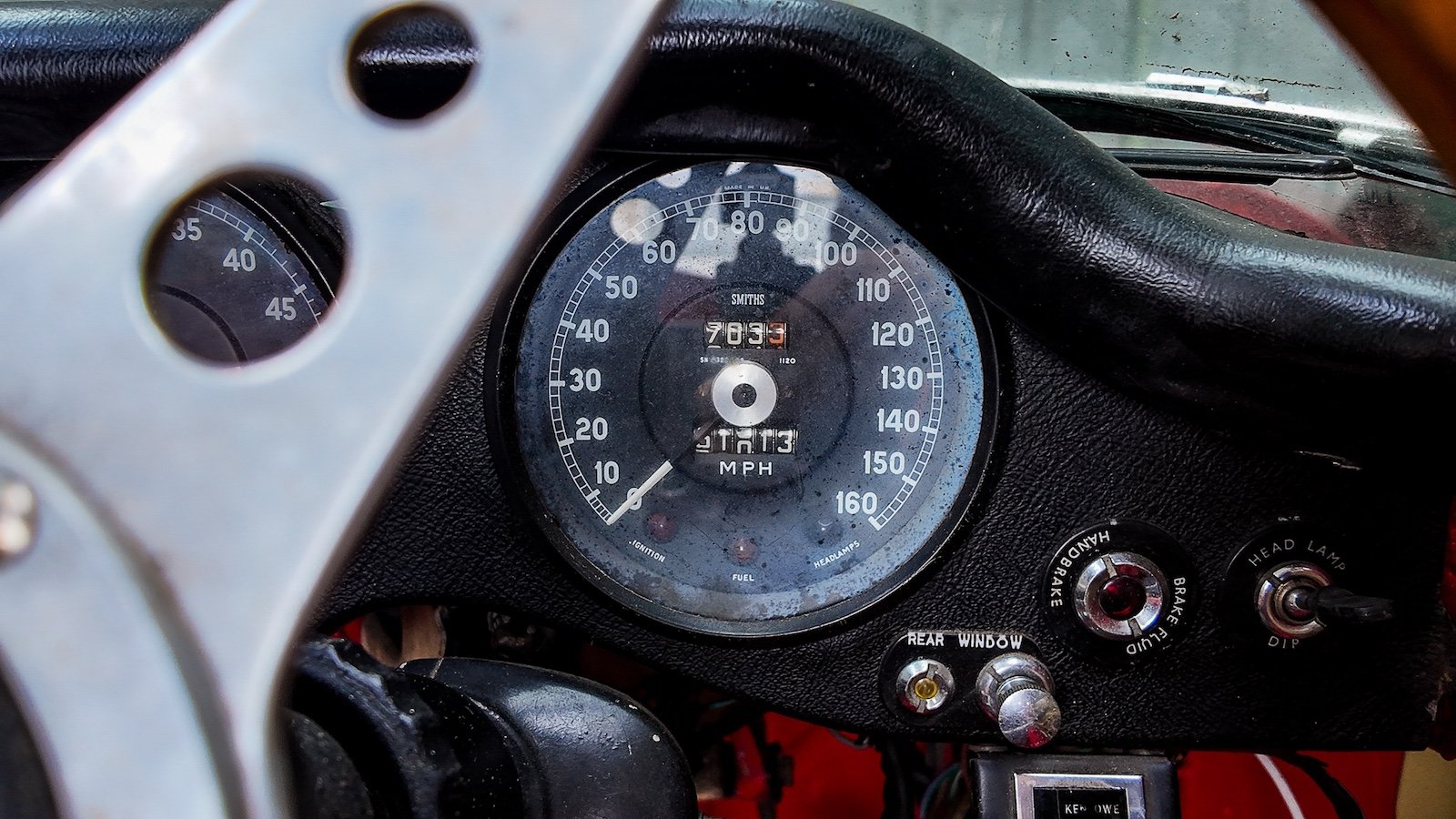
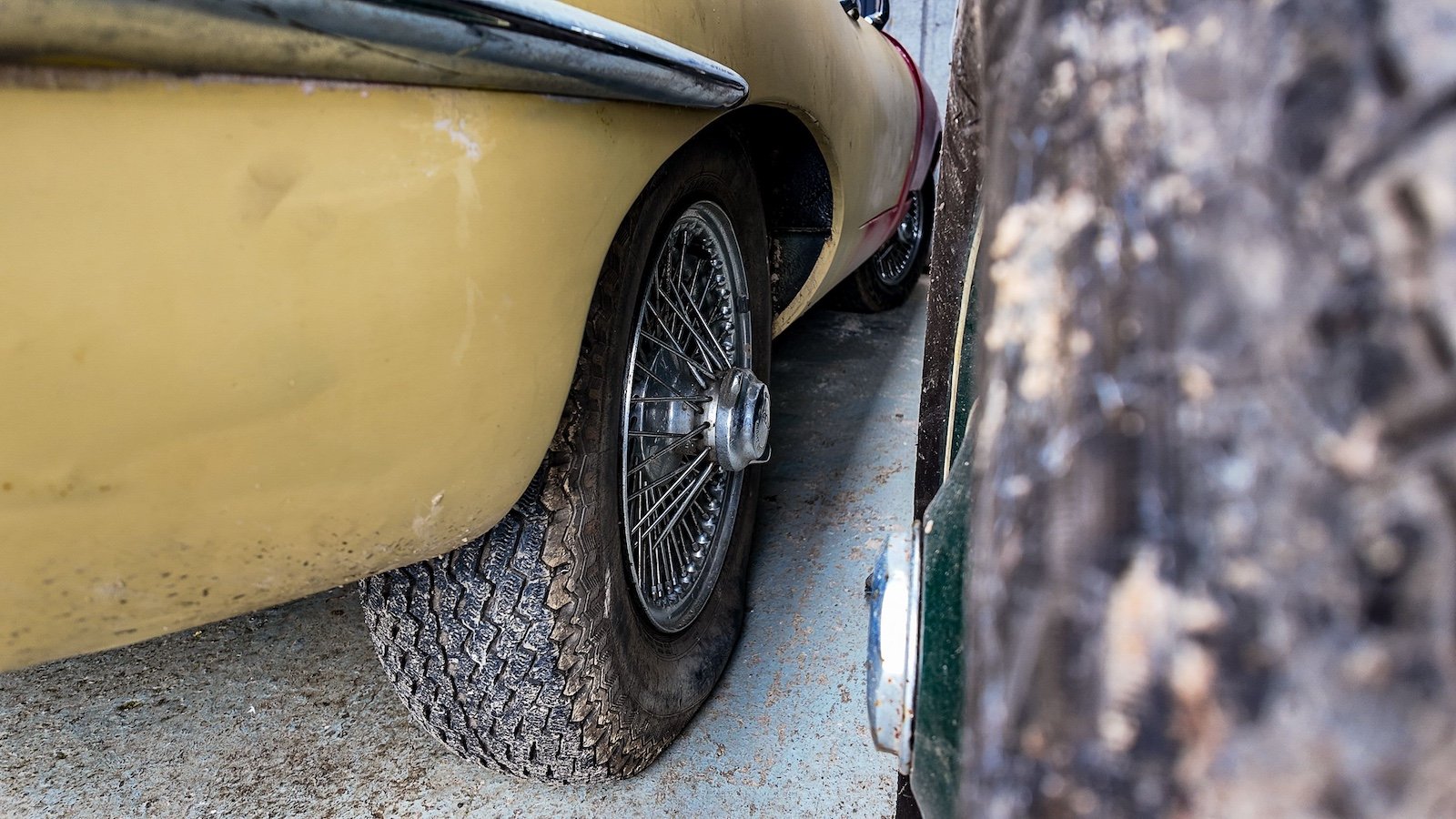
This is a 1968 Jaguar E-Type Series 1 that is now being offered for sale as part of the Custodian Collection out of the UK, and it clearly needs a full restoration. The car does appear to be largely complete, with the body, engine, gearbox, and many other key parts all present and accounted for.
As a Series 1 E-Type, this car has the covered headlamps that many tend to prefer over the later uncovered headlights – a decision that was made preemptively to comply with proposed US DOT legislation.
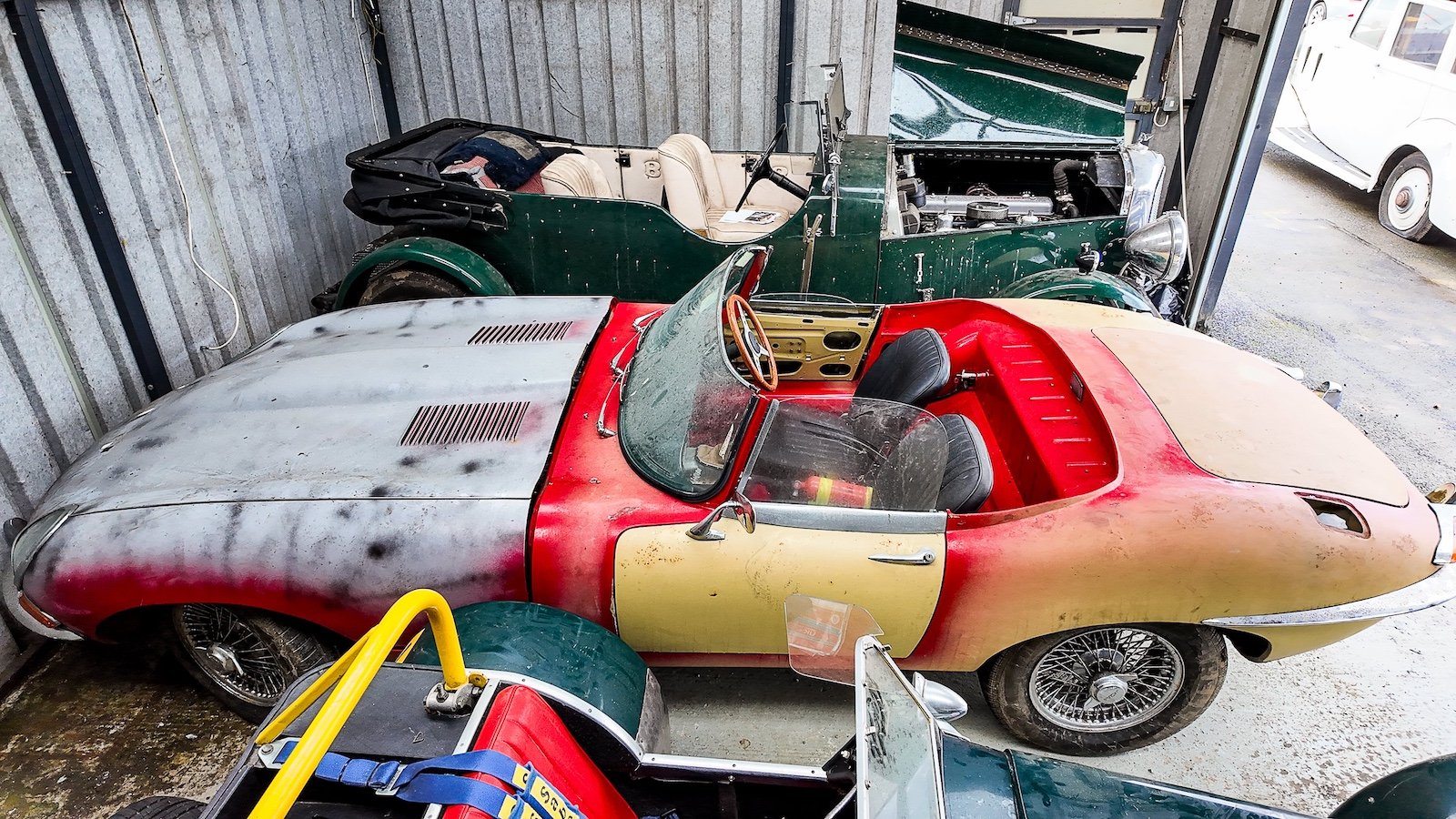
This is a 1968 Jaguar E-Type Series 1 that is now being offered for sale as part of the Custodian Collection out of the UK, and it clearly needs a full restoration. The car does appear to be largely complete, with the body, engine, gearbox, and many other key parts all present and accounted for.
The listing for this car doesn’t go into a whole lot of detail, but from the images we can see that it appears that a partial restoration was started at some point, and it seems to have stalled and resulted in the car being stored away as we see it now.
It’s now being offered in a live online auction with Historics Auctioneers in England with no reserve set. If you’d like to read more about it or register to bid you can visit the listing here.
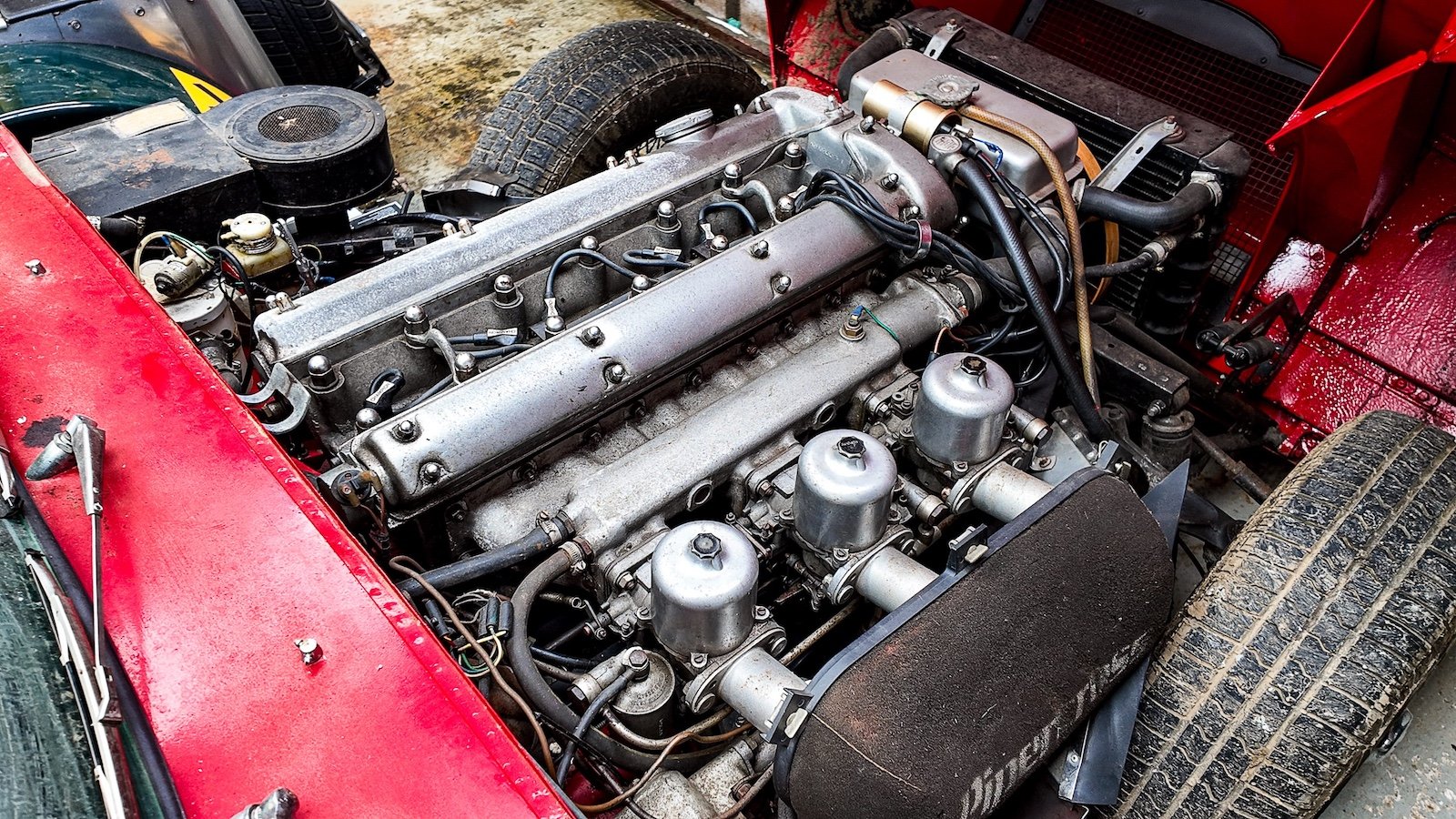
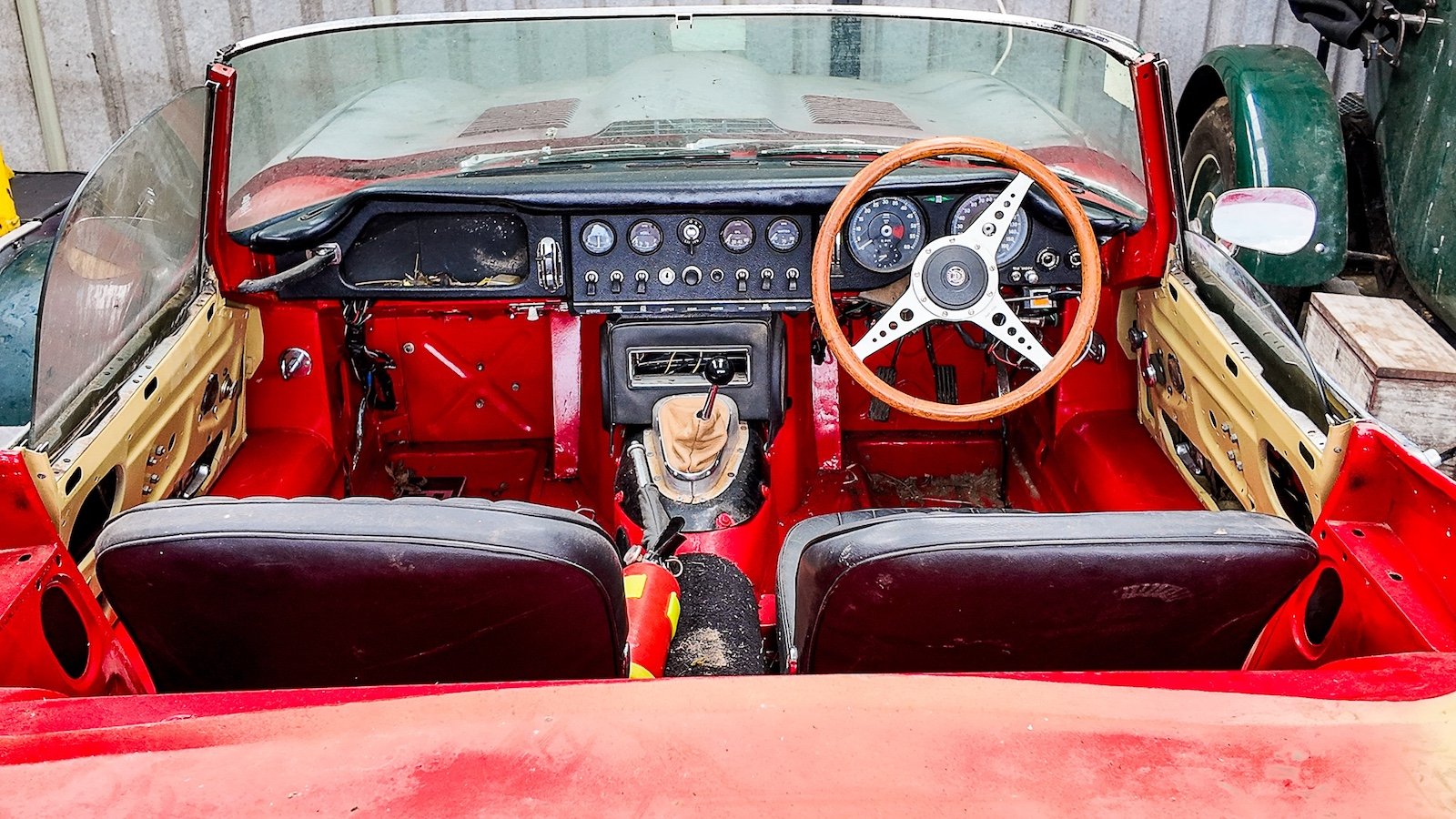
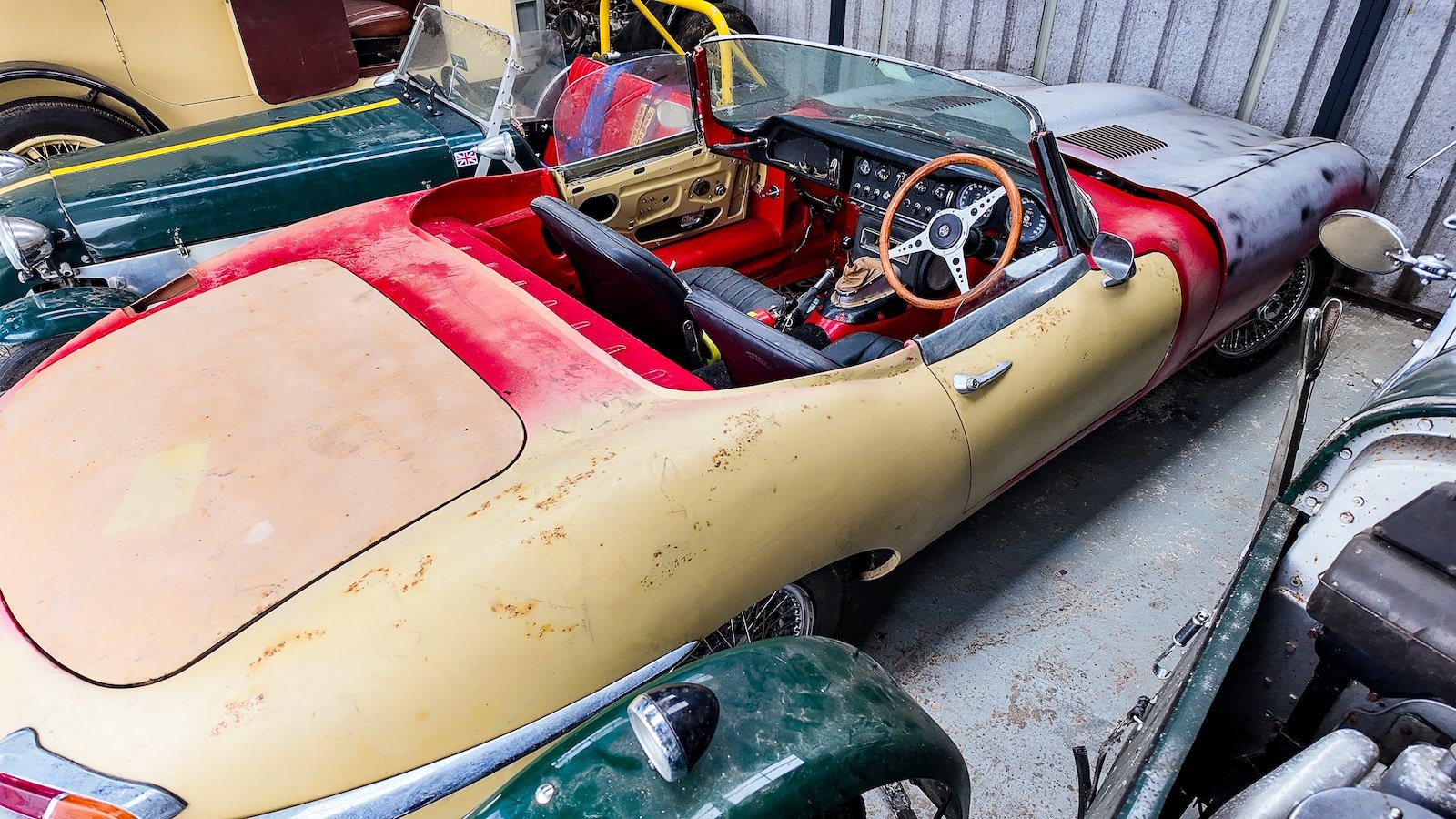
Images courtesy of Historics Auctioneers

Articles that Ben Branch has written have been covered on CNN, Popular Mechanics, Smithsonian Magazine, Road & Track Magazine, the official Pinterest blog, the official eBay Motors blog, BuzzFeed, Autoweek Magazine, Wired Magazine, Autoblog, Gear Patrol, Jalopnik, The Verge, and many more.
Silodrome was founded by Ben back in 2010, in the years since the site has grown to become a world leader in the alternative and vintage motoring sector, with well over a million monthly readers from around the world and many hundreds of thousands of followers on social media.