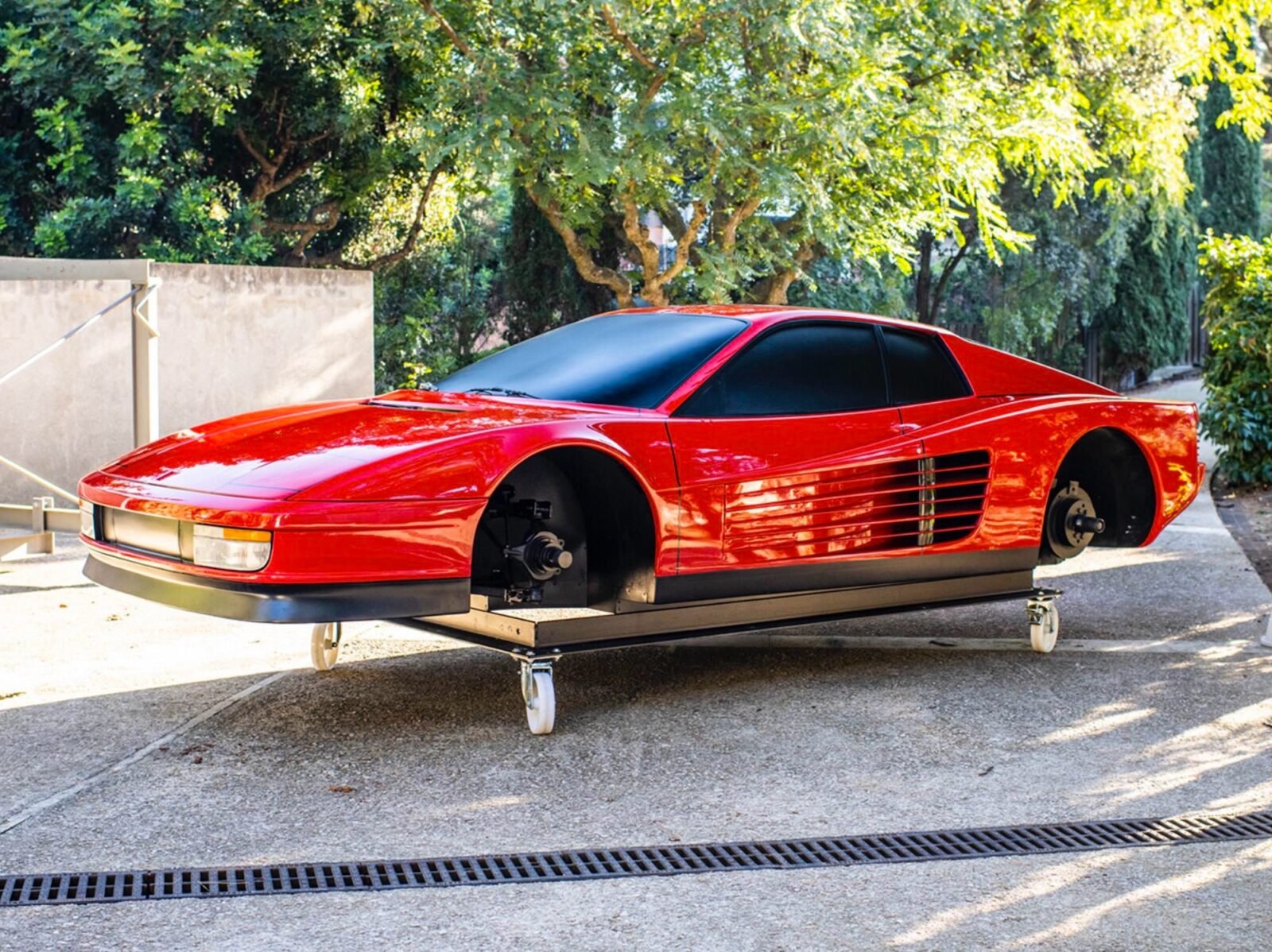
This is an original Pininfarina design study of the Ferrari Testarossa, one of the most consequential supercars of the 1980s, and of all time for that matter.
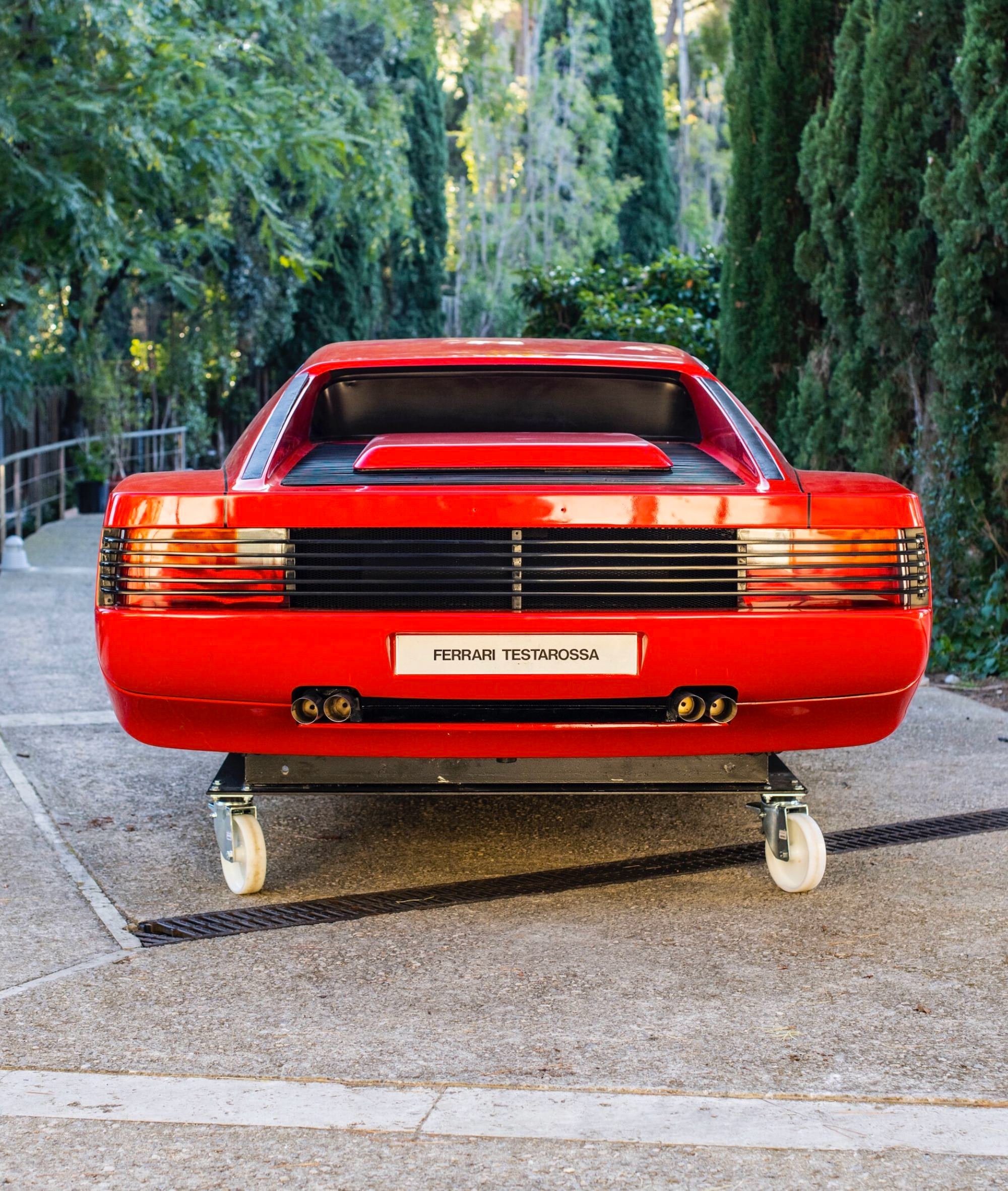
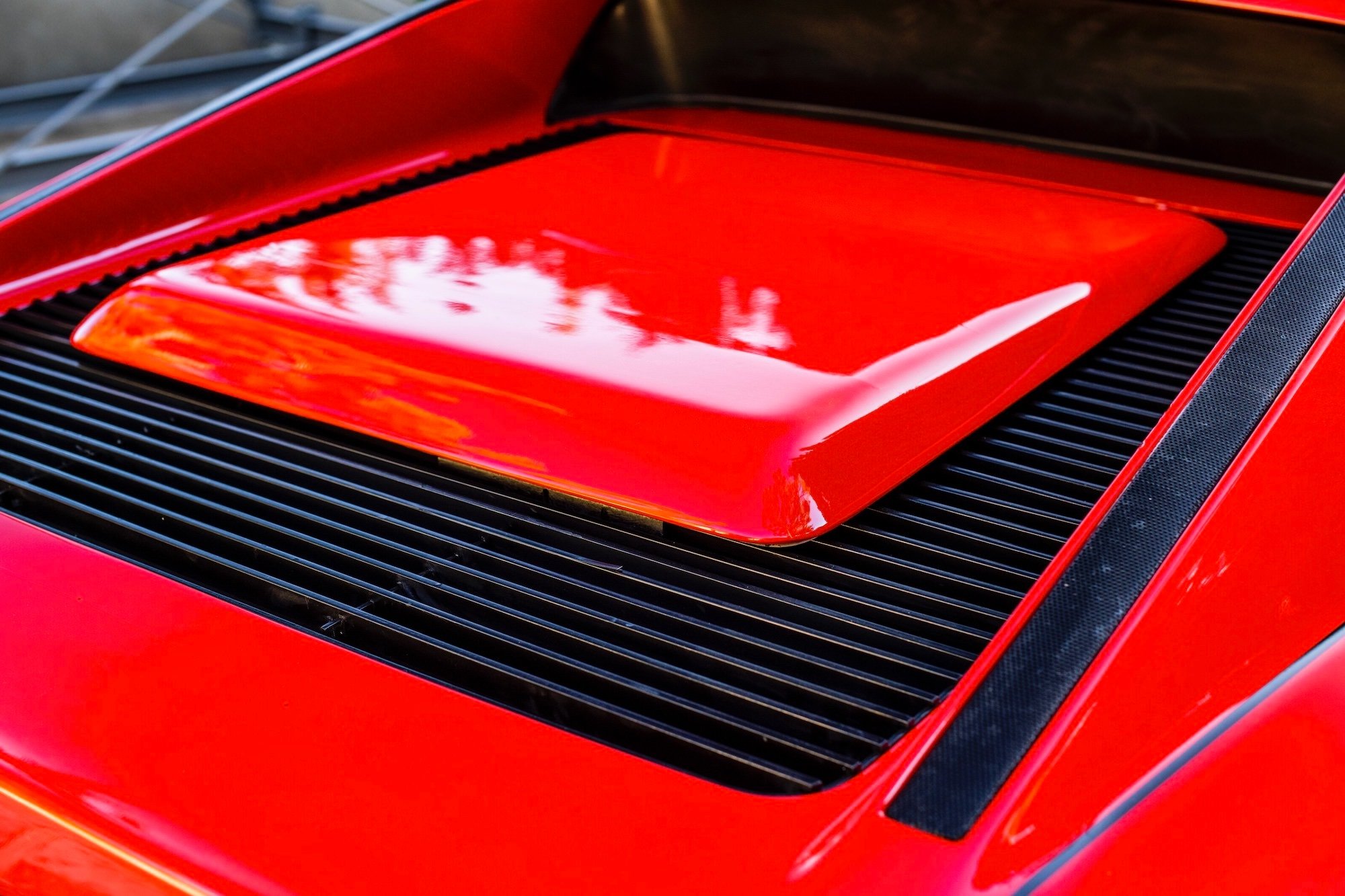
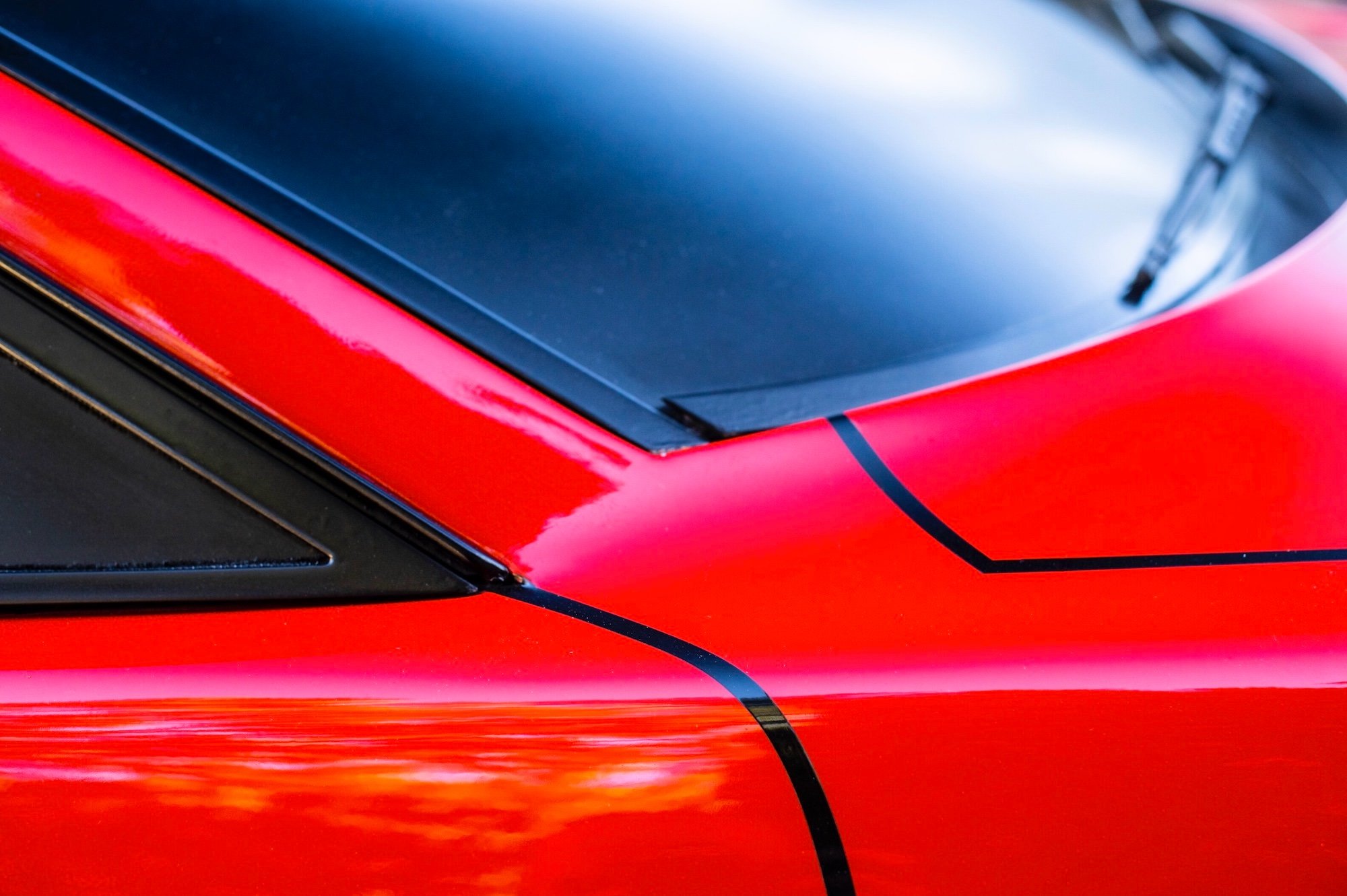
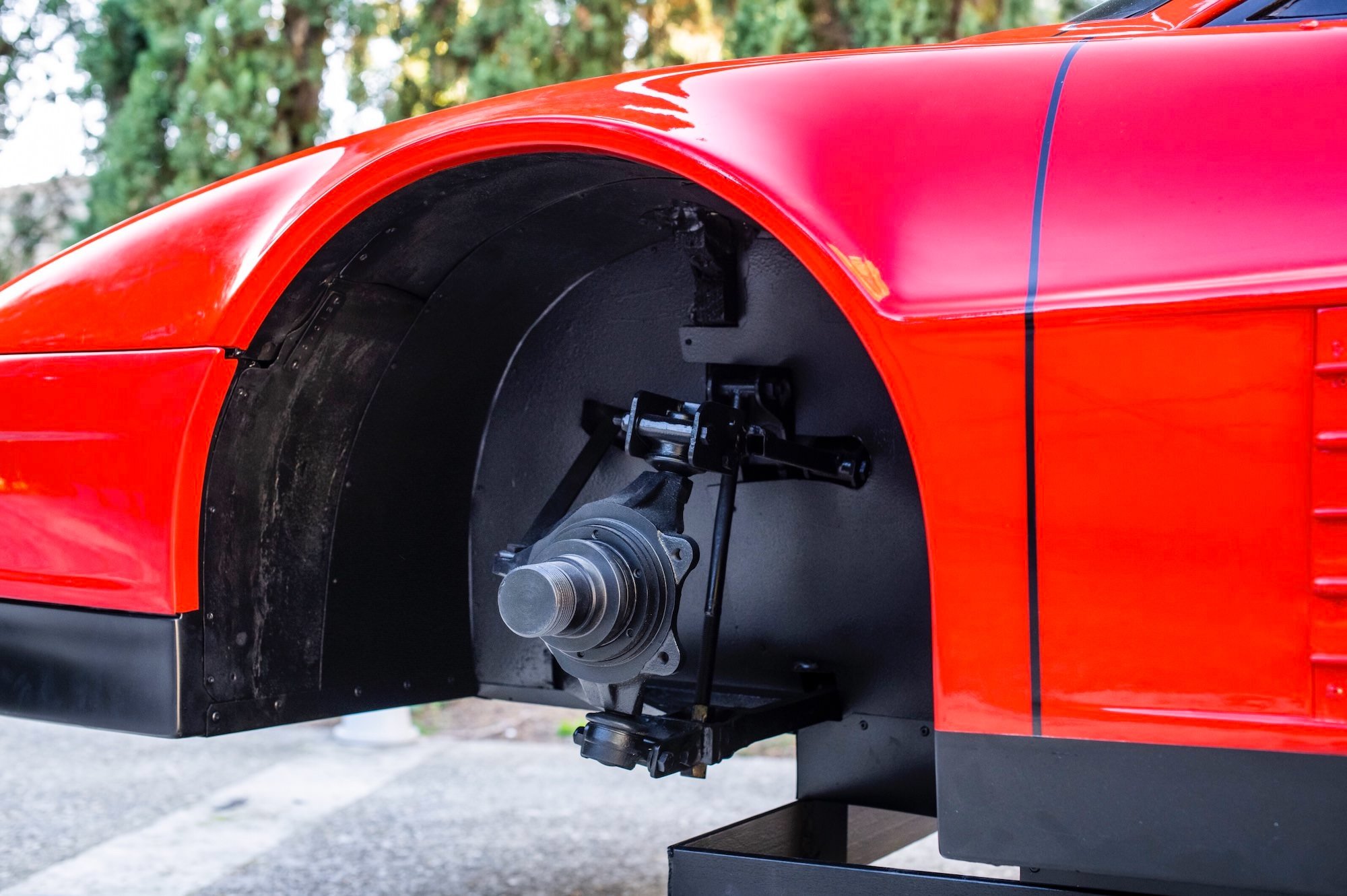
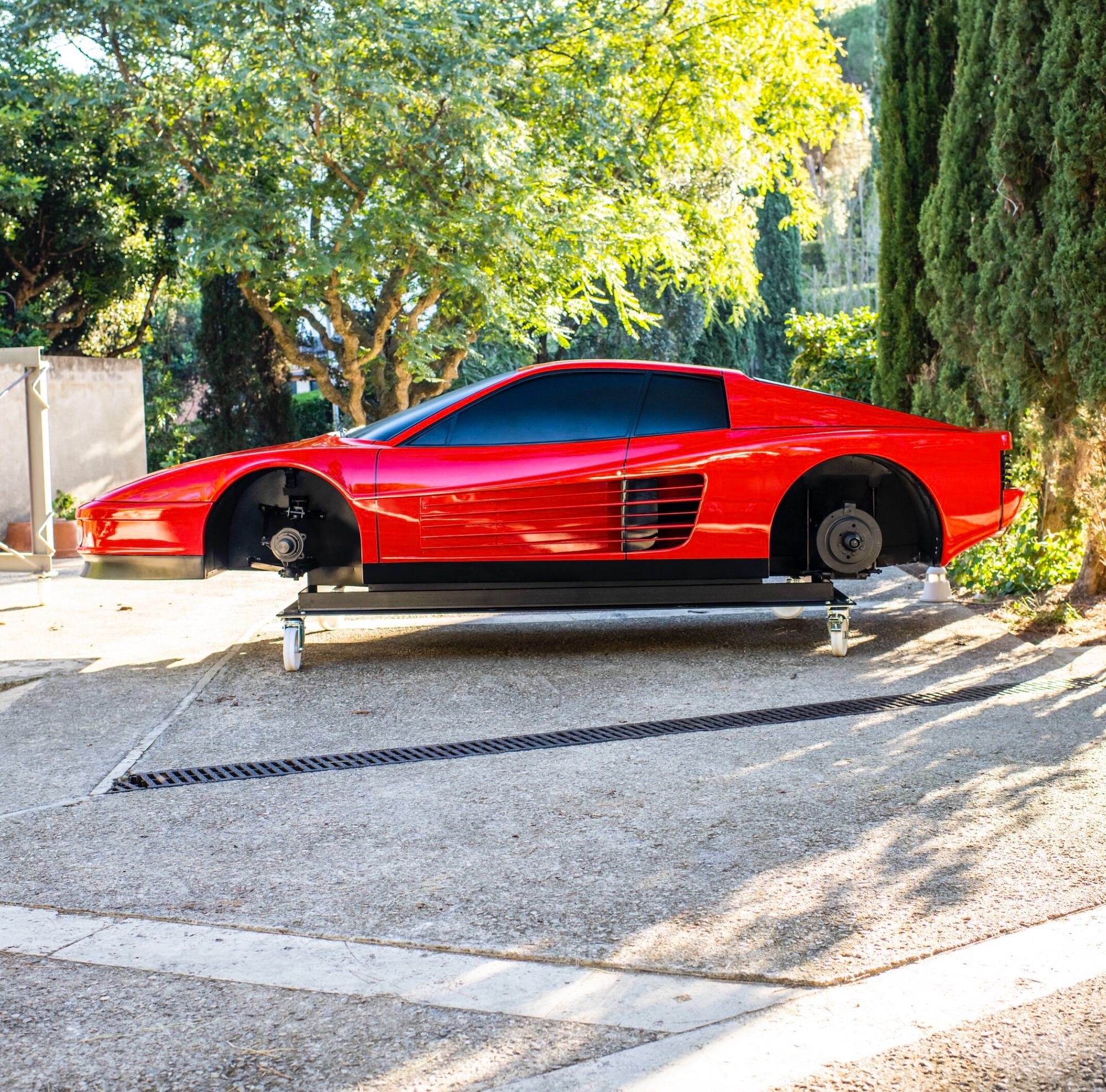
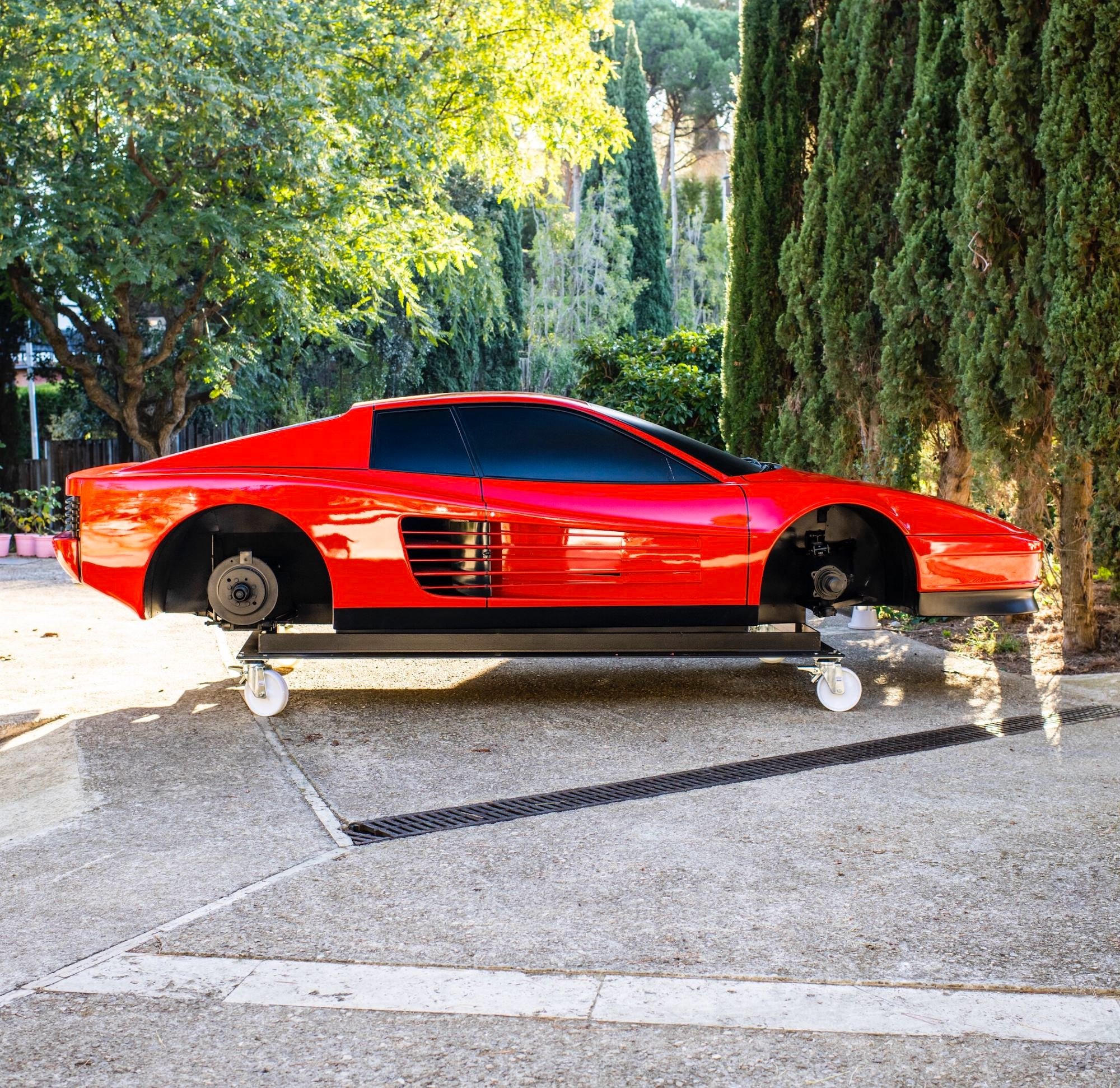
This 1:1 scale design study was created to show what was very nearly the final production form of the Testarossa. It’s made from various types of resin and has a red body, blacked out windows, painted-on shut lines, and hubs that can accept wheels to show what the final rolling production car would look like.
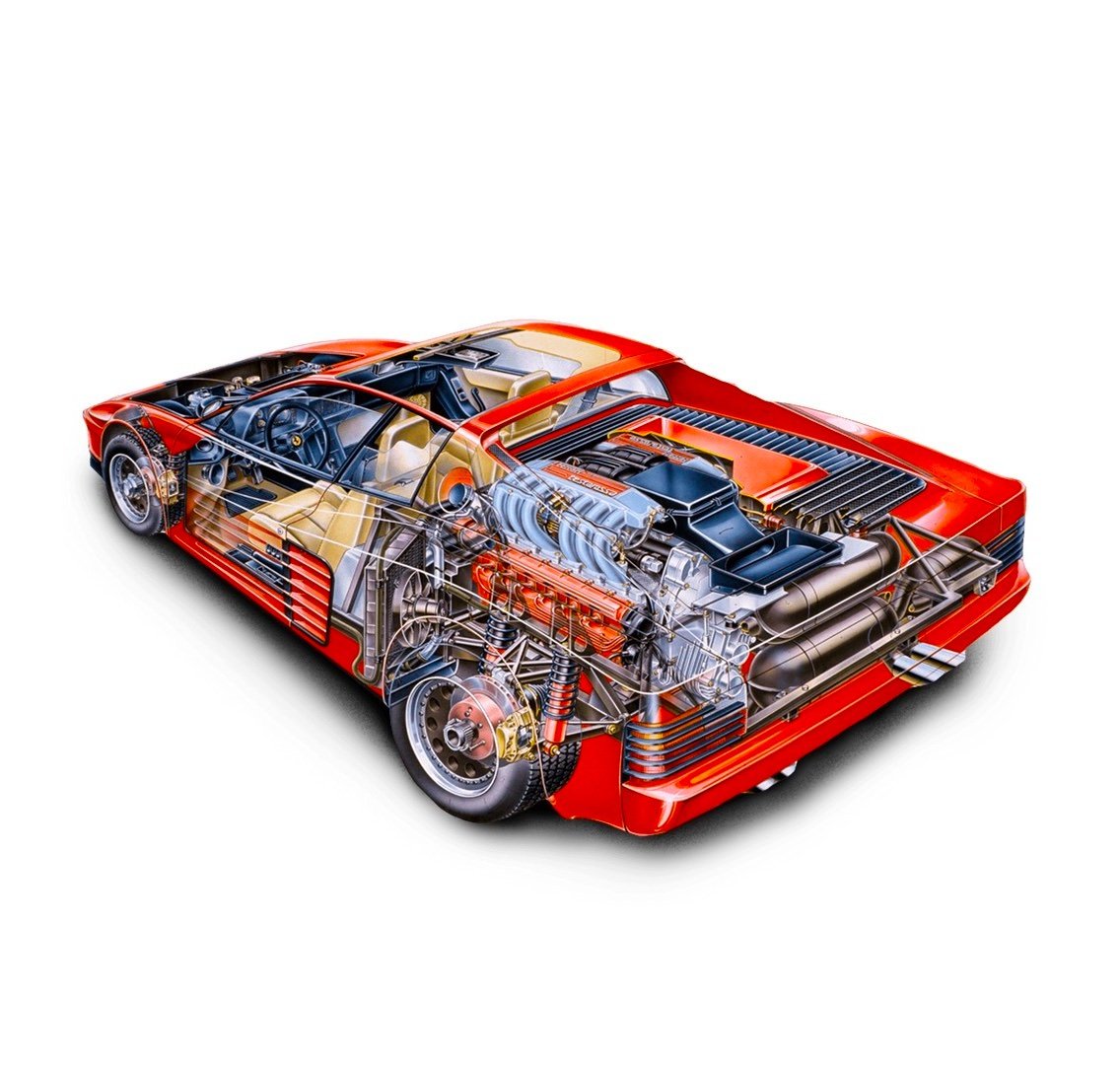
 Much of the design of the Testarossa body was focused on aerodynamics and on ensuring it would be legal for sale in the United States – a crucial export market that had been missed by the earlier 512 BB models due to emissions and safety regulations. Image courtesy of Ferrari.
History Speedrun: The Ferrari Testarossa
When the Ferrari Testarossa debuted at the 1984 Paris Auto Show it had a difficult job laid out for it. It needed to surpass the outgoing Ferrari 512 BB in sales while offering more space, improved comfort, and better performance – all while going toe-to-toe with the seemingly ageless Lamborghini Countach.
The design of the Testarossa is largely credited to Leonardo Fioravanti, the head honcho over at Pininfarina. The truth is a little more complex, much of the design was laid out by Emanuele Nicosia, with significant input by other Pininfarina designers Ian Cameron, Guido Campoli, Diego Ottina. While Fioravanti had a major impact on the final design of the Testarossa, it was a true team effort.
Much of the design of the body was focused on aerodynamics and on ensuring it would be legal for sale in the United States – a crucial export market that had been missed by the earlier 512 BB models due to emissions and safety regulations.
The Testarossa would put this right, meeting all then-current EPA and DOT regulations while still offering supercar looks and performance befitting a Ferrari halo car. The flat-12 engine from the 512 BBi was taken and improved with double overhead cams per bank with four valves per cylinder with a Bosch K-Jetronic mechanical injection system.
It was built around a tubular steel chassis, as were almost all production Ferraris of the time, and it rode on double wishbone independent suspension on all four corners, with front and rear anti-roll bars, and four-wheel disc brakes.
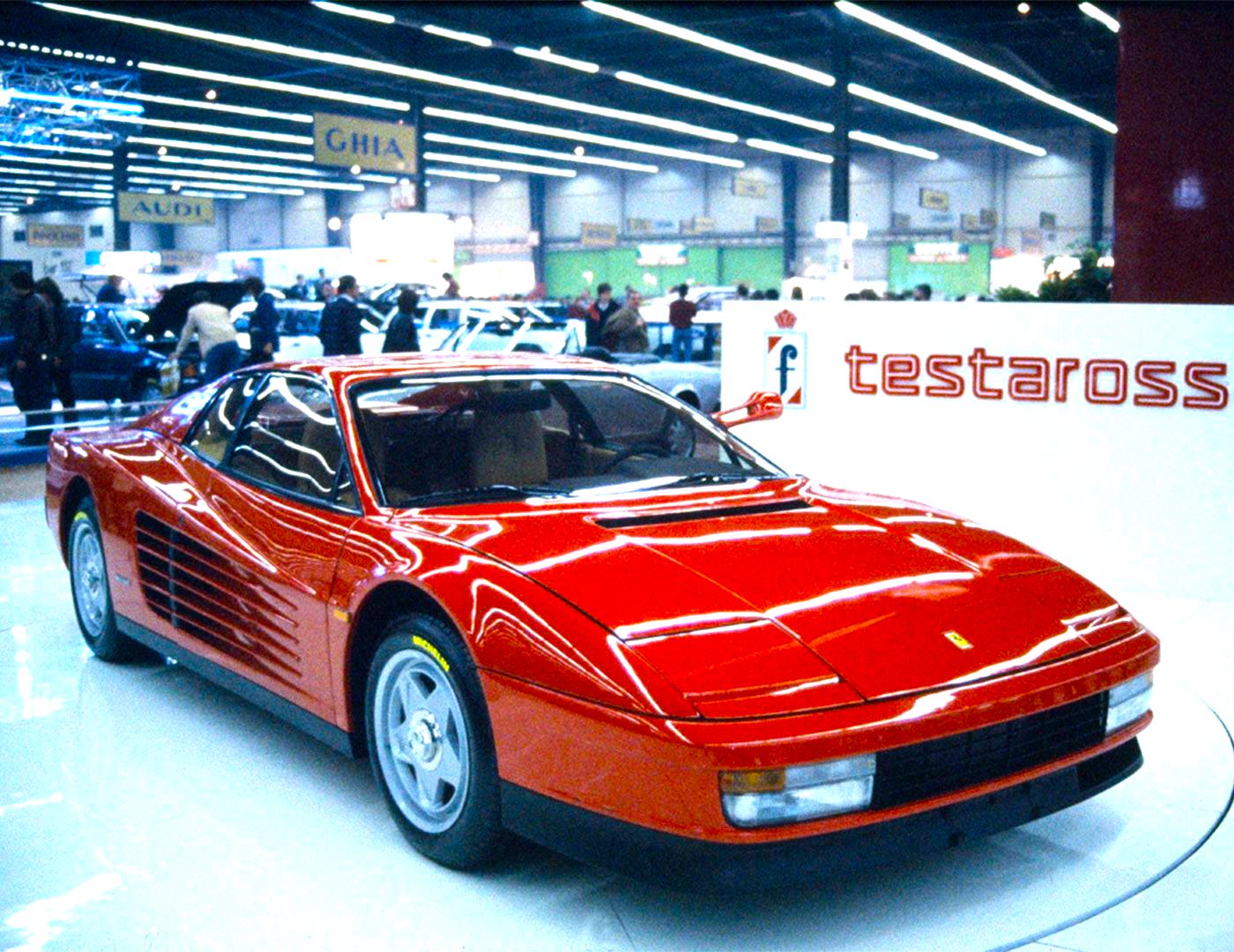
When the Ferrari Testarossa debuted at the 1984 Paris Auto Show it had a difficult job laid out for it. It needed to surpass the outgoing Ferrari 512 BB in sales while offering more space, improved comfort, and better performance – all while going toe-to-toe with the seemingly ageless Lamborghini Countach. Image courtesy of Ferrari.
The Testarossa was both wider and longer than the earlier 512 BBi, offering much improved cargo space and more cabin space for those larger-framed Americans.
Those Americans would prove to be the largest single buying group for the car, and the prominent inclusion of the Testarossa in Miami Vice would see it become an 80s legend. Not to mention its use in the Sega arcade game “Out Run” which allowed the young and old to drive a Testarossa of their own, albeit in 8 bits.
The result of all this publicity was a torrent of orders from all over the world, including the USA of course, and by the end of the 1984 to 1996 production run (including the two closely related models that followed), almost 10,000 Testarossa model series cars would have been built and sold making it one of the prolific Ferrari models in history up until that point in time.
The Pininfarina Ferrari Testarossa Design Study
The 1:1 scale model you see here is one of the final iterations of the Testarossa design, created at Pininfarina to show what the car would look like once it entered production.
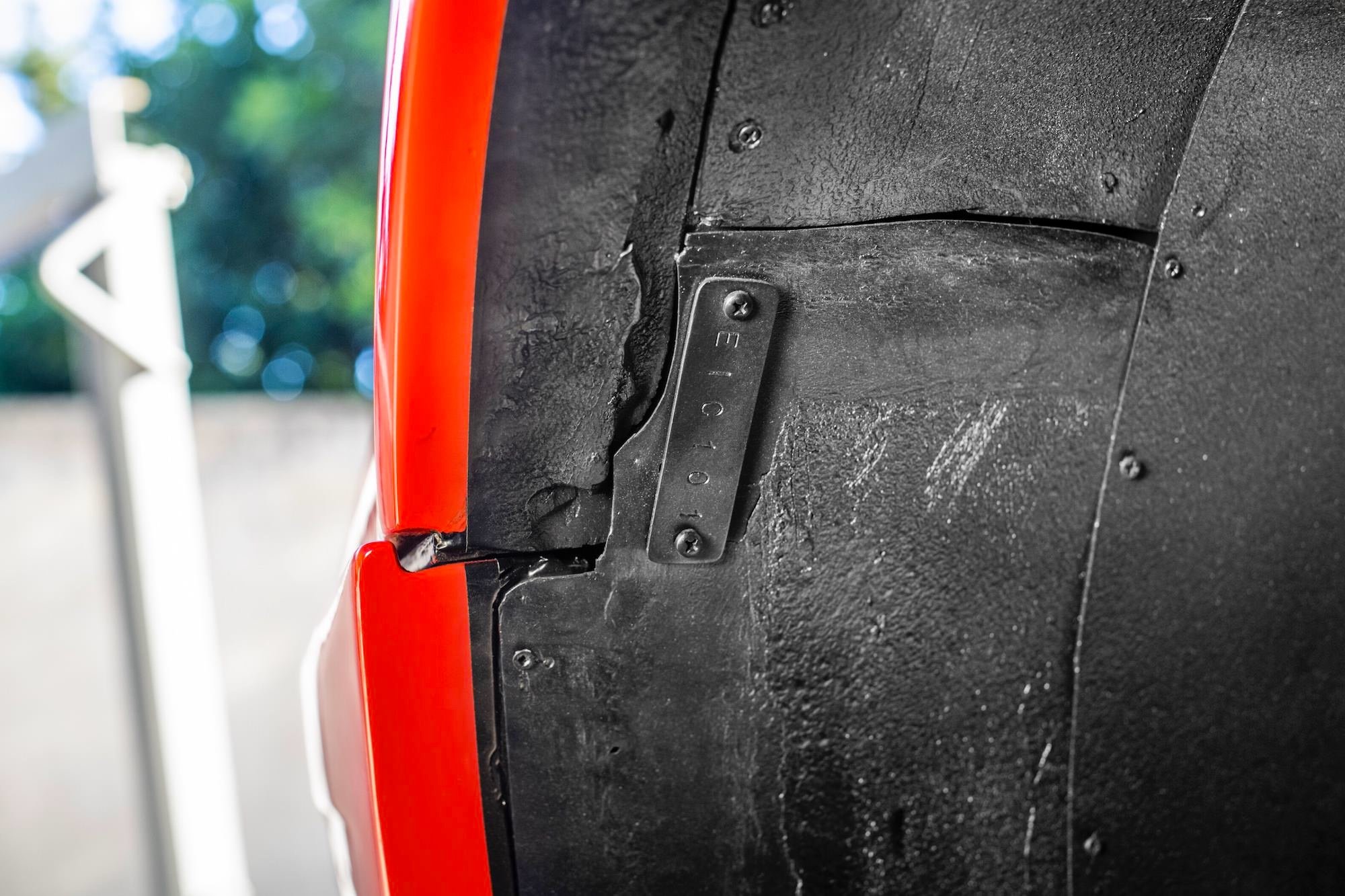
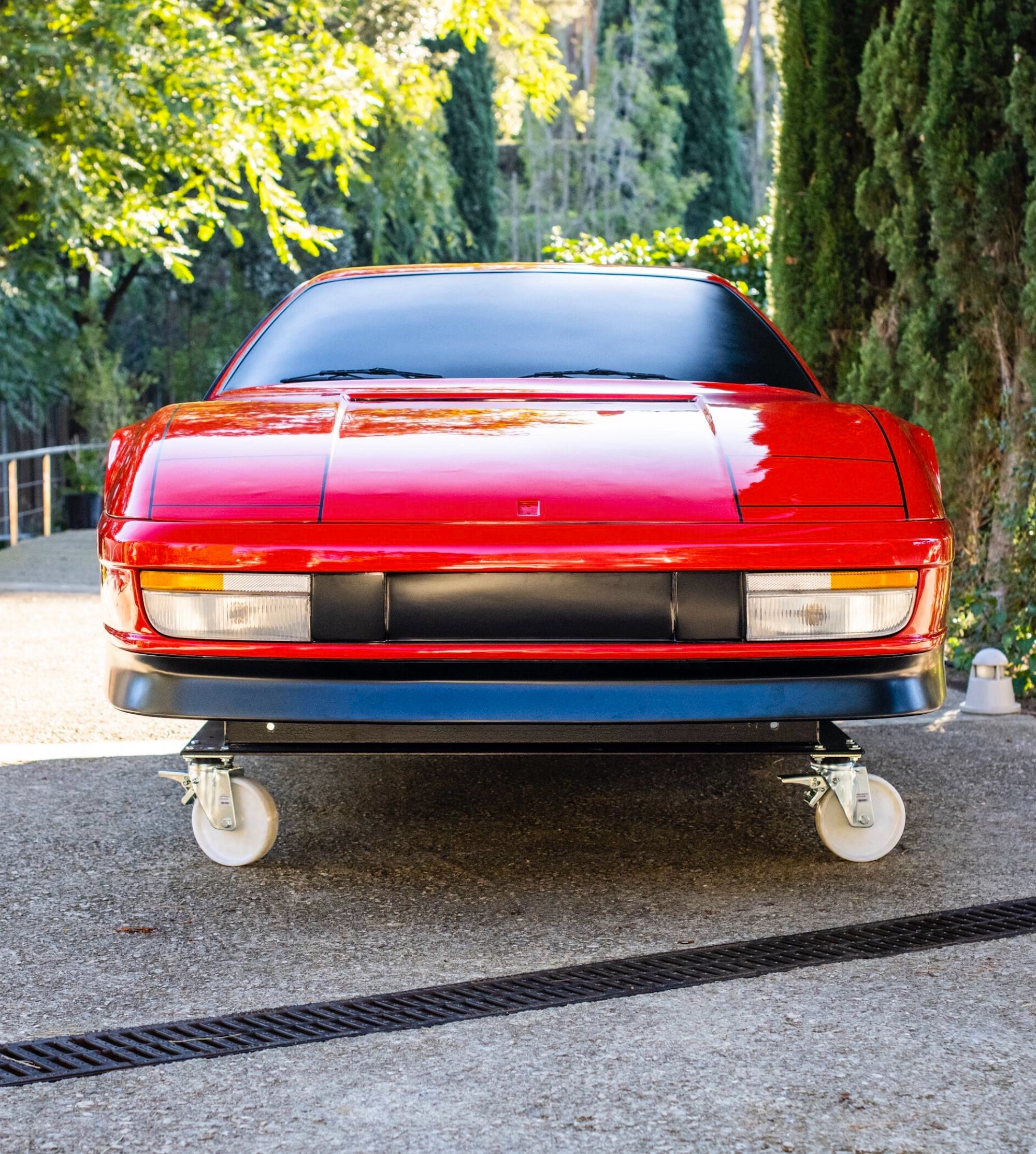
This model is made from various types of resin, it has an internal steel frame, and rides on caster wheels to make it easy to move around. It does have wheel hubs, though it’s currently not fitted with wheels.
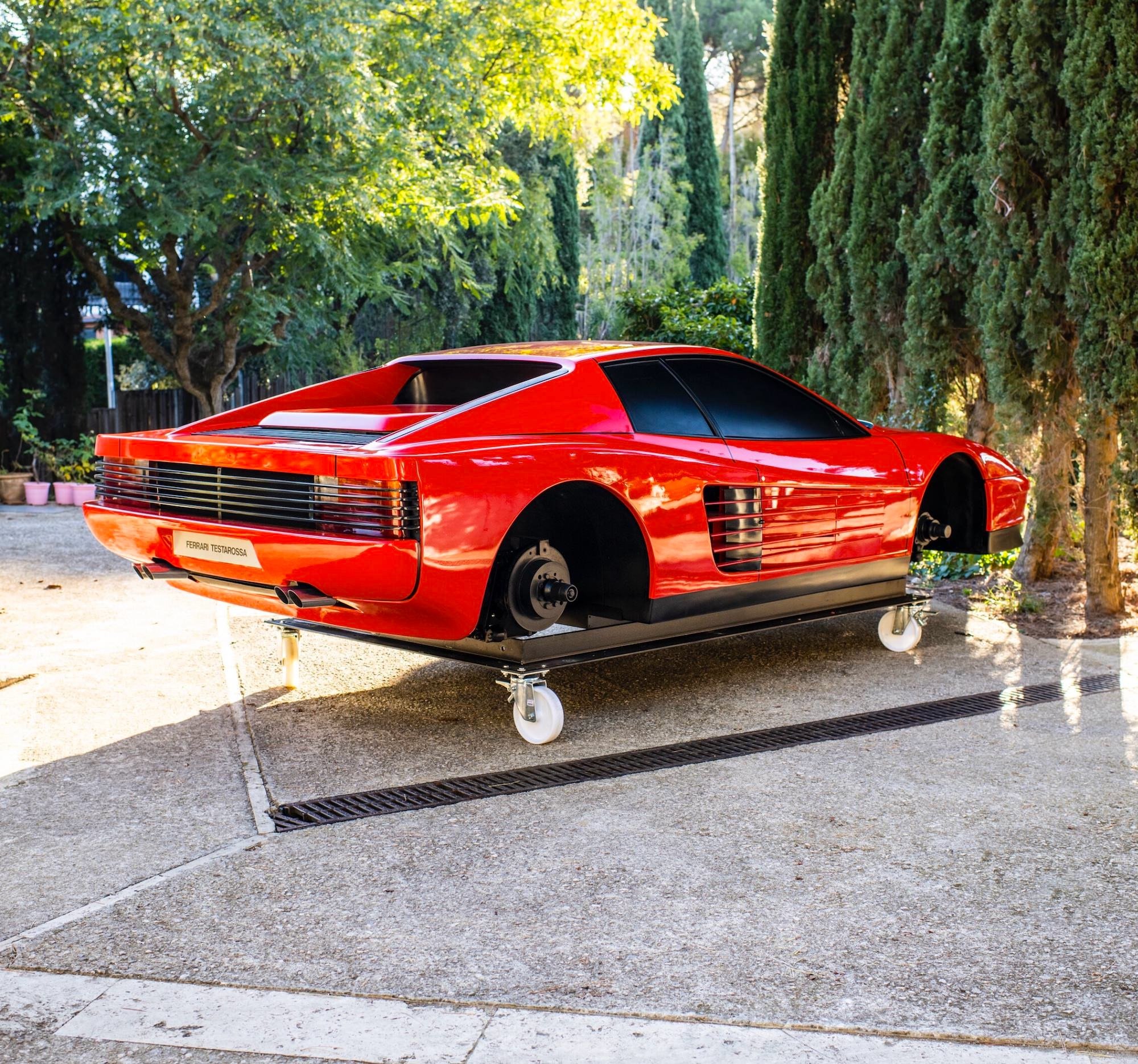
This model is made from various types of resin, it has an internal steel frame, and rides on caster wheels to make it easy to move around. It does have wheel hubs, though it’s currently not fitted with wheels.
The body is largely finished in red, with blacked out windows, black-painted shut lines, and it has faux grills and lights in place for realism. There are no doors that can be opened, and it has no interior.
It’s now due to roll across the auction block with Gooding Christie’s in late-January with a price guide of €25,000 to €50,000 or approximately $29,750 USD to $59,500 USD. If you’d like to read more or place a bid you can visit the listing here.
Images courtesy of Gooding Christie’s

Articles that Ben Branch has written have been covered on CNN, Popular Mechanics, Smithsonian Magazine, Road & Track Magazine, the official Pinterest blog, the official eBay Motors blog, BuzzFeed, Autoweek Magazine, Wired Magazine, Autoblog, Gear Patrol, Jalopnik, The Verge, and many more.
Silodrome was founded by Ben back in 2010, in the years since the site has grown to become a world leader in the alternative and vintage motoring sector, with well over a million monthly readers from around the world and many hundreds of thousands of followers on social media.