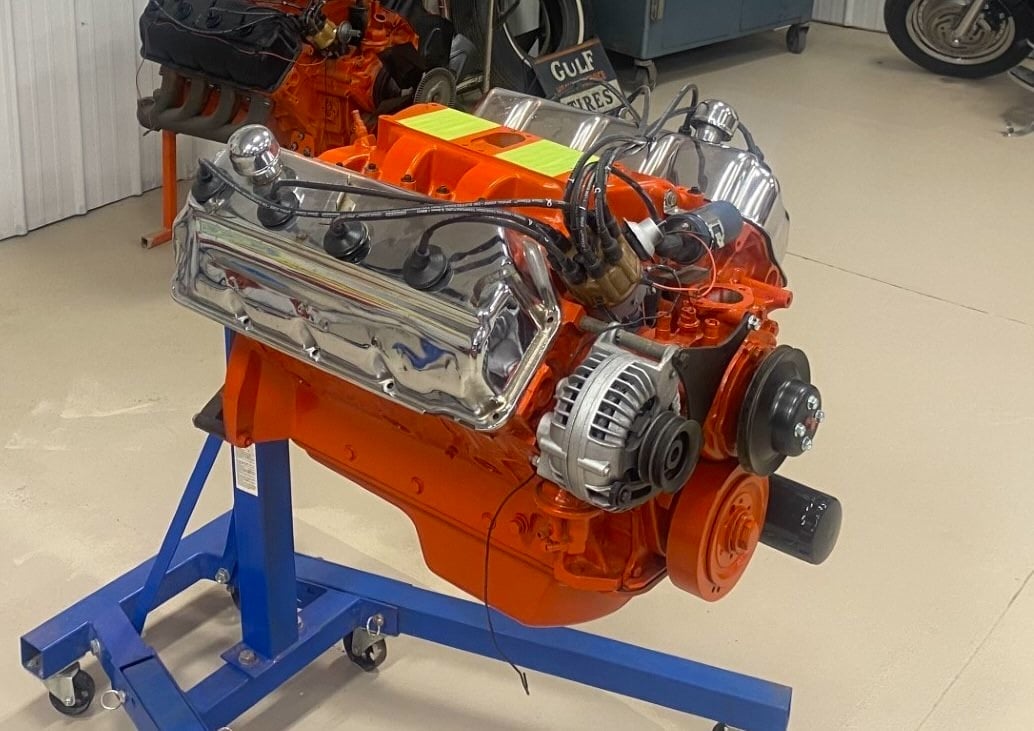
This is a 426 Hemi V8 from 1968 that now benefits from a complete rebuild, as well as some performance upgrades, meaning it’s now likely capable of quite a bit more than the 425 bhp it had from the factory.
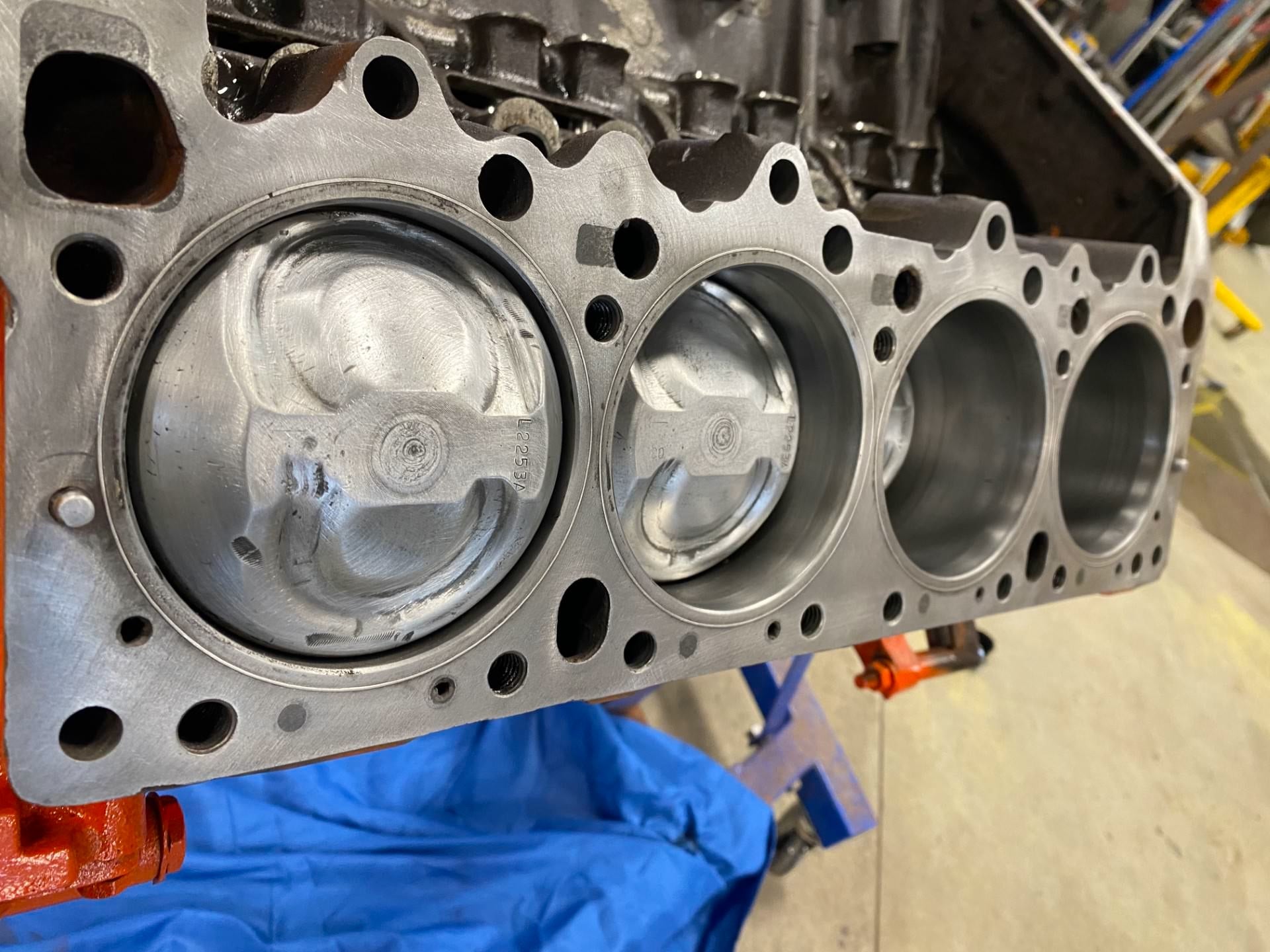
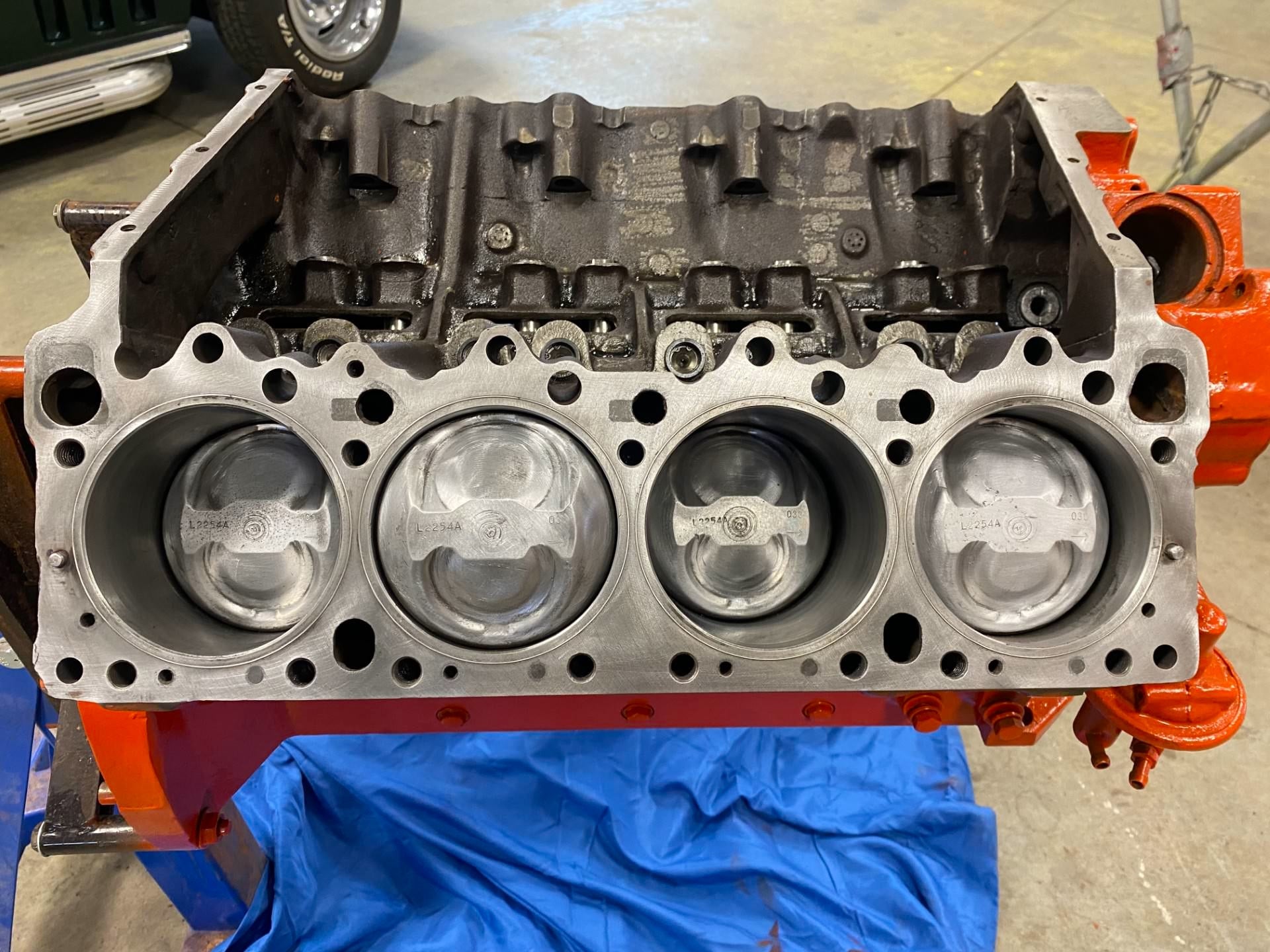
The stock factory 426 Hemi V8s came with a 10.5:1 compression ratio, while the racing engines had 12.5:1 ratios (or higher). This engine now has a 12.5:1 ratio as well as TRW pistons, fresh bearings, and a 0.030″ overbore.
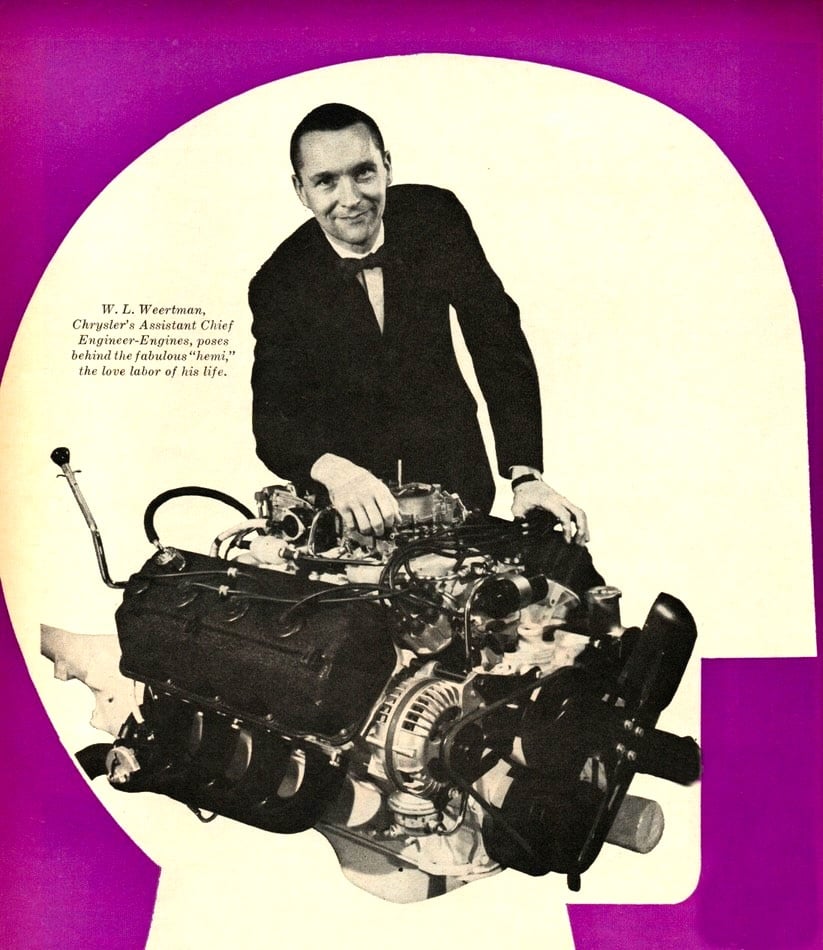
 To develop the 426 Hemi, Willem “Bill” Weertman, Chrysler’s manager of engine design, assembled a small team that included racing program coordinator Tom Hoover (later known as “the father of the Hemi”) designer Frank Bialk, and the unusually named manifold engineer Forbes Bunting. Image courtesy of Chrysler.
History Speedrun: The 426 Hemi V8
The 426 Hemi was created thanks to a corporate directive and what must have seemed at the time like an impossibly tight deadline. In late 1962, with Pontiac dominating both NASCAR superspeedways and NHRA dragstrips, Chrysler president Lynn Townsend ordered his engineering department to build a winning engine.
Willem “Bill” Weertman, Chrysler’s manager of engine design, assembled a small team that included racing program coordinator Tom Hoover (later known as “the father of the Hemi”) designer Frank Bialk, and the unusually named manifold engineer Forbes Bunting.
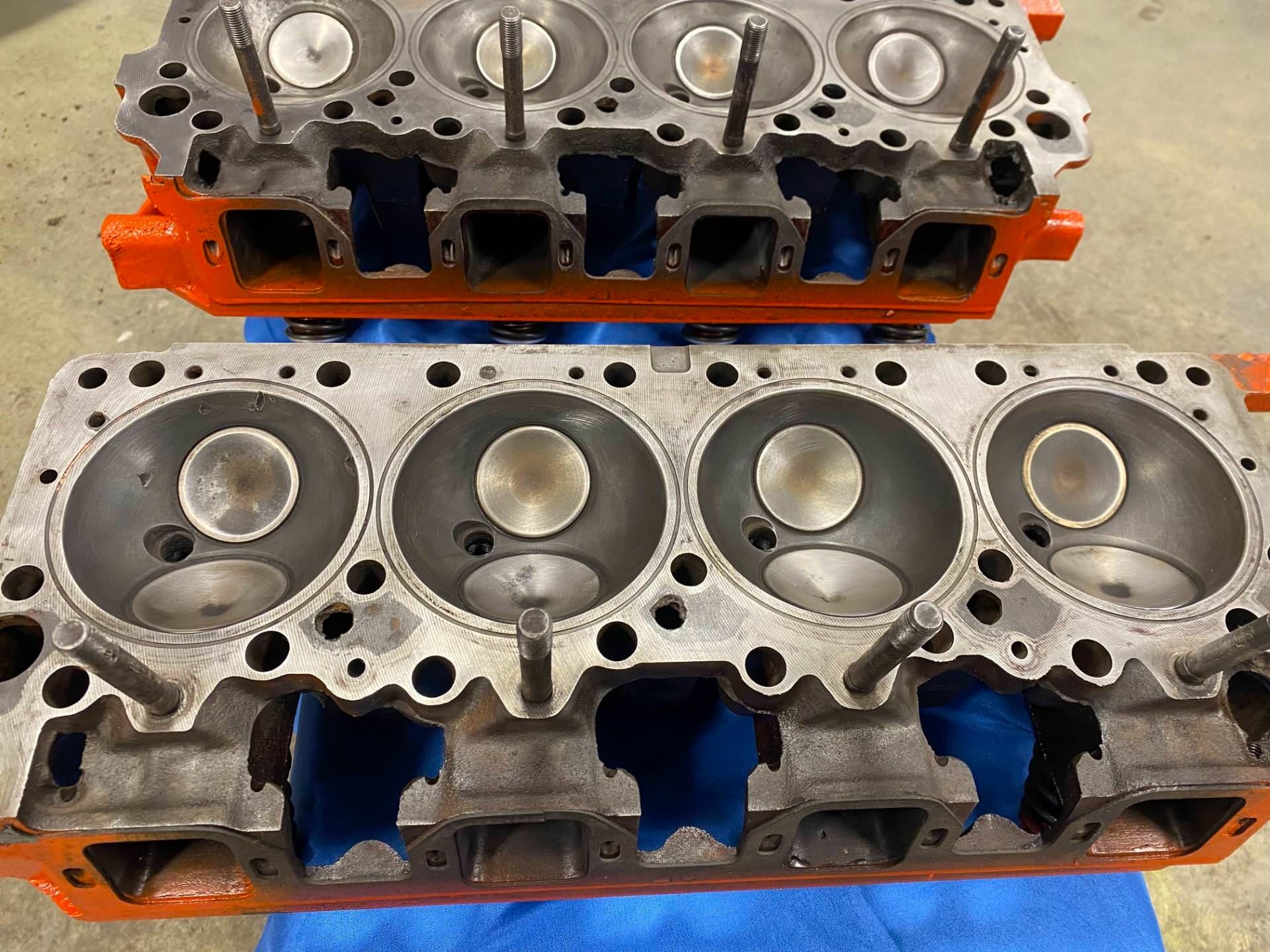
Hoover’s core design concept was elegant in its simplicity – it called for hemispherical combustion chamber heads to be grafted onto the existing 426 cubic inch Max Wedge raised block (RB) architecture, combining proven bottom-end strength with much improved breathing.
Bialk drew the head layouts between late March and early May of 1963, and legendary English engineering consultant Harry Weslake optimised the port shapes through bench flow testing. The first complete engine ran under its own power on December the 6th, 1963 – roughly 11 months from project approval to a firing engine.
The WWII Origins Of The Chrysler Hemi
The Hemi concept didn’t arrive at Chrysler from nowhere. During WWII, Chrysler developed the experimental XI-2220, it was a 2,500 bhp, 2,220 cubic inch liquid-cooled inverted V16 intended for high-altitude fighter aircraft.
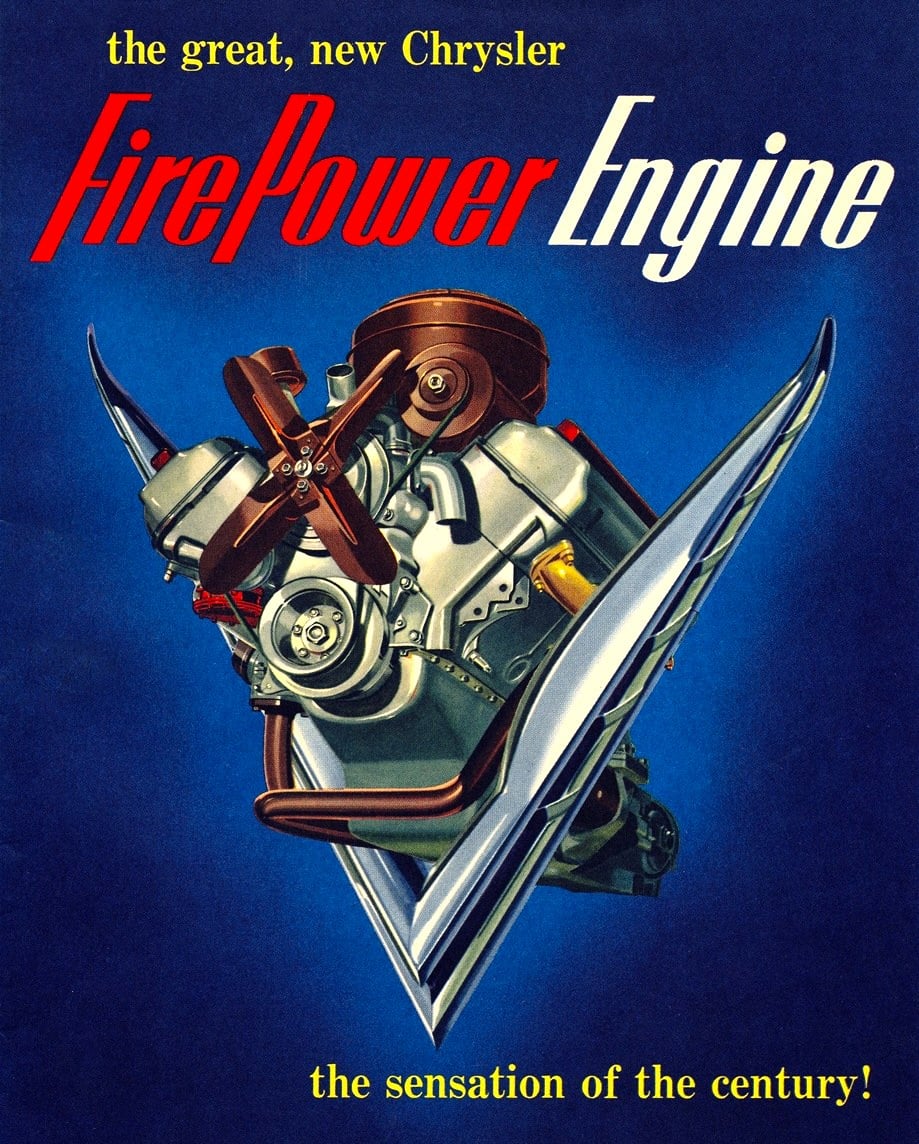
When they designed the FirePower V8 for the 1951 model year, Chrysler’s first civilian Hemi, that institutional knowledge carried over directly from their Hemi-head WWII fighter aircraft engine. The high-performance 426 Hemi of 1964 then built on the FirePower’s earlier experience with Hemi-heads. Image courtesy of Chrysler.
Only a handful were built and the engine never reached production, but it was Chrysler’s first use of hemispherical combustion chambers with canted valves, and it gave the company’s engineers hands-on experience with the breathing advantages of the Hemi-head design.
When they designed the FirePower V8 for the 1951 model year, Chrysler’s first civilian Hemi, that institutional knowledge carried over directly. The high-performance 426 Hemi of 1964 then built on the FirePower’s earlier experience with Hemi-heads.
Hemi Racing Domination (And Banishment)
The racing version of the new Hemi V8 debuted at the 1964 Daytona 500, where Richard Petty’s Plymouth led a Plymouth 1-2-3, with Chrysler engines taking four of the top five positions overall. Through that season, Hemi-powered cars won 26 of 62 NASCAR Grand National races, and Petty claimed his first championship.
The Race Hemi ran a 12.5:1 compression ratio, 312º camshaft, aluminium heads, and Holley carburetors – it was a pure competition engine producing well over 425 bhp in race trim.
NASCAR responded to this domination by banning the engine for 1965, ruling that any competition engine had to be available in production vehicles. Chrysler sat out NASCAR’s season and redirected the Hemi into drag racing, where it continued to dominate, this time one 1/4 mile at a time.
The Street Hemi Arrives
To satisfy NASCAR’s homologation requirements, Chrysler developed the “Street Hemi” for the 1966 model year. The compression ratio dropped to 10.25:1 to run on pump fuel, the aluminium heads were replaced with cast iron, and the camshaft was significantly tamed to 276º of duration. Twin inline Carter AFB four-barrel carburetors (each rated at 625 cfm) replaced the race engine’s cross-ram Holley setup, and cast iron exhaust manifolds replaced the earlier tubular headers.
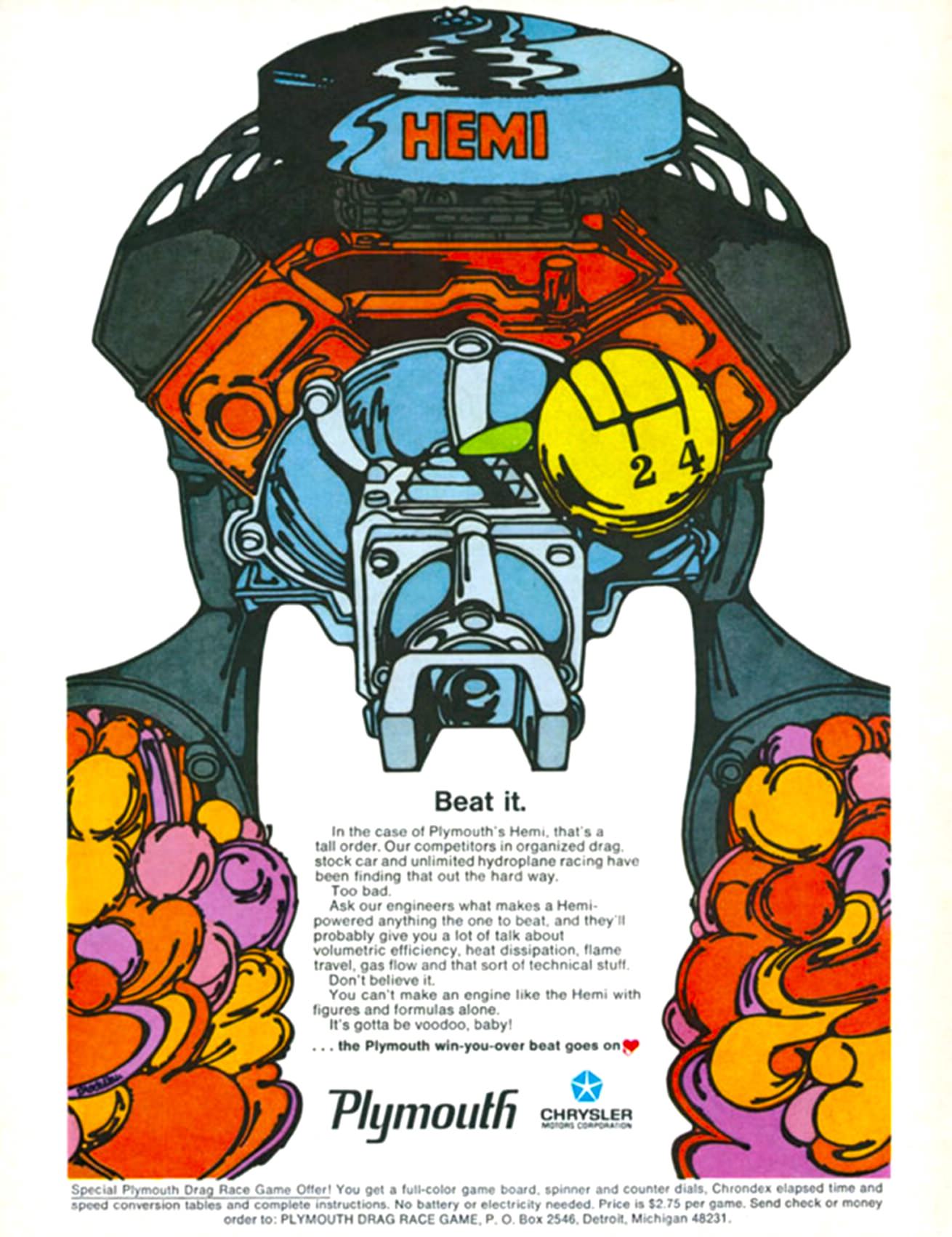
To satisfy NASCAR’s homologation requirements, Chrysler developed the A102 “Street Hemi” for the 1966 model year. Image courtesy of Chrysler.
Despite these changes, the Street Hemi shared its fundamental architecture with the race engine, with the same forged steel crankshaft, drop-forged I-beam connecting rods, cross-bolted main bearing caps, and 4.25 × 3.75 inch bore and stroke. It was officially rated at 425 bhp at 5,000 rpm and 490 lb ft of torque at 4,000 rpm – but figures were widely believed to be understated.
The Mighty Hemi Muscle Cars
The 1968 model year brought a meaningful camshaft revision, increasing duration to 284º with higher lift (.490″ intake / .481″ exhaust) and giving the engine a slightly sharper character. The 1968 and 1969 engines kept the mechanical (solid) lifters with this more aggressive cam profile, Chrysler would switch to hydraulic lifters for 1970 and 1971, using a different cam grind matched to the new valvetrain, primarily for emissions compliance and supposedly reduced maintenance.
Perhaps more importantly, 1968 was the year the Hemi V8 was factory-fitted to some of the most iconic muscle cars ever built. The redesigned second-generation Dodge Charger – including the R/T – could be ordered with the engine, as could the new Dodge Super Bee and Plymouth Road Runner.
A Hemi Road Runner with the 4-speed manual could reach 60 mph in 4.9 seconds and cover the quarter-mile in 13.5 seconds at 105.5 mph in period testing. Chrysler also built 80 Dodge Dart Super Stock and 70 Plymouth Barracuda race cars with the Hemi that year – lightweight A-body drag specials that were among the quickest factory cars of their era.
The Street Hemi continued with minimal changes through 1971, expanding to the new E-body Challenger and Barracuda platform for 1970. Tightening emissions regulations and escalating insurance costs killed the engine after 1971 as the United States entered the Malaise Era.
Exact production totals vary by source and method, but fewer than 10,000 “Street” Hemi-powered passenger cars were built across the engine’s entire 1966 to 1971 run – a remarkably small number which has made survivors among the most valuable muscle cars in existence.
The Mopar 426 Hemi V8 Shown Here
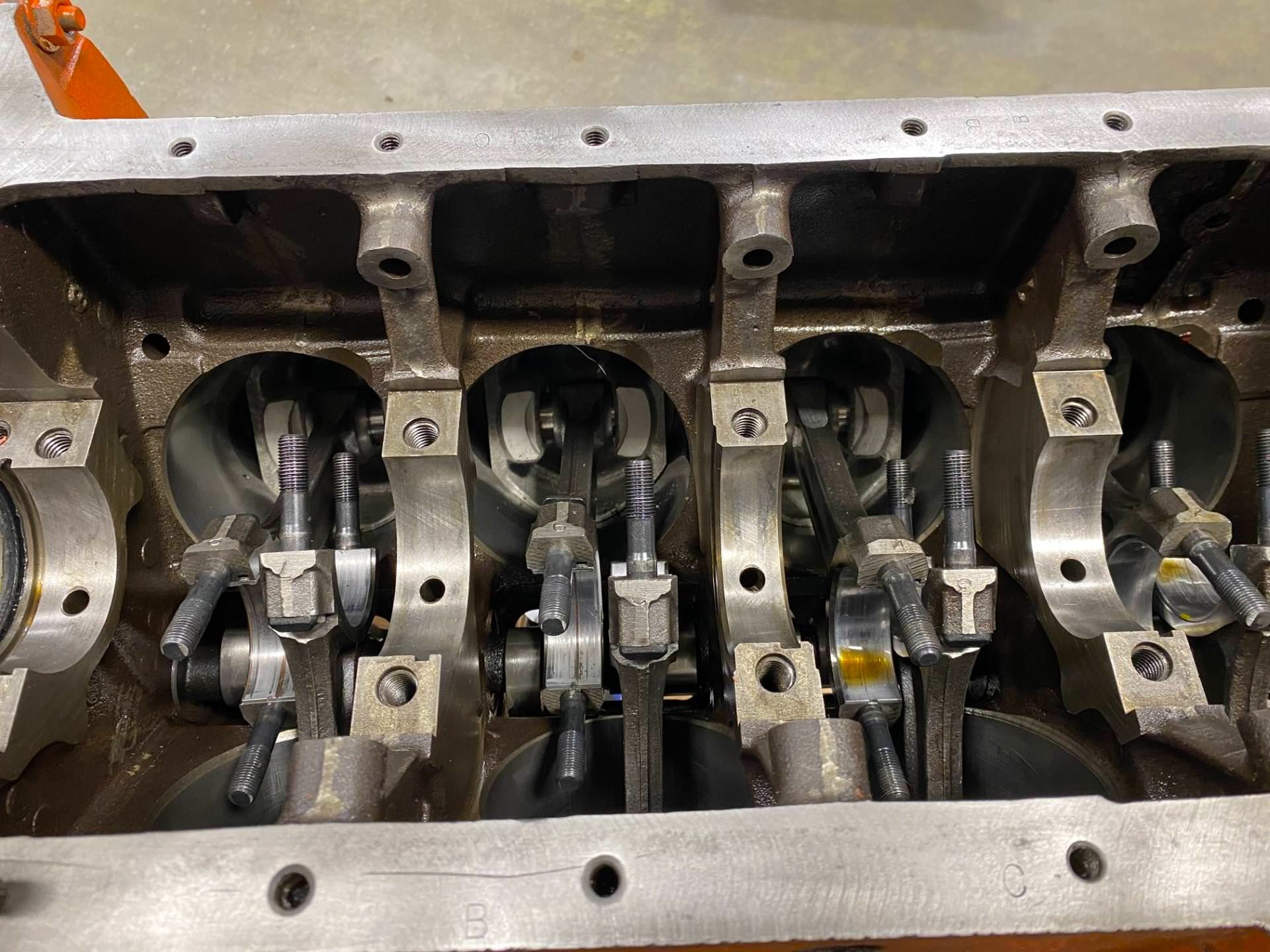
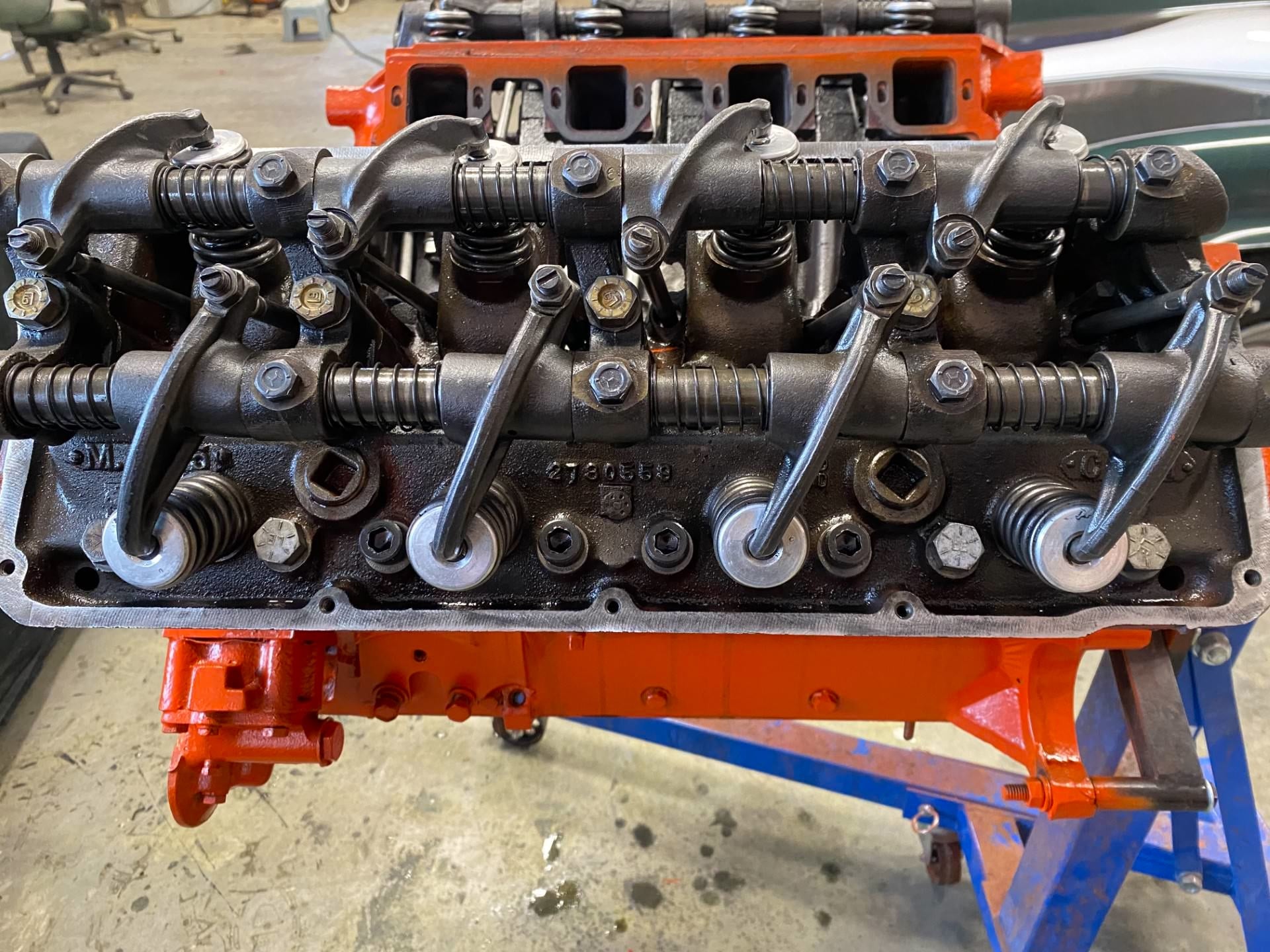
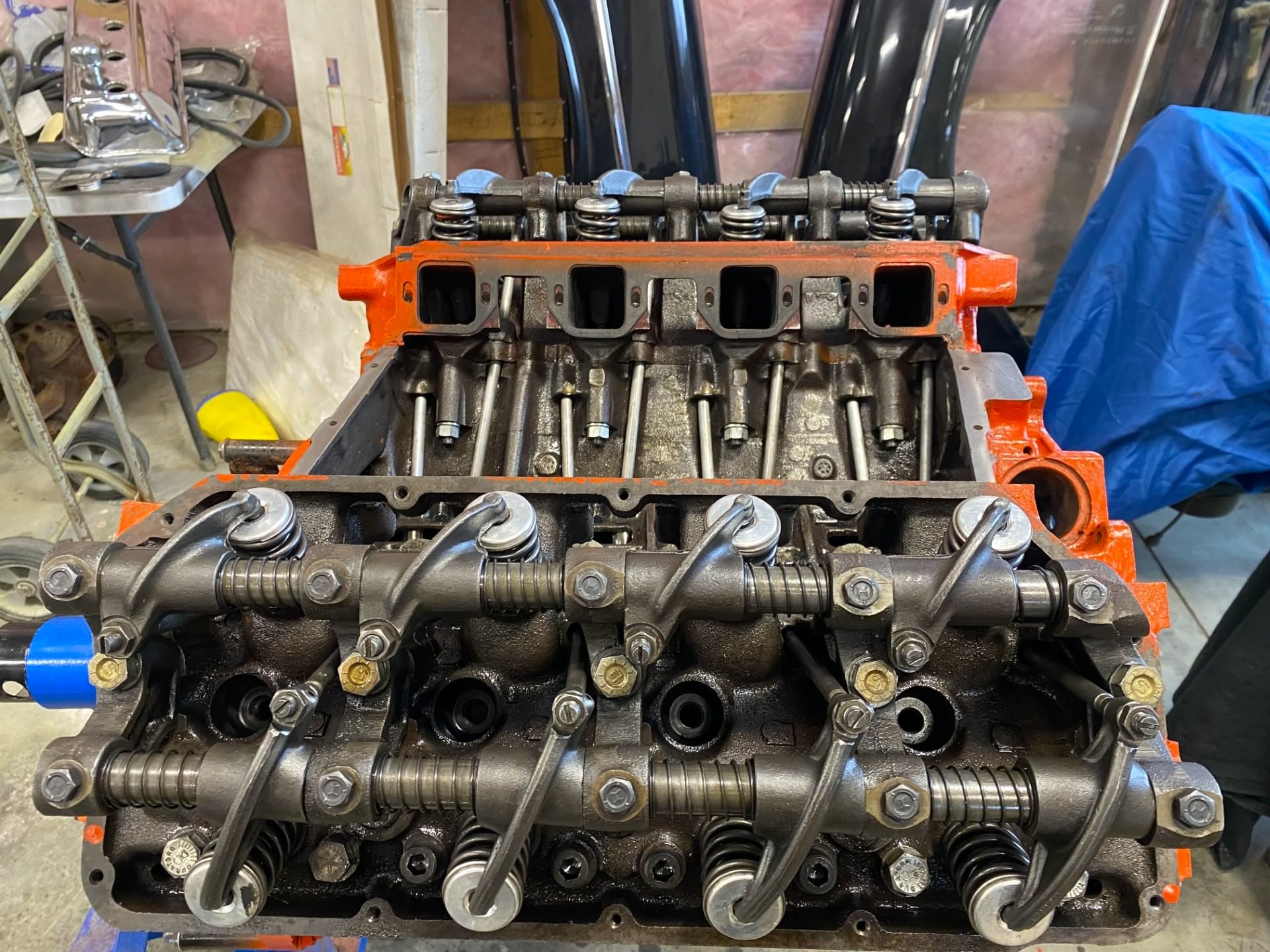
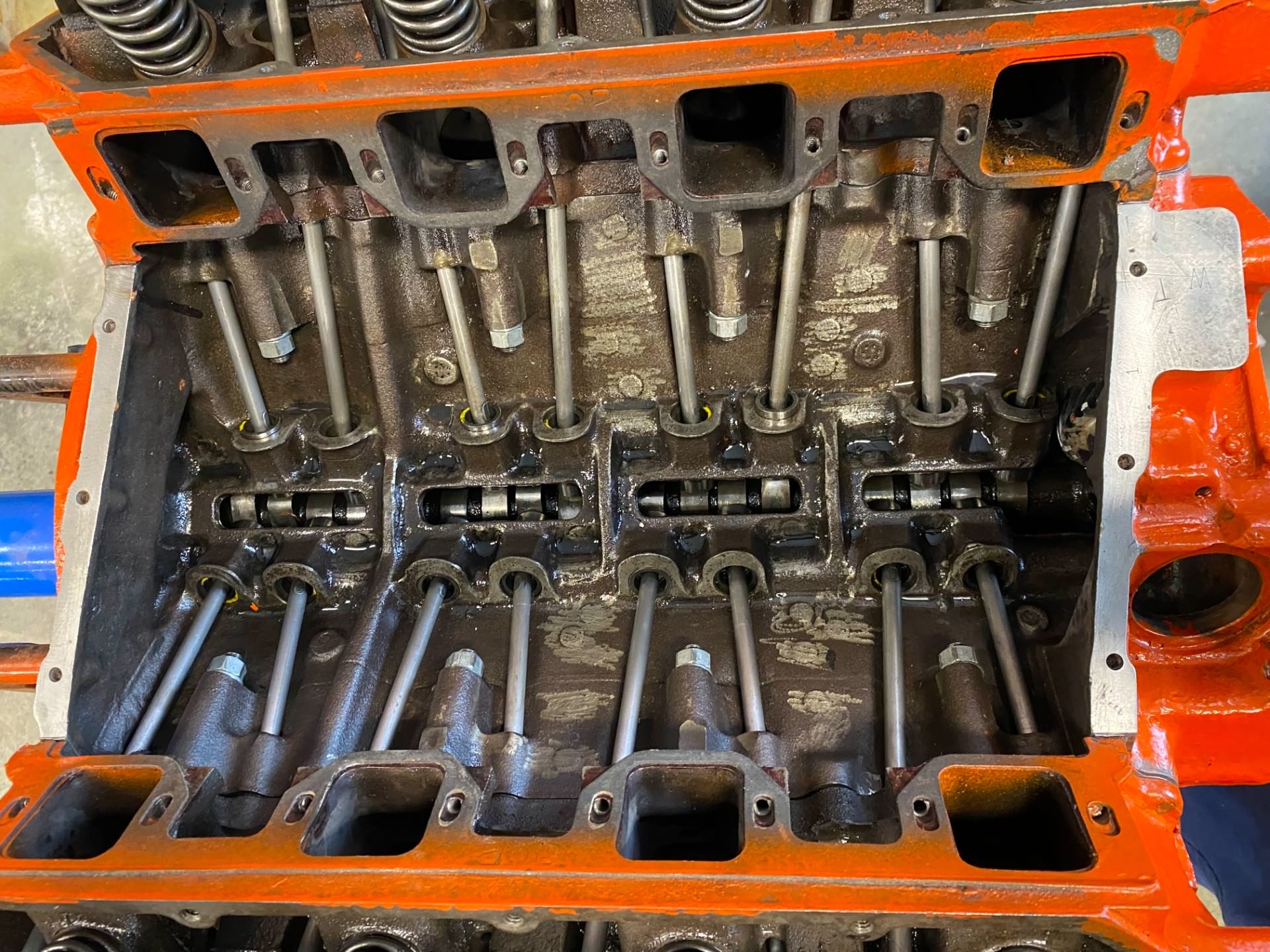
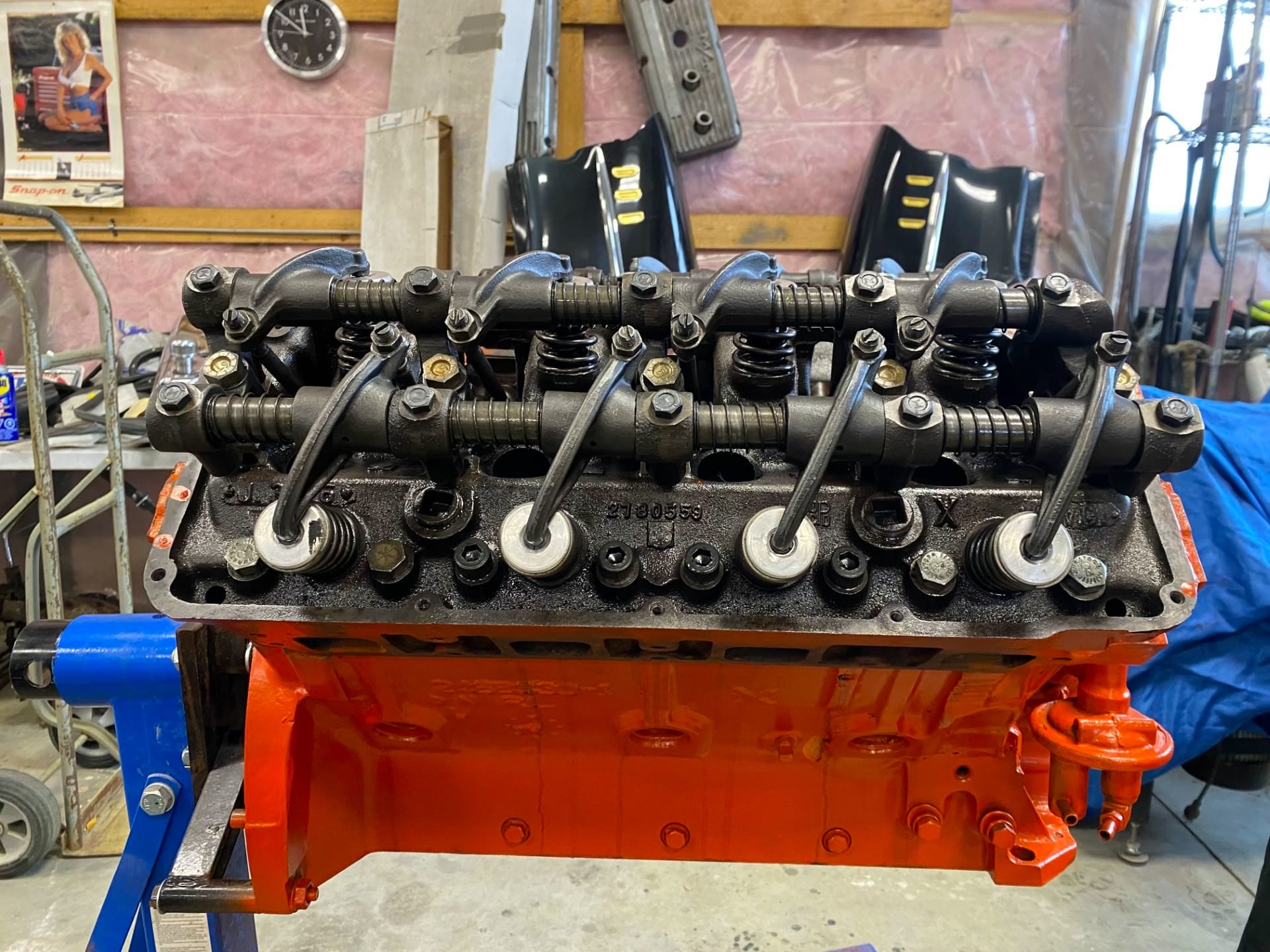
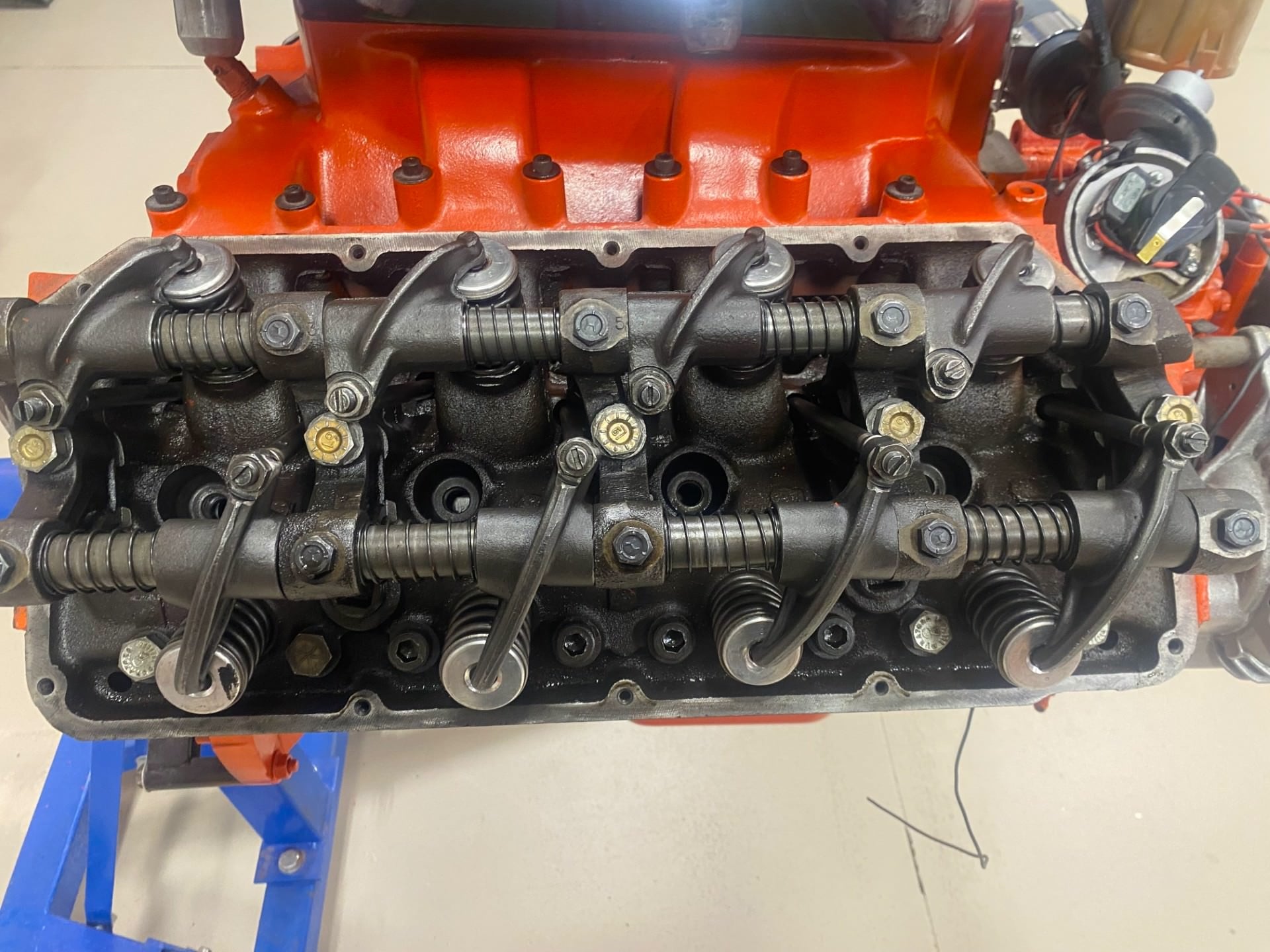
This is a 426 Hemi V8 from 1968 that now benefits from a full rebuild. During the rebuild it’s said to have been fitted with TRW pistons, it now has a 12.5:1 compression ratio, it has a 0.030″ overbore, and it has new rod and main bearings.
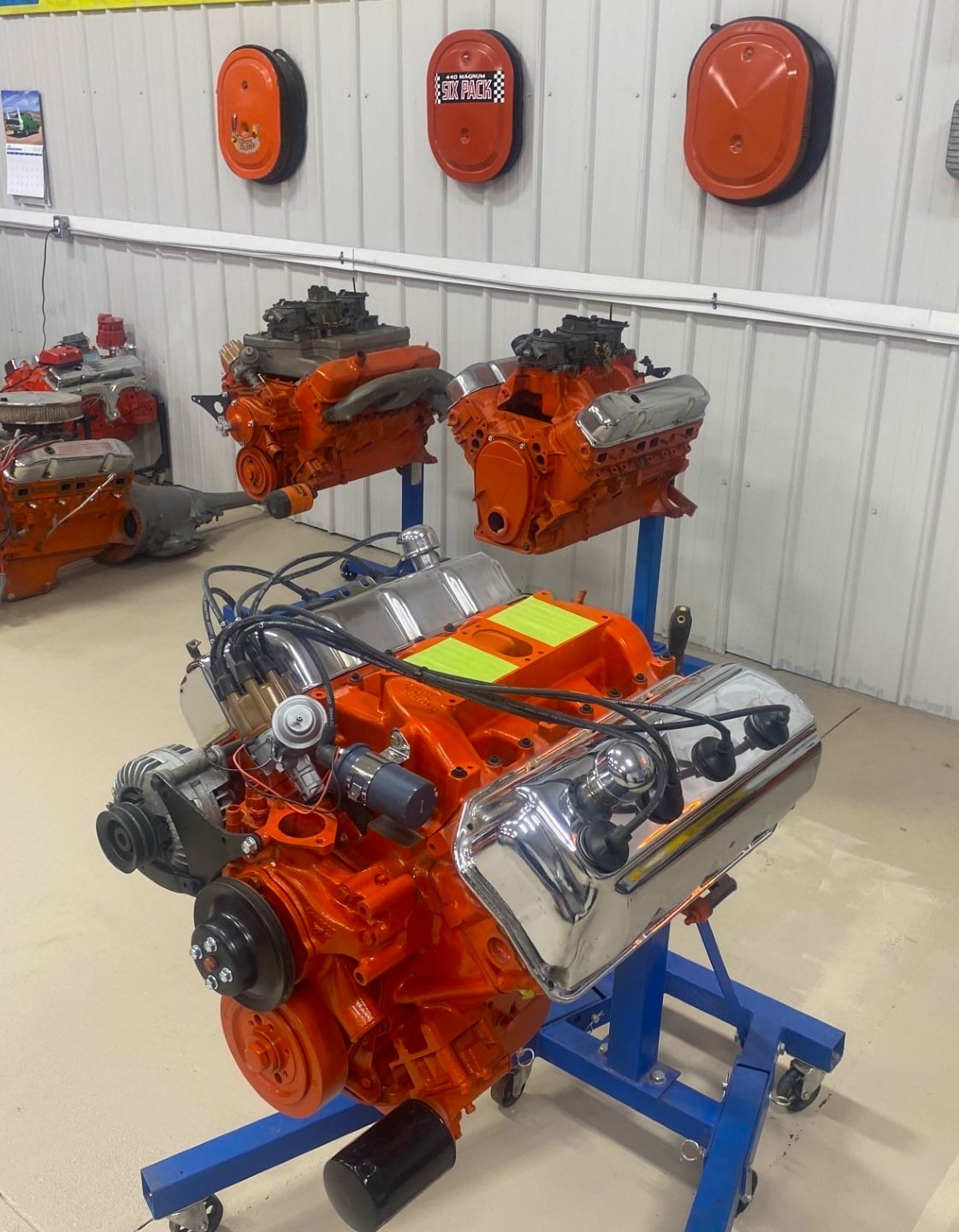
This is a 426 Hemi V8 from 1968 that now benefits from a full rebuild. During the rebuild it’s said to have been fitted with TRW pistons, it now has a 12.5:1 compression ratio, it has a 0.030″ overbore, and it has new rod and main bearings.
The block stamping shows a 10,000-day calendar assembly date of 2390, which corresponds to Monday, February the 12th, 1968. The engine was disassembled for photographs which are shown above and below, and the seller notes that it has now been fogged and reassembled with half-torque specifications on the bolts.
It’s now being offered for sale out of Alberta, Canada on Bring a Trailer, and you can visit the listing here if you’d like to read more about it or register to bid.
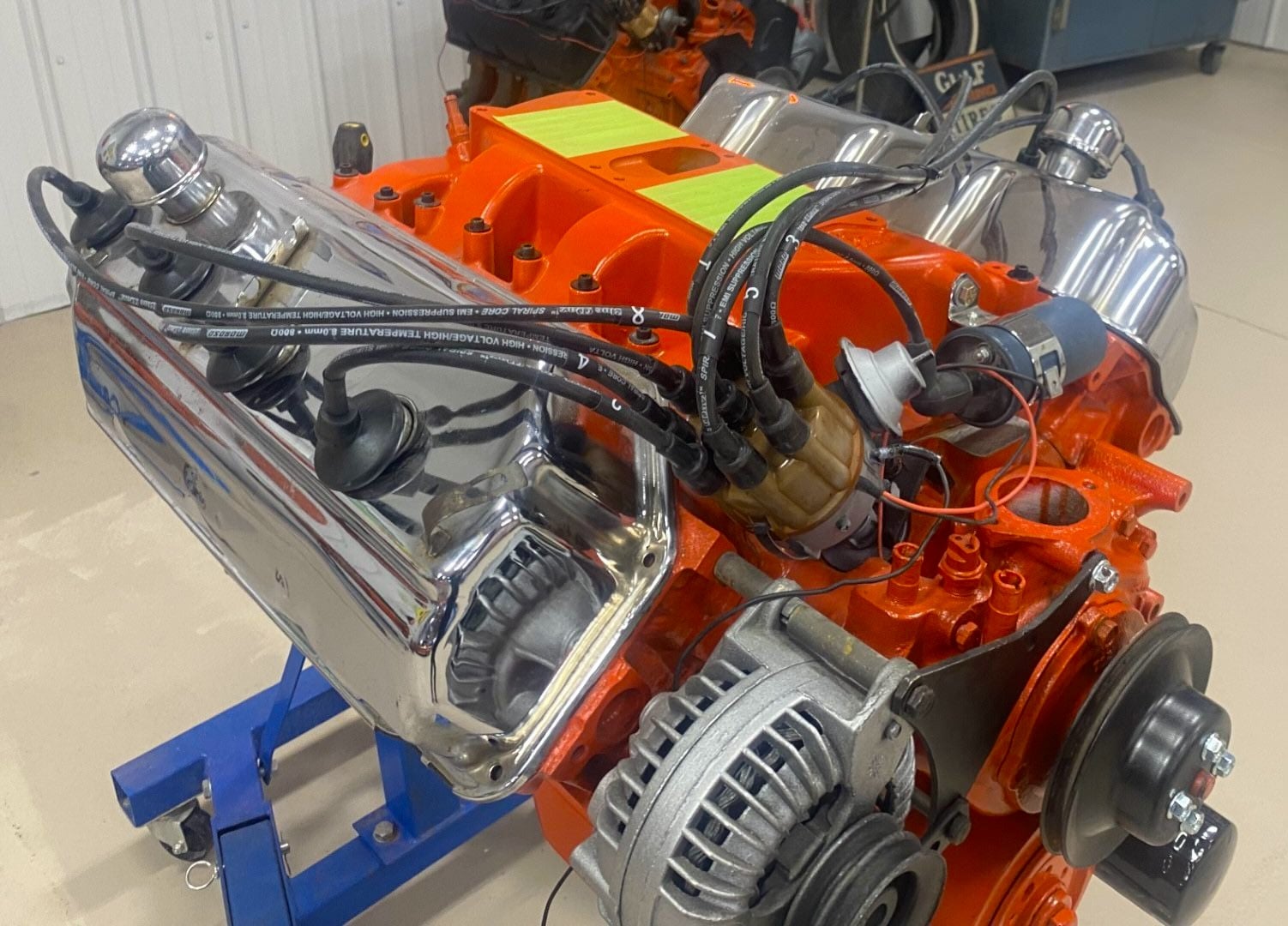
Images courtesy of Bring a Trailer

Articles that Ben Branch has written have been covered on CNN, Popular Mechanics, Smithsonian Magazine, Road & Track Magazine, the official Pinterest blog, the official eBay Motors blog, BuzzFeed, Autoweek Magazine, Wired Magazine, Autoblog, Gear Patrol, Jalopnik, The Verge, and many more.
Silodrome was founded by Ben back in 2010, in the years since the site has grown to become a world leader in the alternative and vintage motoring sector, with well over a million monthly readers from around the world and many hundreds of thousands of followers on social media.