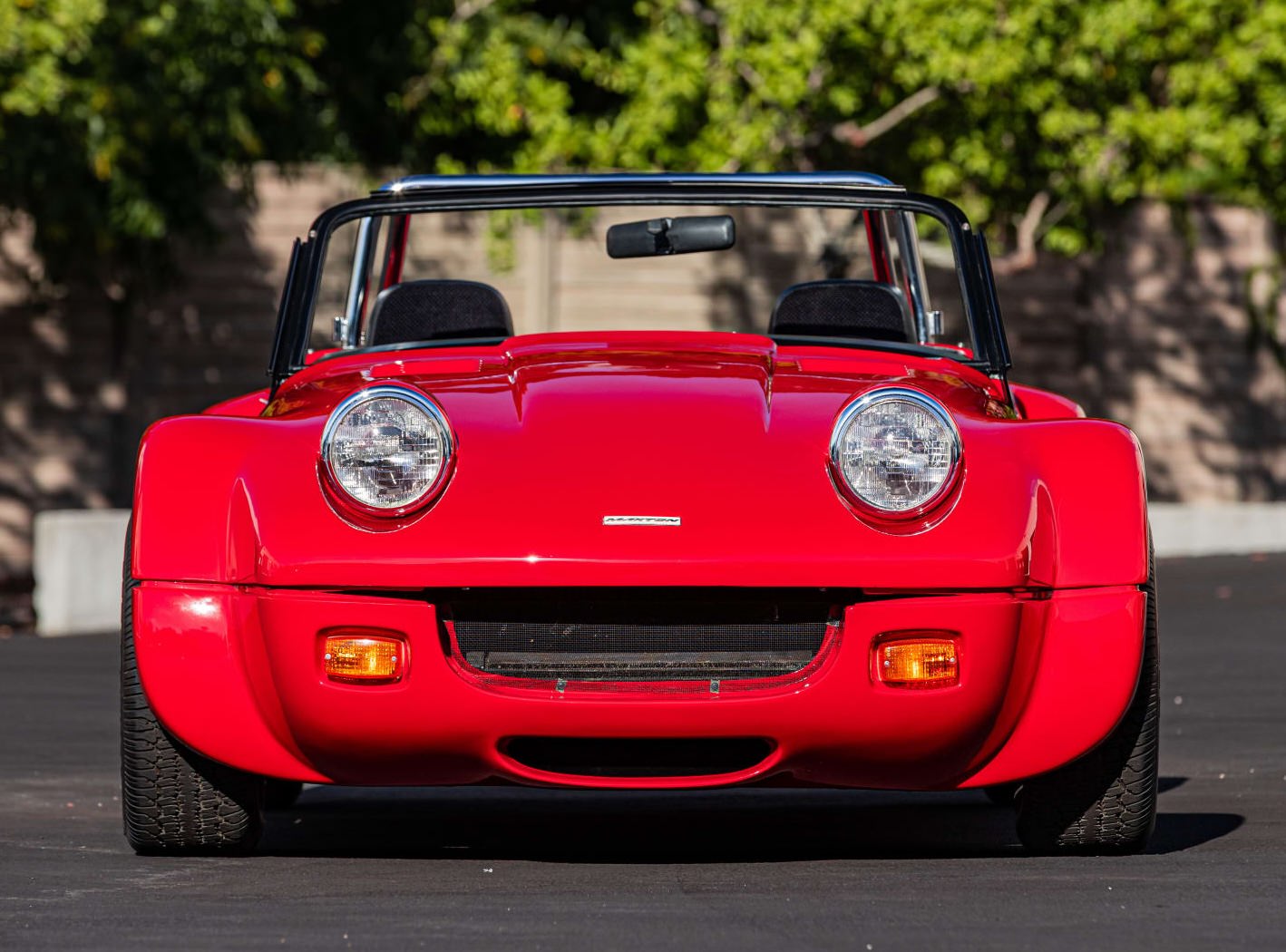
This is a 1991 Maxton Rollerskate Roadster, a car now largely forgotten despite the fact that it was one of the most exciting low-volume American sports cars of its time.
Unusually, the Maxton Rollerskate was built in Colorado and it was powered by a Mazda (Wankel) rotary engine (either a 12A or 13B). The car had rack and pinion steering, a lightweight fiberglass body on a tubular steel chassis, and it tipped the scales at 1,300 to 1,500 lbs or so depending on variant.
Fast Facts: The Maxton Rollerskate
- The 1991 Maxton Rollerskate Roadster is a rare, Colorado-built American sports car from the early 1990s that was designed with low weight, simplicity, and driver involvement in mind. Inspired by British minimalist roadsters like the Lotus 7, it used a tubular steel chassis, fiberglass bodywork, rack-and-pinion steering, and unusually, Mazda rotary power.
- Conceived in the late 1980s by Maxton Motor Company founder Richard Martin, the Rollerskate was never aimed at mass-market buyers. Instead, it targeted enthusiasts seeking analog engagement, deliberately rejecting comfort, ornamentation, and mainstream appeal in favor of a raw, purpose-built driving experience.
- Most Rollerskates used Mazda 12A or 13B Wankel engines producing around 100 bhp, which delivered lively performance in a car weighing 1,300 to 1,500 lbs. Suspension was simple and effective, interiors were spartan, and production volumes were extremely low, estimated at 50 cars total.
- The 1991 example shown here has just 654 miles on the clock and is a one-off racing specification with a claimed 220 bhp 13B engine, Weber carburetor, and recent mechanical refurbishment. It remains in immaculate condition and is slated for auction with an estimate of $25,000 to $35,000 USD.
History Speedrun: The Maxton Rollerskate
The Maxton Rollerskate is one of the most unusual, and undoubtedly one of the most fun-to-drive American-made cars being made in the 1990s. The car was conceived in the late 1980s and brought to limited production in the early 1990s – the product of a brief but serious attempt to build a lightweight, minimalist sports car in the United States, borrowing heavily from British kit-car thinking (Lotus/Caterham) while introducing an unconventional powertrain choice that set it well apart from any contemporaries.
Above Video: In the 1990s the team act MotorWeek built a Maxton Rollerskate from a kit and documented the whole process. This is part one, and you can click through to YouTube to watch the other parts if you’re curious.
The project was initiated by Maxton Motor Company which had been founded by automotive engineer and well-known enthusiast Richard Martin. Martin’s goal was straightforward and unapologetically raw – he wanted to produce a very small, very light sports car that prioritized simplicity, mechanical engagement, and an analog driving experience over any sort of mass-market appeal.
The Rollerskate was never intended to compete with mainstream roadsters like the Mazda Miata, instead it aimed to echo the spirit of early Lotus 7s (and later Caterhams) and other more exotic sports cars from the likes of TVR, Marcos, and maybe even Morgan – all filtered through the lens of late-20th-century American engineering.
From the outset, weight reduction governed nearly every design decision. The Rollerskate used a compact tubular steel spaceframe clothed in lightweight fiberglass bodywork. Dimensions were deliberately tight, resulting in a car that appeared almost toy-like in photographs but immensely fun in person.
The low beltline, exposed wheels, and abbreviated overhangs reinforced the car’s single-minded intent. There was little in the way of ornamentation. Panels existed because they were necessary, not decorative, and the name “Rollerskate” was embraced rather than softened, reflecting the company’s awareness of the car’s visual minimalism.
Perhaps the most unusual technical choice was the engine – instead of defaulting to a small four-cylinder automotive unit sourced from the likes of Ford, Maxton opted for a Mazda-sourced Wankel rotary engine, typically the 12A or the later 13B.
Compact, smooth, and capable of respectable power relative to its size, the rotary suited the Rollerskate’s packaging constraints and performance goals. Output figures varied depending on specification, but most examples were reported to produce roughly 100 bhp. In a car weighing 1,300 to 1,500 lbs when full of fluids and ready to drive, that all translated into lively real-world performance – particularly in acceleration and cornering.
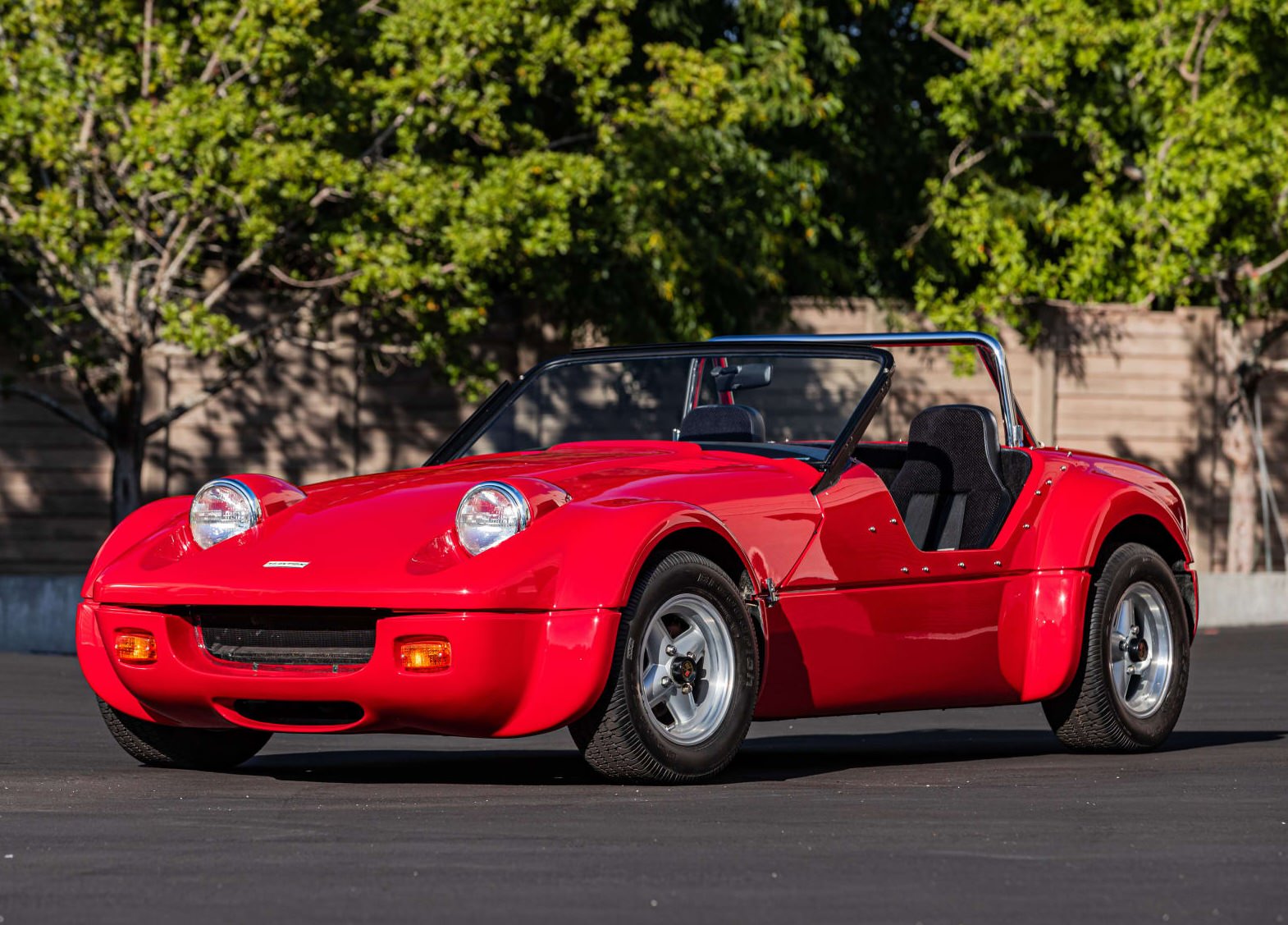
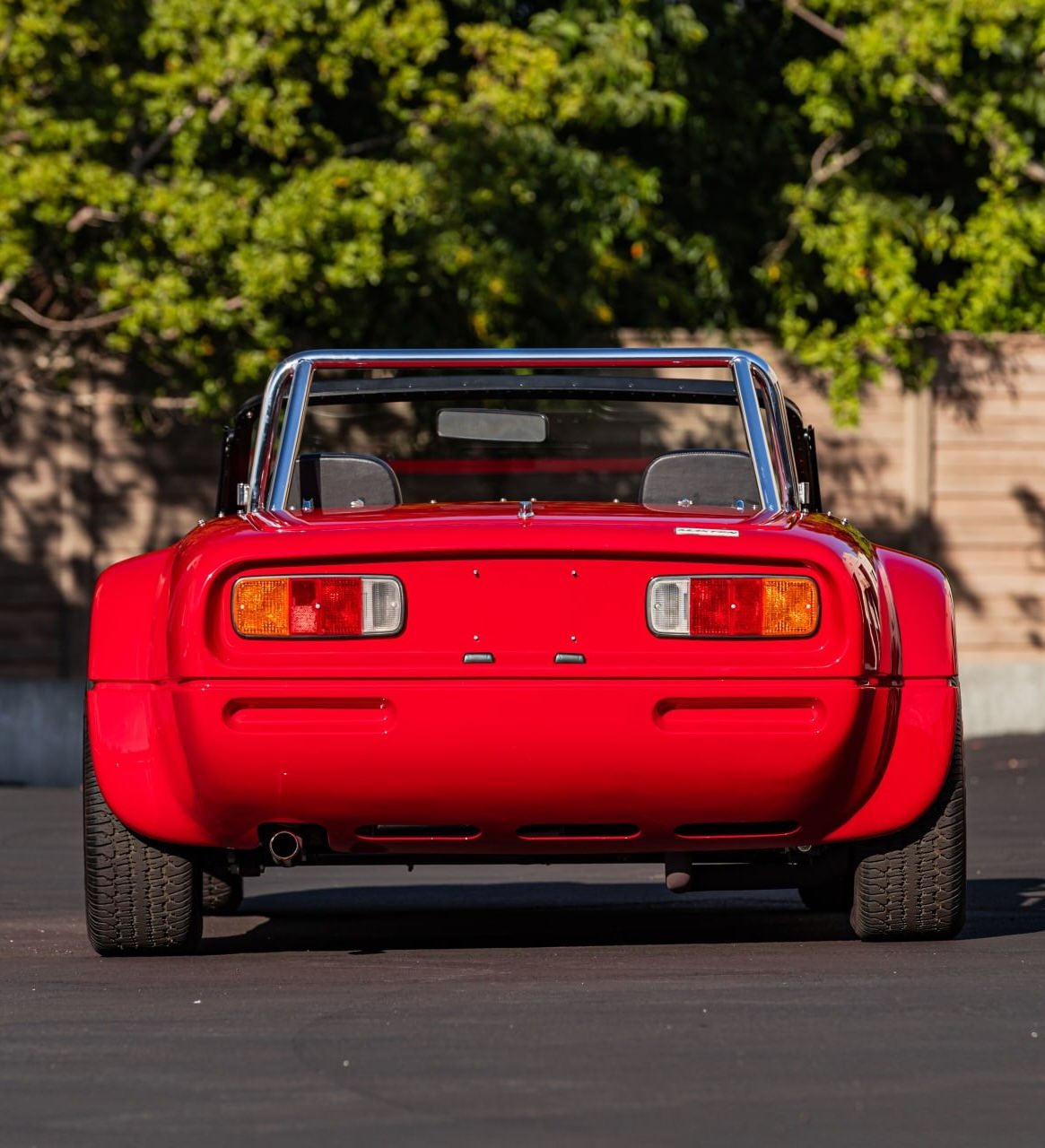
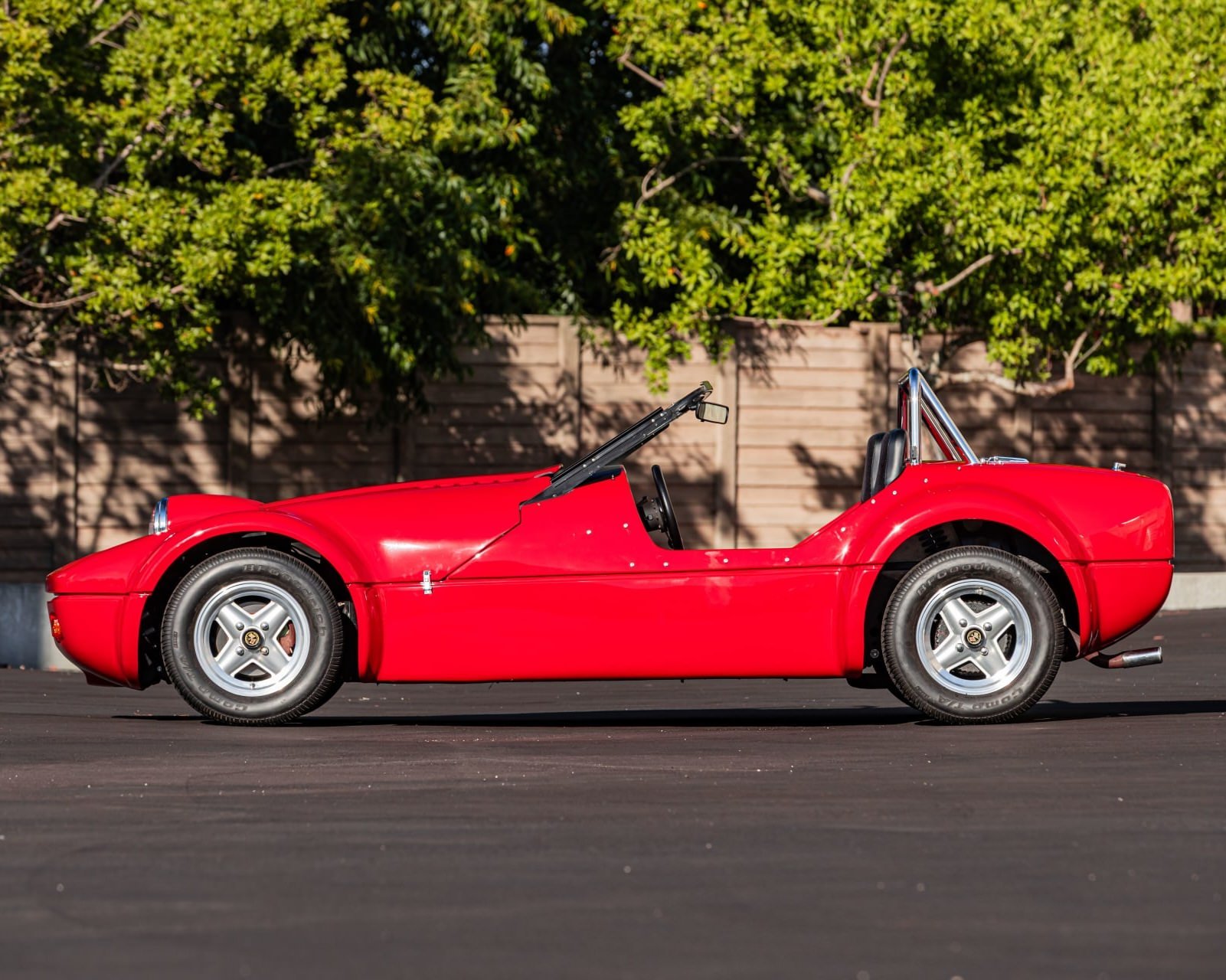
 The 1991 Maxton Rollerskate Roadster shown here has just 654 miles on the odometer and it’s finished in a one-off racing-edition specification, in red over a black interior.
Power was routed through a conventional manual transmission, and the suspension layout was simple but effective with unequal-length control arms up front and a straightforward live axle rear arrangement. Steering was unassisted rack and pinion, brakes were modest by modern standards, and creature comforts were nearly nonexistent.
The interior followed the car’s aforementioned minimalist philosophy with exposed fasteners, basic seating, minimal instrumentation, and little attempt at noise or heat insulation. It was a car built for fair-weather driving, short journeys, and pure engagement, not commuting or touring.
The Rollerskate’s market position was always rather niche, and Maxton was realistic about that limitation. The car was offered in component and near-complete forms, placing it somewhere between a kit car and a low-volume specialty car maker. Pricing was modest compared to European exotics but high enough to deter casual buyers, especially given the required mechanical aptitude and the lack of dealership support.
Regulatory hurdles, insurance concerns, and the rotary engine’s unfamiliarity among American buyers further narrowed its potential audience.
The reception when it was released was mixed but generally positive within enthusiast circles. Publications that got their hands on the Rollerskate for reviews tended to appreciate its honesty and its clarity of purpose, even if they sometimes questioned its real world commercial viability.
The car never achieved meaningful production volume, and estimates suggest only a handful of examples were completed, around 50 or so.
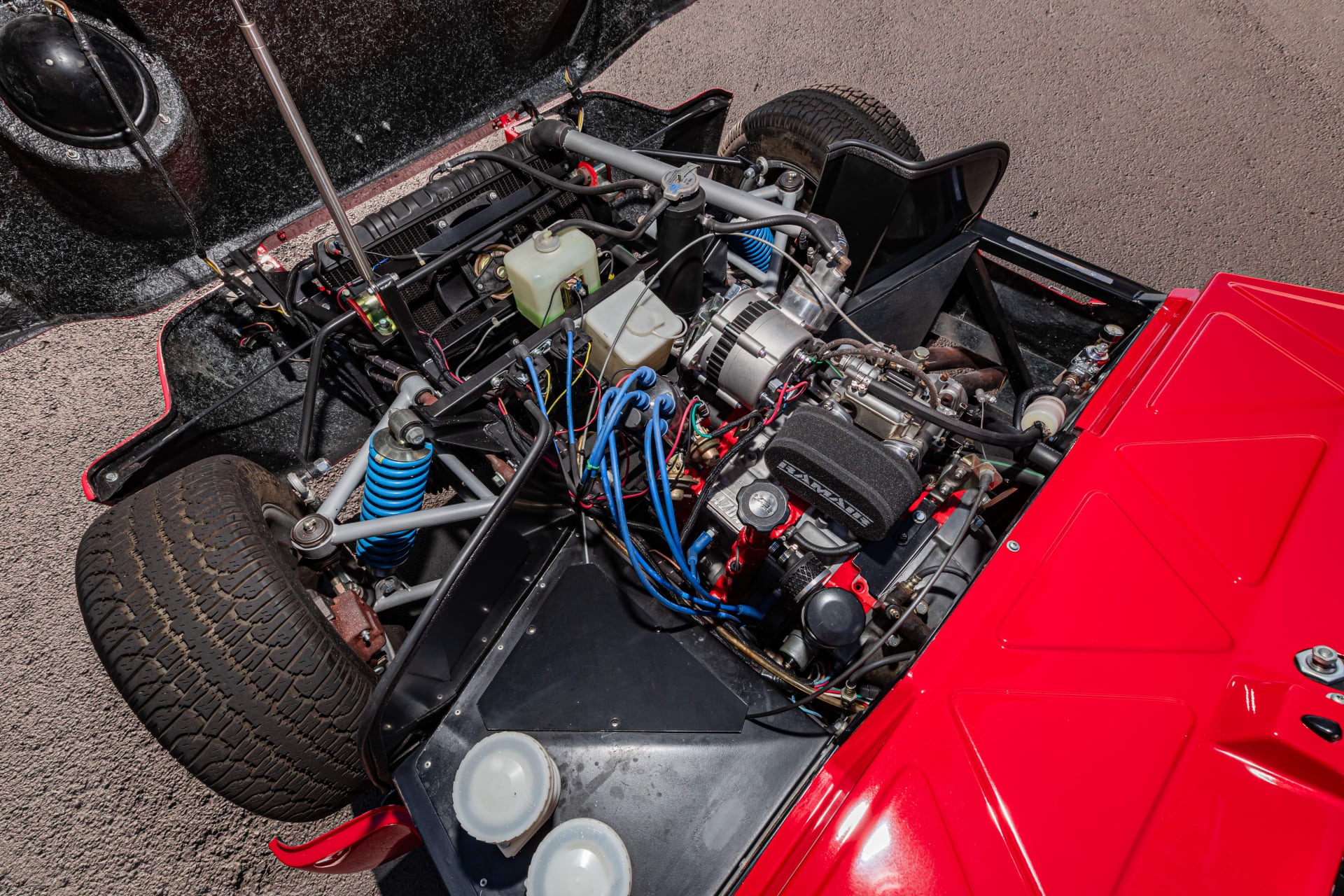
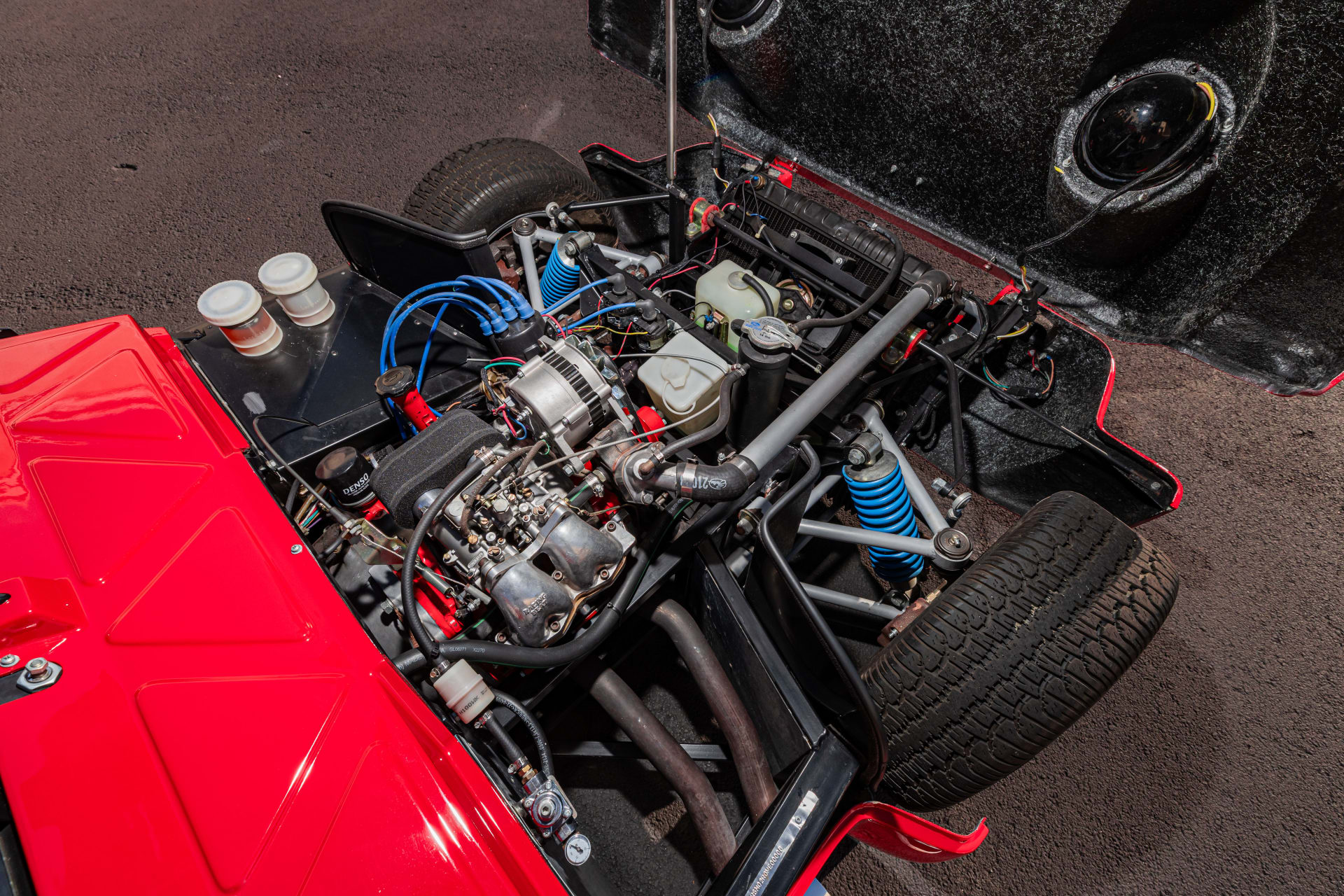
Power is provided by a 1.3 liter Mazda 13B Wankel rotary engine producing a claimed 220 bhp, fed by a Weber 45 DCOE carburetor. This engine sends power back through a Mazda 4-speed manual gearbox and a Mazda axle to the rear wheels.
By the mid-1990s, Maxton Motor Company quietly faded from view. No major corporate collapse occurred – rather, the Rollerskate succumbed to the same pressures that ended many small specialty manufacturers of the era. Rising regulatory complexity, limited capital, and an increasingly competitive sports car market left little room for an uncompromising micro-roadster built by hand in small numbers.
Nowadays the Maxton Rollerskate is seen as a collectible curiosity and a talking point among enthusiasts and lovers of obscure American sports cars. Surviving examples are rare, documentation is limited, and public sightings are infrequent – which has all only added to the car’s mystique.
While it never reshaped the market or influenced mainstream design, the Rollerskate is as genuine an expression of late-20th-century grassroots automotive ambition as you’ll find anywhere. It’s a reminder of a moment in time when a small team believed that low weight, mechanical simplicity, and an unconventional engine choice could create in a wildly entertaining new sports car – and they were right.
The 1991 Maxton Rollerskate Roadster Shown Here
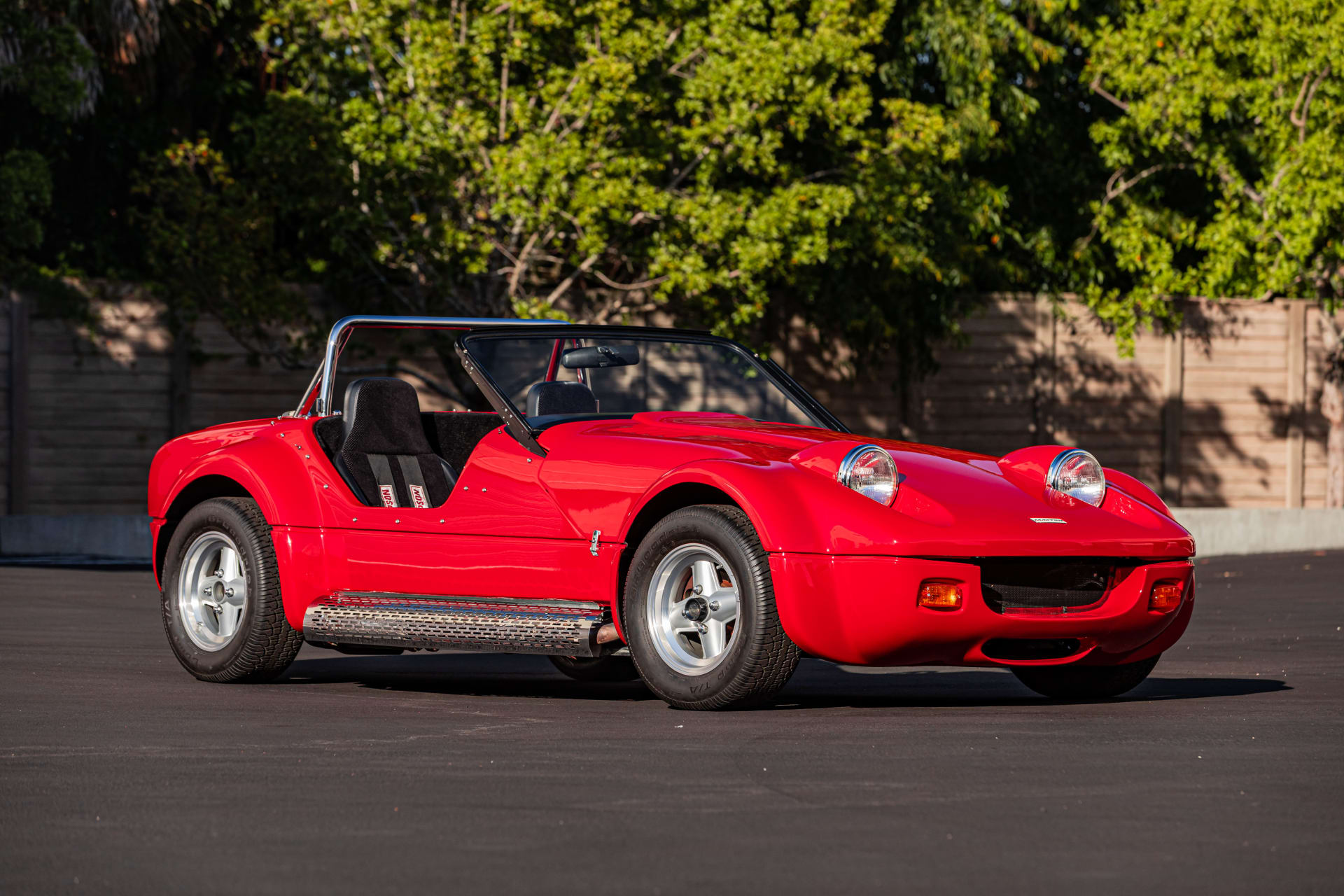
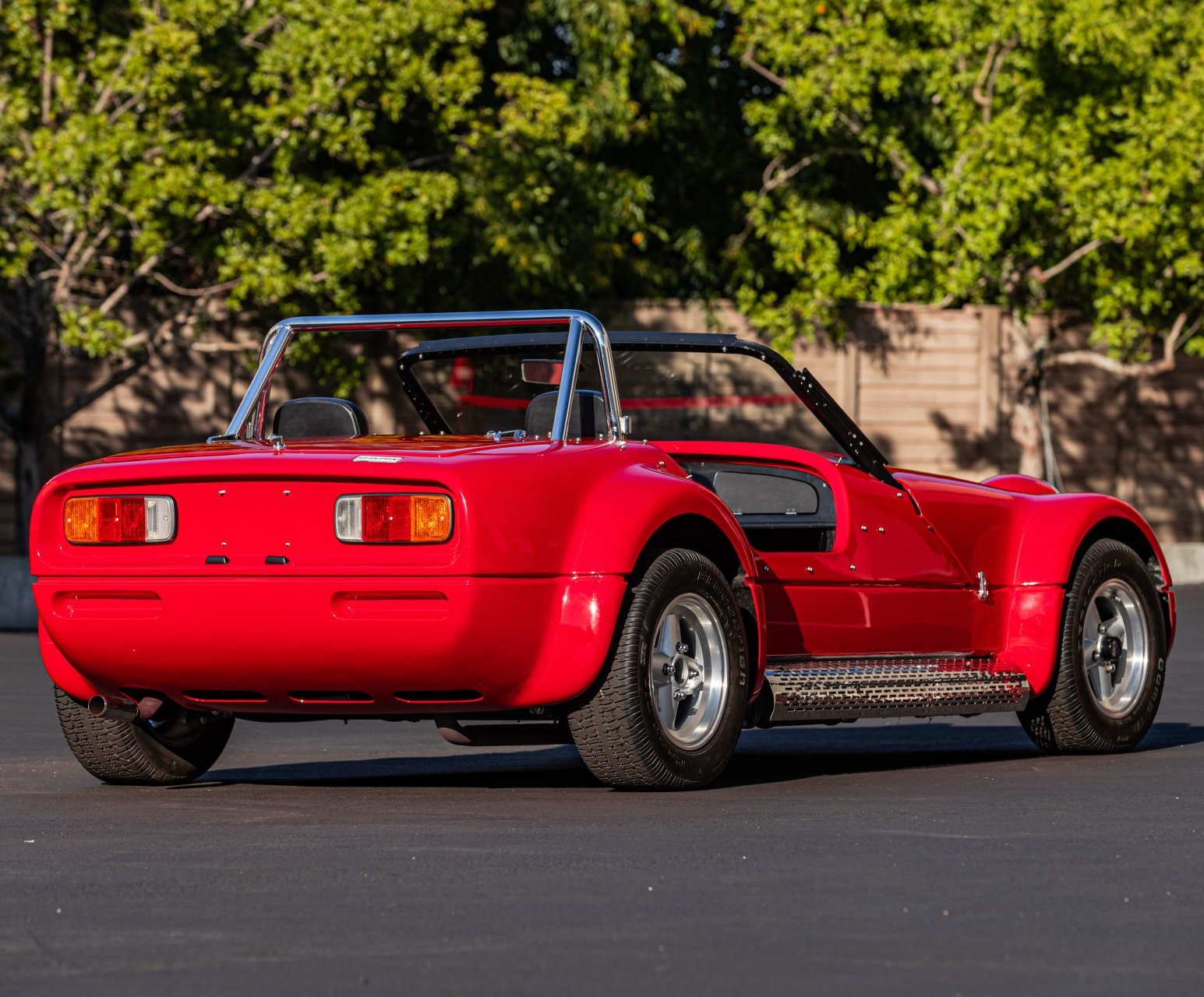
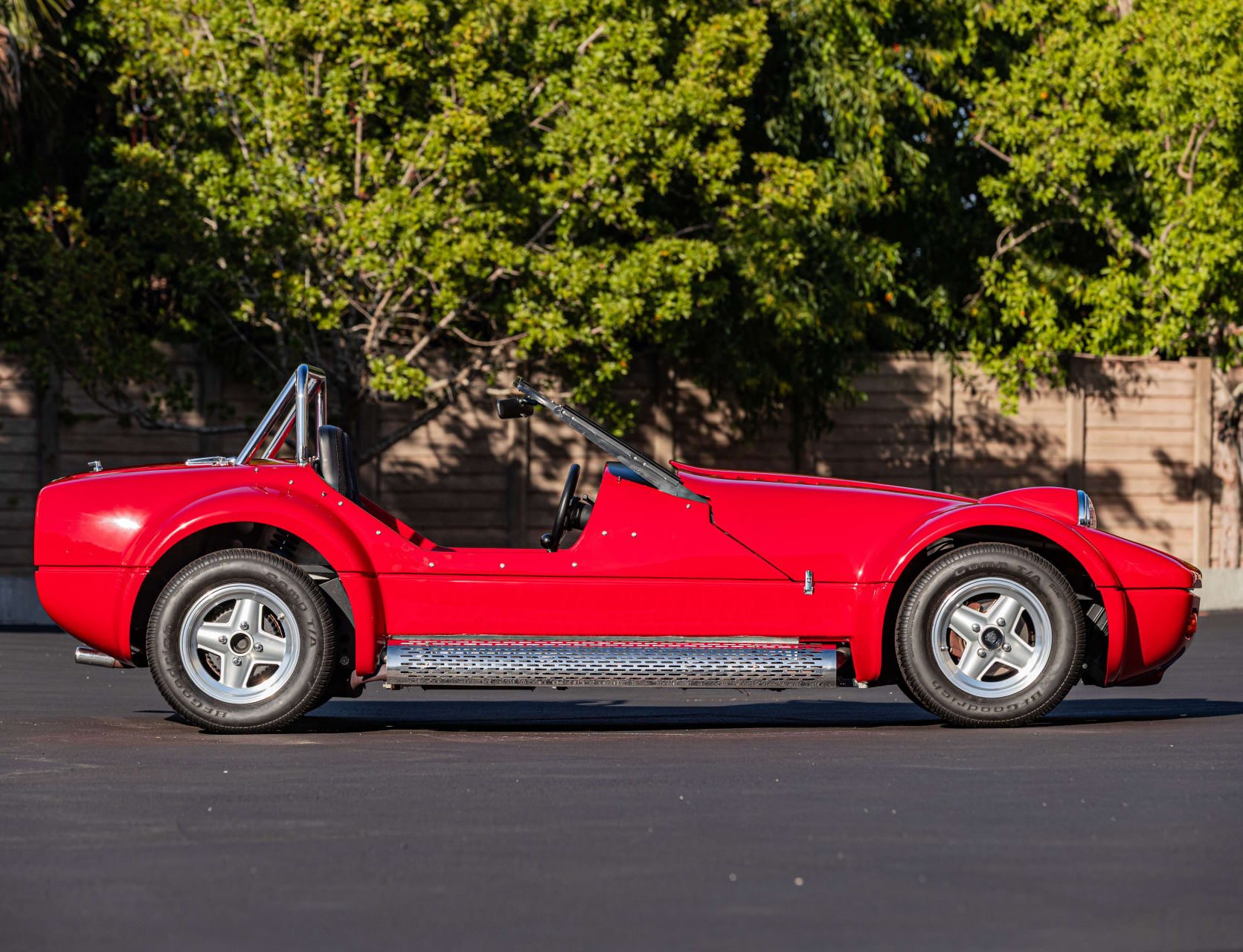
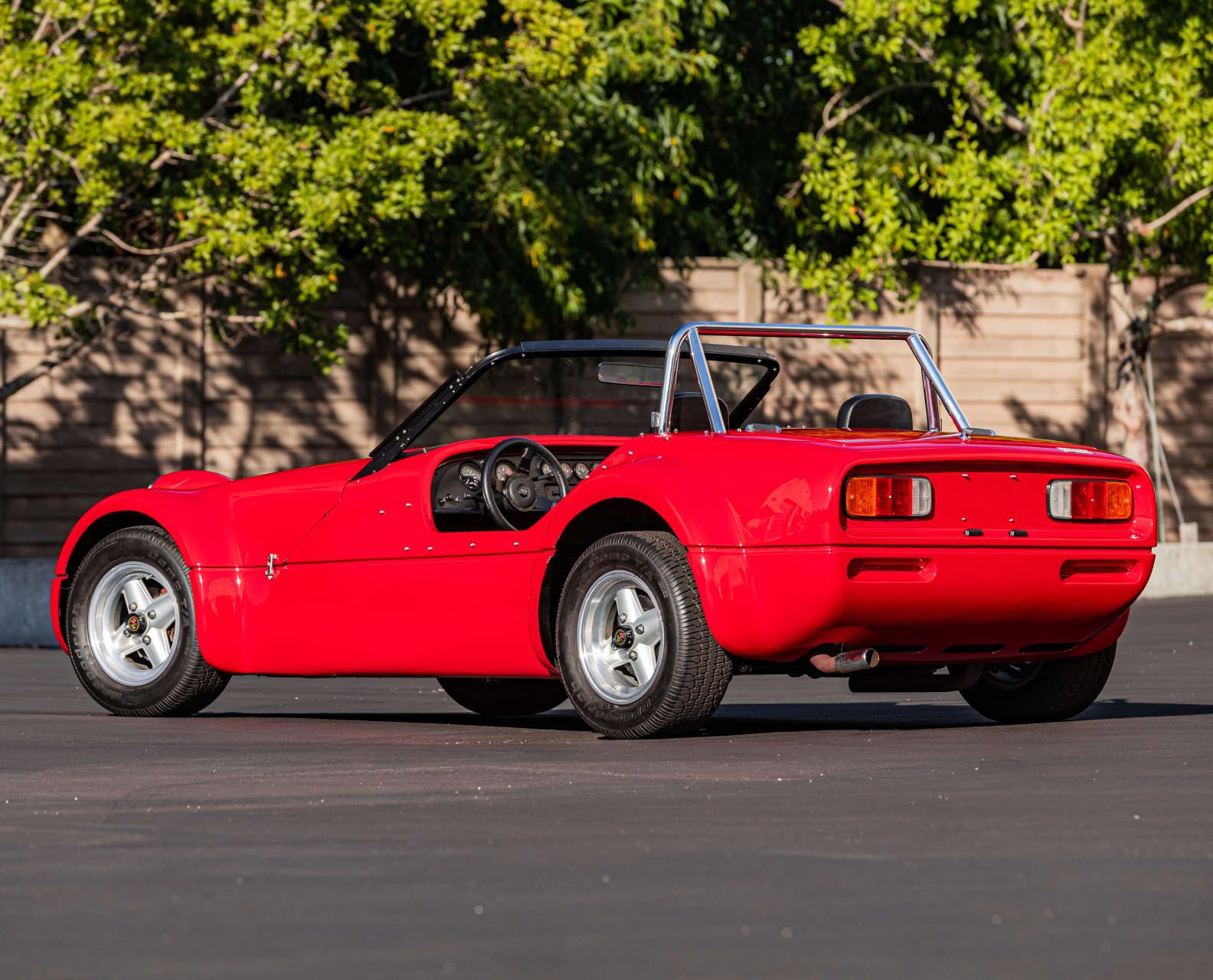
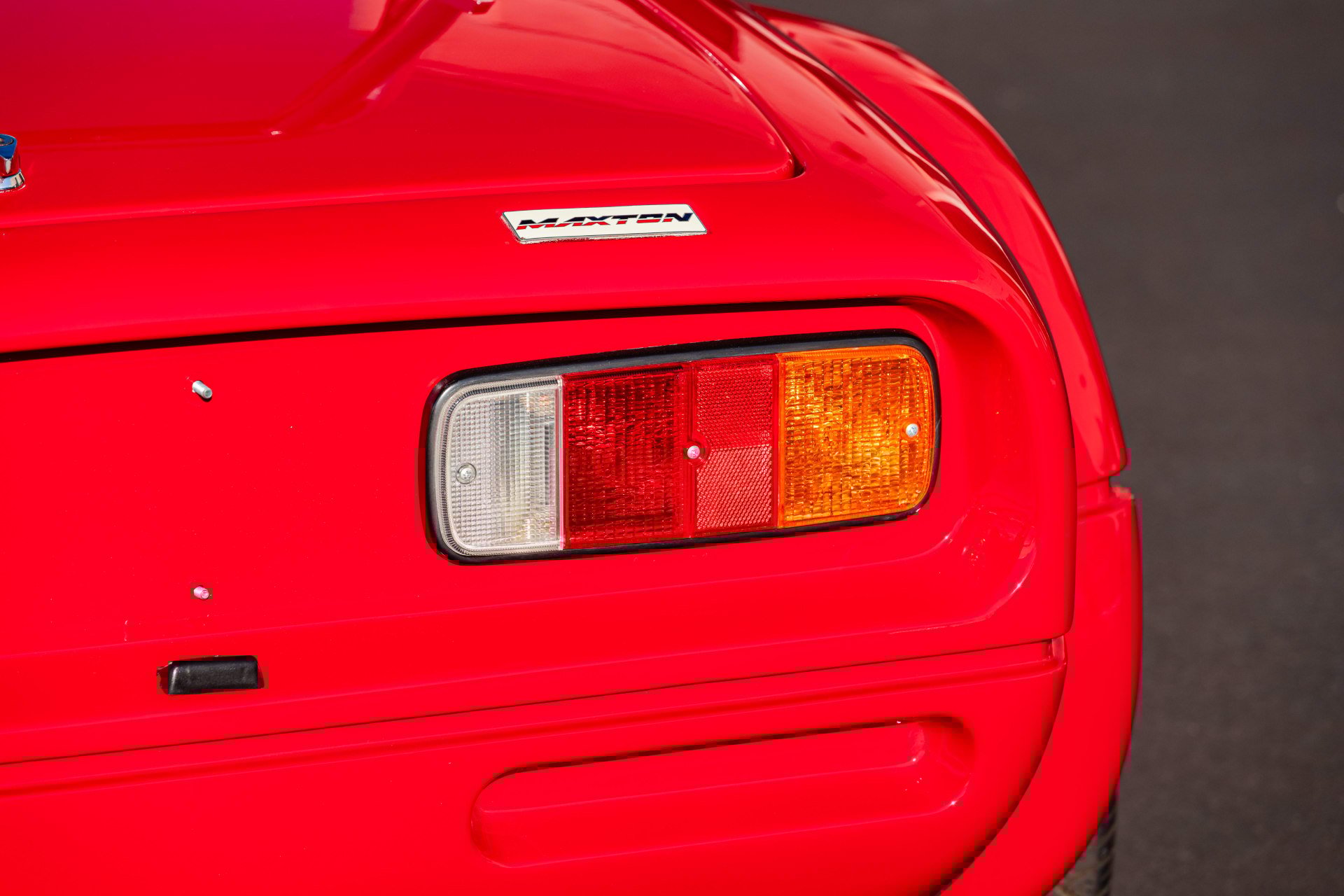
The 1991 Maxton Rollerskate Roadster shown here has just 654 miles on the odometer and it’s finished in a one-off racing-edition specification, in red over a black interior.
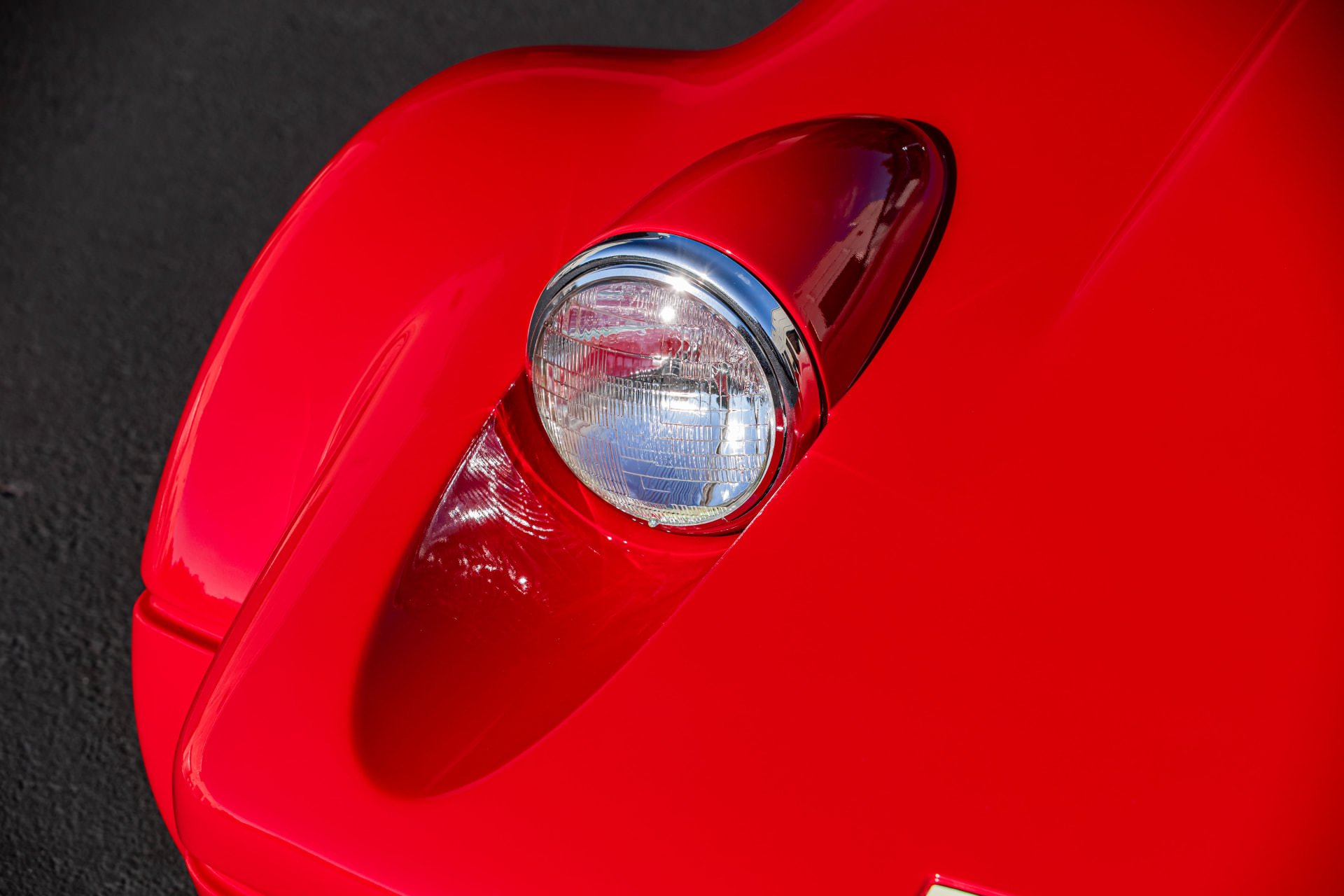
It has a lightweight fiberglass body with a clamshell-opening hood and it received a full, high-quality repaint in 2023. The car remains in immaculate condition and retains its minimalist, period-correct appearance throughout including a chrome roll bar, chrome exhaust heat shield on the passenger side, black tonneau cover, Simpson multi-point harnesses, and 13 inch Revolution four-spoke alloy wheels.
Power is provided by a 1.3 liter Mazda 13B Wankel rotary engine producing a claimed 220 bhp, fed by a Weber 45 DCOE carburetor. This engine sends power back through a Mazda 4-speed manual gearbox and a Mazda axle to the rear wheels. Additional equipment includes rack-and-pinion steering, double-wishbone front suspension, and ventilated front disc brakes.
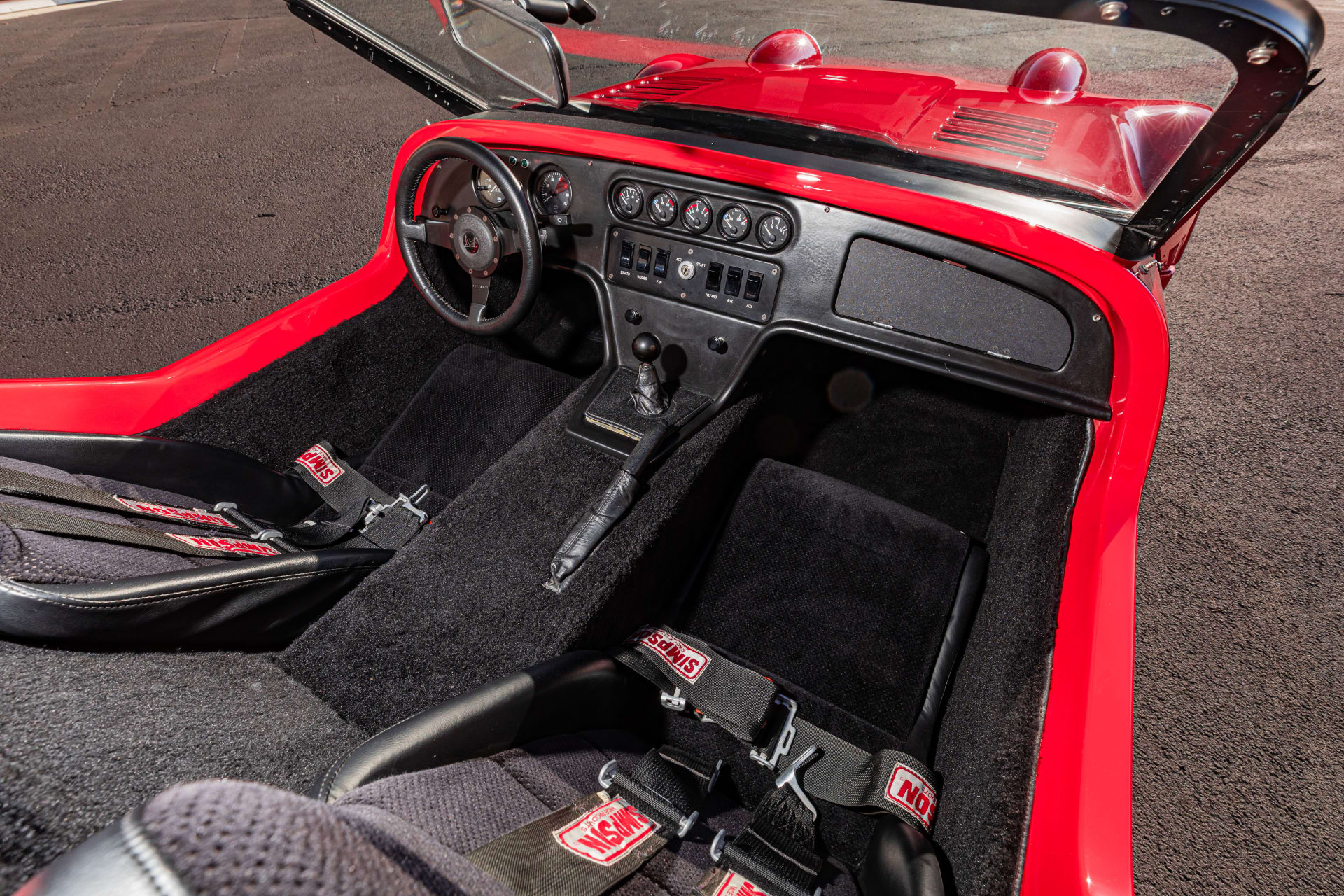
The minimalist cockpit is fitted with a leather-wrapped LeCarra steering wheel with Maxton center cap and VDO instrumentation, including a 120 mph speedometer, 7,000 rpm tachometer, auxiliary gauges, and two seats with multi-point Simpson harnesses.
Recent mechanical work was carried out by Mazcare Inc. of Marietta, Georgia, and included rebuilding the carburetor and hydraulic cylinders, cleaning the fuel tank, replacing the rear brakes, fuel pump, and alternator, and completing a full service and tune-up.
The car is now due to roll across the auction block with Mecum in mid-january with a price guide of $25,000 – $35,000 USD. If you’d like to read more or register to bid you can visit the listing here.
Images courtesy of Mecum

Articles that Ben Branch has written have been covered on CNN, Popular Mechanics, Smithsonian Magazine, Road & Track Magazine, the official Pinterest blog, the official eBay Motors blog, BuzzFeed, Autoweek Magazine, Wired Magazine, Autoblog, Gear Patrol, Jalopnik, The Verge, and many more.
Silodrome was founded by Ben back in 2010, in the years since the site has grown to become a world leader in the alternative and vintage motoring sector, with well over a million monthly readers from around the world and many hundreds of thousands of followers on social media.