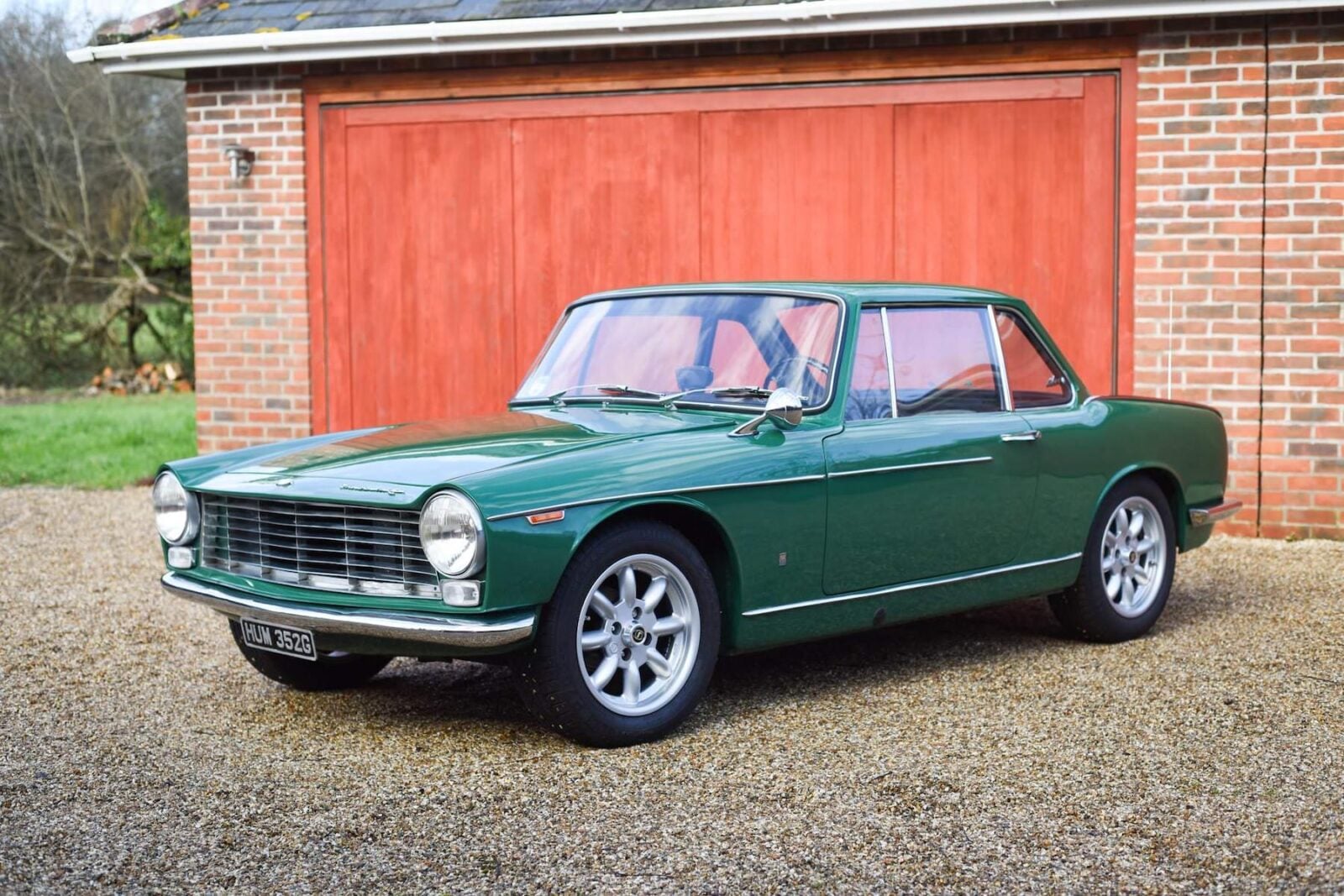
This is a 1969 Innocenti C, it’s a rare and often forgotten 1960s Italian GT car with thoroughly British roots – it was based on the wildly-popular Austin-Healey Sprite platform.
Designed by legendary Italian stylist Sergio Sartorelli, the Innocenti C offered the lightweight sports car driving experience of the Sprite, combined with elegant Italian coachwork and a far more practical interior. Just a few dozen are thought to have survived, and they remain remarkably affordable for what they are.
Fast Facts: The Innocenti C
- The Innocenti C is a little-known Italian coupe built from 1966 to 1968, with just 794 examples made. It combined Austin-Healey Sprite mechanicals with a Sergio Sartorelli-designed body, giving buyers British simplicity, Italian styling, and a more refined, practical cabin than the open-top Sprite.
- Innocenti itself had deep industrial roots, beginning with Ferdinando Innocenti’s steel tubing business before shifting into scooters and then BMC-based cars. The C followed earlier Innocenti sports cars including the 950 Spider and S, and arrived after the more ambitious Ferrari-linked 186 GT project was abandoned.
- Underneath, the C remained closely tied to the Sprite, using the 1,098cc BMC A-Series four-cylinder, twin SU carburettors, a 4-speed manual gearbox, and simple live-axle rear suspension. Its appeal came from mixing familiar, easily maintainable British running gear with a rarer and more upscale Italian GT-styling.
- The car shown here is a green 1969-registered example, consistent with later sales of cars built before production ended in 1968. Imported to the UK in 2006 and owned by its current owner since 2014, it retains original details, paperwork, and its original-spec drivetrain – making it an unusually complete survivor.
History Speedrun: The Innocenti C
The Innocenti C is perhaps one of the least-remembered of the affordable Italian GT sports cars of the 1960s. It was first introduced in September of 1966 and built through to mid-1968, with a total production of just 794 examples. The C was based on the proven mechanicals of the beloved Austin-Healey Sprite, but with a beautiful new coupe body designed by Sergio Sartorelli at OSI.
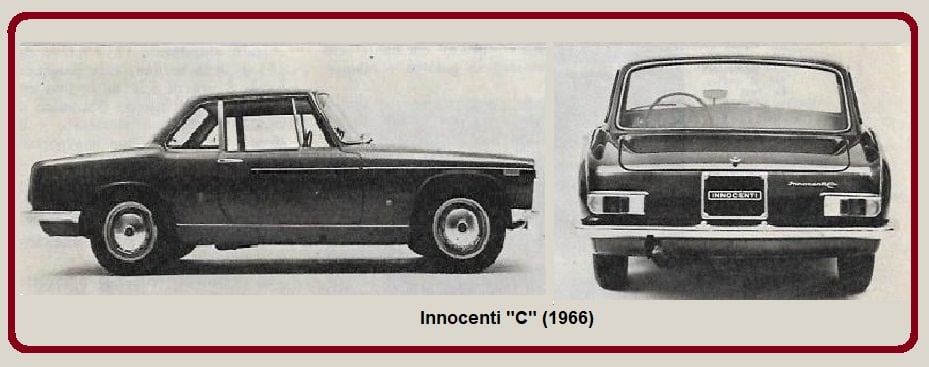
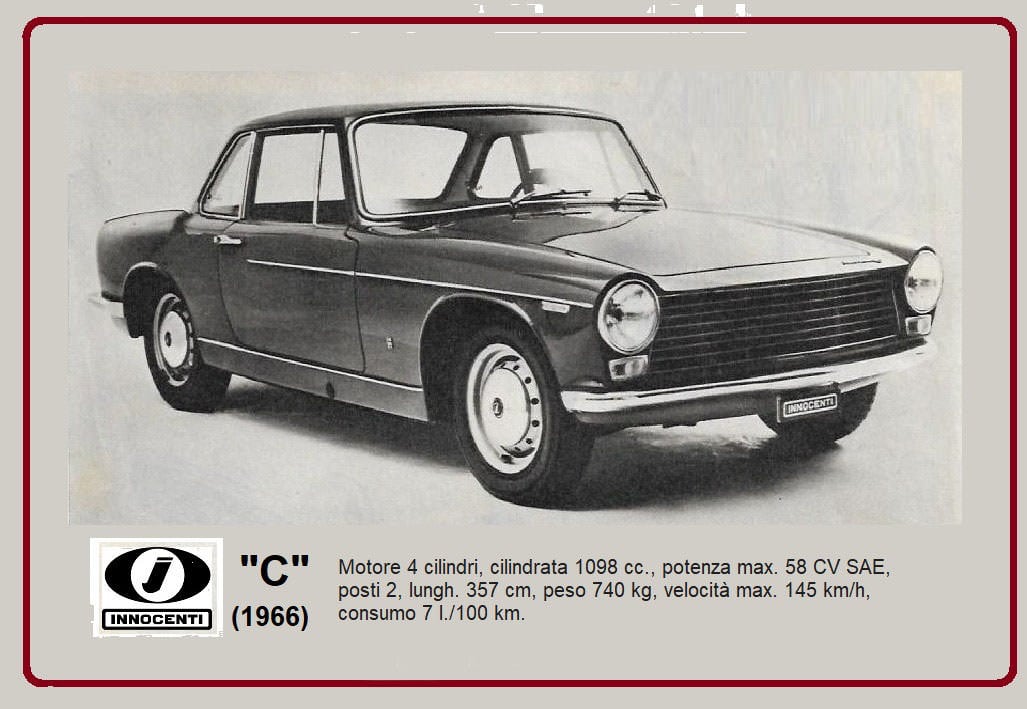
 The Innocenti C is perhaps one of the least-remembered of the affordable Italian sports cars of the 1960s. It was first introduced in September of 1966 and built through to mid-1968, with a total production of just 794 examples. Image courtesy of Innocenti.
Ferdinando Innocenti
Innocenti was founded by Ferdinando Innocenti in Rome, he was a Tuscan entrepreneur who had been working with steel tubing since the early 1920s. In 1933 he built a factory in the Lambrate district of Milan to manufacture patented steel tube scaffolding systems, and the company (then trading as Fratelli Innocenti) grew rapidly thanks to prewar construction contracts, including work at the Vatican and Castel Gandolfo.
The Lambrate factory was largely destroyed by Allied bombing during WWII, but Innocenti rebuilt and pivoted to two-wheeled transportation, launching the Lambretta scooter in 1947. The Lambretta became one of the defining vehicles of Italy’s post-WWII recovery period, and was eventually manufactured under license in Spain, India, Argentina, Germany, France, and Brazil.
By the early 1960s, rising European prosperity was creating demand for small, affordable automobiles – people now had money to upgrade from the Vespas and Lambrettas of the decade before. Innocenti struck a licensing agreement with the British Motor Corporation (BMC) and began assembling the Austin A40, followed by the Innocenti Mini and the IM3 (which was based on the BMC ADO16, also known as the Austin 1100).
Alongside this license-built range, Innocenti also developed its own sports car, the Innocenti 950 Spider, which was an Austin-Healey Sprite rebodied with Italian coachwork designed by Tom Tjaarda at Carrozzeria Ghia and manufactured by OSI (Officine Stampaggi Industriali), Ghia’s production spin-off in Turin.
As I’m sure you’ll remember, Tjaarda was a legendary American car designer of the time who would go on to design dozens of cars in-period, perhaps most famous of which was the De Tomaso Pantera.
The Spider Makes Its Debut
The Innocenti 950 Spider made its debut at the Turin Motor Show in November of 1960, and entered series production in early 1961. This was a more refined (and more luxurious) car than the Sprite it was based on, with wind-up windows, Marelli electrics replacing the sometimes troublesome Lucas parts, a lockable glovebox, and wraparound chrome bumpers.
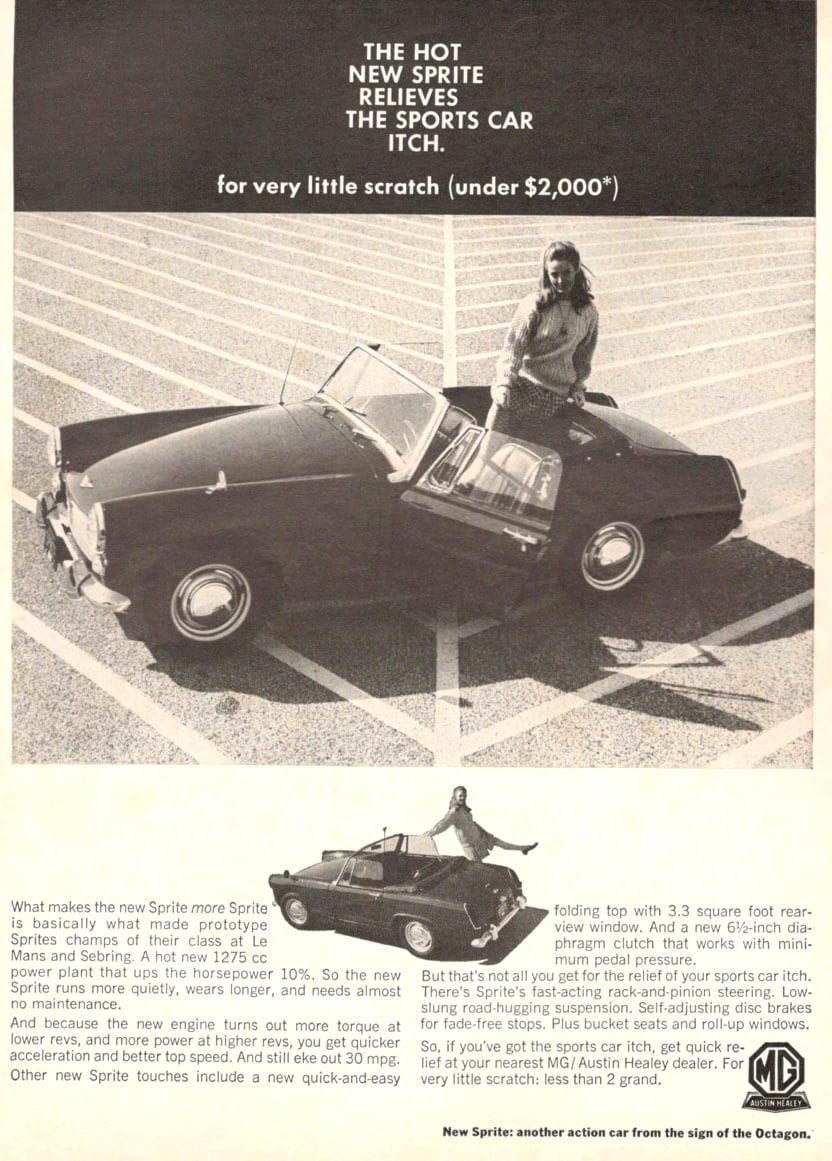
Designed by legendary Italian stylist Sergio Sartorelli, the Innocenti C offered the lightweight sports car driving experience of the Sprite, combined with elegant Italian coachwork and a far more practical interior. Just a few dozen are thought to have survived, and they remain remarkably affordable for what they are. Image courtesy of MG.
Production peaked at 13 cars a day in 1962 and a total of 4,790 examples of the 948cc 950 Spider were built before the model was replaced in February of 1963 by the Innocenti S, which received the 1,098cc A-Series engine, front disc brakes, and improved rear suspension. Just over 2,000 S Spiders followed, bringing total Spider production to approximately 6,864 in total.
Innocenti’s sports car ambitions initially ran much higher than a rebodied Sprite. In 1963, Ferdinando Innocenti (then 72 years old) approached Enzo Ferrari about jointly developing a small GT powered by a Ferrari V6. Two prototypes of the resulting Innocenti 186 GT were built, powered by a 1,788cc 60º V6 (essentially half of a Ferrari V12) designed by Franco Rocchi at Maranello and a Giorgetto Giugiaro-designed body built by Bertone.
The project was killed in 1964, essentially ready for production, undone by an inadequate dealer network and the Italian recession of 1964 to 1965. The C, in a sense, was the pragmatic alternative to this exotic GT that became a historic “what if.” It seems possible that this project may have helped inspire the V6-powered Ferrari and Fiat Dinos that would follow just three years later in 1967.
The Development Of The Innocenti C
By the mid-1960s, Spider sales were in steep decline, with just 63 cars built in 1965. The car struggled against the cheaper Sprite in export markets, and newer competitors were entering the competitive segment in ever higher numbers. Development of a replacement coupe ran from March of 1965 to September of 1966, when the new car was presented and went on sale.
The coupe body of the new C was designed by Sergio Sartorelli, the engineer and designer already known for the Volkswagen Karmann Ghia Type 34 and the Fiat 2300 S, working at OSI, which also manufactured the bodies. Sartorelli used Tjaarda’s earlier Spider as the starting point but substantially reworked the design into a fixed-head coupe with entirely new bodywork.
The wheelbase was extended by 150mm to 2,180mm, the body was both wider and longer than the Spider’s, and the floorpan was reworked to mount the seats lower in the chassis. The doors were also four inches larger than the Sprite’s, improving entry and exit.
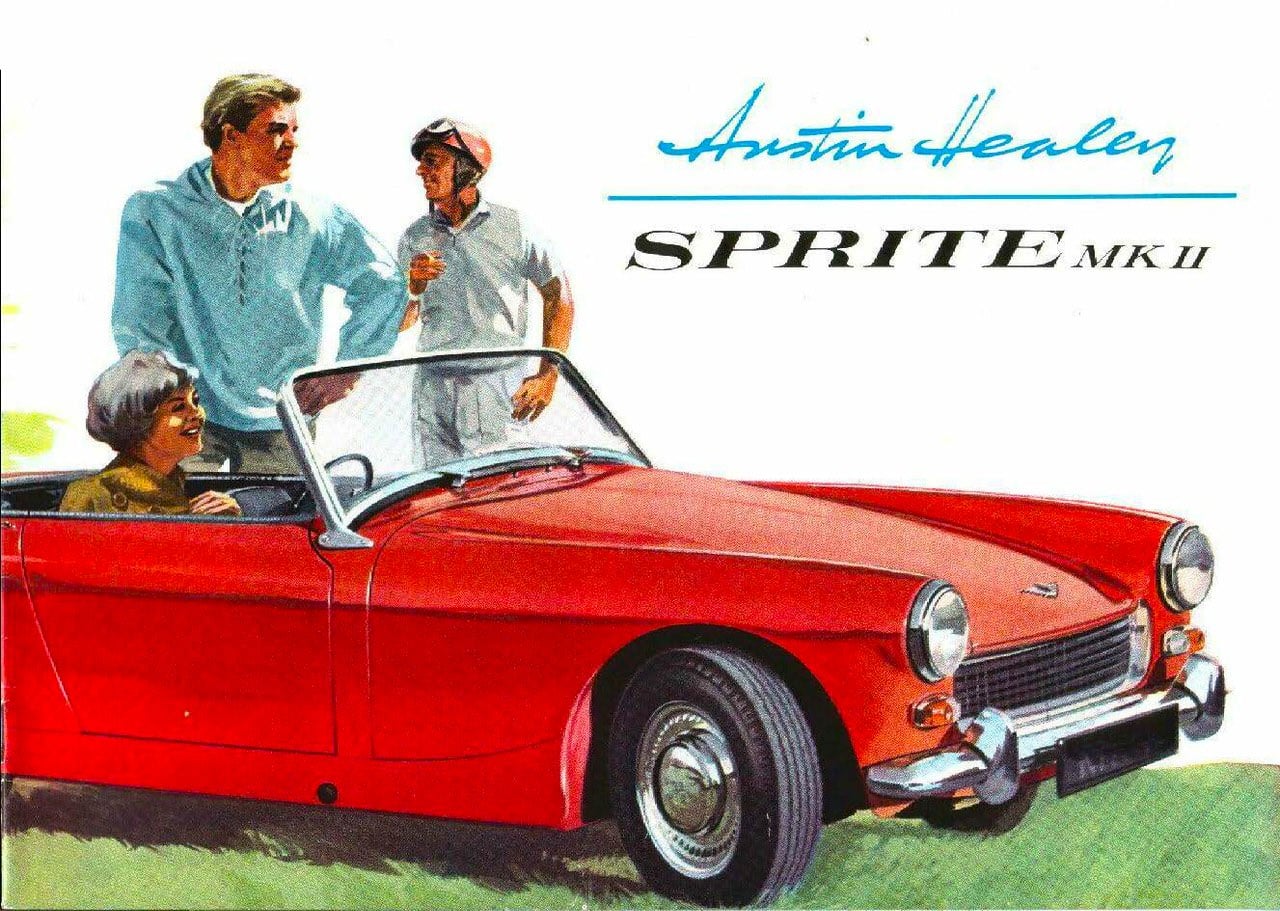
The Austin-Healey Sprite was one of the most affordable and accessible sports cars of its day, and it sold in huge numbers both at home and abroad. Image courtesy of Austin-Healey.
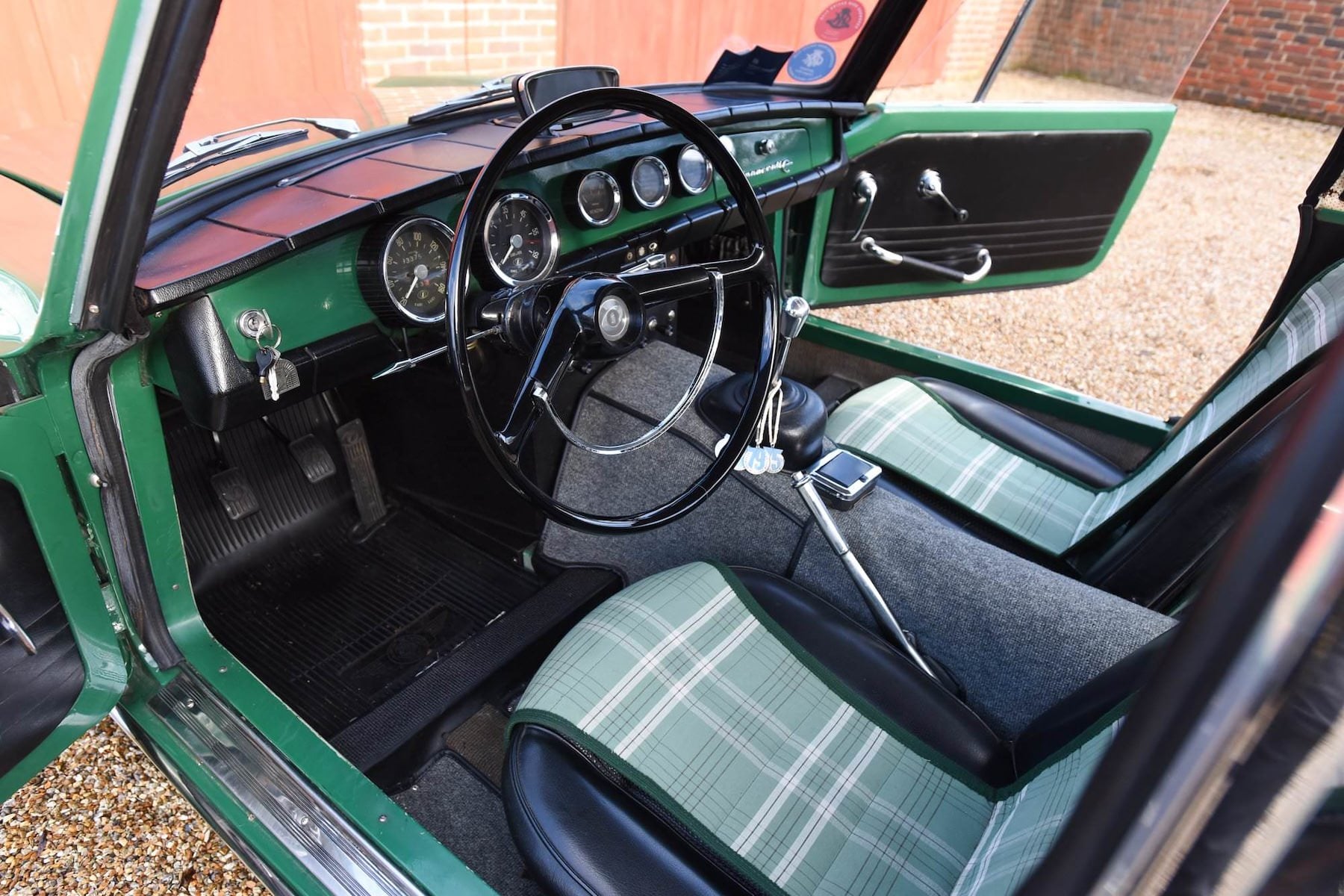
Inside, the C punched above its weight. The dashboard was fitted with five Veglia gauges, the oil pressure gauge reportedly the same unit used in the Ferrari 250 GTE, and the cabin was trimmed to a standard that made the car feel more like a small Italian GT than the affordable, pint-sized British sports car it was based on. The car was initially offered in green, red, and white, Italy’s tricolore, with Giallo Positano yellow added as an option later.
Innocenti C: Specifications
Under the skin, the C was mechanically a Sprite. The engine was BMC’s A-Series 1,098cc inline-four, producing 58 bhp through twin SU carburettors. Power went through a 4-speed manual gearbox to a live rear axle. The front suspension used coil springs and wishbones, while the rear ran a live axle on quarter-elliptic leaf springs. Curb weight was reported as 695 kgs (1,532 lbs), and all examples were left-hand drive with metric instrumentation – the C was never officially exported to the United States.
Notably, despite the contemporary Sprite and MG Midget having moved to the 1,275cc A-Series engine during this period, the larger unit was never fitted to the Innocenti C. The car kept the 1,098cc engine through its whole production run.
A total of 794 coupes were built across two chassis variants – 487 on the Austin-Healey Sprite Mk II platform, and 307 on the later Sprite Mk III. Although production ended in mid-1968, the final cars were not sold until 1970. The C was priced competitively in Italy, slotting between the Fiat 850 Coupe and the larger Fiat 124 Sport Spider.
The car’s low production numbers came down to several converging problems – the Spridget platform was aging, the market was shifting toward newer designs, and OSI itself was in terminal decline, the coachbuilder laid off 2,000 workers in 1966, halted all car production by December of 1967, and closed its automotive operations entirely in early 1968.
The Innocenti C was a car that combined British engineering pragmatism and simplicity with Italian styling ambition, arriving just a little too late and in too small a quantity to make a major commercial impact. For collectors, the combination of rarity, attractive Sartorelli styling, and easy Spridget-based maintenance and spare parts makes it an appealing and still relatively affordable classic.
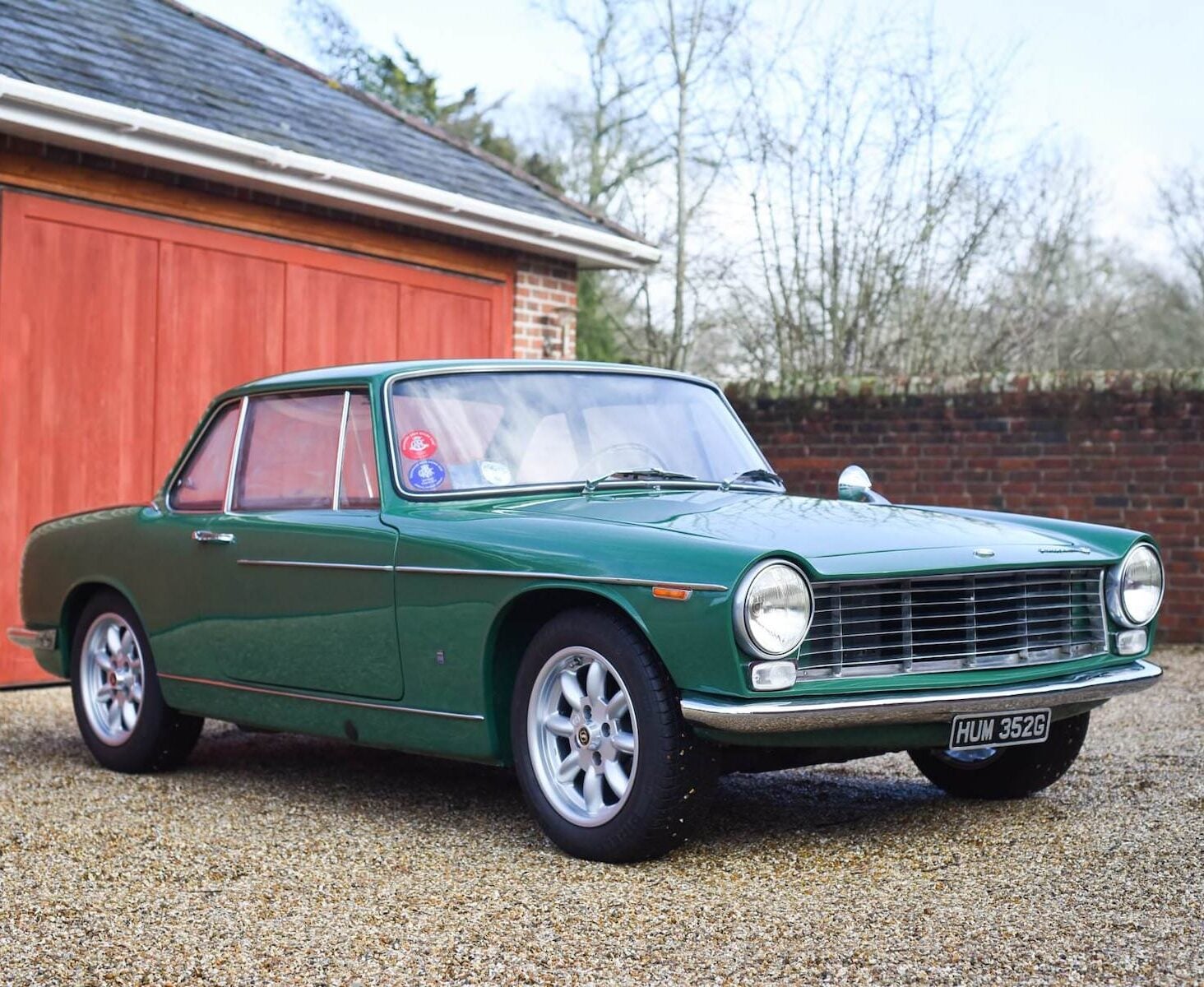
This is a 1969 Innocenti C, it’s a rare and often forgotten 1960s Italian GT car with thoroughly British roots – it was based on the wildly-popular Austin-Healey Sprite platform.
The 1969 Innocenti C Shown Here
This is a 1969-registered Innocenti C finished in green, one of the original tricolore colors offered from the factory.
This car is believed to be one of no more than 794 examples built, and although production of the C ended in mid-1968, unsold cars continued to be registered and delivered into 1969 and as late as 1970, which is consistent with this example’s first registration date of the 2nd of May 1969.
It arrived in the UK in 2006 and has been with its current enthusiast owner since February of 2014. The car keeps its original Italian black plate registration numbers and is accompanied by Italian registration documents, ACI certification and provenance paperwork, factory handbooks, magazine features, a V5C, and the five-digit odometer shows 93,375 kms.
The body is described as being in extremely good condition, with well-kept chrome trim, straight and flush-fitting body panels, and it rides on period-correct 14-inch Minilite-style alloy wheels shod with matching Pirelli tires. Interestingly, an Italian BMC dealer sticker remains in the rear window.
The interior is said to be at a high standard, with distinctive green checked seats with black vinyl trim, Veglia instrumentation in good original condition overall (though there is a crack to the top speedo shroud) it has rubber floor mats, a gray carpeted transmission tunnel, and a classic radio. A two-spoke black Bakelite steering wheel with Innocenti boss is fitted, with a wood-rimmed Nardi wheel also included with the sale.
Mechanically, the car runs its original-specification 1,098cc BMC A-Series inline-four paired with a 4-speed manual gearbox, both shared with the Austin-Healey Sprite of course.
Mechanically, the car runs its original-specification 1,098cc BMC A-Series inline-four paired with a 4-speed manual gearbox, both shared with the Austin-Healey Sprite of course. The car is said to have seen very little use in recent years, with MOT records confirming minimal mileage, and the last MOT was conducted in 2018.
The car is now being offered for sale out of Hampshire in the United Kingdom and you can visit the listing here if you’d like to read more about it or register to bid.
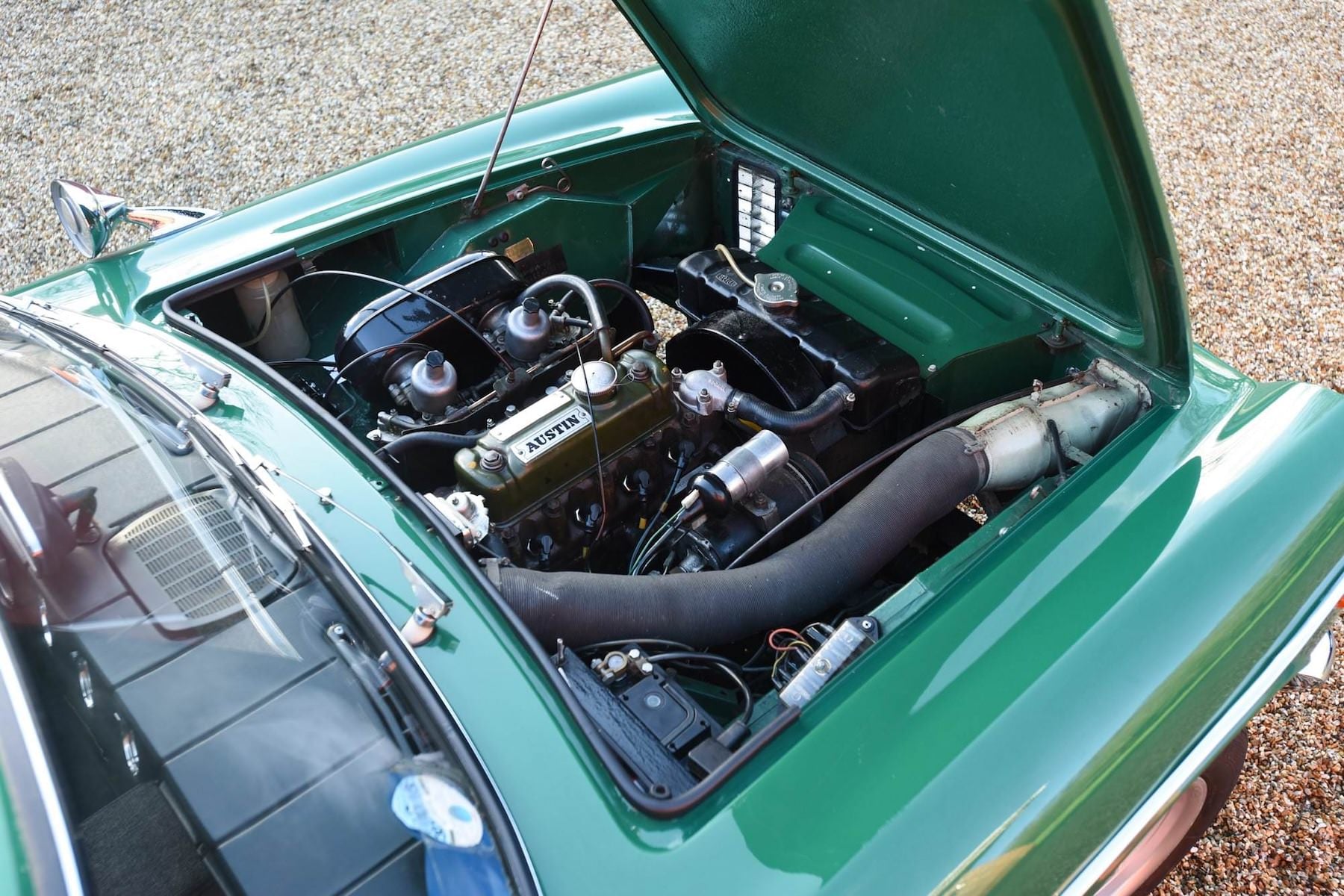
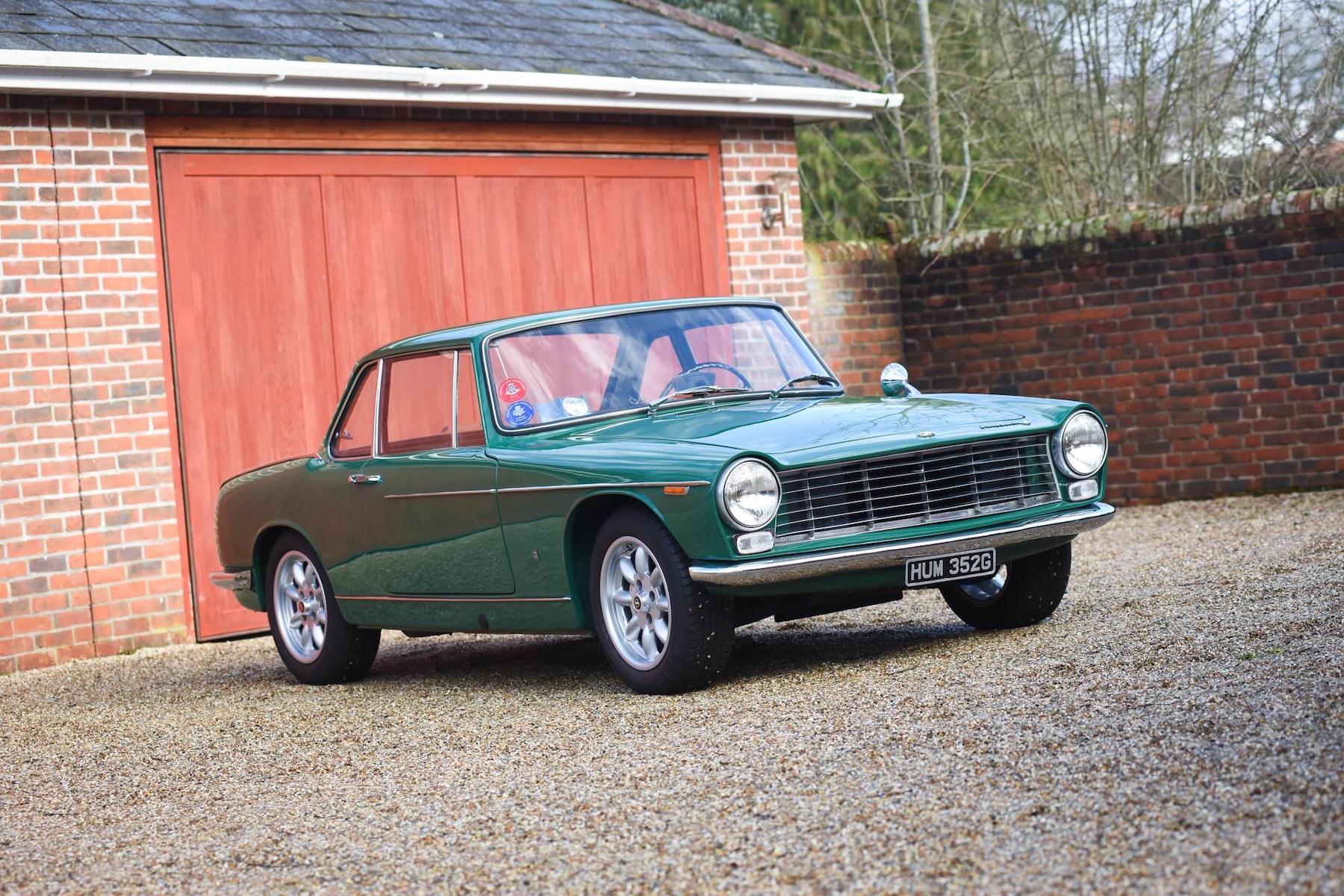
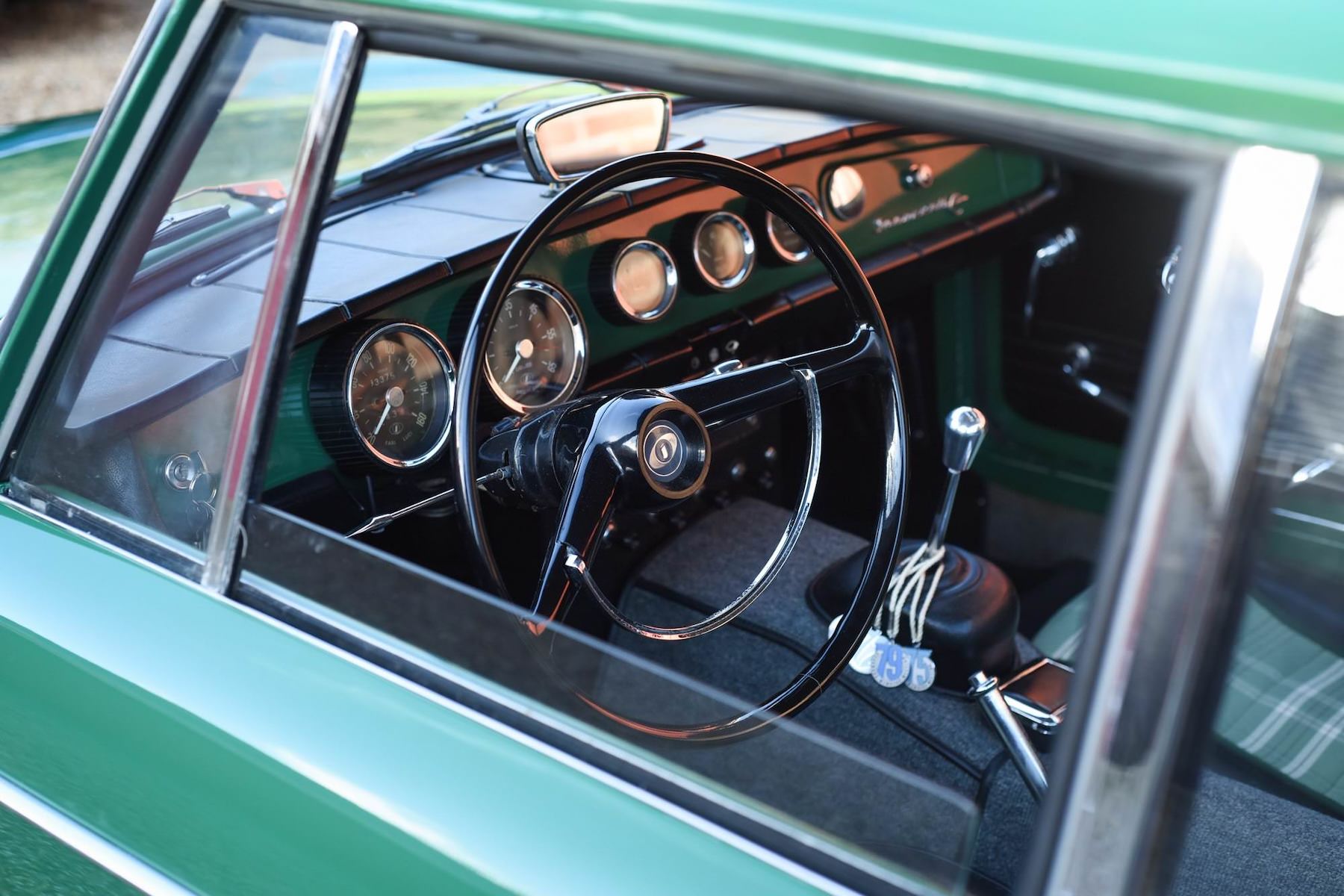
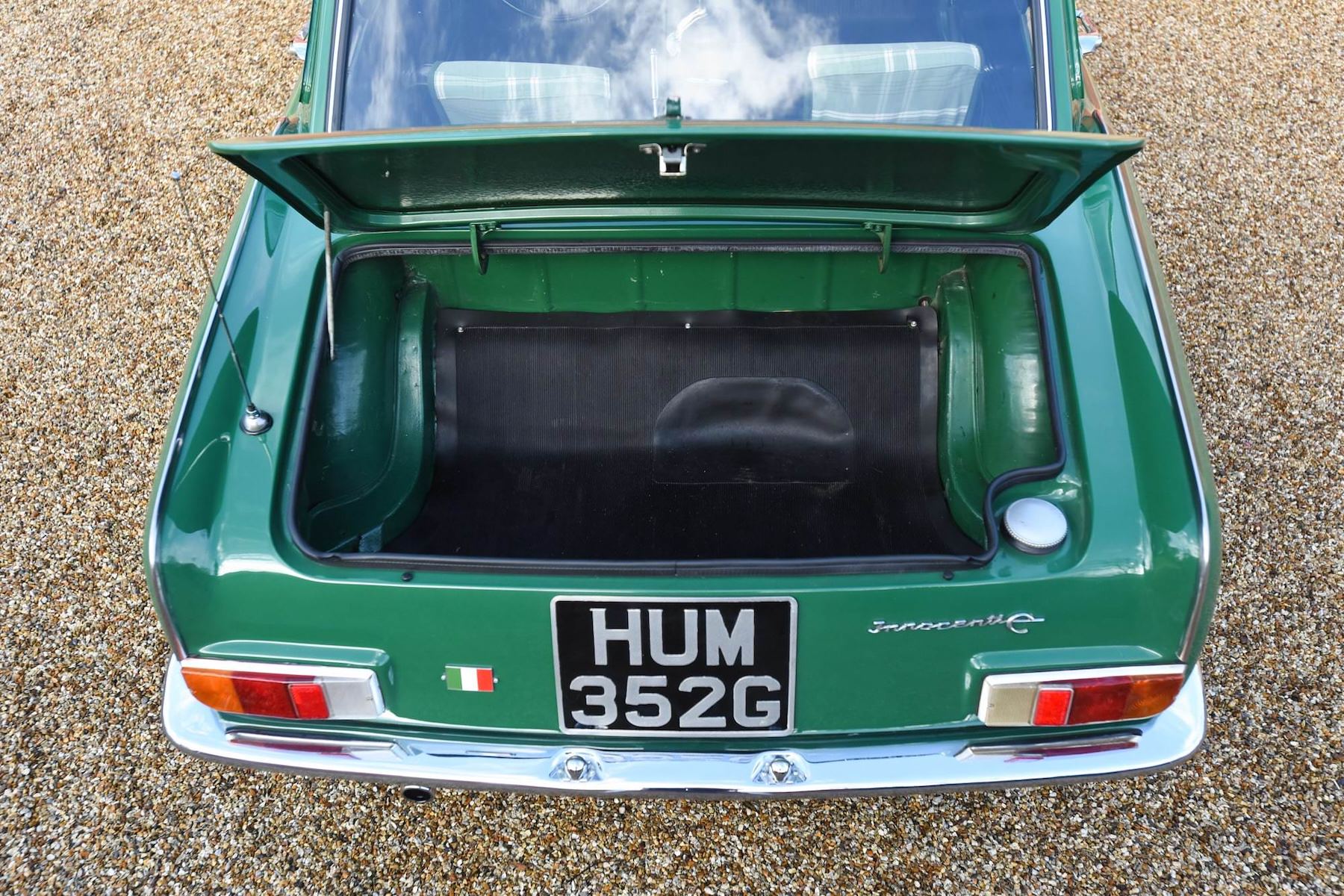
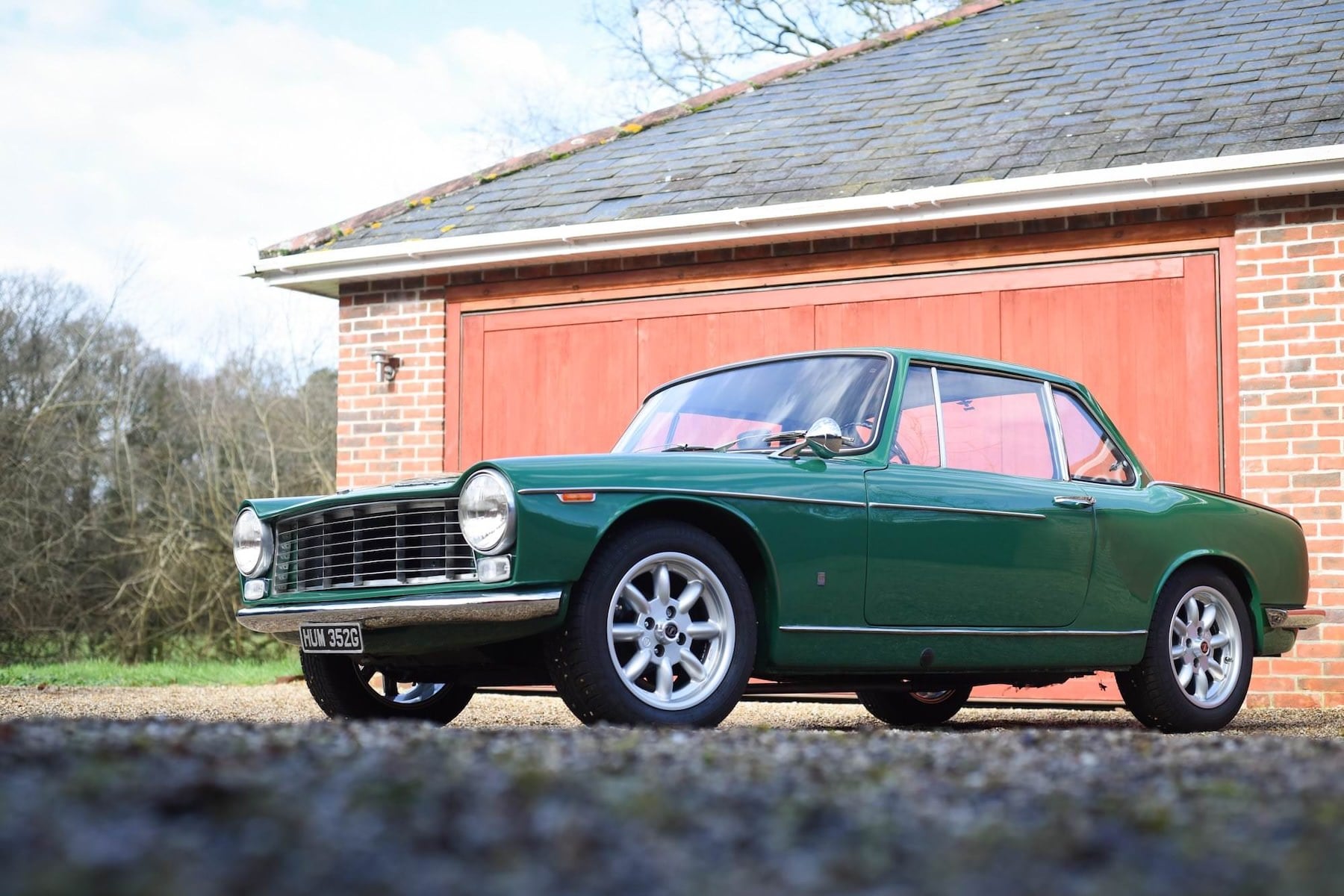
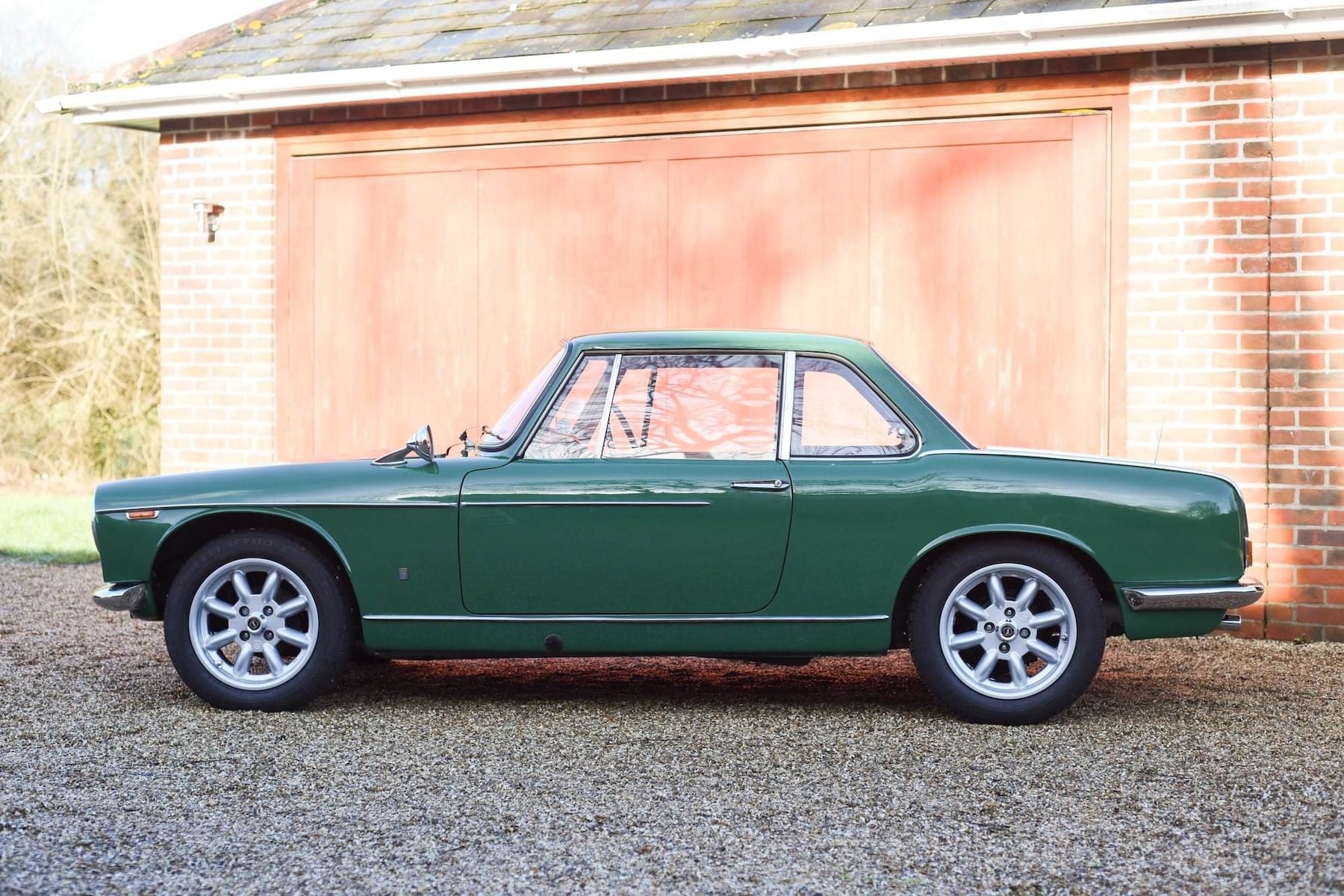
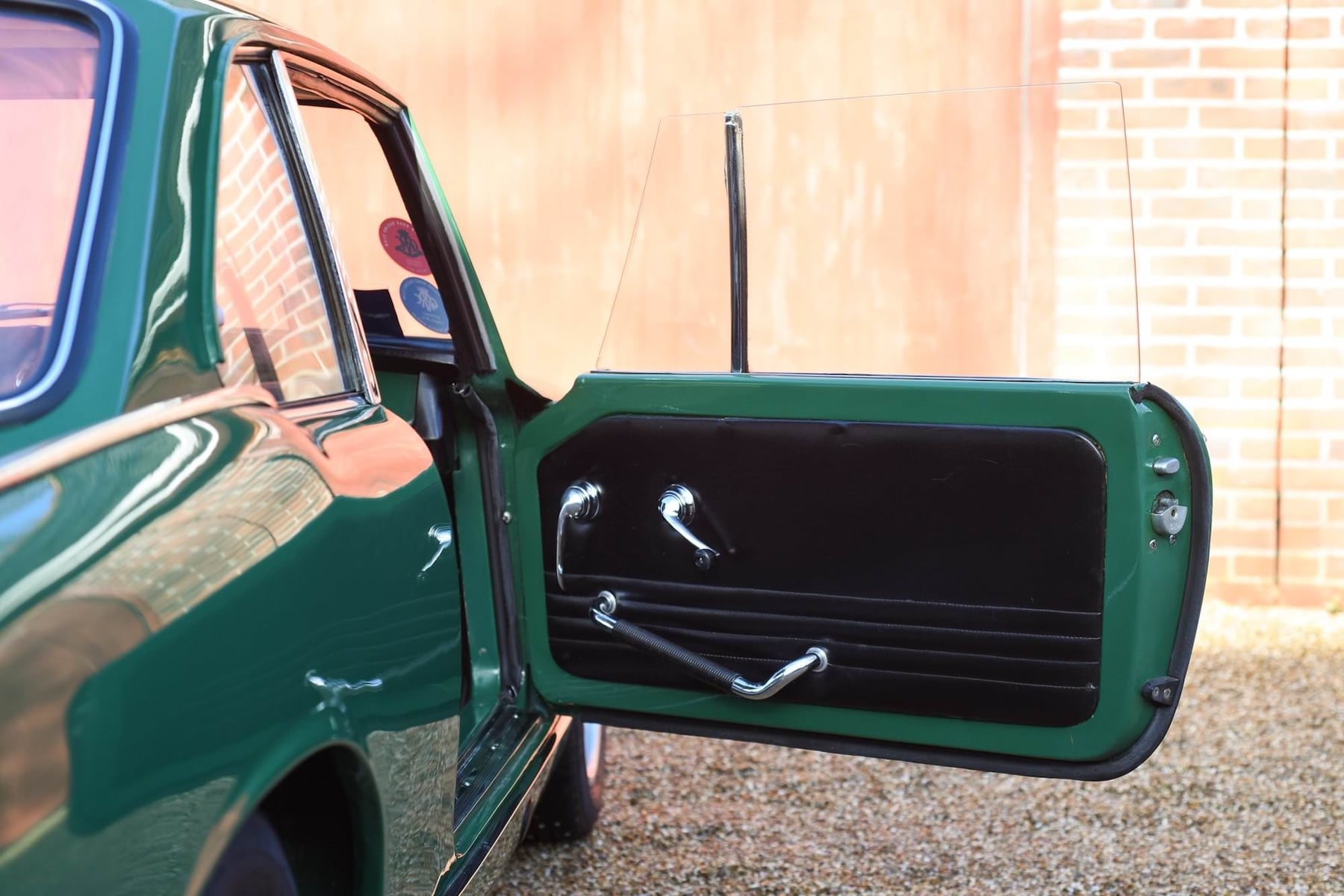
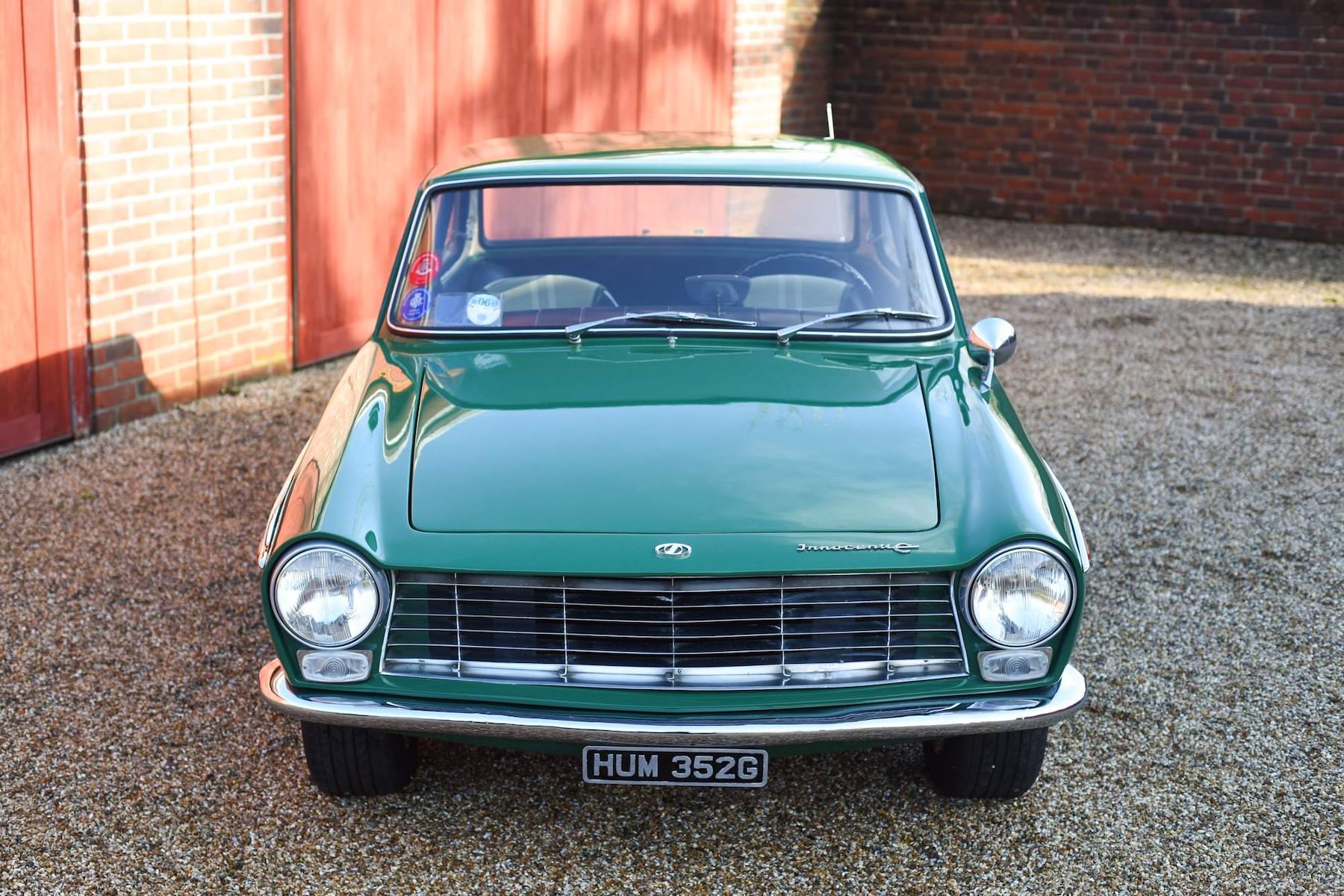
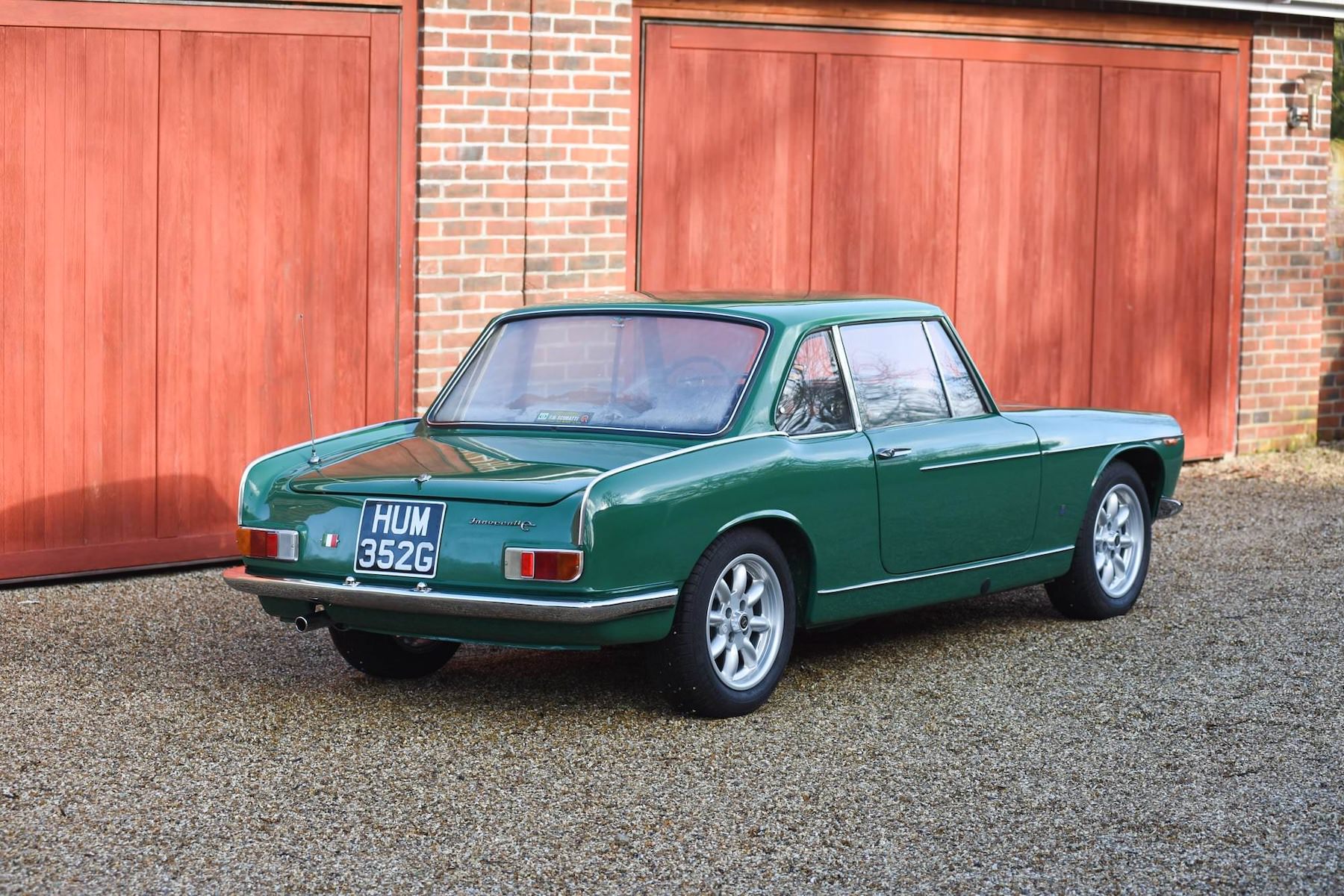
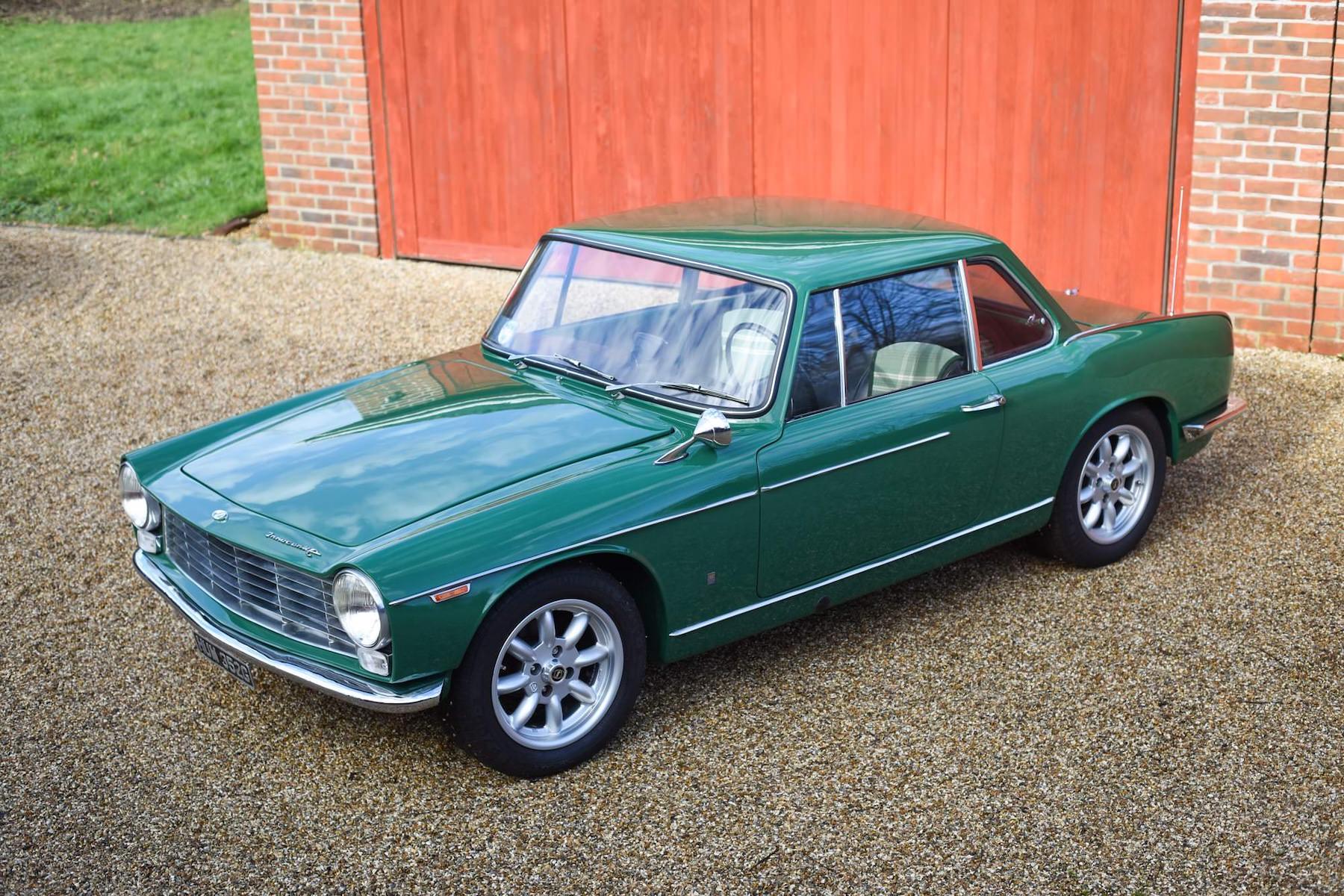
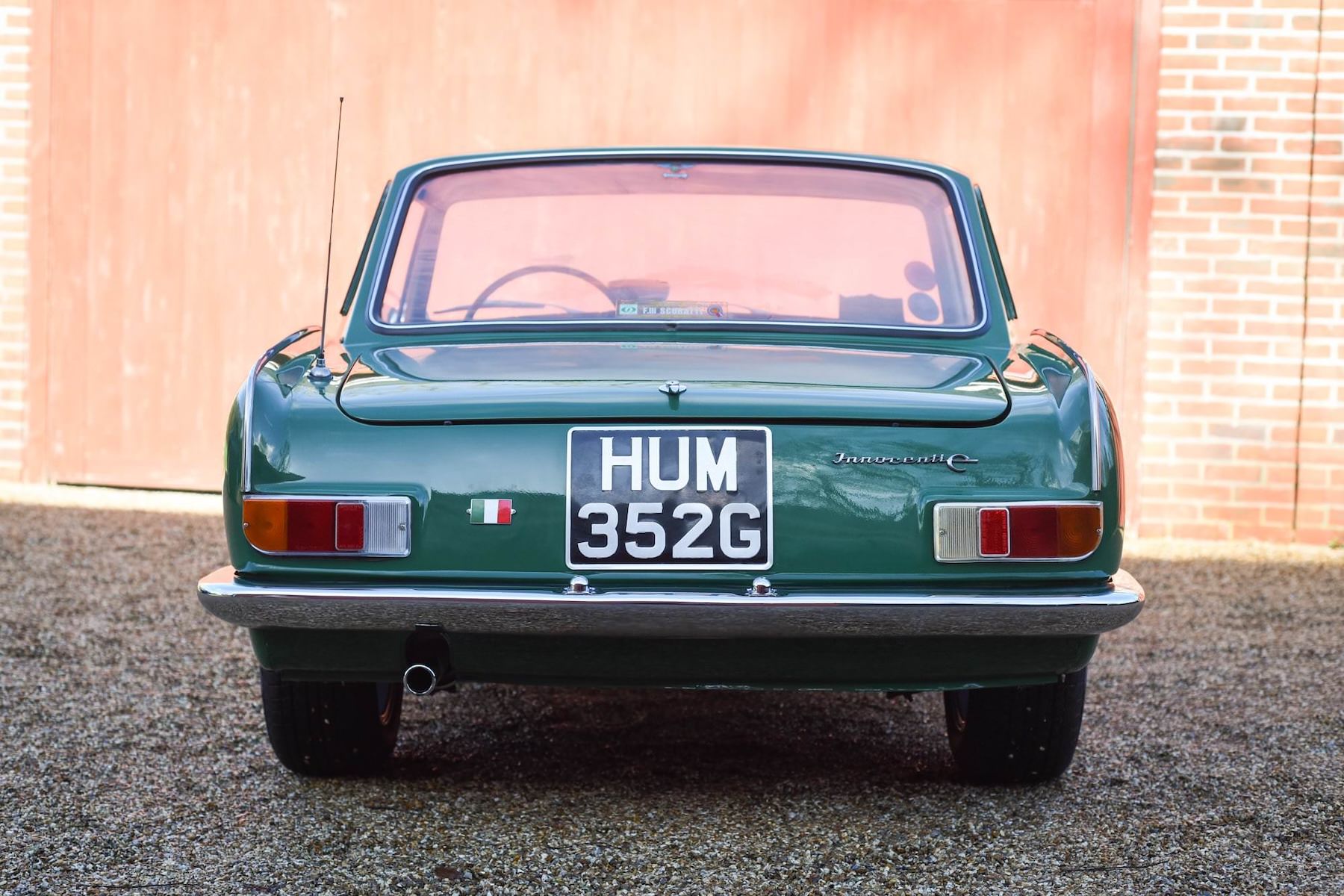
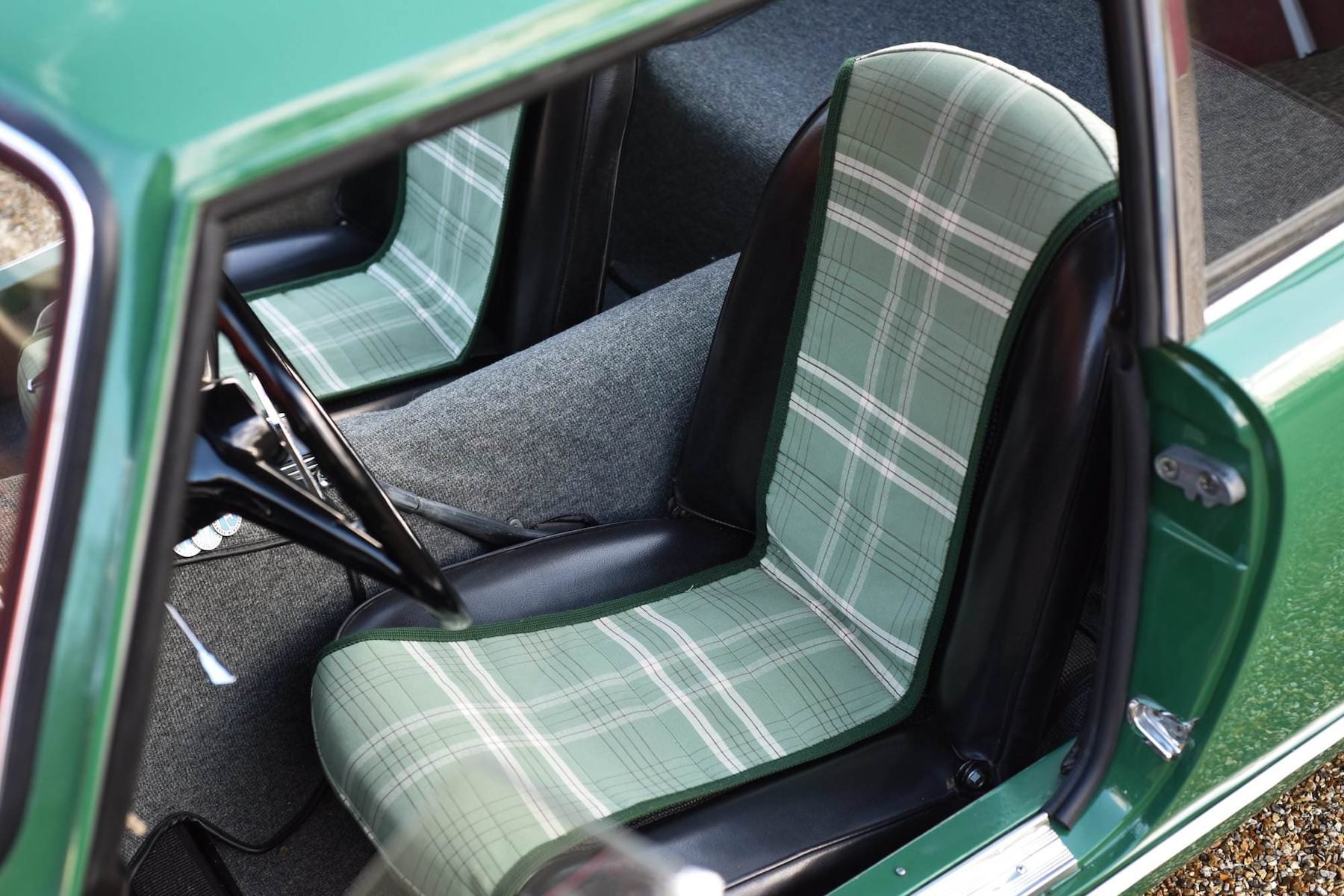
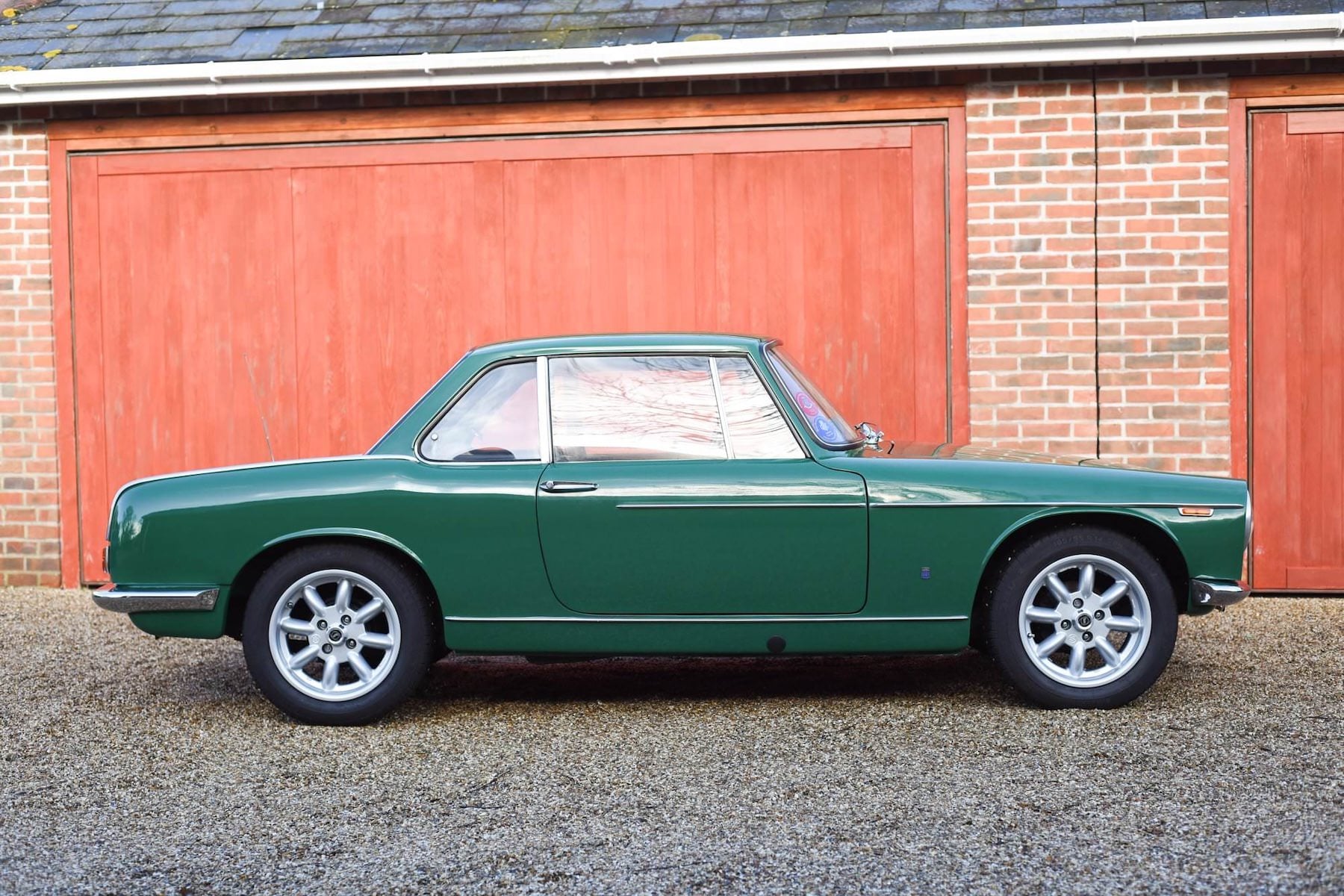
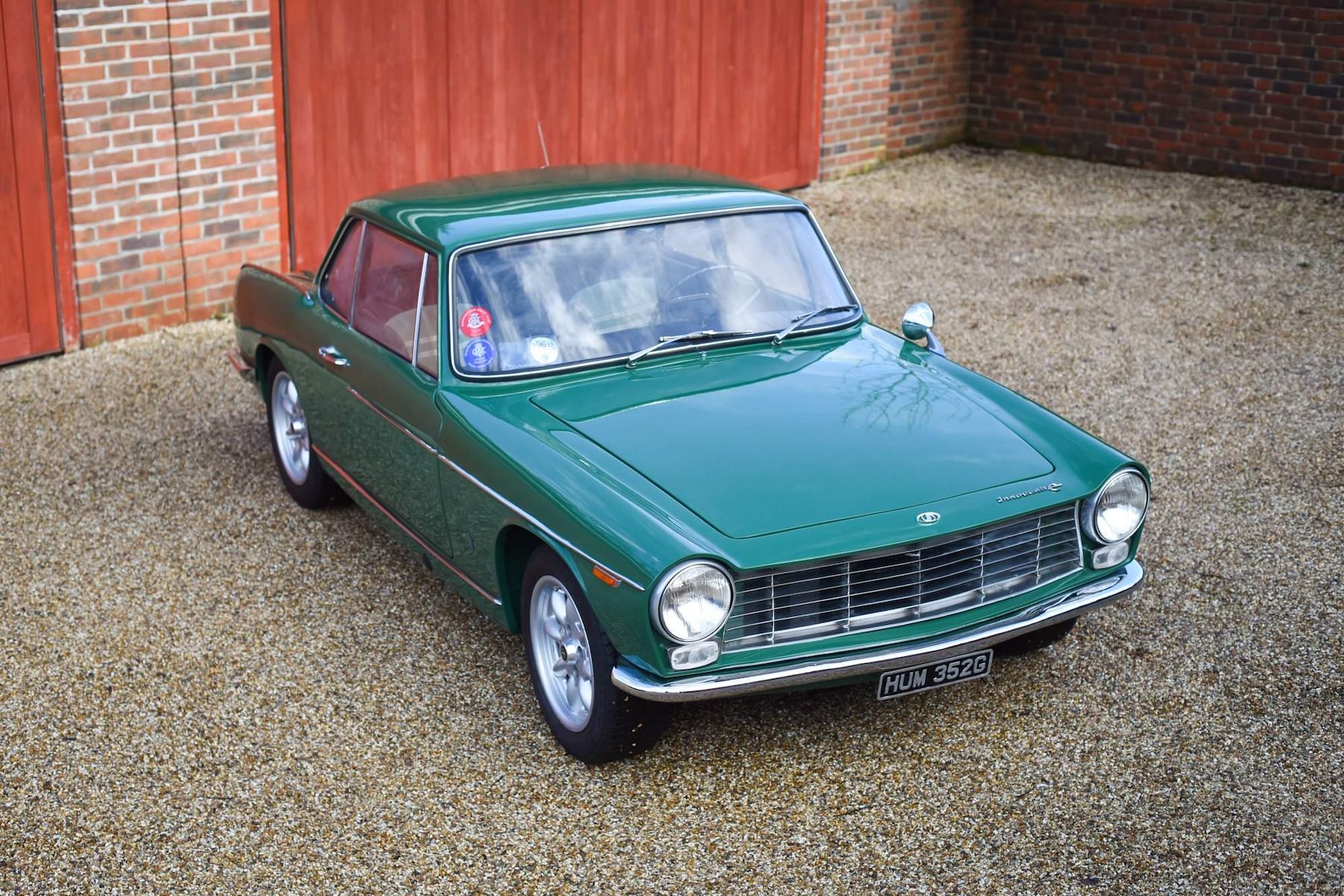
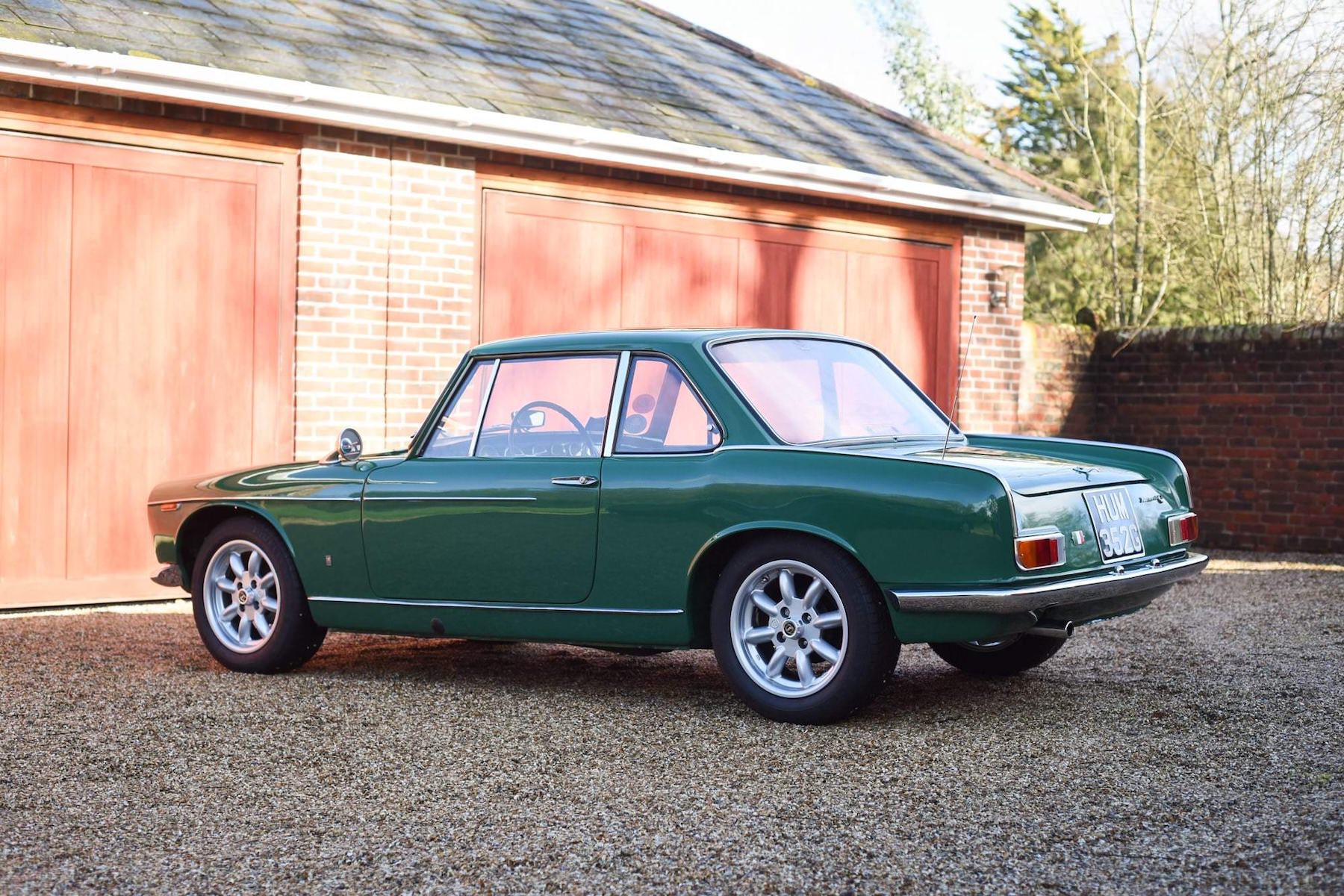
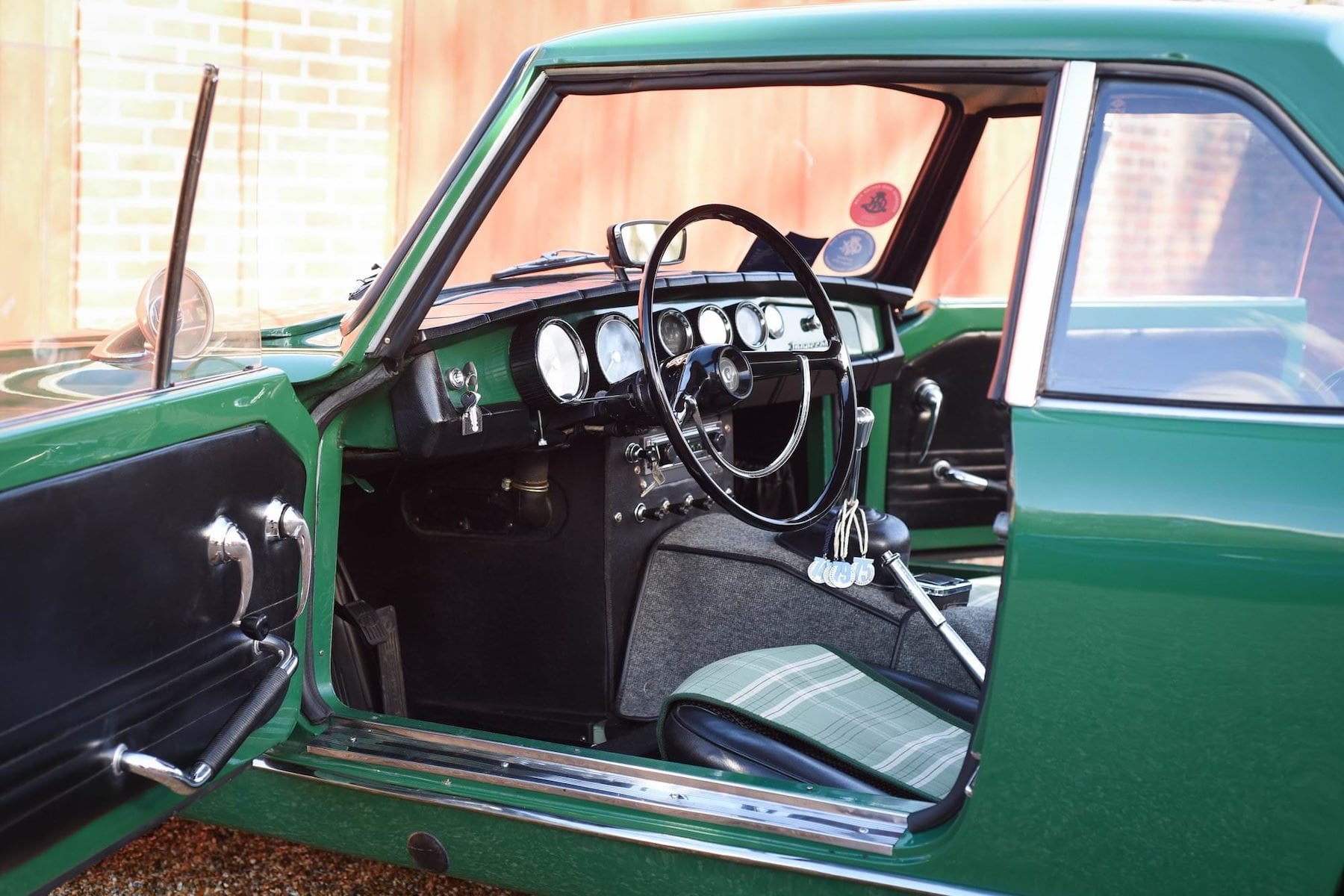
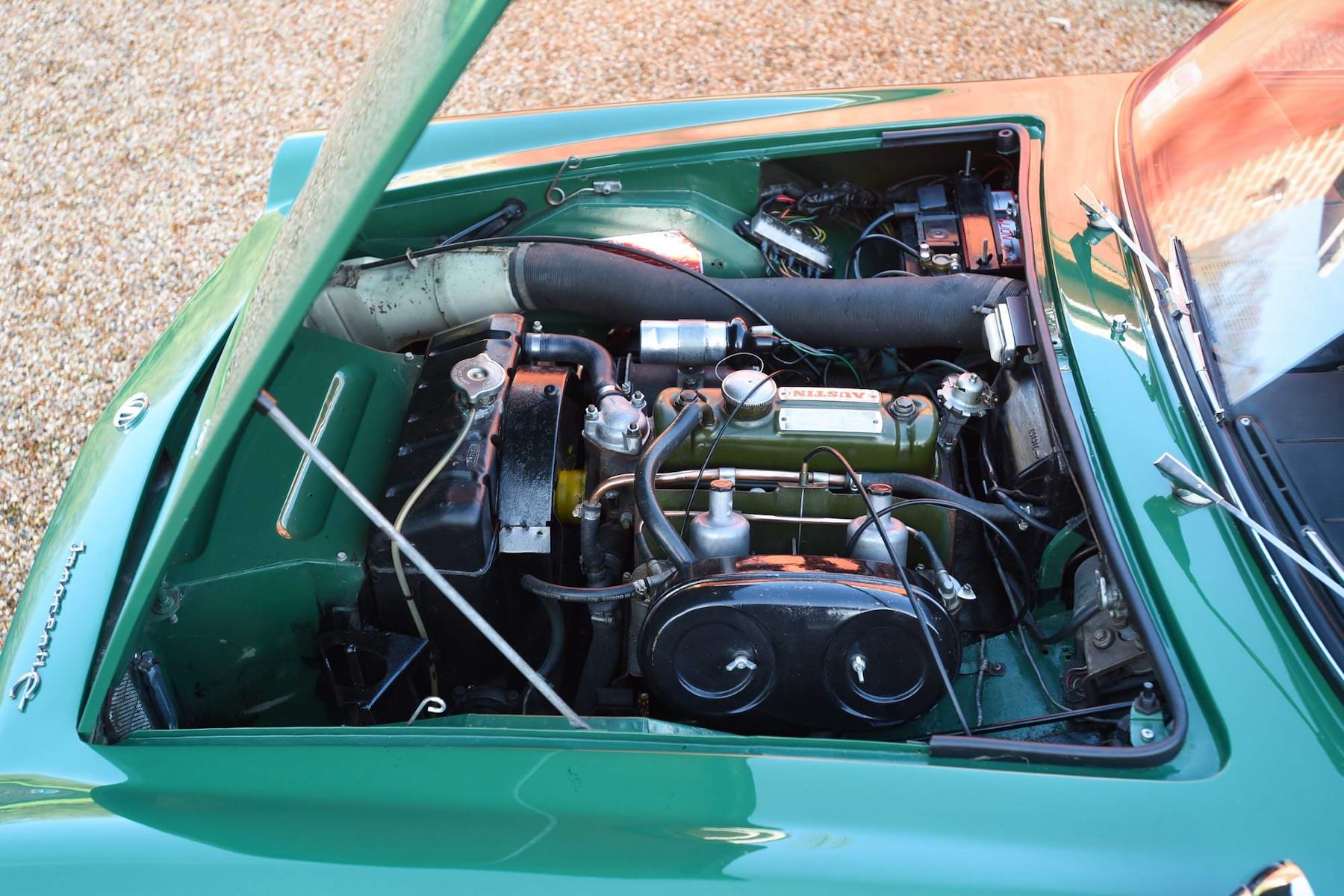
Image courtesy of Cars & Classic

Articles that Ben Branch has written have been covered on CNN, Popular Mechanics, Smithsonian Magazine, Road & Track Magazine, the official Pinterest blog, the official eBay Motors blog, BuzzFeed, Autoweek Magazine, Wired Magazine, Autoblog, Gear Patrol, Jalopnik, The Verge, and many more.
Silodrome was founded by Ben back in 2010, in the years since the site has grown to become a world leader in the alternative and vintage motoring sector, with well over a million monthly readers from around the world and many hundreds of thousands of followers on social media.